16 Vintage Beauty Products Women Used in the 1920s
The Jazz Age brought more than just music and dancing—it revolutionized how women saw themselves and their beauty routines. The flapper era demanded a new kind of glamour, one that was bold, youthful, and unapologetically modern.
Women were bobbing their hair, shortening their skirts, and experimenting with makeup in ways their mothers never imagined. The beauty industry responded with innovations that would shape cosmetics for decades to come, creating products that promised to transform any woman into a picture-perfect vision of 1920s sophistication.
Rouge
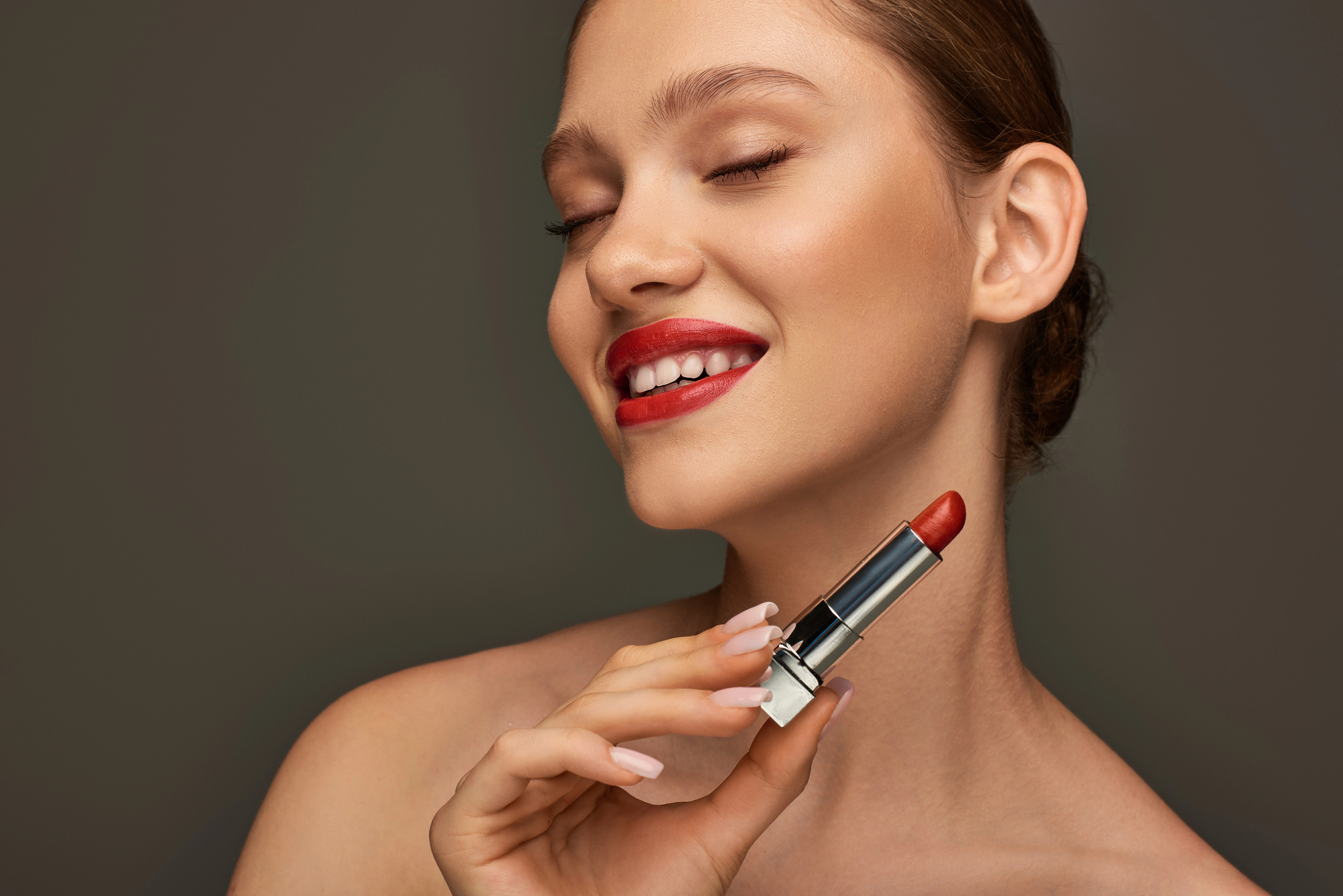
Rouge was the heartbeat of 1920s makeup. None of this subtle contouring business—women wanted their cheeks to announce themselves from across a speakeasy.
The goal was youth, health, and a hint of rebellion against the pale Victorian ideal.
Kohl Eyeliner
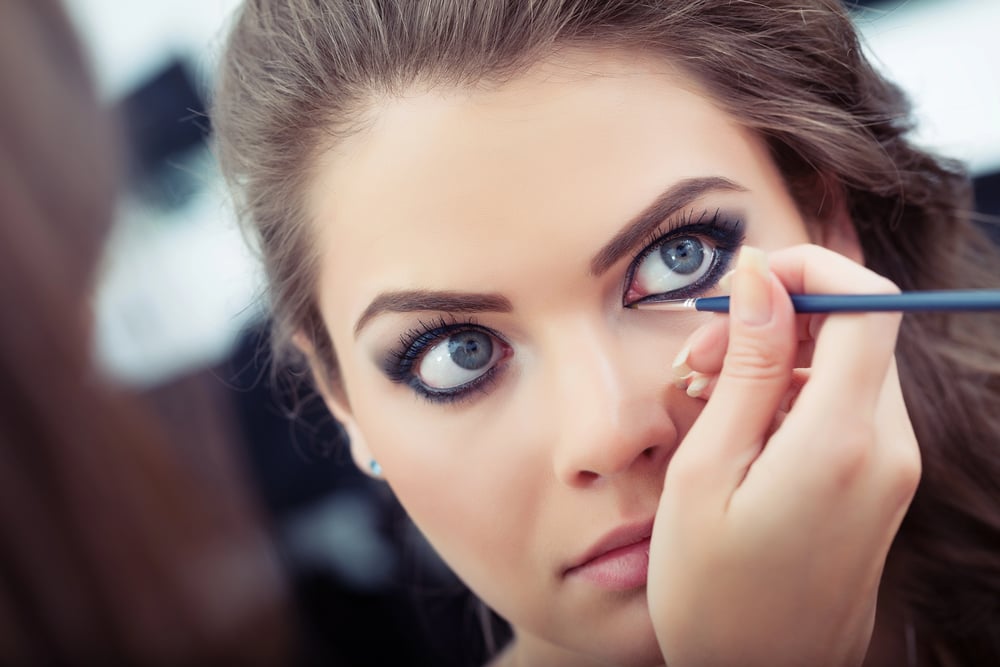
The dramatic, dark-rimmed eyes that defined the decade started with kohl. Women applied it heavily around both upper and lower lash lines, creating that signature doe-eyed look that photographers loved and mothers worried about.
Cold Cream
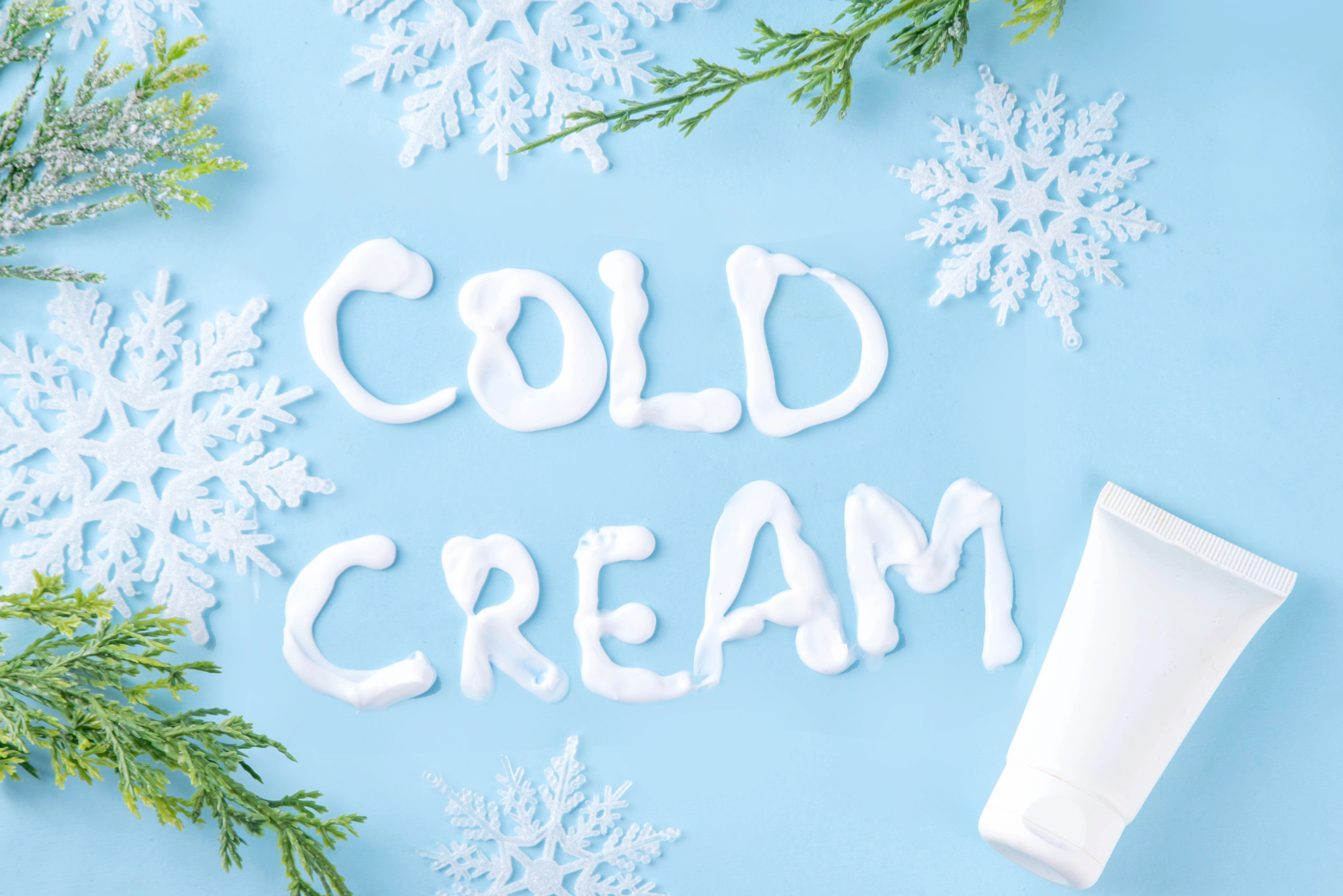
Before there were serums and essences and twelve-step routines, there was cold cream—and it did everything (or so women hoped, because the alternative was a face full of theatrical makeup that had been sitting there since dawn, which meant by evening you either looked like a melting candle or you’d rubbed it all off with your gloves). But cold cream was different: it promised to cleanse away the day’s powder and paint while somehow leaving skin softer than before.
Cold cream became the foundation of every woman’s beauty ritual, not because it was glamorous—there’s nothing particularly exciting about white cream in a jar—but because it worked reliably when most beauty products were still experimental at best. And women needed that reliability, given how much makeup they were piling on during the day.
Powder Compacts
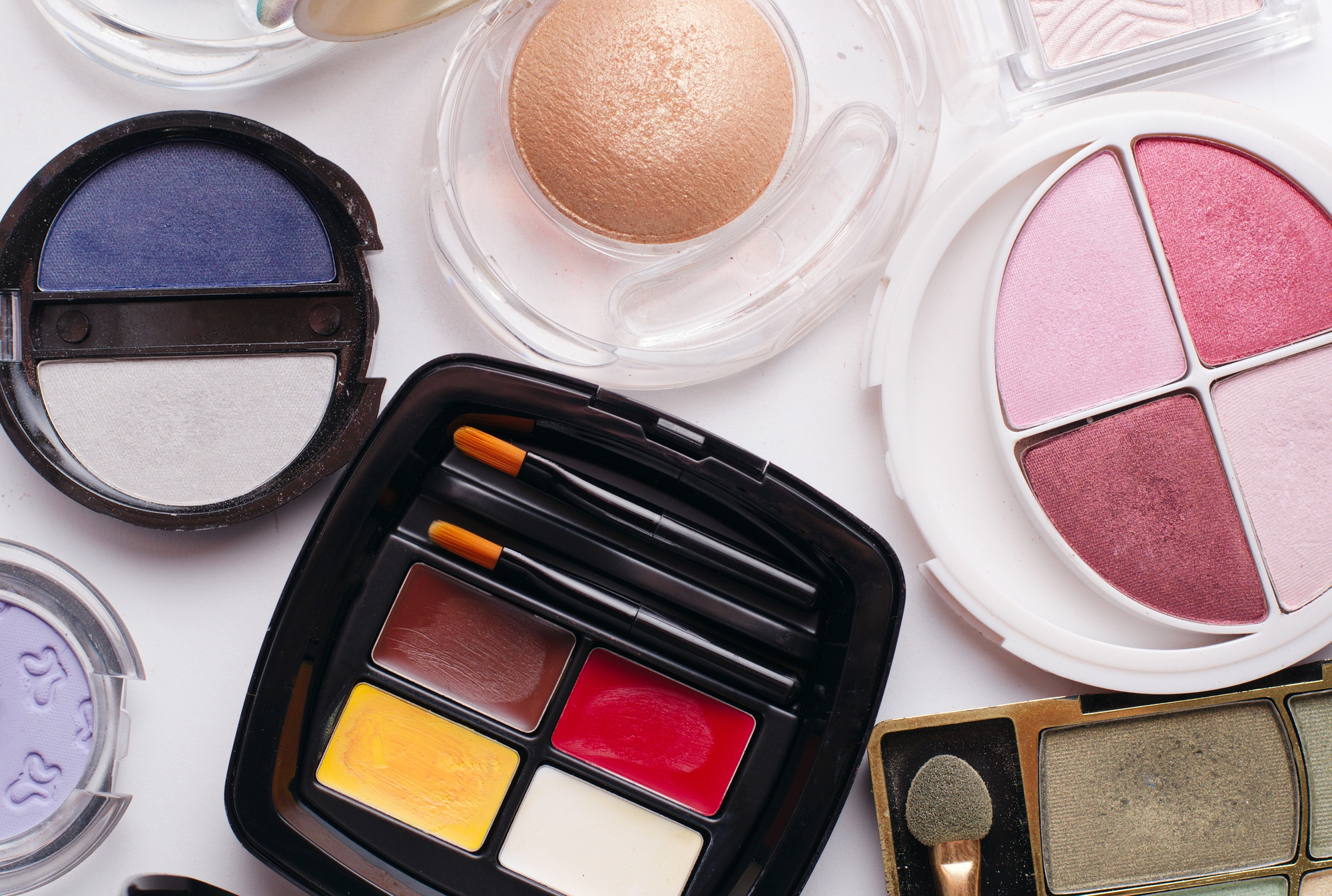
The compact was jewelry that happened to serve a purpose. These weren’t just functional items tucked away in purses—they were status symbols displayed openly, snapped shut with authority after a public touch-up that everyone was meant to notice.
Women collected them like others collected brooches, each one more ornate than the last. Art Deco designs, sterling silver, mother-of-pearl inlays. The powder inside mattered, but the compact itself told the real story about who you were and what you could afford.
Vaseline
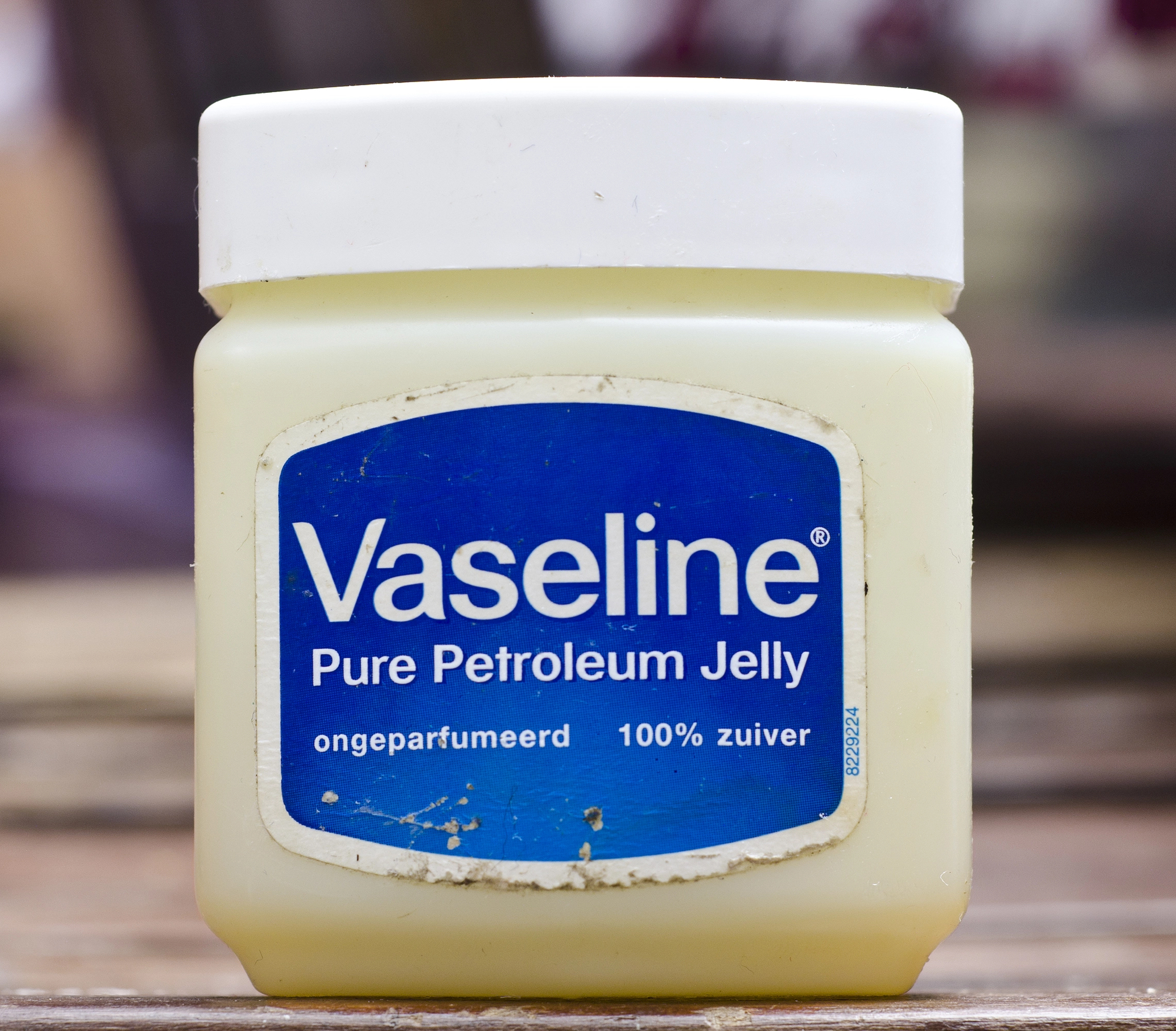
Vaseline was the makeup artist’s secret that regular women discovered by accident. Dab it on your eyelids for shine. Smooth it over your lips when lipstick felt too formal. Mix it with rouge to create a cream blush that lasted longer than powder.
The beauty industry tried to sell specialized products for each of these purposes, but practical women knew better. One jar of petroleum jelly could handle multiple beauty emergencies, and it never went bad or separated or turned strange colors in the heat.
Marcel Wave Solution

There’s something both tragic and beautiful about the lengths women went to for the perfect wave—standing in front of mirrors with hot irons and chemical solutions, trying to coax their hair into submission one section at a time, knowing that humidity or rain or even vigorous dancing could undo hours of work in minutes. The Marcel wave represented everything the 1920s woman wanted: structure that looked effortless, control that appeared natural, perfection that seemed accidental.
Wave solution was the promise in a bottle that this time, this time, the waves would hold. Women applied it religiously, section by section, believing that chemistry could overcome nature.
Bee’s Wax Mascara
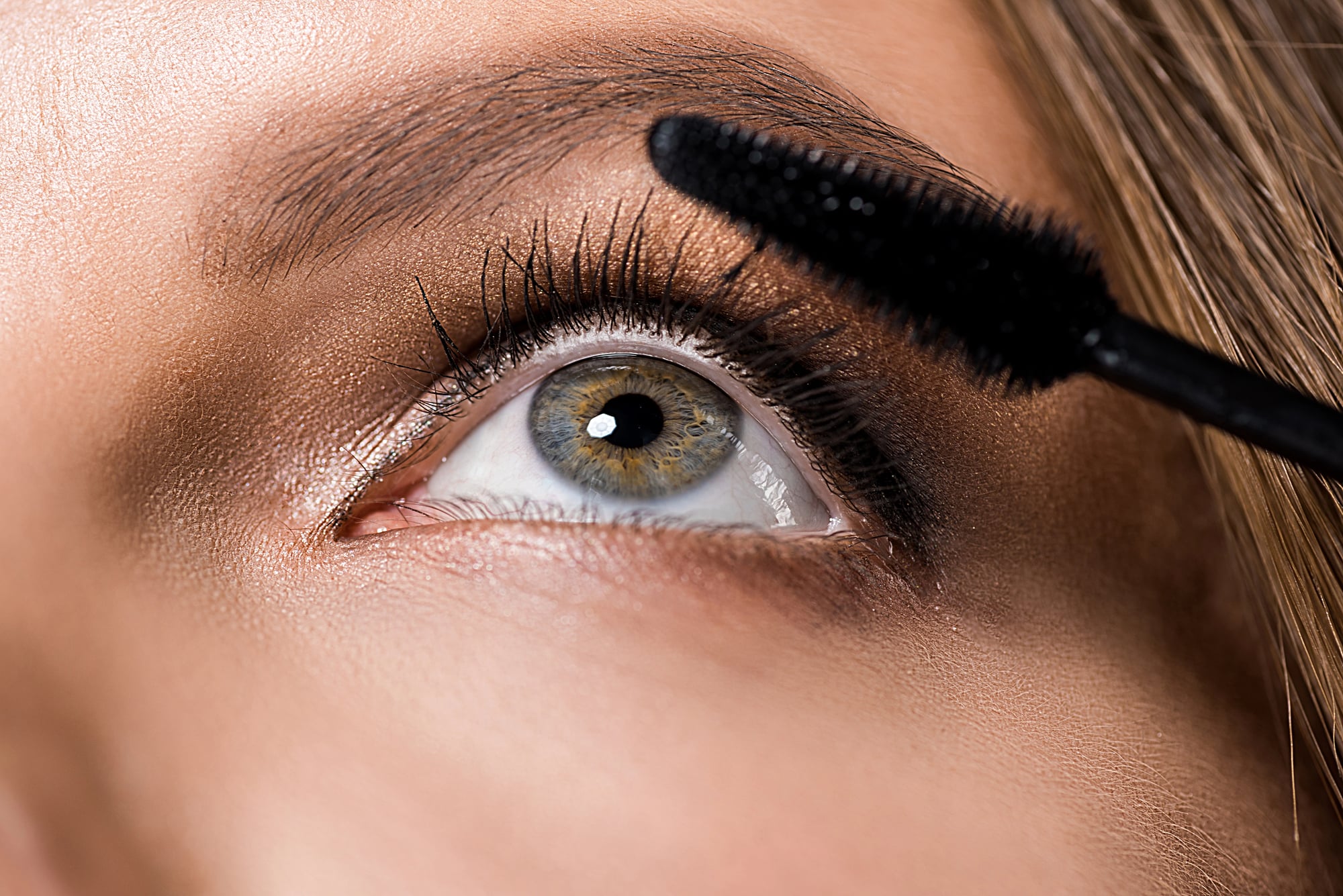
Early mascara was a commitment. You heated the wax, mixed it with whatever dark pigment you had on hand, and applied it with a tiny brush while praying it wouldn’t clump.
The results could be spectacular or disastrous, with no middle ground. Women who mastered the technique guarded their secrets jealously.
Pond’s Cold Cream
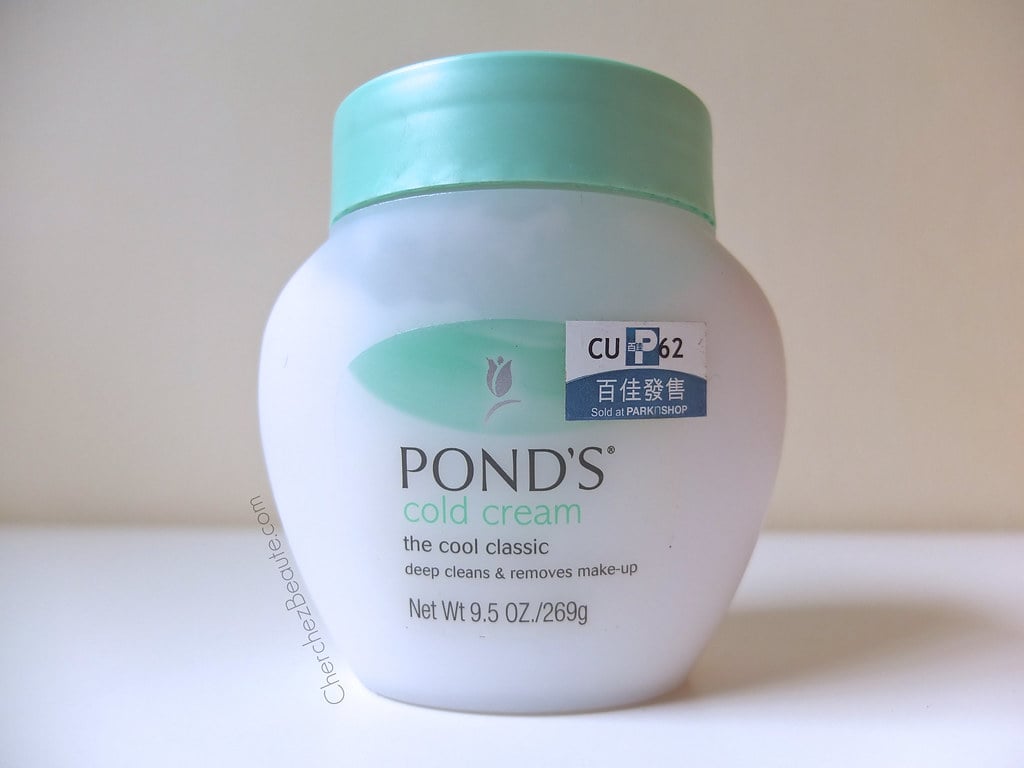
Pond’s didn’t just sell cold cream—they sold the promise that proper skincare was the foundation of beauty. Their advertisements featured society women and actresses, all of whom swore that Pond’s was the secret to their flawless complexions.
Whether this was true hardly mattered. Pond’s had the marketing budget and the elegant packaging that made women feel sophisticated while they cleansed their faces.
Lip Rouge
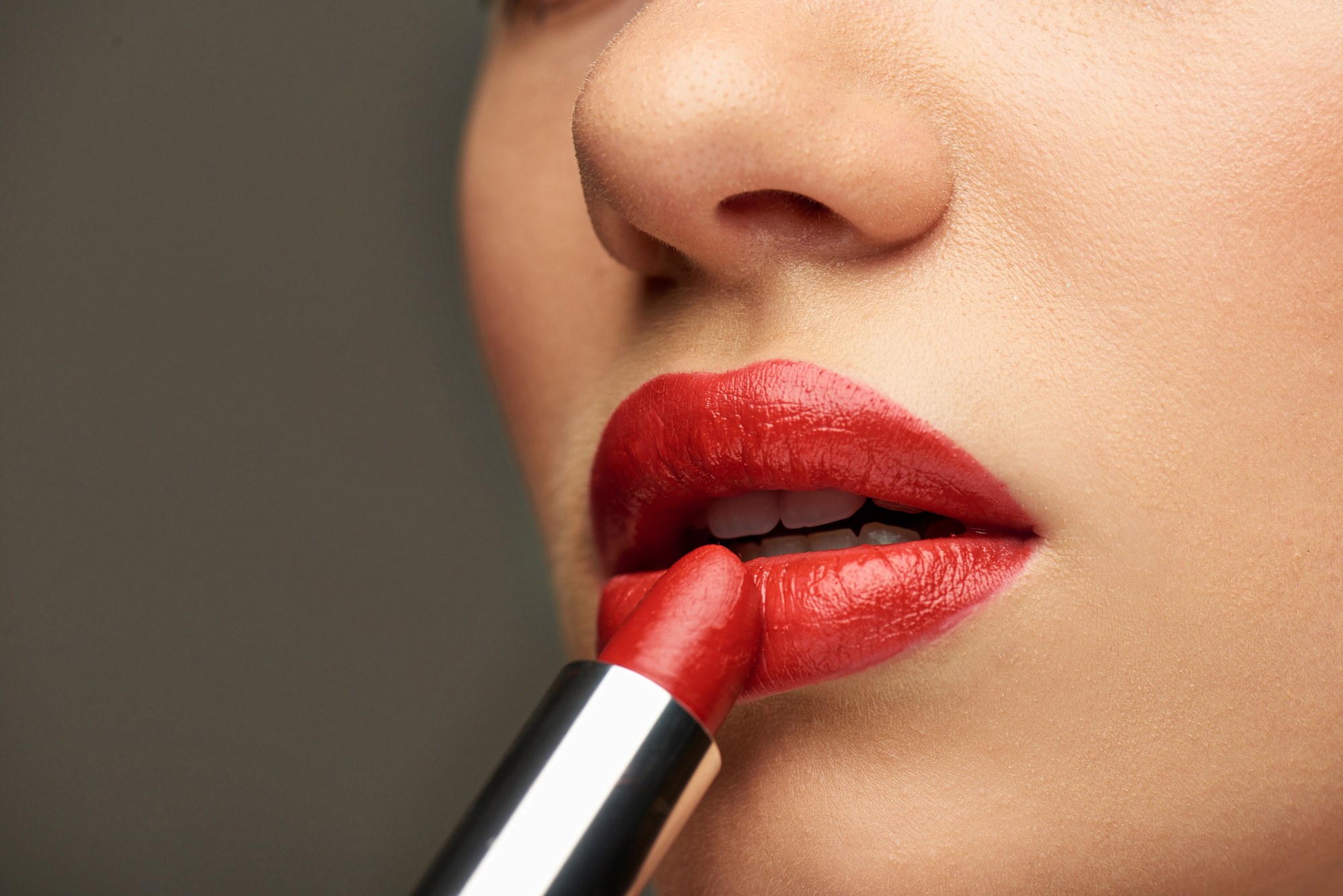
Before lipstick came in tubes, it came in pots, and applying it was an art form (one that required steady hands, good lighting, and usually a small brush, because trying to apply lip rouge with your finger resulted in the kind of uneven color that announced to everyone exactly how amateur your beauty routine really was). Women carried tiny brushes in their purses alongside the rouge pots, though some improvised with matchsticks or hairpins when desperate.
The process was more involved than modern lipstick application, but the results—when done properly—had a precision and intensity that tubes couldn’t match. So naturally, the women who perfected the technique looked down on those who hadn’t.
Hair Pomade
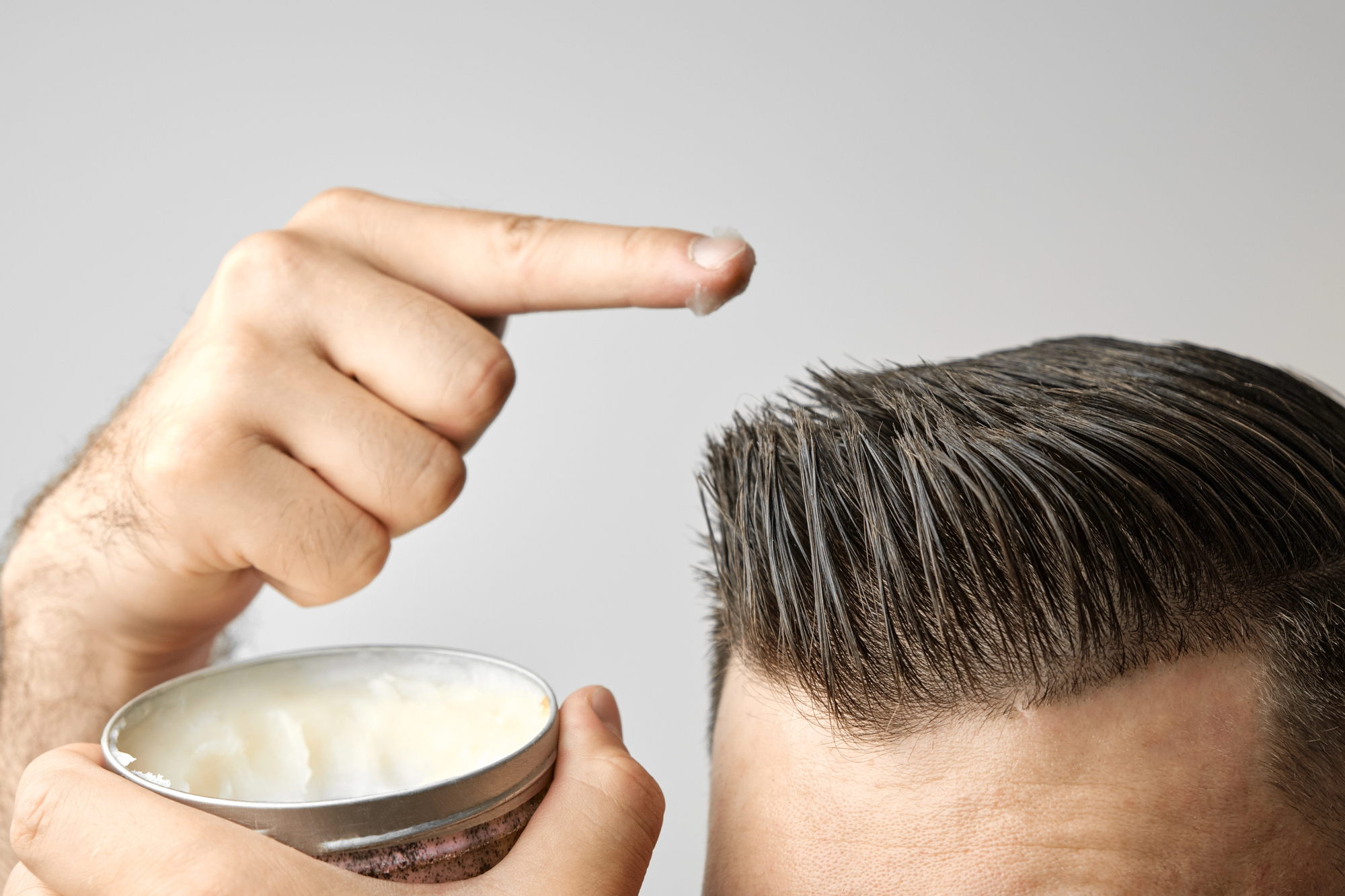
Hair pomade was control in a jar. The slicked-back styles and finger waves that defined 1920s hair required products that could hold their shape under any circumstances—dancing, wind, humidity, or the general chaos of modern life.
Men used pomade too, but women needed something that could create sleek styles without looking greasy or heavy. The best pomades provided hold and shine while still allowing hair to move naturally.
Eyebrow Pencils
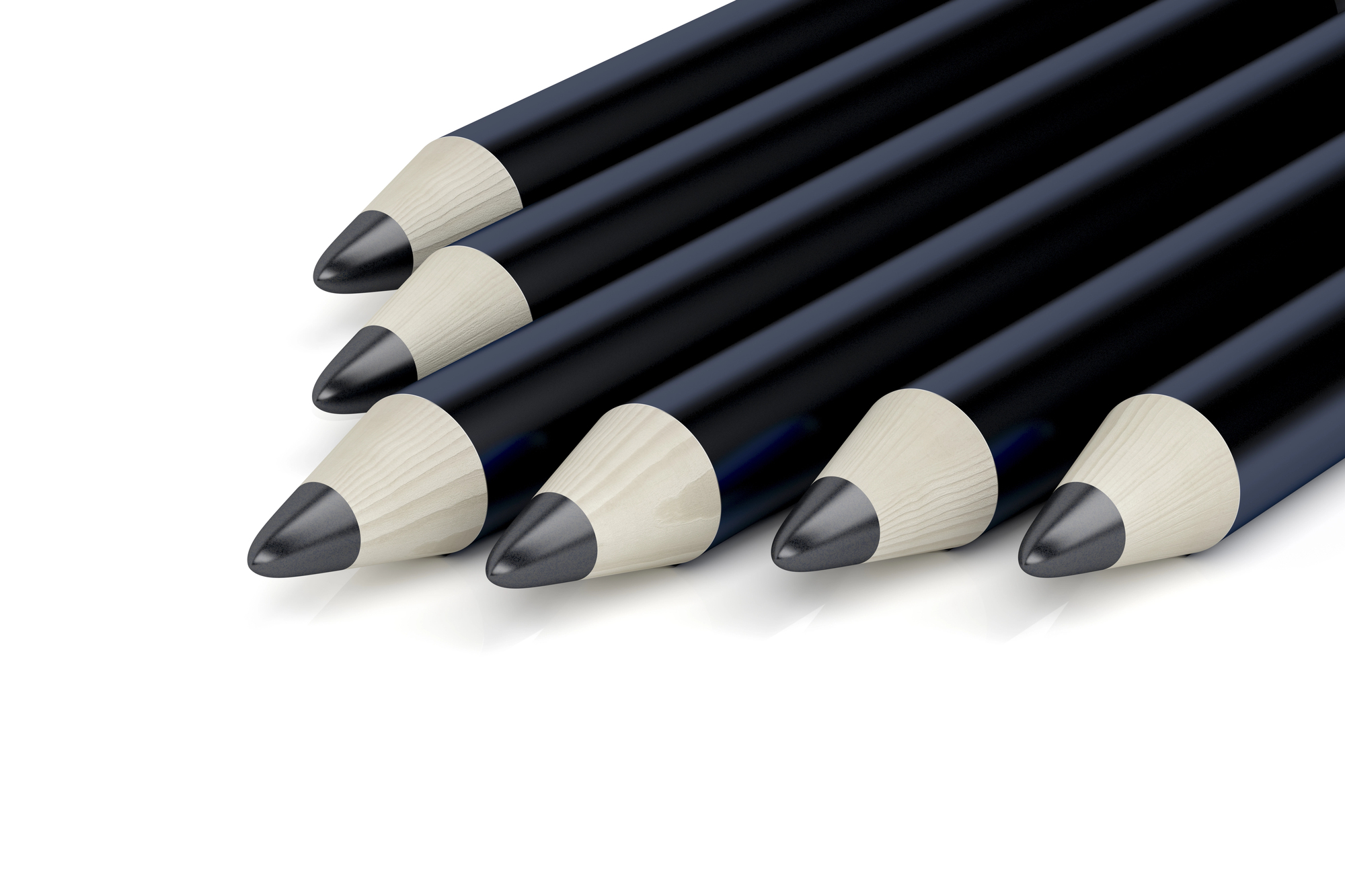
The thin, arched eyebrows that epitomized 1920s beauty didn’t happen naturally for most women. They required careful plucking followed by strategic penciling to create that perfect curved line that framed the eyes and lifted the entire face.
Women approached eyebrow maintenance with the precision of architects, mapping out the ideal shape before removing any unwanted hair. The pencil work came last, filling in sparse spots and extending lines to achieve that coveted high arch.
Nail Polish
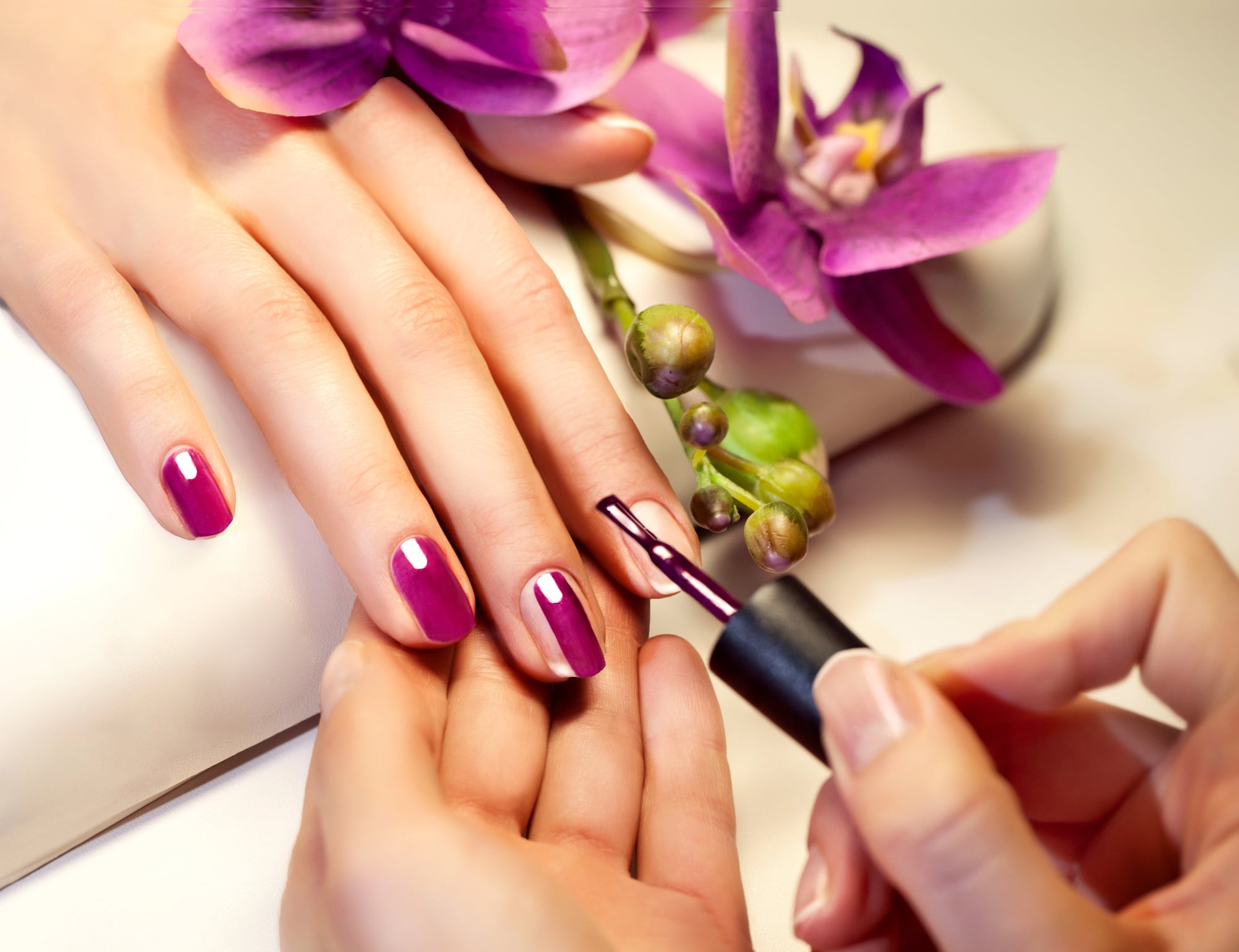
Nail polish in the 1920s wasn’t about covering the entire nail—it was about creating the perfect half-moon design (which meant painting around a carefully placed stencil or piece of tape, leaving the base and tip of the nail bare while coloring only the center portion). The look was distinctive and elegant when done properly, but getting it right took practice and time that busy women didn’t always have.
And yet the effort was worth it, because properly polished nails in that signature half-moon style became a mark of sophistication and attention to detail that other women noticed immediately.
Witch Hazel
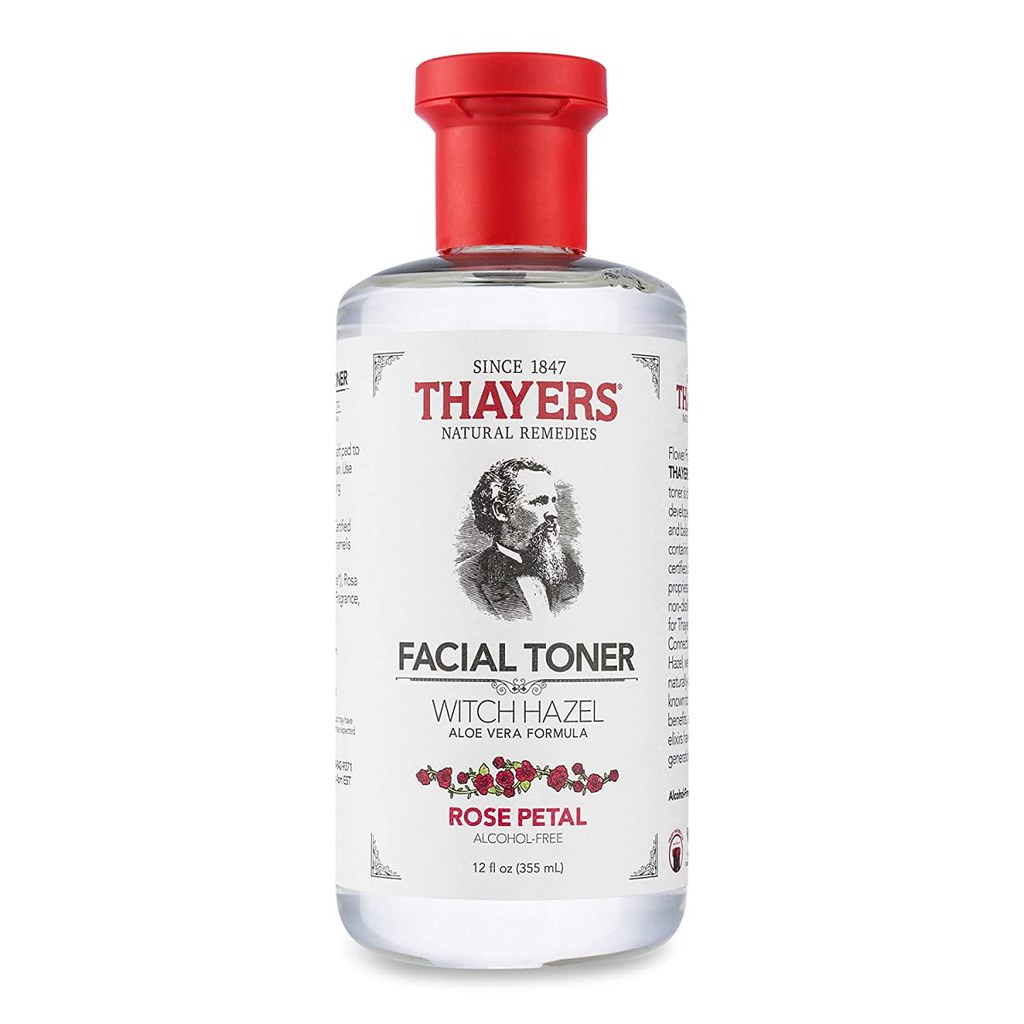
Witch hazel was the practical woman’s toner. It tightened pores, reduced shine, and prepared skin for the layers of powder and rouge that would follow.
Women appreciated products that delivered results without pretense, and witch hazel fit that requirement perfectly. It wasn’t glamorous, but it worked reliably and didn’t require special techniques or expensive accessories to use effectively.
Face Powder
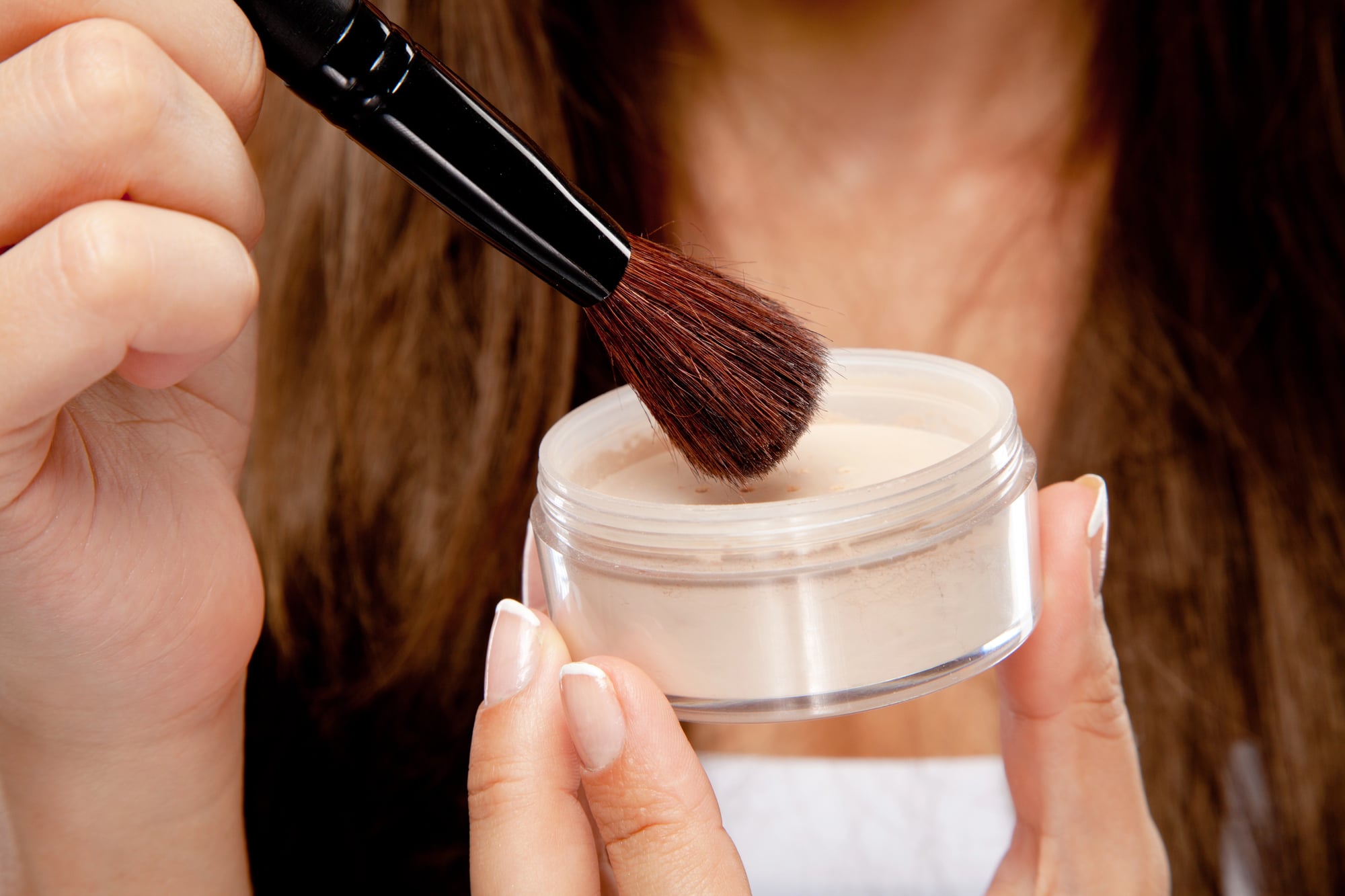
Loose face powder was the final step that pulled everything together. Applied with large, soft brushes or powder puffs, it set makeup in place and created that matte finish that photographers preferred and women tried to maintain throughout long evenings.
The shade had to be perfect—too light and you looked ghostly, too dark and the powder became obvious under artificial light. Women often mixed shades to create custom colors that matched their skin exactly.
Perfume Atomizers
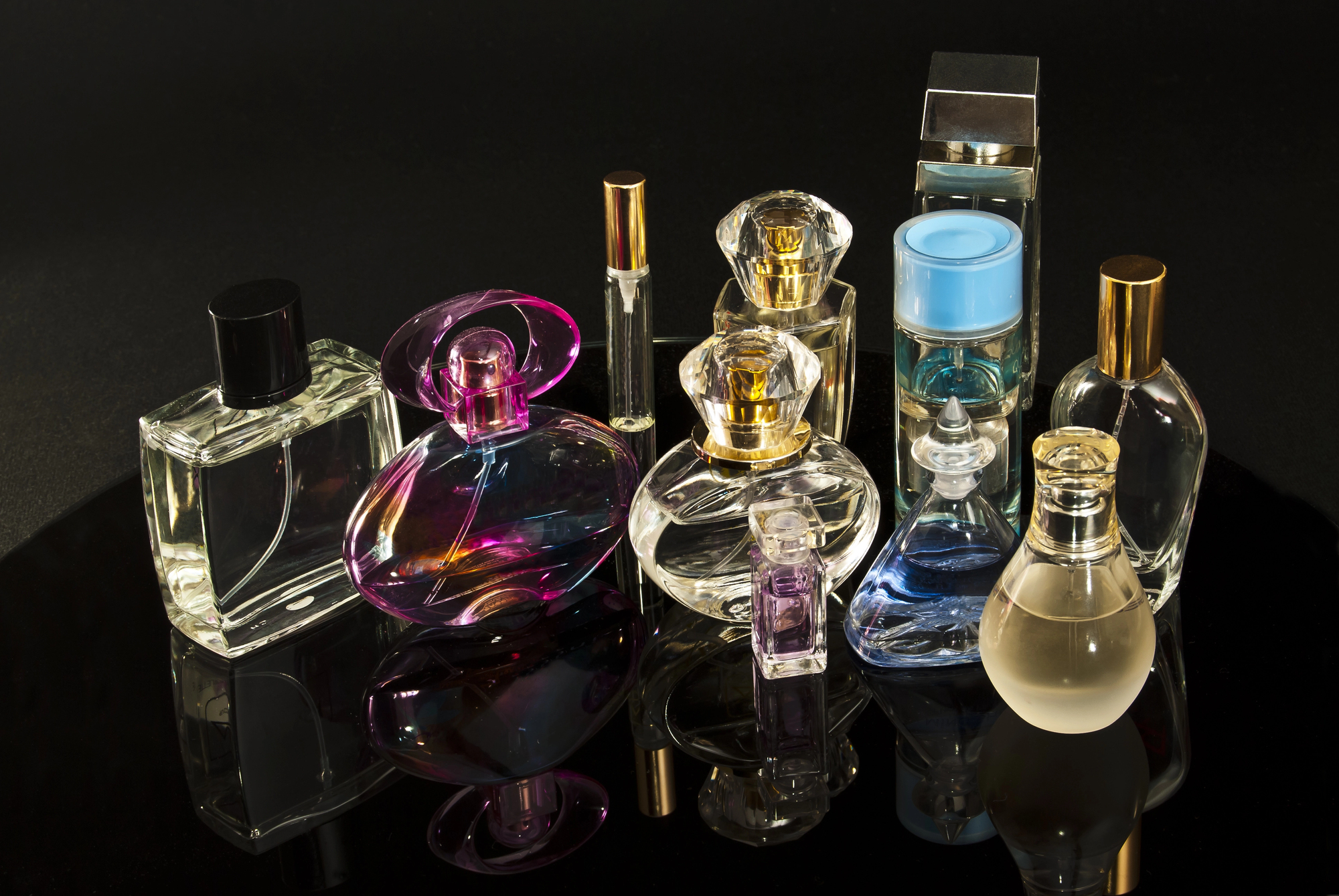
The atomizer transformed perfume from a luxury into a ritual. These elegant glass bottles with their rubber bulbs and fine mist delivery systems made applying fragrance feel sophisticated and precise, like something a movie star would do in her dressing room.
Women collected atomizers almost as enthusiastically as they collected compacts, choosing designs that reflected their personal style. Art Deco patterns, colored glass, silver fittings—the atomizer was as much about display as it was about function.
Cleansing Oil
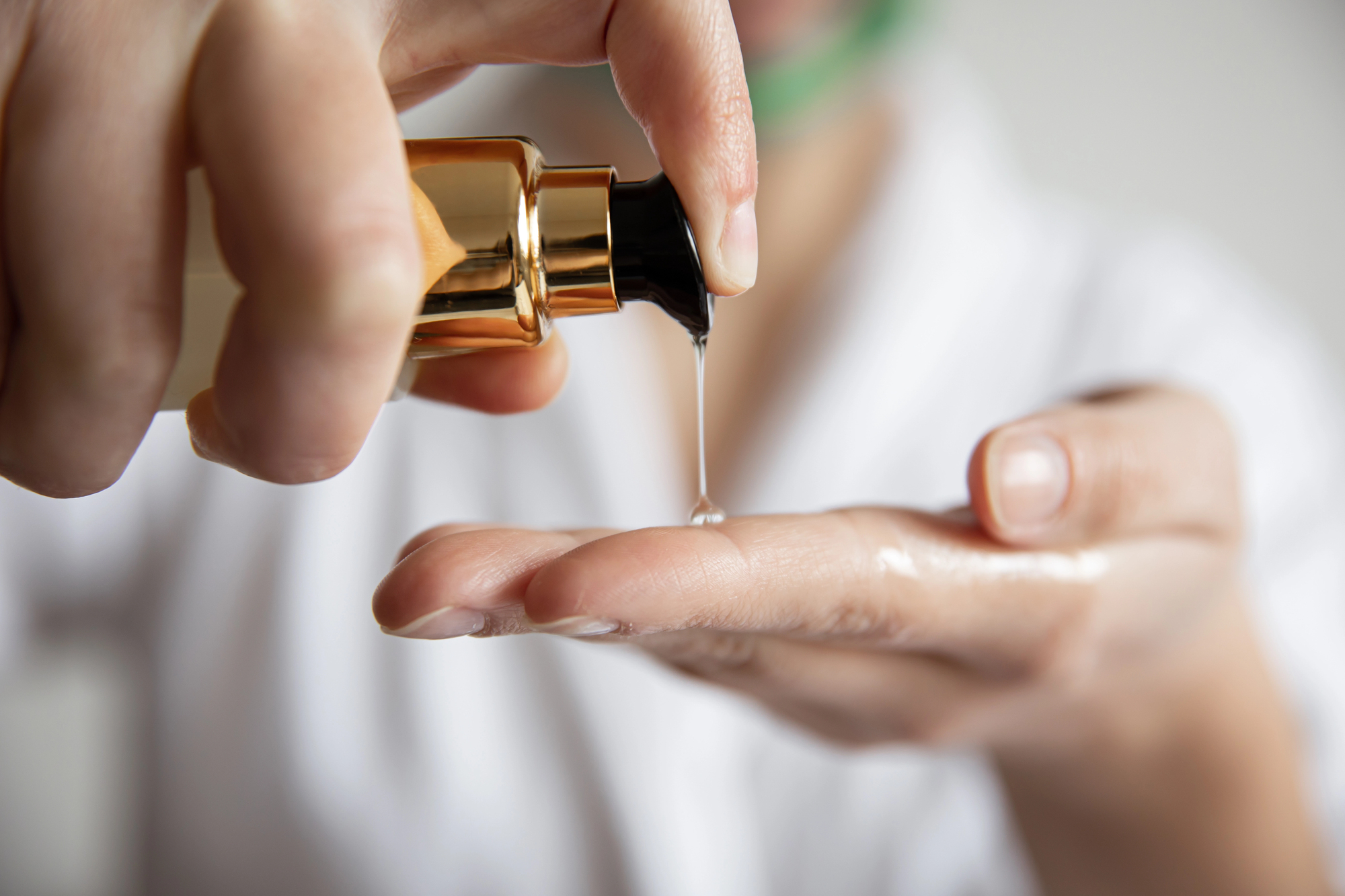
Before cleansing oil became a modern skincare trend, 1920s women were already using oil-based cleansers to remove their heavy makeup. These products dissolved rouge, powder, and eye makeup more effectively than soap and water alone.
The technique required patience—massage the oil into skin, let it break down the makeup, then remove everything with warm cloths. Done properly, it left skin soft and clean without the tightness that harsh soaps created.
Beauty Rituals That Built an Era
The beauty products of the 1920s tell the story of women reinventing themselves in real time. Each jar of cold cream and compact of rouge represented a small act of rebellion against Victorian restraint, a daily decision to embrace boldness over propriety.
These weren’t just cosmetics—they were tools of transformation that helped create the modern woman, one carefully applied layer at a time. The techniques may have evolved, but the desire to present your best face to the world remains beautifully, stubbornly unchanged.
More from Go2Tutors!

- The Romanov Crown Jewels and Their Tragic Fate
- 13 Historical Mysteries That Science Still Can’t Solve
- Famous Hoaxes That Fooled the World for Years
- 15 Child Stars with Tragic Adult Lives
- 16 Famous Jewelry Pieces in History
Like Go2Tutors’s content? Follow us on MSN.



