17 Everyday Items Invented by Women
Women have been solving everyday problems with ingenious inventions for centuries, though many of their contributions have been overlooked or forgotten over time. From kitchen gadgets to life-saving medical devices, female inventors have created solutions that make our daily lives easier, safer, and more convenient. These innovations often came from women who saw a need and decided to fill it themselves.
The impact of these inventions extends far beyond their original purpose, shaping entire industries and improving countless lives. Here is a list of 17 everyday items invented by women.
Dishwasher
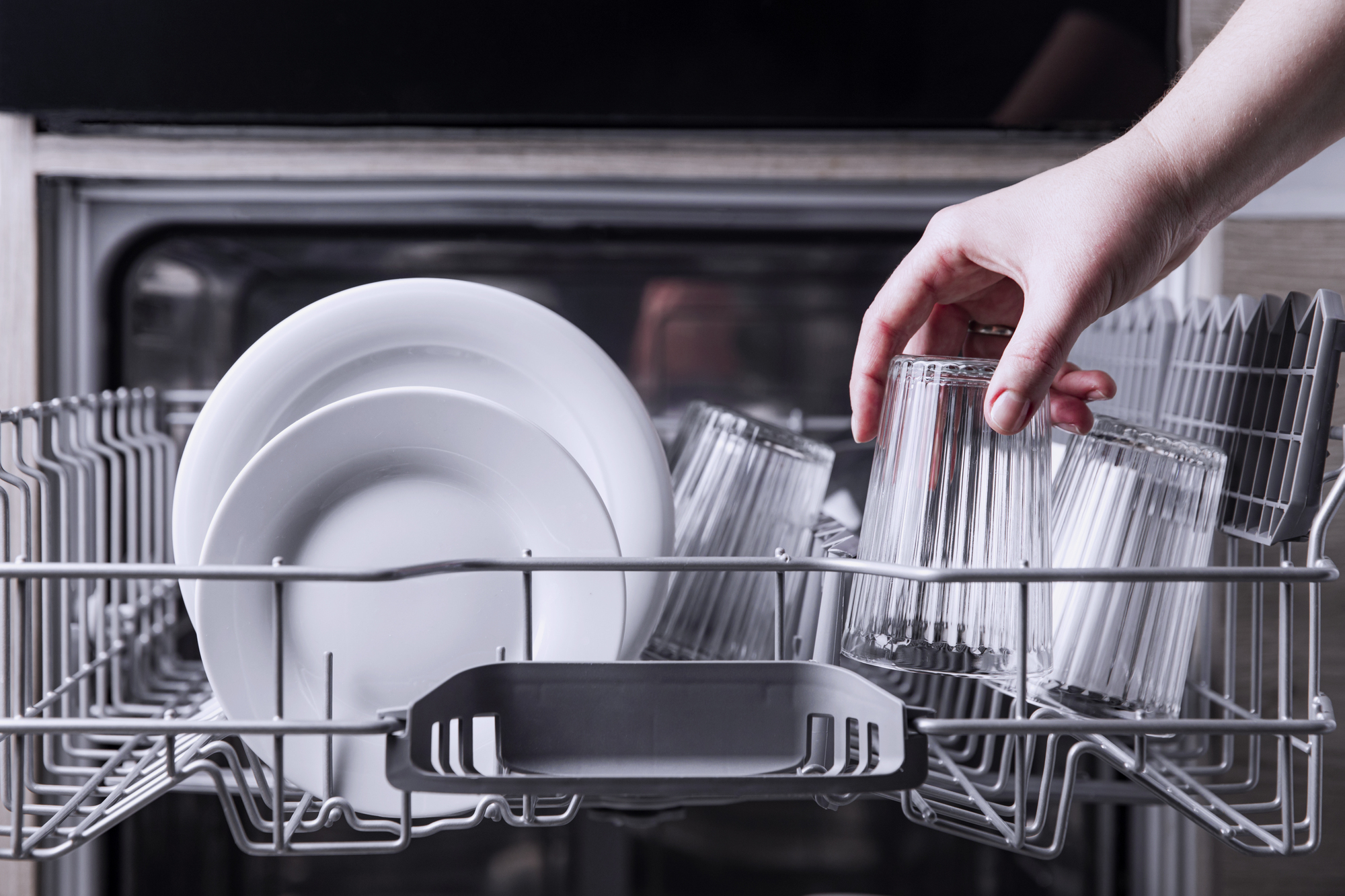
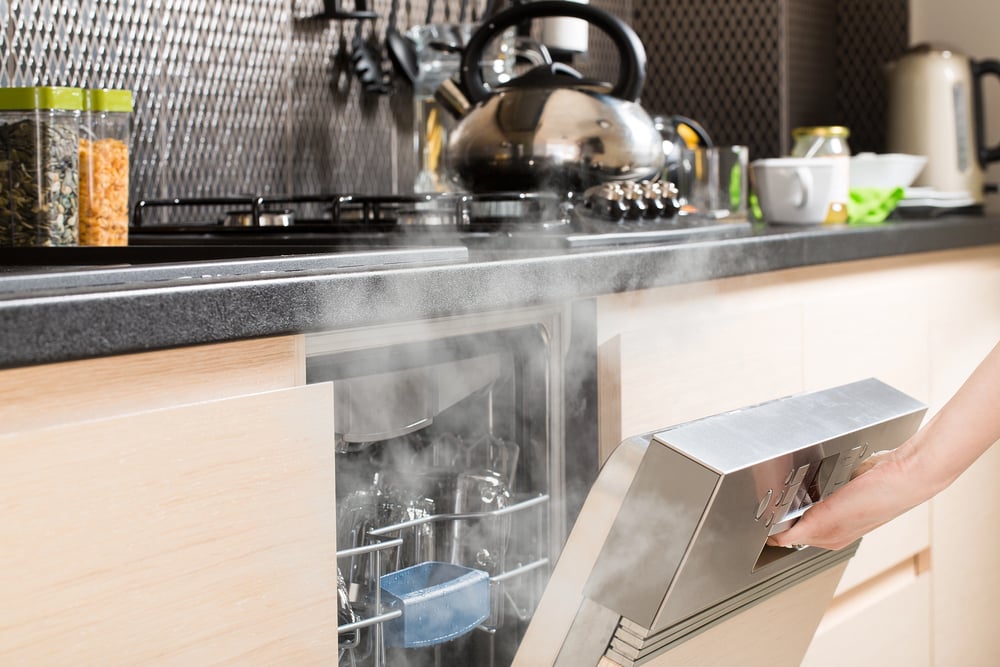
Josephine Cochrane invented the first practical dishwasher in 1886 after getting frustrated with her servants chipping her fine china while washing dishes. She designed a machine that used water pressure to clean dishes more effectively than hand washing, though it took decades before dishwashers became common in American homes.
Her invention revolutionized kitchen cleanup and became a standard appliance that saves millions of people time and effort every day.
Windshield Wipers

Mary Anderson created windshield wipers in 1903 after noticing streetcar drivers struggling to see through snow-covered windshields during a trip to New York City. She designed a simple lever-operated device with a rubber blade that could clear precipitation from the outside of the vehicle.
Though initially dismissed by manufacturers as unnecessary, windshield wipers became standard safety equipment on all vehicles within a few decades.
Fire Escape

Anna Connelly patented the first fire escape in 1887, designing an exterior stairway system that allowed people to safely exit burning buildings. Her invention featured iron balconies connected by stairs that provided an alternative escape route when interior stairwells became impassable.
This life-saving device became mandatory in many cities and has helped countless people evacuate dangerous situations over the past century.
Circular Saw
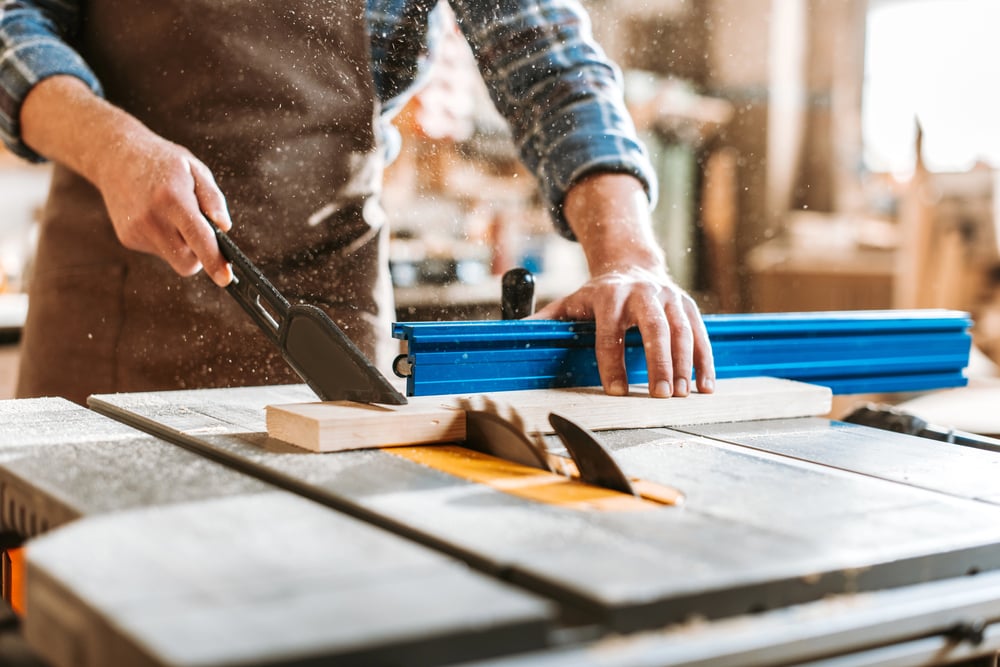
Tabitha Babbitt invented the circular saw in 1813 while working in a Shaker community, where she noticed that traditional two-man saws wasted energy on the backstroke. She attached a circular blade to her spinning wheel, creating a tool that cut continuously in one direction and doubled cutting efficiency.
Her innovation transformed lumber production and construction, making it faster and easier to cut wood for building projects.
Monopoly
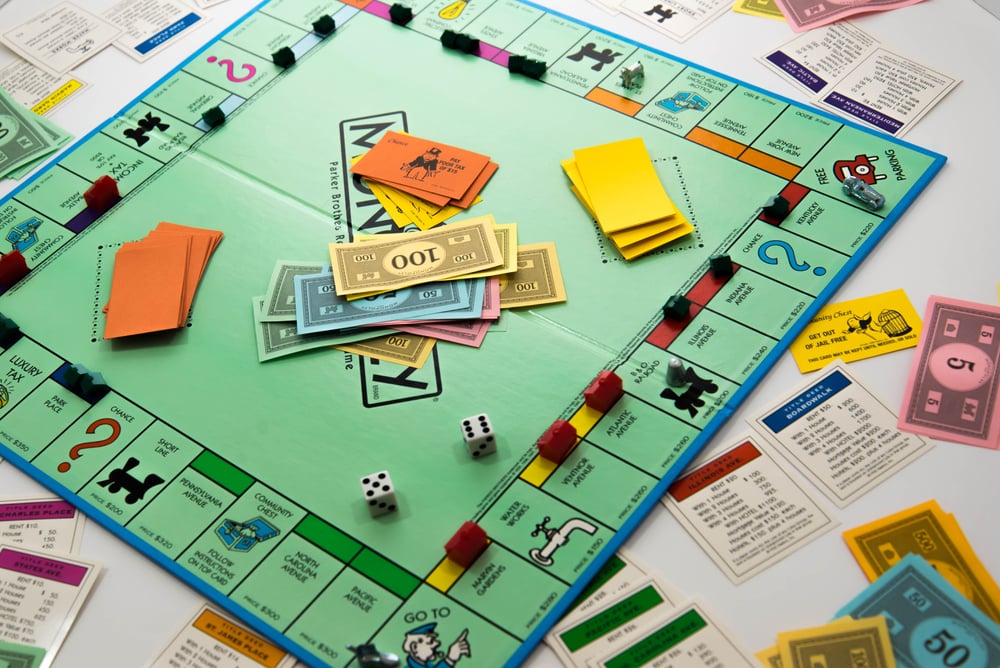
Elizabeth Magie created the precursor to Monopoly in 1903 with her game ‘The Landlord’s Game,’ designed to demonstrate the negative aspects of land monopolism. Her board game used rent collection and property ownership mechanics that later became central to Monopoly after Charles Darrow modified and popularized her concept.
Though Magie received little credit for decades, her original game design laid the foundation for one of the world’s most popular board games.
Computer Algorithm
Ada Lovelace wrote the first computer algorithm in 1843 for Charles Babbage’s Analytical Engine, creating what many consider the first computer program. Her work included detailed notes explaining how machines could go beyond pure calculation to create music and art if given the right instructions.
Lovelace’s visionary understanding of computing potential preceded actual computers by more than a century and established fundamental programming concepts still used today.
Disposable Diaper
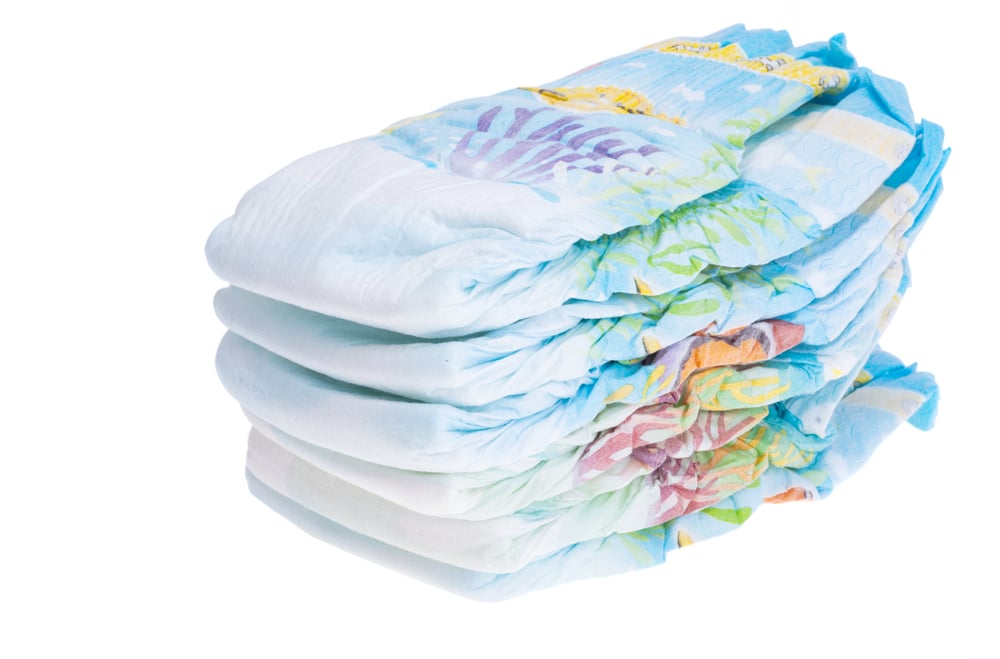
Marion Donovan invented the first waterproof disposable diaper in 1946 using a shower curtain to create a leak-proof cover for cloth diapers. She later developed fully disposable diapers made from absorbent paper, though manufacturers initially rejected her idea as impractical.
Her invention eventually revolutionized childcare by providing parents with a convenient alternative to cloth diapers that required constant washing.
Kevlar
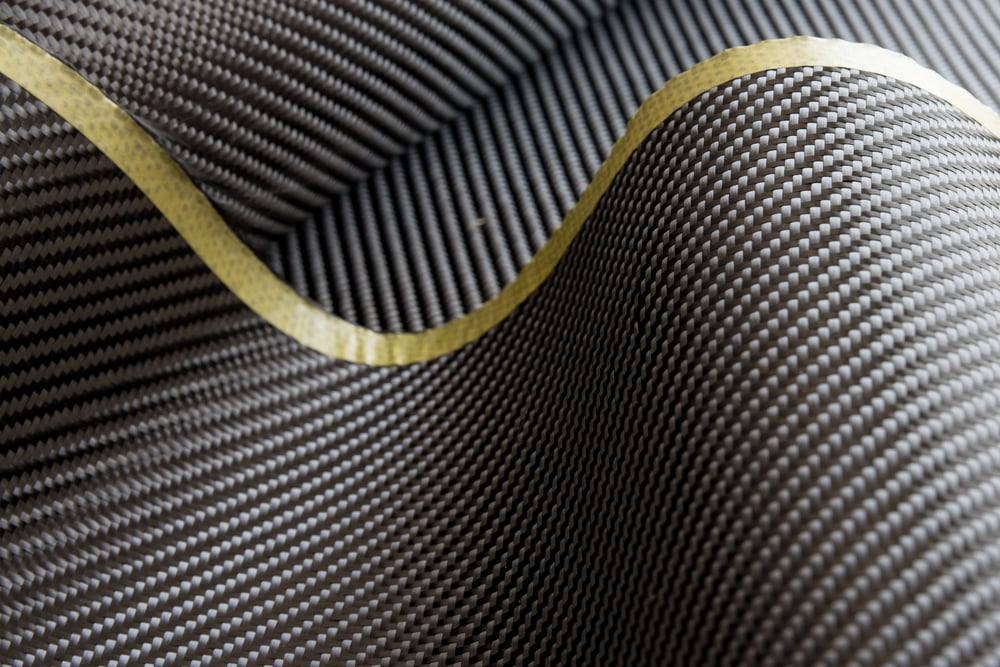
Stephanie Kwolek discovered Kevlar in 1965 while working as a chemist at DuPont, initially creating what appeared to be a failed polymer solution that looked cloudy and thin. Instead of discarding the mixture, she decided to test it and discovered it was incredibly strong and lightweight.
Her accidental discovery led to bulletproof vests, protective gear, and countless other applications that have saved thousands of lives.
Medical Syringe
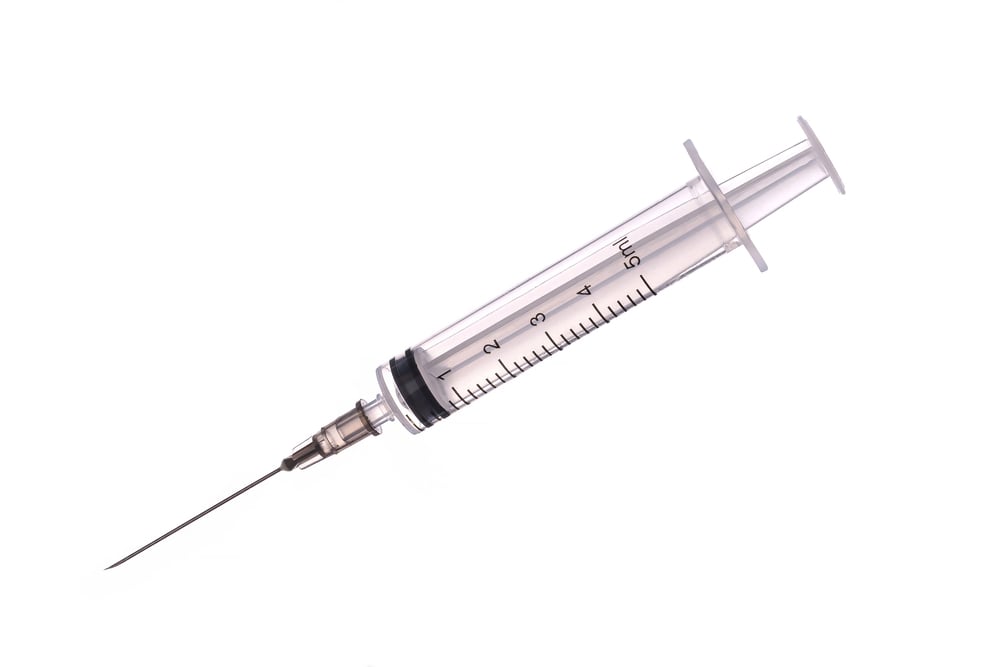
Letitia Geer patented the one-handed medical syringe in 1899, designing a device that allowed medical professionals to operate syringes with one hand while using the other to steady patients. Her innovation made medical injections safer and more precise by giving doctors better control during procedures.
This improvement to syringe design became standard in medical practice and remains essentially unchanged today.
Chocolate Chip Cookie
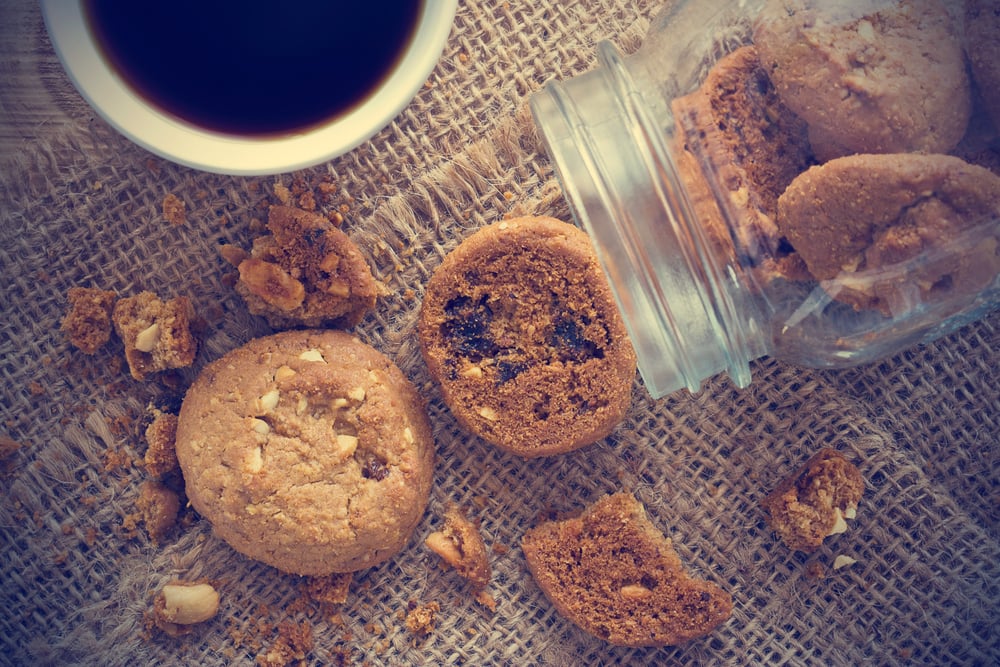
Ruth Wakefield invented chocolate chip cookies in 1938 at her Toll House Inn when she broke up a chocolate bar and added the pieces to cookie dough, expecting them to melt and create chocolate cookies. Instead, the chocolate pieces held their shape, creating the first batch of chocolate chip cookies that became an instant hit with her customers.
Her accidental creation became America’s favorite cookie and turned into a billion-dollar industry.
Liquid Paper

Bette Nesmith Graham invented Liquid Paper correction fluid in 1956 while working as a secretary, mixing white tempera paint with water to cover up typing mistakes. She refined her formula over several years, eventually creating a product that dried quickly and matched standard typing paper.
Her invention became essential office equipment before computers made typing corrections obsolete, and she built a multimillion-dollar company from her kitchen-table experiment.
Laser Cataract Surgery
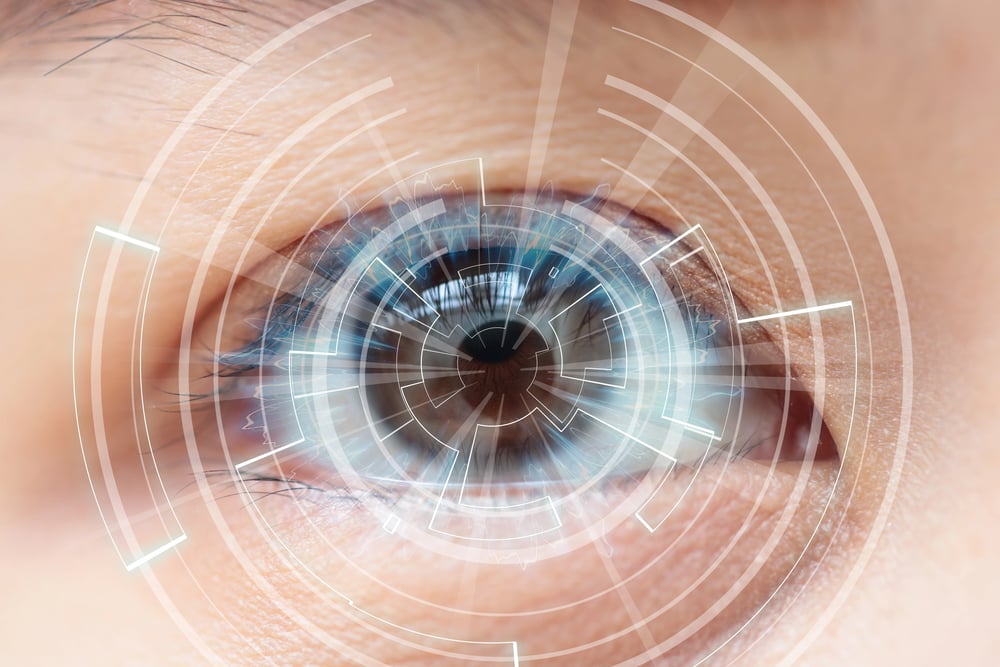
Patricia Bath invented the Laserphaco Probe in 1986, a device that uses laser technology to remove cataracts more precisely than traditional surgery methods. Her invention restored sight to people who had been blind for decades and made cataract surgery safer and more effective.
Bath’s innovation helped millions of people worldwide regain their vision and established new standards for eye surgery procedures.
Home Security System

Marie Van Brittan Brown created the first home security system in 1966 with her husband, designing a closed-circuit television system that allowed homeowners to see who was at their door from anywhere in the house. Their system included a camera, monitors, and a two-way microphone that enabled communication with visitors without opening the door.
This invention laid the groundwork for modern home security systems that protect millions of homes today.
Life Raft

Maria Beasley patented an improved life raft design in 1882 that was fire-resistant, compact, and easy to deploy in emergencies. Her rectangular design with guard rails was safer and more practical than previous circular life rafts that were difficult to board and maneuver.
Beasley’s life raft improvements helped save countless lives at sea and influenced maritime safety equipment that’s still used on ships today.
Central Heating

Alice Parker designed the first central heating system using natural gas in 1919, creating a furnace that distributed heat throughout buildings via ducts instead of relying on individual fireplaces or stoves. Her system was more efficient and safer than existing heating methods, though it took years for gas heating to become widely adopted.
Parker’s innovation transformed how buildings were heated and became the foundation for modern HVAC systems.
Frequency Hopping
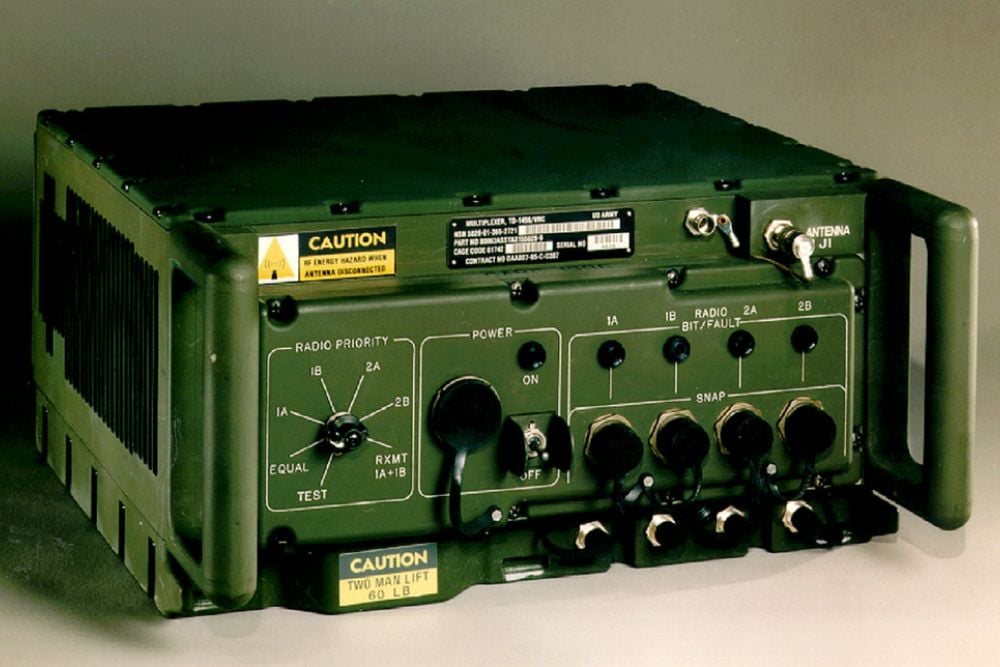
Hedy Lamarr co-invented frequency hopping technology in 1942, developing a system that rapidly switched radio frequencies to prevent enemy jamming of torpedo guidance systems. Though the U.S. Navy initially dismissed her invention, the technology later became essential for WiFi, GPS, and Bluetooth communications.
Her work in signal processing laid crucial groundwork for the wireless communication systems that connect our modern world.
Ice Cream Maker
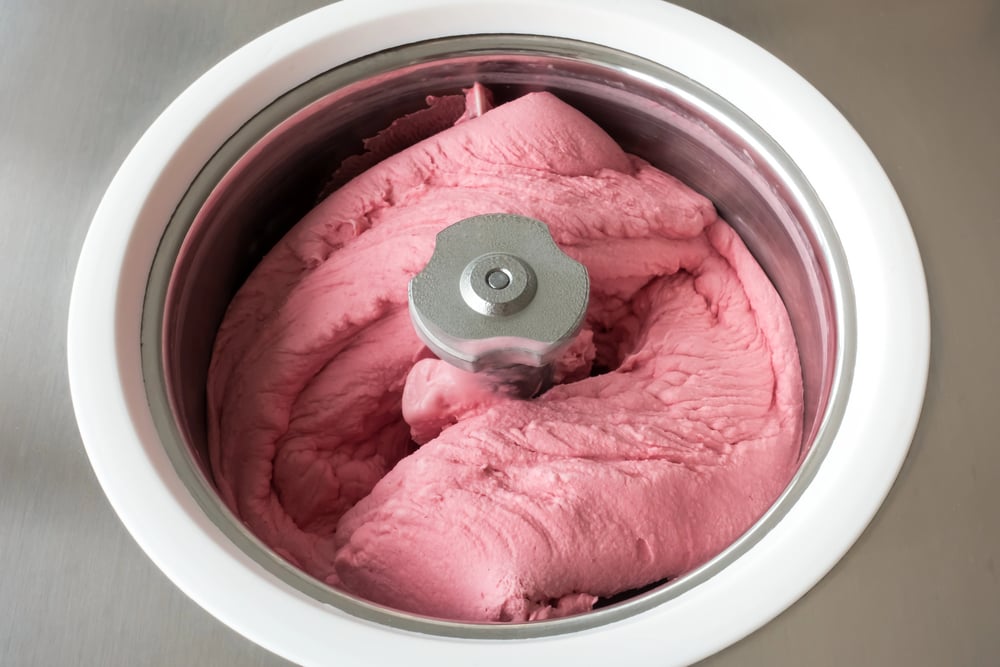
Nancy M. Johnson invented the hand-cranked ice cream freezer in 1843, creating a machine that used a paddle mechanism inside a cylinder surrounded by ice and salt. Her design made it possible to produce smooth, creamy ice cream at home instead of relying on expensive commercial products.
Johnson’s invention democratized ice cream production and helped establish America’s love affair with this frozen treat.
Innovation Through Necessity
These inventions demonstrate how women throughout history identified problems in their daily lives and created practical solutions that benefited everyone. Many of these female inventors faced skepticism from manufacturers and investors who doubted women’s technical abilities, yet their persistence brought revolutionary products to market.
Their contributions remind us that innovation often comes from unexpected sources and that the best inventions solve real-world problems. Today’s female inventors continue this tradition, developing technologies that will shape our future in ways we can’t yet imagine.
More from Go2Tutors!

- The Romanov Crown Jewels and Their Tragic Fate
- 13 Historical Mysteries That Science Still Can’t Solve
- Famous Hoaxes That Fooled the World for Years
- 15 Child Stars with Tragic Adult Lives
- 16 Famous Jewelry Pieces in History
Like Go2Tutors’s content? Follow us on MSN.



