15 American Museums That Every History Lover Needs to Visit
American history lives in its museums. Not the sanitized version from textbooks, but the messy, complicated, human story told through objects that witnessed it all.
These institutions hold fragments of the past — letters that changed the course of wars, tools that built a nation, artifacts that reveal uncomfortable truths alongside moments of triumph. Walking through the right museum transforms abstract historical knowledge into something you can almost touch.
The uniform worn by a Civil War soldier carries the weight of individual sacrifice in a way no battlefield monument can match. A Depression-era photograph stops being a symbol and becomes a window into one family’s struggle to survive.
The museums on this list don’t just display history — they preserve the complexity of the American experience. Some will challenge what you thought you knew.
Others will deepen your understanding of familiar stories. All of them recognize that history belongs to real people who made choices, faced consequences, and shaped the country we live in today.
Smithsonian National Museum of American History
The Star-Spangled Banner hangs behind protective glass, its fabric faded but still commanding the room. This isn’t a replica or an artist’s interpretation — it’s the actual flag that flew over Fort McHenry in 1814, inspiring Francis Scott Key to write the poem that became the national anthem.
But the museum’s real strength lies in how it presents the ordinary objects that shaped American life (and sometimes, without anyone realizing it at the time, changed everything). The lunch counter from a Woolworth’s in Greensboro, North Carolina, where four Black college students sat down on February 1, 1960, demanding to be served — it looks unremarkable until you understand that this simple act of sitting down helped accelerate the civil rights movement.
And then there’s Julia Child’s kitchen, transplanted in its entirety from her Cambridge home, every pot and utensil positioned exactly as she left them, a shrine to the idea that good food can bridge cultural divides and that mastering French cooking techniques might just be an act of rebellion against American culinary conformity of the 1960s. The museum refuses to present history as a series of inevitable outcomes, instead showing how individual choices — sitting at a lunch counter, writing a cookbook, sewing a flag — rippled outward in ways no one could have predicted.
National Museum of African American History and Culture
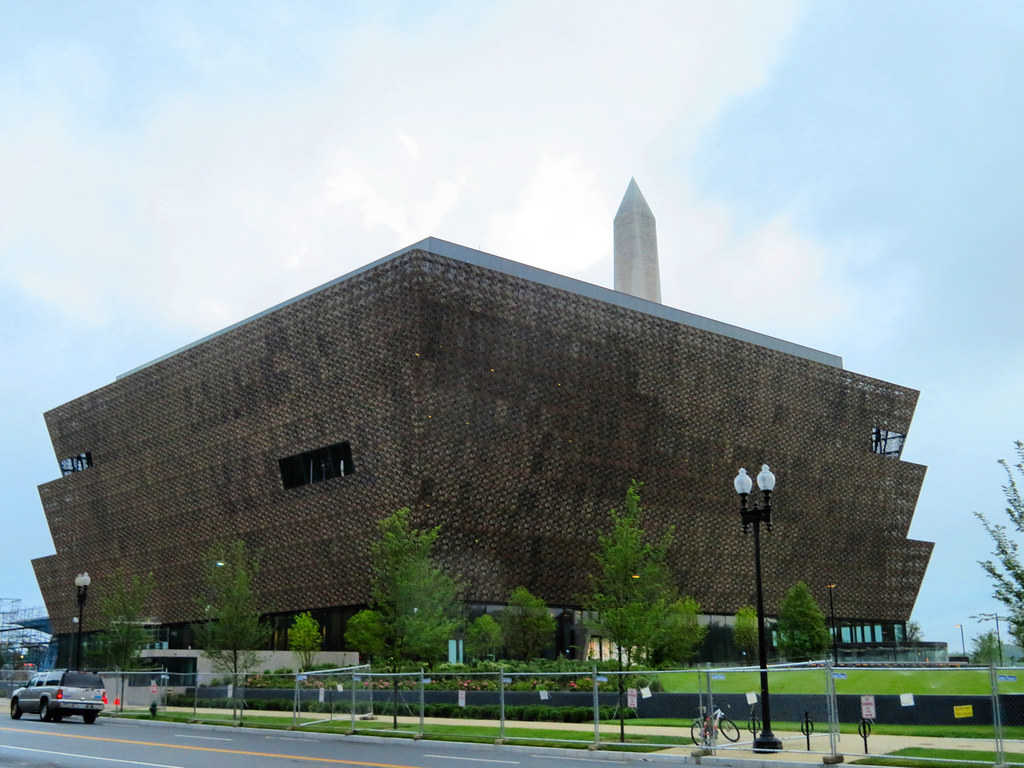
This museum doesn’t ease you into difficult conversations. It starts in the basement with slavery and works its way up, literally and chronologically, through four centuries of African American experience.
The slave ship replica is brutal. The space is cramped and dark, designed to give visitors a sense of the conditions enslaved people endured during the Middle Passage.
Most people don’t linger here. But that discomfort is the point — it’s impossible to understand American history without confronting how central slavery was to the nation’s economic foundation.
What makes this museum essential is how it balances that brutality with resilience and achievement. The same floors that document lynching and segregation also celebrate Louis Armstrong’s trumpet, Michael Jordan’s jersey, and Oprah Winfrey’s impact on American culture.
The message is clear: African American history isn’t separate from American history — it is American history, in all its complexity and contradiction.
Colonial Williamsburg
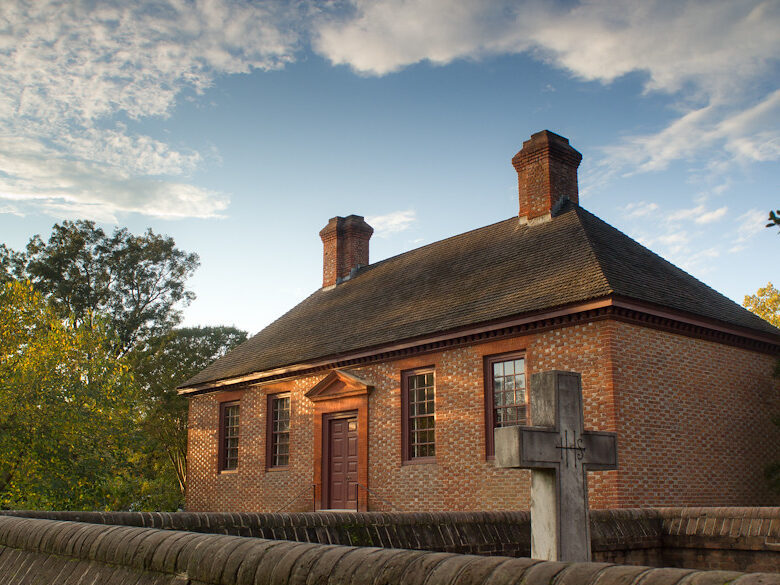
History theme parks usually feel fake. Colonial Williamsburg doesn’t, mostly because it takes itself seriously in ways that matter.
The interpreters here don’t just dress up and recite facts. They embody specific historical figures and stay in character, even when discussing controversial topics like slavery or the economic realities of colonial life.
Ask the blacksmith about his trade, and he’ll explain not just how to forge iron, but how his skills fit into the broader colonial economy. Ask about politics, and you might find yourself in a heated debate about taxation without representation.
The real revelation is how the site handles slavery. Rather than glossing over it, Williamsburg has made enslaved people’s stories central to the colonial narrative.
The interpreters playing enslaved characters don’t speak from a safe historical distance — they embody the daily reality of people who built and maintained colonial Virginia while having no legal rights or freedoms themselves.
Metropolitan Museum of Art’s American Wing
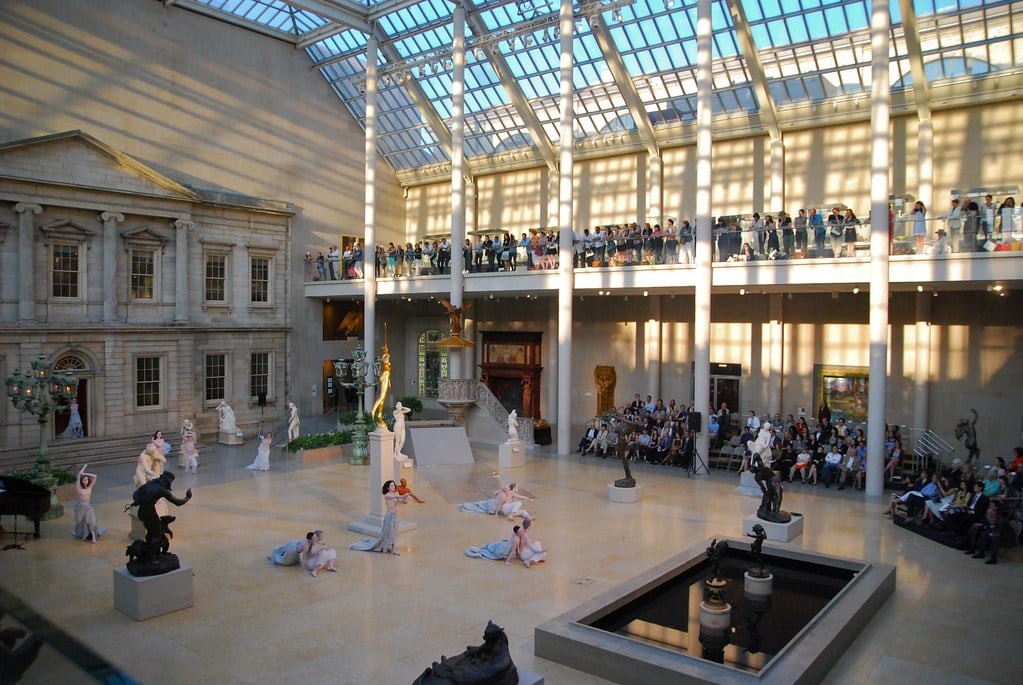
The Met’s American Wing proves that you don’t need a dedicated American history museum to understand American history — sometimes you just need to see how Americans lived. The period rooms here transport you completely.
The 18th-century parlor from a Virginia plantation house, the Frank Lloyd Wright living room, the Shaker retiring room with its spare, functional beauty — each one reveals something essential about American values and aspirations at different moments in time. The way wealthy Americans furnished their homes reflected how they wanted to see themselves: as refined as Europeans, as practical as pioneers, as innovative as inventors.
But it’s the furniture and decorative arts that tell the deeper story. American craftsmen didn’t just copy European styles — they adapted them, creating distinctly American forms.
The Windsor chair became lighter and more portable than its English predecessor, perfect for a mobile, expanding society. The tall case clock (what we now call a grandfather clock) was refined by American clockmakers into something more precise and affordable than European timepieces.
These aren’t just beautiful objects. They’re evidence of how Americans transformed imported ideas into something uniquely their own, one chair and one clock at a time.
National World War II Museum
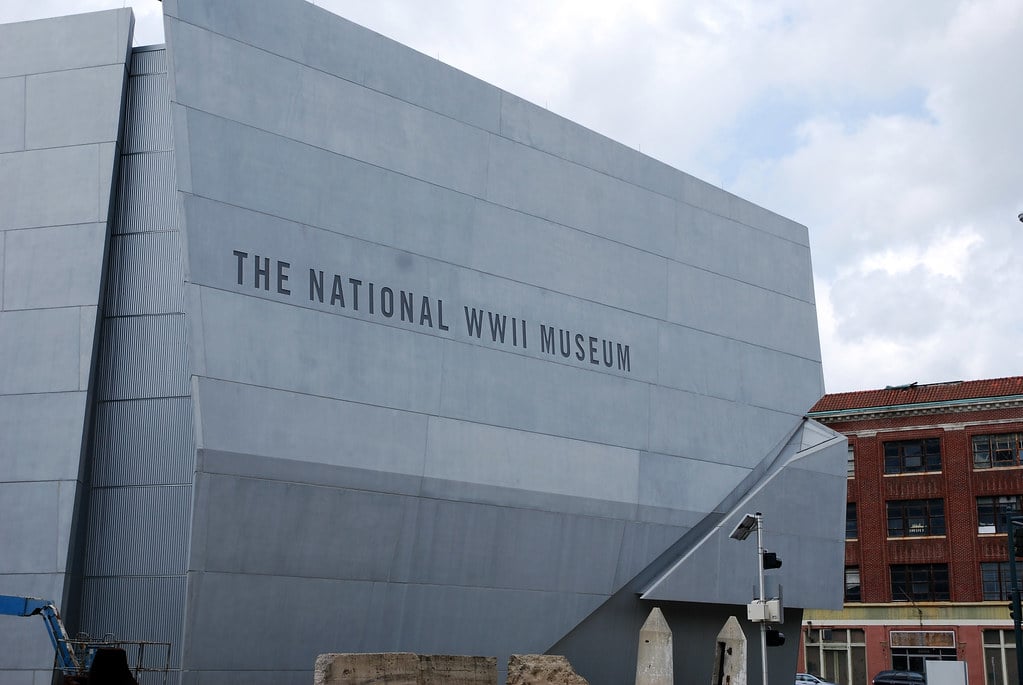
New Orleans might seem like an odd location for the definitive World War II museum, but the city’s connection to the war runs deeper than most realize (it was here that Andrew Jackson Higgins designed and built the landing craft that made D-Day possible, earning him recognition from Eisenhower as “the man who won the war for us”). The museum’s genius lies in its immersive approach — it doesn’t just tell you about the war, it places you inside specific moments and forces you to grapple with the decisions people faced.
The Beyond All Boundaries film, narrated by Tom Hanks, uses a 120-degree screen and environmental effects that make you feel like you’re in a B-17 bomber over Germany or on the beach at Normandy, but it’s not just spectacle: the sensory experience drives home the chaos and terror that defined combat for millions of Americans. So when you walk through the exhibits afterward, reading letters from soldiers or looking at a Marine’s helmet, those objects carry emotional weight they might not have had otherwise.
The museum succeeds because it makes World War II feel both monumental and personal — a global conflict fought by individual people who were often scared, homesick, and doing their best in impossible circumstances.
9/11 Memorial & Museum
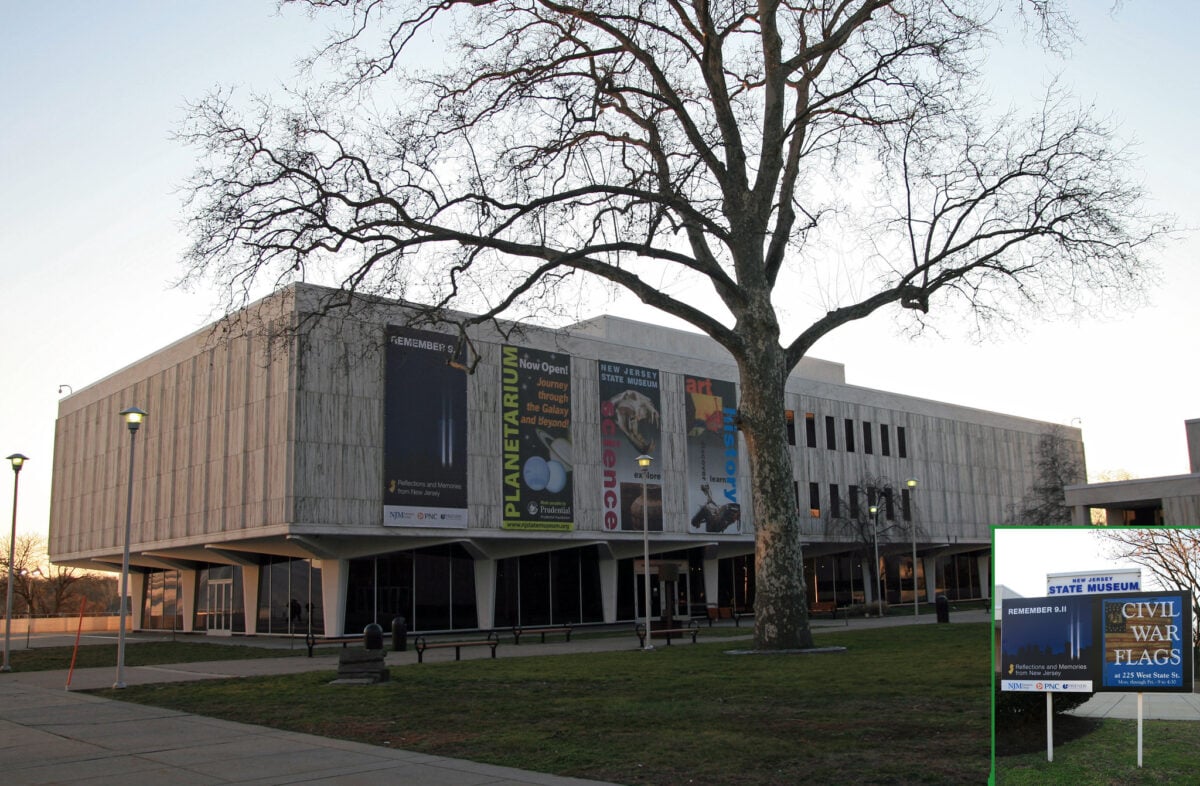
The museum sits in the footprint of the original World Trade Center towers. Geography is memory here.
Walking through the exhibits feels like moving through that September morning in real time. The timeline starts before dawn and moves hour by hour through the attacks and their immediate aftermath.
Personal artifacts — a dust-covered briefcase, a voicemail message left by someone who didn’t survive — interrupt the chronological narrative with individual stories. The museum refuses to provide easy comfort or simple explanations.
It documents not just the attacks themselves but the complicated aftermath: the heroism of first responders, the fear and suspicion directed toward Muslim Americans, the policy debates about security and civil liberties. September 11th changed America in ways we’re still processing, and the museum doesn’t pretend those changes were all noble or necessary.
Museum of the American Revolution
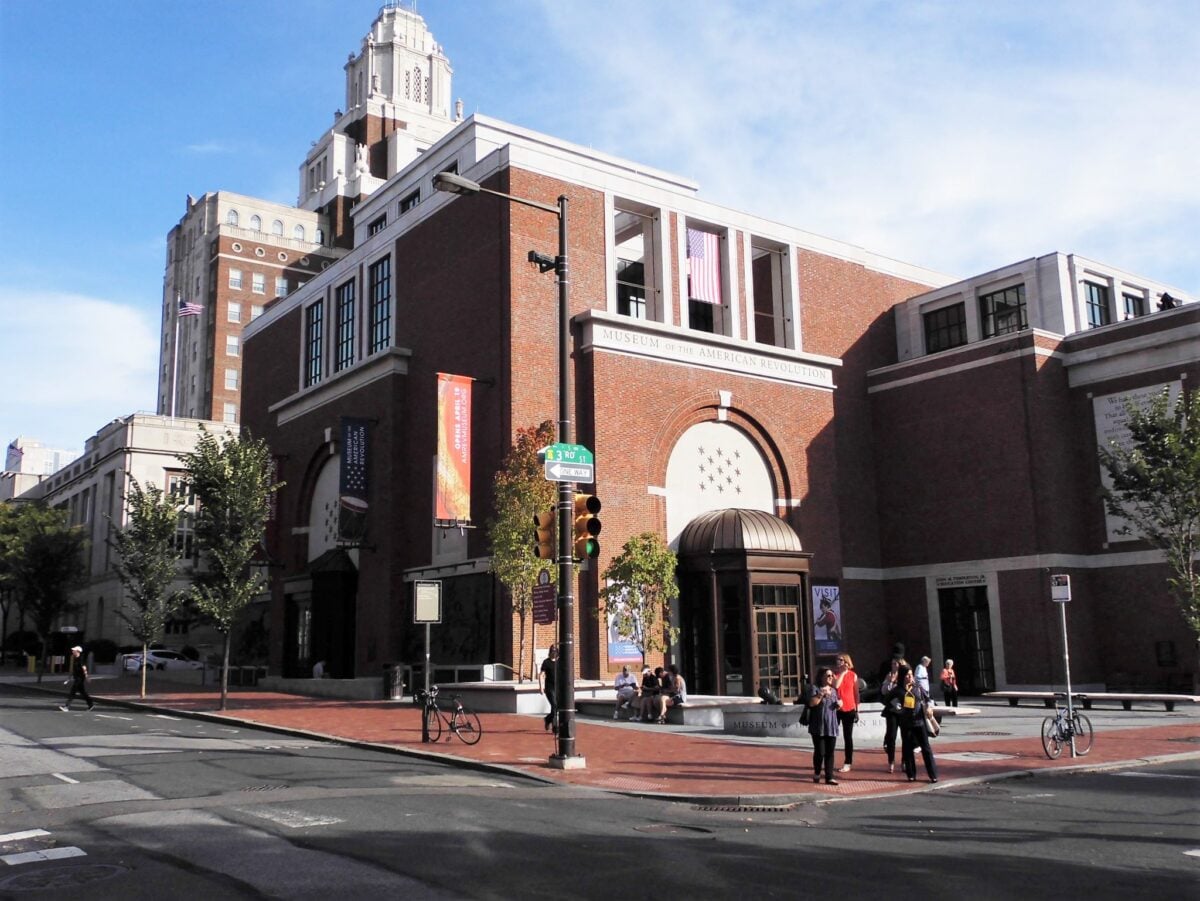
Philadelphia’s newest major history museum opened in 2017 with a clear mission. The American Revolution wasn’t inevitable, and the outcome wasn’t guaranteed.
The museum’s approach is refreshingly honest about the messiness of revolution. George Washington wasn’t the marble statue from your civics textbook — he was a slaveholder who struggled with military strategy and nearly lost the war several times.
The patriots weren’t united in their vision for America — they argued bitterly about what independence should actually mean. But the museum’s real treasure is George Washington’s tent, the canvas headquarters where he planned strategy, wrote letters, and probably worried about whether this whole independence experiment was going to work.
Standing in front of it drives home how uncertain everything was. The tent represents not triumph, but the anxiety and determination of people who had no idea whether they were building a nation or committing treason that would get them all hanged.
National Museum of the American Indian
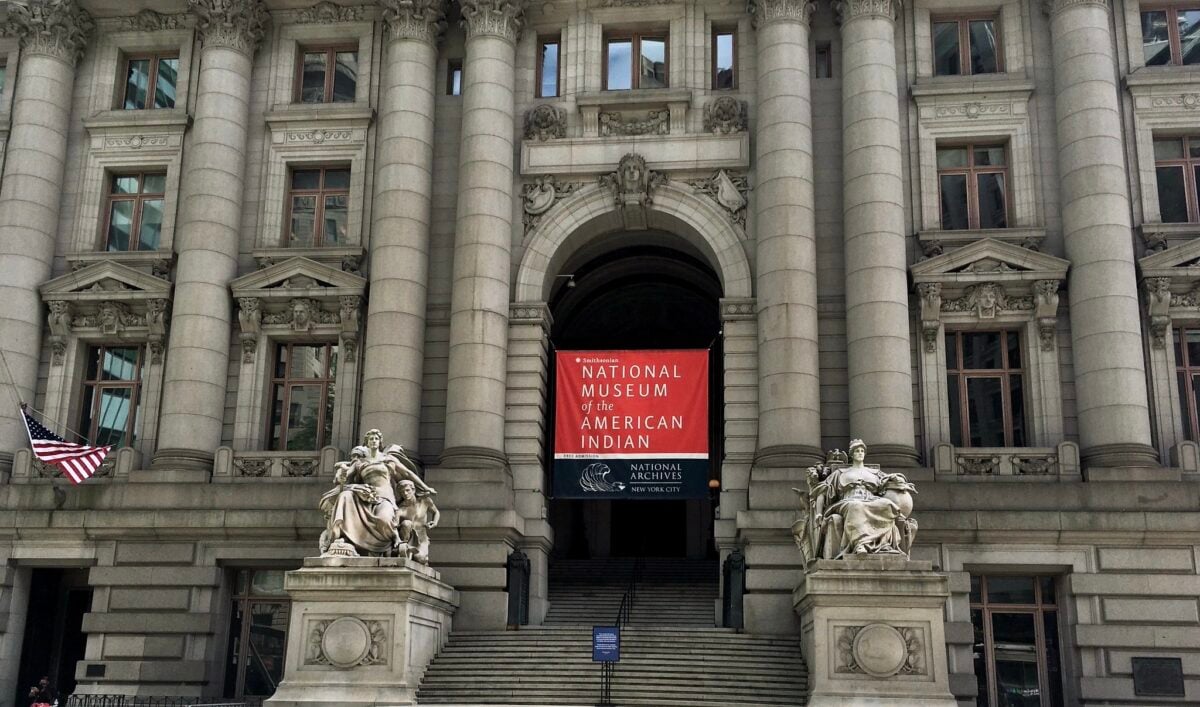
The museum’s architecture announces its intentions: this will not be another institution that treats Native American culture as a curiosity from the distant past. Inside, the exhibits are organized around Native perspectives rather than the chronology that shapes most history museums.
The focus isn’t on what happened to Native peoples, but on how they adapted, survived, and maintained their cultural identities despite centuries of forced assimilation and displacement. Contemporary Native artists and activists are given equal prominence with historical figures, making clear that Native American culture is living and evolving, not frozen in some pre-Columbian past.
The museum complicates the standard American historical narrative in essential ways. The story of westward expansion looks different when told from the perspective of people who were already there.
The concept of Manifest Destiny becomes harder to romanticize when you understand what it meant for the Lakota, the Cherokee, or the Navajo.
Ellis Island Immigration Museum
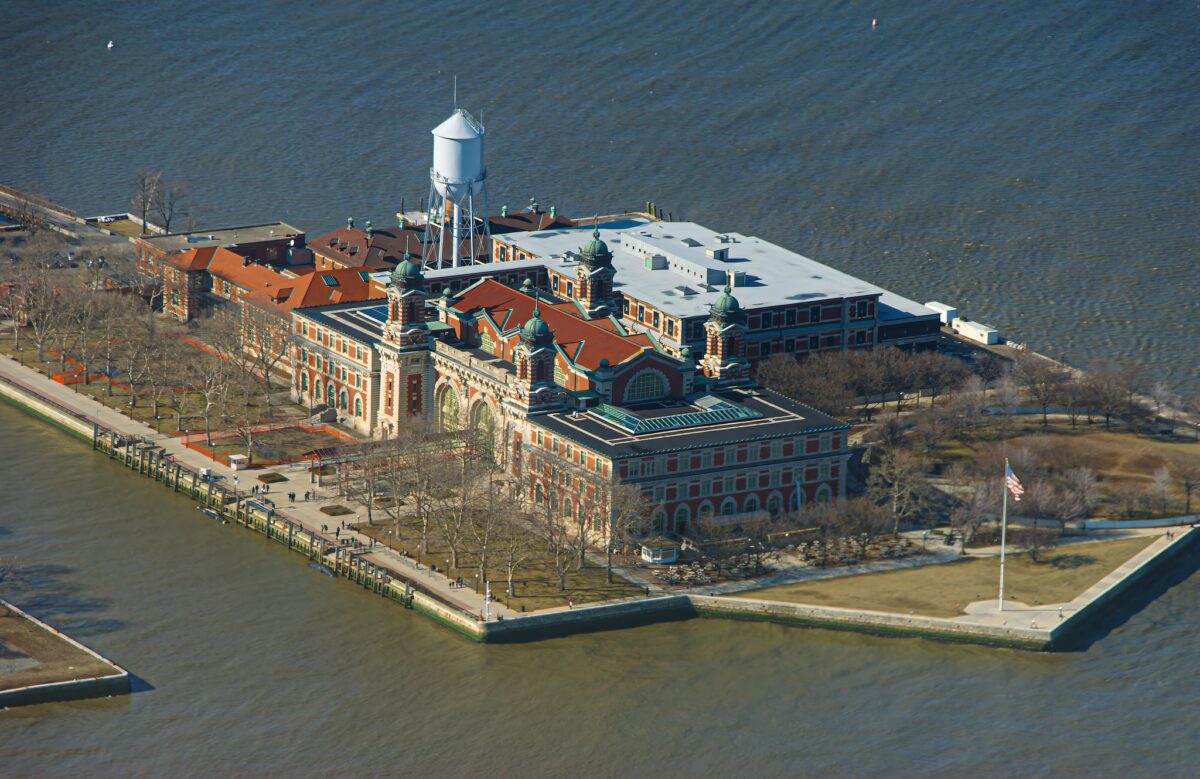
Ellis Island processed twelve million immigrants between 1892 and 1954. The building itself is the exhibit.
Standing in the Great Hall where new arrivals waited for medical and legal inspections, you can almost feel the anxiety and hope that filled this space for decades. The museum has preserved the chalk marks immigration officials used to identify people who needed further examination — an X on the coat meant suspected mental defect, an H meant suspected heart disease, an E meant eye problems.
For immigrants who had already traveled thousands of miles, these marks could mean the difference between starting a new life and being sent back. The oral history stations throughout the museum let you hear immigrants describe their experiences in their own words.
Many talk about the relief of finally reaching America, but also about the loneliness and discrimination they faced once they arrived. The museum doesn’t sentimentalize immigration — it presents it as the complicated, often difficult process it was and remains.
Gettysburg National Military Park Museum and Visitor Center
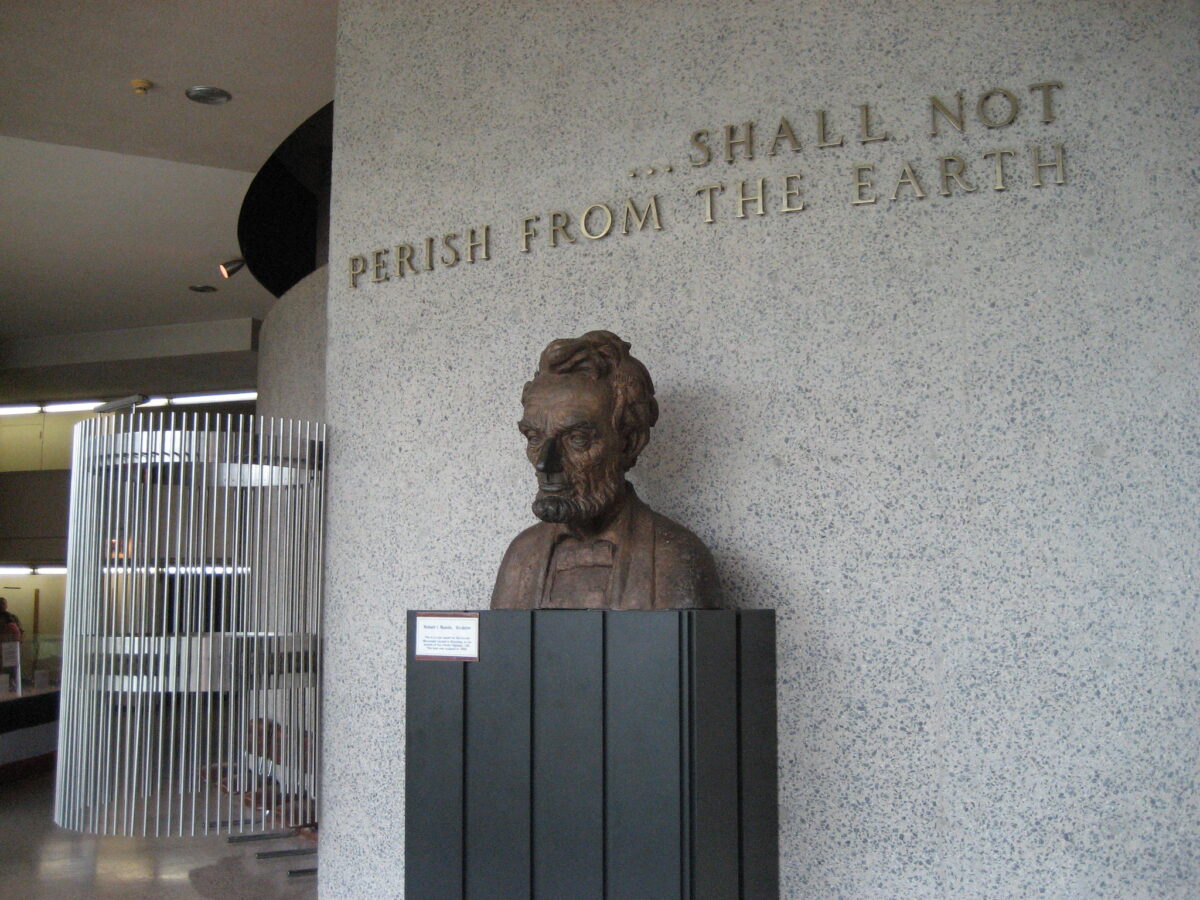
Gettysburg was the turning point of the Civil War, but the museum doesn’t treat it as inevitable Union victory. The Cyclorama painting, restored and displayed with modern lighting and sound effects, places you in the middle of Pickett’s Charge on July 3, 1863.
But it’s the smaller artifacts that make the battle feel real: a surgeon’s kit used to amputate limbs, a letter written by a Confederate soldier to his wife the night before he died, a Union canteen with a bullet mark through it. The museum excels at explaining military strategy without losing sight of human cost.
The Battle of Gettysburg resulted in over 50,000 casualties in three days. Every statistic represents individual soldiers who left families behind, and the museum keeps that human dimension visible even when discussing troop movements and tactical decisions.
Ford’s Theatre
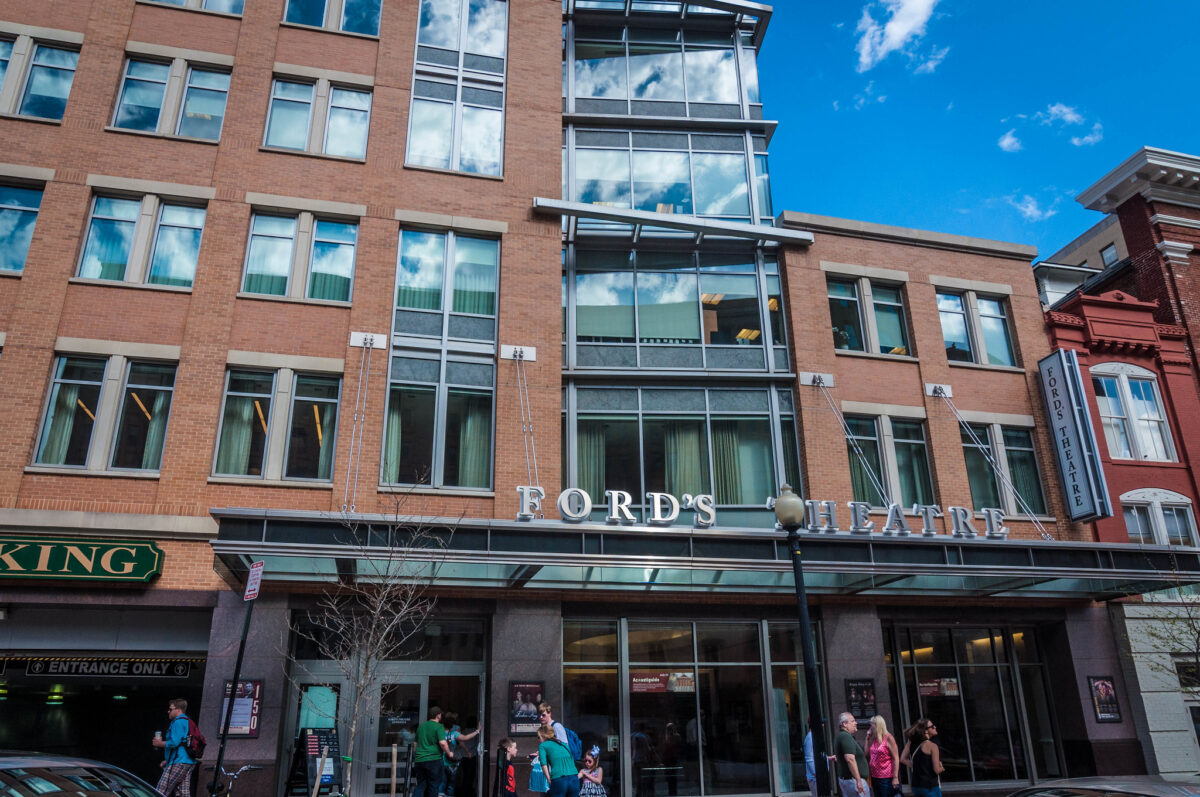
Lincoln was shot here on April 14, 1865, while watching a comedy called “Our American Cousin.” The theater has been restored to look exactly as it did that night.
Sitting in the audience and looking up at the presidential box, you’re struck by how intimate and vulnerable the setting was. There was no Secret Service protection, no security screening.
John Wilkes Booth was a famous actor who could move freely backstage. The assassination wasn’t the result of a sophisticated conspiracy — it was shockingly easy to execute.
The museum beneath the theater traces Booth’s escape and the massive manhunt that followed. But it also explores the broader context: Lincoln’s death came just days after the end of the Civil War, at the moment when the country most needed his leadership for Reconstruction.
The timing turned Lincoln into a martyr and left America to navigate the aftermath of slavery without the president who had guided it through the war.
National Air and Space Museum
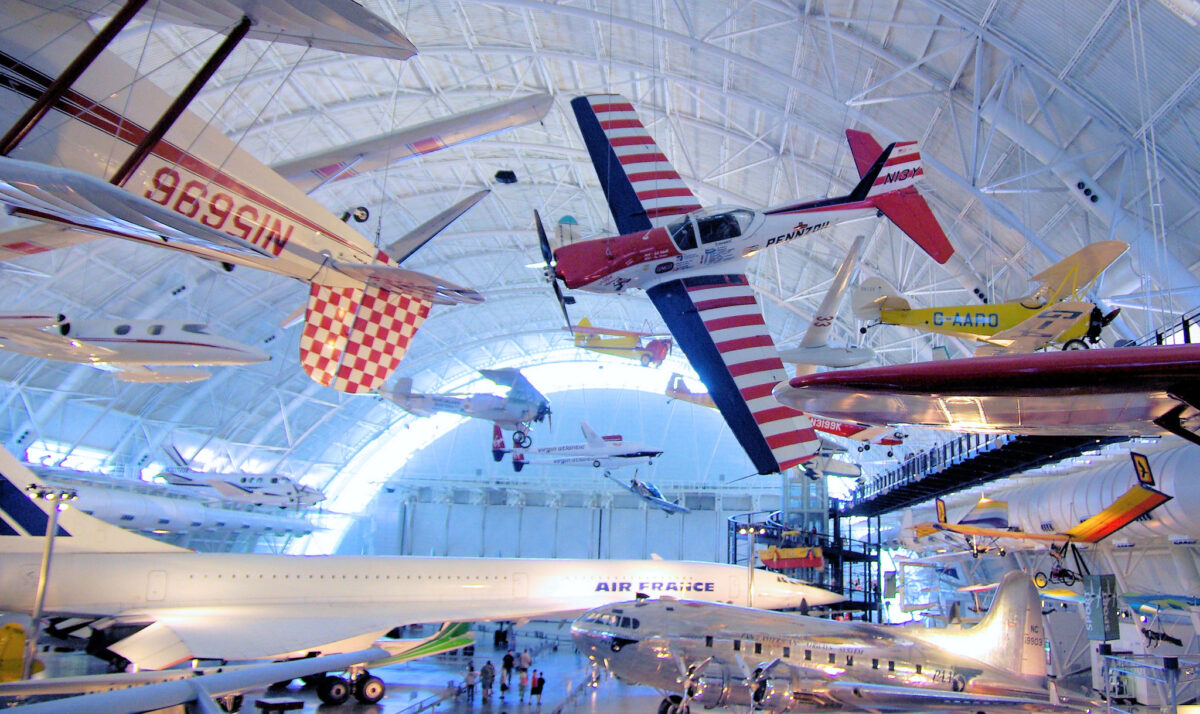
Flight transformed America’s relationship with geography, time, and warfare. This museum documents that transformation through the aircraft that made it possible.
The Wright Flyer hangs in the main hall, looking impossibly fragile compared to the jets surrounding it. But the museum’s strength is showing how quickly aviation evolved from that twelve-second flight in 1903 to the complex aircraft that dominated World War II just forty years later.
The museum doesn’t shy away from aviation’s military applications. The Enola Gay, which dropped the atomic bomb on Hiroshima, is displayed with extensive context about the decision to use nuclear weapons and the ongoing debate about whether it was necessary.
The exhibit presents multiple perspectives without taking sides, letting visitors grapple with one of the most controversial decisions in American history.
USS Intrepid Sea, Air & Space Museum
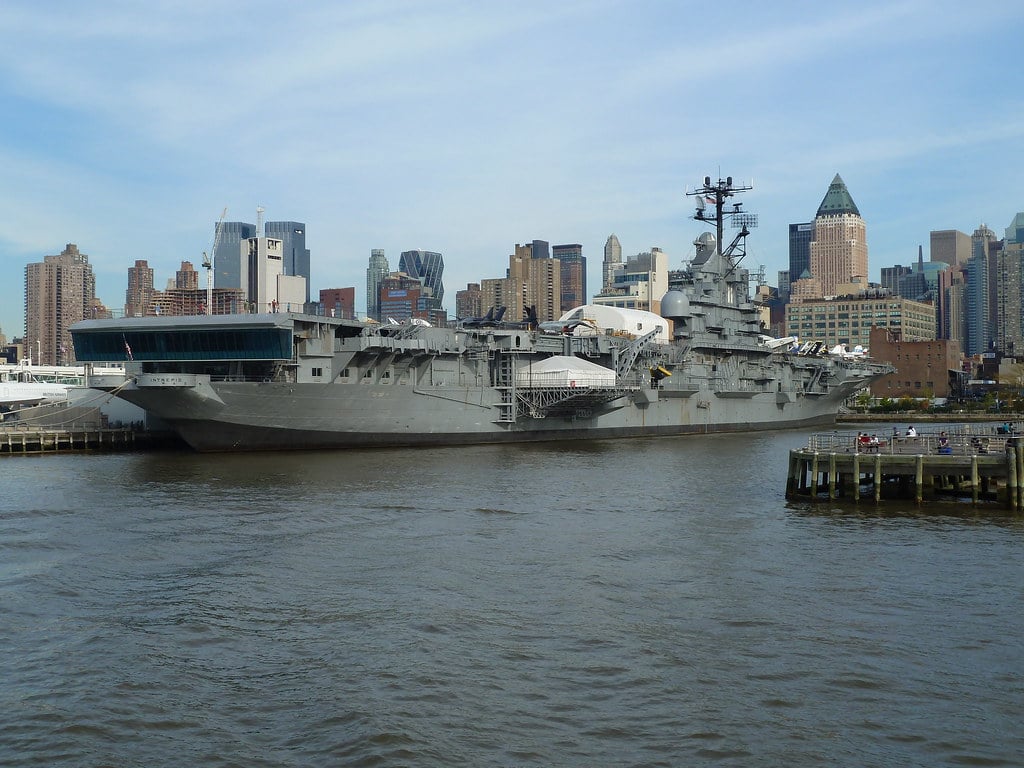
The Intrepid is a World War II aircraft carrier that survived kamikaze attacks and served in Vietnam before becoming a museum ship docked on Manhattan’s West Side. Walking the flight deck gives you a sense of how cramped and dangerous carrier operations were.
The restored aircraft parked on deck — F-14 Tomcats, A-4 Skyhawks, helicopters — look impressive until you realize how difficult it was to land them on a moving ship in combat conditions. But the real education happens below deck, where you can see how 3,000 sailors lived and worked in spaces that seem impossibly tight.
The restored crew quarters, mess hall, and engine room show how the Navy crammed everything needed to sustain a floating city into a steel hull. It’s an engineering marvel and a testament to how Americans adapted to the demands of global warfare.
Strawbery Banke Museum
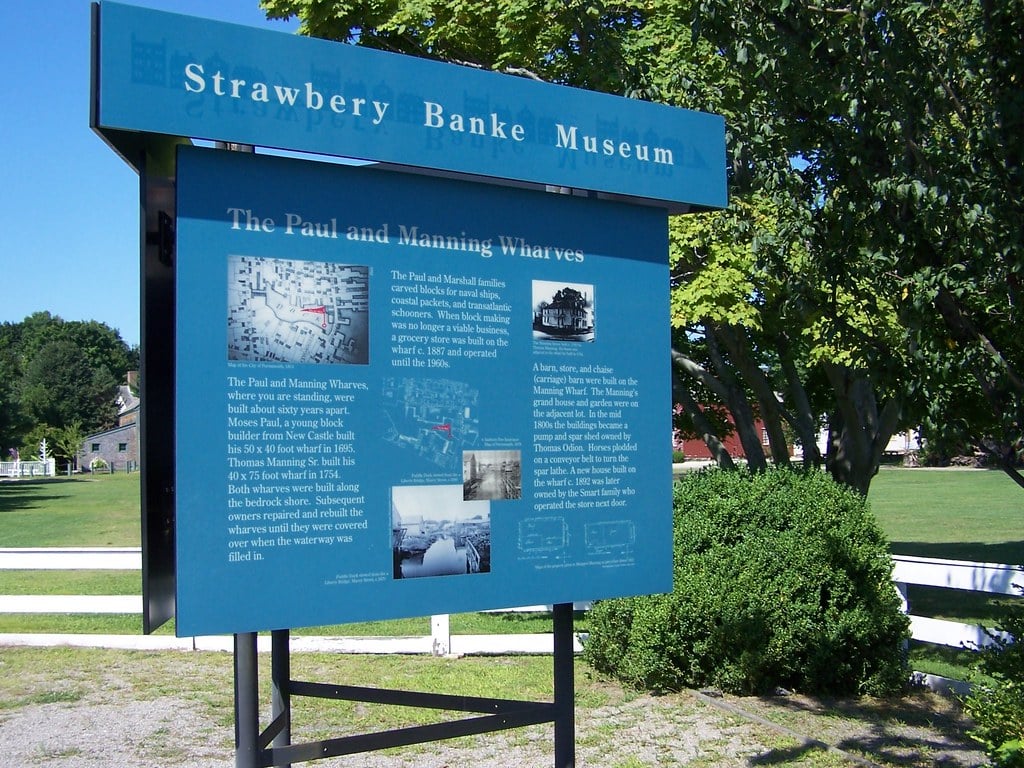
This Portsmouth, New Hampshire, museum takes a different approach to colonial history by preserving an entire neighborhood as it evolved over 300 years. Rather than freezing everything in one time period, Strawbery Banke shows how the same buildings were used and modified by different generations.
The Sherburne House was built in 1695, expanded in the 18th century, converted to apartments in the 19th century, and nearly demolished in the 1950s before being saved for the museum. The result is a more honest picture of how Americans actually lived with history — adapting old buildings to new needs rather than preserving them as monuments.
The museum’s approach recognizes that historic preservation itself is a relatively recent idea, and that most Americans throughout most of history were more concerned with practical needs than historical authenticity.
National Museum of Civil War Medicine
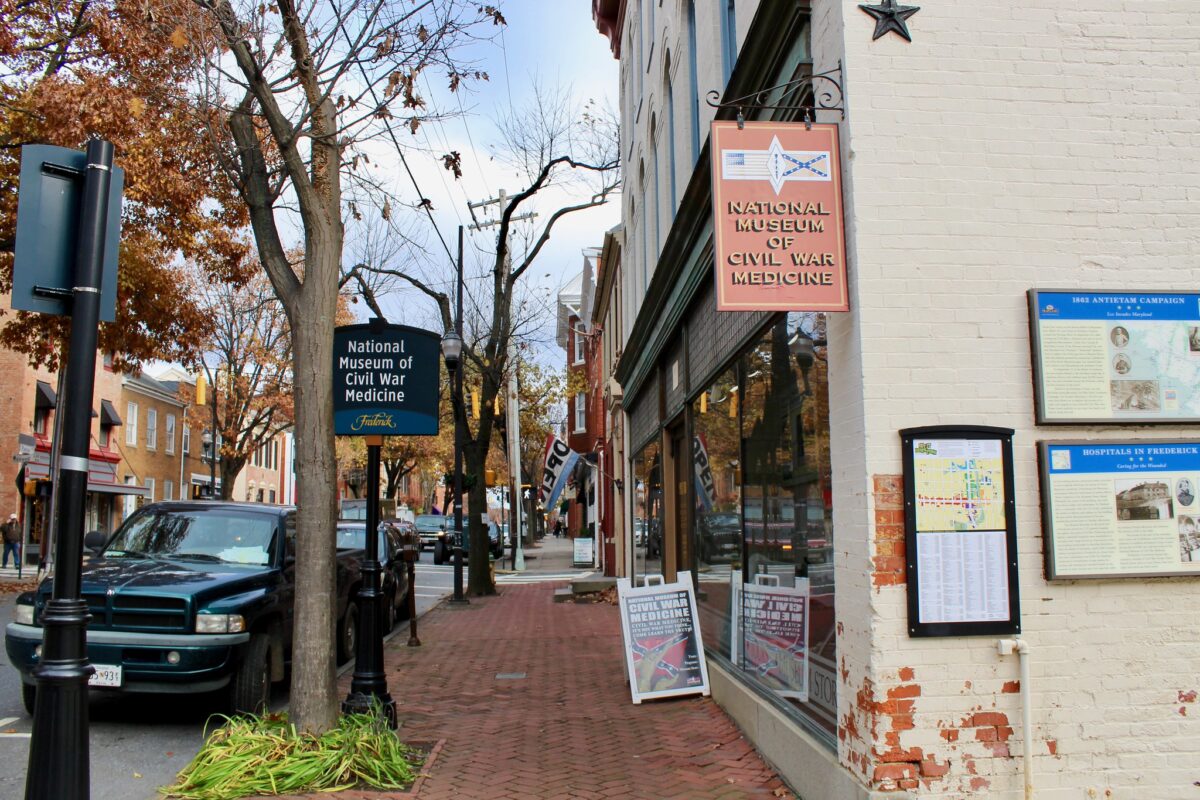
Located in Frederick, Maryland, this museum confronts an aspect of the Civil War that most battlefield sites avoid: what happened to soldiers after they were wounded. The exhibits are not for the squeamish.
Civil War medicine was primitive by modern standards, but it represented genuine attempts to save lives under impossible conditions. Surgeons performed amputations without anesthesia, treated infections without antibiotics, and developed battlefield triage systems that are still used today.
The museum shows how the Civil War accelerated medical innovation out of desperate necessity. The ambulance corps, prosthetic limbs, and military hospitals all emerged from the war’s massive casualty tolls.
But it also shows the human cost: photographs of wounded soldiers, letters from field surgeons describing conditions, and surgical instruments that look more like torture devices than medical tools.
Beyond the Expected
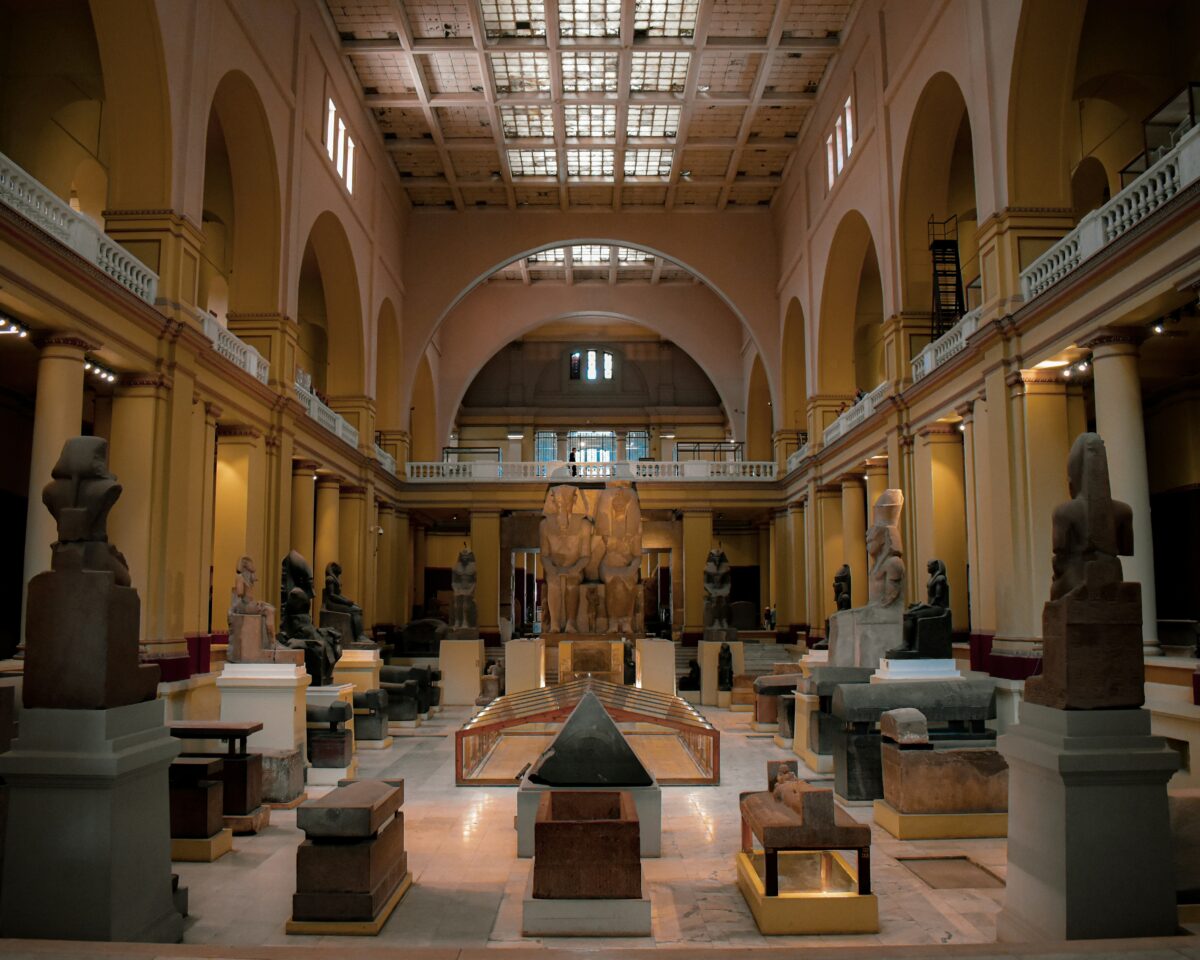
History lives in unexpected places as much as famous ones. The small museum in someone’s hometown might preserve a story that changed everything, while the grand institution might miss the detail that makes the past feel human.
The best museums don’t just display artifacts — they preserve the complexity of people who faced impossible choices and somehow found ways forward. Every object in these museums represents a decision someone made: to fight, to flee, to build, to preserve, to remember, to forget.
Walking through them changes how you see the present, because you understand better how many small choices by ordinary people created the world we inherited.
More from Go2Tutors!

- The Romanov Crown Jewels and Their Tragic Fate
- 13 Historical Mysteries That Science Still Can’t Solve
- Famous Hoaxes That Fooled the World for Years
- 15 Child Stars with Tragic Adult Lives
- 16 Famous Jewelry Pieces in History
Like Go2Tutors’s content? Follow us on MSN.