Countries with the Most Islands and Why
When you picture countries with the most islands, your mind probably jumps to tropical paradise nations scattered across the Pacific. But the reality might surprise you – the world’s island champions are actually found much closer to the Arctic Circle than the equator. These northern powerhouses have accumulated hundreds of thousands of rocky outcrops, tiny islets, and proper islands through some fascinating geological processes.
The story behind these massive island collections involves ancient ice sheets, shifting continents, and thousands of years of natural sculpting. Here are the countries that dominate the global island count and the remarkable reasons behind their watery geography.
Sweden
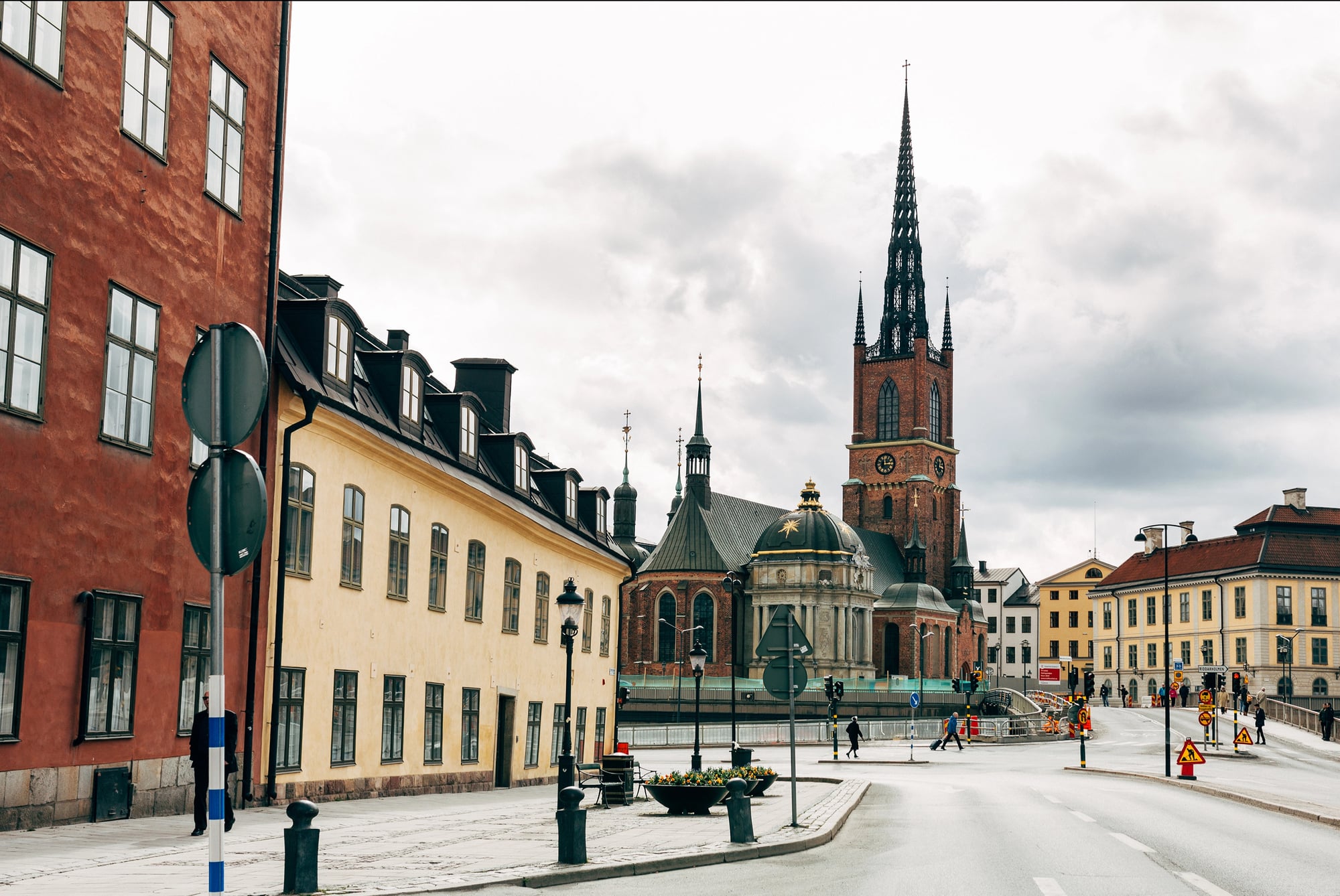
Sweden takes the crown with an absolutely staggering 267,570 islands within its borders. To put that number in perspective, that’s more islands than most countries have cities.
Only about 984 of these islands are actually inhabited, meaning roughly 99.6% remain untouched by permanent human settlement. The vast majority of Sweden’s islands cluster along the eastern coastline, creating some of the world’s most spectacular archipelagos.
The Stockholm Archipelago alone contains nearly 30,000 islands, islets, and rocks stretching from Öregrund in the north to Landsort in the south.
Norway
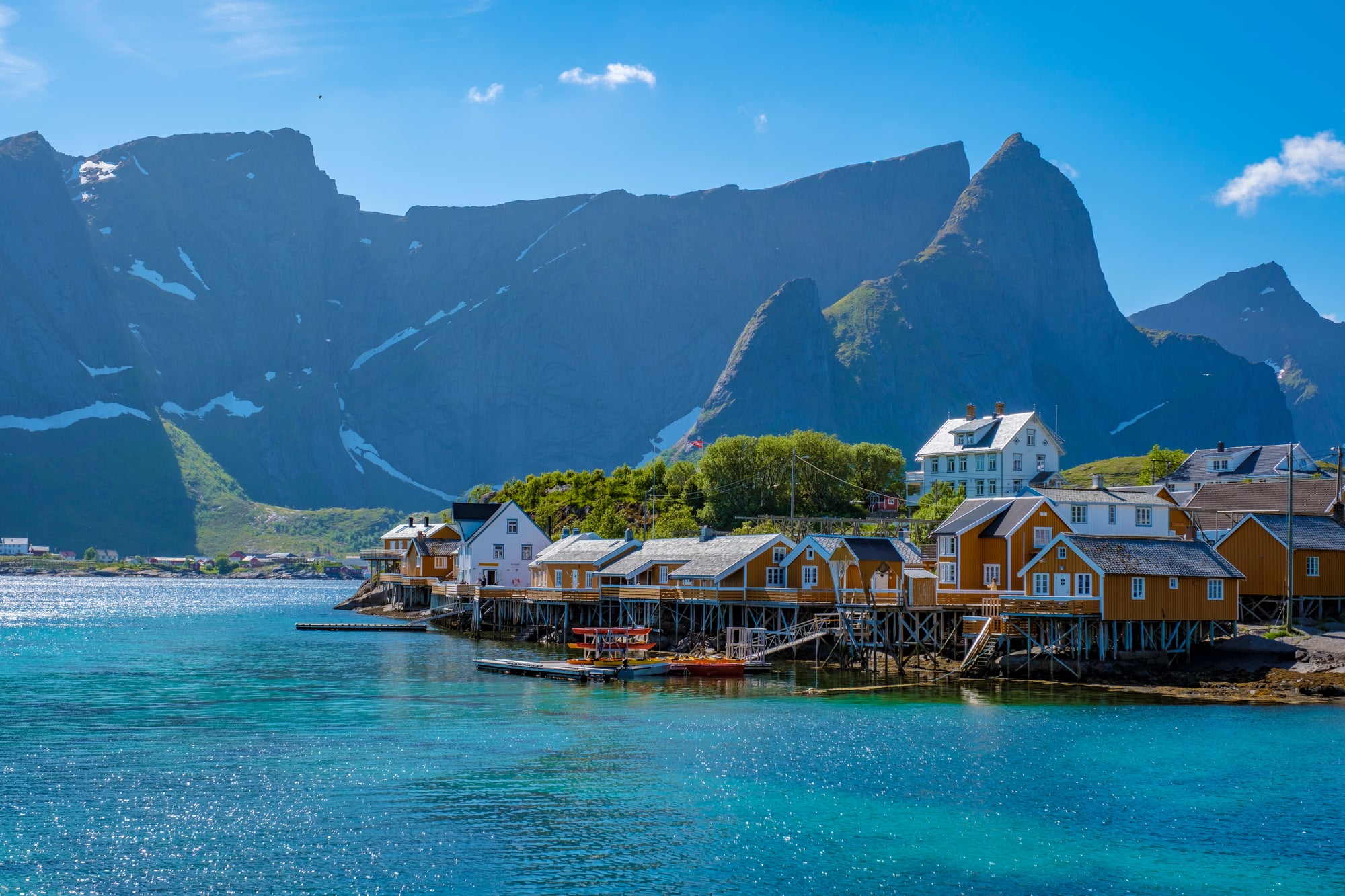
Norway claims second place with 239,057 islands dotting its extensive coastline. The country is renowned for its hundreds of thousands of islands, with the most famous being the Lofoten Islands that dot the Norwegian Sea above the Arctic Circle.
What makes Norway’s island situation even more remarkable is that despite having nearly a quarter-million islands, only four of them have people actually living on them. Norway’s coastline stretches an estimated 29,000 kilometers with its nearly 1,200 fjords, but would only be 2,500 kilometers long if you excluded all the fjords.
Finland
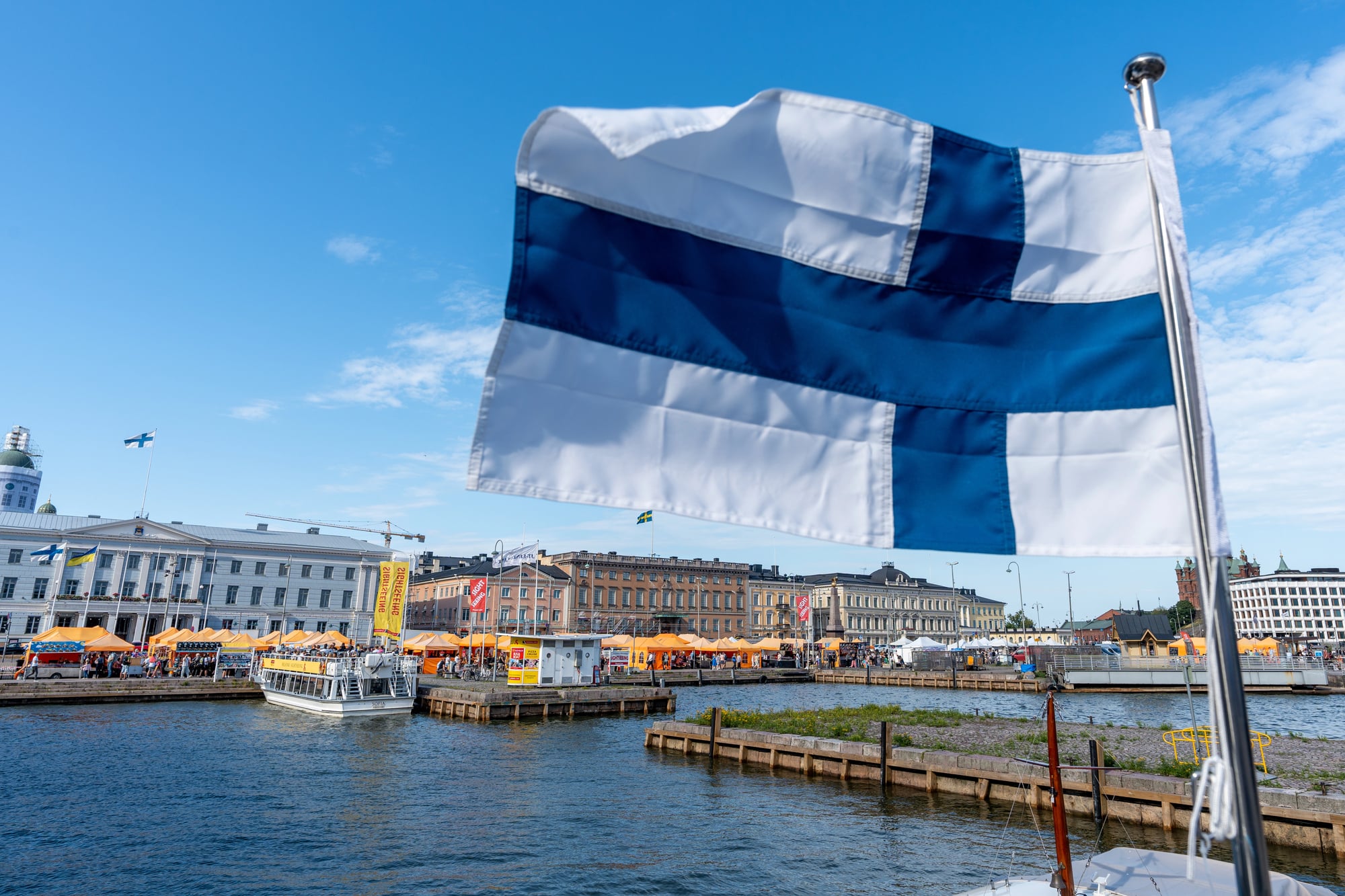
Finland rounds out the Nordic trifecta with 178,947 islands. Like its neighboring countries, Finland consists of a large number of rocky islands off its coast, with many located in the region called Archipelago Finland running from the southwestern coast to the Baltic Sea.
Finland’s island landscape is constantly evolving in a unique way – the Kvarken Archipelago, Finland’s only UNESCO natural World Heritage site, actually ‘rises’ slightly every year, gaining around 0.4 square miles of new land annually.
Canada
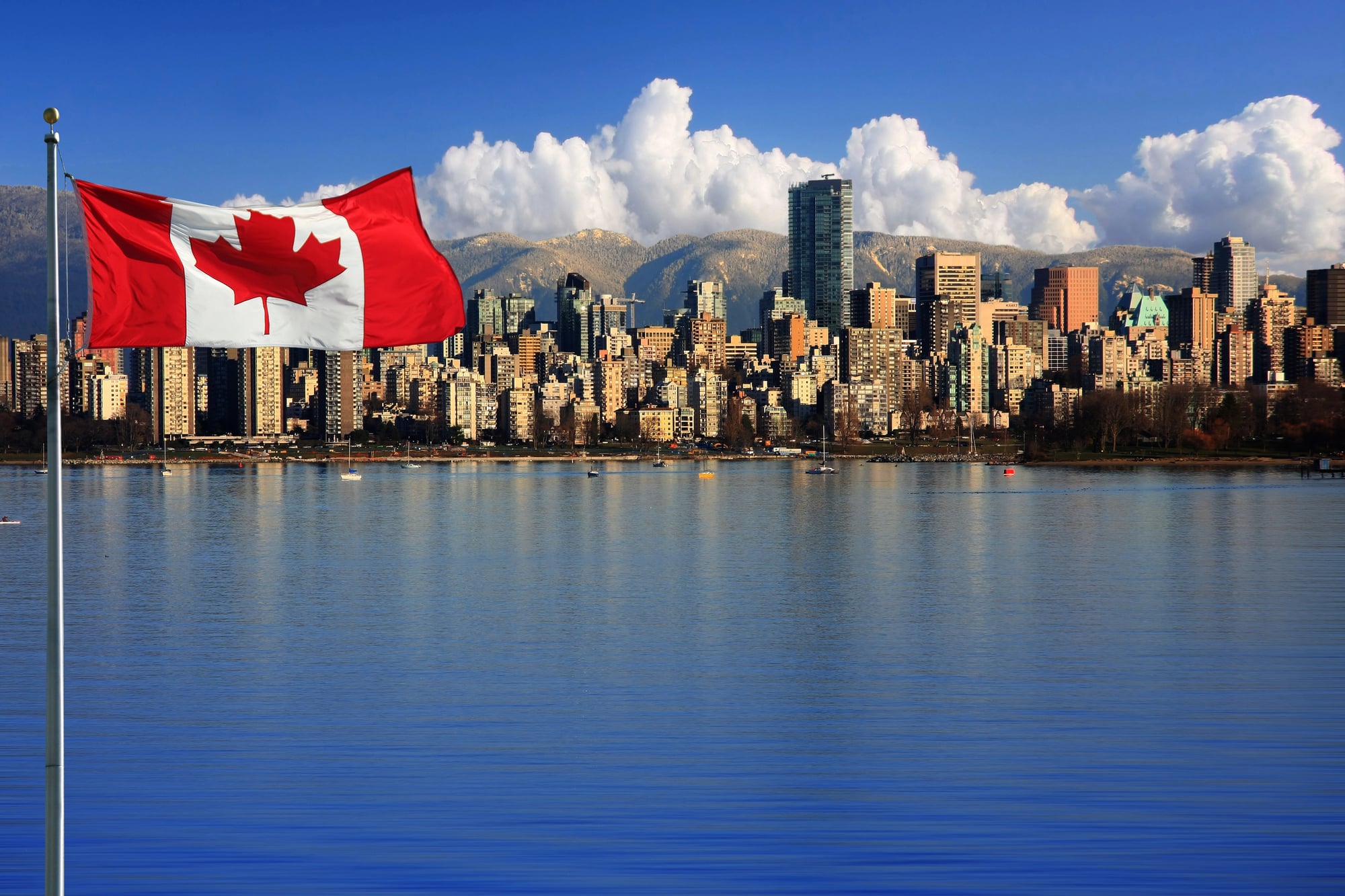
Canada takes fourth place with 52,455 islands spread across its massive territory. As the second-largest nation by land area, Canada boasts islands in the Arctic, Pacific, and Atlantic regions.
The country’s island collection includes some genuine giants – three of Canada’s islands rank in the top 10 largest in the world: Baffin Island, Ellesmere Island, and Victoria Island, all part of the Arctic Archipelago. The Arctic Archipelago alone covers more than 550,000 square miles in the Arctic Ocean.
United States

The United States claims 18,617 islands within its territories. These islands include well-known locations like the Hawaiian Archipelago, Puerto Rico, and countless smaller islands.
Interestingly, the United States has the most inhabited islands globally at 10,000, significantly more than any other country. American islands span from tropical havens in the Florida Keys to rugged Alaskan outposts in the Pacific Northwest.
Japan

Japan discovered in March 2023 that it had double the number of islands originally thought, with a new count of 14,125 islands compared to the previous estimate of 6,852. The sharp rise was mainly due to advances in surveying technology.
Of Japan’s islands, 430 have residents living on them. This update shows how modern technology continues to reshape our understanding of global geography, even for well-mapped countries.
Indonesia

Indonesia possesses 17,504 islands spread across Southeast Asia. About 6,000 of Indonesia’s islands have people living on them.
The country represents the classic tropical island nation that most people envision when they think of island countries. Indonesia’s islands include major landmasses like Java, which is home to more than 140 million people, making it one of the world’s most densely populated islands.
When Geography Gets Complicated.
Counting islands isn’t as straightforward as it might seem. The inclusion criteria vary significantly across countries, so island counts can’t necessarily be compared directly.
While the Swedish government officially lists 221,831 islands, Norway’s census includes 239,057 islands but excludes 81,192 rock islets. Canada takes an even more conservative approach and doesn’t count any islets or cays – with Scandinavian counting methods, Canada’s official number of 52,455 islands would easily triple.
The rapid advancement of satellite technology continues to change these numbers – in 2011, Norway increased its island count by an unbelievable 240,000 because satellite photos discovered exactly that many islands they didn’t even know existed. Meanwhile, the Philippines officially raised their count from 7,107 to 7,641 islands in 2016.
The Continuing Story

The Nordic dominance in island counts reflects a perfect storm of geological and climatic factors that played out over millions of years. The phenomenon of isostatic equilibrium still causes some Finnish archipelagos to rise slightly each year as the land continues rebounding from the weight of ancient ice sheets.
These countries didn’t just happen to end up with the most islands – they were literally carved into their current form by some of the most powerful natural forces on Earth. As satellite technology improves and sea levels continue changing, the global island count will keep evolving, but the Nordic countries’ geological head start ensures they’ll likely maintain their positions as the world’s island superpowers for generations to come.
More from Go2Tutors!

- The Romanov Crown Jewels and Their Tragic Fate
- 13 Historical Mysteries That Science Still Can’t Solve
- Famous Hoaxes That Fooled the World for Years
- 15 Child Stars with Tragic Adult Lives
- 16 Famous Jewelry Pieces in History
Like Go2Tutors’s content? Follow us on MSN.