Photos of 15 Most Accessible Places on Earth
Walking through any city, you expect certain things. Traffic lights, coffee shops, maybe a bronze figure of some long-dead politician looking stoic on a pedestal. What you don’t expect is a giant purple octopus wrapped around a building or a businessman sprouting from the sidewalk like he’s been planted there. Yet scattered across the globe, artists and communities have erected monuments that make you stop, stare, and wonder what exactly was going through someone’s mind when they approved the budget for that.
These aren’t your typical commemorative statues. They’re the weird ones, the uncomfortable ones, the sculptures that make locals give directions like “turn left at the creepy baby head.” Some were commissioned by forward-thinking city councils, others appeared overnight like concrete mushrooms. All of them prove that public art doesn’t have to make sense to make an impact.
Niagara Falls
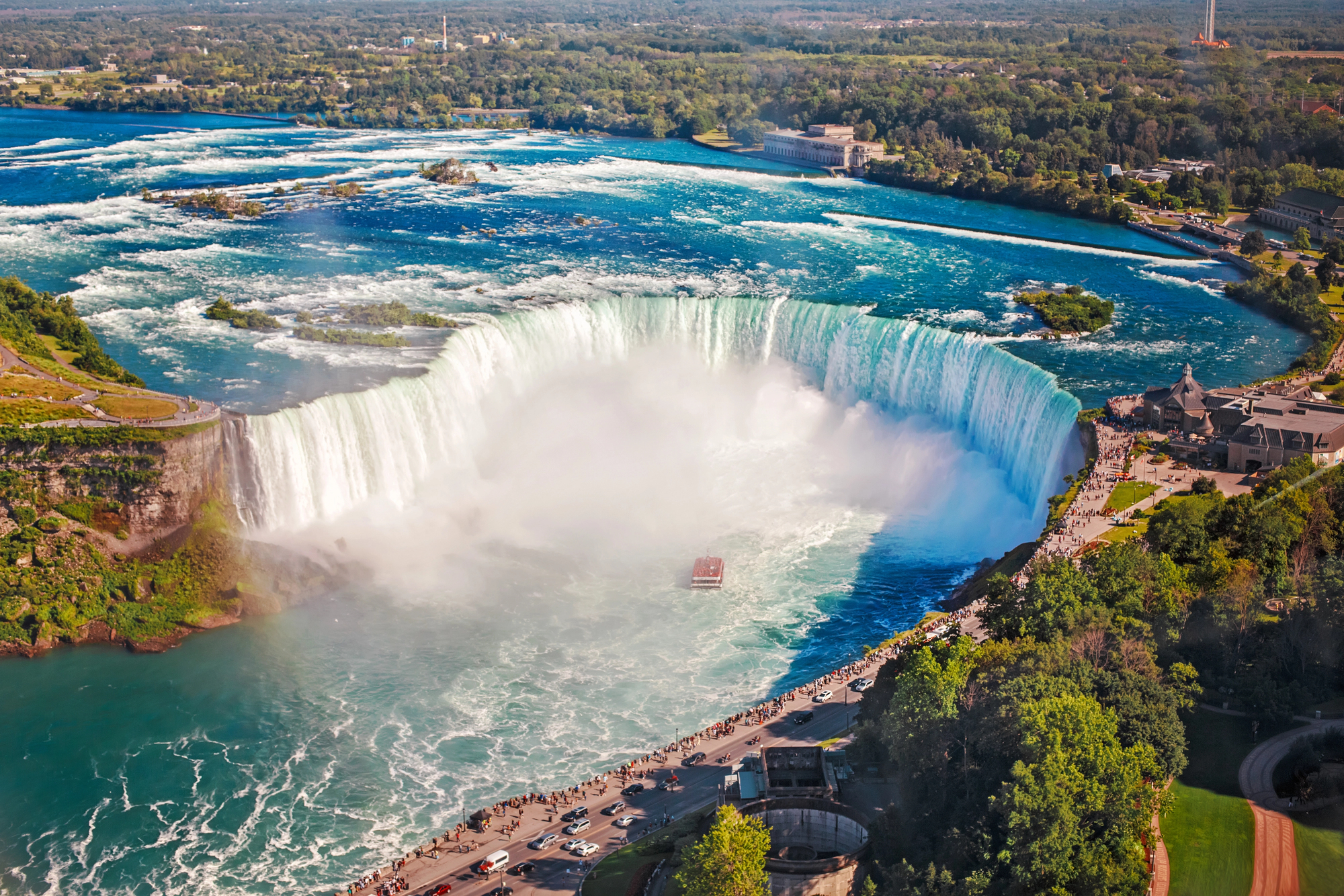
The thundering cascade draws millions for good reason. You can walk right up to the edge, feel the mist on your face, and hear the roar that carries for miles — all without breaking a sweat. The viewing platforms put you close enough to count individual droplets (well, if you had that kind of time and patience). Parking lots sit minutes away from the spectacle, and paved paths lead directly to the best viewpoints.
The Grand Canyon South Rim
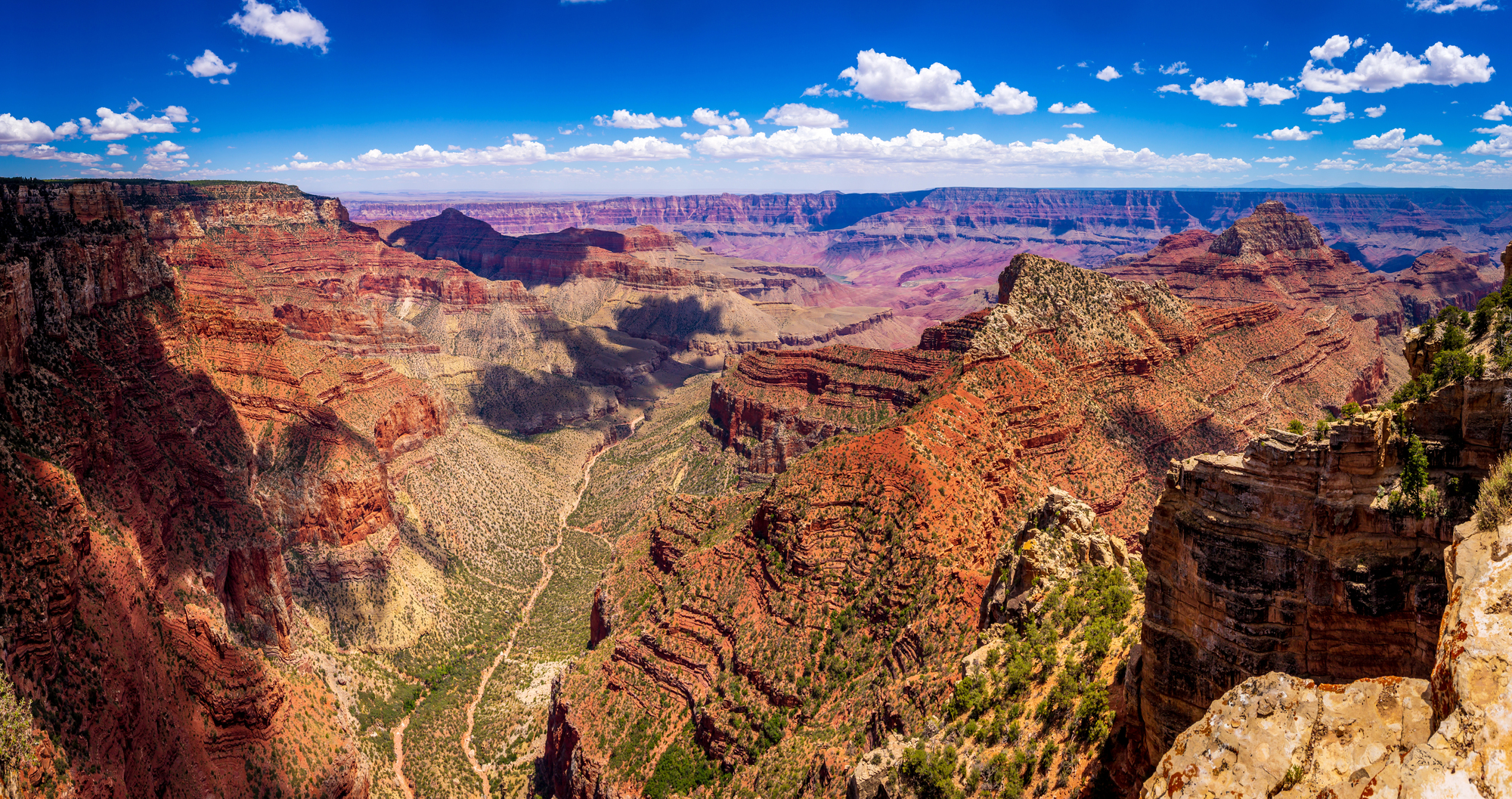
This geological masterpiece welcomes everyone, including wheelchairs and strollers. The rim trail stretches for miles with minimal elevation change, offering dozens of viewpoints that’ll stop conversations mid-sentence. Shuttle buses run continuously, so you can hop off at one overlook and catch the next ride to another. No hiking boots required, though you might want to bring extra camera batteries.
Yellowstone National Park
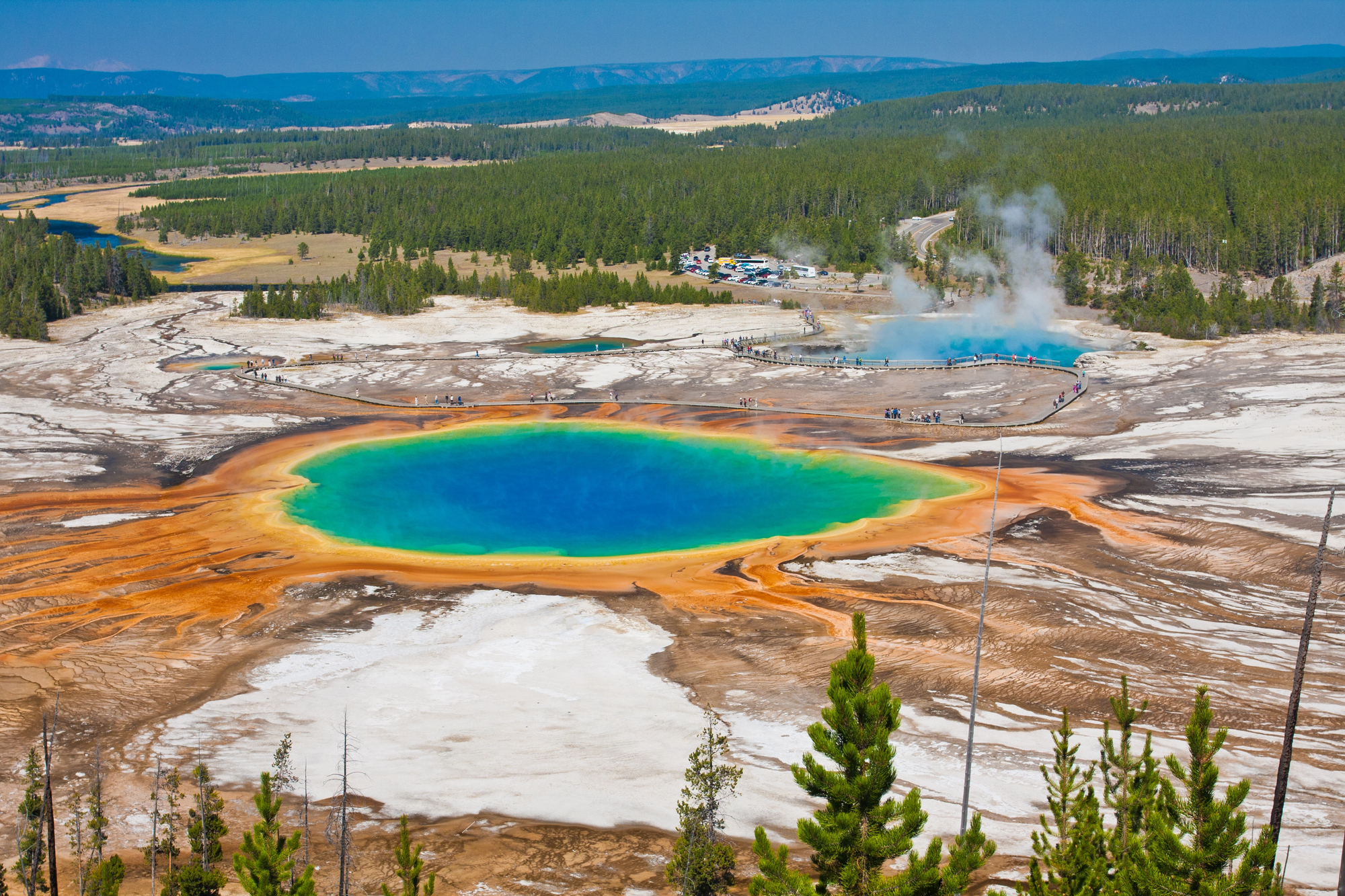
Here’s what’s remarkable about Yellowstone (and this might sound like travel writing hyperbole, but it’s not): you can witness some of the planet’s most dramatic geothermal activity from your car window — Old Faithful erupts on a schedule that rangers post at the visitor center, and you can check your watch and plan accordingly. The Grand Loop Road connects the major attractions with minimal walking required, though the sulfur smell near the hot springs takes some getting used to. And yet, even from the comfort of the boardwalks that snake around these geological oddities (which were built specifically so people wouldn’t accidentally step through the earth’s crust into boiling water below), the experience feels primordial — like witnessing the planet’s raw creative process, which in many ways, you are.
Times Square
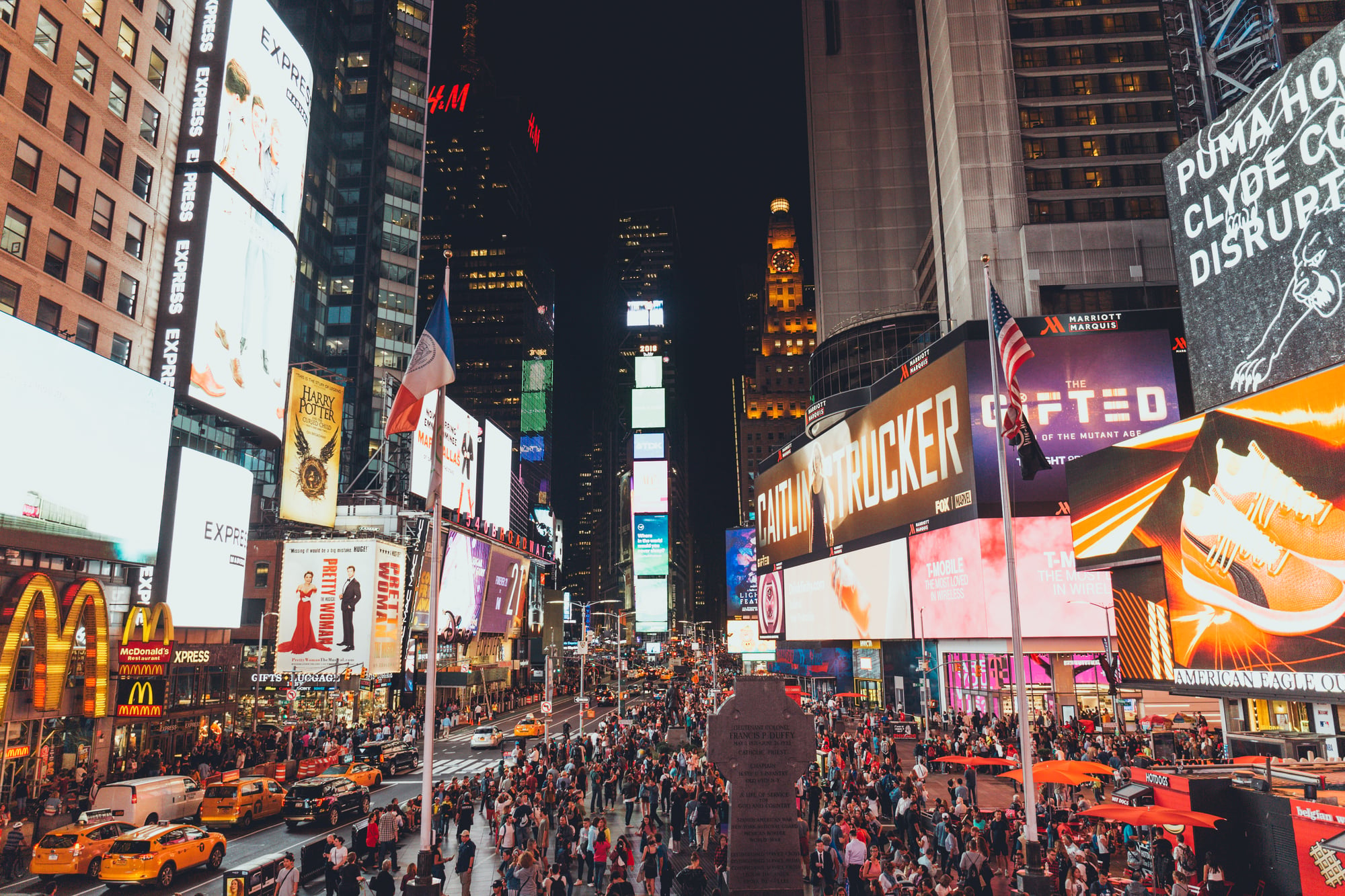
The crossroads of the world sits at the intersection of accessible and overwhelming. Subway lines converge here from every direction, depositing millions of people into a canyon of light and noise that never sleeps. You don’t need to plan or prepare — just show up and let the current of humanity carry you along. The sensory overload hits immediately, but that’s exactly the point.
The National Mall in Washington D.C.
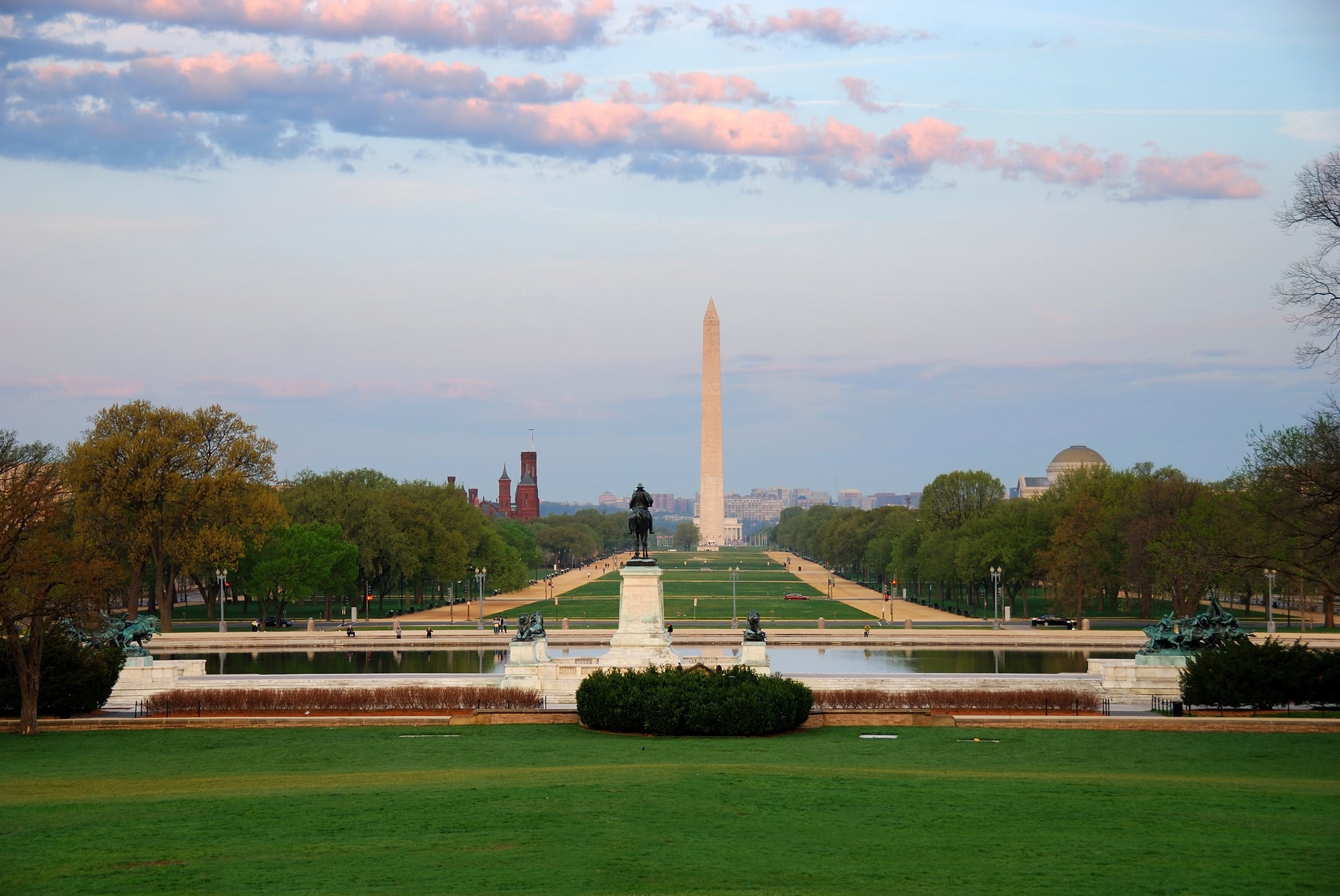
Democracy laid out in a straight line between the Capitol and the Lincoln Memorial. The Smithsonian museums line both sides like intellectual candy stores, each one free to enter and explore. Metro stations bookend the Mall, and the walking is flat and straightforward. You can absorb centuries of American history in a single afternoon, though you’ll need several days to see everything properly.
Big Ben and Westminster
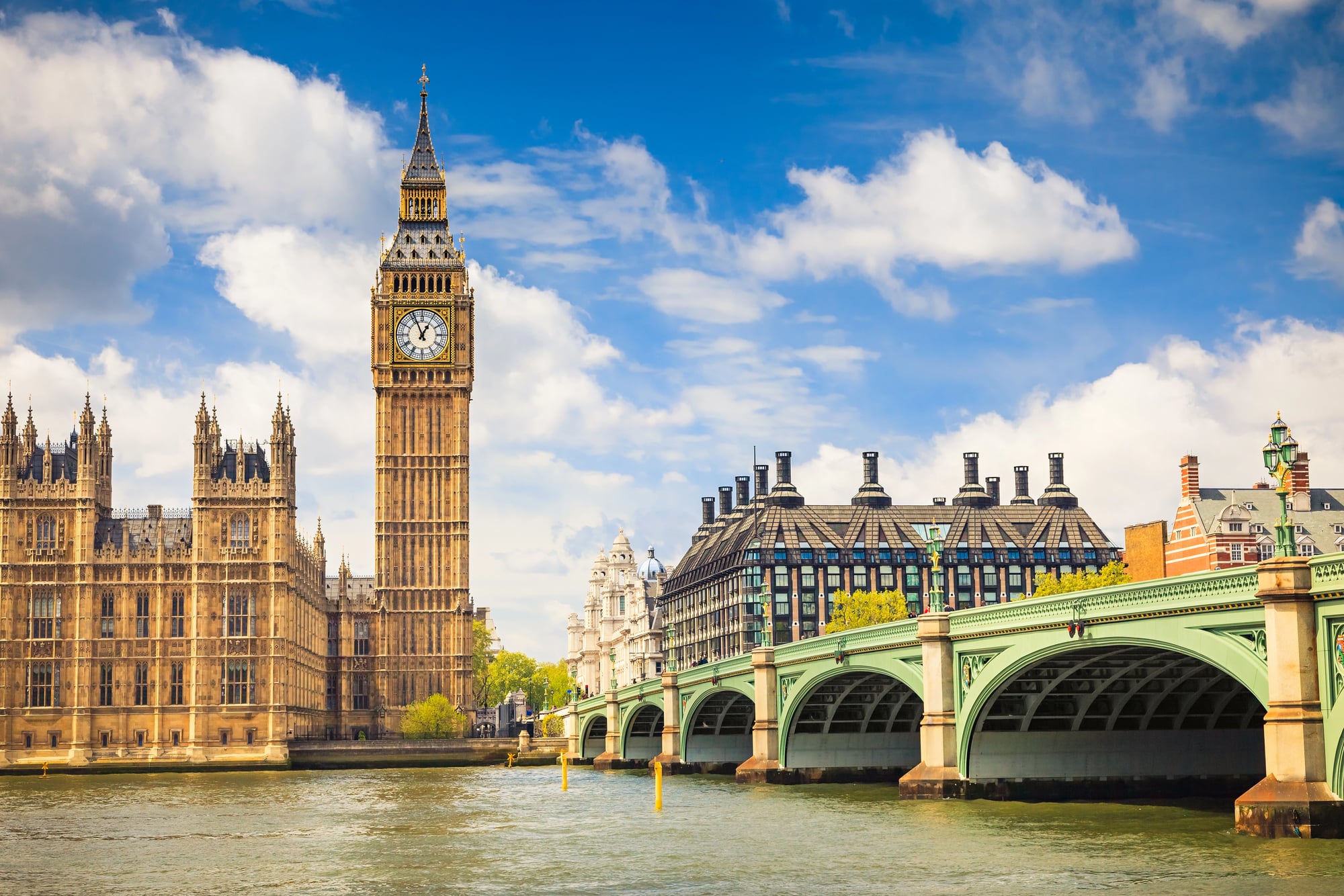
London’s most famous landmarks cluster together with the consideration of urban planners who understood that tourists don’t want to trek across the city for a photo (though whether this clustering was intentional or just happy historical accident remains up for debate, since most of these structures were built long before anyone thought about tourism infrastructure). Westminster tube station deposits you directly into the heart of British governmental power, where Big Ben, the Houses of Parliament, and Westminster Abbey sit within a few blocks of each other — and the Thames provides a natural boundary that makes navigation nearly foolproof, even for visitors who can’t tell north from south in a foreign city. So you end up with this convenient triangle of iconic sights that you can knock out in a morning, assuming you don’t get distracted by street performers or the surprisingly decent fish and chips from the vendors who’ve stationed themselves strategically between these landmarks.
The Golden Gate Bridge
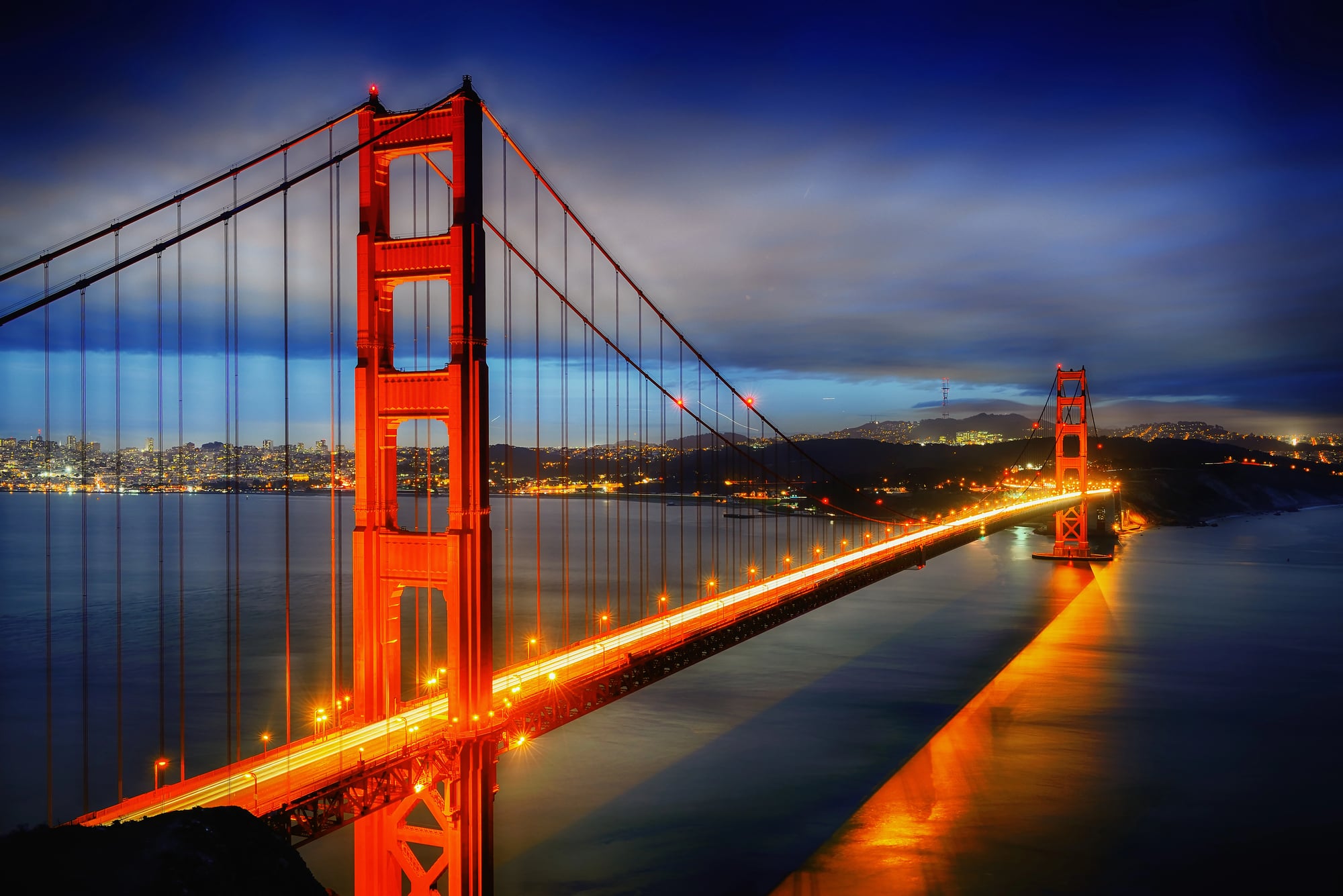
Walking across feels like stepping into every movie you’ve ever seen set in San Francisco. The pedestrian walkway runs the full span, offering views that shift dramatically as fog rolls in and out of the bay. Public transportation drops you at either end, and the walk itself becomes the destination. The bridge sways slightly in strong winds, which sounds alarming but actually adds to the experience.
Mount Rushmore
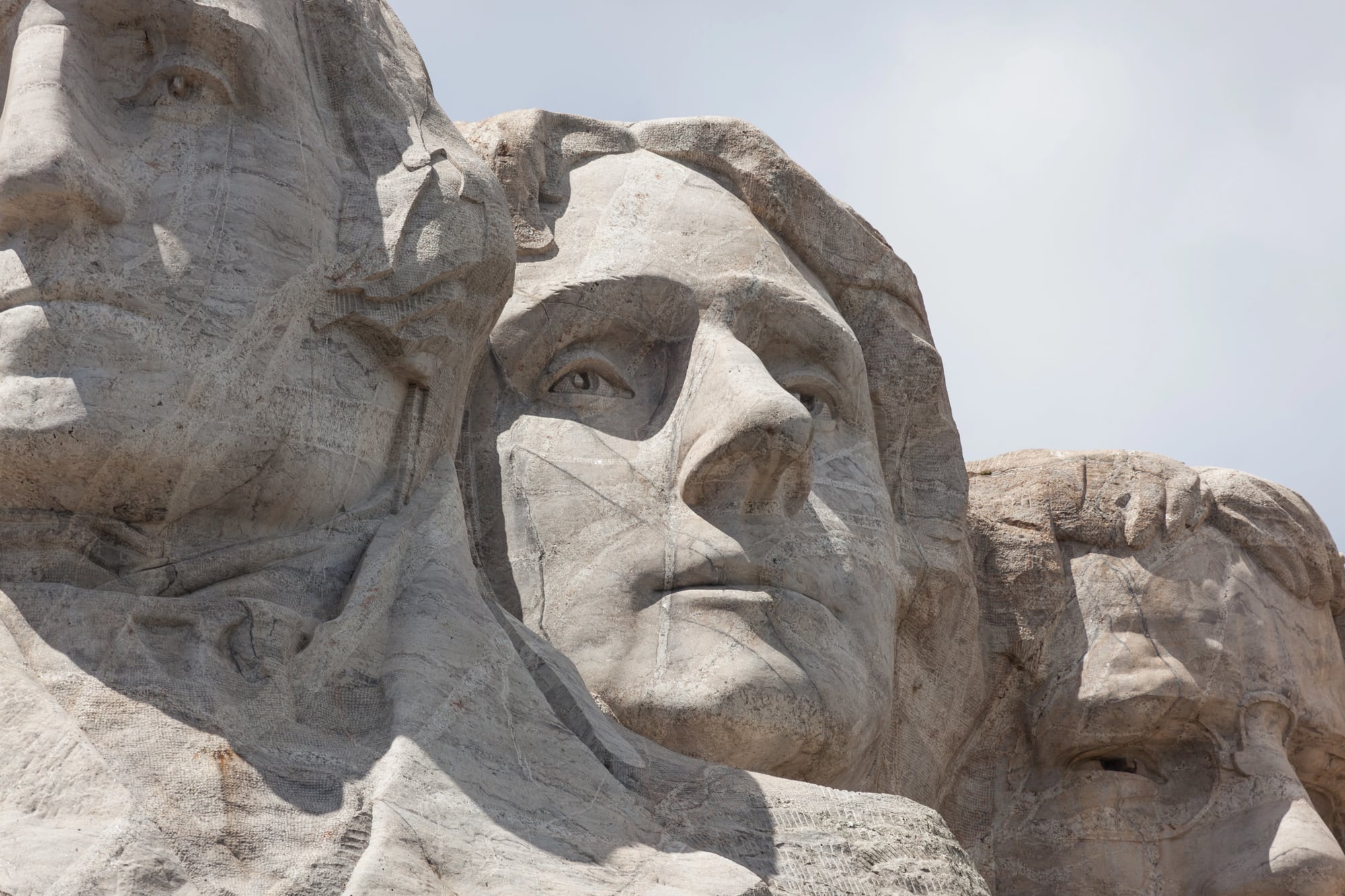
Four presidential faces carved into granite, viewable from a comfortable distance without any climbing required. The viewing plaza offers unobstructed sightlines, and the visitor center fills in the historical context you probably forgot from school. It’s touristy in the way that major landmarks tend to be, but the scale still impresses. The gift shop sells miniature replicas that look nothing like the real thing, which is somehow part of the charm.
Stonehenge
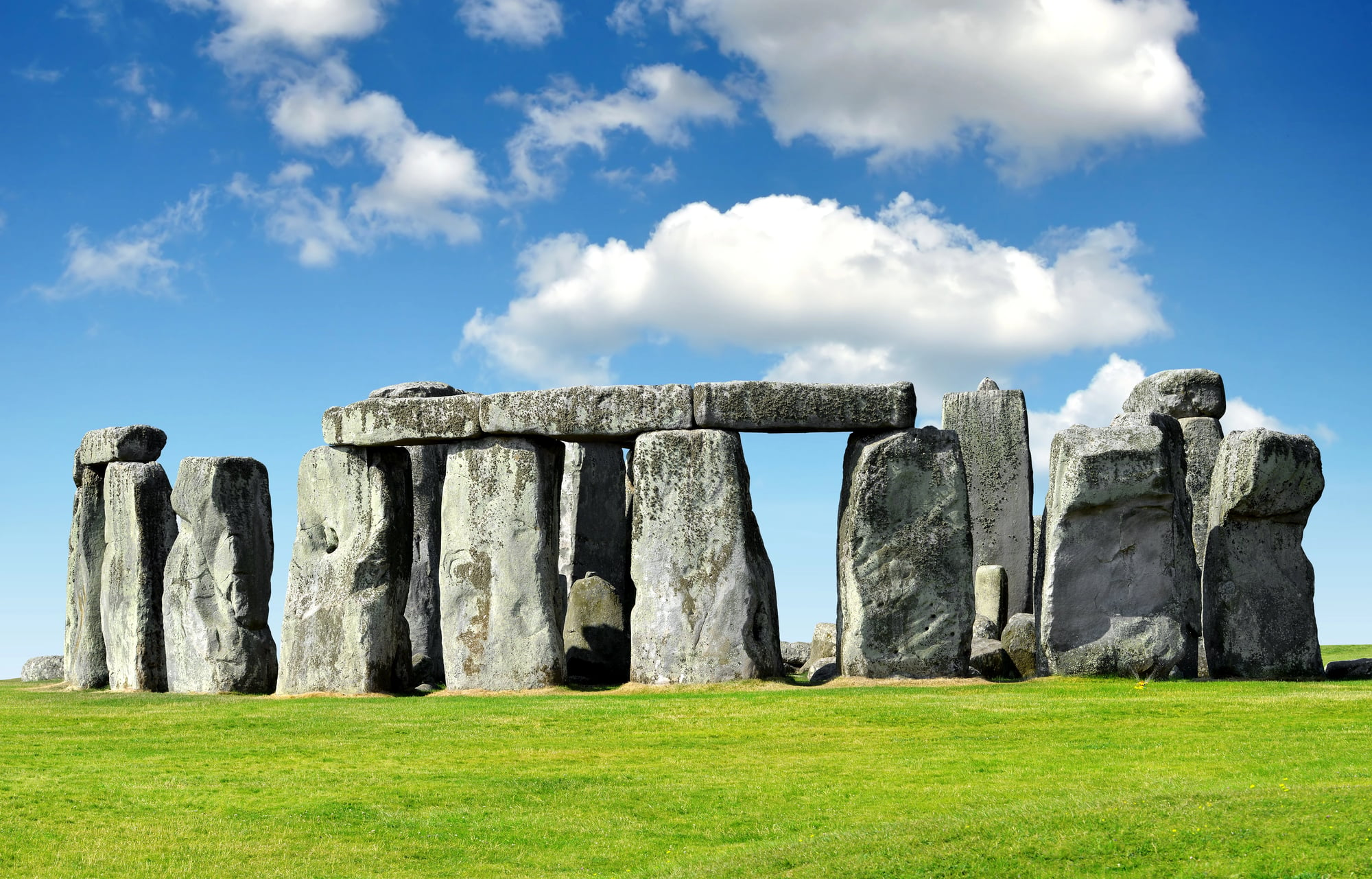
These standing stones hold their secrets like old friends who’ve decided some stories aren’t meant for telling. The audio guide offers theories — burial ground, astronomical calendar, ancient temple — but the monument itself remains beautifully stubborn in its refusal to explain. You circle the stones on a designated path (getting closer isn’t allowed, though honestly, the mystery works better from a slight distance), and something about the arrangement feels intentional in ways that go beyond the obvious. The surrounding landscape stretches flat in all directions, making the stone circle feel even more deliberate, more placed than discovered.
The Las Vegas Strip
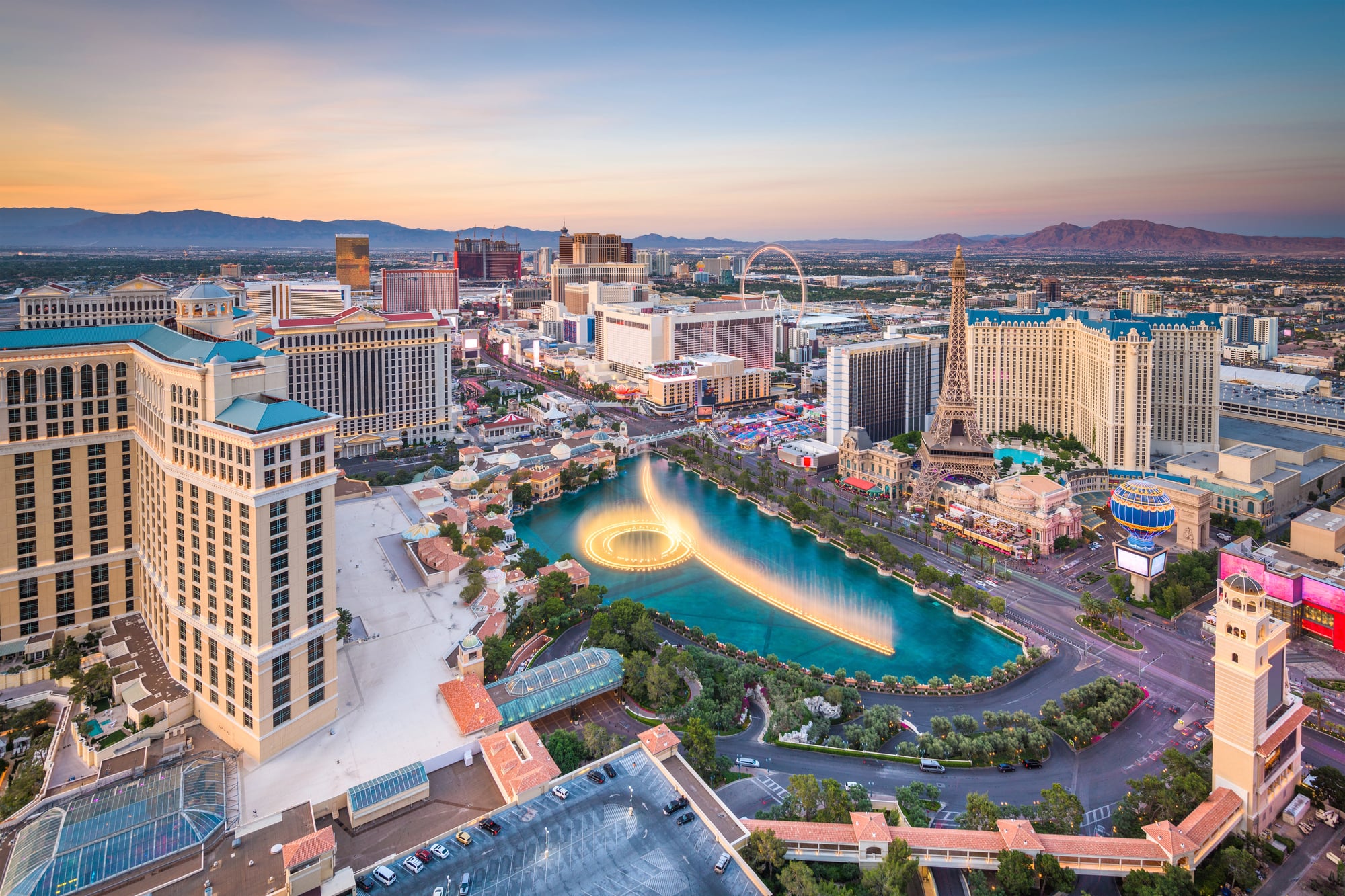
The desert turned into a playground for adults who want to pretend money doesn’t matter. Every casino connects to the next through air-conditioned walkways, creating a climate-controlled world where day and night blur together. You can walk from circus acts to world-class restaurants to shows that cost more than most people’s monthly rent. The absurdity is the attraction, and the city commits to it completely.
Central Park
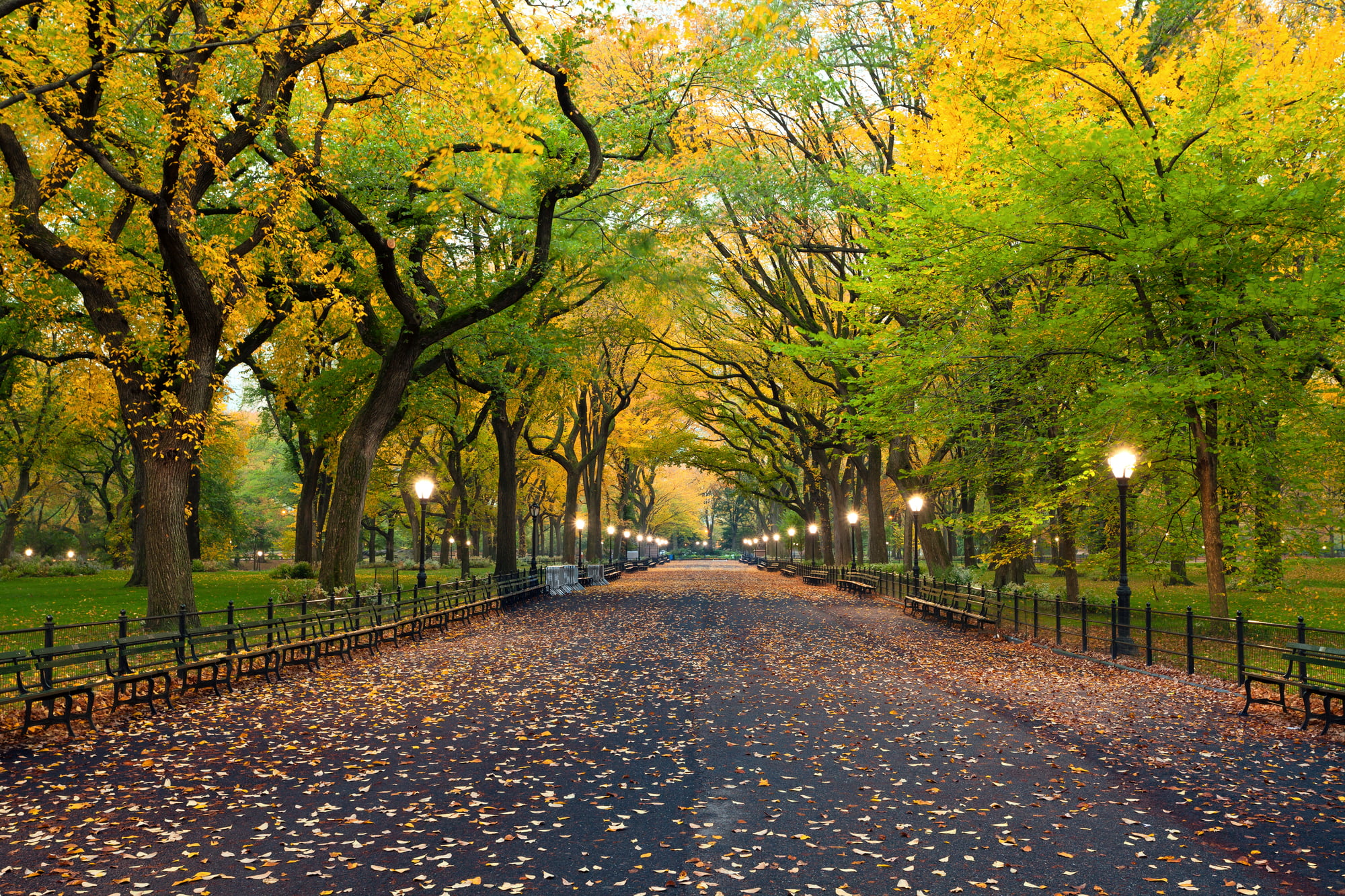
Manhattan carved out space for trees and grass in a decision that probably seemed crazy at the time but turned out to be brilliant. Multiple subway stops surround the park, and the internal paths connect lakes, meadows, and playgrounds in a design that feels natural despite being completely artificial. You can rent bikes, row boats, or just find a bench and watch New York happen around you. The contrast between urban intensity and green space never gets old.
The Hollywood Sign
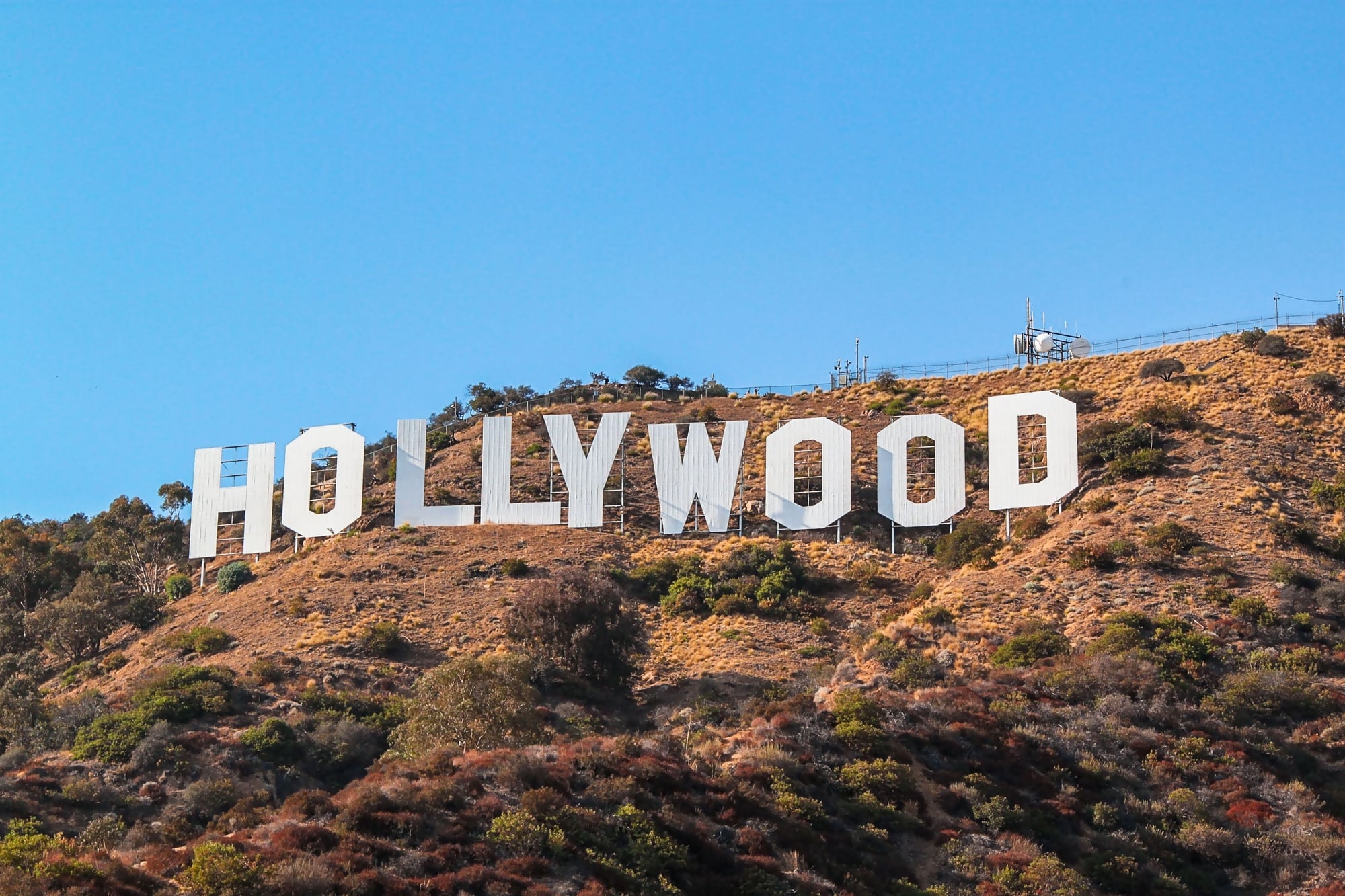
This iconic landmark embodies everything about Los Angeles — including the fact that getting close to it requires more effort than you’d expect, but seeing it clearly doesn’t (the best views come from the Griffith Observatory, which sits conveniently accessible via car or ride-share, with parking that fills up early on weekends but remains manageable most weekdays). The observatory itself deserves its own visit, offering telescopes and planetarium shows alongside that perfect Hollywood Sign photo opportunity, plus city views that stretch from downtown to the ocean on clear days — which, contrary to popular belief about Los Angeles smog, happen more often than not. And here’s the thing about the Hollywood Sign that nobody mentions in travel guides: it looks exactly like you expect it to look, which sounds boring but actually feels satisfying in a world where most famous landmarks either disappoint in person or hide behind construction scaffolding when you finally show up to see them.
Buckingham Palace
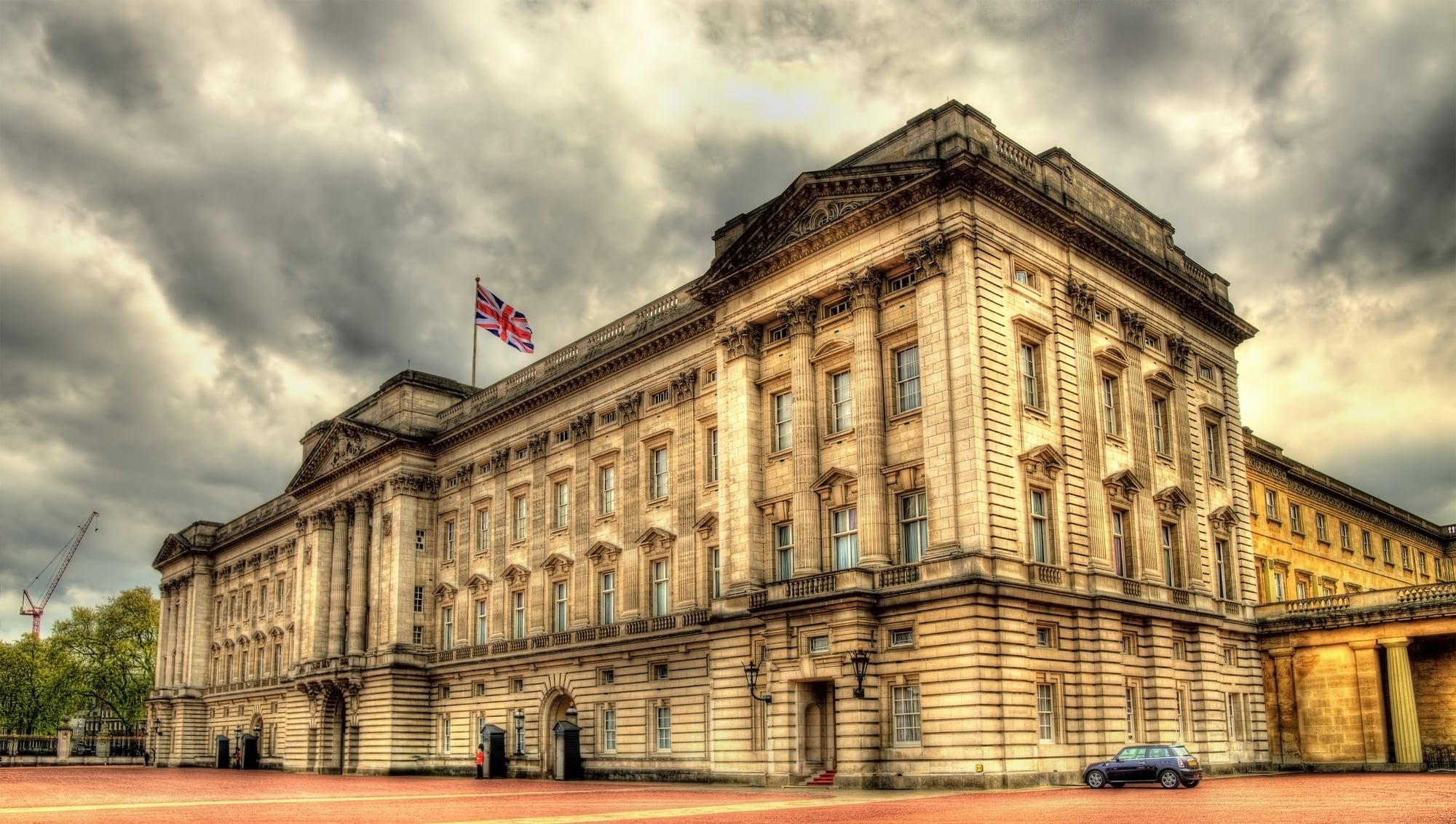
Royal pageantry preserved in the heart of London, complete with guards who’ve mastered the art of ignoring tourist cameras. The changing of the guard happens on schedule, drawing crowds who gather hours early for prime viewing spots. St. James’s Park provides the perfect approach, with pelicans and ducks that seem oddly dignified given their proximity to royalty. Multiple tube stations serve the area, making arrival straightforward.
The Gateway Arch in St. Louis
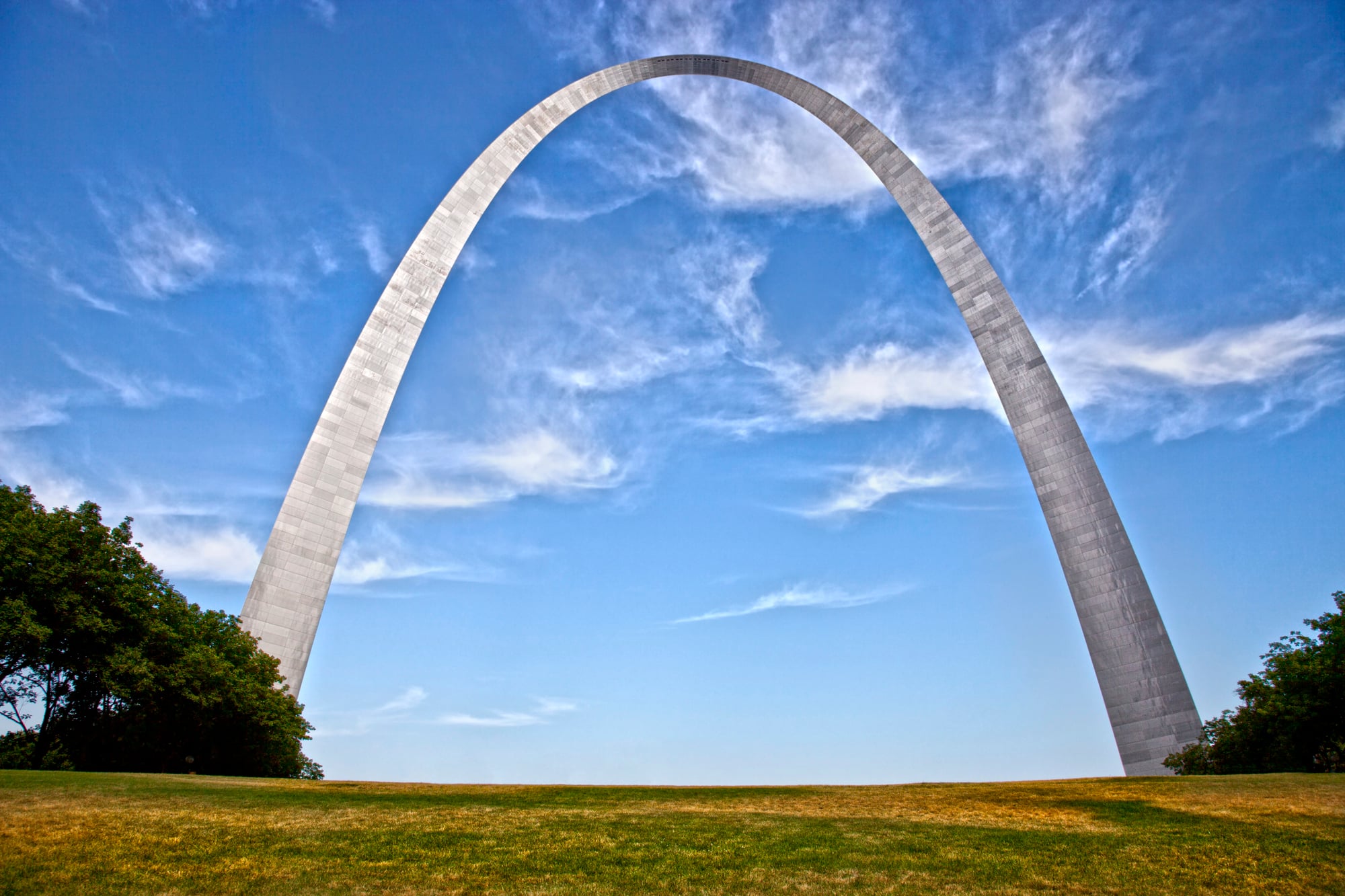
This stainless steel curve rises from the Mississippi riverfront like a geometric rainbow. The tram to the top operates regularly, offering views across the river and into downtown St. Louis. The arch looks impossibly thin from certain angles, which creates an optical illusion that photographs never quite capture accurately. The surrounding park provides plenty of space to appreciate the structure’s scale and elegance.
The Space Needle in Seattle
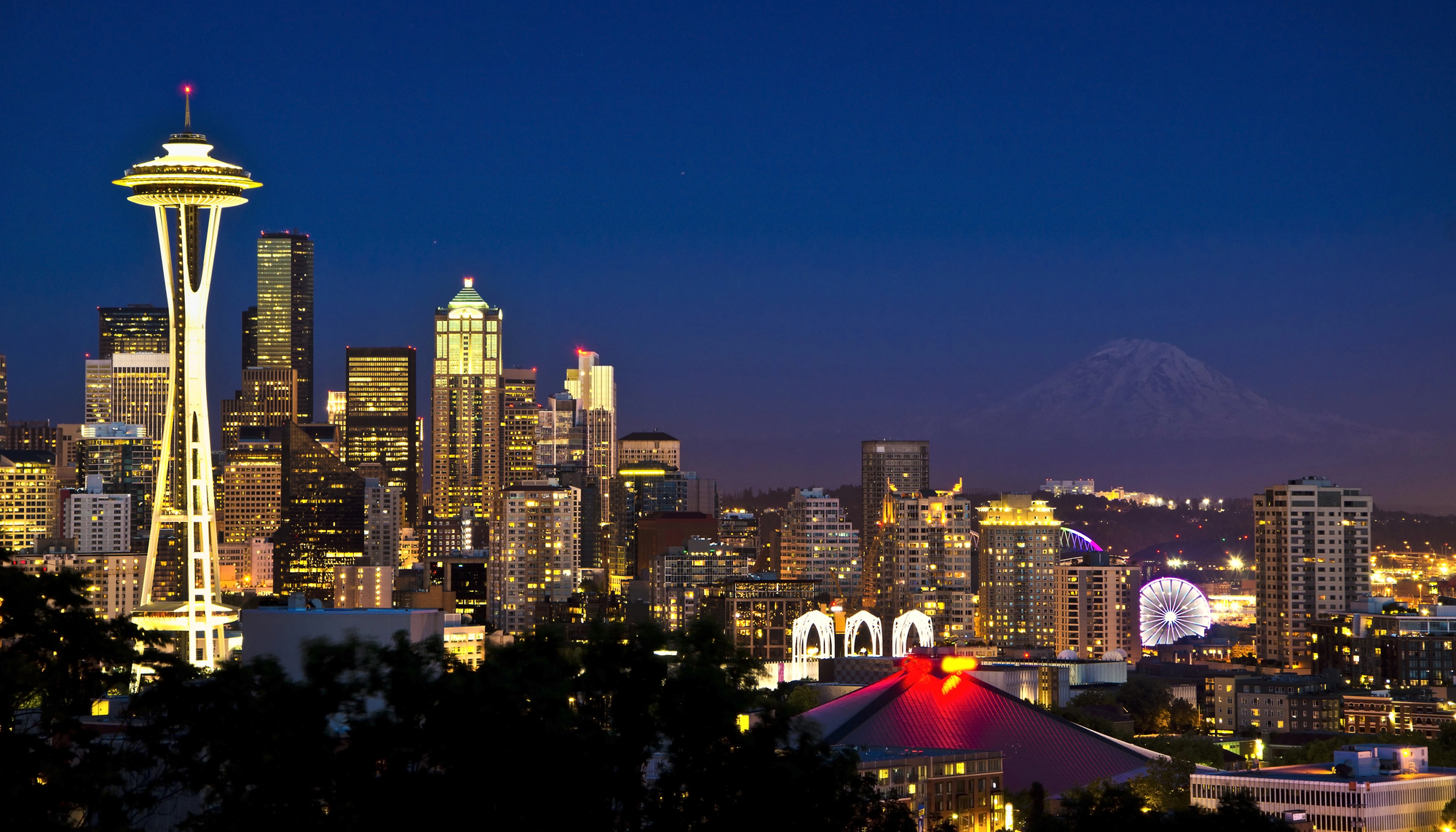
Seattle’s signature spire offers 360-degree views from its observation deck, reached by elevators that make the 520-foot journey in less than a minute. The recent renovation added glass floors for visitors who enjoy mild vertigo with their sightseeing. Downtown Seattle spreads out below, with Puget Sound and the Olympic Mountains providing a backdrop that changes dramatically with the weather. The nearby monorail connects directly to downtown, making the trip as smooth as the elevator ride itself.
Places That Welcome Everyone
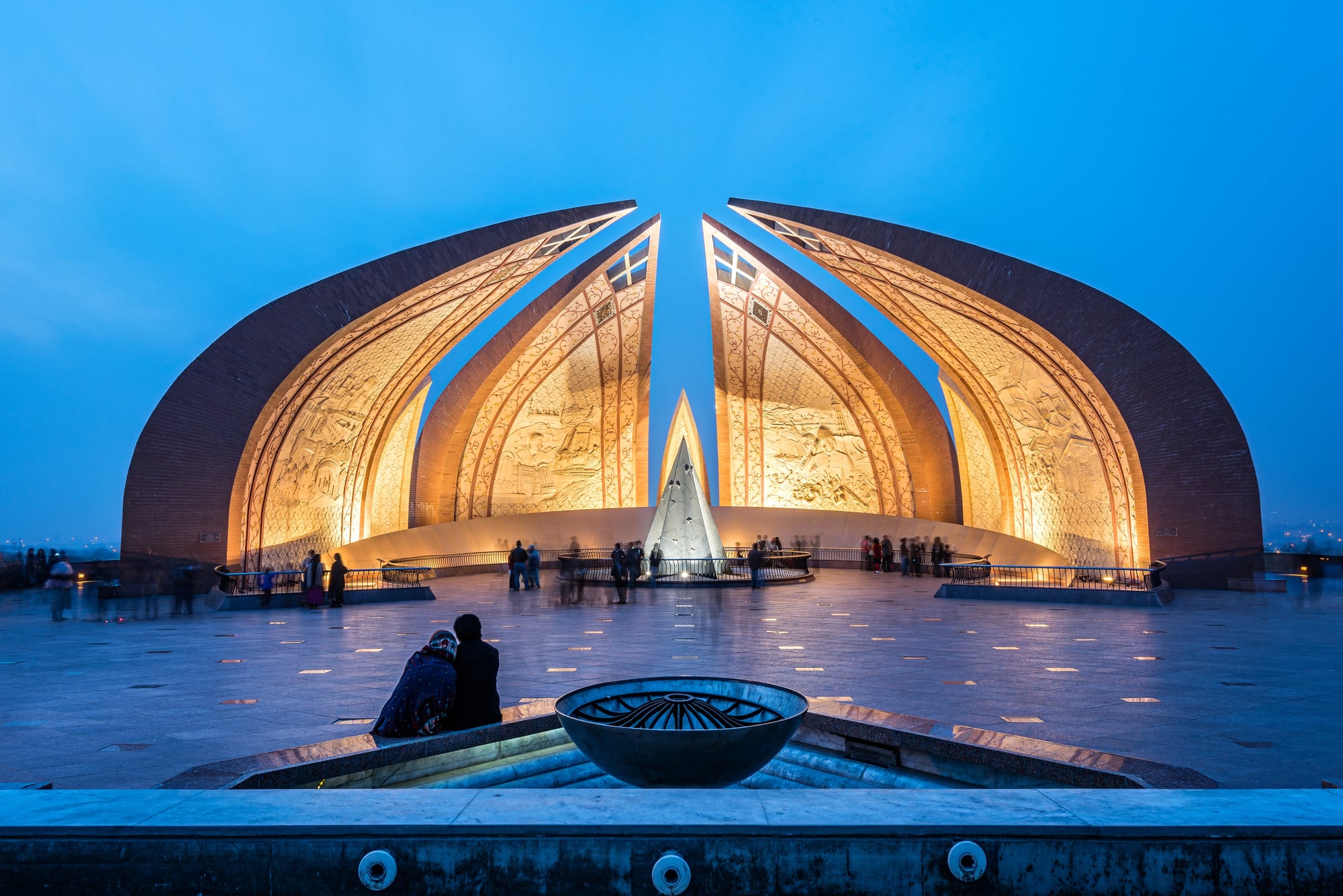
The world’s most accessible destinations share something beyond convenient parking and paved pathways. They understand that wonder doesn’t require suffering, and that the most profound experiences often happen when you’re not worried about your next step or whether you packed the right gear. These places invite you to focus on the view instead of the journey, which turns out to be exactly what most of us need.
More from Go2Tutors!

- The Romanov Crown Jewels and Their Tragic Fate
- 13 Historical Mysteries That Science Still Can’t Solve
- Famous Hoaxes That Fooled the World for Years
- 15 Child Stars with Tragic Adult Lives
- 16 Famous Jewelry Pieces in History
Like Go2Tutors’s content? Follow us on MSN.