15 Bizarre Sports from Around the World You Have Never Heard Of
Sports bring out something primal in humans — the need to compete, to win, to prove dominance over whatever strange challenge presents itself. Most people think they know what constitutes a sport: something with rules, equipment, maybe a field or court.
Then you discover that somewhere in the world, people are racing through mud while carrying their wives, or chasing wheels of cheese down impossibly steep hills, and suddenly your definition of “sport” expands considerably. These aren’t your typical weekend activities.
They’re the product of centuries-old traditions, local quirks, and the universal human tendency to turn absolutely anything into a competition. Some involve serious athletic skills.
Others seem designed by people who clearly had too much time and not enough sense.
Shin Kicking
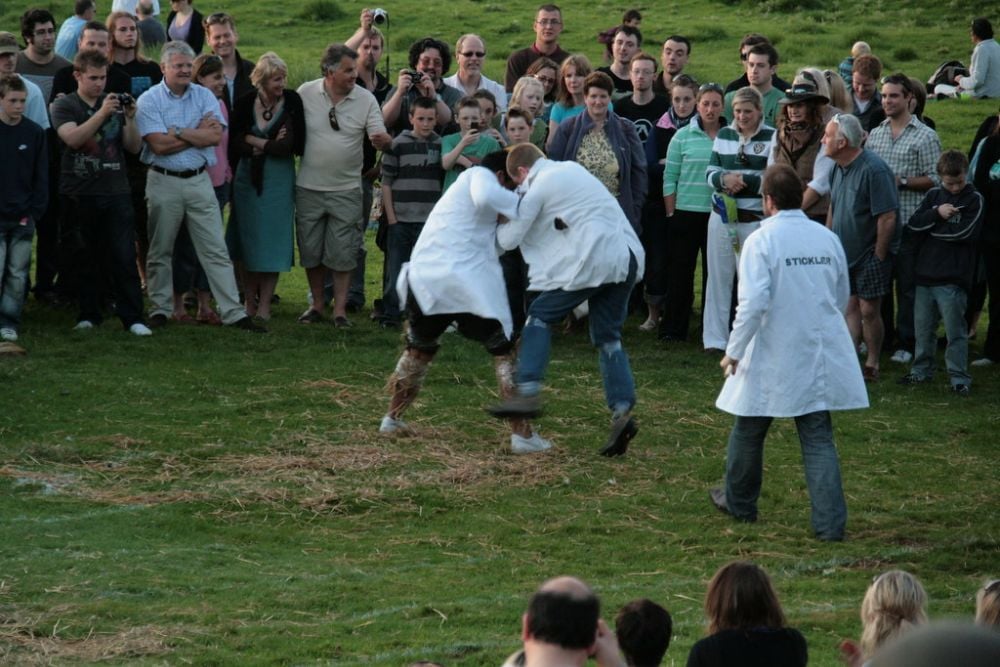
Two competitors grab each other by the shoulders and attempt to kick their opponent’s shins until someone falls down. That’s it. That’s the entire sport.
The World Shin Kicking Championships happen annually in England, because of course they do. Participants stuff straw in their pants for protection, though this seems like closing the barn door after the horse has already kicked you in the shins.
The sport dates back to the early 1600s, which means people have been voluntarily bruising their lower legs for entertainment for over 400 years.
Wife Carrying

The premise sounds like something dreamed up during a particularly creative bachelor party, but wife carrying (or more accurately, the sport where men race while carrying women on their backs) has ancient roots that trace back to Finnish legend and possibly Viking raids. The modern version involves a 253-meter obstacle course that includes water hazards, because apparently carrying another human being while sprinting wasn’t challenging enough on its own.
And here’s where it gets interesting (in that peculiar way that only truly bizarre traditions can manage): the winning couple receives the woman’s weight in beer. So there’s actually strategy involved in partner selection — too heavy and you’ll struggle through the course, too light and your prize diminishes accordingly.
The math becomes a delicate balance between athletic performance and alcoholic reward, which is probably the most honest sports incentive structure ever devised. But the most telling detail isn’t the beer prize or the obstacle course.
It’s that the woman doesn’t have to be your actual wife. She just has to be over 17 years old and weigh more than 108 pounds.
Because nothing says “legitimate sporting event” quite like minimum weight requirements for your human cargo.
Toe Wrestling

Picture arm wrestling, but with feet. Competitors sit facing each other, remove their shoes and socks, and interlock their big toes.
The objective is to pin your opponent’s foot for three seconds, best two out of three rounds. The World Toe Wrestling Championship takes place annually in England, where they’ve elevated this questionable pastime to an art form.
There’s a proper referee, official rules, and even weight categories. Competitors take it seriously enough that some spend months conditioning their toes and developing specialized techniques.
Cheese Rolling

Every year, people gather at Cooper’s Hill in Gloucestershire, England, to chase a wheel of Double Gloucester cheese down a near-vertical slope. The hill has a gradient that approaches 45 degrees in some places, which means participants aren’t so much running as they are falling with style.
The cheese gets a head start (because it’s basically a 7-pound wheel rolling at terminal velocity), and the first person to cross the finish line wins the cheese. Most participants spend their time tumbling, careening off course, or simply trying not to break any bones on the way down.
The event requires a small army of paramedics positioned along the hill, which should tell you everything you need to know about the safety profile of competitive cheese chasing. And yet people return year after year, because apparently the promise of free dairy is worth risking life and limb — which, when you think about the current price of good cheese, makes a certain twisted economic sense.
Quidditch
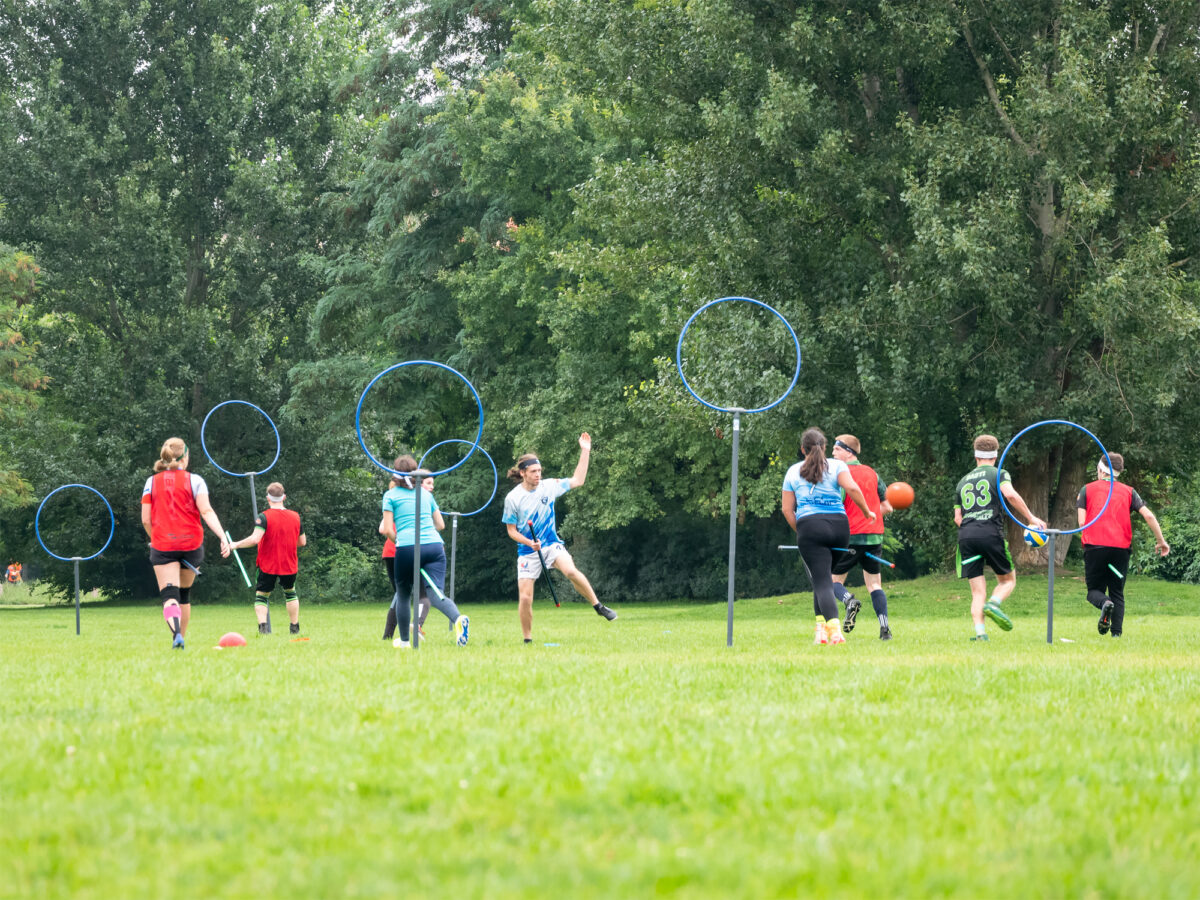
The fictional sport from Harry Potter has been adapted for non-magical humans, and the results are exactly as awkward as you’d expect. Players run around with broomsticks between their legs, attempting to throw orbs through hoops while someone dressed as the Golden Snitch runs around the field with a tennis orb in a sock attached to their shorts.
The International Quidditch Association oversees this madness with the kind of bureaucratic seriousness typically reserved for actual Olympic sports. There are official rulebooks, international tournaments, and college scholarships.
Watching grown adults sprint across a field while clutching broomsticks creates a cognitive dissonance that’s hard to shake.
Bog Snorkeling
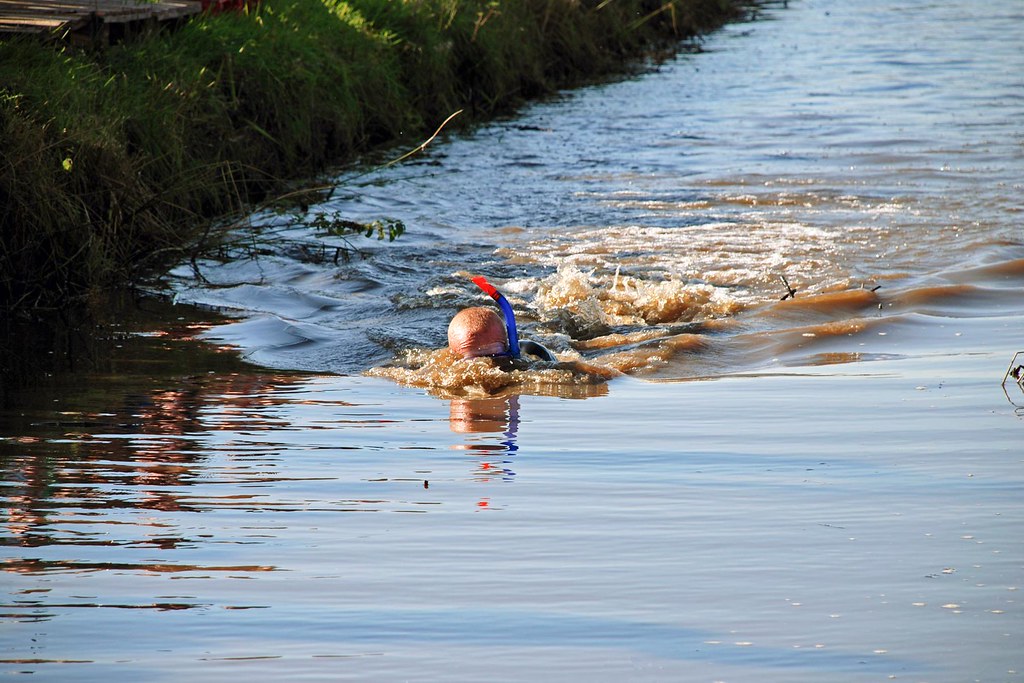
In the Welsh countryside, people don face masks and snorkels to swim through muddy water trenches cut into peat bogs. The water is cold, murky, and about as appealing as it sounds.
Competitors must complete two lengths of a 60-yard trench using only flippers — no conventional swimming strokes allowed. The bog water maintains a consistent temperature of around 50 degrees Fahrenheit year-round.
Visibility is essentially zero. The peat gives the water a distinctive brown color and earthy smell that clings to everything it touches.
Yet somehow, this has evolved into an organized sport with world championships, record times, and dedicated training regimens.
Extreme Ironing
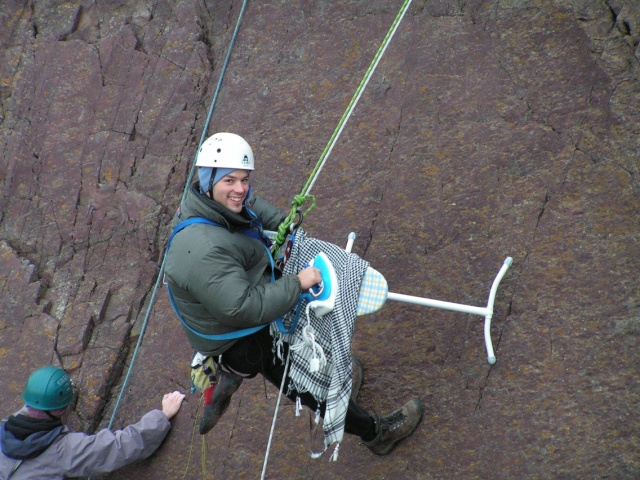
Someone looked at the mundane household chore of pressing clothes and thought, “This needs more danger.” The result is extreme ironing, where participants haul ironing boards and electric irons to remote or dangerous locations — mountaintops, underwater, while skydiving — and iron clothing.
There’s a legitimate governing body, the Extreme Ironing Bureau, which maintains official records and sanctions competitions. Participants are judged on both the creativity of their location and the quality of their pressing technique.
The sport peaked in the early 2000s when the first Extreme Ironing World Championships took place in Germany, featuring teams from multiple countries competing in categories like “Rocky”, “Water”, and “Forest”.
Sepak Takraw

Imagine volleyball played with a rattan orb that can only be touched with feet, knees, chest, and head — no hands allowed. Players perform acrobatic kicks that seem to defy both physics and human joint limitations.
The sport originated in Southeast Asia and demands flexibility that makes yoga instructors look stiff. A good sepak takraw player can bicycle kick an orb over a net while horizontal in mid-air, land gracefully, and immediately prepare for the next impossible maneuver.
The orb weighs about the same as a softball but feels much harder, which adds an element of pain tolerance that most sports wisely avoid.
Air Guitar
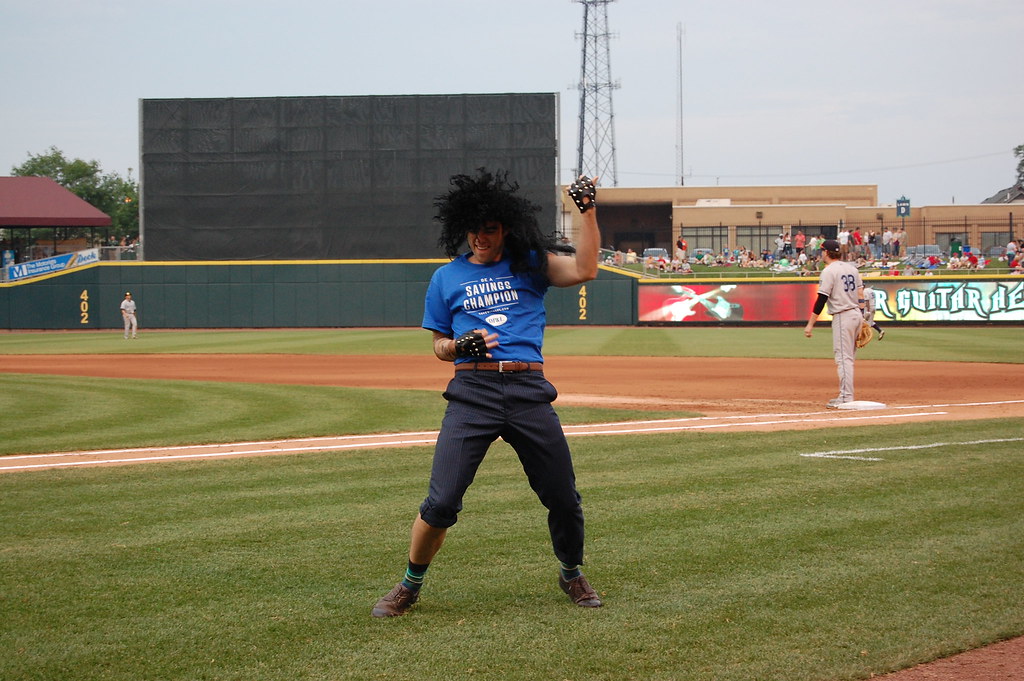
Competitive air guitar takes the universal experience of pretending to shred along with your favorite song and transforms it into judged performance art. Contestants perform 60-second routines to songs of their choosing, followed by a compulsory round where they must adapt to a mystery song on the spot.
Judges evaluate technical merit, stage presence, and “airness” — which is apparently the official term for how convincingly someone can mime playing an instrument that isn’t there. The World Air Guitar Championships in Finland draw competitors from dozens of countries, each bringing their own interpretation of what constitutes proper non-guitar technique.
And here’s the thing that makes it oddly legitimate: the performances require genuine musical knowledge, showmanship, and the kind of fearless commitment that most people reserve for actual life-or-death situations. Watching someone pour their soul into an instrument that exists only in their imagination creates a strange emotional response — part admiration for their commitment, part secondhand embarrassment, part genuine entertainment.
Ferret Legging

This sport involves placing live ferrets inside your trousers, cinching the ankles and waist shut, and seeing how long you can endure the inevitable scratching and biting. Participants must wear no underwear, and the ferrets must have a full set of teeth and claws.
The current world record stands at five hours and 30 minutes, which represents either extraordinary pain tolerance or questionable decision-making skills. The sport originated in Yorkshire, England, where coal miners apparently needed a way to prove their toughness that didn’t involve actual mining.
Modern competitions are rare, partly due to animal welfare concerns and partly because finding volunteers requires a very specific type of person.
Ostrich Racing
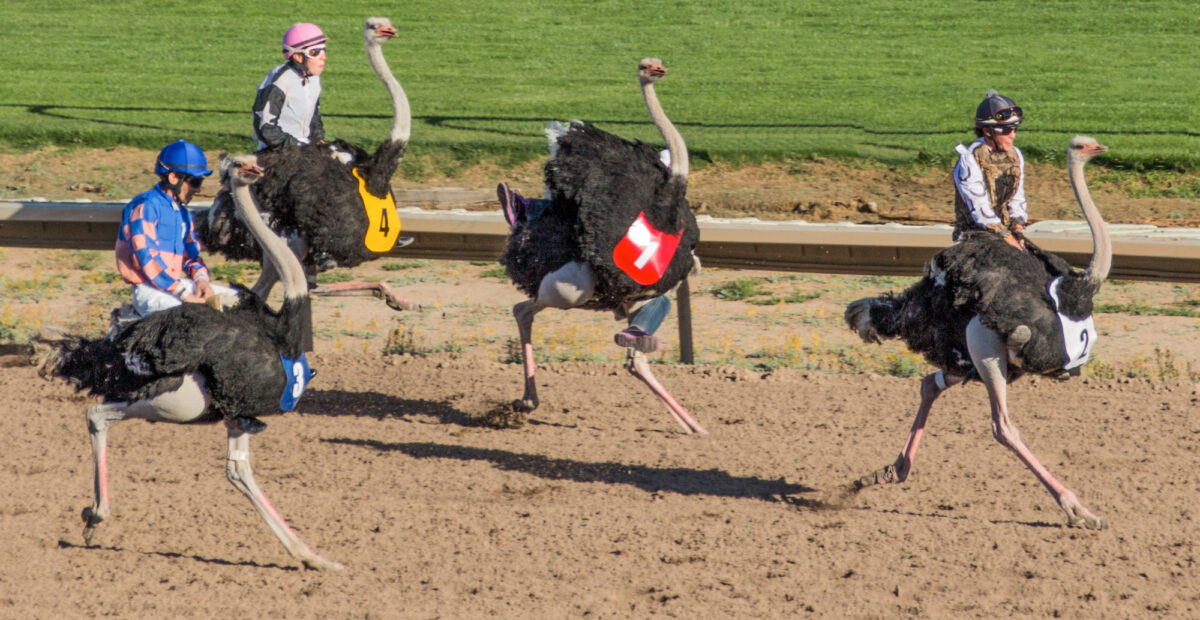
Jockeys mount ostriches and attempt to race them around a track, though “race” implies more control over direction and speed than actually occurs. Ostriches can run up to 45 miles per hour, but they possess roughly the same attention span and cooperative spirit as a caffeinated toddler.
The birds frequently decide mid-race that they’d rather investigate something off to the side, or simply stop running entirely to contemplate their surroundings. Riders spend most of their time trying not to fall off while their mount does whatever an ostrich feels like doing at that particular moment.
The sport exists in various forms across Africa and has been attempted in other countries with limited success, mainly because ostriches remain fundamentally uninterested in human concepts like “finishing the race” or “going in a straight line”.
Hornussen
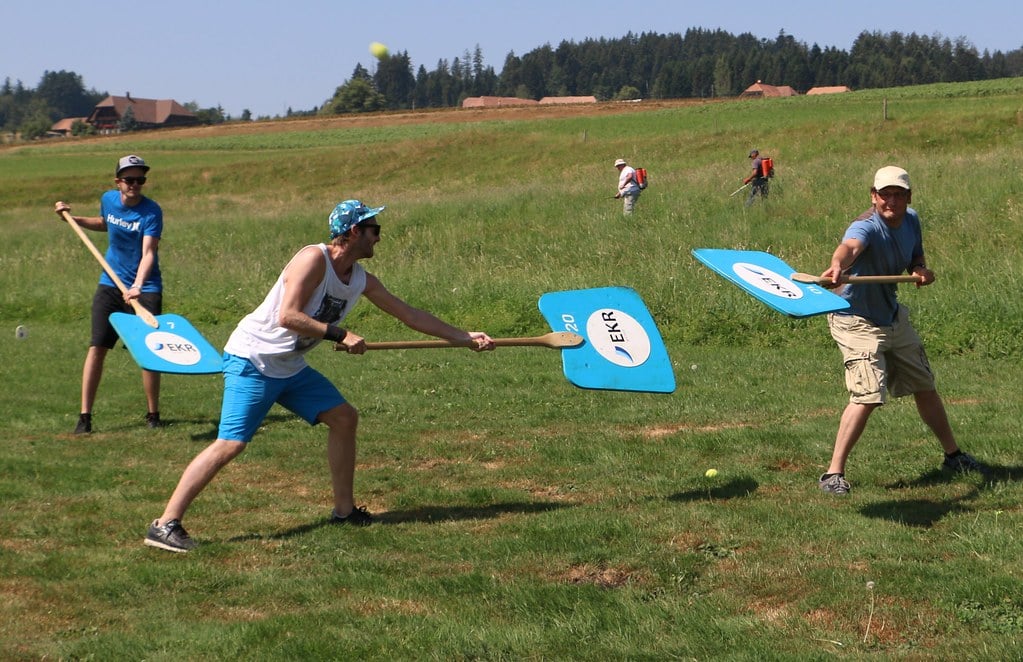
Switzerland’s national sport involves hitting a rubber puck with a flexible whip across a field while the opposing team tries to knock it down with wooden paddles attached to long handles. The puck can travel over 300 kilometers per hour, making it one of the fastest-moving projectiles in any sport.
Players on the hitting team take turns whipping the puck (called a “Hornuss”) as far as possible across a field that can be up to 300 meters long. The defending team spreads out and attempts to intercept it using their paddles, called “Schindel”.
Success requires timing that borders on precognitive, since the puck moves too fast for normal human reaction times. The sport dates back to the 16th century and remains popular in rural Switzerland, where villages maintain their own Hornussen fields and compete in regional leagues.
Watching a match feels like witnessing a medieval siege weapon demonstration that somehow evolved into organized recreation.
Buzkashi
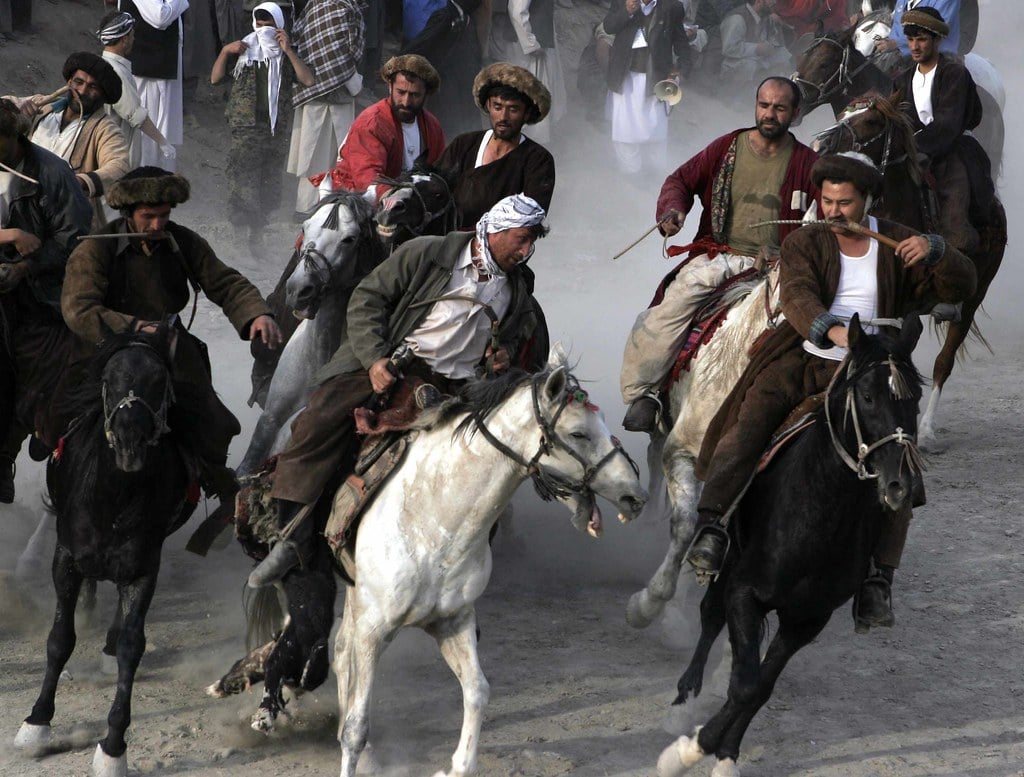
Afghanistan’s national sport involves two teams of horsemen competing to drag a headless goat or calf carcass into a goal circle. The game has no time limit, few rules, and an approach to player safety that can charitably be described as “relaxed”.
Players, called “chapandaz”, must be skilled horsemen capable of leaning down from a galloping horse to grab a 60-pound carcass while other riders try to wrest it away. The animal is specially prepared — soaked in cold water for 24 hours to toughen it up so it won’t disintegrate during play.
Teams can have anywhere from 10 to hundreds of players, and games can last for days. The sport requires horses trained specifically for buzkashi, animals that can gallop in tight formations, stop suddenly, and remain calm while their riders engage in what amounts to mounted tug-of-war with a dead animal.
It’s simultaneously one of the world’s most physically demanding sports and one of the most culturally specific.
Underwater Hockey
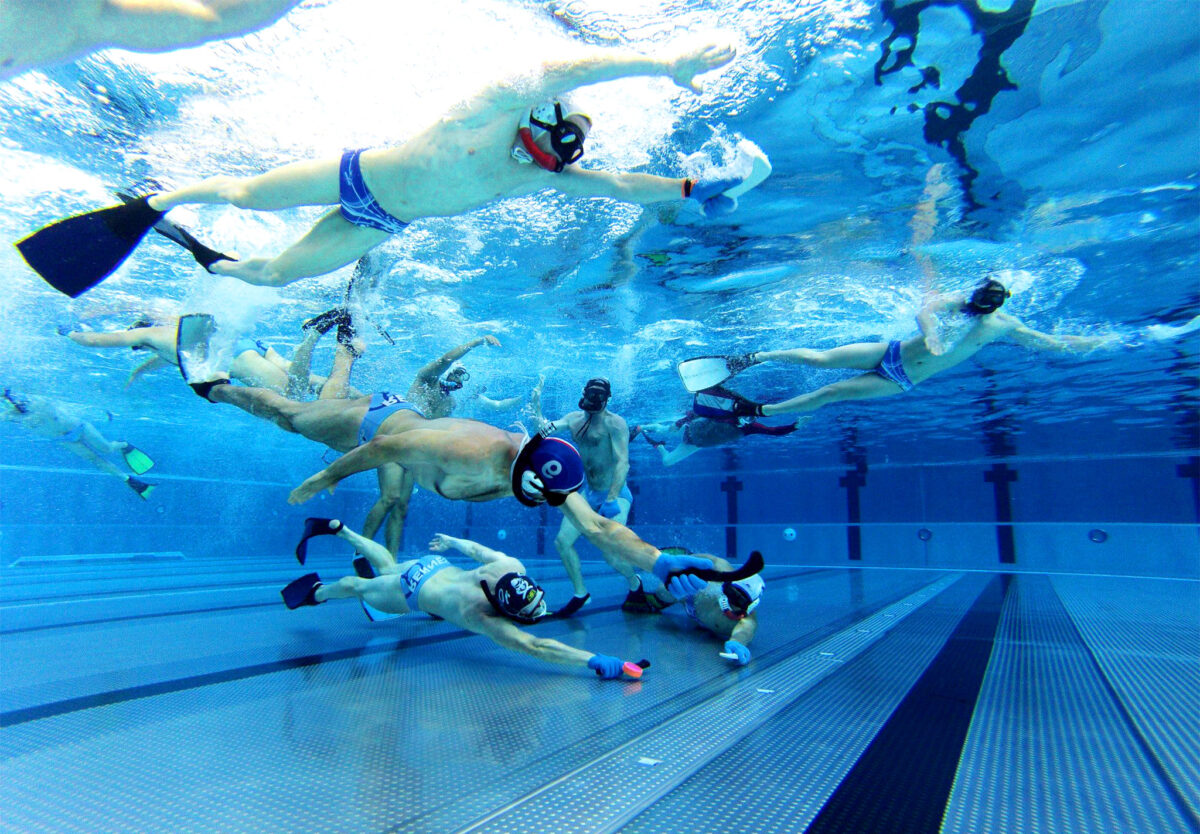
Also known as octopush, this sport involves two teams of six players wearing masks, snorkels, and fins attempting to maneuver a puck across the bottom of a swimming pool using short sticks. Players must surface regularly to breathe, creating a constant rotation of active and recovering players.
The game moves in three dimensions, with strategy involving not just horizontal positioning but also managing breathing patterns and timing surface intervals. Good players can hold their breath for extended periods while maintaining the spatial awareness to track teammates, opponents, and the puck simultaneously.
World championships attract teams from over 40 countries, and the sport is growing in popularity partly because it provides an intense cardio workout that doesn’t feel like traditional exercise. The underwater element removes many of the advantages that size and strength provide in surface sports, making technique and lung capacity the primary determinants of success.
Camel Wrestling
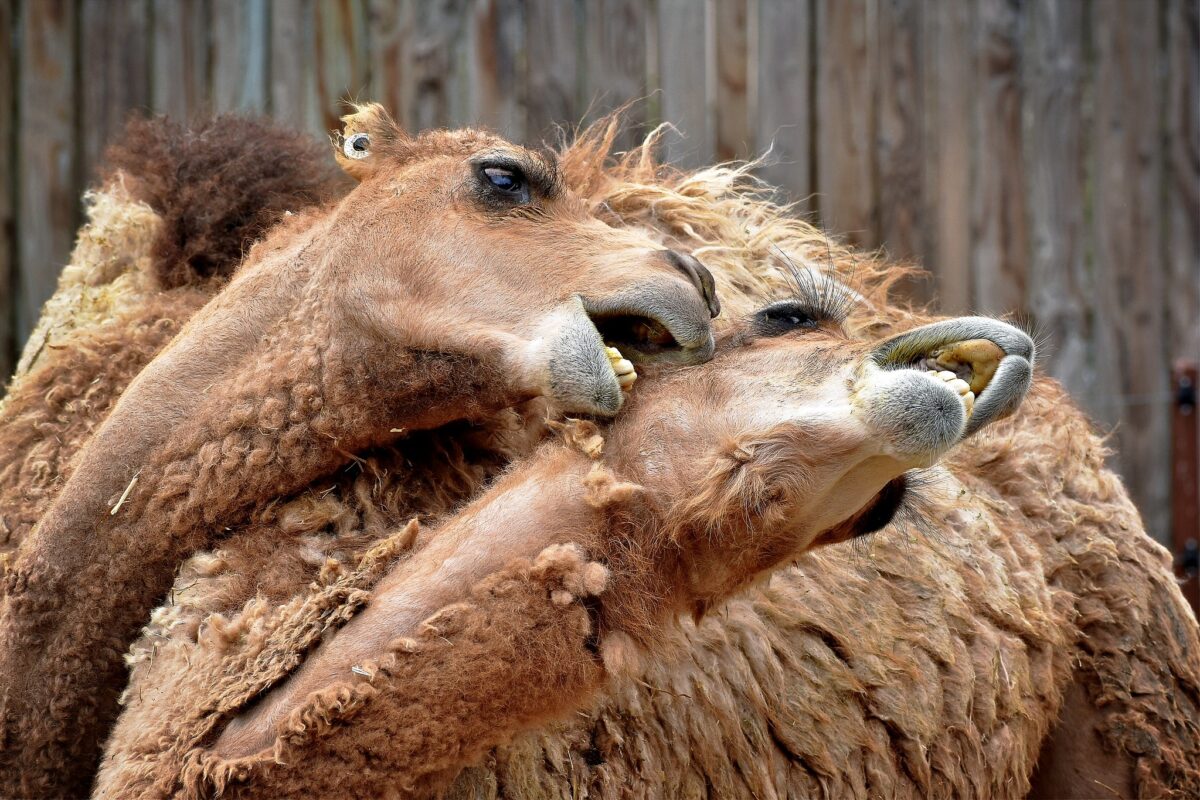
Two male camels are brought together during mating season and encouraged to wrestle each other for dominance. The camels grab each other with their long necks, attempt to trip their opponent, and generally engage in the kind of territorial behavior that male animals excel at.
The sport is most popular in Turkey, where winter festivals feature camel wrestling competitions with accompanying music, food, and celebration. The camels are specially bred and trained for wrestling, living better lives than many pets.
They’re fed special diets, receive regular veterinary care, and only wrestle a few times per year. Matches end when one camel retreats, falls down, or simply loses interest in the competition.
No camel is forced to wrestle, and fights are stopped if either animal appears distressed. The sport represents a tradition that dates back over 2,400 years, making it one of humanity’s oldest organized animal competitions.
The Beauty of Bizarre Competition

These sports exist because humans possess an irrepressible need to compete, combined with an equally strong tendency to complicate simple things beyond all reason. They remind you that the line between “sport” and “elaborate excuse to gather with friends and do something ridiculous” is thinner than most people realize.
Every major sport started as someone’s weird idea that caught on. Football began as a violent free-for-all between neighboring towns.
Basketball was invented to keep students occupied during winter. Tennis evolved from hitting orbs against monastery walls.
Given enough time and the right cultural conditions, any activity can transform into organized competition with rules, championships, and people who take it very seriously indeed.
More from Go2Tutors!

- The Romanov Crown Jewels and Their Tragic Fate
- 13 Historical Mysteries That Science Still Can’t Solve
- Famous Hoaxes That Fooled the World for Years
- 15 Child Stars with Tragic Adult Lives
- 16 Famous Jewelry Pieces in History
Like Go2Tutors’s content? Follow us on MSN.