Largest Ships Ever Lost In The Atlantic Ocean
The Atlantic Ocean has claimed some of the most magnificent vessels ever built. These massive ships, engineering marvels of their time, now rest on the ocean floor as haunting reminders of humanity’s ongoing struggle with the sea.
From luxury liners to warships, cargo vessels to cruise ships, the Atlantic has witnessed disasters that changed maritime history forever.
Each loss tells a story beyond tonnage and dimensions. These weren’t just ships — they were floating cities, technological achievements, and symbols of national pride.
Their sinking affected thousands of lives and reshaped how we think about safety at sea.
RMS Titanic
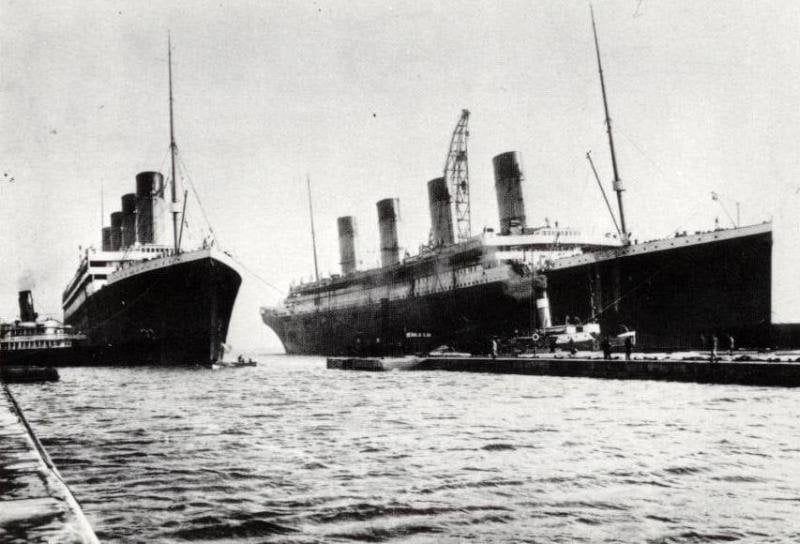
The most famous maritime disaster needs little introduction. At 882 feet long and weighing 46,328 gross tons, the Titanic was the largest ship in the world when it sank on April 15, 1912.
Over 1,500 people died that night.
What makes the Titanic’s loss particularly tragic is how preventable it was. The ship had enough lifeboats for only a third of those aboard — and even those weren’t filled to capacity during the evacuation.
HMHS Britannic
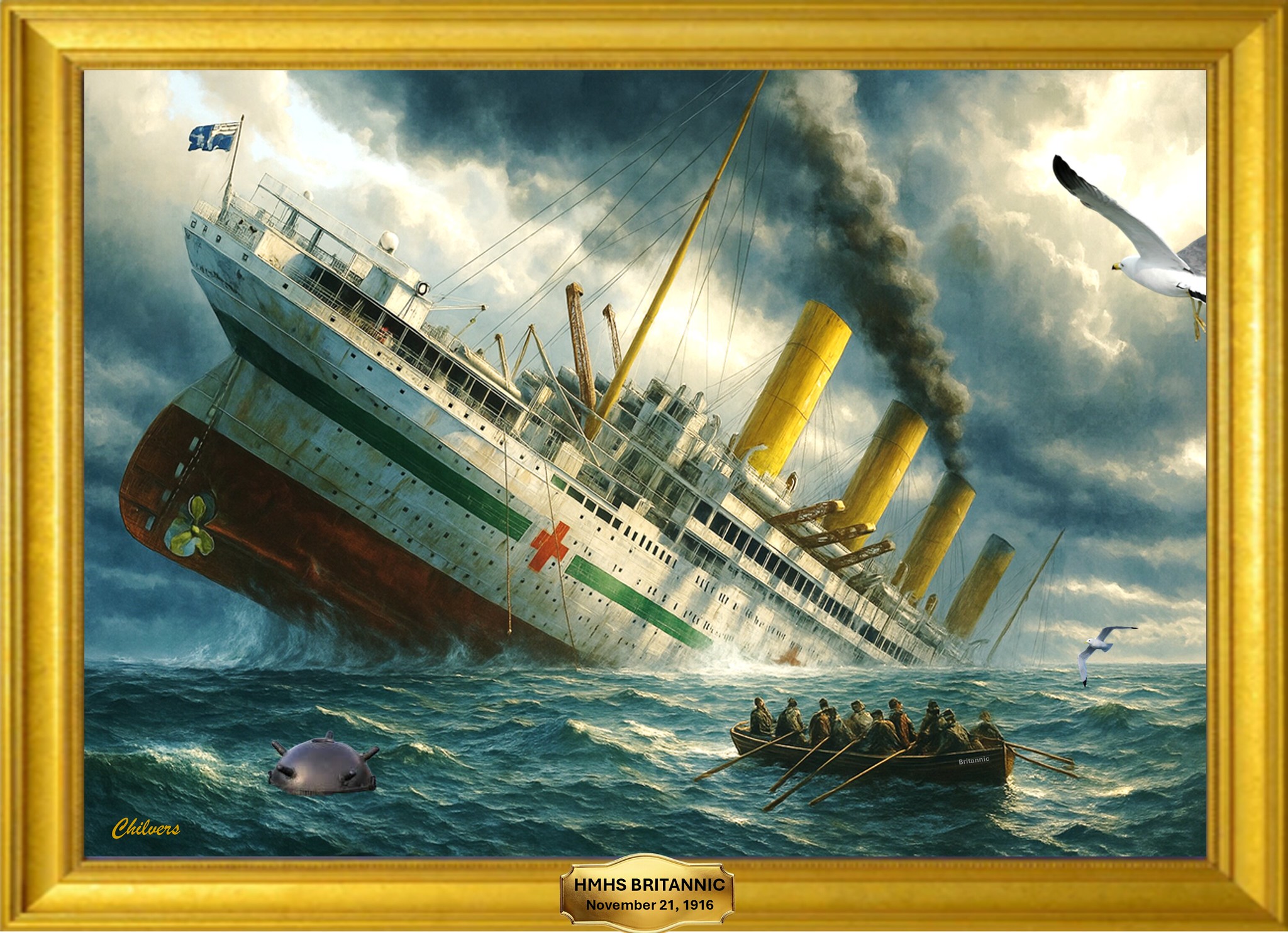
The Titanic had a sister ship that met an equally tragic fate (though with far fewer casualties, thankfully). The Britannic, originally designed as a luxury liner but converted to a hospital ship during World War I, struck a mine in the Aegean Sea in 1916, but its wreck lies partially in Atlantic waters due to ocean current patterns that oceanographers still debate today.
Actually, that’s not quite right — the Britannic sank in the Aegean, but the largest Titanic-class ship lost entirely in the Atlantic was the Britannic’s sister, which brings us to a correction: the largest ships lost in the Atlantic deserve their own individual examination, and the stories become more complex (and more fascinating) when you realize how many of these disasters involved ships that were supposed to be “unsinkable.”
Which is saying something.
RMS Lusitania
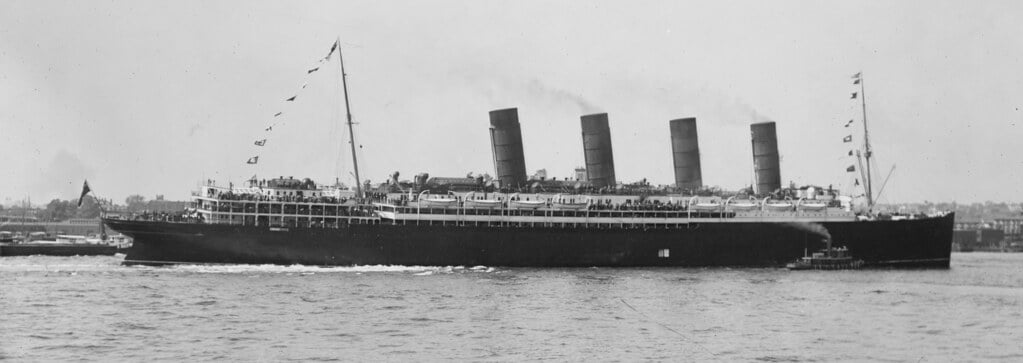
Here’s what actually happened: a German U-boat torpedoed the Lusitania off the Irish coast in 1915, killing 1,198 people in eighteen minutes. The ship was 787 feet long and displaced 44,767 gross tons.
The Germans had actually warned passengers not to board. They took out newspaper advertisements saying the ship would be targeted.
People sailed anyway, which tells you something about how much faith passengers had in their floating palaces back then.
SS Andrea Doria
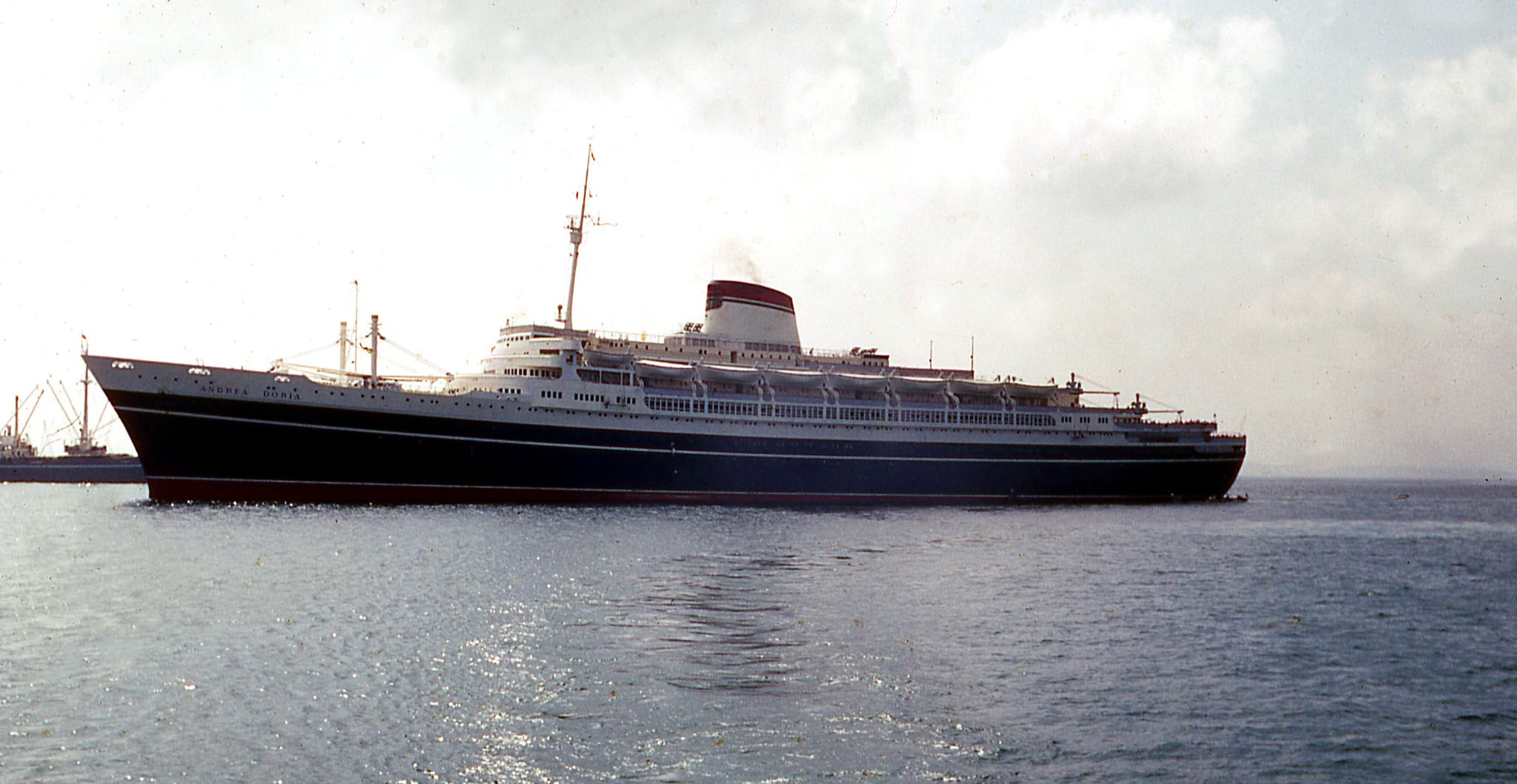
The Andrea Doria’s collision with the MS Stockholm in 1956 reads like a maritime novel where fog becomes the antagonist. The Italian liner, elegant as a swan and just as graceful in calm waters, found itself blind in thick Atlantic fog off Nantucket — the kind of fog that swallows ships whole and spits back only fragments of what happened.
When radar showed another vessel approaching, both ships made decisions that seemed logical in isolation but proved fatal in combination. The Andrea Doria turned left while the Stockholm continued straight, creating the precise geometry of disaster.
What followed wasn’t just a collision but a slow-motion ballet of a dying ship, listing so severely that half its lifeboats became useless, while passengers and crew played out small dramas of courage and panic across tilting decks.
The 697-foot liner took eleven hours to sink, which was both a blessing and a curse — enough time for rescue ships to arrive, but long enough for everyone aboard to understand exactly what was happening.
RMS Empress Of Ireland
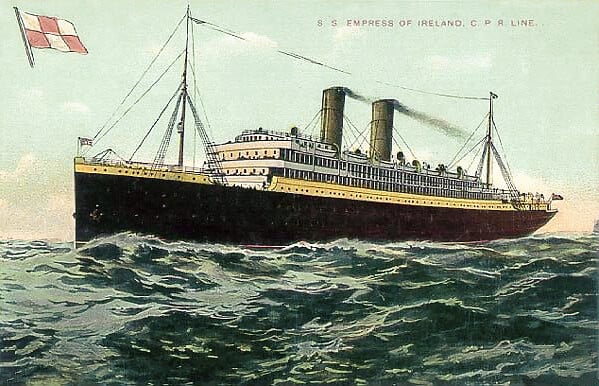
The Empress of Ireland disaster proves that the Titanic wasn’t a fluke. Ships kept sinking, and people kept dying, because the fundamental problem wasn’t any single vessel’s design — it was the ocean itself.
This Canadian Pacific liner went down in the Saint Lawrence River (technically Atlantic waters) in 1914 after colliding with a Norwegian coal ship. The Empress sank in fourteen minutes.
Over 1,000 people died, making it one of the deadliest maritime disasters in history.
The speed of the sinking meant there was no time for heroic gestures or proper evacuation procedures. People simply disappeared into the dark water, which is probably closer to the reality of most shipwrecks than the prolonged drama we associate with the Titanic.
SS Normandie
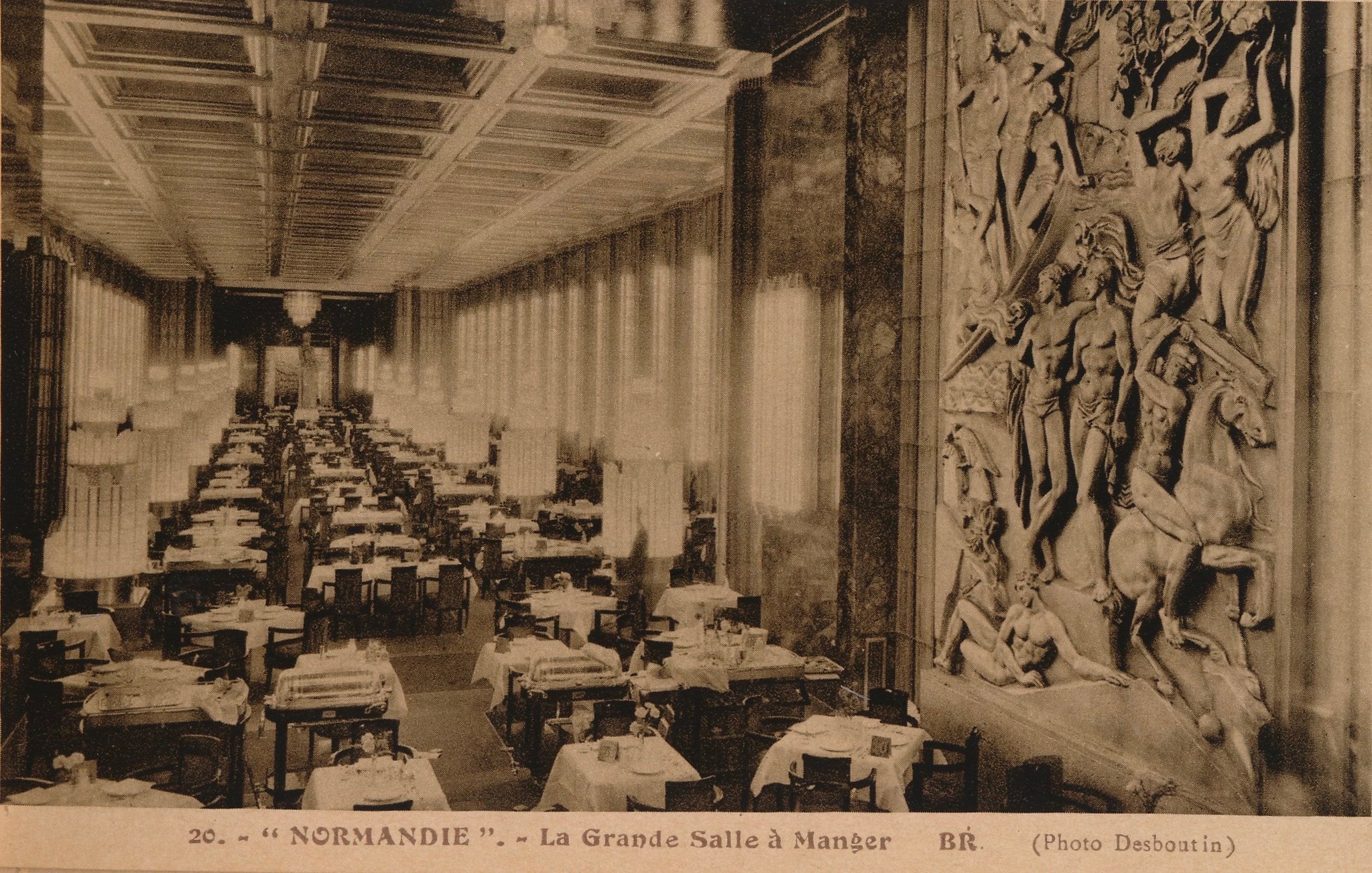
The SS Normandie’s destruction represents one of the most frustrating maritime losses in history — a ship destroyed not by enemy action or natural disaster, but by sheer incompetence during what should have been a routine conversion.
When the United States entered World War II, the government seized the magnificent French liner and began converting it into a troopship.
During this process in 1942, a welder’s torch ignited a pile of life preservers, starting a fire that eventually capsized the 1,029-foot ship at its Manhattan pier. The Normandie (renamed USS Lafayette) was the largest ship ever lost in New York Harbor, and watching it burn from the shore must have felt like witnessing the destruction of a floating cathedral — beautiful, pointless, and entirely avoidable.
What makes this loss particularly galling is that the ship wasn’t claimed by the Atlantic’s storms or enemy submarines, but by human carelessness during a time when every large vessel was desperately needed for the war effort.
HMS Hood
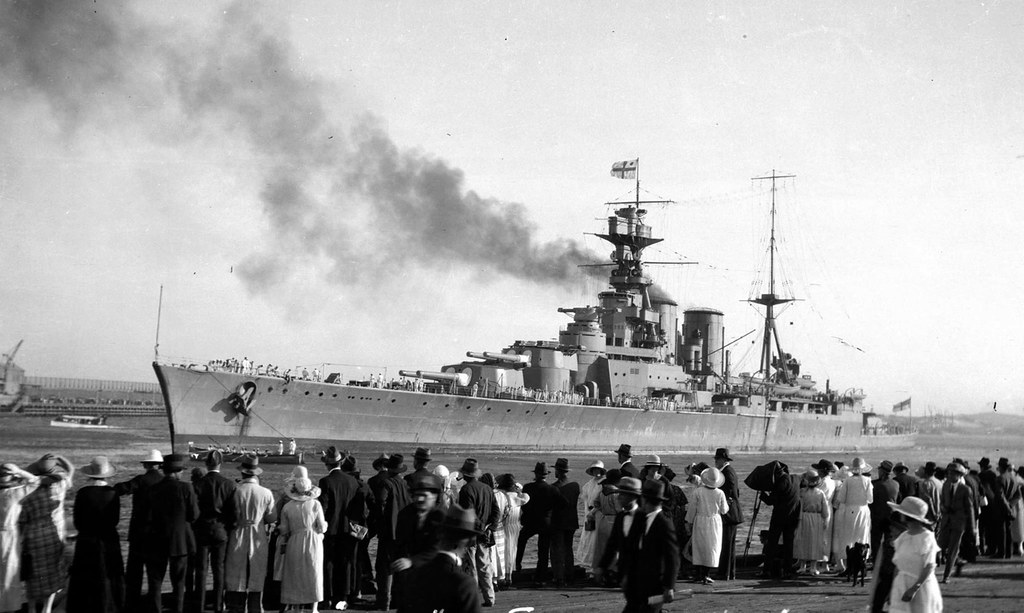
The Hood’s destruction during the Battle of the Denmark Strait in 1941 happened so quickly that it seemed to defy physics. The pride of the Royal Navy, this 860-foot battlecruiser, took a direct hit from the German battleship Bismarck and exploded in a fireball that could be seen for miles.
The ship broke in half and sank in three minutes. Of the 1,419 men aboard, only three survived.
The speed of the destruction shocked both sides — even the German sailors who had fired the fatal shots watched in stunned silence as the massive warship simply vanished.
What made the Hood’s loss particularly devastating to British morale was that this ship was supposed to be invincible. It had been the symbol of British naval supremacy for over twenty years, and its destruction in a matter of minutes showed just how quickly the war’s technology was making older ships obsolete.
RMS Lancastria
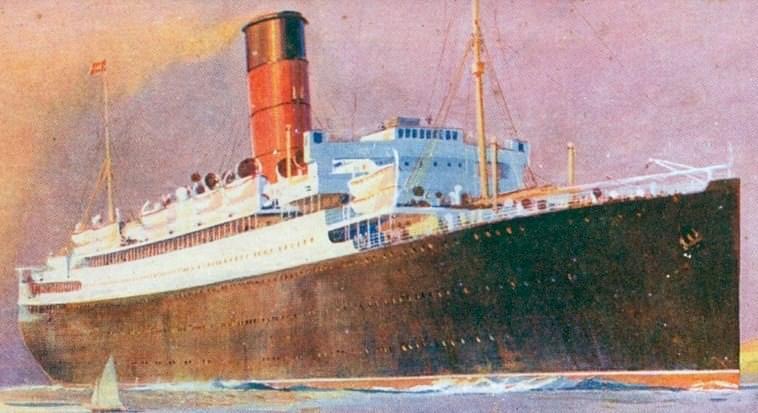
The RMS Lancastria disaster remains one of the most suppressed maritime tragedies in history — a deliberate act of government censorship that kept the story buried for decades. This former Cunard liner, pressed into service as a troop transport during World War II, was evacuating British forces and civilians from France when German bombers found it anchored off Saint-Nazaire in June 1940.
The ship, designed to carry 2,200 passengers, was loaded with somewhere between 6,000 and 9,000 people when the bombs hit.
The exact number remains unknown because record-keeping had broken down during the chaotic evacuation from France, and many of the survivors were too traumatized to provide reliable accounts. What witnesses do remember is the ship listing rapidly while men, women, and children slid down the sloping decks into oil-covered water that had caught fire.
Churchill himself ordered the news suppressed, believing that British morale couldn’t handle another maritime disaster so soon after Dunkirk.
So the Lancastria’s 4,000+ victims disappeared not just into the Atlantic, but into a bureaucratic silence that lasted for decades.
SS Arctic
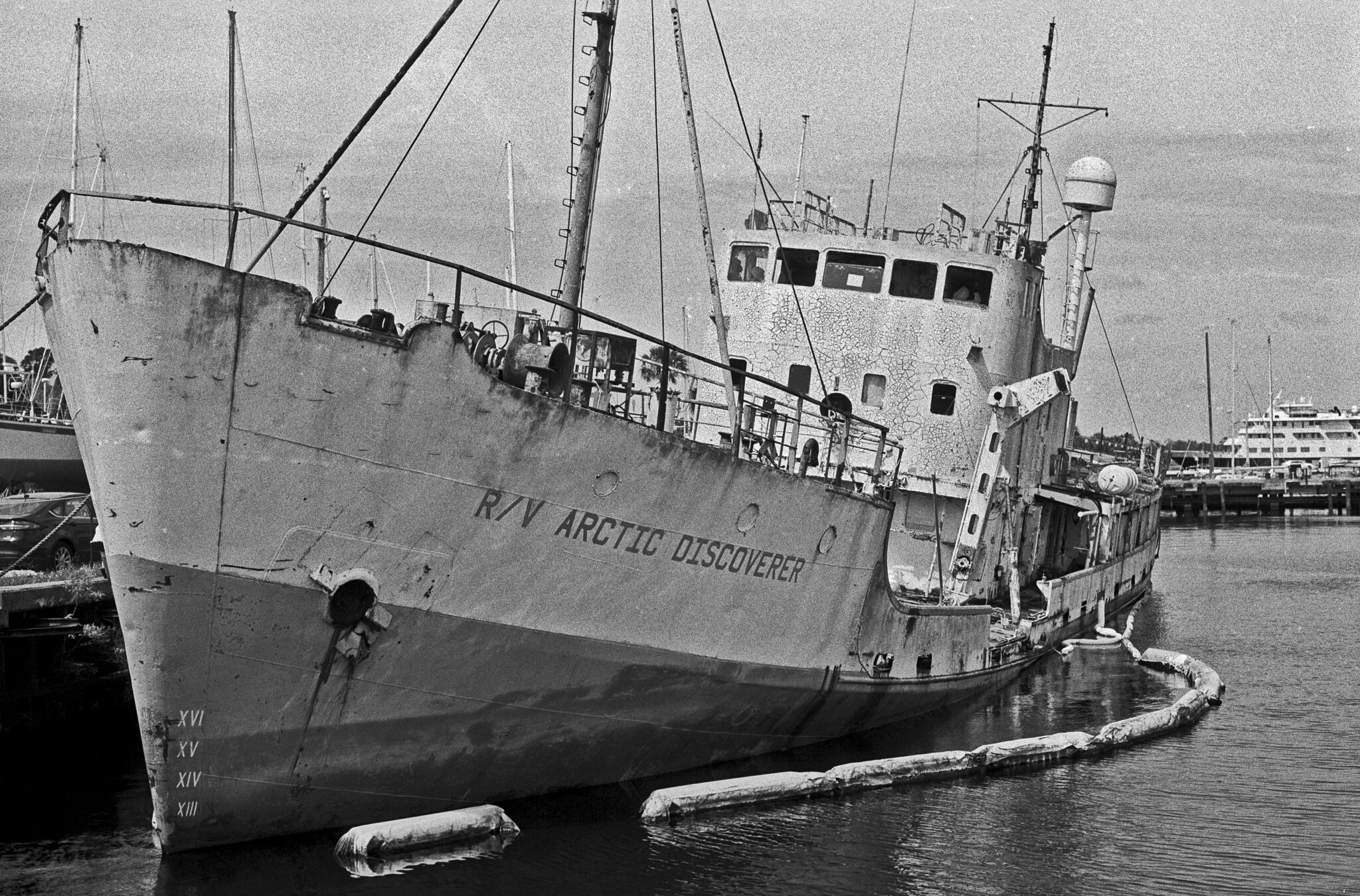
The SS Arctic’s loss in 1854 exposed the ugly truth about maritime disasters: when ships sink, social norms often sink with them. This Collins Line steamer, one of the most luxurious vessels of its era, collided with a small French fishing vessel in heavy fog off Newfoundland.
The Arctic was far larger and should have survived the collision easily, but poor damage control and panic among the crew doomed the ship.
What happened next revealed the worst of human nature: crew members seized the lifeboats for themselves, abandoning passengers to die.
Of the 400 people who perished, most were women and children who had followed the traditional “women and children first” protocol, only to discover that the crew had already fled.
The disaster led to the first international agreements on maritime safety, but it also shattered the romantic notion that ships’ crews were bound by honor to go down with their vessels. Turns out, when death is immediate and certain, social contracts become remarkably fragile.
MV Wilhelm Gustloff
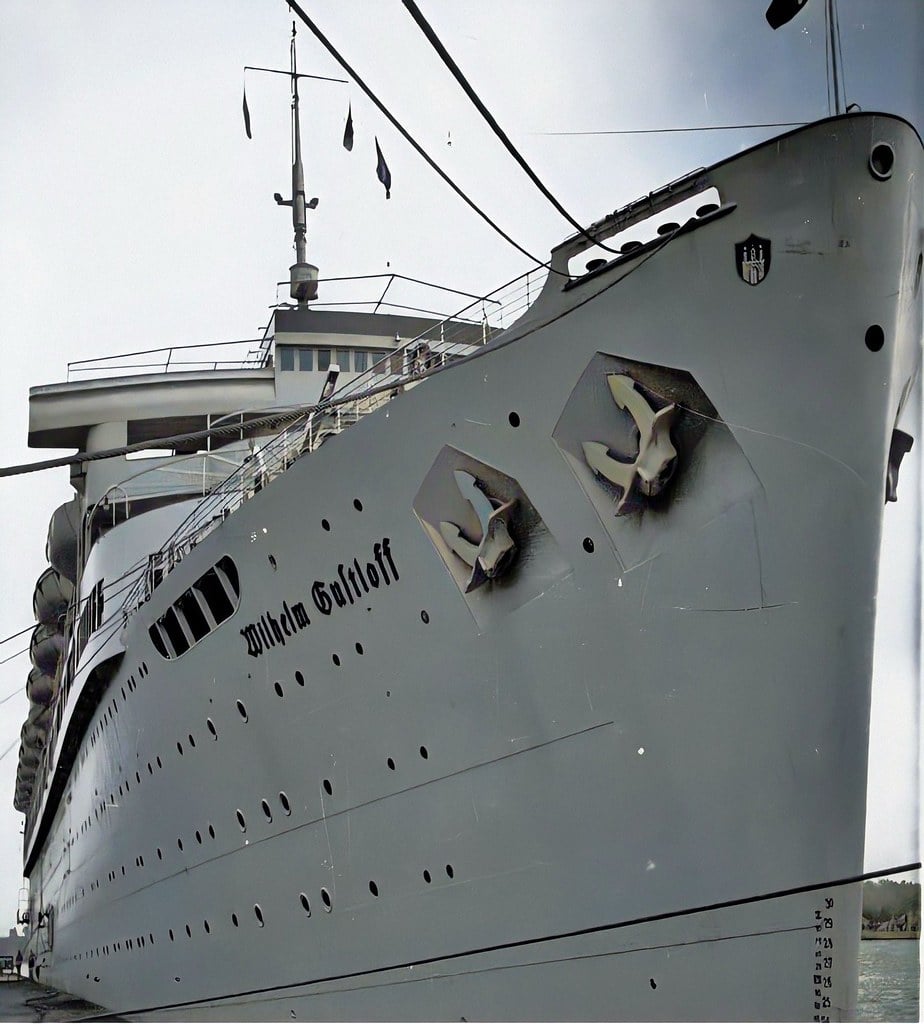
The Wilhelm Gustloff represents the largest loss of life in a single ship sinking, though its story remains overshadowed by more famous disasters. This German passenger liner, converted to a refugee transport, was fleeing the advancing Soviet army in January 1945 when a Soviet submarine torpedoed it in the Baltic Sea.
The ship was designed for 1,465 passengers but was carrying an estimated 10,000 refugees, mostly women, children, and elderly Germans fleeing westward.
When the torpedoes hit, the overcrowded vessel sank in under an hour in freezing water. More than 9,000 people died, making it the deadliest maritime disaster in history.
The tragedy receives little attention in Western histories, partly because it occurred during the chaotic final months of World War II and partly because the victims were German civilians at a time when sympathy for Germany was understandably limited. But the scale of the loss — families frozen to death in lifeboats, children separated from parents in the dark water — transcends nationality.
RMS Carpathia
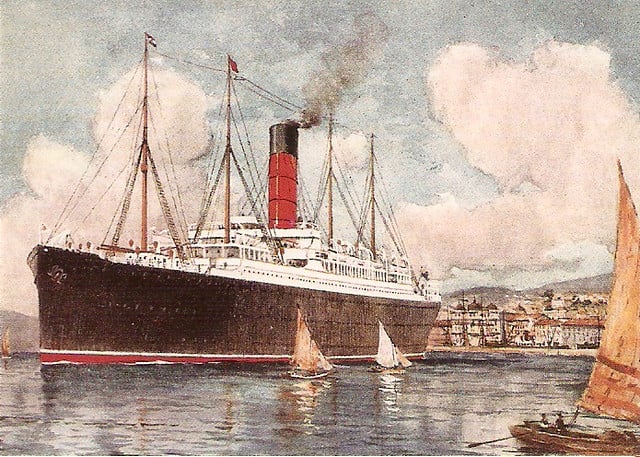
The Carpathia earned fame as the ship that rescued Titanic survivors, but its own sinking six years later closed a circle of Atlantic tragedy. This Cunard liner was torpedoed by a German U-boat in July 1918 while sailing in convoy off the southern Irish coast.
The irony wasn’t lost on maritime observers: the ship that had raced through ice fields to save drowning passengers was itself sunk by enemy action, taking five crew members down with it.
Captain Arthur Rostron, who had become a hero in 1912 for his quick response to the Titanic’s distress calls, had long since transferred to other commands by the time Carpathia went down — the ship that made his name outlasted him in that role by six years. Rostron survived the war, was knighted in 1926, and died of natural causes in 1940.
The ship’s transformation from savior to victim illustrates how quickly roles can reverse at sea. The ocean doesn’t care about past heroics or symbolic significance — it simply takes what it can get.
SS Athenia
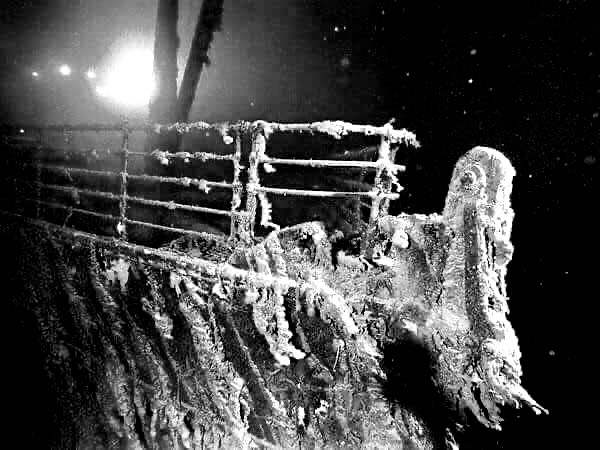
The SS Athenia holds the grim distinction of being the first British ship sunk in World War II, torpedoed by a German U-boat just hours after Britain declared war in September 1939. The passenger liner was carrying 1,400 people, including 300 Americans who were trying to get home before the war started.
The attack violated international law, since the Athenia was clearly a passenger vessel and was following proper wartime protocols.
But the U-boat commander claimed he thought it was an armed merchant cruiser — a distinction that meant nothing to the 118 people who died in the frigid North Atlantic water.
What made the Athenia’s sinking particularly significant was its timing. This wasn’t a warship or military transport, but a civilian liner carrying ordinary people who had simply been caught in the wrong place when history accelerated.
The attack announced that this war would be different — that the traditional rules protecting non-combatants had already been discarded.
RMS Tayleur
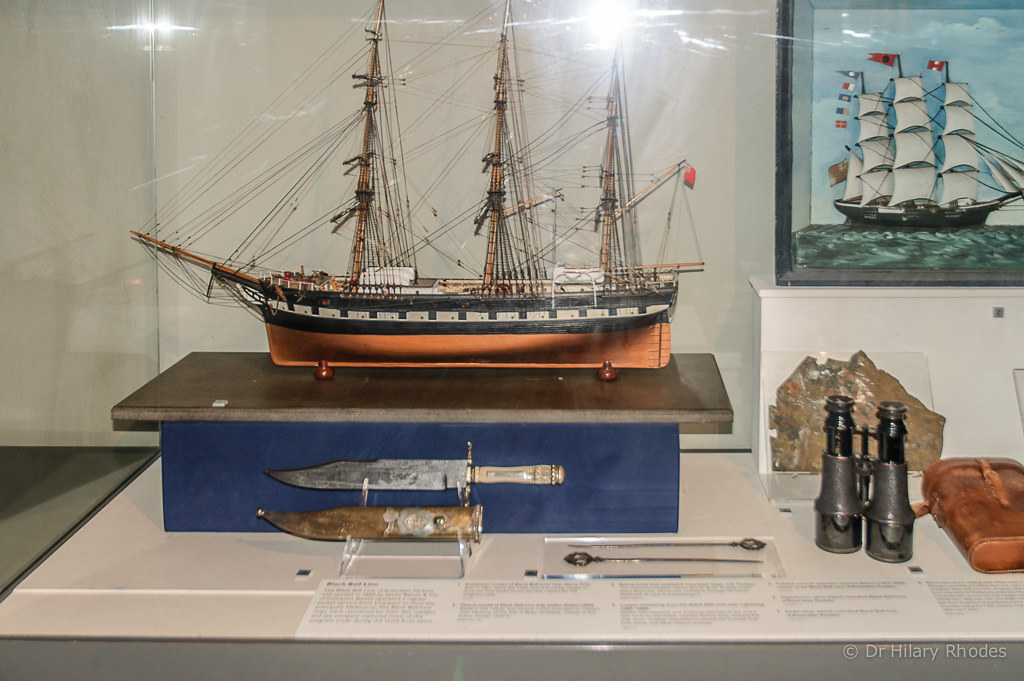
The Tayleur disaster of 1854 proves that ships have been sinking in spectacular fashion long before the Titanic made it famous. This White Star Line clipper ship, on its maiden voyage to Australia, ran aground on Lambay Island off Dublin due to compass problems and poor steering.
The ship was carrying 650 passengers, mostly Irish emigrants seeking better lives in Australia.
When the Tayleur struck the rocks, the evacuation turned chaotic. Victorian-era clothing made it nearly impossible for women to climb the rigging to reach the island, and social conventions prevented them from removing their heavy dresses and petticoats.
Of the 380 people who died, most were women and children who drowned within sight of land because their clothing dragged them under.
The disaster highlighted how fashion and social expectations could turn survival situations deadly — a lesson that apparently wasn’t learned, since similar problems plagued later sinkings for decades.
Closing Waters
These massive ships shared more than size — they shared a common vulnerability that no amount of steel plating or technological advancement could eliminate. The Atlantic Ocean remains indifferent to human ambition, treating luxury liners and warships with equal disregard once the water starts pouring in.
What strikes you, reading through these disasters, is how often the same mistakes appear across different eras and different ships. Insufficient lifeboats, poor emergency procedures, crews that abandoned their posts, passengers who trusted too much in unsinkable designs.
The specific technologies changed, but the fundamental human responses to maritime disaster remained remarkably consistent.
The ocean keeps these ships now, and their stories serve as reminders that the sea gives up its secrets reluctantly and its victims almost never.
More from Go2Tutors!

- The Romanov Crown Jewels and Their Tragic Fate
- 13 Historical Mysteries That Science Still Can’t Solve
- Famous Hoaxes That Fooled the World for Years
- 15 Child Stars with Tragic Adult Lives
- 16 Famous Jewelry Pieces in History
Like Go2Tutors’s content? Follow us on MSN.