20 Countries With Best Education System
Education shapes everything from career opportunities to quality of life, and some countries have truly mastered the art of teaching their citizens. The best education systems don’t just cram facts into students’ heads—they foster critical thinking, creativity, and practical skills that actually matter in the real world.
These nations invest heavily in their teachers, design innovative curricula, and create environments where students thrive rather than just survive. Here is a list of 20 countries whose education systems consistently rank among the world’s best, each offering unique approaches that have earned them global recognition.
United Kingdom

The UK’s education system combines centuries of academic tradition with modern innovation. British universities like Oxford and Cambridge consistently rank among the world’s top institutions, while the country’s structured approach to primary and secondary education provides students with a solid foundation.
The system divides education into clear key stages, making it easier for students to progress from basic literacy and numeracy through to advanced qualifications like GCSEs and A-levels.
United States

America’s education system is like its culture—diverse, innovative, and full of contrasts. The country boasts seven of the world’s top ten universities and attracts hundreds of thousands of international students annually.
Despite its prestigious higher education institutions, the US struggles with inconsistency at the K-12 level, where students often score below international averages in math and science, even though the country spends more per student than most nations.
Netherlands

The Dutch education system consistently tops global rankings thanks to its flexible, student-centered approach. Students in the Netherlands are tracked into different educational pathways around age 12 based on their abilities and interests, which sounds rigid but actually allows for more personalized learning.
Teachers in Dutch schools undergo rigorous training and enjoy significant autonomy in their classrooms, creating an environment where education feels less like a factory and more like a tailored experience.
Finland

Finland’s education philosophy flips traditional schooling on its head by prioritizing student wellbeing over test scores. Kids don’t start formal schooling until age seven, and even then, they get frequent breaks and minimal homework.
Teachers in Finland must hold master’s degrees, and the profession is highly respected—think of teaching in Finland as equivalent to being a doctor in other countries. The system focuses on learning to learn rather than memorizing facts, which explains why Finnish students consistently perform well without the stress that plagues students elsewhere.
South Korea

South Korea’s education system produces some of the highest test scores globally, but it comes with intense pressure. Students often attend school and then head to private tutoring academies called hagwons until late at night.
The country’s emphasis on education stems from cultural values and economic necessity, as South Korea transformed from a war-torn nation to an economic powerhouse largely through educational investment. While the results are impressive, the system has faced criticism for putting too much stress on young learners.
Singapore

Singapore treats education as a national priority and the results speak for themselves. The city-state’s students consistently rank first or second globally in math, science, and reading assessments.
Singapore’s system emphasizes mastery over speed, meaning students don’t move forward until they’ve truly grasped the material. The government invests heavily in teacher training and pays educators competitive salaries, ensuring that teaching attracts top talent rather than serving as a fallback career.
Germany

Germany’s dual education system brilliantly combines academic learning with practical vocational training. Students can choose between university-track schools or apprenticeship programs that pair classroom instruction with hands-on work experience.
This approach means German students graduate with actual job skills rather than just theoretical knowledge. The system has helped Germany maintain low youth unemployment rates while producing highly skilled workers for its manufacturing and engineering sectors.
Canada

Canada’s education system stands out for its inclusivity and multiculturalism, reflecting the country’s diverse population. Canadian schools emphasize both academic excellence and practical skill development, with universities like McGill and the University of Toronto ranking among the world’s best.
Education funding and curriculum decisions are handled at the provincial level, which means approaches vary across the country but overall standards remain high. International students flock to Canada for its quality education, welcoming environment, and relatively affordable tuition compared to other English-speaking countries.
Australia

Australia’s education system combines British academic traditions with a more relaxed, practical Australian approach. The country’s universities consistently rank highly globally, with institutions like the University of Melbourne and Australian National University attracting students from across Asia and beyond.
Australian schools emphasize both academic achievement and outdoor education, recognizing that learning happens outside the classroom too. The government invests substantially in education, though students in remote and rural areas sometimes face challenges accessing the same quality resources as their urban counterparts.
Japan

Japan’s education system instills discipline, respect, and collective responsibility from an early age. Students don’t just focus on academics—they’re also responsible for cleaning their own classrooms and serving lunch to classmates, teaching practical life skills alongside traditional subjects.
The system produces exceptional results in math and science, though it’s been criticized for emphasizing rote memorization over creativity. Japanese students face intense pressure during high school when preparing for university entrance exams, which essentially determine their future career paths.
Switzerland

Switzerland’s multilingual education system reflects the country’s linguistic diversity, with instruction occurring in German, French, Italian, or Romansh depending on the region. The Swiss system emphasizes vocational education even more than Germany, with roughly two-thirds of students choosing apprenticeship tracks over purely academic paths.
This approach has created one of the most skilled workforces in Europe. Swiss universities maintain high standards while remaining accessible to qualified students, though the system can feel complex to navigate given the country’s federal structure.
Sweden

Sweden’s education system emphasizes equality and student autonomy, giving learners significant say in their educational paths. Swedish schools operate on the principle that every child deserves the same quality education regardless of their background or location.
The country has embraced digital learning tools more enthusiastically than most nations, integrating technology throughout the curriculum. Teachers in Sweden work to create collaborative rather than competitive environments, believing that students learn better when they’re not constantly compared against each other.
Denmark
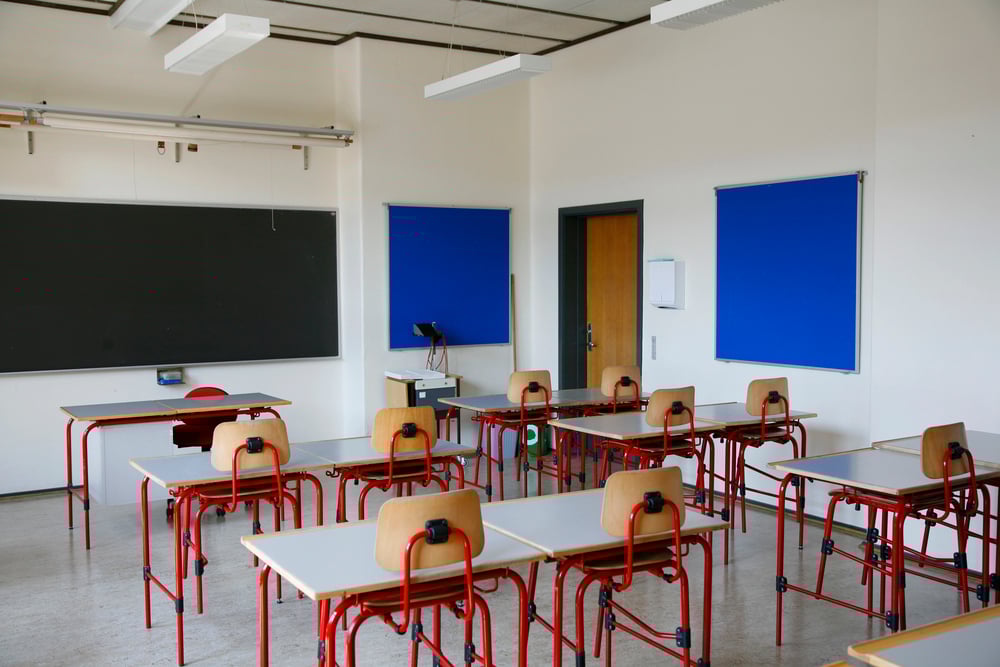
Denmark’s education model focuses on making learning enjoyable rather than punishing, which might explain why Danes consistently rank among the happiest people globally. The Danish concept of hygge—creating cozy, comfortable environments—extends into classrooms, where teachers prioritize creating welcoming spaces.
Students don’t receive grades until they’re older, reducing early academic pressure. The country invests heavily in vocational education and apprenticeships, ensuring that students who don’t pursue university degrees still receive quality training.
Norway
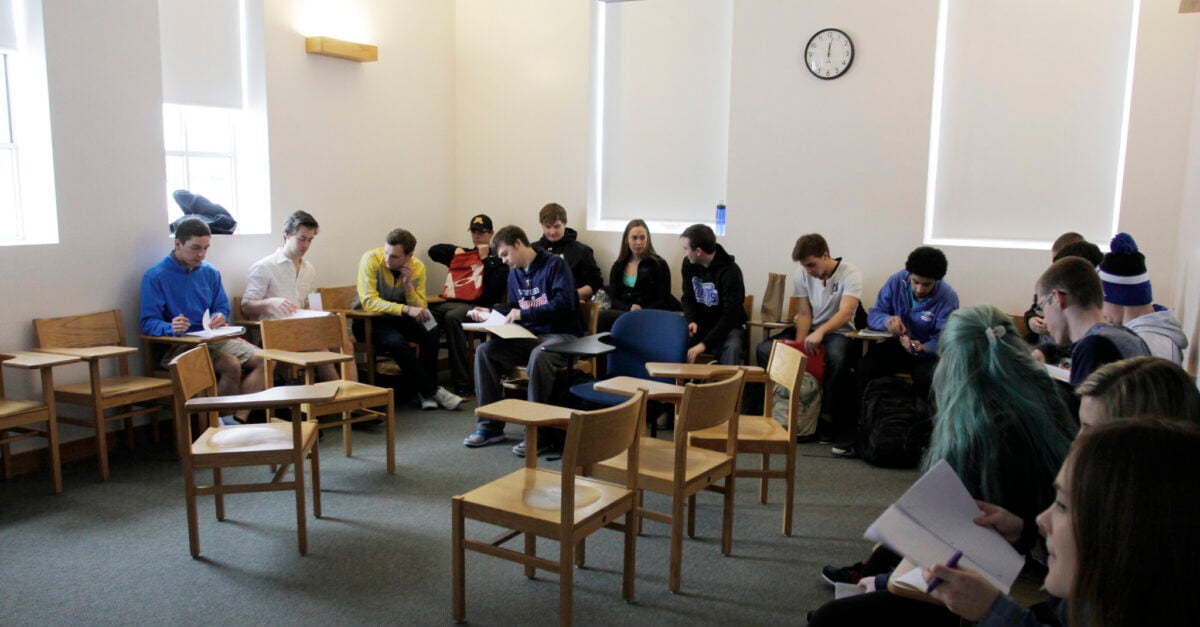
Norway’s education system benefits from the country’s substantial oil wealth, which funds extensive resources and small class sizes. Norwegian schools emphasize outdoor education and environmental awareness, with students regularly taking lessons outside regardless of weather.
The system strongly values equality, with private schools being relatively rare and all students attending publicly funded institutions. Norwegian universities are tuition-free even for international students, though living costs in the country remain quite high.
France

France’s centralized education system ensures that students across the country follow the same rigorous curriculum, regardless of whether they live in Paris or a rural village. The French approach emphasizes philosophy and critical thinking, with all students taking mandatory philosophy courses in their final year of secondary school.
French universities and grandes écoles produce well-rounded graduates, though the system has been criticized for being somewhat inflexible. Education in France is compulsory starting at age three, giving children an earlier start than in many countries.
New Zealand

New Zealand’s education system combines British academic traditions with indigenous Māori culture and values. Kiwi schools emphasize both individual achievement and community responsibility, with many incorporating te reo Māori language instruction.
The country’s universities punch above their weight in research and innovation despite New Zealand’s small population. New Zealand teachers enjoy significant autonomy in their classrooms, and the system emphasizes developing well-rounded individuals rather than just academic achievers.
Belgium

Belgium’s complex education system reflects the country’s linguistic divisions, with separate Flemish and French-speaking systems operating independently. Despite this complexity, both systems maintain high standards and produce strong results.
Belgian students consistently perform well in international assessments, particularly in science and reading. The country’s strategic location in Europe and multilingual population make its universities attractive to international students seeking quality education in the heart of the continent.
Ireland

Ireland’s education system has evolved dramatically over recent decades as the country transformed from an agricultural economy to a tech hub. Irish students consistently perform above average in reading and literacy, likely influenced by the country’s rich literary tradition.
The Irish government has invested substantially in education, viewing it as essential to economic development. Irish universities have become increasingly popular with international students, particularly those from the US seeking European degrees at more affordable prices.
Iceland

Iceland’s education system serves a small population but achieves remarkable results, with the country leading the UN Education Index with a near-perfect score. Icelandic schools emphasize equality and inclusion, ensuring that students with different abilities learn together rather than being segregated.
The country’s high literacy rates and educational attainment reflect a culture that deeply values learning. Teachers in Iceland receive comprehensive training and support, contributing to consistently high-quality instruction across the island nation.
Spain
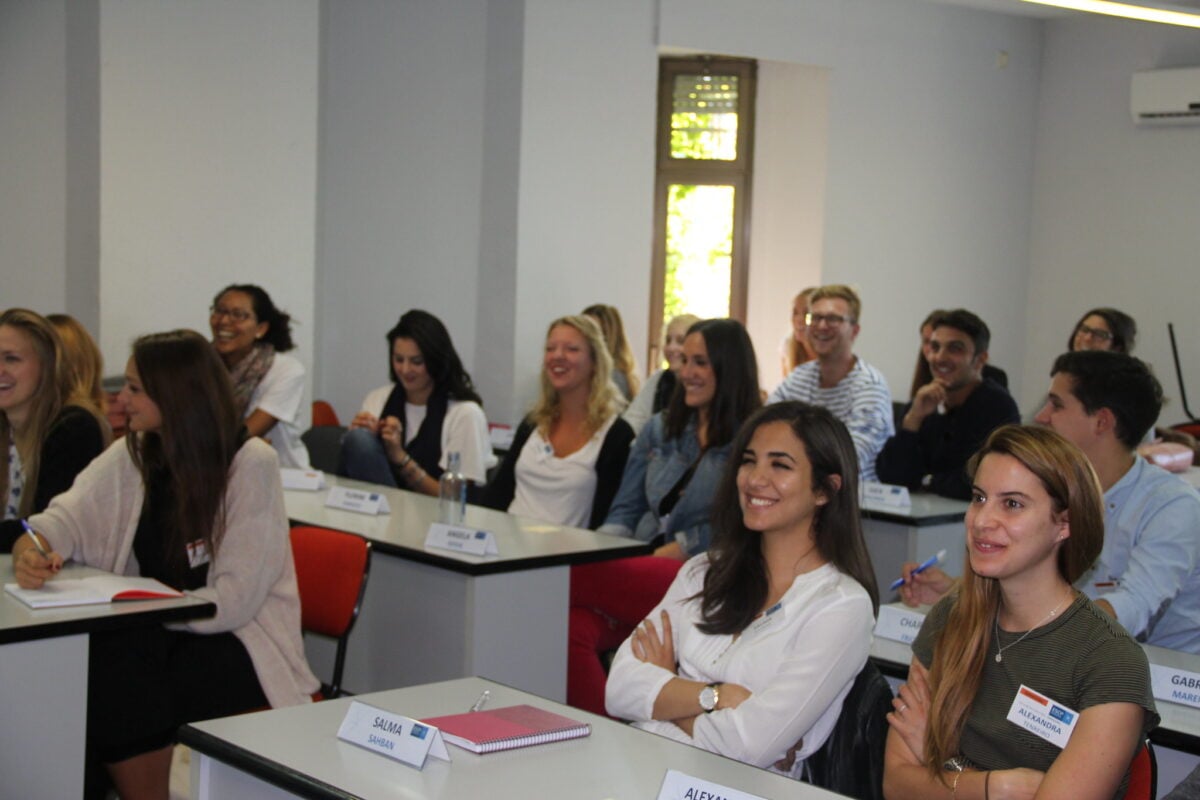
Spain’s education system has improved significantly over recent decades as the country modernized after transitioning to democracy. Spanish schools follow European standards and offer increasingly diverse programs taught in English to attract international students.
Education is compulsory from ages six through sixteen, with students then choosing between academic or vocational tracks. Spain’s universities provide quality education at more affordable costs than many other Western European countries, making the country an attractive destination for American students studying abroad.
Where We Go From Here

The countries leading global education today didn’t achieve their status overnight—they invested decades building systems that prioritize teachers, students, and long-term thinking over quick fixes. Many of these nations share common threads like rigorous teacher training, equitable access to resources, and curricula that balance academic rigor with real-world skills.
As technology reshapes how we learn and work, these education powerhouses continue adapting while maintaining their commitment to developing capable, thoughtful citizens. The best education systems understand that their real measure of success isn’t just test scores but how well their graduates navigate an increasingly complex world.
More from Go2Tutors!

- The Romanov Crown Jewels and Their Tragic Fate
- 13 Historical Mysteries That Science Still Can’t Solve
- Famous Hoaxes That Fooled the World for Years
- 15 Child Stars with Tragic Adult Lives
- 16 Famous Jewelry Pieces in History
Like Go2Tutors’s content? Follow us on MSN.