16 Major Wars In History And The Surprising Events That Triggered Them
Throughout human history, the most devastating conflicts have often begun not with grand proclamations or inevitable clashes of empires, but with seemingly minor incidents that spiraled beyond anyone’s control. A wrong turn by a driver, a captain’s stubborn decision, or a single gunshot in a crowded marketplace has repeatedly pushed nations toward catastrophic warfare.
These moments remind us how fragile peace can be — and how the smallest spark can ignite conflicts that reshape entire civilizations.
The Seven Years’ War
A young Virginia militia officer named George Washington attacked a French patrol in the Ohio Valley in 1754, killing ten men including a French diplomat. Washington was 22 years old.
He had no idea he’d just started what many historians consider the first world war.
The skirmish at Jumonville Glen wasn’t planned as an act of war — Washington claimed he thought the French were spies, not diplomats carrying official messages. But the French saw it as an assassination.
Within months, European powers were choosing sides. (Washington himself got captured shortly after, which is the kind of detail that makes the whole thing even more absurd.)
The conflict spread from the American wilderness to Europe, India, the Caribbean, and the Philippines before it was over.
Seven years and nearly a million deaths later, the map of North America had been redrawn, France had lost most of its colonial empire, and Britain was drowning in debt that would lead directly to the American Revolution.
And it all started because a young surveyor made a very bad decision in a forest clearing that most people couldn’t find on a map.
World War I
Everyone knows about the assassination of Archduke Franz Ferdinand, but the reason the assassin succeeded is absurd beyond belief. The motorcade took a wrong turn.
The original assassination attempt had failed completely. The conspirators threw their bombs, missed their targets, and gave up.
Gavrilo Princip went to get a sandwich. Meanwhile, the Archduke decided to visit the wounded from the morning’s bombing attempt — except his driver didn’t know the route had changed.
When officials realized the mistake, they told the driver to stop and reverse course. The car stalled directly in front of the delicatessen where Princip was eating lunch.
Princip walked outside, saw the Archduke’s car stuck five feet away, and shot him twice. Four years later, somewhere between 15 and 22 million people were dead.
The Ottoman Empire had collapsed. The Russian Empire had collapsed. Germany was in ruins, setting the stage for an even worse war twenty years later.
The Peloponnesian War
Athens and Sparta spent decades circling each other like wary prizefighters, both too powerful to ignore the other, both too proud to back down. The peace treaty they’d signed was fragile enough that everyone knew it wouldn’t last — but when it finally broke, the cause was almost comically petty.
Two minor Greek city-states, Corcyra and Corinth, got into a fight over an even smaller city-state called Epidamnus. (Imagine Pittsburgh and Cleveland going to war over Youngstown, and that’s roughly the scale we’re talking about.)
Corcyra asked Athens for help. Corinth asked Sparta. Neither superpower particularly cared about the dispute itself, but they cared very much about not letting the other side gain any advantage, no matter how minor.
What followed was 27 years of warfare that left both Athens and Sparta exhausted, weakened, and vulnerable to conquest by Macedonia under Philip II and his son Alexander.
The golden age of classical Greece ended because nobody was willing to let a trade dispute in a forgettable port town slide.
The War of Jenkins’ Ear
Captain Robert Jenkins lost his ear to a Spanish coast guard cutlass in 1738, but nobody much cared at the time. Jenkins went about his business, presumably hearing slightly less well than before.
Two years later, he showed up to Parliament carrying his severed ear in a jar. Britain was looking for an excuse to break Spain’s monopoly on trade with its American colonies.
Jenkins provided the perfect outrage — holding up his pickled ear and declaring that the Spanish captain had told him to take it to his king and tell him the same would happen to him. Whether this actually happened is debatable.
Whether Jenkins was smuggling contraband when the Spanish boarded his ship is almost certain. The war lasted nine years, killed thousands of people, and accomplished essentially nothing except proving that Parliament could be manipulated by a man with a jar containing a body part.
Which is either the most British thing ever or the most human thing ever, depending on how you look at it.
The Anglo-Zanzibar War
The shortest war in recorded history happened because a sultan died and his successor forgot to ask permission from the British.
When Sultan Hamad bin Thuwaini of Zanzibar died on August 25, 1896, his cousin Khalid bin Barghash immediately moved into the palace and declared himself the new sultan.
There was one problem: the British had a treaty requiring any new sultan to get their approval first. The British consul told Khalid to step down. Khalid said no and barricaded himself in the palace with about 2,800 supporters.
At 9:00 AM on August 27, the British fleet in the harbor opened fire. By 9:40 AM, the palace was in ruins, Khalid had fled to the German consulate, and approximately 500 of his supporters were dead.
The British had suffered exactly one injury — a sailor wounded by falling debris. The war lasted 38 minutes.
The British installed their preferred sultan and sent Khalid a bill for the ammunition they’d used to shell his palace.
The War of the Bucket
Two Italian city-states went to war over a wooden bucket, which sounds like something out of a fairy tale until you realize that 2,000 people died for it.
In 1325, soldiers from Modena snuck into Bologna and stole a wooden bucket from a well near the city gates. It was meant as an insult — Modena was saying that Bologna’s defenses were so pathetic that they could steal something from the center of town without anyone noticing.
Bologna demanded the bucket back. Modena refused. What followed was a war that lasted several years and drew in the Pope, the Holy Roman Emperor, and most of northern Italy.
The conflict was really about the larger struggle between the Guelphs and the Ghibellines — papal supporters against imperial supporters — but the immediate cause was absolutely a wooden bucket.
Modena won. They kept the bucket. It’s still on display in the bell tower of the Modena Cathedral, where tourists can visit the single most expensive piece of medieval military equipment ever captured.
The Football War
El Salvador and Honduras went to war in 1969, and the immediate trigger was three soccer matches that got out of hand.
The countries were already tense over immigration — hundreds of thousands of Salvadorans had moved to Honduras looking for work and land, and Honduras was trying to force them out through land redistribution policies that favored Honduran citizens.
But what turned a simmering dispute into actual combat was the 1970 World Cup qualifying matches between the two national soccer teams. Honduras won the first match in Tegucigalpa.
El Salvador won the second in San Salvador. Fans rioted after both games. Salvadoran fans were attacked in Honduras; Honduran fans were attacked in El Salvador.
By the time of the deciding match in Mexico City (which El Salvador won), both countries were mobilizing their militaries. (The press called it the Football War, though the soccer matches were really just the final straw in a much deeper conflict about land, economics, and nationalism — but “The War of Economic Displacement and Border Tensions” doesn’t fit in a headline.)
The war lasted four days. About 3,000 people died. The underlying problems that caused it were never resolved, which is pretty much how these things usually go.
The War Of The Spanish Succession
King Charles II of Spain died without an heir in 1700, and his deathbed decision started a war that lasted eleven years and killed over a million people.
Charles had been expected to die for most of his adult life — he was severely disabled, probably due to centuries of Habsburg inbreeding, and contemporary accounts describe him as barely able to speak or chew his food.
Every major power in Europe had been planning for his death and maneuvering to influence his choice of successor. Just before he died, Charles wrote a will naming Philip of Anjou, grandson of Louis XIV of France, as his heir.
This meant the same family would rule both France and Spain — exactly what the rest of Europe had been trying to prevent. England, Austria, the Dutch Republic, and most of the German states immediately formed a coalition to fight the arrangement.
The irony is that Charles probably made the decision to keep the Spanish Empire intact, but the war that followed ended up breaking it apart anyway. Spain lost Gibraltar, Minorca, and most of its Italian territories.
The Habsburg dynasty, which had ruled Spain for two centuries, was replaced by the Bourbons.
The Crimean War
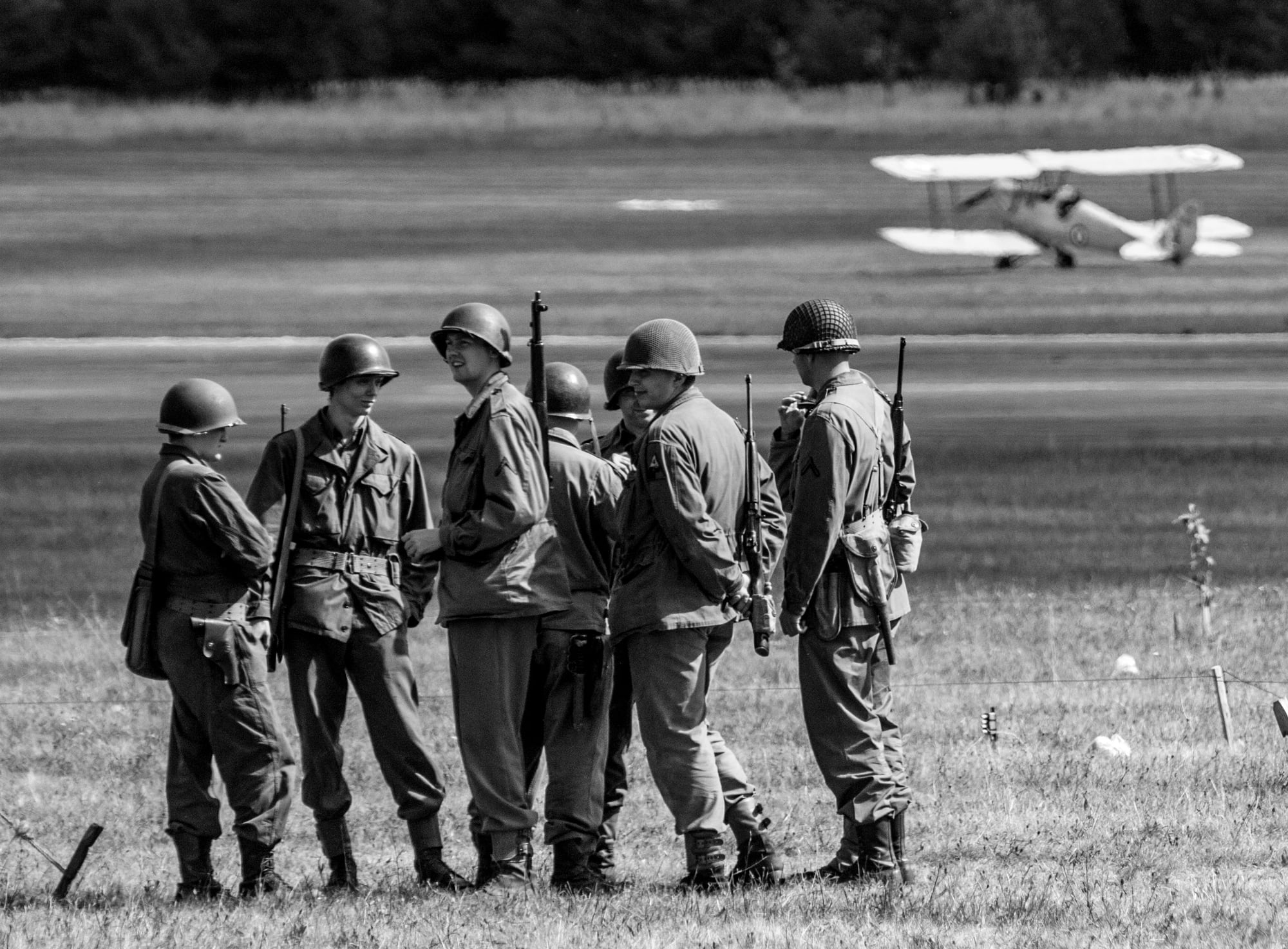
The Crimean War started because French and Russian monks got into a fight over who had the right to hold the keys to the Church of the Nativity in Bethlehem.
The dispute was technically about religious privileges in the Holy Land, which was controlled by the Ottoman Empire but contained sites sacred to both Catholic and Orthodox Christians. France backed the Catholic monks; Russia backed the Orthodox monks.
Both sides claimed ancient rights and privileges. Both sides were really using the dispute to assert their influence over the weakening Ottoman Empire.
When the Ottomans sided with the French monks, Russia invaded Ottoman territory. France and Britain declared war on Russia, supposedly to protect Ottoman sovereignty but actually to prevent Russian expansion toward the Mediterranean.
The war lasted three years, killed over 600,000 people, and accomplished very little except proving that modern warfare had become more deadly than anyone realized.
The most famous thing to come out of the war was probably Florence Nightingale’s work improving military hospitals, which saved more lives than any of the battles won by either side.
The Hundred Years’ War

The Hundred Years’ War began in 1337 because Edward III of England believed he had a better claim to the French throne than the man who was already sitting on it.
When Charles IV of France died without a male heir in 1328, the French nobles chose his cousin Philip VI as the new king. Edward III of England, who was Charles IV’s nephew through his mother Isabella, claimed the throne should go to him.
The French said the crown couldn’t pass through a woman. Edward said that was convenient for them to decide. Edward waited nine years to press his claim militarily, which suggests the dynastic dispute was really an excuse for what both sides wanted anyway: a war to settle who would control the wealthy wool trade between England and Flanders.
The war lasted 116 years, outliving most of the people who started it by several generations. By the time it was over, both countries were exhausted, depopulated, and nearly bankrupt.
The English had been driven out of all their French territories except Calais. The French monarchy was stronger but ruling over a devastated landscape.
And the original dispute over royal succession had become completely irrelevant.
World War II
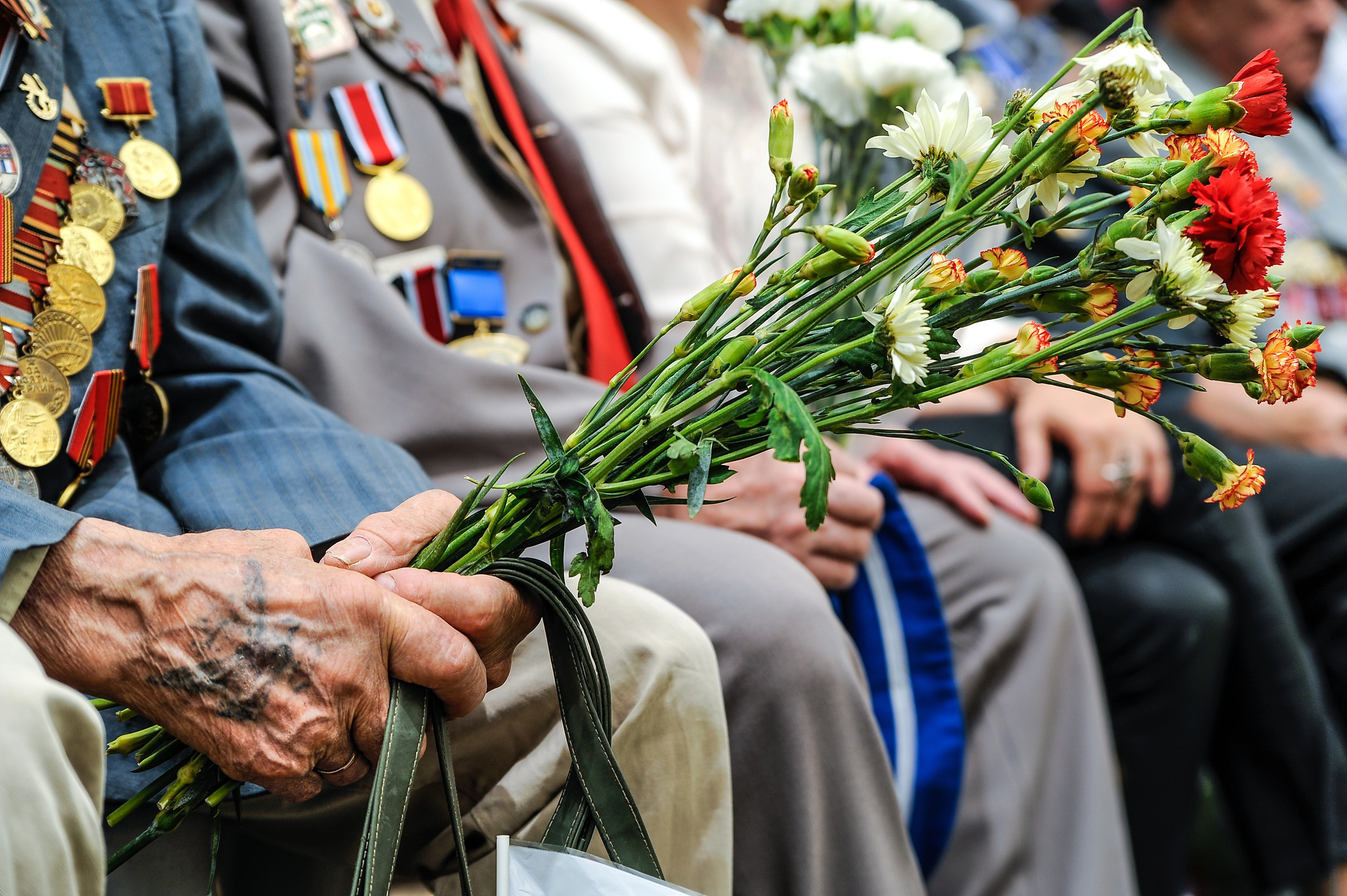
World War II in Europe began because Adolf Hitler invaded Poland, but the specific trigger was a false flag operation so transparently fake that it’s remarkable anyone bothered to pretend it was real.
On August 31, 1939, German SS troops dressed in Polish uniforms attacked a German radio station near the Polish border, broadcast a brief anti-German message in Polish, and left behind the bodies of concentration camp prisoners dressed as Polish soldiers.
Hitler used this “Polish attack” on German territory as justification for invading Poland the next morning. The Gleiwitz incident fooled no one.
Britain and France had already guaranteed Polish independence and were looking for reasons to declare war on Germany, not excuses to avoid it. The German public was largely indifferent to the supposed provocation.
Even within the German military, most officers understood the attack was staged. But it gave Hitler the domestic propaganda he wanted and the technical legal justification he needed.
The war that followed killed between 70 and 85 million people and ended only when Berlin was in ruins and Hitler was dead in his bunker.
The Korean War
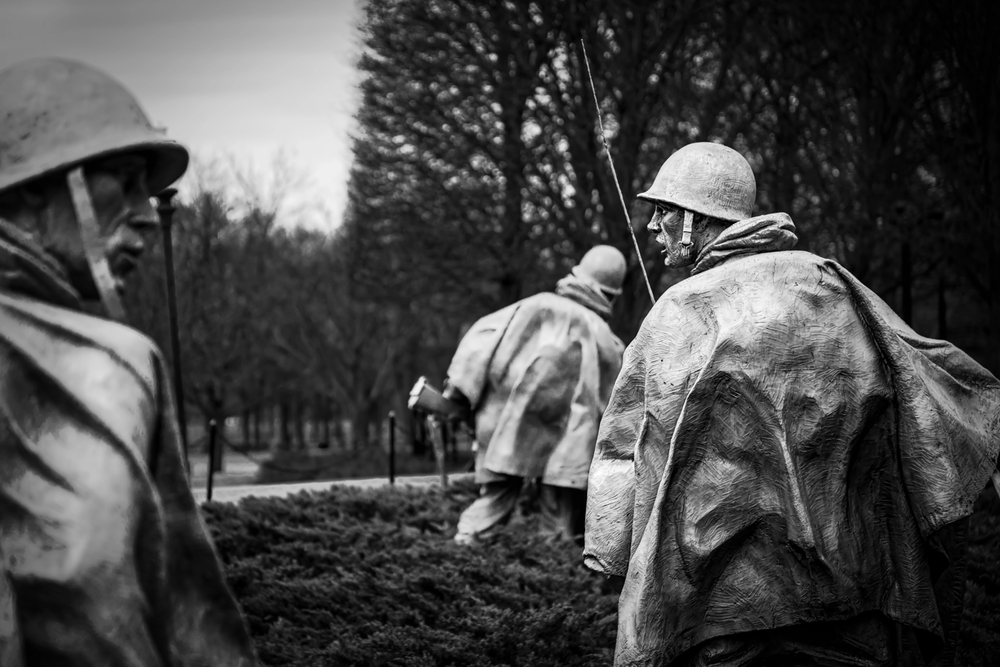
— Photo by BillChizekPhotography@gmail.com
The Korean War started at 4:00 AM on June 25, 1950, when North Korean forces crossed the 38th parallel. But the decision to invade was made possible by a single sentence that Secretary of State Dean Acheson probably wishes he could take back.
In a speech to the National Press Club on January 12, 1950, Acheson defined America’s “defense perimeter” in Asia. He included Japan and the Philippines. He did not mention Korea.
Stalin and Kim Il-Sung interpreted this as a signal that the United States would not defend South Korea militarily. Acheson probably meant that Korea would be defended through the United Nations rather than through direct American military action, but that distinction was lost in translation.
Within months, Kim Il-Sung was asking Stalin for permission to invade the South, and Stalin was saying yes because he believed the Americans wouldn’t intervene.
Three years and over three million deaths later, the peninsula was still divided at roughly the same line where the war started. American troops are still stationed there more than seventy years later.
The Iran-Iraq War
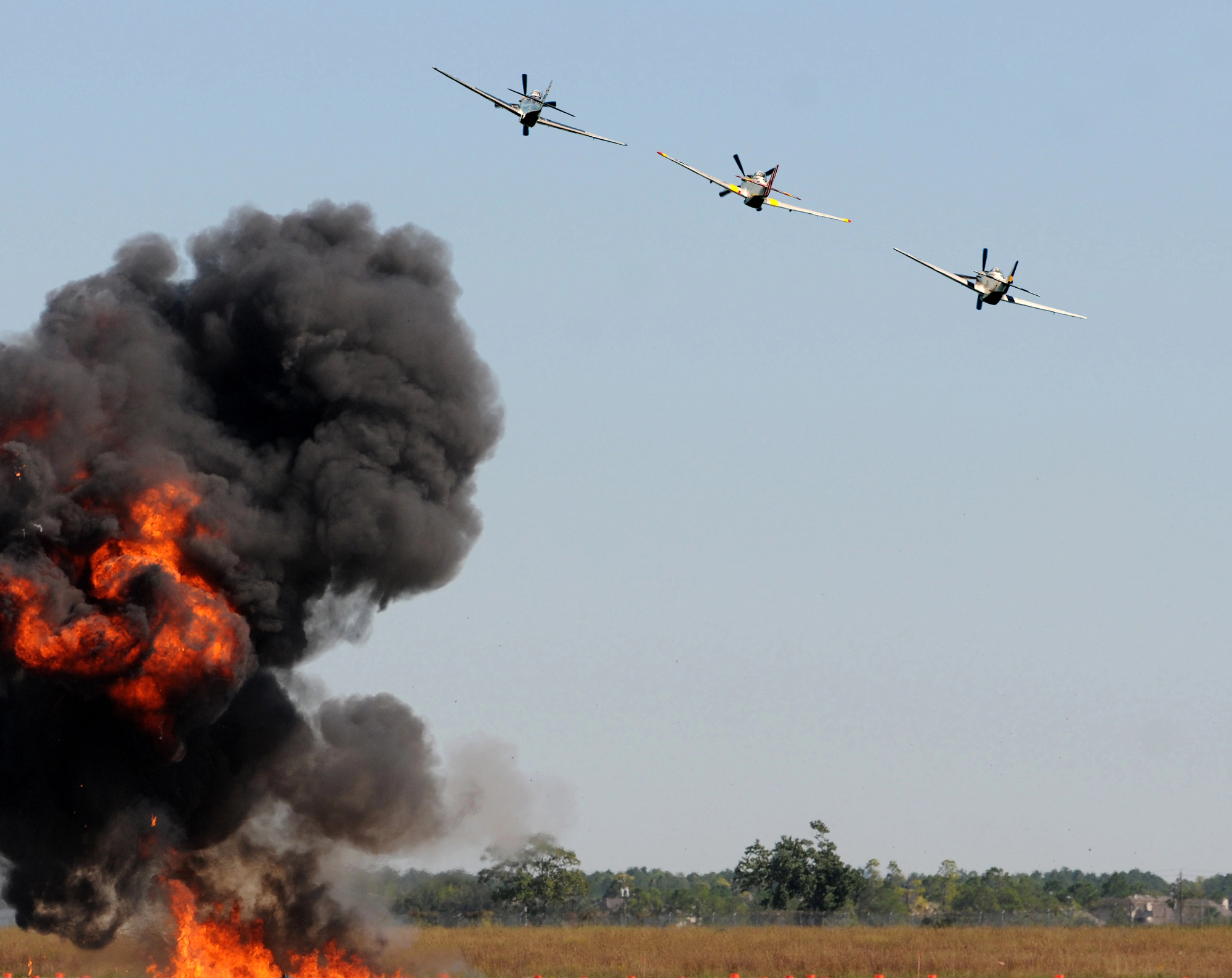
Saddam Hussein invaded Iran in 1980 because he thought the Iranian Revolution had left the country too weak to defend itself. He was catastrophically wrong.
The revolution had indeed thrown Iran into chaos — the military was purging officers suspected of loyalty to the Shah, the government was paralyzed by factional fighting, and the economy was collapsing under international sanctions.
Saddam saw an opportunity to settle old border disputes, seize Iran’s oil-rich Khuzestan province, and establish Iraq as the dominant power in the Persian Gulf. The invasion began with airstrikes on Iranian airfields on September 22, 1980.
Saddam expected a quick victory against a demoralized enemy. Instead, the war lasted eight years, killed over a million people, and ended in a stalemate that left both countries devastated.
The Iranian Revolution had indeed weakened the country’s conventional military, but it had also created a population willing to fight with revolutionary fervor against foreign invasion.
Which is exactly the kind of detail that matters more than the number of tanks or planes each side can field.
The Falklands War
Argentina invaded the Falkland Islands on April 2, 1982, because the military junta needed a distraction from the country’s economic collapse and figured Britain wouldn’t fight over some sheep-farming islands 8,000 miles from London.
General Leopoldo Galtieri had seized power in a coup the previous year, and by 1982 inflation was running at over 100 percent, unemployment was soaring, and street protests were becoming daily occurrences.
The junta calculated that a quick, victorious war over the Malvinas — as Argentina called the islands — would rally nationalist support and buy them time to fix the economy. They were right that most Argentines supported reclaiming the islands.
They were wrong about everything else. Margaret Thatcher dispatched a naval task force within days, and Britain fought a brief but intense war to retake the islands.
The Argentine military collapsed, the junta fell from power, and Galtieri was in prison within a year. The war lasted 74 days and killed 904 people over control of islands with a population of fewer than 2,000.
But it probably saved more lives than it cost by hastening the end of military rule in Argentina.
The Six-Day War
The Six-Day War of 1967 started because Egypt’s President Gamal Abdel Nasser made a series of escalating moves that he probably intended as bluffs, but Israel decided to take seriously.
In May 1967, Nasser ordered UN peacekeeping forces out of the Sinai Peninsula, moved Egyptian troops to the Israeli border, and closed the Strait of Tiran to Israeli shipping.
Each move was designed to show strength to his Arab allies and shore up his position as leader of the Arab world. None of them were intended to actually start a war.
But Israel interpreted the troop movements and naval blockade as preparation for an attack and decided to strike first. On the morning of June 5, Israeli warplanes destroyed most of the Egyptian air force on the ground in a surprise attack.
By the time the war ended six days later, Israel had captured the West Bank, Gaza, the Sinai Peninsula, and the Golan Heights. The lightning Israeli victory reshaped the Middle East and created the conditions for every Arab-Israeli conflict since.
And it happened because both sides misread the other’s intentions completely.
The American Civil War
The American Civil War began at Fort Sumter, but the immediate trigger was a supply convoy that everyone knew would provoke a crisis.
By April 1861, Fort Sumter in Charleston Harbor was one of the few federal installations still under Union control in the seceded states. The fort was running out of food and supplies, and Major Robert Anderson had informed Washington that he would have to surrender within weeks unless resupplied.
Lincoln faced an impossible choice: abandon the fort and implicitly recognize Confederate independence, or resupply it and provoke the war that everyone was trying to avoid. He chose a middle course — sending supply ships with food and medical supplies, but no weapons or reinforcements, and notifying South Carolina in advance.
Confederate leaders knew this was their moment of decision. They could let the supplies through and look weak, or they could fire on federal ships and start a war.
On April 12, 1861, Confederate batteries opened fire on Fort Sumter. The fort surrendered 34 hours later, and the war that followed killed over 600,000 Americans.
The Thread That Unravels Everything

Looking back through these conflicts, a pattern emerges that has little to do with the grand narratives we tell ourselves about historical inevitability. Most of these wars happened because someone made a small, seemingly reasonable decision that cascaded beyond all expectation — a young officer attacked what he thought were spies, a driver took a wrong turn, a secretary of state left one country out of a speech.
The lesson isn’t that these wars were meaningless or accidental. The underlying tensions were real enough — economic competition,
More from Go2Tutors!

- The Romanov Crown Jewels and Their Tragic Fate
- 13 Historical Mysteries That Science Still Can’t Solve
- Famous Hoaxes That Fooled the World for Years
- 15 Child Stars with Tragic Adult Lives
- 16 Famous Jewelry Pieces in History
Like Go2Tutors’s content? Follow us on MSN.