1998: 16 Facts And Events That Defined a Decade
A shift hung in the air by 1998, one those quiet before-the-storm kinds of years. Things moved quicker back then, not loud but noticeable – like a train gaining speed just out of sight.
Computers started showing up everywhere, not as gadgets but as tools people actually used daily. Music videos ruled afternoons on TV, louder than news reports ever were.
Big films hit theaters that summer, ones folks still quote without knowing why. Wars simmered abroad while teenagers traded CDs in malls at home.
A satellite launched into orbit around Mars that fell, small news next to boy bands topping charts. Few paused to notice how much had shifted until later.
From today’s view, 1998 sits frozen, half in the past, half stepping forward. What follows are moments – sharp, real – that carved it into memory instead.
Google Changed Everything
A quiet beginning unfolded when two Stanford learners, Larry Page plus Sergey Brin, set up Google in September 1998 from a small garage in Menlo Park, California. What began as a school task soon turned into how most folks hunted for answers online.
Back then, finding things on the web was slow, awkward – almost like shouting into noise. Their idea brought order where confusion ruled before.
At that moment, no one saw it coming: such a tiny effort might grow stronger than nearly any business around.
Titanic Dominated The Box Office For Months
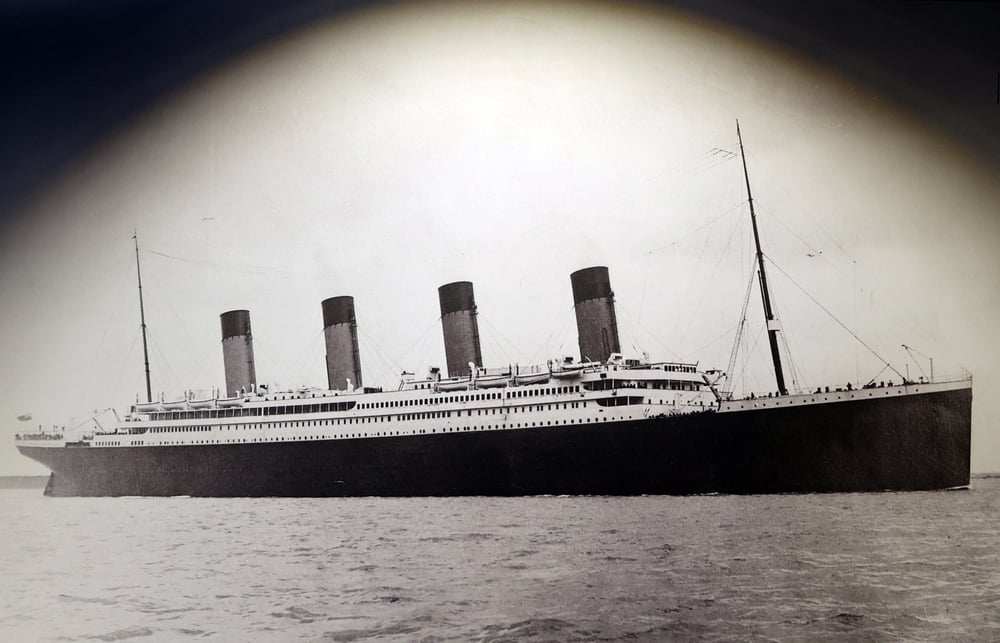
That big love story by James Cameron about a sinking ship just wouldn’t stop smashing records during 1998, finally crossing the one-billion-dollar mark globally – something never seen before. Even though it started playing in cinemas back in December ’97, crowds kept returning, so theaters held onto it through nearly half of the next year.
Thanks to those repeat viewings, Leo and Kate went from being actors to instantly recognizable faces across the planet. Eleven Oscars later, the whole thing felt almost unreal, especially how Celine Dion’s ballad refused to leave anyone’s thoughts even decades after.
France Wins World Cup On Home Soil

France won the World Cup for the very first time after shutting out Brazil 3–0 under the lights of Stade de France just outside Paris. Twice on target, Zidane lit up the pitch – suddenly he was more than a player, now part of something bigger back home.
Waves of fans poured into the Champs-Élysées, city streets bursting beyond one million strong. Pride swelled across the nation like a quiet storm long waiting to break.
Thirty-two teams entered, but only one moment mattered – the day everyone saw French football stand tallest.
Clinton Impeached
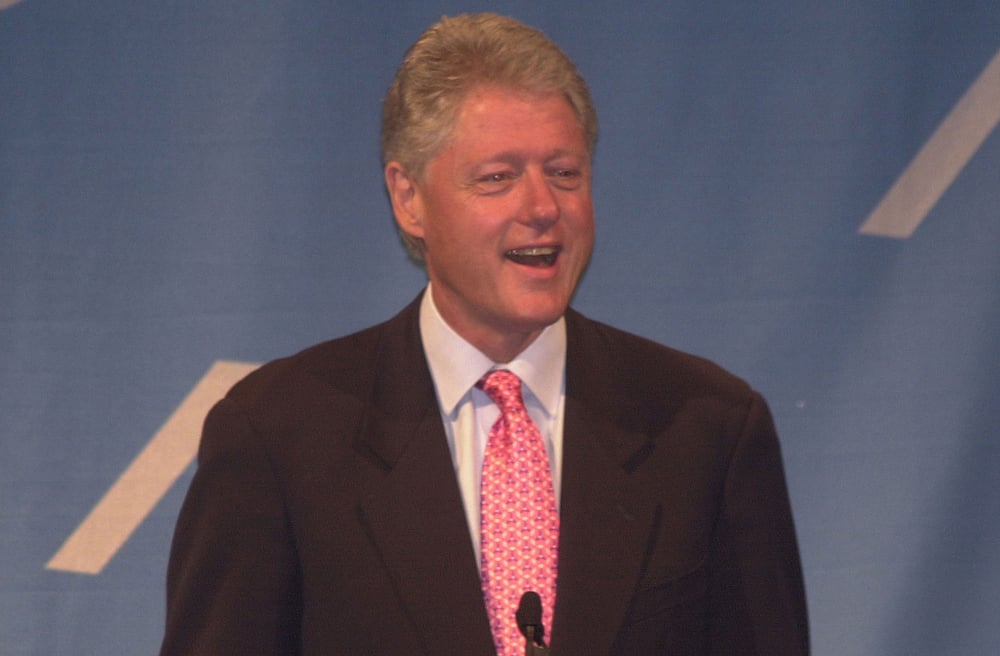
Suddenly, politics shifted when Congress moved against President Bill Clinton after allegations surfaced about false testimony. Because of claims he misled investigators about ties to a young aide at the White House, legal pressure built fast.
News channels couldn’t stop covering it – cameras camped outside courtrooms, voices argued late into broadcasts. Though the Senate cleared him in 1999, trust had already cracked beneath public eyes.
Ever since, leadership feels different somehow, less untouchable than before.
Back Came Color To Machines When IMac Arrived
Out of nowhere in August 1998, Apple launched the iMac, a machine wrapped in see-through blue-green plastic that stood apart from anything else sitting on desks. Not long after coming back, Steve Jobs staked everything on this single device – a compact setup without floppy disks, built around going online.

Gone was the dull gray or beige look most computers wore like uniforms since forever. Instead, color and clarity shaped something bold, almost playful.
Within half a year, more than eight hundred thousand found their way into homes and workspaces. That wave pulled Apple back from nearly falling off the edge.
Viagra Hit Pharmacy Shelves

The FDA approved Viagra in March 1998, creating the first pill designed to treat erectile dysfunction and sparking countless jokes on late-night television. Pfizer’s little blue pill became an instant cultural phenomenon and changed conversations about health issues that people had previously felt too embarrassed to discuss openly.
Doctors wrote over a million prescriptions in the first few months alone. The medication opened up a whole new category of pharmaceutical treatments and proved that there was a massive market for drugs that improved quality of life rather than just fighting disease.
The Good Friday Agreement Brought Peace To Northern Ireland
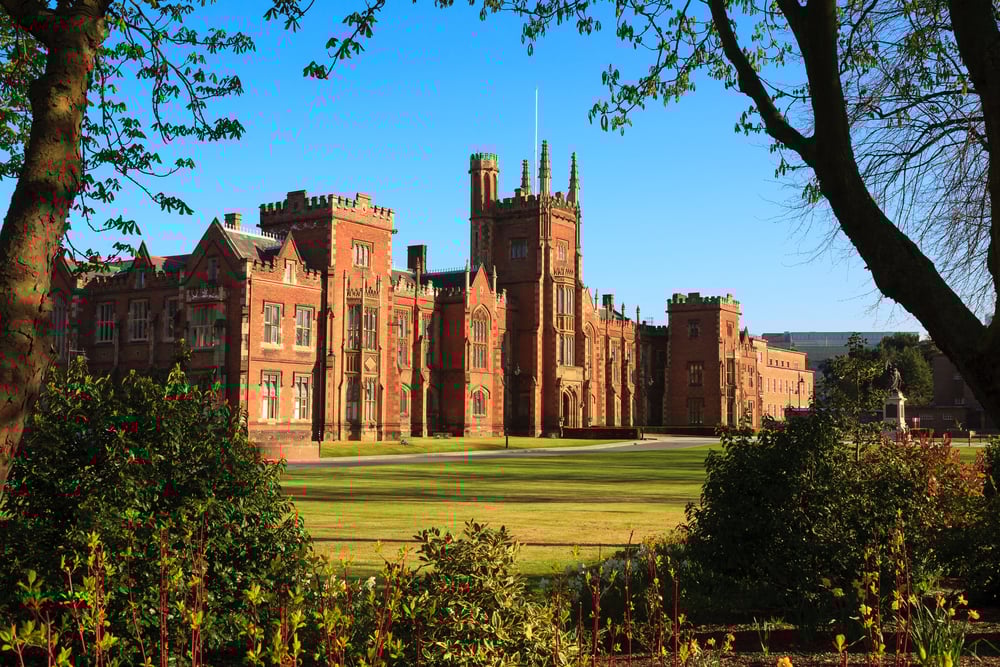
After decades of violence known as the Troubles, politicians from multiple sides signed a historic peace accord on April 10, 1998, which happened to fall on Good Friday. The agreement created a new power-sharing government and gave people in Northern Ireland a real chance at a peaceful future.
Leaders like Tony Blair, Bill Clinton, and George Mitchell worked tirelessly to bring everyone to the negotiating table. The deal didn’t solve everything overnight, but it marked the beginning of the end for a conflict that had torn apart families and communities for generations.
Seinfeld Aired Its Final Episode
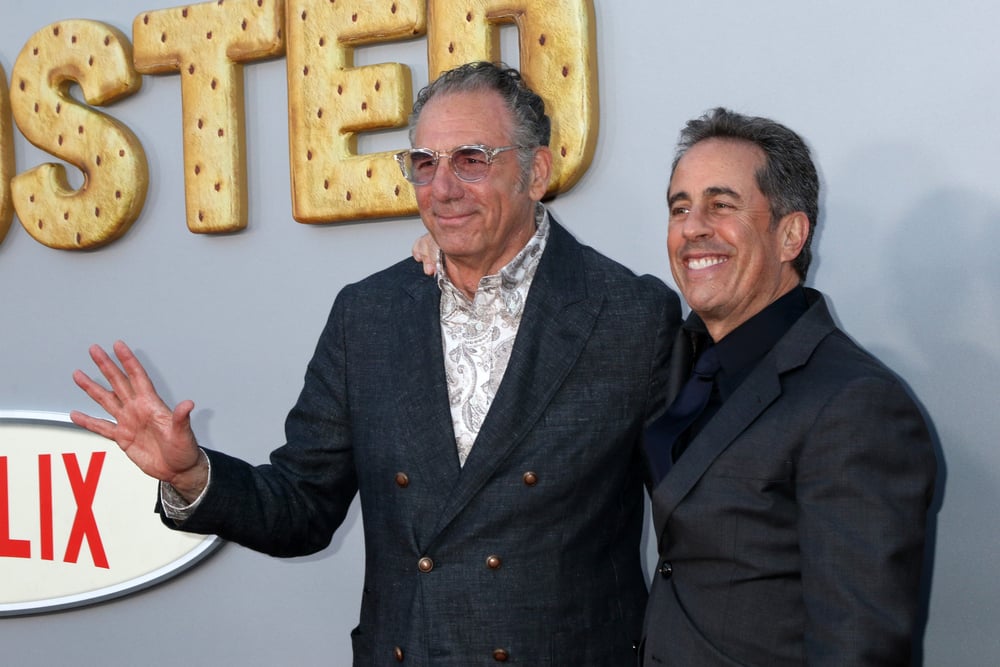
After nine seasons, the show about nothing came to an end in May 1998 with a finale that over 76 million people tuned in to watch. The episode brought back dozens of characters from earlier seasons and put the main cast on trial for being selfish and terrible people, which divided fans and critics pretty sharply.
Some viewers loved the meta-commentary while others felt let down by how it all wrapped up. Regardless of opinions on the finale, Seinfeld had changed television comedy forever and proved that a show didn’t need a traditional family setup or heartwarming moments to connect with audiences.
Unabomber Theodore Kaczynski Received A Life Sentence

Ted Kaczynski pleaded guilty in January 1998 to a bombing campaign that killed three people and injured 23 others over nearly two decades. The former mathematics professor had lived in a tiny cabin in Montana and sent package bombs to universities, airlines, and other targets starting in 1978.
His arrest in 1996 came after his brother recognized the writing style in a manifesto that newspapers published at the bomber’s demand. The case highlighted growing anxieties about technology and isolation in modern society, though most people simply saw Kaczynski as a dangerous criminal who deserved to spend the rest of his life behind bars.
Hurricane Mitch Devastated Central America

One of the deadliest Atlantic hurricanes ever recorded slammed into Honduras and Nicaragua in late October 1998, killing over 11,000 people and leaving millions homeless. The storm moved incredibly slowly, dumping up to 75 inches of rain in some areas and triggering mudslides that buried entire villages.
The destruction wiped out decades of economic development in Honduras, where roughly 70 percent of crops were destroyed. International relief efforts poured in, but many communities took years to recover from the damage, and some areas never fully rebuilt.
MP3 Players Started The Digital Music Revolution
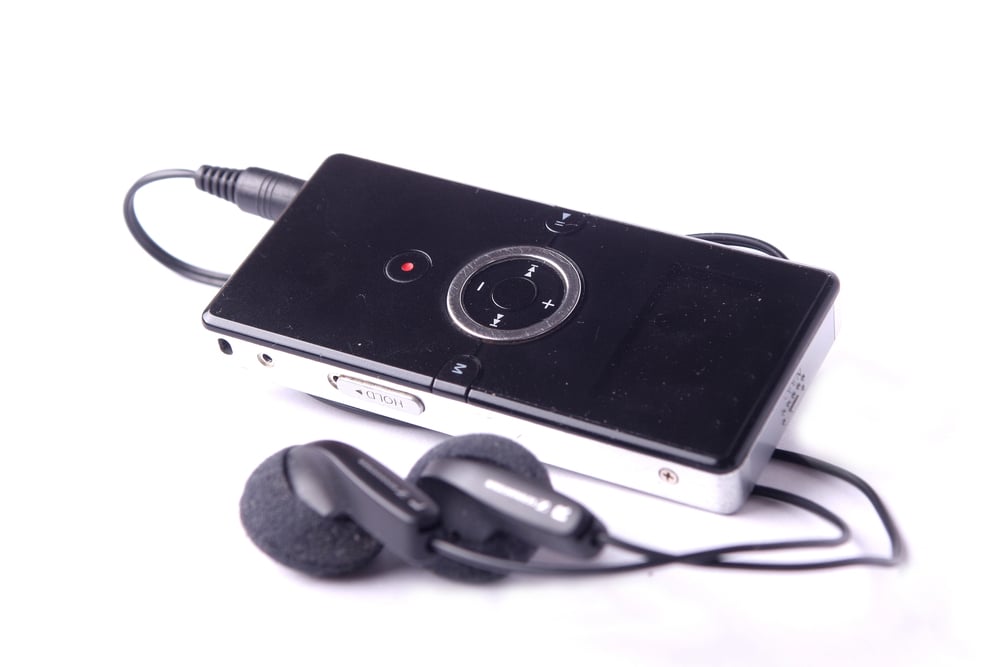
Diamond Multimedia released the Rio PMP300 in September 1998, marking the first commercially successful portable MP3 player sold in the United States. The device could hold about an hour of music and looked chunky compared to later iPods, but it represented a huge shift in how people thought about carrying their tunes around.
The recording industry immediately sued to stop sales, arguing that the device would encourage piracy, but they lost the case. This little gadget paved the way for the complete transformation of the music industry over the next decade.
Furby Became The Must-Have Toy
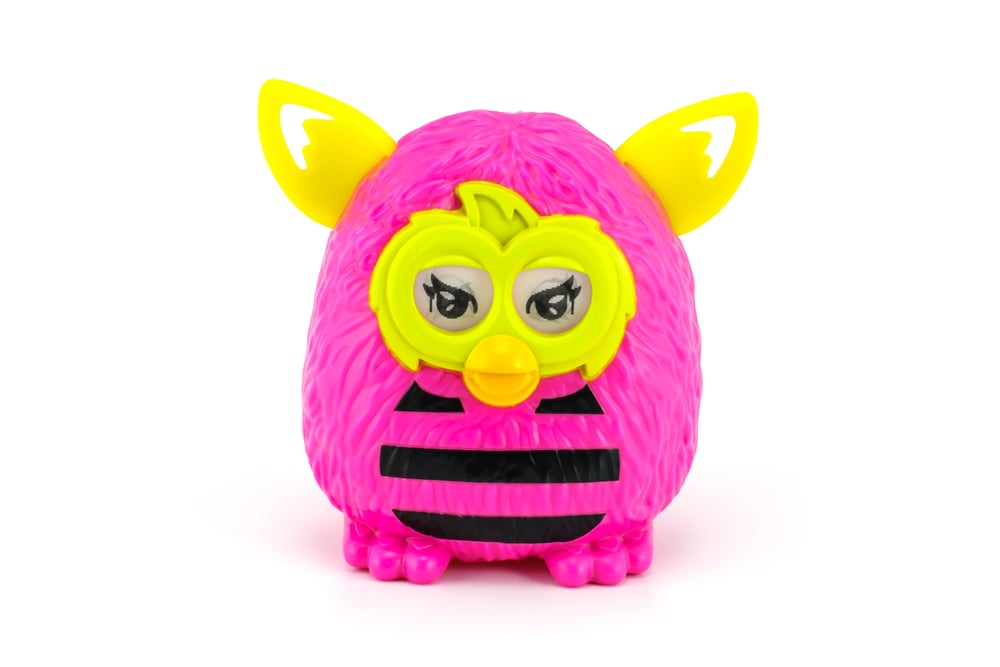
Tiger Electronics released the electronic pet in October 1998, and within weeks, stores couldn’t keep them on shelves as parents scrambled to grab one before the holiday rush. The furry animatronic creature spoke its own language called Furbish and supposedly learned English over time, though the learning part was mostly clever programming rather than real artificial intelligence.
Furbies sold over 27 million units in their first year and sparked urban legends about them recording conversations and never truly turning off. The craze represented the peak of ’90s toy mania and showed how companies could create artificial scarcity to drive up demand.
Mark McGwire And Sammy Sosa Chased Home Run Records

Baseball fans got caught up in a thrilling race as two sluggers competed to break Roger Maris’s single-season home run record of 61, which had stood since 1961. McGwire finished with 70 homers while Sosa hit 66, and their friendly rivalry brought excitement back to a sport that was still recovering from a players’ strike four years earlier.
The chase dominated sports coverage throughout the summer and made front-page news even in newspapers that rarely covered baseball. Years later, steroid allegations would taint these accomplishments, but in 1998, the home run race felt like pure American sports drama.
The European Central Bank Was Established
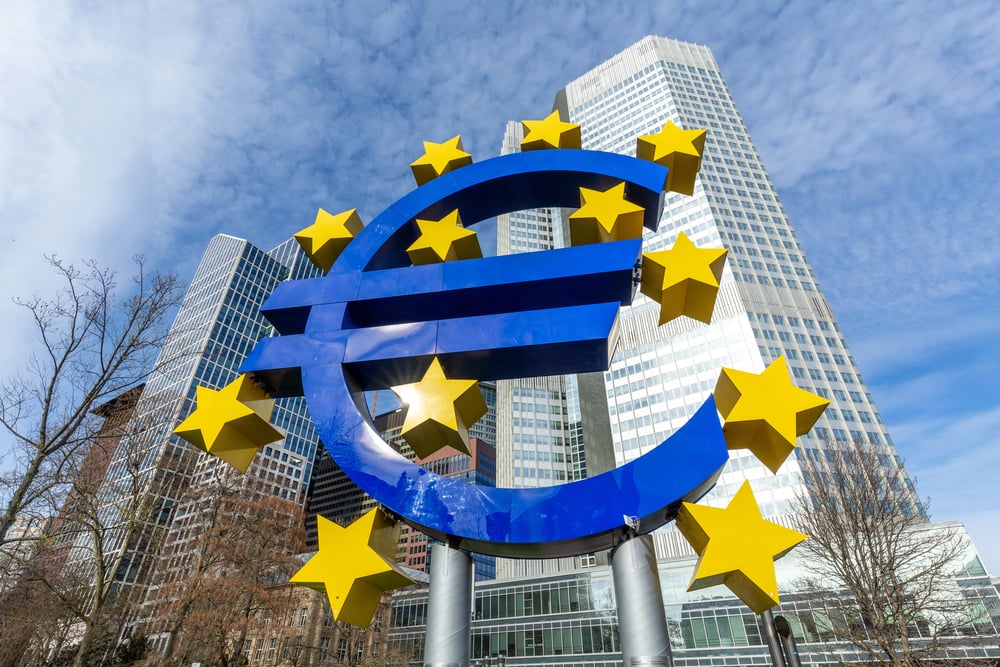
Eleven European countries officially created a unified monetary system by founding the European Central Bank in June 1998, setting the stage for the euro currency that would launch the following year. The move represented one of the boldest economic experiments in modern history, as nations agreed to give up control over their own money supply and interest rates.
Countries like Germany, France, and Italy had to meet strict economic criteria to join, while Britain, Denmark, and Sweden chose to stay out. The creation of the ECB marked a major step toward European integration, though it would face serious challenges during the financial crisis a decade later.
Godzilla Stomped Back Into Theaters
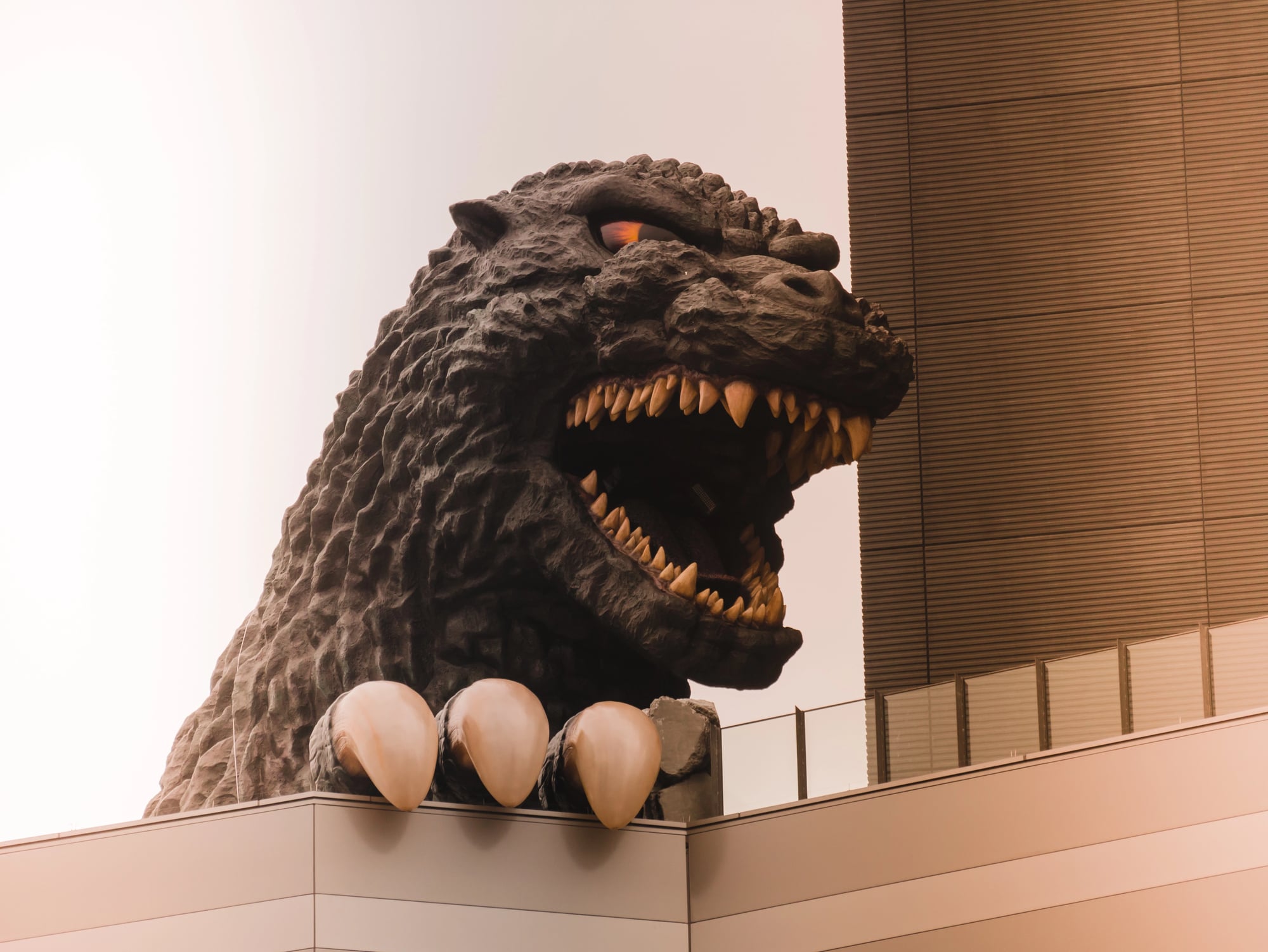
Hollywood released an American remake of the Japanese monster classic in May 1998, featuring a giant lizard terrorizing New York City with updated special effects and a much bigger marketing budget. The film earned over $379 million worldwide despite mixed reviews from critics and longtime Godzilla fans who felt the redesigned creature looked more like an oversized iguana than the iconic kaiju they loved.
Matthew Broderick starred as a scientist trying to stop the beast, and the movie featured a memorable Puff Daddy song that played constantly on radio stations. The remake showed that studios were willing to throw massive budgets at blockbusters even when the final product didn’t quite live up to the hype.
The International Space Station Began Assembly
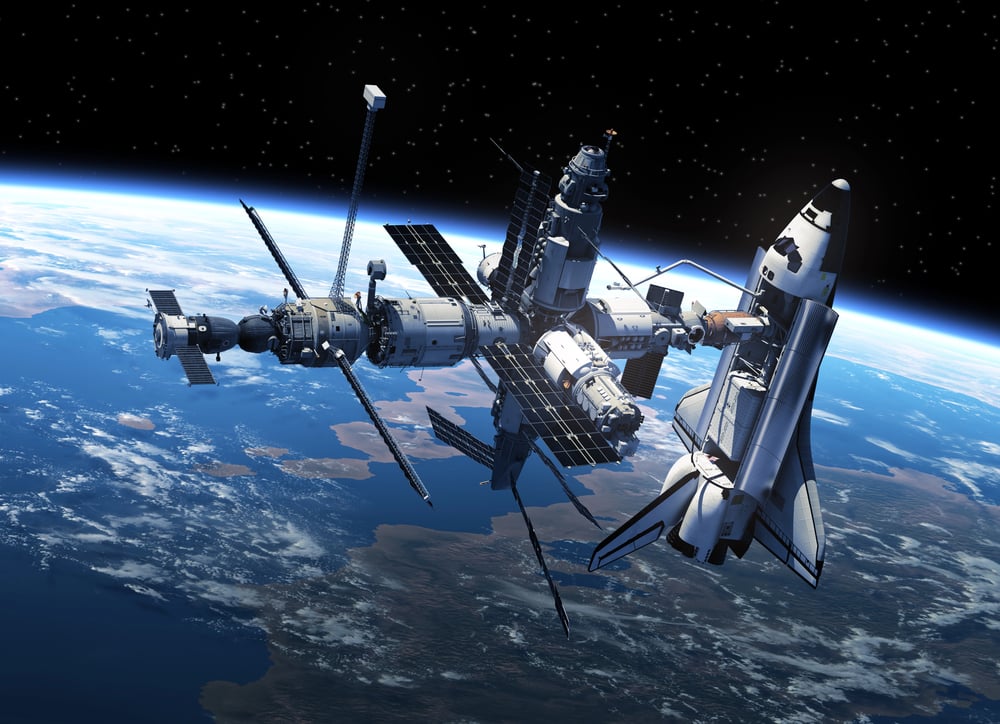
Russia launched the Zarya control module in November 1998, marking the first piece of what would become humanity’s most ambitious space project. Two weeks later, the Space Shuttle Endeavour carried up the Unity node and astronauts connected the two modules about 250 miles above Earth.
The station represented unprecedented cooperation between former Cold War rivals and eventually grew to include contributions from 15 countries. Construction would take over a decade to complete, but this first step showed that nations could work together on something bigger than politics and borders.
Where It All Led
The events of 1998 set in motion changes that still shape daily life today, from the search engine people use dozens of times a day to the peace process that calmed a long-running conflict. That year captured a specific moment when the internet was just starting to take over, when sports records still felt pure and untainted, and when the world seemed ready to leave behind the conflicts of the 20th century.
The optimism and energy of 1998 didn’t last forever, but looking back shows just how much one year can contain. Those twelve months gave the world tools, memories, and lessons that continue to matter more than 25 years later.
More from Go2Tutors!

- The Romanov Crown Jewels and Their Tragic Fate
- 13 Historical Mysteries That Science Still Can’t Solve
- Famous Hoaxes That Fooled the World for Years
- 15 Child Stars with Tragic Adult Lives
- 16 Famous Jewelry Pieces in History
Like Go2Tutors’s content? Follow us on MSN.