Cases Of Adulterated Foods That Fooled The Entire World
Food fraud has a long and disturbing history. Throughout time, unscrupulous producers have found ways to stretch, substitute, and contaminate our most basic necessities.
These aren’t just stories from history books — they’re reminders of how easily trust can be broken when profit takes priority over public health. Some cases became so widespread that entire industries had to be rebuilt from the ground.
Others exposed vulnerabilities in food systems that we’re still working to fix today.
Melamine Milk Powder
The 2008 Chinese milk scandal killed six infants and sickened 300,000 more. Producers added melamine — an industrial chemical used in plastics — to watered-down milk to artificially boost protein readings.
The chemical formed crystals in kidneys, causing organ failure. Twenty-two companies were involved.
The contamination had been happening for years before anyone noticed. Parents trusted these brands completely.
Horsemeat Burgers

The 2013 European horsemeat scandal unraveled like a detective story, except nobody was laughing when the truth came out (and the truth kept getting worse the deeper investigators dug). What started as routine testing in Ireland — checking for the presence of pork in beef products for religious dietary compliance — turned into something nobody expected: they found horse DNA instead.
Not traces. Not contamination.
Entire products that were supposed to be beef were actually horsemeat, and this had been going on across multiple countries, through complex supply chains that seemed designed to obscure exactly this kind of substitution. The scandal spread from Ireland to the UK, then across Europe, eventually revealing a network of suppliers, processors, and distributors who had been playing an elaborate shell game with meat products for years.
Some products contained up to 100% horsemeat. The supply chain was so tangled that companies genuinely didn’t know what they were selling.
And the most unsettling part wasn’t just the deception — it was how normal everything had seemed right up until the moment it wasn’t.
Italian Olive Oil
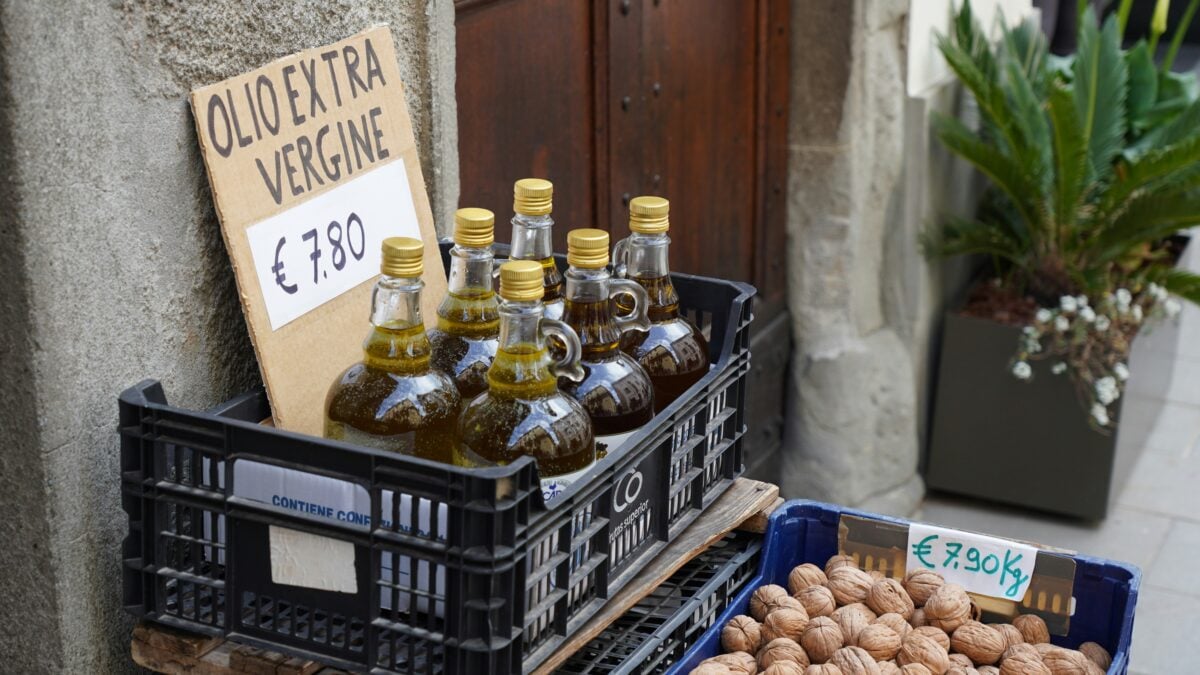
There’s something almost romantic about the idea of olive oil from ancient groves in Tuscany, pressed by families who’ve been doing this work for generations. The golden liquid in those distinctive bottles seems to carry the weight of tradition, the guarantee of place and process.
Except much of what gets sold as extra virgin Italian olive oil never saw an Italian olive tree. The fraud is elegant in its simplicity: import cheaper oils from Spain, Greece, or North Africa, blend them with lower-grade oils, sometimes add chlorophyll for color, then bottle everything in Italy with labels that suggest centuries of heritage.
The deception works because people want to believe in the story the bottle tells. Italian authorities estimate that up to 80% of olive oil labeled as Italian contains significant amounts of oil from other countries.
What makes this particularly cruel is how the fraud exploits our desire for authenticity in an age when so little feels authentic anymore.
Parmesan Cheese Fillers
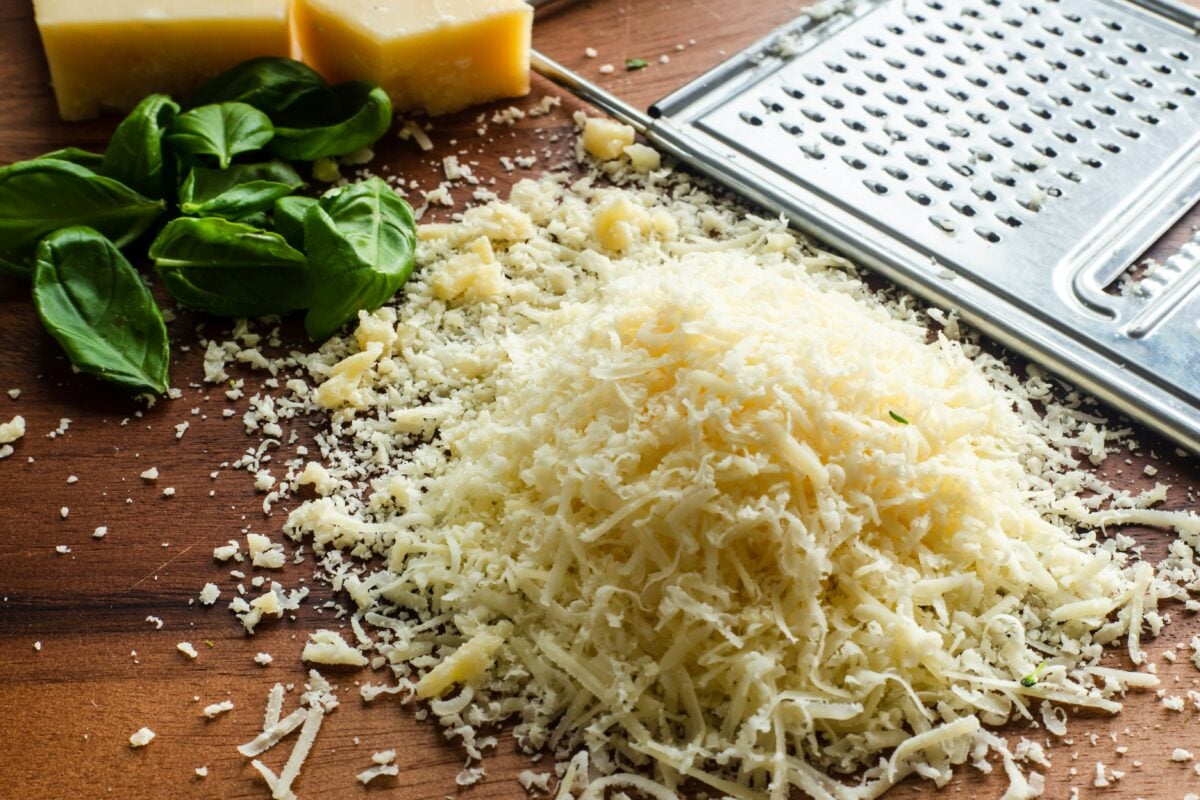
American consumers discovered their grated Parmesan contained wood pulp. Cellulose — essentially sawdust — was being used as a cheap filler and anti-caking agent.
Some brands contained no Parmesan at all. The FDA found that major supermarket chains were selling products labeled as 100% Parmesan that were actually blends of cheaper cheeses, cellulose, and starch.
Walmart’s “Great Value” brand tested at less than 8% Parmesan. Target’s “Market Pantry” wasn’t much better.
Companies defended the practice by pointing to technicalities in labeling laws. Consumers had been eating wood shavings for years without knowing it.
Fake Honey
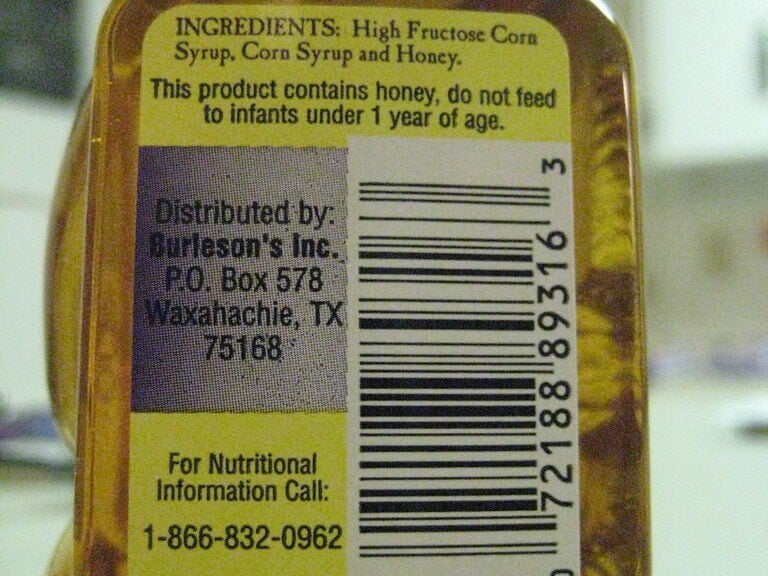
The honey industry operates like a sophisticated money laundering operation, except instead of cash, they’re washing sugar syrup through global supply chains that would make drug cartels jealous. Chinese producers flood the market with artificial honey made from high fructose corn syrup and rice syrup, then ship it through third countries to avoid tariffs and detection.
The fake honey gets mixed with real honey at various points along the way — sometimes in small percentages, sometimes not at all — but by the time it reaches store shelves, the paperwork looks legitimate and the price is too good for retailers to question. Testing for authenticity requires expensive laboratory analysis that most importers skip (because why would they want to know what they’re actually buying).
The result is a market where genuine beekeepers can’t compete with synthetic alternatives that taste close enough to fool casual consumers. And since honey has this wholesome, natural reputation, people assume they’re getting something pure and beneficial when they might be consuming industrially manufactured sugar water with artificial flavoring.
The bees, meanwhile, are disappearing. But the fake honey keeps flowing because the economics are irresistible and the enforcement is nearly impossible.
Watered Down Milk
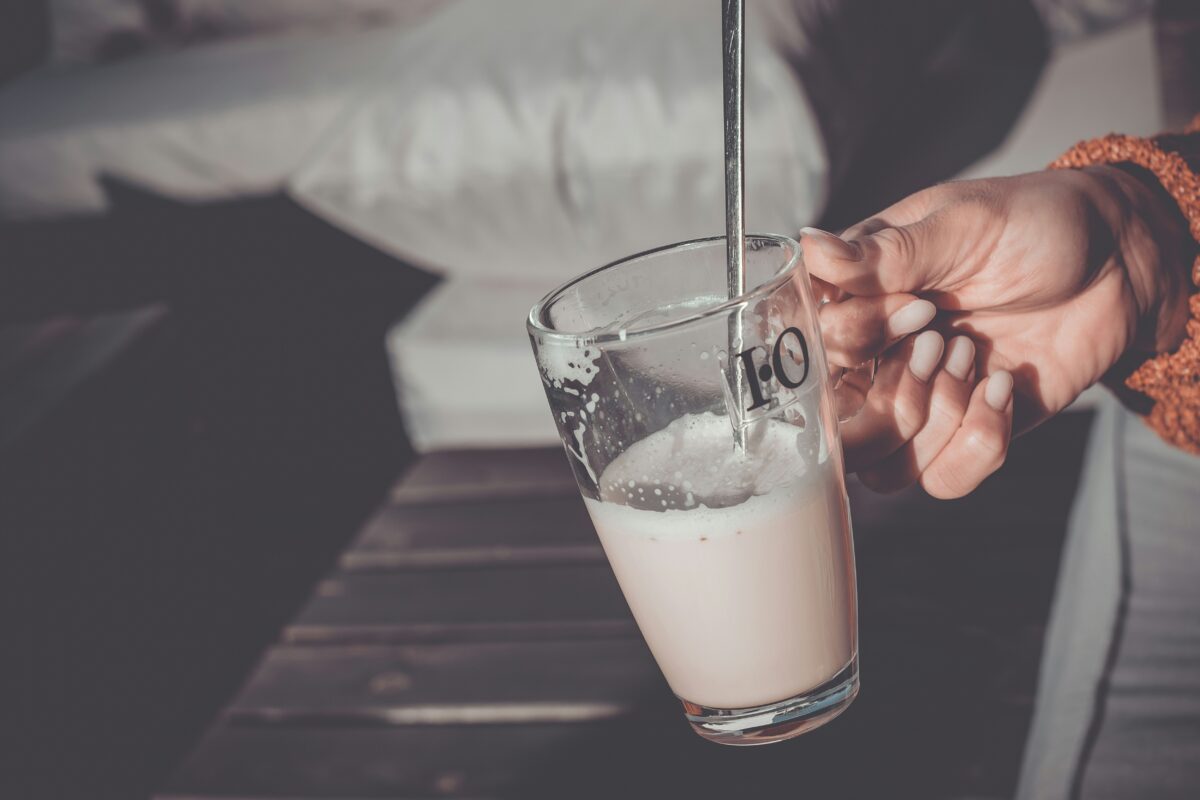
Milk adulteration is probably the oldest food fraud in history. Producers have been adding water to increase volume for as long as people have been selling milk.
The practice became so common in 19th century America that “swill milk” from diseased cows fed on distillery waste killed thousands of children. Modern versions are more sophisticated but equally dishonest.
Producers add water, then use various chemicals to restore the appearance of nutritional content. Vegetable oils mask the thinning.
Starch and flour restore body. Urea — yes, the stuff in urine — brings back protein readings.
The fraud works because milk naturally varies in composition, making detection difficult without laboratory testing.
Fake Saffron
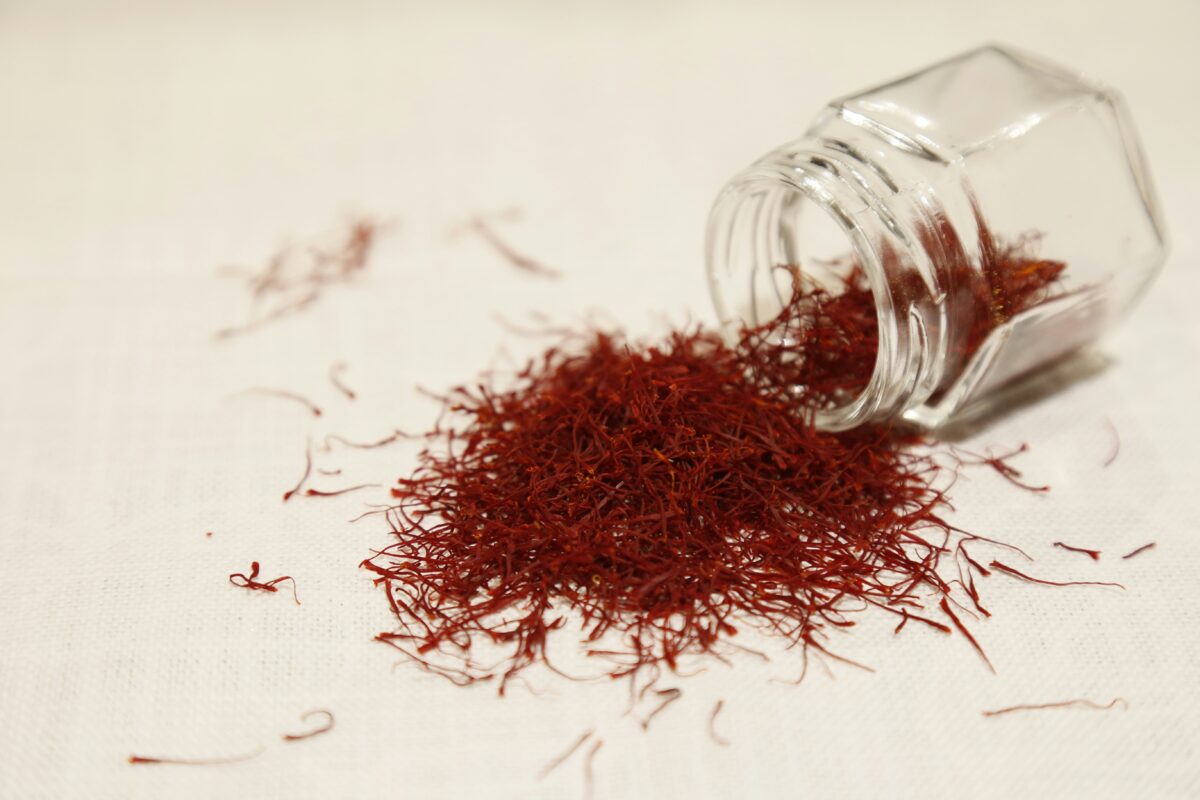
Saffron costs more per ounce than gold, which explains why so much of what gets sold as saffron isn’t actually saffron at all — it’s an intricate world of botanical imposters that would be fascinating if it weren’t so profitable to deceive people. Real saffron comes from crocus flowers, specifically the stigmas, and it takes about 150 flowers to produce just one gram of the spice.
The harvesting is done by hand, during a brief window each autumn, by people who know exactly what they’re looking for. Fake saffron comes from turmeric, safflower, corn silk, shredded coconut dyed with food coloring, or sometimes just red-dyed paper strips cut thin enough to fool casual inspection.
The counterfeits are sold in the same small glass vials, with the same exotic promises, at prices that should raise suspicion but somehow don’t. What’s particularly cruel about saffron fraud is how it exploits the fact that most people buying saffron have never actually tasted the real thing, so they have no reference point for comparison.
Artificial Vanilla from Beaver Glands
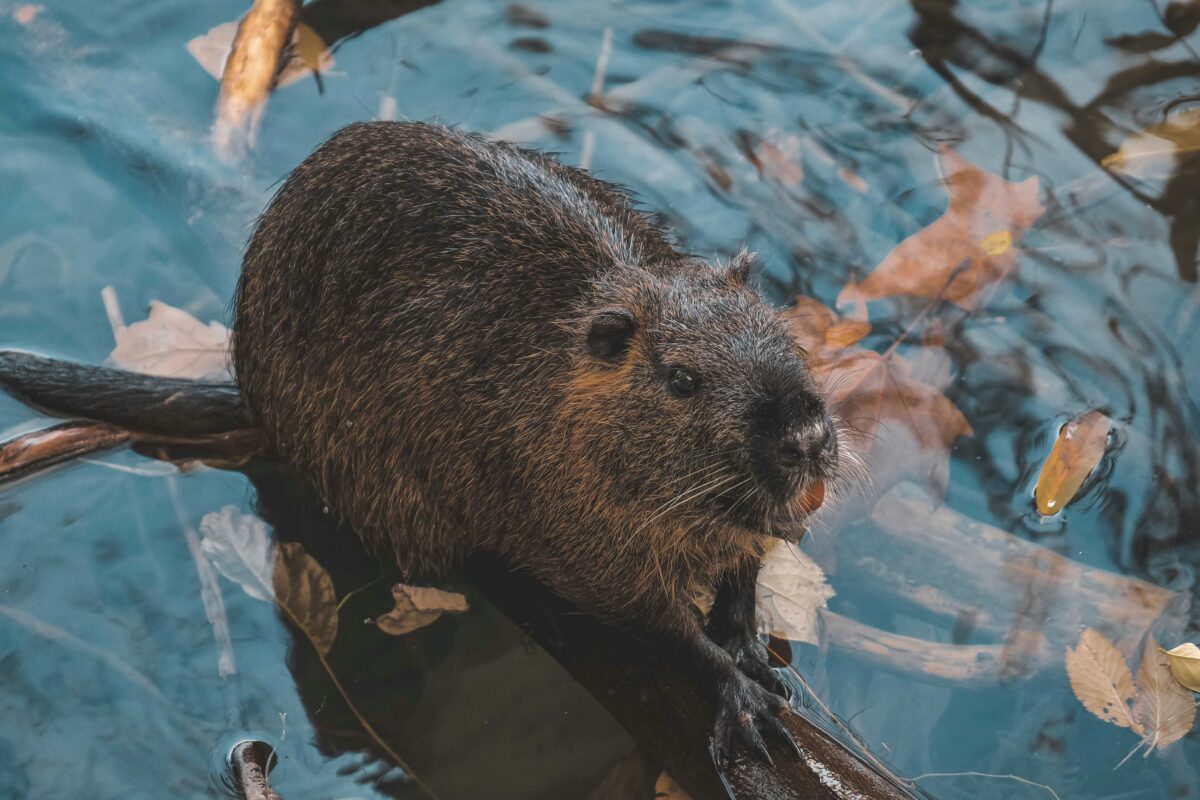
Natural vanilla flavoring sometimes comes from castoreum — a substance secreted by beavers. Food manufacturers don’t advertise this fact.
They list it as “natural flavoring” on ingredient labels, which is technically accurate but deliberately misleading. The practice isn’t new.
Perfume makers have used castoreum for centuries. Food companies discovered it could replace expensive vanilla beans in processed foods.
The substance is harvested from beaver scent glands, processed into a brown liquid, then added to ice cream, baked goods, and beverages. Most consumers assume “natural vanilla” means vanilla beans.
Companies are happy to let them keep thinking that. The deception is legal, profitable, and completely disgusting once people find out the truth.
Wine Fraud
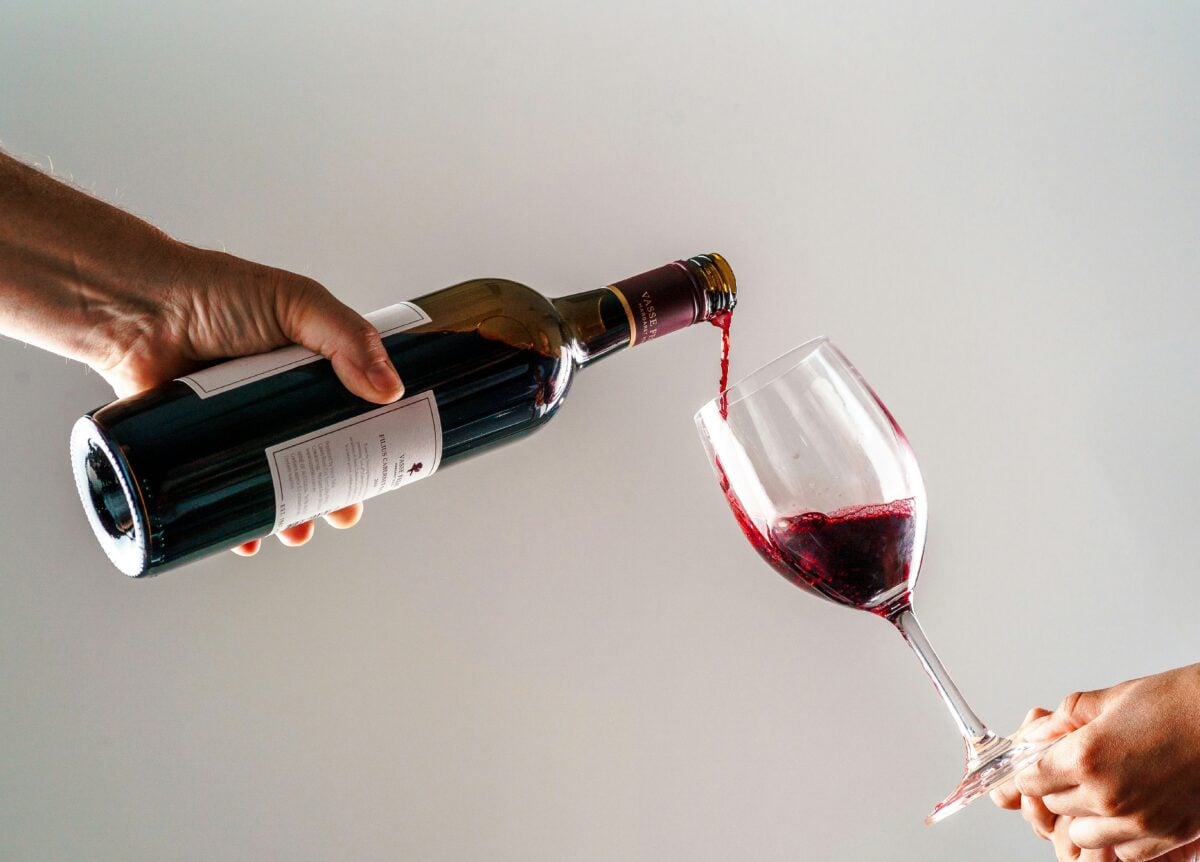
Wine fraud operates at the intersection of art collecting and organized crime, where the product being counterfeited carries not just a price tag but an entire mythology about place, vintage, and prestige that makes verification both crucial and nearly impossible. The most famous cases involve wines that cost tens of thousands of dollars per bottle — Château Pétrus, Screaming Eagle, wines supposedly from Thomas Jefferson’s cellar — where the fraud isn’t just about money but about the stories people want to believe about what they’re drinking.
Counterfeiters have become remarkably sophisticated: they age new wine artificially, distress bottles and labels to suggest decades in proper cellars, and create documentation that looks authentic enough to fool auction houses and collectors who should know better. The fraud works because wine expertise is subjective enough that even professionals can be convinced they’re tasting something rare and extraordinary when they’re actually drinking something that was bottled last month in a warehouse in California (or worse, something that was never wine to begin with but a chemical approximation designed to fool palates that want to be impressed).
The psychology is perfect for deception: people who spend enormous amounts on wine are invested in believing they can taste the difference, so admitting they’ve been fooled becomes almost impossible.
Fake Fish
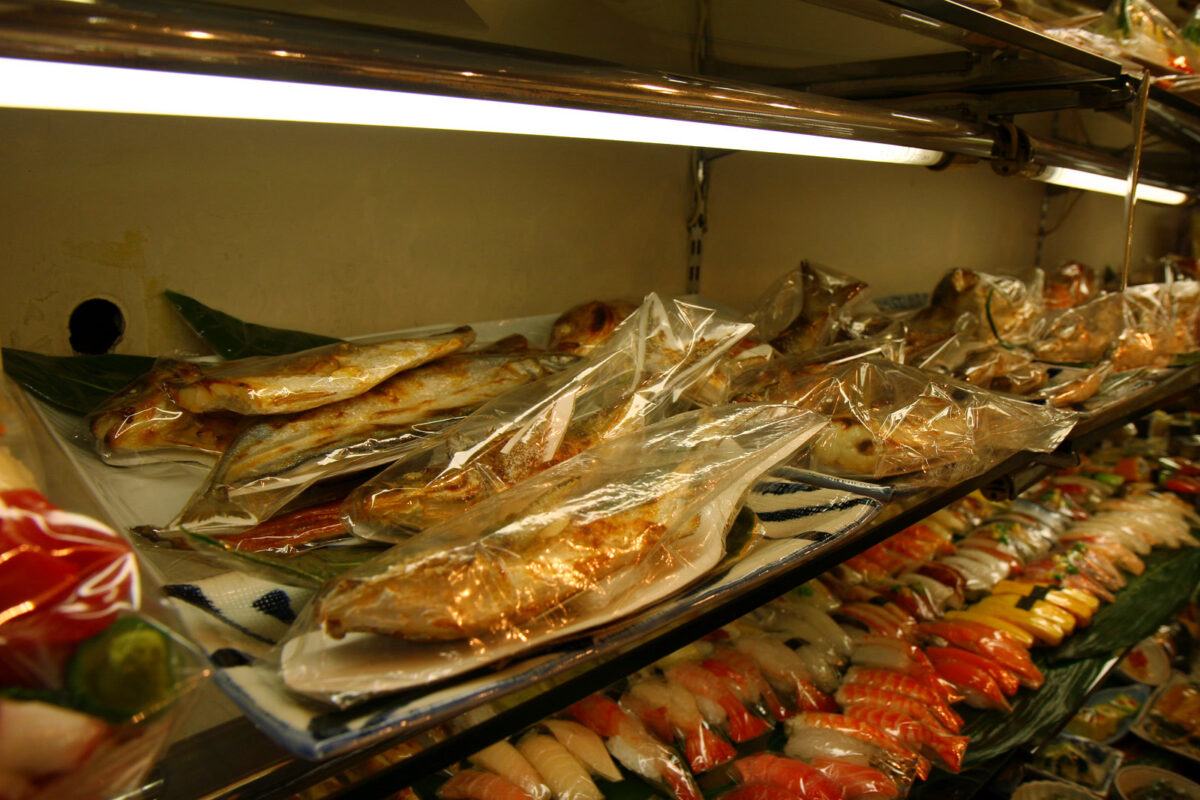
Fish mislabeling happens in about one-third of all seafood sold in America. Red snapper is usually something else entirely.
Restaurants serve tilapia as grouper, escolar as white tuna, and farmed salmon as wild-caught. The fraud works because most consumers can’t distinguish between similar-looking fish once it’s been filleted, cooked, and served.
A piece of fish on a plate reveals very little about what species it actually came from. Cheaper fish gets passed off as expensive varieties with remarkable consistency.
Testing requires DNA analysis that restaurants and markets don’t perform. By the time anyone discovers the substitution, the fish has been consumed and the money has changed hands.
Fake Wasabi
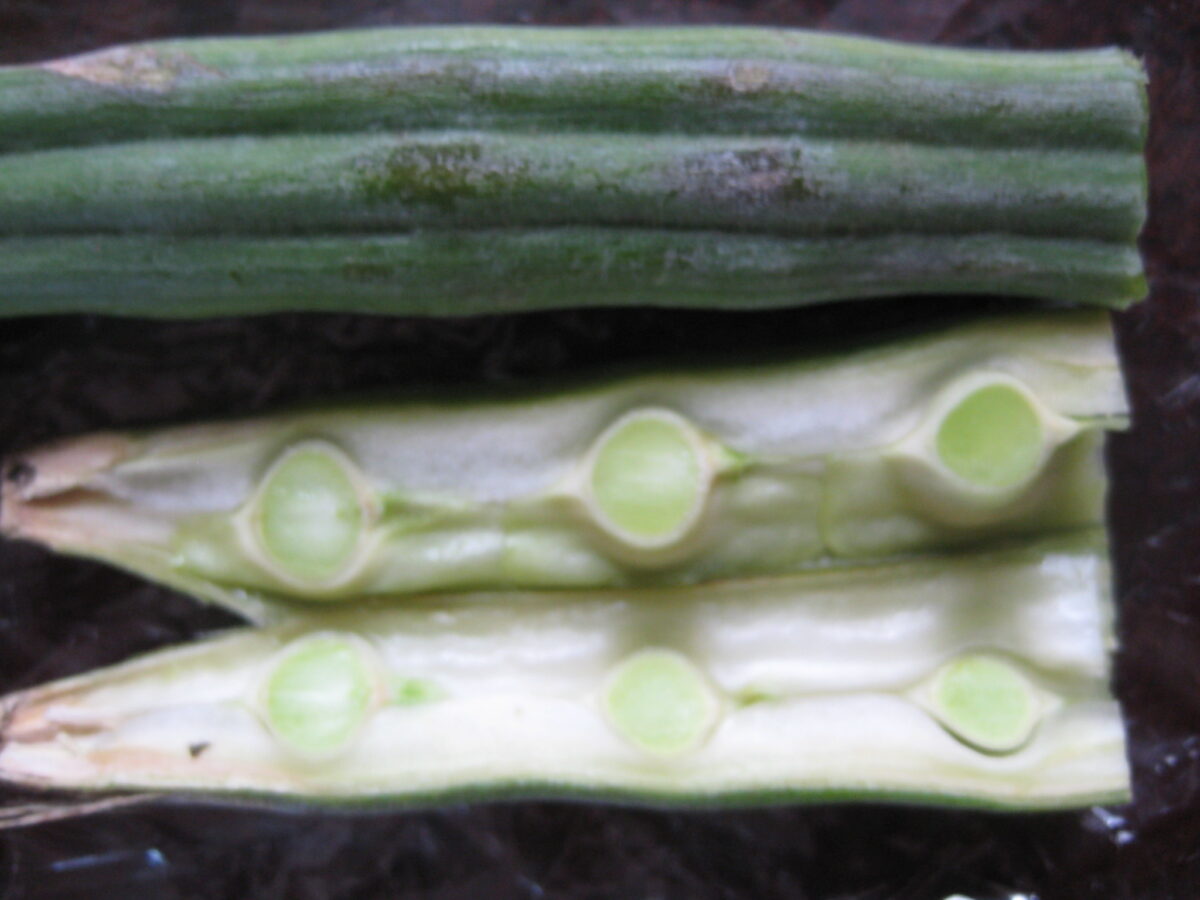
That green paste served with sushi isn’t wasabi. It’s horseradish mixed with food coloring and maybe a tiny amount of actual wasabi if the restaurant is feeling generous.
Real wasabi is a Japanese plant that’s extremely difficult to grow and loses its flavor within minutes of being grated. Most sushi restaurants have never served real wasabi.
The fake stuff is cheaper, has a longer shelf life, and tastes close enough that customers don’t complain. Some high-end establishments charge premium prices while serving the same horseradish mixture as cheaper places.
The substitution has become so universal that most people have no idea what real wasabi actually tastes like. The fake has become the standard.
Adulterated Spices
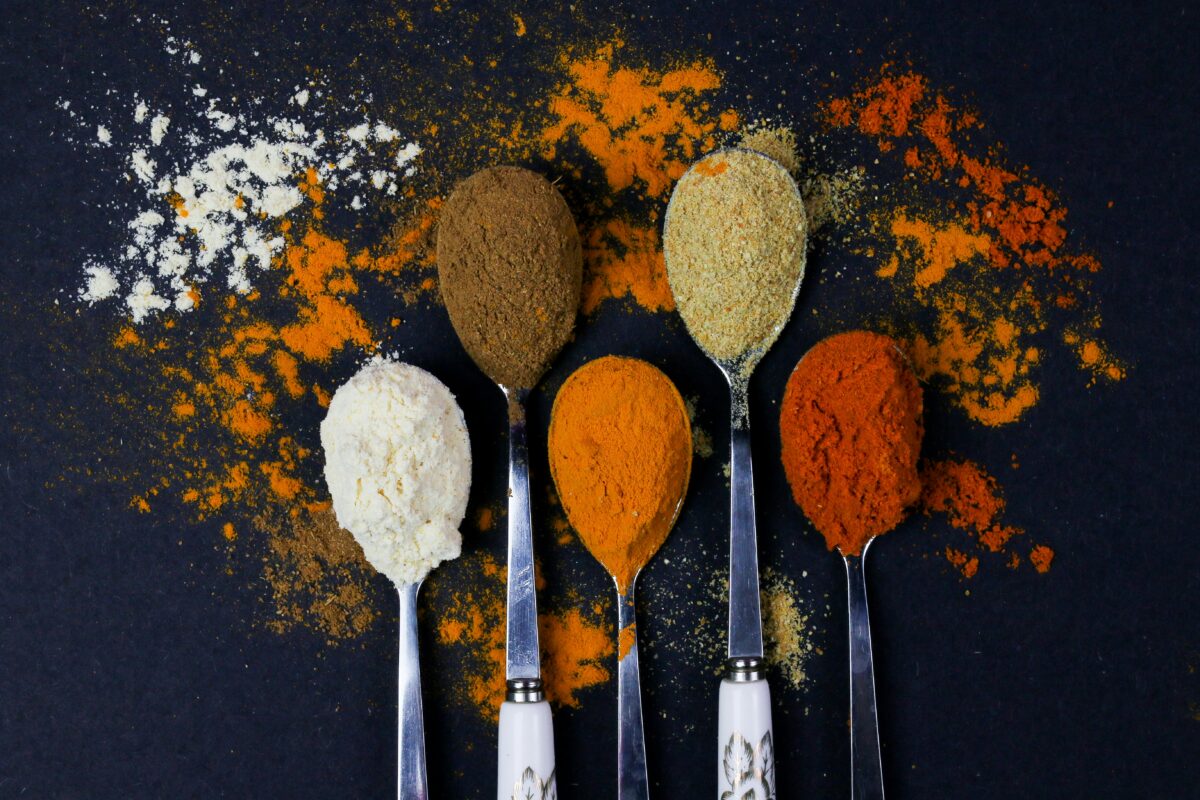
Spice adulteration reads like a chemistry textbook written by people with no regard for human health: turmeric mixed with lead chromate for color, paprika cut with brick dust for weight, black pepper extended with charcoal powder, cumin bulked up with sawdust, and chili powder that’s more industrial dye than actual chili. The adulterants aren’t chosen randomly — they’re selected to mimic the appearance and sometimes the flavor of real spices while costing almost nothing to produce.
The global spice trade operates through networks of brokers, processors, and distributors where the product changes hands multiple times before reaching consumers, and each transaction creates an opportunity for someone to stretch the product a little further (because who’s going to notice, and who’s going to test). Ground spices are particularly vulnerable because once they’re powdered, visual identification becomes nearly impossible without laboratory analysis.
So people season their food with substances that were never meant for human consumption, while thinking they’re adding flavor and nutrition to their meals. And the companies responsible hide behind supply chain complexity that makes tracking responsibility nearly impossible.
Fraudulent Baby Formula

Chinese baby formula has been adulterated with everything from melamine to leather protein powder. The 2008 melamine scandal was just the most publicized case.
Other adulterants have included starch, vegetable proteins, and industrial chemicals designed to fool nutritional testing. Parents in China often prefer imported formula because they can’t trust domestic products.
Black markets exist for American and European brands. Some Chinese families pay relatives living abroad to ship formula back to China.
The stakes couldn’t be higher — these are products designed for the most vulnerable consumers, during the most critical period of development. Yet adulteration continues because the profit margins are enormous and enforcement remains inconsistent.
The Lessons We Keep Learning
Food fraud persists because it works. The global food system is complex enough that tracing ingredients back to their origins requires resources that most companies don’t want to spend and most consumers can’t access.
We eat what we’re told we’re eating, trust what we’re told to trust, and pay premiums for authenticity that may or may not exist. The cases that make headlines represent only the frauds that got caught.
For every scandal that explodes into public view, countless others continue operating below the threshold of detection. The question isn’t whether food fraud will happen again — it’s what form it will take next, and how long it will operate before someone notices.
More from Go2Tutors!

- The Romanov Crown Jewels and Their Tragic Fate
- 13 Historical Mysteries That Science Still Can’t Solve
- Famous Hoaxes That Fooled the World for Years
- 15 Child Stars with Tragic Adult Lives
- 16 Famous Jewelry Pieces in History
Like Go2Tutors’s content? Follow us on MSN.



