10 Rarest Dog Breeds Recognized by the Kennel Club
Walking through a dog park today feels predictable. Golden Retrievers, Labs, German Shepherds — the same familiar faces wagging their tails in endless rotation.
Yet somewhere in the vast registry of the American Kennel Club exist breeds so uncommon that spotting one feels like discovering a mythical creature wandering your neighborhood. These aren’t designer crosses or backyard experiments, but ancient bloodlines and carefully preserved breeds that somehow survived centuries while their more popular cousins claimed the spotlight.
Some breeds are rare because they served such specific purposes that modern life left them behind. Others faced near-extinction during wars or natural disasters, saved only by the dedication of a handful of passionate breeders.
A few never left their homeland, remaining treasured secrets in remote corners of the world until recently making their way to American shores.
Telomian
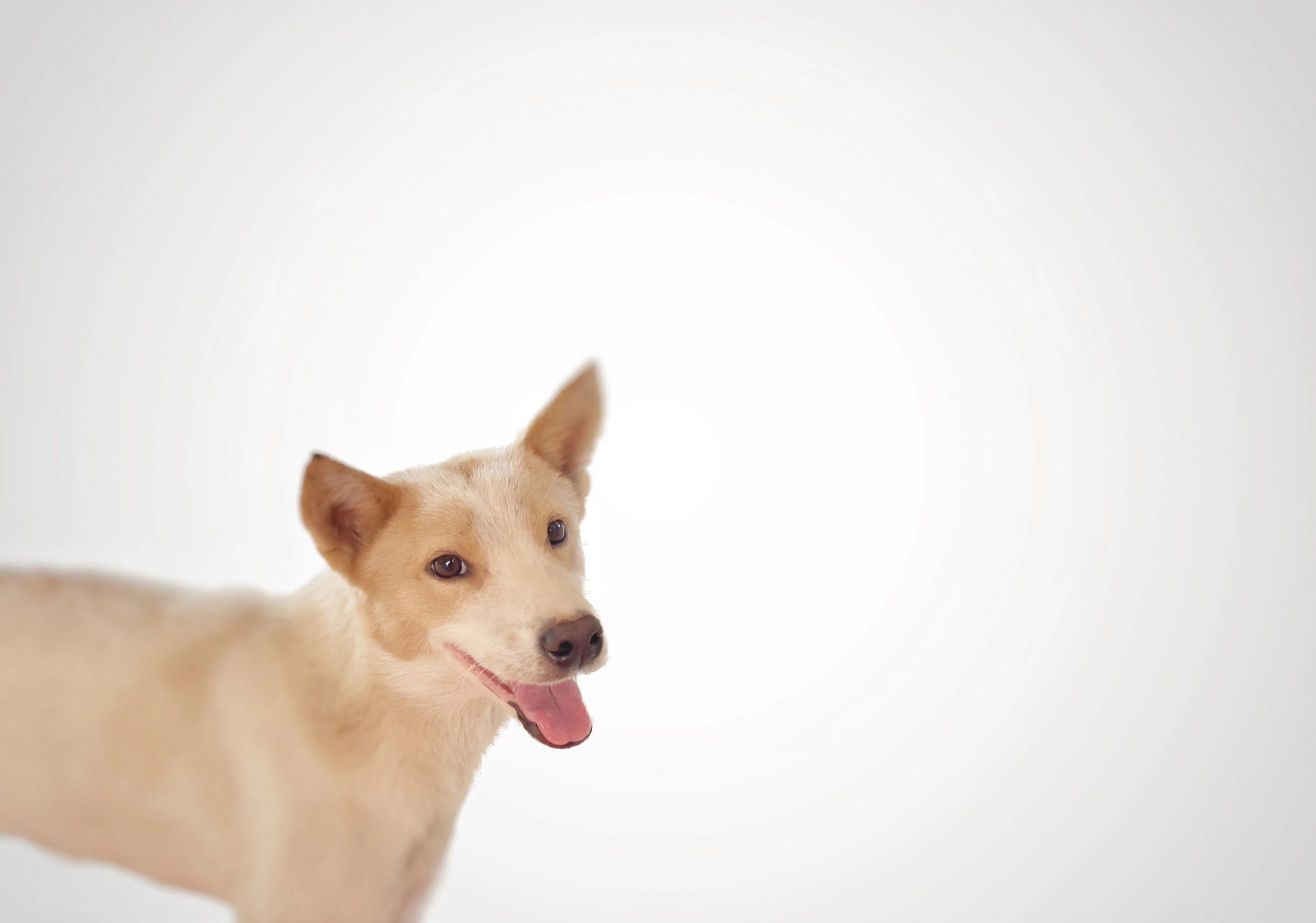
Malaysia’s jungle paths carved out this breed long before anyone thought to write breed standards. Telomians lived with the Orang Asli people, serving as both hunting companions and village guardians in ways that demanded unusual climbing abilities — these dogs scale ladders and trees with an ease that would make cats envious.
The breed nearly vanished into history until two anthropologists stumbled across them in the 1960s and brought a pair back to the United States. Today’s American Telomians descend from that single pair and a few later imports, creating a genetic bottleneck so narrow that finding breeding stock requires international coordination.
Telomians see fences as suggestions rather than barriers, consider kitchen counters legitimate walking surfaces, and approach furniture arrangement as a personal climbing course designed for their entertainment. They developed a complex vocabulary of sounds for interacting with their human families, ranging from soft murbles for contentment to specific barks that request access to elevated sleeping spots.
Kai Ken
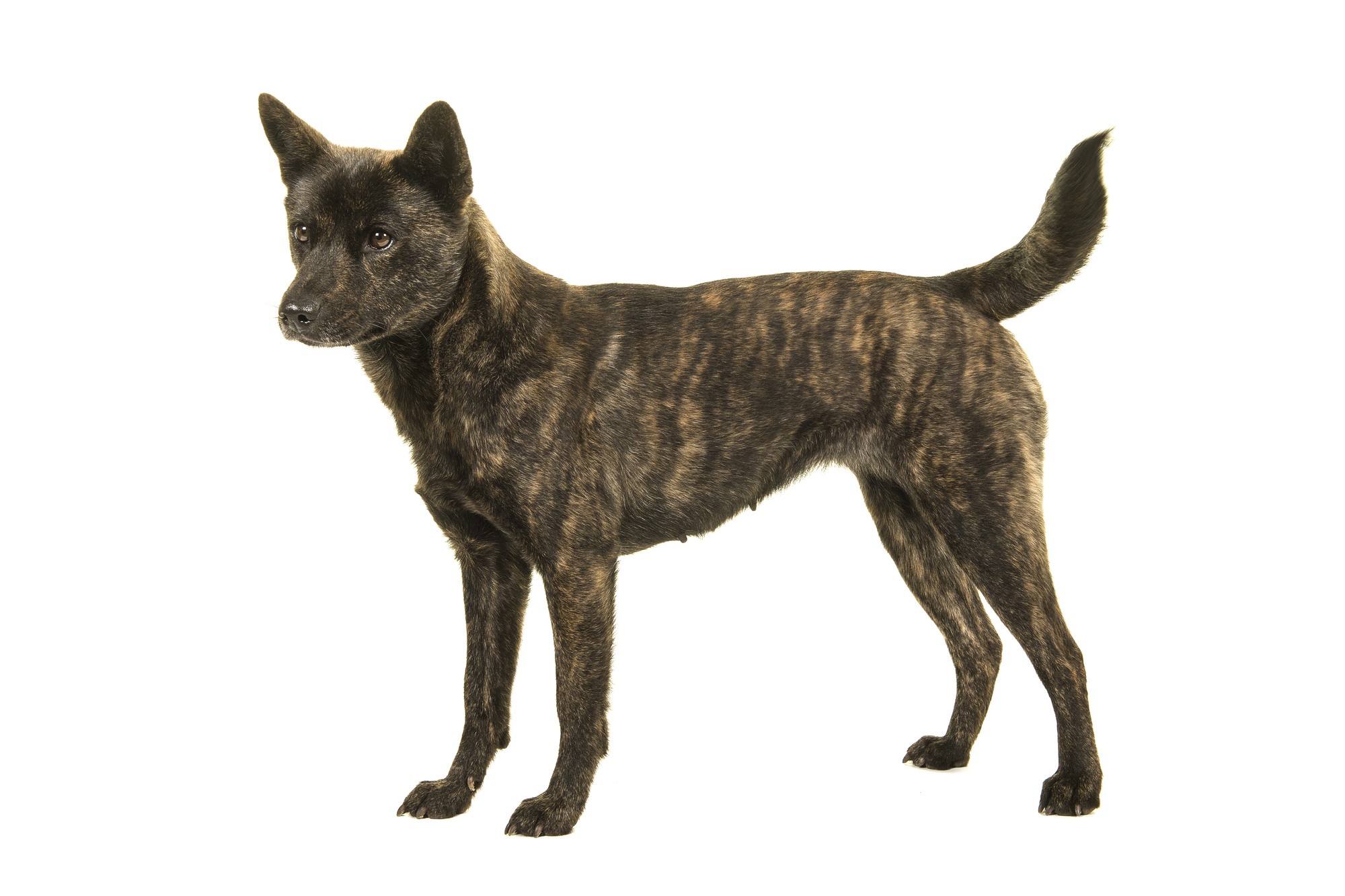
So you want a dog that embodies the concept of loyalty without the golden retriever enthusiasm — the Kai Ken delivers that in spades, though finding one requires patience that borders on devotion. This Japanese breed, often called the “tiger dog” for its distinctive brindle coat, remained so isolated in the mountainous regions of Honshu that it developed without outside influence for centuries, which means it retained a wildness that more domesticated breeds lost generations ago.
The Kai Ken forms such intense bonds with its family that it often chooses one person as its primary focus, treating everyone else with polite indifference — not aggression, just a sort of dignified aloofness. When researchers rediscovered them in the 1930s, they found a breed virtually unchanged since medieval times — no outside crosses, no modern modifications, just centuries of careful selection for hunting wild boar in terrain that demanded courage, intelligence, and absolute reliability.
The American Kennel Club didn’t recognize them until 2008, partly because so few existed outside Japan. Even now, annual registrations hover in the double digits.
Norwegian Lundehund
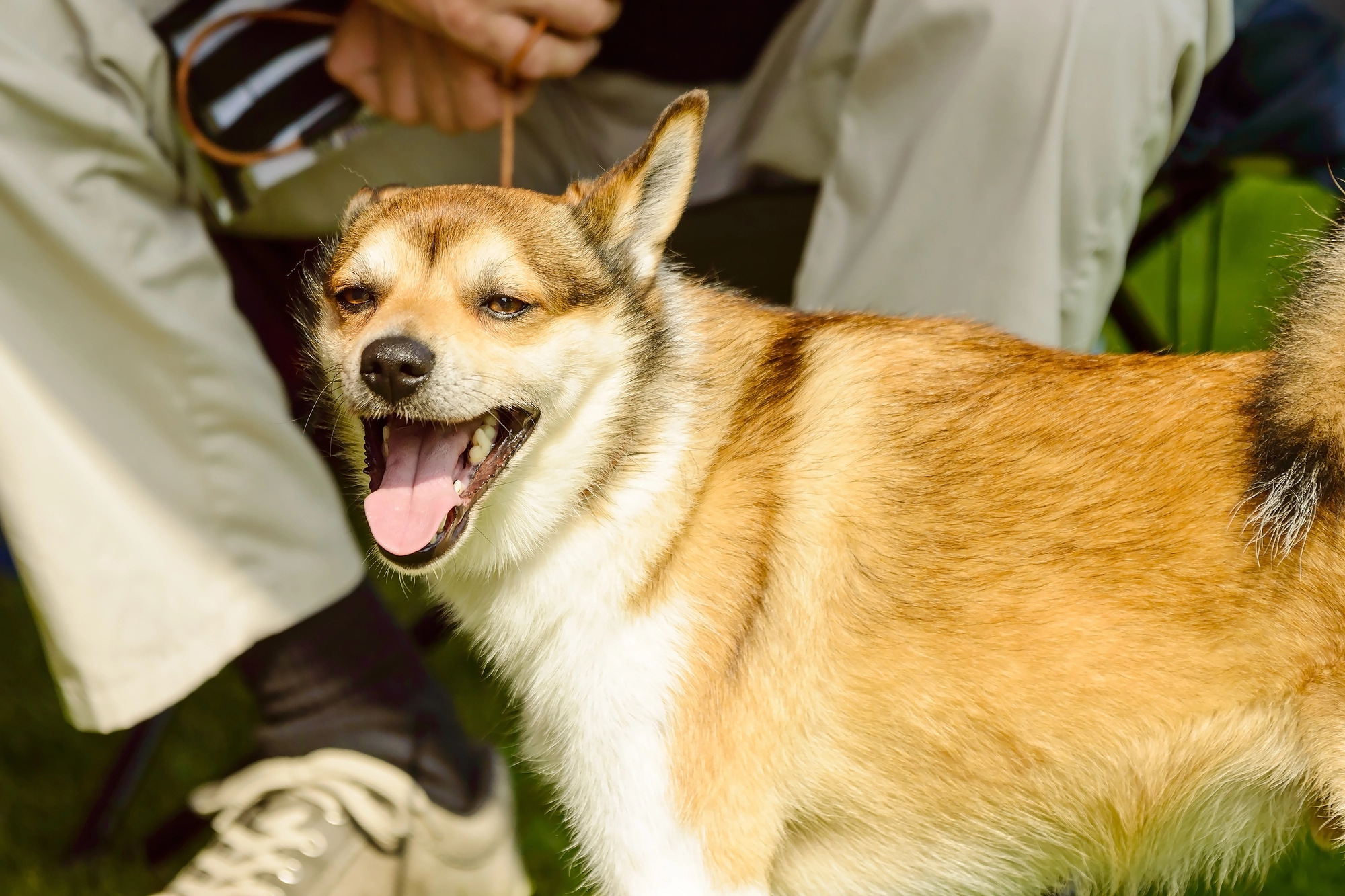
There’s something almost mythical about a dog bred for one impossible job: hunting puffins on vertical cliff faces in the Arctic Circle. The Norwegian Lundehund approaches this task like evolution decided to get creative — six toes on each foot for grip, ears that fold shut to keep out water and debris, and shoulder joints flexible enough that they can bend their head backward to touch their spine.
These anatomical peculiarities made perfect sense when Norwegian fishermen needed someone brave enough to scale ice-slicked rocks for puffin eggs and chicks. The dogs would disappear into narrow cliff crevices, emerging hours later with their quarry, unfazed by heights that would paralyze most creatures.
But when puffin hunting became regulated and nets replaced dogs, the Lundehund’s specialized skills became museum pieces. Their digestive systems remained adapted to their original diet of fish and seabirds, creating ongoing health challenges that require specialized veterinary care and carefully managed nutrition.
The breed survived World War II with exactly six dogs. Every Lundehund alive today traces back to those six survivors, which creates both the wonder of their existence and the challenge of their future.
Lagotto Romagnolo
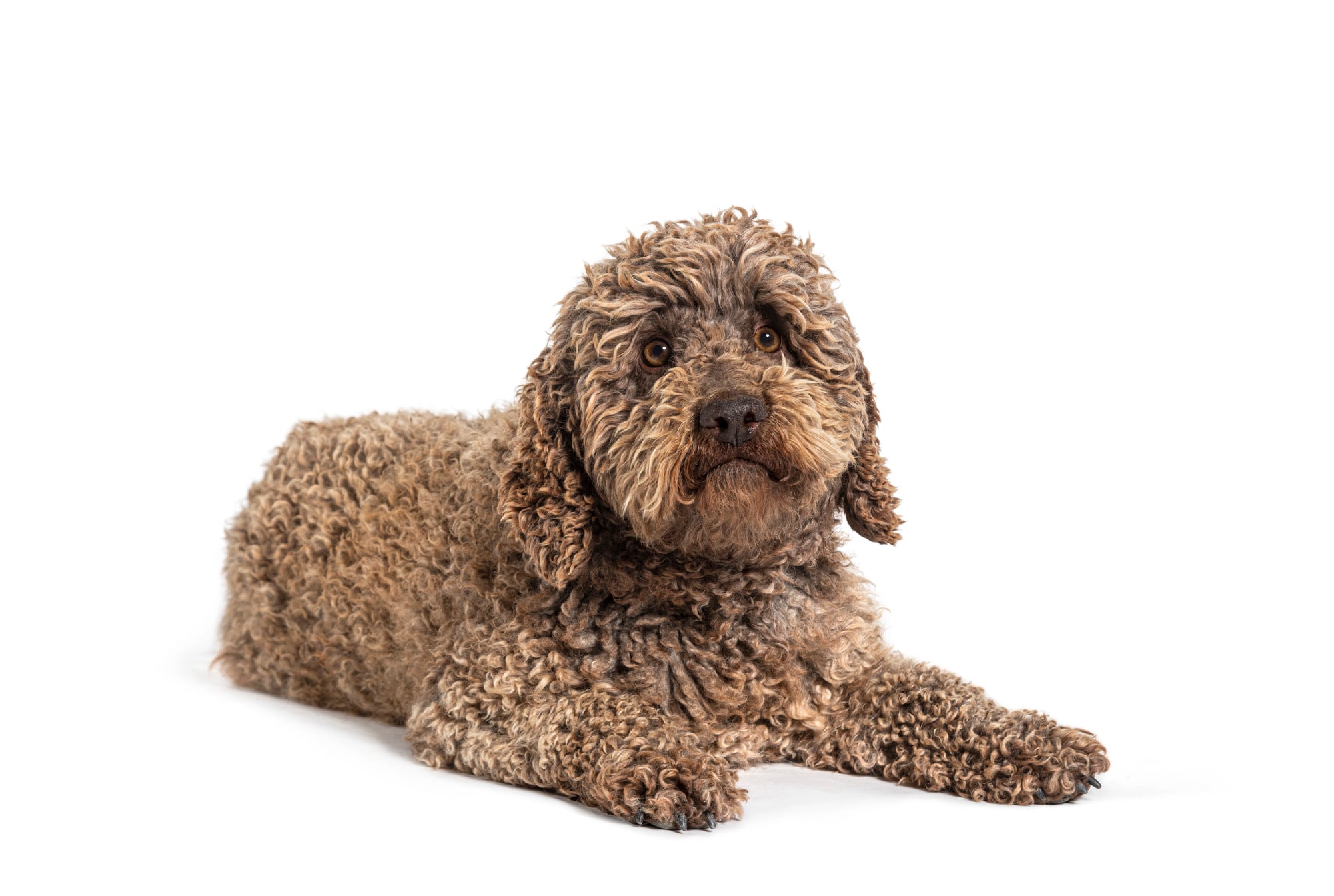
This breed proves that having a trust fund job beats unemployment every time. Lagotto Romagnolos were bred for one luxury purpose: finding truffles buried in Italian soil, and they approach this work with the focused intensity of someone whose entire existence revolves around locating the world’s most expensive fungi.
The curly coat that makes them look like animated teddy bears actually serves a practical purpose — it protects them from thorns and underbrush while they root through forest floors, repelling water and debris while they dig. Their noses operate on a level that makes other scent hounds seem amateur by comparison.
They can identify truffle species by scent alone, distinguish between mature and immature specimens, and locate buried treasures that electronic devices miss entirely. Outside Italy, Lagotto Romagnolos remained virtually unknown until recently.
The truffle industry kept them as closely guarded secrets — when your dog can locate buried treasure worth hundreds of dollars per pound, you don’t advertise. Modern Lagotto Romagnolos often surprise their owners by showing intense interest in buried objects and underground scents despite never having seen a truffle, suggesting the skill runs deep in their genetics.
Mudi
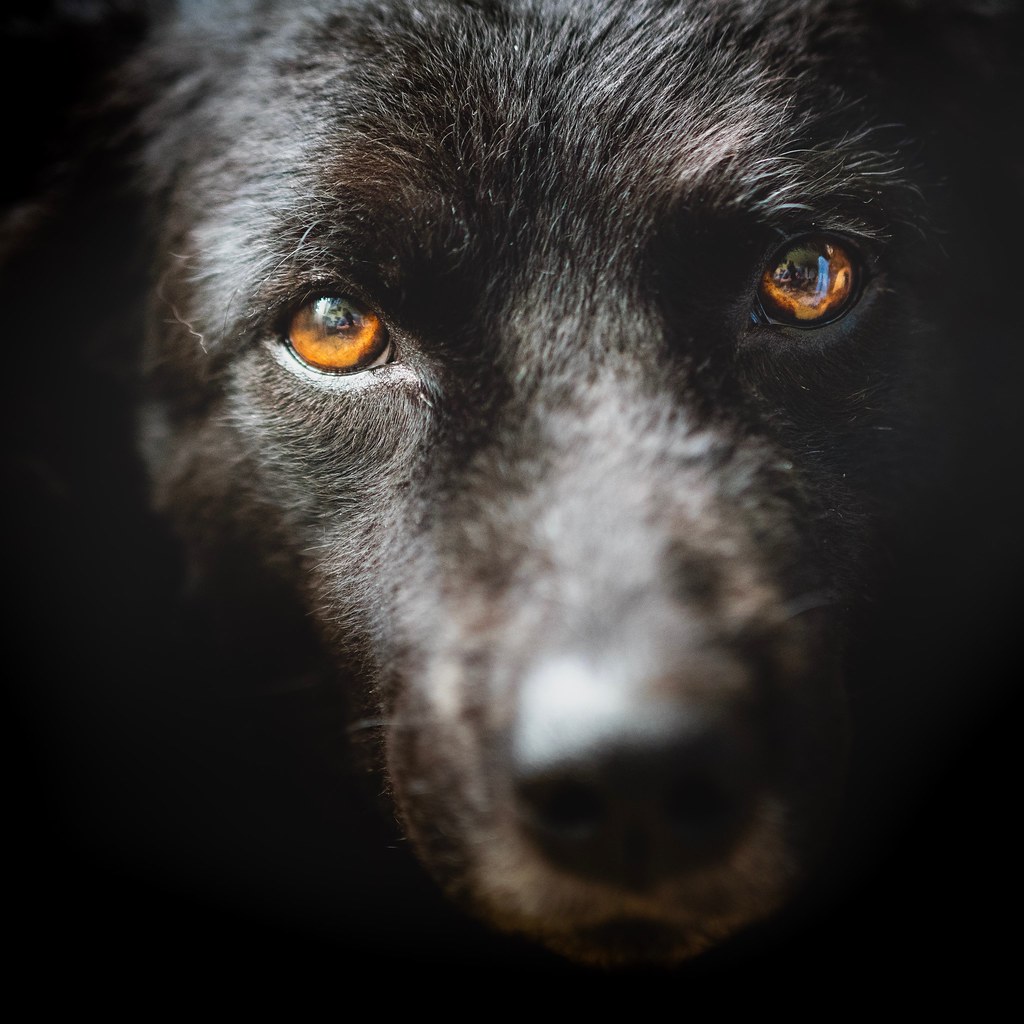
Hungary’s best-kept secret spent decades working sheep and cattle in rural obscurity, developing a work ethic so intense it borders on obsessive. The Mudi (pronounced “moo-dee”) approaches herding like a chess master playing three-dimensional chess — calculating, anticipating, and adjusting strategy faster than the livestock can think to resist.
The breed almost disappeared entirely during World War II, saved only because a few rural Hungarian families refused to give up their working dogs despite food shortages and political chaos. These dogs survived on scraps and determination, maintaining their bloodlines through sheer stubbornness while more prominent breeds suffered devastating losses.
Mudis don’t just move livestock — they problem-solve in real time, figuring out individual animal personalities and adjusting their approach accordingly. The American Kennel Club only recognized them in 2022, making them one of the newest additions to an ancient registry.
Azawakh
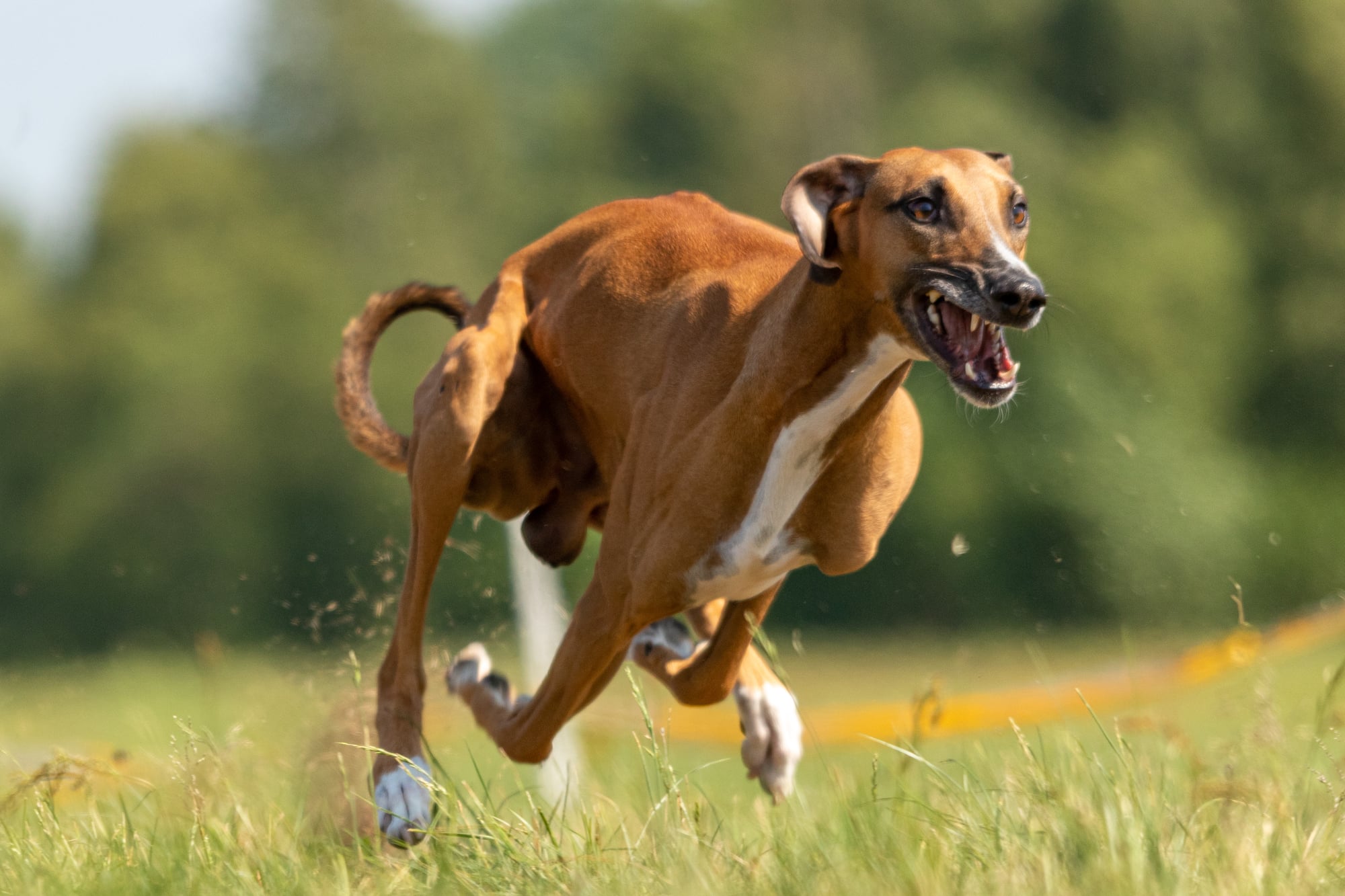
Picture a dog that moves like poetry written in muscle and bone, and you’re approaching what the Azawakh brings to motion. These West African sighthounds spent centuries running alongside the nomadic peoples of the Sahel, covering impossible distances across terrain that would break other breeds while maintaining an elegance that suggests they’re barely trying.
The lean build that makes them look almost fragile actually represents perfect engineering for their original job. Every line of their body serves speed and endurance over harsh landscapes where survival demanded both.
Their attachment to family runs deeper than most breeds manage, but they extend trust cautiously to outsiders, maintaining a reserve that feels less like shyness and more like careful judgment. Azawakhs didn’t reach American shores until the 1980s, and even now they remain rare enough that seeing one feels like witnessing something that stepped out of ancient African art.
Xoloitzcuintli
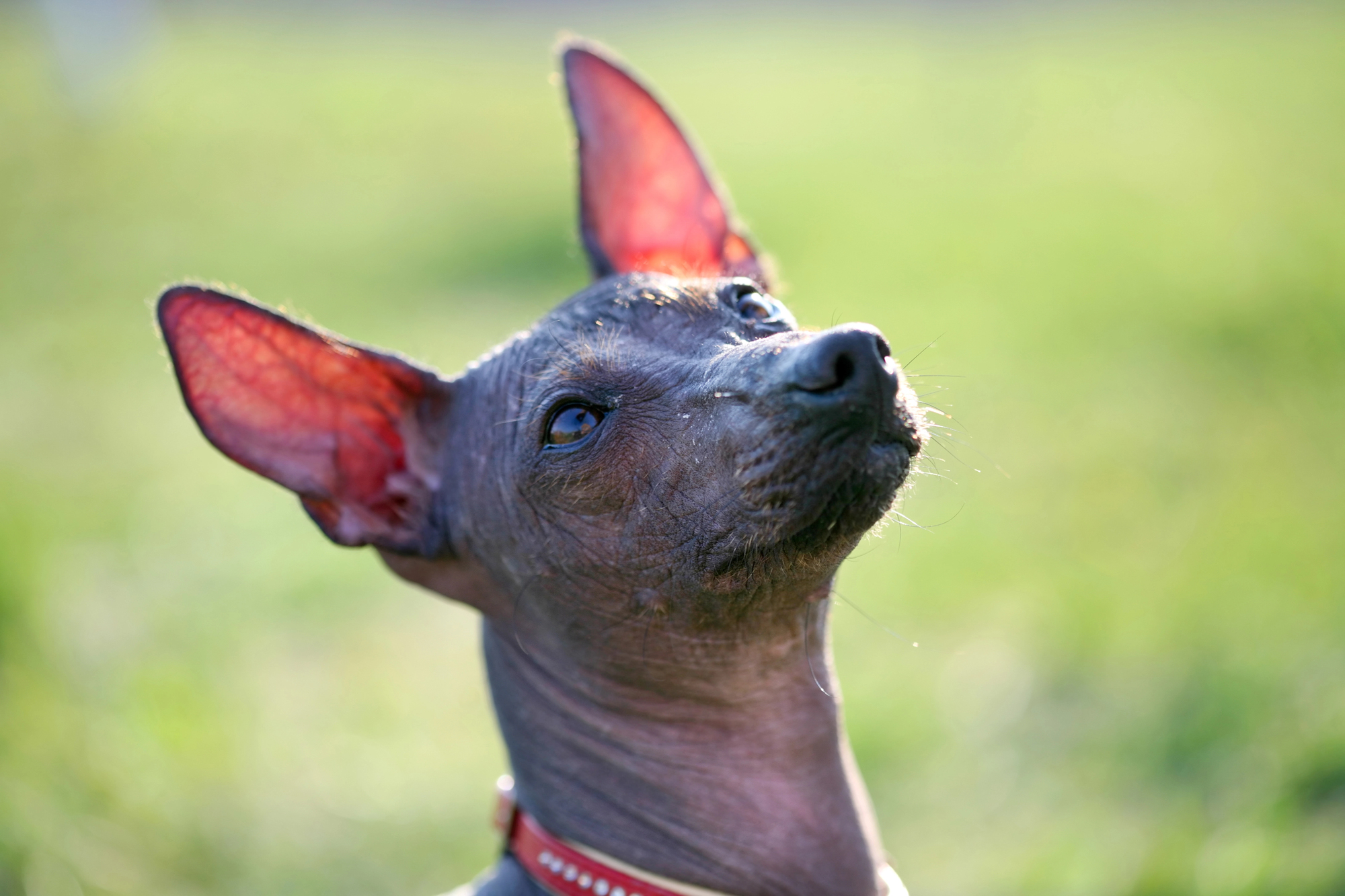
Mexico’s hairless treasure carries three thousand years of history in its genes, which makes it both one of the world’s oldest breeds and one of its most unusual. The Xoloitzcuintli (pronounced “show-low-itz-QUEENT-lee”) served as both companion and spiritual guide in Aztec culture, believed to help souls navigate the underworld after death.
The hairless variety requires sunscreen and sweaters, turning basic care into a routine that resembles caring for a very athletic, four-legged person with specific skin needs. The coated variety grows a full coat but remains otherwise identical to its hairless siblings, creating litters where some puppies need sunblock while others need brushing.
The breed nearly went extinct in the 1950s before Mexican artists like Diego Rivera championed their preservation, recognizing them as living pieces of pre-Columbian culture that deserved protection.
Catalburun
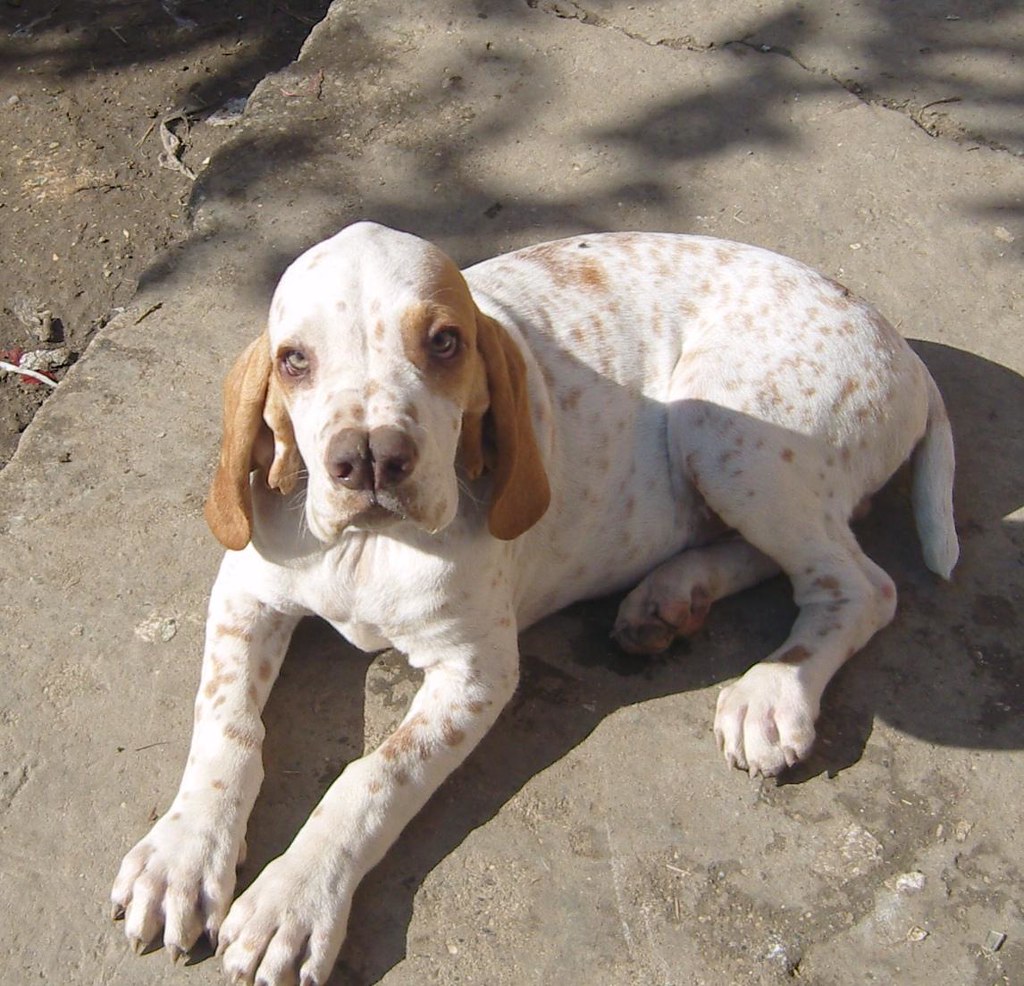
Turkey’s split-nosed pointer represents one of nature’s strangest experiments in canine design. The Catalburun’s nose literally divides into two distinct nostrils separated by a groove deep enough to slide a pencil into, creating a facial feature so unusual that most people assume they’re looking at an injury rather than a breed characteristic.
This bizarre nose structure actually enhances their scenting ability, though exactly how remains somewhat mysterious. Turkish hunters swear by their tracking skills, claiming the split nose provides superior air intake and scent discrimination.
The breed exists almost exclusively in Turkey, with international recognition coming only recently. Finding one outside Turkish borders requires connections within the country’s hunting community and patience measured in years rather than months.
Finnish Spitz
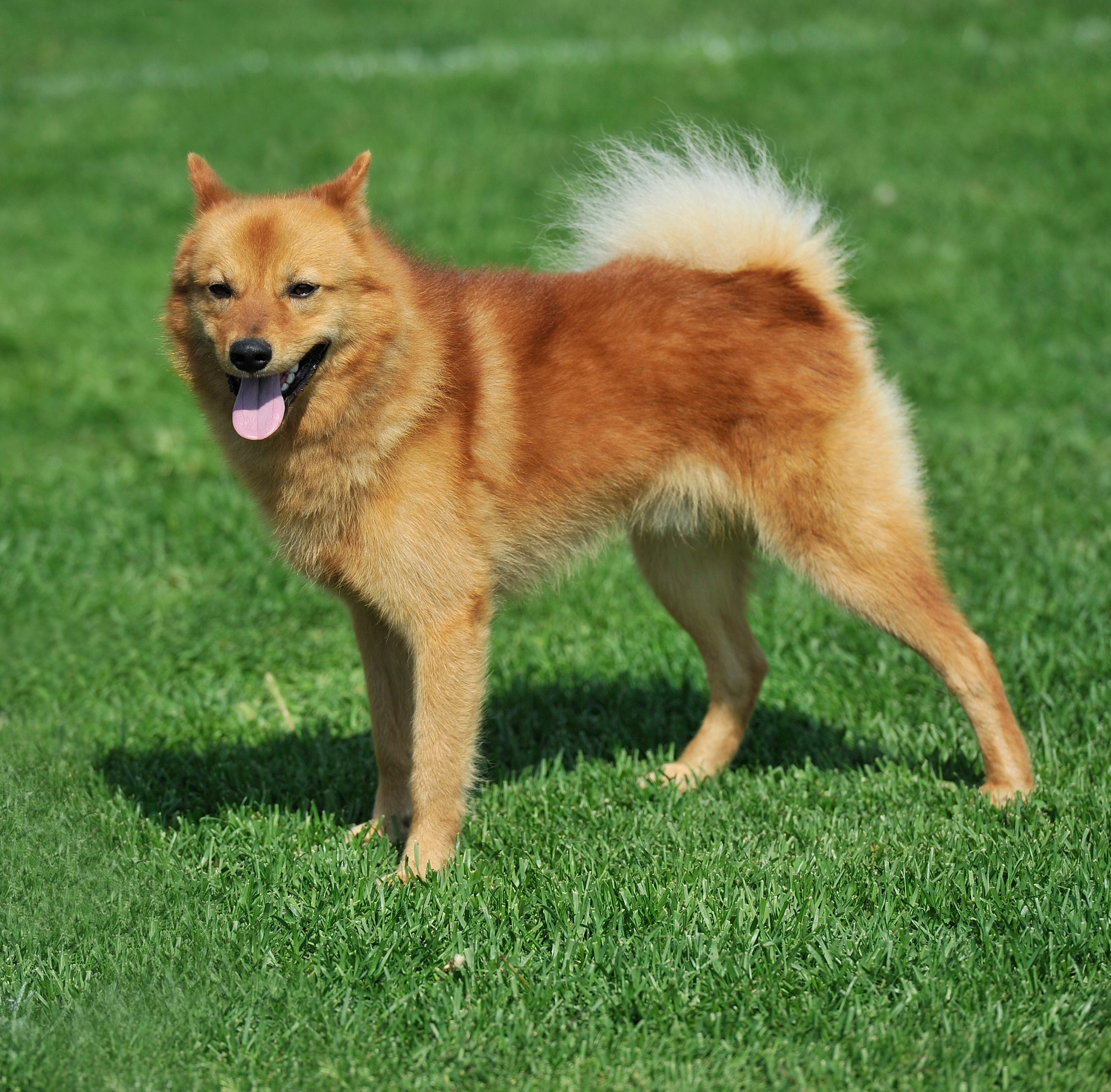
Finland’s national dog approaches barking like an art form that deserves formal recognition. Finnish Spitz were bred to hunt birds by barking at them until they became so mesmerized by the sound that they forgot to fly away, allowing hunters to approach within shooting range.
The barking serves a precise purpose: they modulate tone, rhythm, and volume to communicate specific information about their quarry’s location, behavior, and species. Finnish hunters traditionally could identify individual dogs by their barking patterns and interpret what each dog was reporting from considerable distances.
Yet this breed that built its reputation on vocal communication often displays a surprising selectiveness about when to use their voice — they’re perfectly capable of moving through forests in complete silence when the situation demands stealth.
Thai Ridgeback
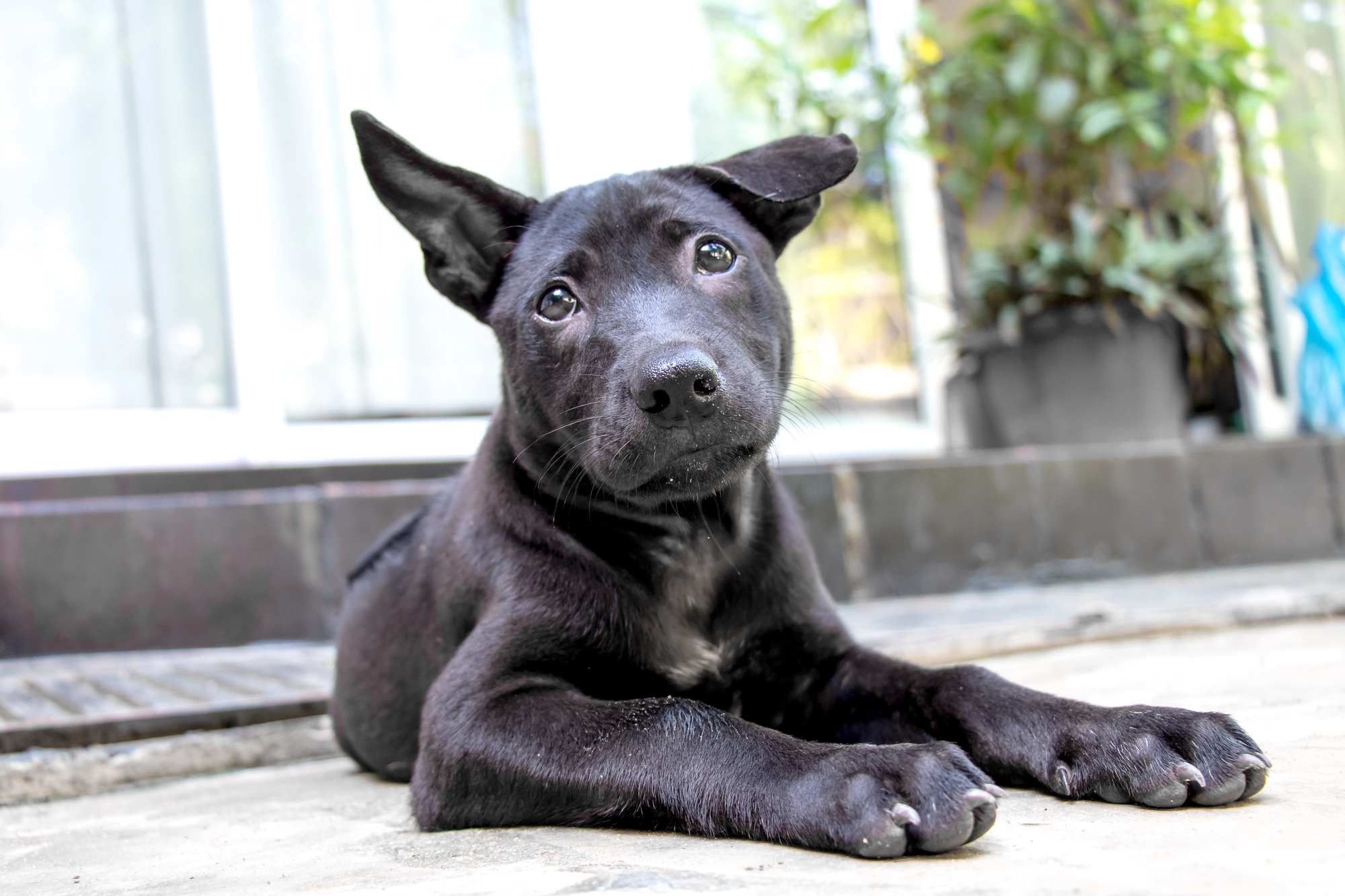
Thailand’s ancient guardian carries its signature ridge of backward-growing hair like a mohawk that evolution designed for intimidation purposes. Thai Ridgebacks spent centuries protecting villages and accompanying traders along remote routes where their independence and suspicious nature toward strangers meant the difference between safe passage and disaster.
The ridge itself serves no practical purpose beyond identification — it’s simply a genetic quirk that became a breed trademark. But everything else about their build reflects serious working heritage: the muscular frame, the alert expression, the way they move through space like they’re constantly assessing threats and calculating responses.
These dogs form intense bonds with their families while maintaining a polite distance from everyone else — not aggressive toward strangers so much as professionally uninterested, the way experienced security guards treat people they don’t recognize.
Preserving the Exceptional

These breeds exist in a space between extinction and recognition, maintained by small communities of dedicated breeders who understand that popularity often destroys the very qualities that make something special. Each represents a different solution to specific challenges — hunting puffins on cliff faces, finding truffles in forest soil, climbing into elevated homes, tracking game through mountain forests.
Their rarity isn’t accidental. It reflects the narrow circumstances that created them and the changing world that made their original purposes obsolete. Yet something valuable persists in their bloodlines — not just genetic diversity, but approaches to problem-solving, loyalty, and work that more common breeds have bred away in favor of easier traits.
Preserving them means accepting that some relationships require more effort, understanding, and patience than others. Sometimes that’s exactly what makes them worth the trouble.
More from Go2Tutors!

- The Romanov Crown Jewels and Their Tragic Fate
- 13 Historical Mysteries That Science Still Can’t Solve
- Famous Hoaxes That Fooled the World for Years
- 15 Child Stars with Tragic Adult Lives
- 16 Famous Jewelry Pieces in History
Like Go2Tutors’s content? Follow us on MSN.