Weird Diseases You Won’t Believe Are Real
The human body is a marvel of biological engineering, but sometimes that engineering goes spectacularly wrong in ways that seem lifted from science fiction. These aren’t the common ailments that fill medical textbooks or the conditions your doctor warns you about during routine checkups.
These are the medical mysteries that make seasoned physicians do double-takes and send patients down rabbit pits of specialist appointments and bewildered second opinions. Some sound like elaborate pranks dreamed up by medical students.
Others seem designed by a universe with a particularly dark sense of humor.
Alien Hand Syndrome

Your hand rebels. It moves without permission, grabs objects you don’t want, fights against your other hand like it belongs to someone else entirely.
People with alien hand syndrome watch their own limb perform complex actions — unbuttoning shirts, reaching for objects, even slapping them — while feeling completely disconnected from the movement. The hand works perfectly fine from a motor perspective.
It just doesn’t take orders from its owner anymore.
Foreign Accent Syndrome

There’s something quietly devastating about waking up speaking in someone else’s voice. Foreign accent syndrome strips away one of the most fundamental markers of identity — how words sound coming out of your mouth — and replaces it with what sounds like an elaborate performance.
The accent that emerges isn’t random; it tends to follow patterns that make neurological sense, even if they make no social sense. An American might develop what sounds like a British accent, not because they’ve been secretly watching BBC programs, but because the brain damage has altered the specific muscles and timing involved in speech production.
The result mimics familiar accent patterns without any cultural connection whatsoever.
People describe feeling like strangers in their own conversations. Family members struggle to adjust to what sounds like a completely different person speaking familiar thoughts.
The accent becomes a daily reminder that something fundamental has shifted, and there’s no going back to the voice that once felt like home.
Alice in Wonderland Syndrome
Objects grow and shrink without warning. Your hands look enormous, then impossibly tiny.
Alice in Wonderland syndrome messes with perception in ways that make reality feel negotiable. People describe watching their own body parts expand and contract like they’re viewing themselves through a funfun mirror that keeps changing its mind.
The condition often strikes children, which makes the whole experience even more disorienting — imagine trying to explain to a six-year-old that the walls aren’t actually breathing and their hands aren’t really the size of dinner plates.
Episodes can last minutes or hours. There’s no predicting when the world will start behaving strangely, which makes normal activities feel like walking through a landscape that might shift without notice.
Werewolf Syndrome
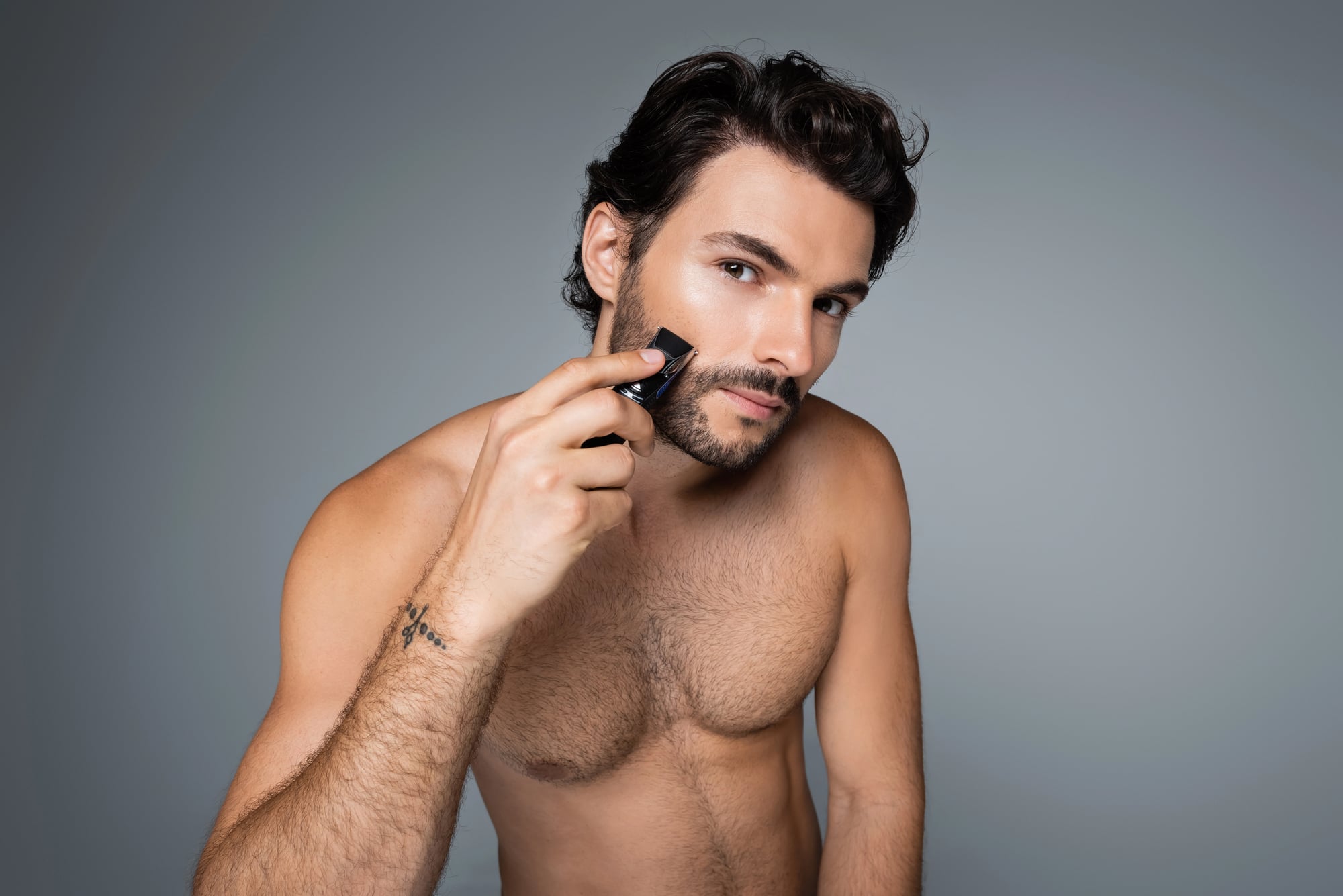
Hypertrichosis covers the body in hair with the sort of enthusiasm typically reserved for mammals preparing for harsh winters, and it doesn’t particularly care about social norms or personal preferences when it comes to where that hair decides to grow (which is basically everywhere, including places like the face and palms where humans typically remain politely hairless). The condition can be present from birth or develop later in life.
While it’s medically harmless, the social implications are anything but trivial — people with severe hypertrichosis often found themselves displayed in circuses during less enlightened times, labeled as “wolf people” or other similarly tactful designations. Modern treatments exist, but they’re time-consuming and expensive: laser hair removal becomes a lifelong commitment rather than a cosmetic choice, and even then, the results aren’t always permanent.
And yet the condition remains primarily a social challenge rather than a medical one. The body works fine; it just happens to be covered in hair that makes other people uncomfortable.
Tree Man Syndrome

Bark-like growths spread across hands and feet, transforming human skin into something that belongs in a forest. Epidermodysplasia verruciformis creates warts that grow and multiply until they resemble the gnarled exterior of an ancient tree.
The condition stems from an immune system that can’t fight off certain types of human papillomavirus. What would cause minor skin irritation in most people becomes a slow takeover of the body’s surface.
The growths can become so extensive that they interfere with basic functions — imagine trying to use your hands when they’re encased in what looks like tree bark. Surgery can remove the growths, but they tend to return.
Patients often undergo multiple procedures, knowing that each removal is temporary. The condition transforms the body into something that feels foreign to its inhabitant, a daily reminder that biology doesn’t always follow the rules everyone expects it to follow.
Walking Corpse Syndrome
Cotard’s syndrome convinces people that they’re dead. Not metaphorically dead or feeling lifeless — actually, literally deceased and somehow still walking around.
Patients describe feeling like their organs have stopped working, their blood has ceased flowing, or their body has begun rotting from the inside out. Some become convinced that they don’t exist at all, that they’re observing the world from some impossible vantage point outside of reality.
The delusion can be so complete that people stop eating because dead people don’t need food, or refuse medical treatment because you can’t cure someone who’s already deceased. This isn’t about feeling hopeless or disconnected; it’s about genuinely believing that the fundamental state of being alive no longer applies to you.
Vampire Syndrome

Porphyria makes sunlight the enemy (along with garlic, in some cases, which probably explains where certain folklore got its start). The condition disrupts the body’s ability to produce heme, the iron-containing part of hemoglobin, and the resulting buildup of porphyrins creates a laundry list of symptoms that read like a medical guide to becoming a creature of the night.
Severe sun sensitivity means that even brief exposure to sunlight can cause painful blistering and scarring, so patients learn to live primarily after dark — which, combined with the pale skin that often accompanies the condition, creates an appearance that historical observers might have found rather familiar. The garlic sensitivity occurs because certain compounds in garlic can trigger attacks in some forms of porphyria, and during severe episodes, the gums can recede enough to make the teeth appear more prominent than usual.
But the most unsettling symptom might be the urine, which can turn dark red or brown during attacks. So patients live with a condition that makes them avoid sunlight, garlic, and potentially produces what looks disturbingly like blood in their urine.
Rapunzel Syndrome

People eat their own hair compulsively, and over time, that hair accumulates in the stomach like the world’s most disturbing hairball. Rapunzel syndrome is the extreme endpoint of trichotillomania — the urge to pull out hair — combined with trichophagia, the compulsion to eat it.
The hair doesn’t digest. Instead, it forms a mass called a trichobezoar that can grow large enough to fill the entire stomach and extend into the intestines like a long, matted tail.
Patients often don’t realize what’s happening until they develop severe abdominal pain or can’t eat normal amounts of food because there’s no room left in their stomach. Surgery is typically the only solution, and the masses that surgeons remove can weigh several pounds.
The condition almost exclusively affects young women and girls, and it’s often kept secret for years before the physical symptoms become impossible to ignore.
Sleeping Beauty Syndrome

Kleine-Levin syndrome steals weeks or months at a time through sleep that won’t end. Patients can sleep for 18-20 hours a day during episodes, waking only to eat and use the bathroom before immediately returning to bed.
When they are awake, they’re not quite themselves. Many experience hypersexuality, compulsive overeating, or aggressive behavior that’s completely out of character.
They might eat enormous quantities of food without feeling satisfied, or make inappropriate advances toward people they barely know. Once the episode ends, they often have little memory of their behavior.
Living Statue Disease
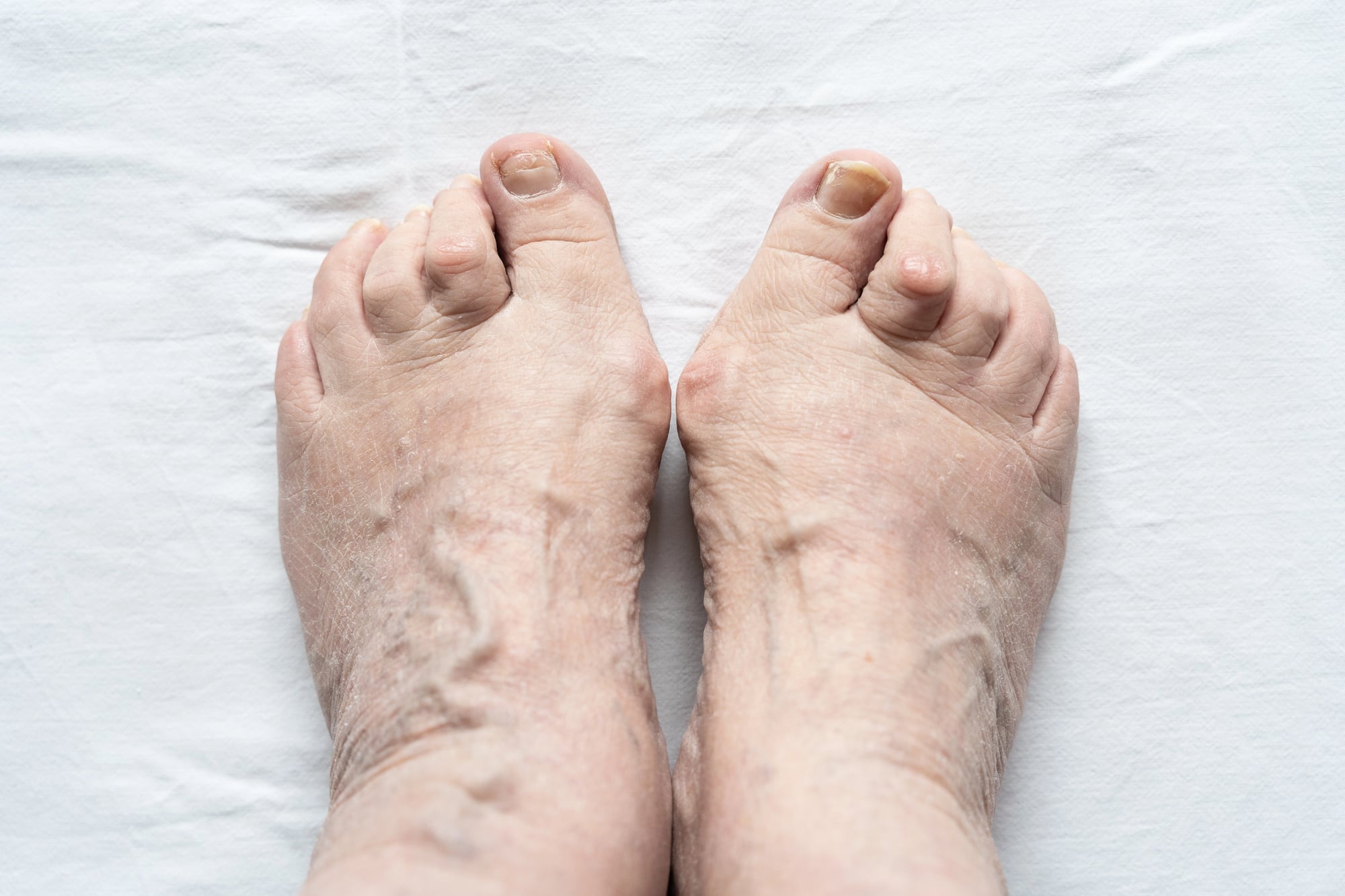
Progressive ossifying fibromyositis turns the body’s repair system against itself. Every injury, no matter how minor, triggers the formation of bone and cartilage in soft tissues where they have no business existing.
A bruised muscle doesn’t just heal — it turns to bone. A strained ligament becomes a rigid bridge of cartilage.
Over time, patients develop a second skeleton made of ectopic bone that gradually restricts movement until they’re frozen in place like living sculptures.
Exploding Head Syndrome

Loud bangs, crashes, or explosions jolt people awake, but the sounds exist only inside their heads. Exploding head syndrome creates auditory hallucinations that are startling enough to send people bolting upright in bed, convinced that something catastrophic has happened in their house.
The “explosions” typically occur during the transition between wakefulness and sleep, and they can be accompanied by flashes of light or electrical sensations. Some people describe hearing gunshots, doors slamming, or cymbals crashing.
The sounds are vivid enough that patients often get up to investigate, expecting to find evidence of whatever caused the noise. Episodes can happen nightly or disappear for months at a time.
The Wonder Of Medical Mysteries
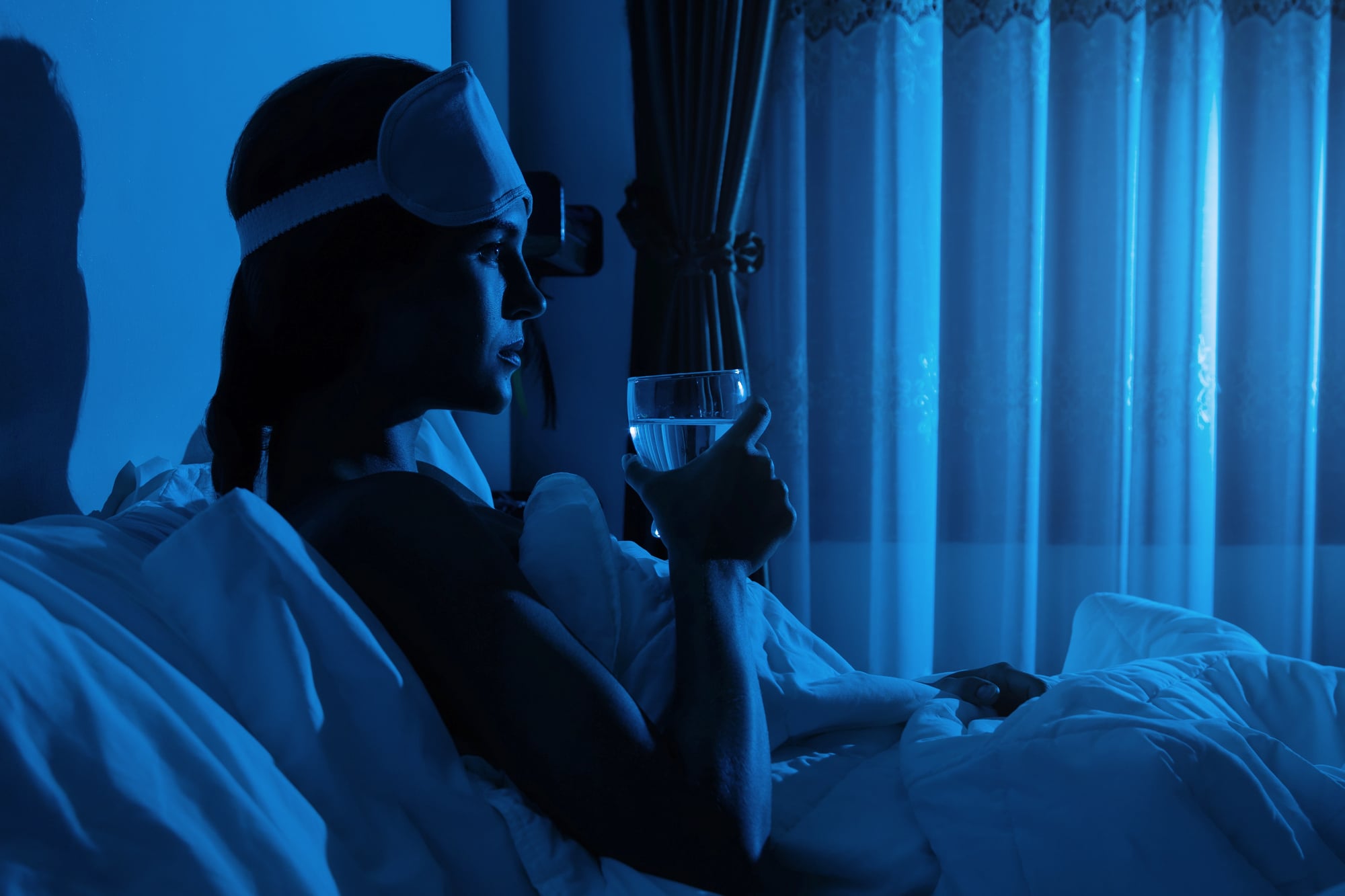
These conditions remind us that the human body operates on principles we’re still trying to understand, following biological rules that sometimes produce results that seem designed by committee members who weren’t speaking to each other. Each rare disease represents both a medical puzzle and a human story.
People learning to navigate daily life when their own biology has decided to improvise rather than follow the standard script. The rarity of these conditions makes them medical curiosities, but that rarity also means that patients often spend years searching for doctors who have seen anything like their symptoms before.
In a world where most medical problems have established treatment protocols, these diseases exist in the spaces between textbook chapters, challenging both patients and physicians to adapt to biology that refuses to behave predictably.
More from Go2Tutors!

- The Romanov Crown Jewels and Their Tragic Fate
- 13 Historical Mysteries That Science Still Can’t Solve
- Famous Hoaxes That Fooled the World for Years
- 15 Child Stars with Tragic Adult Lives
- 16 Famous Jewelry Pieces in History
Like Go2Tutors’s content? Follow us on MSN.