Most Controversial Decisions Made By U.S. Presidents Throughout History
The presidency comes with impossible choices. Every decision carries weight, and some carry consequences that echo through generations. What makes a presidential decision truly controversial isn’t just the immediate backlash—it’s the way it divides the country, challenges moral boundaries, or fundamentally alters the course of American history.
These moments reveal the stark reality of executive power: sometimes doing what you believe is right means accepting that half the nation will never forgive you for it.
Andrew Jackson’s Indian Removal Act
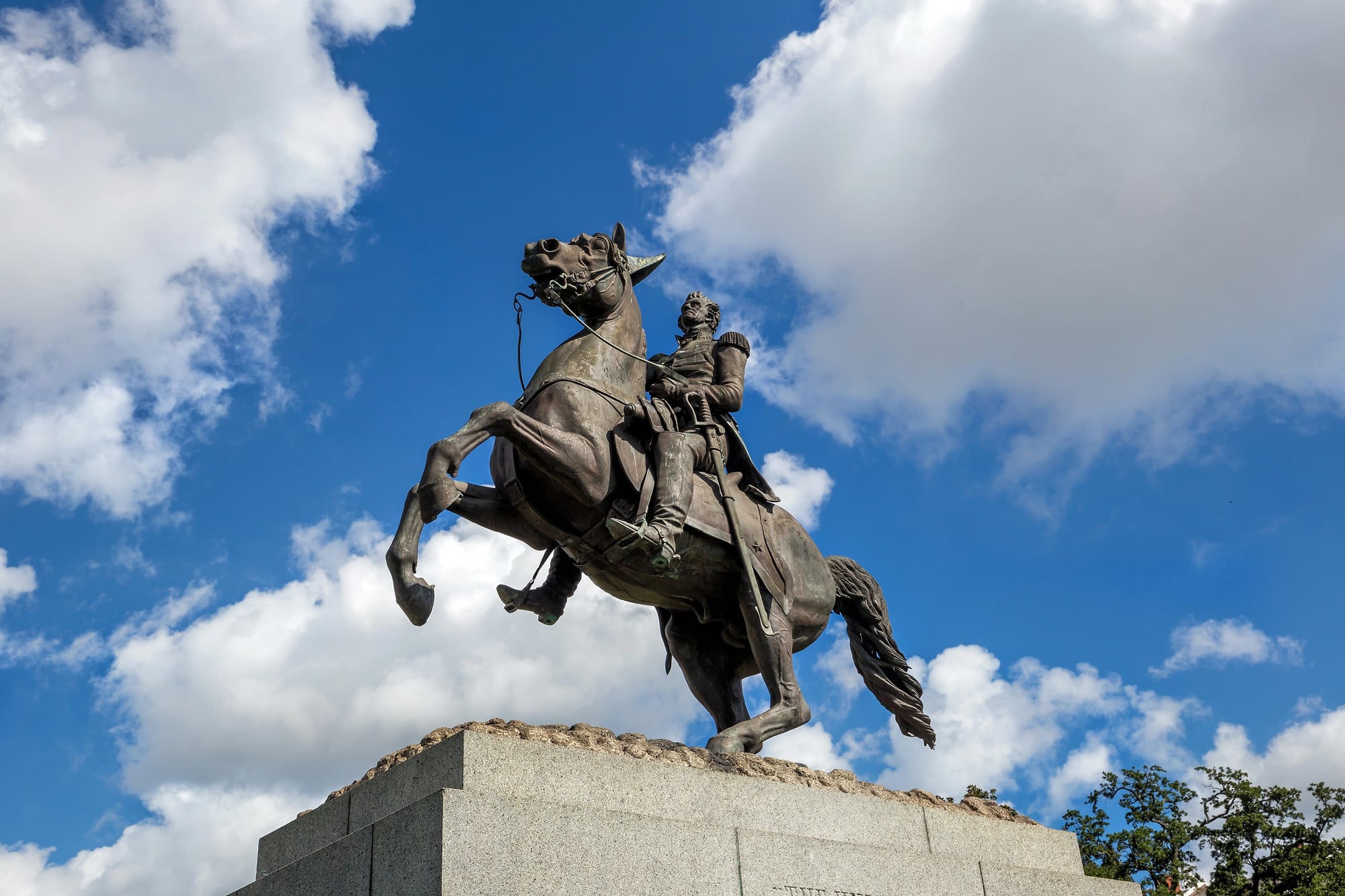
Jackson signed it in 1830. The Cherokee had their own constitution, their own government, even their own newspaper. None of that mattered.
Thousands died on the Trail of Tears, and Jackson knew they would.
Franklin D. Roosevelt’s Japanese American Internment
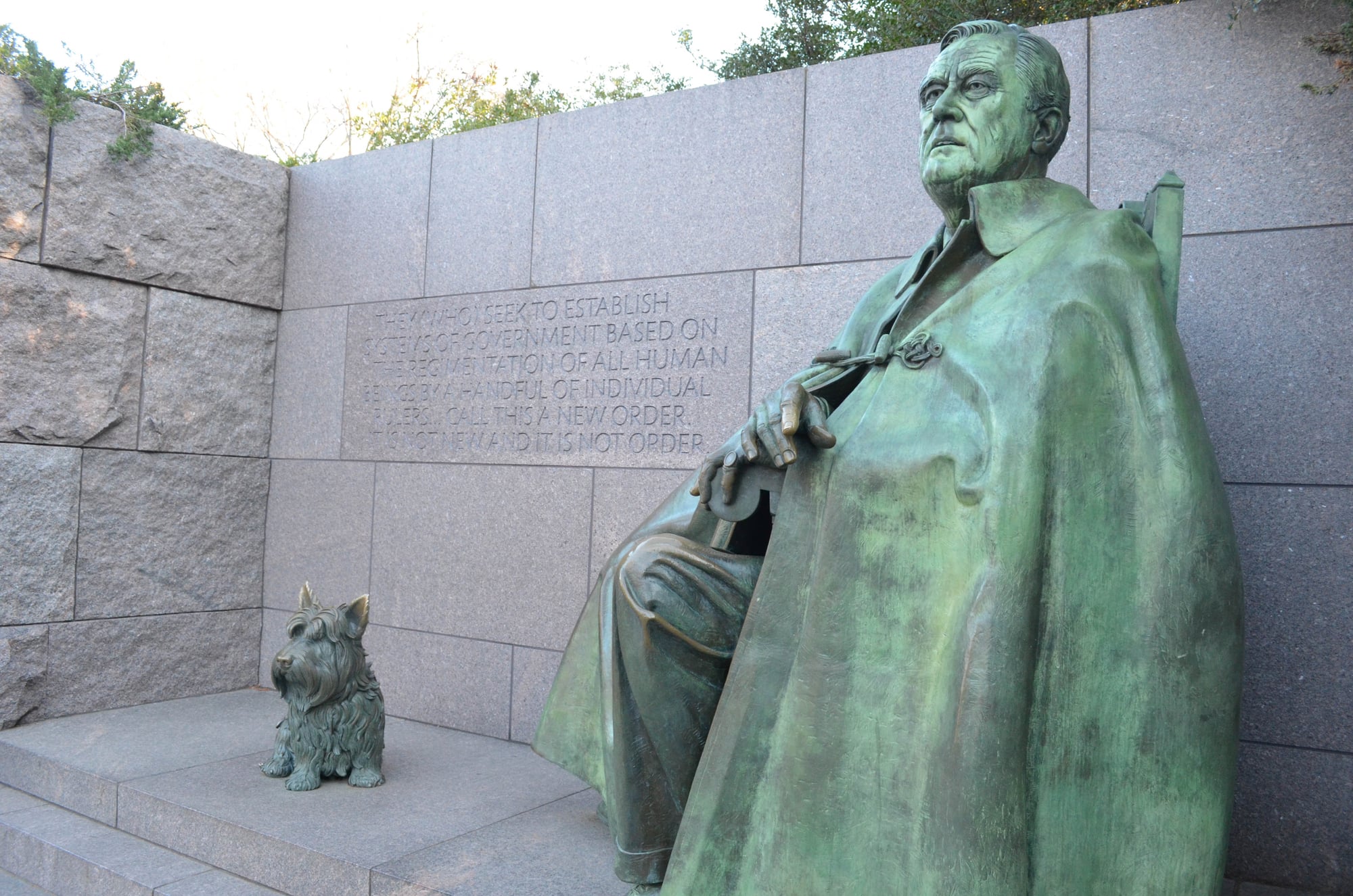
The decision to imprison over 120,000 Japanese Americans during World War II stands as one of the most shameful chapters in presidential history, and what makes it particularly haunting is how methodically it was carried out—not in a moment of panic, but through careful planning and bureaucratic precision. Roosevelt signed Executive Order 9066 just two months after Pearl Harbor, but the groundwork had been laid with chilling efficiency: identifying families, cataloging property, preparing camps in remote locations where the desert wind would remind internees daily of their isolation.
And the cruelest part is that many of these families had sons fighting in Europe at the very moment their parents were being loaded onto trains. Justice delayed.
Thomas Jefferson’s Louisiana Purchase
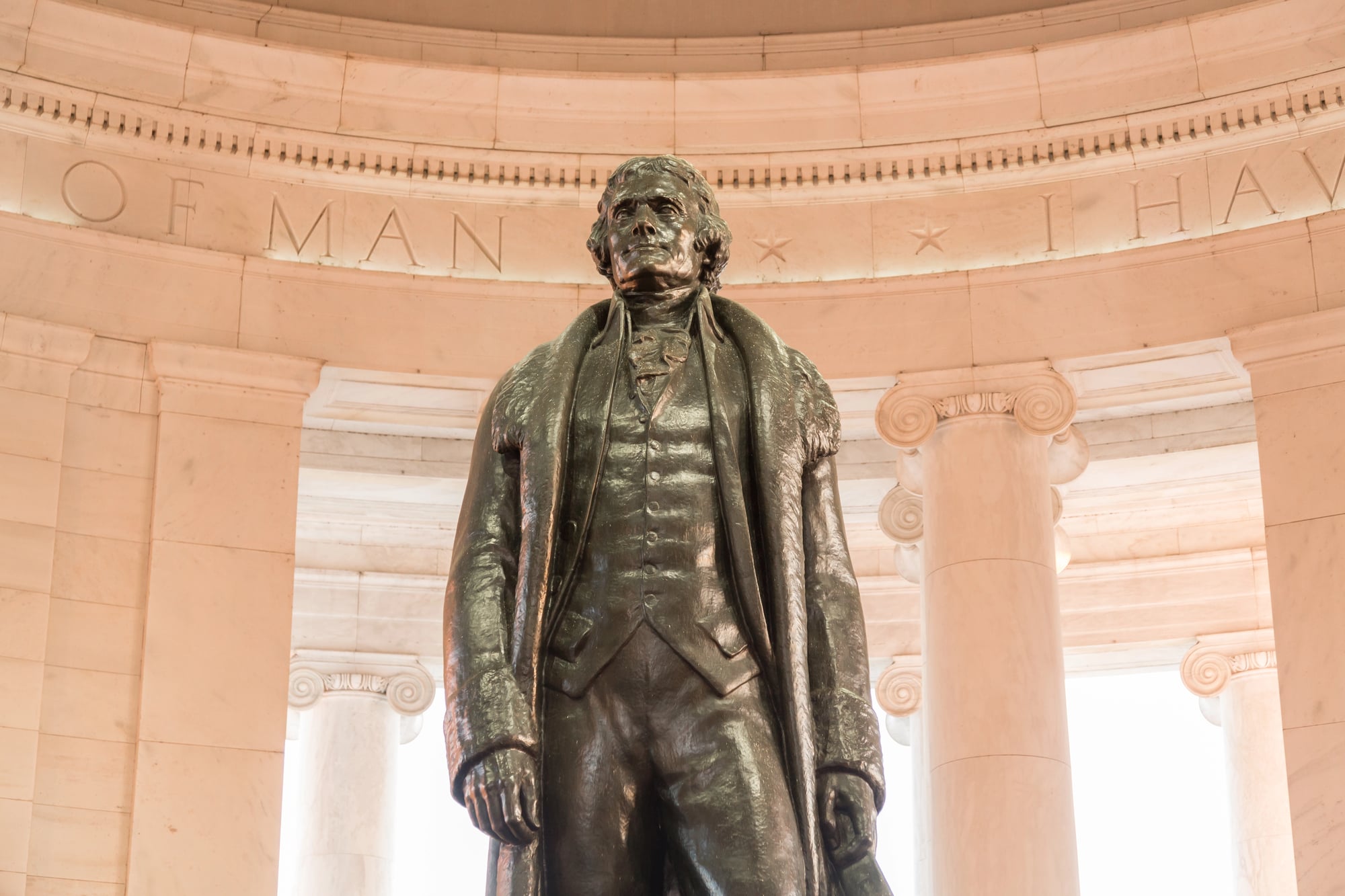
Jefferson nearly didn’t sleep for weeks before authorizing the Louisiana Purchase, and you can understand why—here was a man who had spent years arguing for strict constitutional interpretation, suddenly faced with a deal that would double the size of the country using powers the Constitution never explicitly granted him.
But Jefferson did it anyway because sometimes the future of a nation matters more than the consistency of its leaders.
Harry S. Truman’s Atomic Bombs
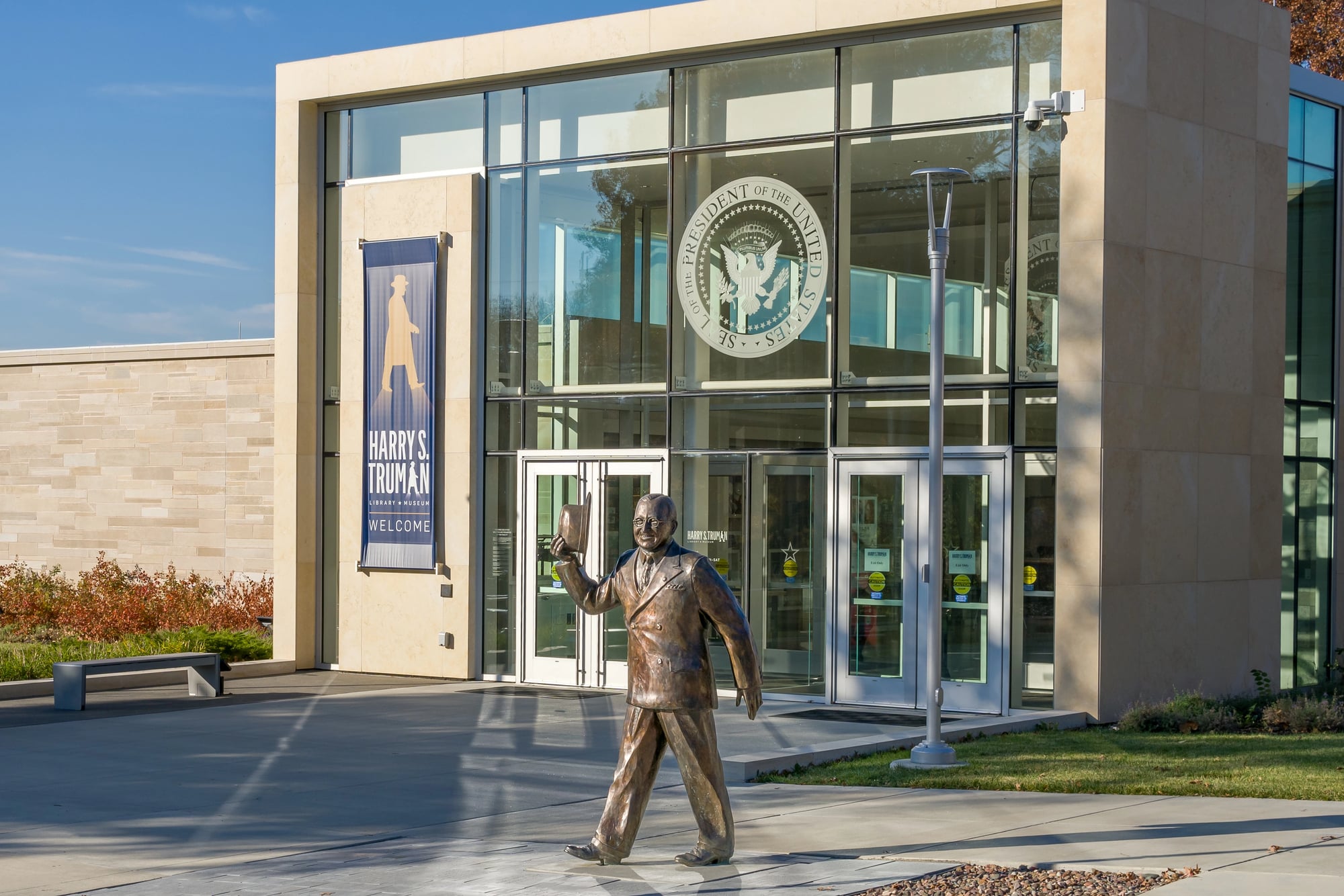
Truman made the call to drop atomic bombs on Hiroshima and Nagasaki, and every president since has had to live with the precedent he set. The math was brutal: invade Japan and lose hundreds of thousands of American soldiers, or end the war instantly with a weapon so devastating it would redefine warfare forever.
He chose the bomb, twice, and the controversy isn’t just about whether it was necessary—it’s about whether any human should wield that kind of power.
Abraham Lincoln’s Suspension of Habeas Corpus
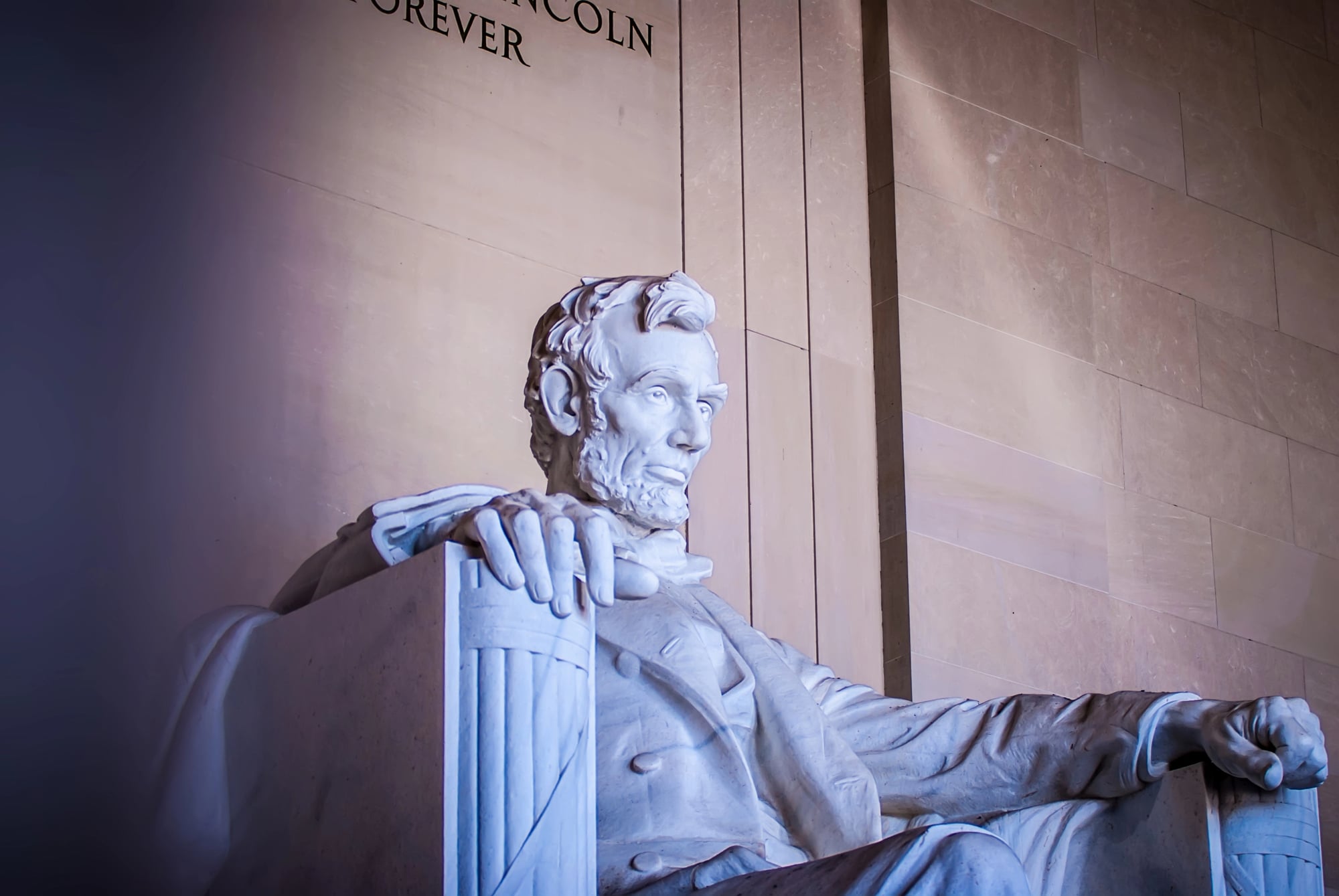
Lincoln suspended habeas corpus during the Civil War, meaning the government could arrest and detain individuals without trial, and roughly 14,000 civilians were detained under suspicion of disloyalty.
Lincoln ignored a ruling against the move and justified it as necessary to preserve the Union. The debate continues over whether saving the nation justified breaking its legal foundations.
Andrew Johnson’s Reconstruction Policies
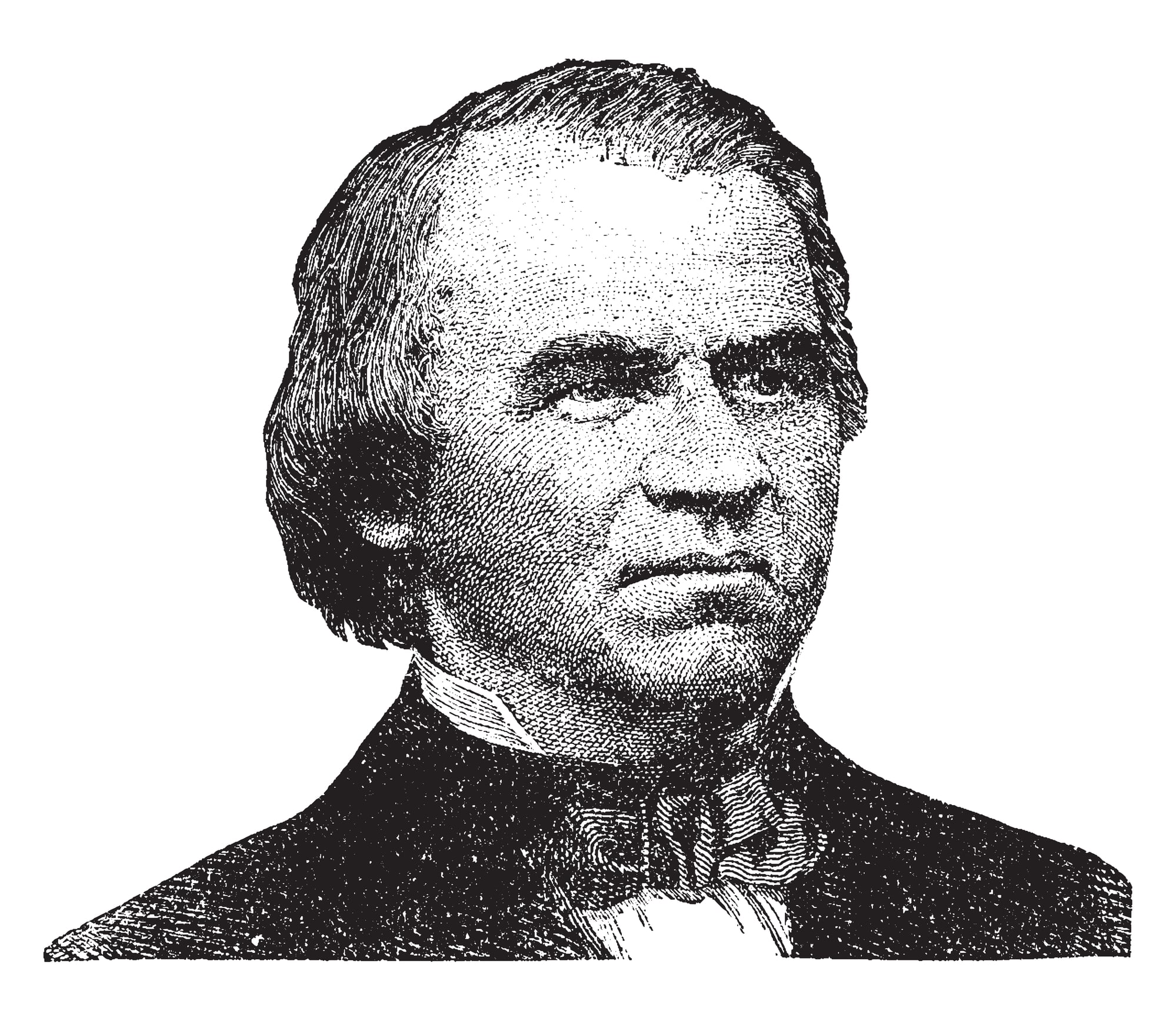
Johnson dismantled Lincoln’s Reconstruction plans, pardoned Confederate leaders, and allowed Southern states to impose Black Codes that closely resembled slavery in practice.
His policies helped pave the way for Jim Crow and decades of systemic racial oppression. Historians widely regard his presidency as a catastrophic failure of post-war leadership.
Richard Nixon’s Cambodia Bombing
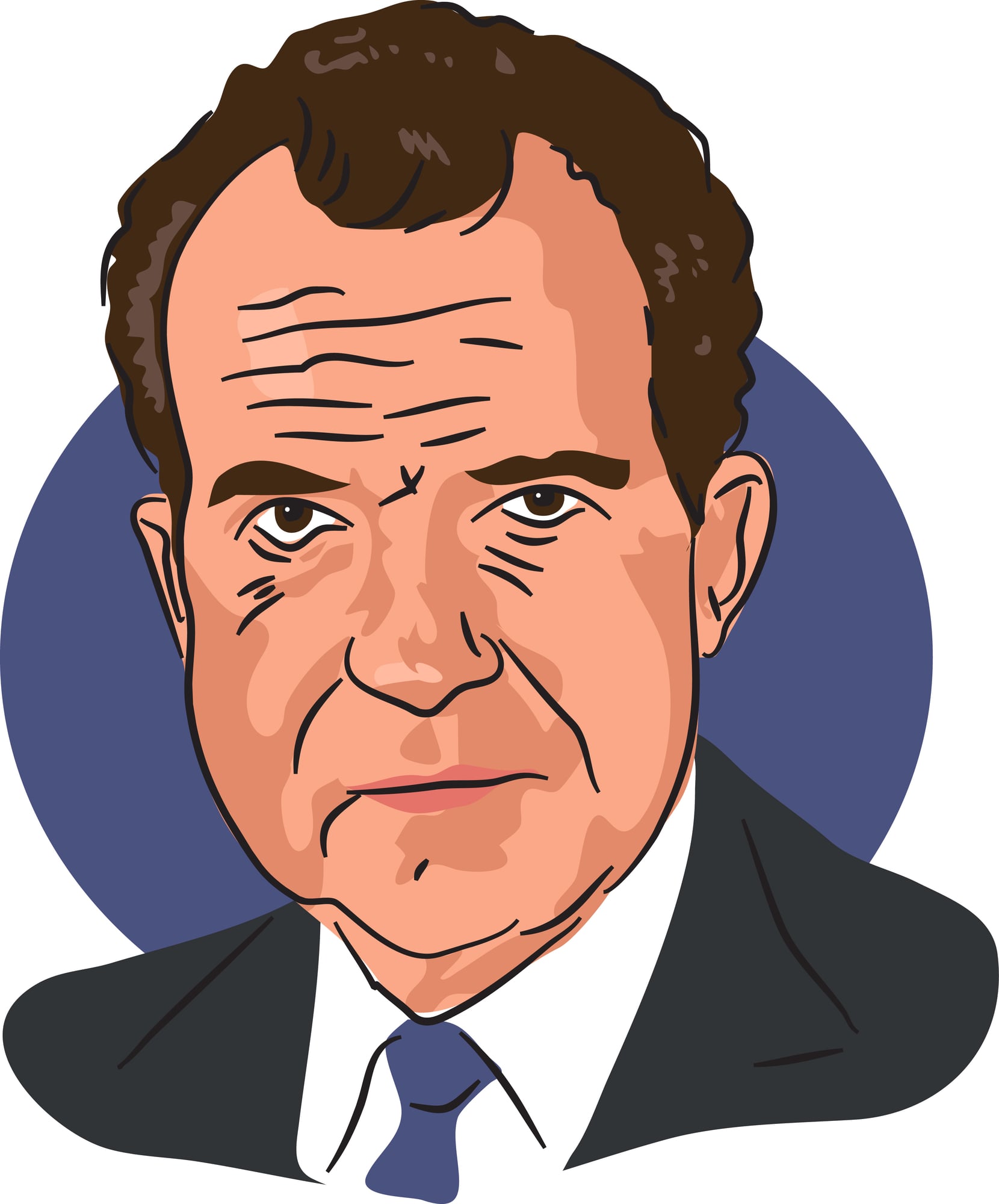
Nixon secretly expanded the Vietnam War into Cambodia through extensive bombing campaigns that remained hidden from Congress and the public for over a year.
The operation destabilized Cambodia and contributed to the rise of the Khmer Rouge. The secrecy surrounding the decision deepened distrust in government during an already volatile era.
Woodrow Wilson’s Segregation of Federal Offices
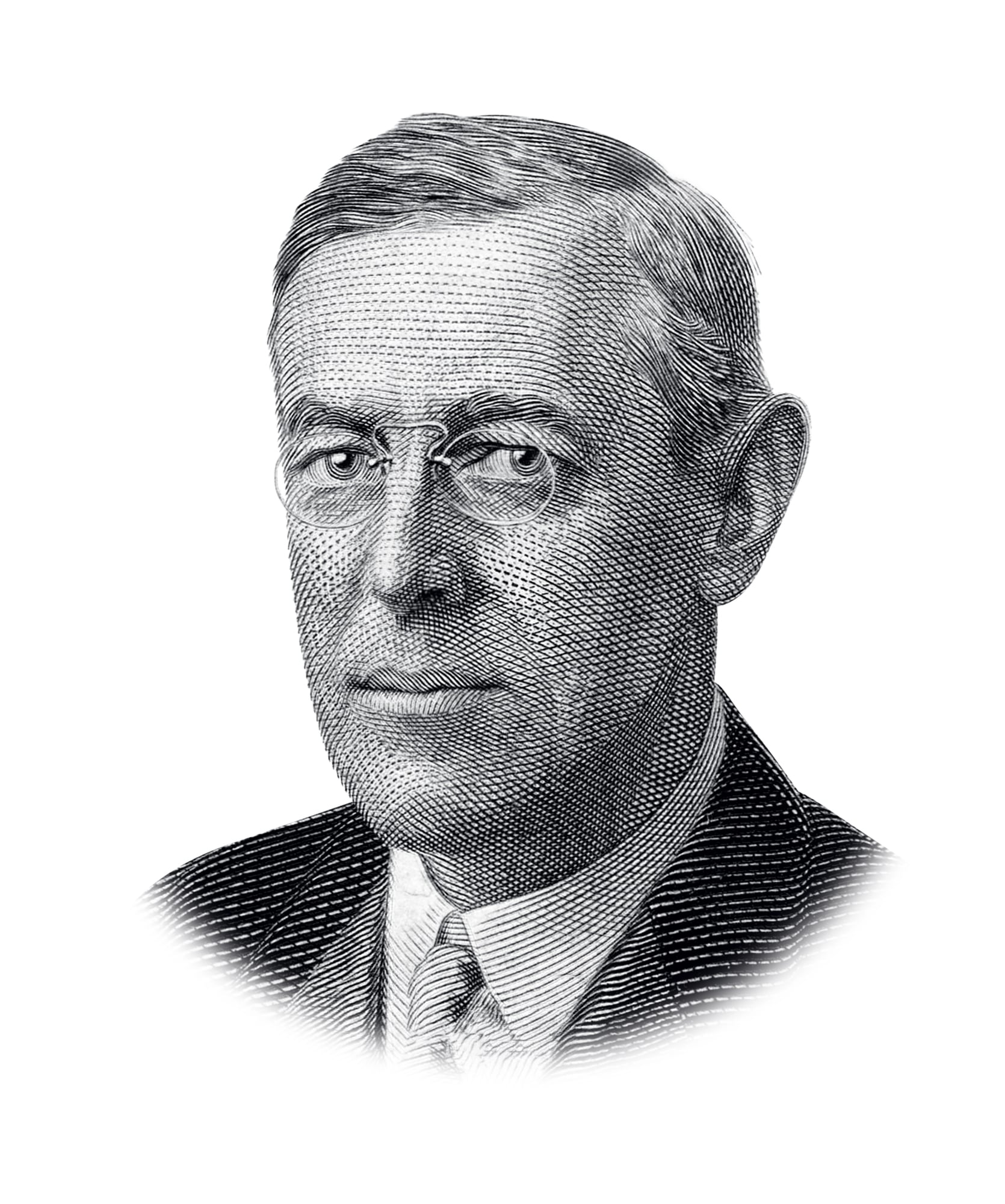
Wilson introduced segregation into federal workplaces, reversing years of racial integration in government offices. Black employees were forced into segregated facilities and excluded from equal participation in federal workspaces.
The policy institutionalized discrimination at the highest levels of government and marked a significant rollback in civil rights progress.
Franklin D. Roosevelt’s Court-Packing Plan
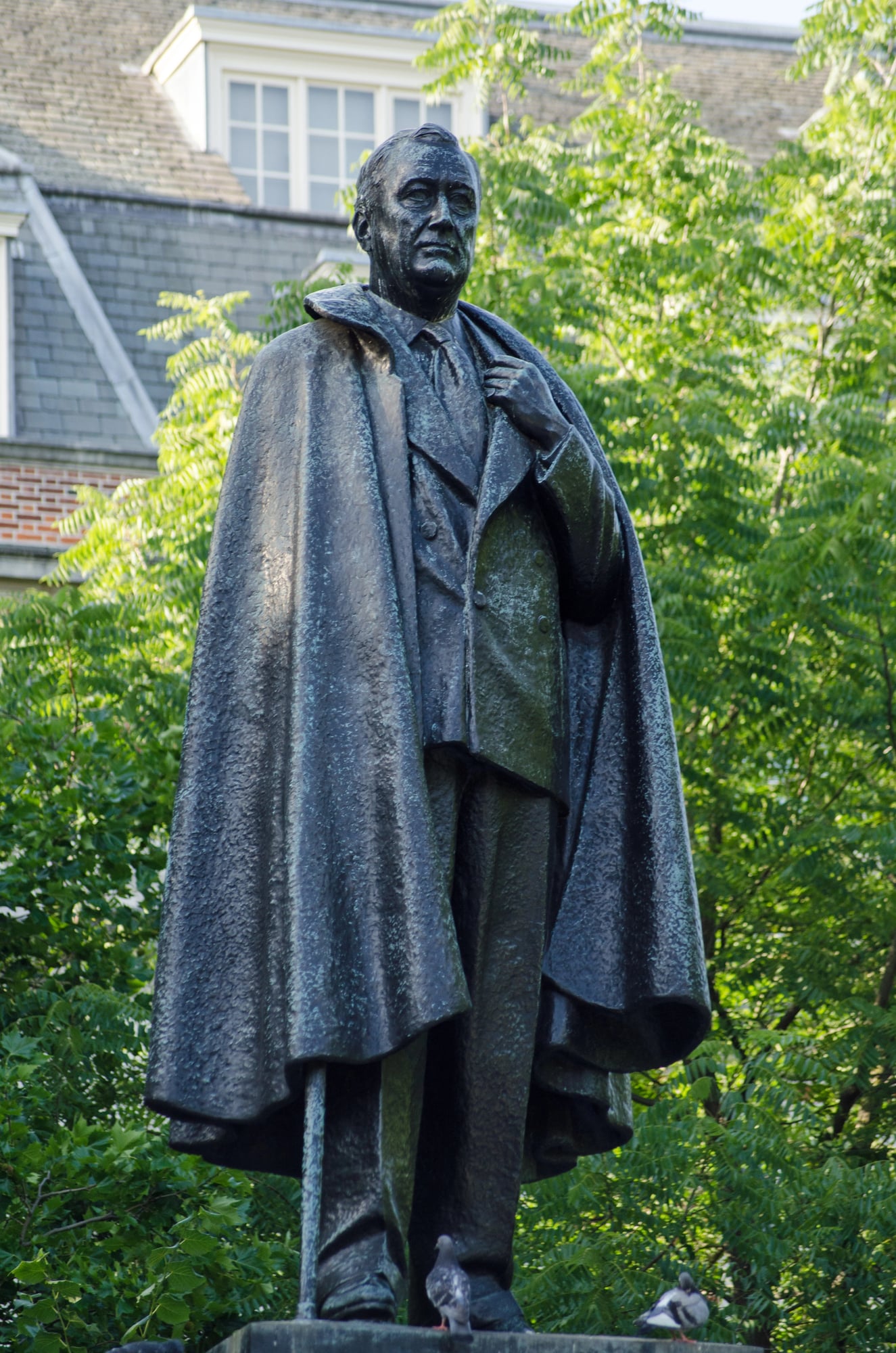
Frustrated by Supreme Court rulings striking down New Deal programs, Roosevelt proposed expanding the Court by adding six new justices.
The plan was widely seen as an attempt to shift judicial balance in his favor and was rejected even by members of his own party. It ultimately damaged Roosevelt’s political standing despite his popularity.
James K. Polk’s Mexican-American War
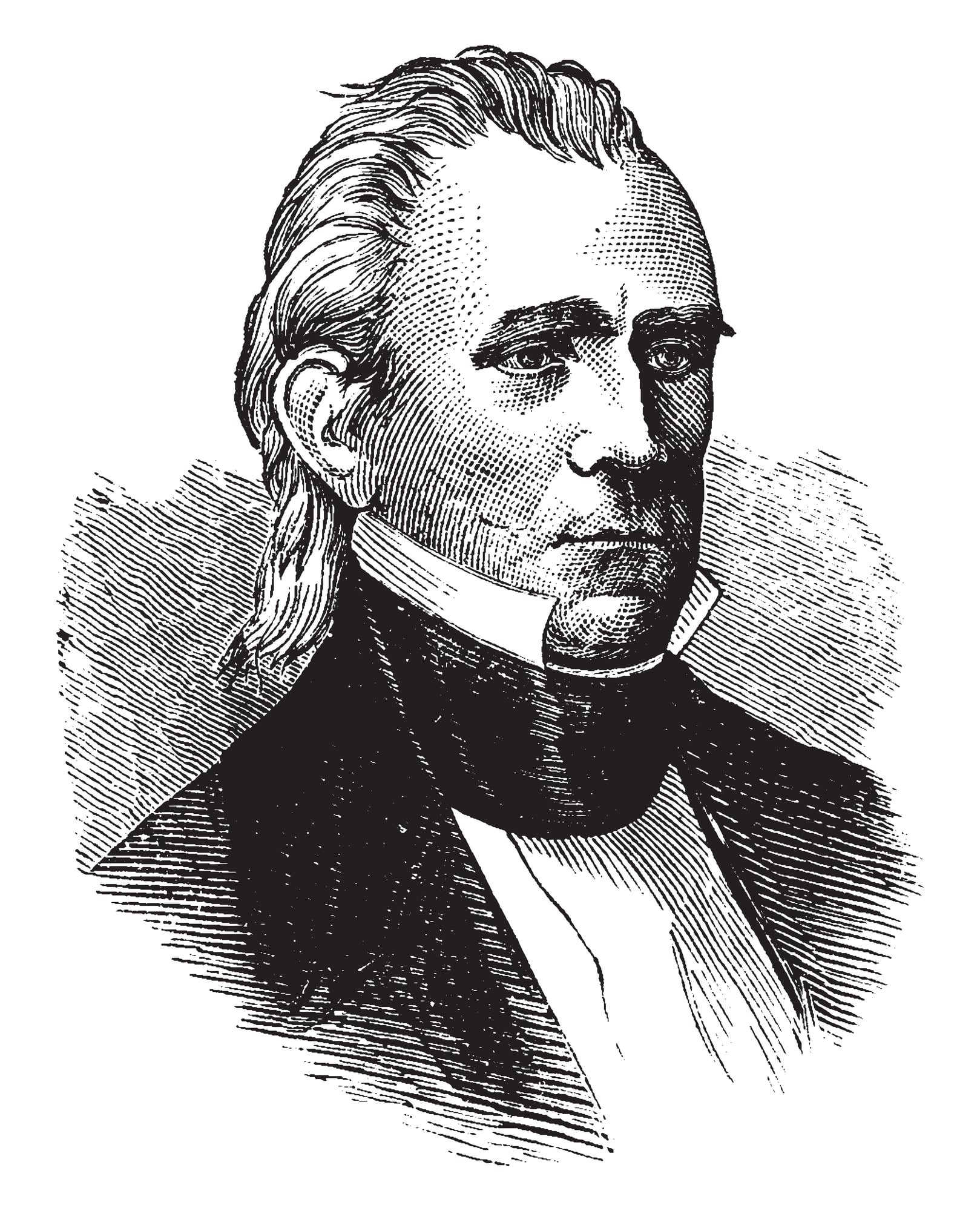
Polk provoked conflict with Mexico over disputed territory, leading to a war that expanded U.S. territory dramatically. Critics argued the war was based on manipulated or exaggerated claims of aggression.
The victory came at a moral cost and intensified national divisions over slavery’s expansion into new territories.
John Adams’s Alien and Sedition Acts
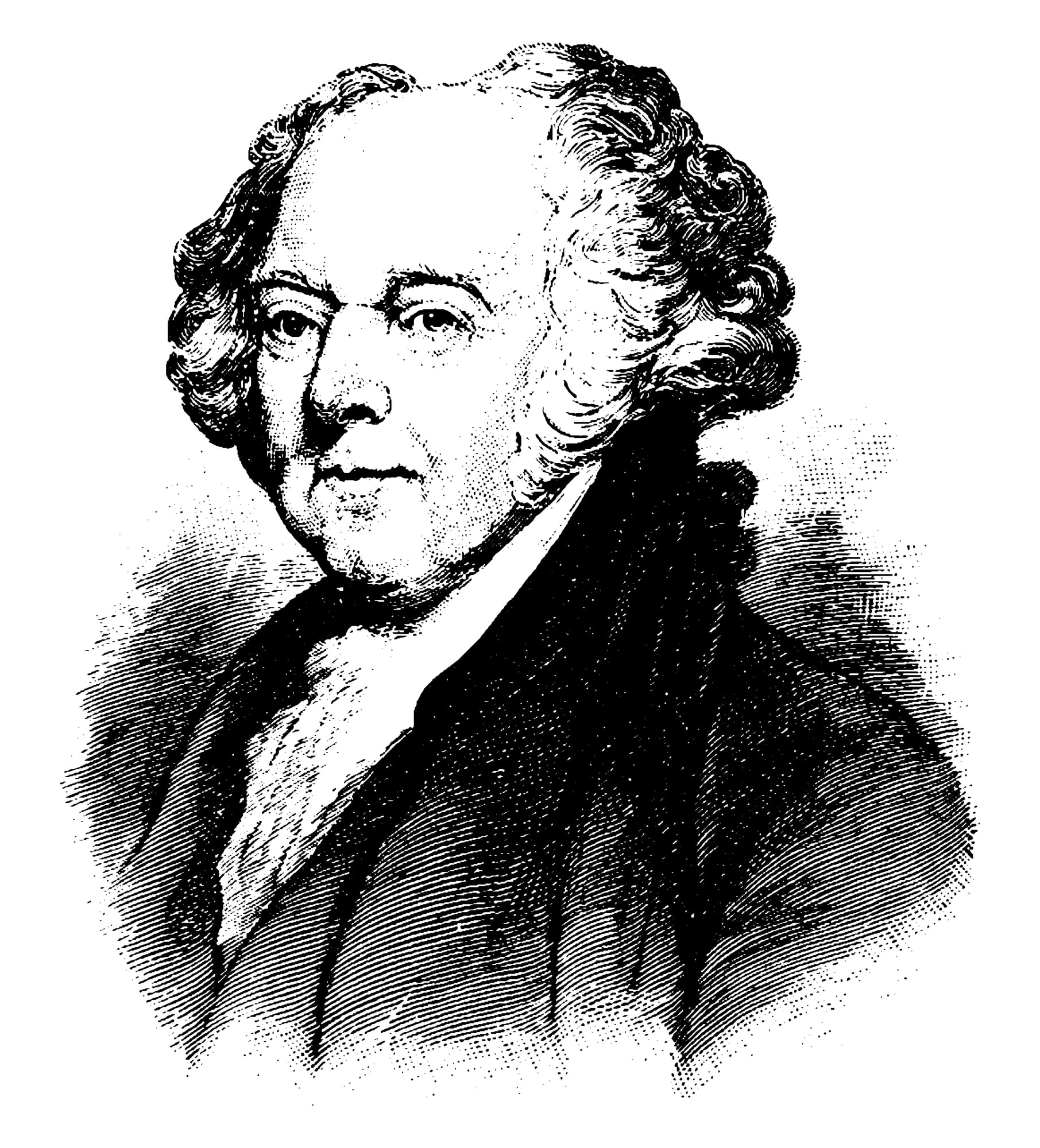
Adams signed laws criminalizing criticism of the federal government and allowing the deportation of foreigners deemed dangerous without trial.
The acts were widely viewed as violations of First Amendment rights and were later repealed or allowed to expire. Jefferson’s subsequent pardon of those convicted underscored the backlash.
William McKinley’s Philippine-American War
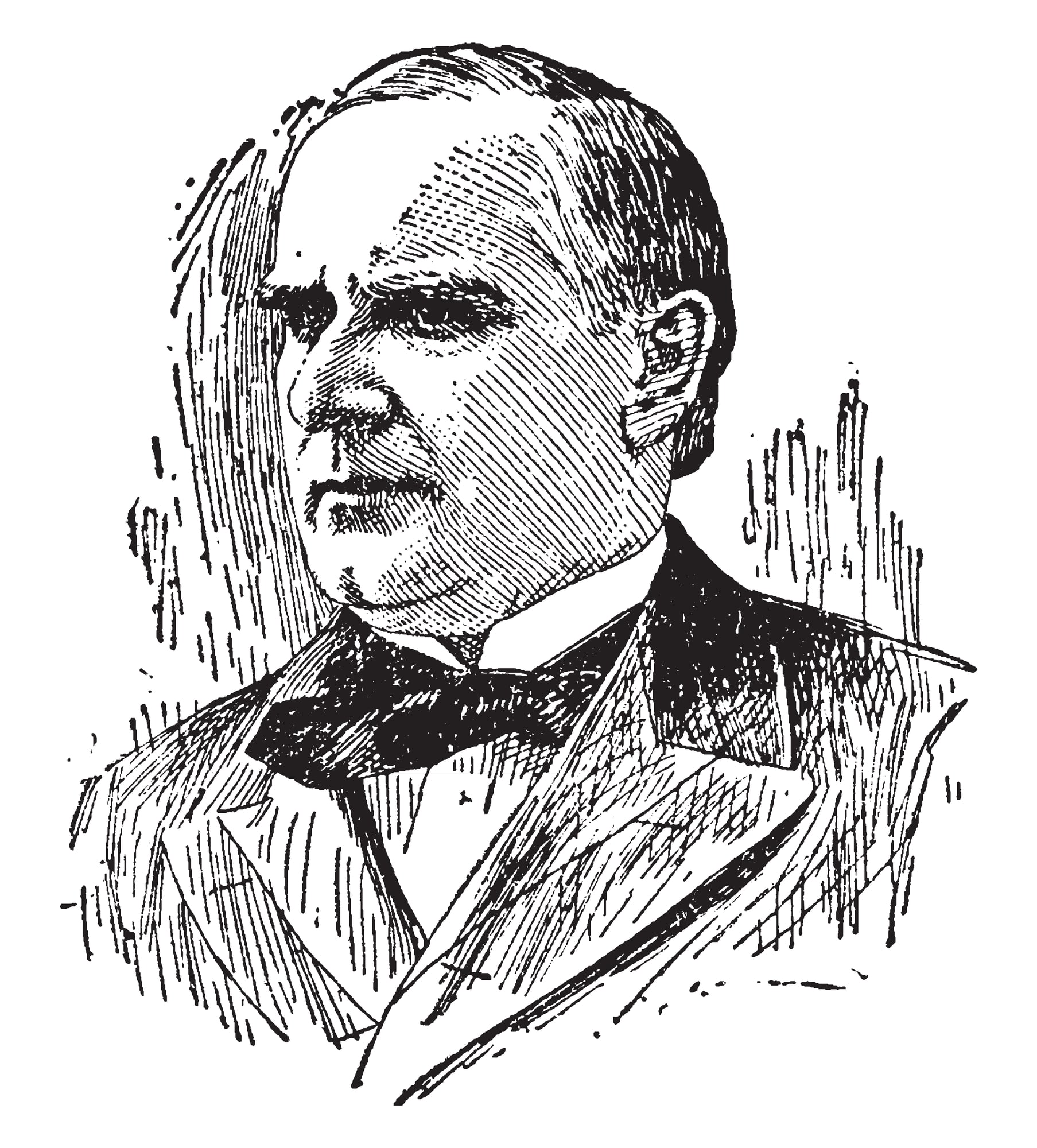
After acquiring the Philippines from Spain, the U.S. engaged in a brutal war against Filipino independence forces. The conflict involved widespread violence, torture, and civilian suffering.
It marked a turning point in U.S. foreign policy, signaling the rise of American imperialism and sparking fierce domestic opposition.
Lyndon B. Johnson’s Gulf Of Tonkin Resolution
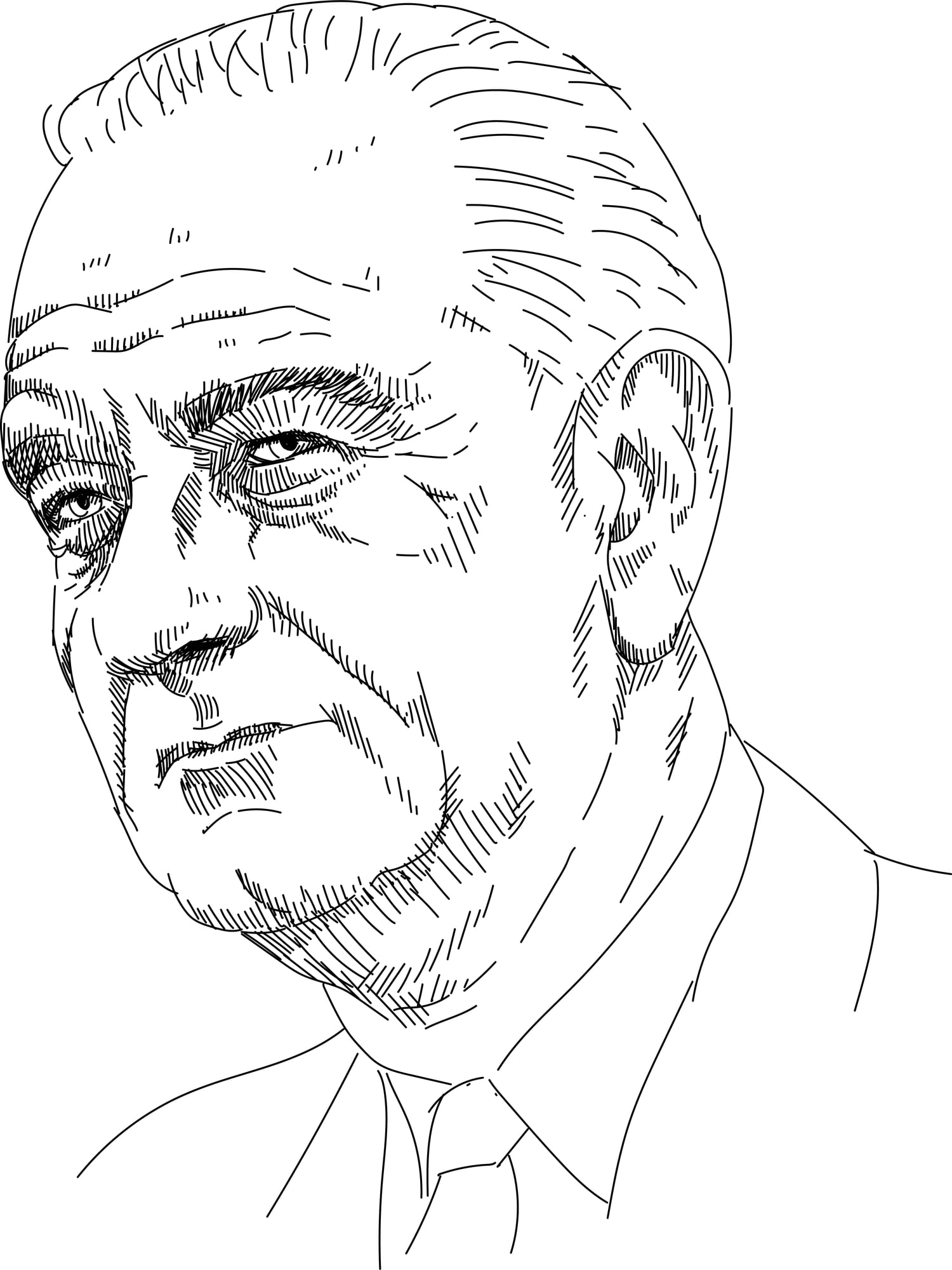
Johnson used a disputed naval incident to secure congressional authorization for military escalation in Vietnam. The resolution gave him sweeping war powers based on incomplete and misleading information.
It led to massive troop deployments and a prolonged war that resulted in over 58,000 American deaths and far greater Vietnamese casualties.
The Weight Of Presidential Power
These decisions didn’t just shape policy—they reshaped lives, borders, rights, and global history. Each president acted under pressure, uncertainty, and political constraint, yet the consequences of their choices extended far beyond their intentions.
The controversy surrounding them endures because presidential power is never just about leadership—it’s about the irreversible nature of decisions made at the highest level of government.
More from Go2Tutors!

- The Romanov Crown Jewels and Their Tragic Fate
- 13 Historical Mysteries That Science Still Can’t Solve
- Famous Hoaxes That Fooled the World for Years
- 15 Child Stars with Tragic Adult Lives
- 16 Famous Jewelry Pieces in History
Like Go2Tutors’s content? Follow us on MSN.



