Record-Breaking Achievements by Nobodies
Everyone knows about Michael Jordan’s dunks and Einstein’s theories. But the most remarkable human achievements often happen in living rooms, backyards, and community centers by people whose names you’ll never remember.
They break records because they showed up when nobody was watching, practiced when it didn’t matter, and kept going when everyone else stopped. These are the achievements that remind you what ordinary people can do when they decide to become extraordinary.
David Rush

Rush breaks records the way other people collect stamps. Over 250 Guinness World Records and counting.
Most people attempt one record in their lifetime and call it good. Rush treats it like a full-time job that doesn’t pay.
He’s balanced more spoons on his face than seems physically possible, caught more ping pong orbs in shaving cream on his head than anyone should attempt, and juggled chainsaws because apparently regular juggling wasn’t dangerous enough.
The man has turned breaking records into an art form that nobody asked for but everyone secretly admires.
Ashrita Furman
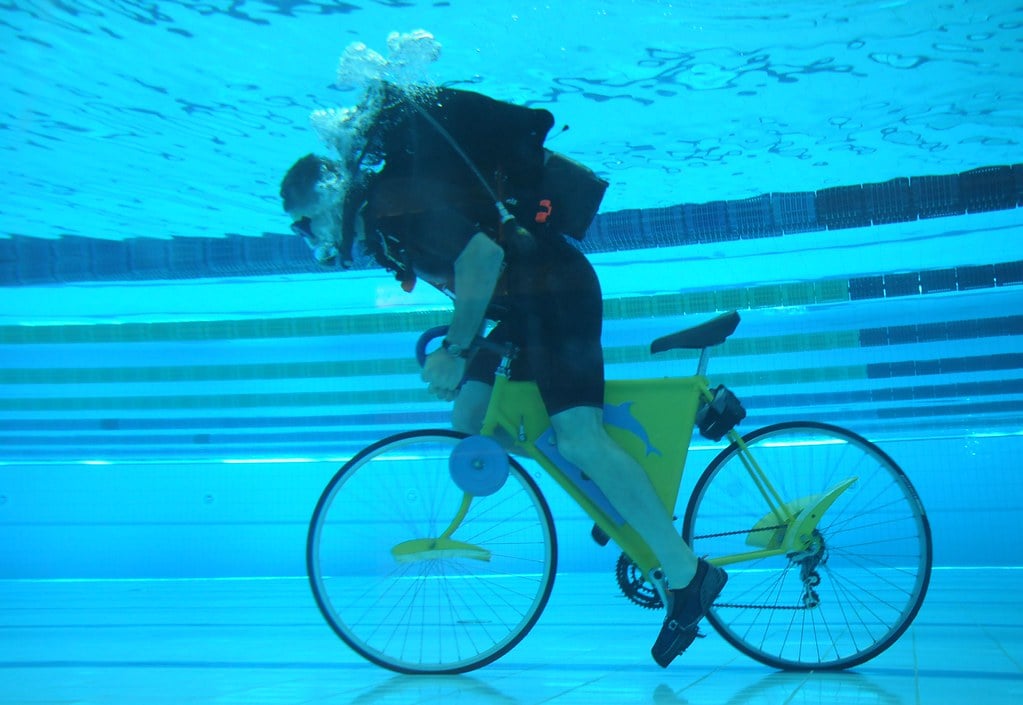
Here’s someone who discovered that the secret to breaking records isn’t athletic talent or natural ability — it’s refusing to accept that there are limits to what counts as a sport. Furman holds the record for holding the most records (over 600 at various points), which sounds circular until you realize the dedication required to maintain that kind of absurd consistency.
He’s pogoed up mountains (because walking up them was apparently too conventional), underwater rope jumping (which combines two things that shouldn’t go together), and milk crate balancing (a skill that exists solely for the purpose of being a skill). And here’s the thing about Furman that makes his achievements particularly fascinating: he approaches each record with the same meditative focus that monks bring to prayer, except instead of enlightenment, he’s after increasingly specific forms of physical achievement.
So when he sets out to break a record — and this is where it gets interesting — he’s not doing it for fame or money or even recognition, but because the act of pushing against arbitrary boundaries has become, for him, a spiritual practice that happens to result in very measurable outcomes. The man has essentially turned world record breaking into a form of moving meditation, where the point isn’t the record itself but the process of discovering what becomes possible when you refuse to accept that something can’t be done.
And yet here’s what’s remarkable: despite the seemingly silly nature of many of these records, the focus and discipline required to achieve them rivals what you’d see in any traditional sport.
Tommy Cloutier

Cloutier spent decades perfecting something that most people do absent-mindedly while walking: whistling. Not just any whistling, but whistling at frequencies that approach the upper limits of human hearing capability.
The current record sits at 9,400 Hz, which is the kind of precise measurement that makes you realize how far removed this is from the casual whistling you do in elevators. Cloutier didn’t stumble into this record.
He trained for it the way Olympic athletes train for swimming, with daily practice sessions, breathing exercises, and the kind of technical focus that transforms a simple human action into something approaching science.
Silvio Sabba

Records are supposed to be about pushing human limits, but Sabba treats them more like puzzles that happen to require unusual amounts of coordination and patience. He holds dozens of records that exist in the strange space between athleticism and performance art.
Sabba can do more push-ups while balancing on tennis orbs than most people can do on solid ground. He can balance more toilet rolls on his head while performing other tasks than seems structurally sound.
The specificity of his achievements suggests someone who looks at the world and sees opportunities for record-breaking in every mundane object and activity.
Dinesh Shivnath Upadhyaya

Typing fast is a useful skill. Typing fast while doing other things simultaneously is performance art masquerading as productivity.
Upadhyaya holds multiple records for typing speed and accuracy, but more impressively, he holds records for typing while doing things that should make typing impossible. The man can type accurately while balancing on one foot (a combination of skills that serves no practical purpose but requires the kind of mental and physical coordination that most people can’t achieve while simply sitting still).
But what makes Upadhyaya’s achievements particularly compelling isn’t just the technical skill involved — though that’s certainly impressive — it’s the way he’s taken something as mundane as keyboard proficiency and pushed it into territory where it becomes almost meditative, a demonstration of focus so complete that external physical challenges become irrelevant to the primary task. And that’s the thing about truly unusual records: they reveal capacities that most people never think to develop because the circumstances that would require them simply don’t arise in normal life.
So Upadhyaya isn’t just fast at typing — he’s discovered that the human brain can maintain complex fine motor control even when the body is engaged in balanced tasks that would normally demand full attention. Which is saying something about the untapped potential that most people carry around without realizing it.
Kevin Shelley

Shelley discovered that breaking things in precise ways requires more skill than most people assume. He holds the record for breaking the most toilet seats with his head in one minute, which sounds like a joke until you consider the physics involved.
Toilet seats are designed to support weight, not to break cleanly when struck. Getting them to break consistently, quickly, and safely requires understanding leverage, force distribution, and timing in ways that most engineers never consider.
Shelley turned destruction into a technical discipline that requires the same kind of repeated practice as any other sport.
Peter Dowdeswell

Eating records occupy a strange corner of human achievement where consumption becomes performance. Dowdeswell holds dozens of eating and drinking records that demonstrate the human digestive system’s capacity for handling volume and speed in ways that evolution never intended.
He can consume entire chickens, multiple pints of liquid, and quantities of various foods in timeframes that seem to violate basic biological processes. Dowdeswell didn’t just eat fast — he studied the mechanics of efficient consumption and turned eating into a skill that can be measured, improved, and repeated with consistency.
Suresh Joachim
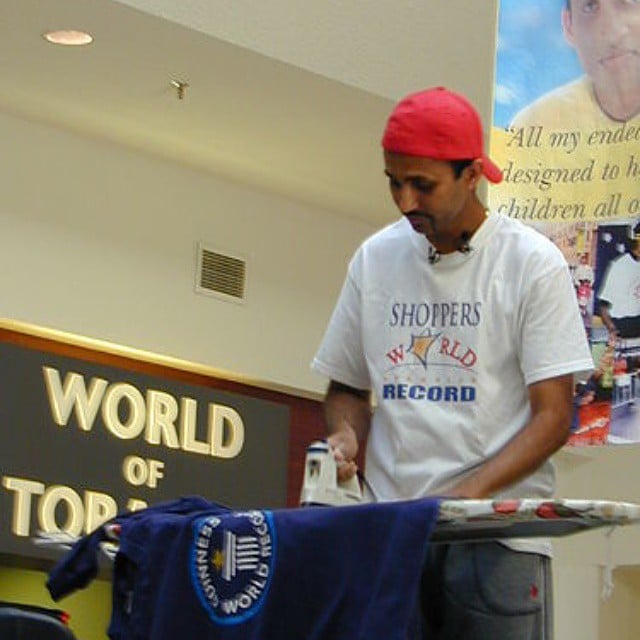
Joachim treats endurance like other people treat hobbies. He holds records for activities that require maintaining the same position or performing the same task for periods that test the limits of human persistence rather than human ability.
He’s watched television continuously for longer than most people watch television in a month. He’s balanced on one foot for timeframes that would challenge most people’s ability to remain conscious.
Joachim’s achievements aren’t about doing something difficult — they’re about doing something simple for so long that it becomes extraordinary.
John Evans
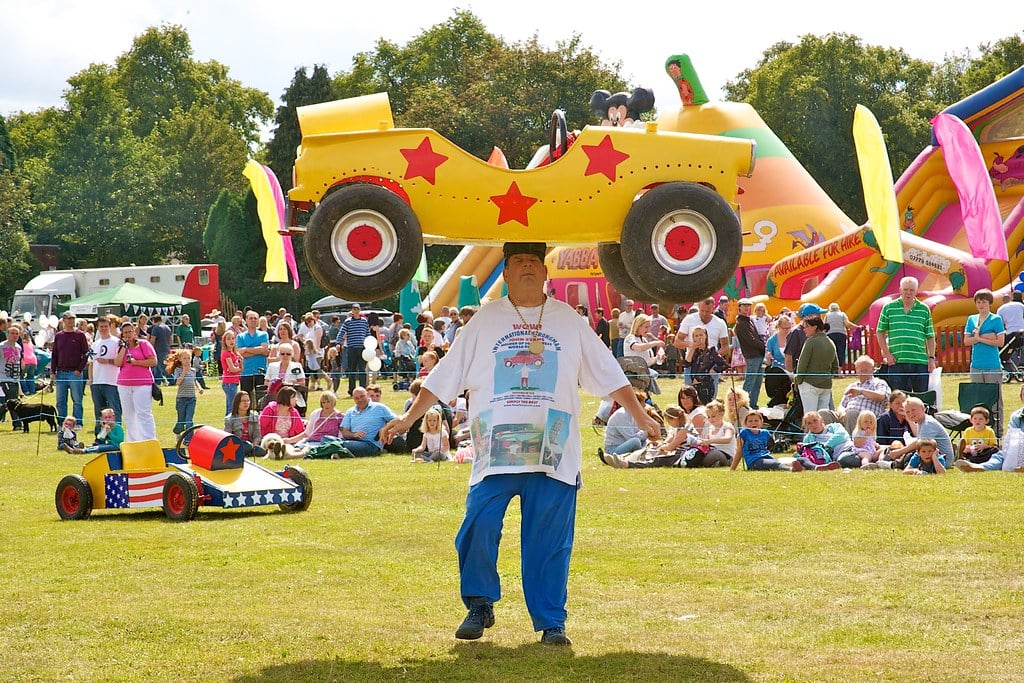
Evans carries things on his head that weren’t meant to be carried by humans in any configuration. Cars, refrigerators, and other objects that most people move with machinery, Evans moves by balancing them on his head and walking around.
The record for heaviest object balanced on a human head belongs to Evans, and the weight involved is enough to raise questions about human skeletal structure that most doctors never consider. Evans didn’t just get strong — he developed balance and core stability that allows him to function as a human forklift.
Doyle

Push-ups are simple until you try to do them for extended periods while maintaining perfect form. Doyle holds multiple records for push-up variations that combine endurance, strength, and the kind of mental persistence that most people reserve for emergencies.
He can perform push-ups on his knuckles, on one hand, and in configurations that turn a basic exercise into a demonstration of sustained physical capability that borders on the unreasonable. Doyle took something that everyone learns in elementary school and pushed it until it became a specialized skill that few people could replicate.
Zdenek Bradac
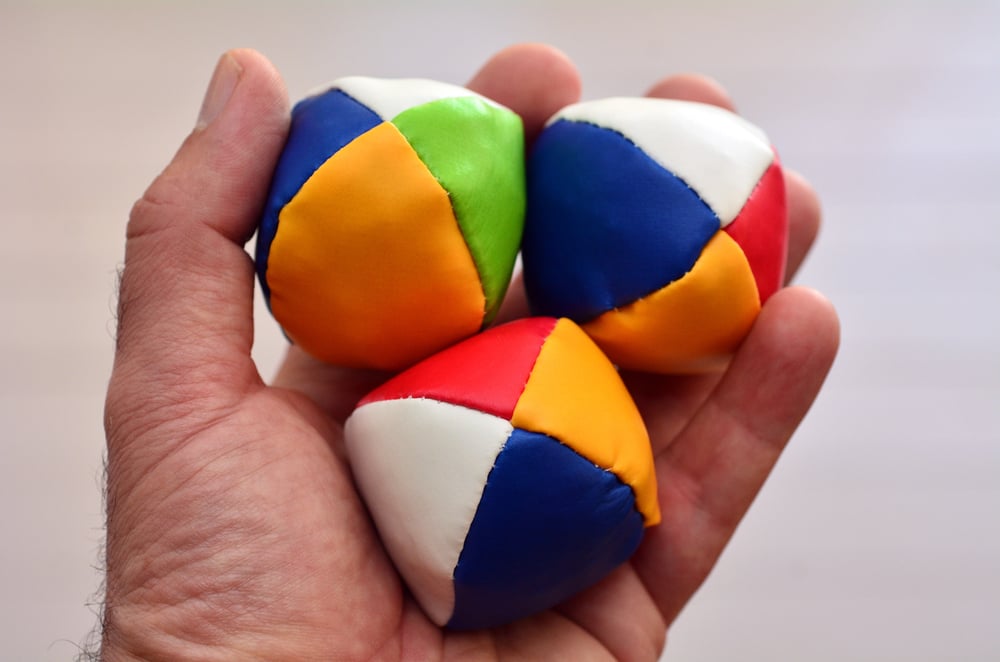
Bradac discovered that juggling becomes a different activity entirely when you refuse to let anything hit the ground for extended periods. His endurance juggling records involve maintaining multiple objects in motion for timeframes that test concentration and physical stamina simultaneously.
Juggling for hours requires muscle memory so complete that conscious thought becomes irrelevant. Bradac developed the ability to maintain complex hand-eye coordination while his attention drifted to other things, turning juggling from a performance into a form of sustained meditation that produces measurable results.
Ken Edwards

Edwards eats things that aren’t food and somehow makes it look routine. His records involve consuming insects, worms, and other creatures that most people avoid touching, let alone eating in quantity.
The record for eating the most cockroaches belongs to Edwards, which raises questions about human digestive adaptation that most nutritionists never address. Edwards didn’t just overcome normal human revulsion — he developed techniques for efficient consumption of things that evolution programmed humans to avoid.
Michel Lotito

Lotito ate non-food items as a career, which sounds impossible until you see the documentation. Over his lifetime, he consumed bicycles, shopping carts, televisions, and eventually an entire airplane by breaking them into small pieces and eating them gradually.
His stomach produced unusually thick mucous linings and stronger digestive acids that allowed him to process metal and other materials that would hospitalize normal people. Lotito turned digestion into a specialized capability that existed nowhere else in recorded human history.
Beyond the obvious

These achievements share something that traditional records often miss. They happen in spaces where nobody was keeping score until someone decided to start counting.
They require the kind of sustained focus that most people reserve for careers or relationships, except applied to activities that serve no practical purpose beyond proving they can be done. But that’s exactly what makes them remarkable. In a world where most limits are defined by institutions, equipment, and official recognition, these records emerge from individual curiosity about what becomes possible when you refuse to accept that something isn’t worth pursuing simply because it hasn’t been pursued before.
More from Go2Tutors!

- The Romanov Crown Jewels and Their Tragic Fate
- 13 Historical Mysteries That Science Still Can’t Solve
- Famous Hoaxes That Fooled the World for Years
- 15 Child Stars with Tragic Adult Lives
- 16 Famous Jewelry Pieces in History
Like Go2Tutors’s content? Follow us on MSN.