16 Most Expensive Suites on Modern Cruise Ships
There’s something fascinating about the way luxury finds its limits at sea. On land, the ultra-wealthy can build mansions with infinite square footage, but on a ship, even billionaires are bound by the same hull dimensions as everyone else.
The result is an arms race of ingenuity — cruise lines competing to pack the most opulent experience possible into floating real estate where every square foot costs a fortune to build and maintain. The most expensive suites on modern cruise ships represent more than just accommodation; they’re architectural marvels of space optimization, design laboratories where traditional notions of luxury get reimagined for the open ocean.
These aren’t just rooms with better thread counts — they’re entirely different ways of experiencing a cruise ship, complete with private staff, exclusive dining, and amenities that most passengers never knew existed.
The Haven Owner’s Suite, Norwegian Encore
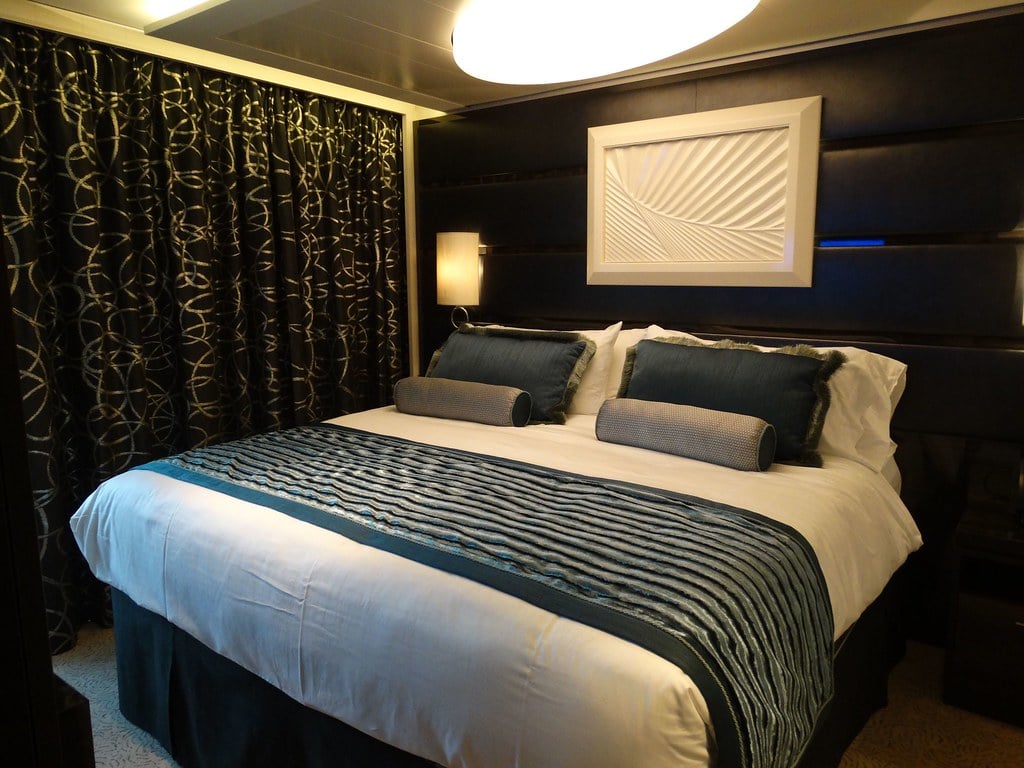
Norwegian’s flagship suite spans 1,200 square feet and costs upward of $15,000 per week. Three bedrooms, two bathrooms, and a living room that opens onto a wraparound balcony overlooking the ship’s wake.
The real luxury here isn’t the space — it’s the isolation. Access to The Haven’s private pool deck, restaurant, and concierge service means you could theoretically cruise for a week without ever mixing with the general population.
Which defeats the point of cruising, but apparently some people prefer it that way.
Regent Seven Seas Master Suite
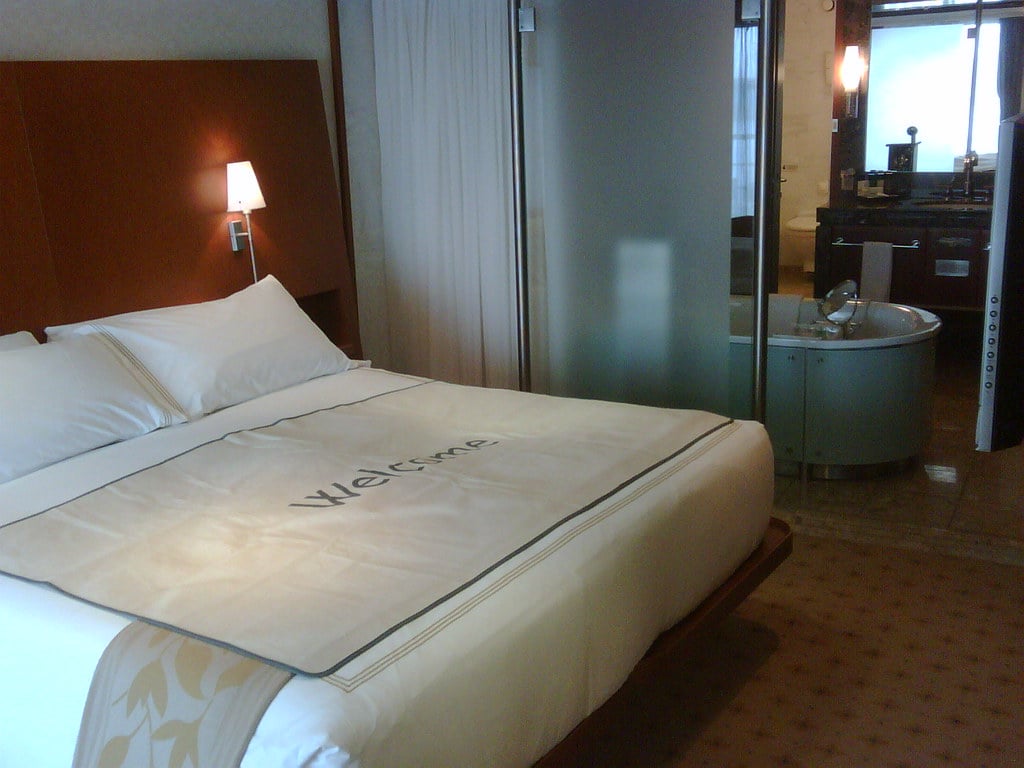
Regent doesn’t mess around with subtle luxury (and why should they, given that their Master Suite commands $20,000+ per week on popular itineraries). The suite stretches across 2,000 square feet, which is larger than most people’s apartments, and includes a bedroom that could comfortably house a small family — though it’s designed for two people who apparently need a lot of space to avoid each other.
So the math works out to roughly $143 per square foot per week, which sounds reasonable until you remember you’re paying for a room that moves. The marble bathroom features a full-size bathtub, because nothing says “relaxation at sea” quite like trying to take a bath while the ship pitches through eight-foot swells.
And yet people book it, year after year, which suggests that either the stabilizers work better than expected or wealthy people have stronger stomachs than the rest of us.
Celebrity Edge Iconic Suite
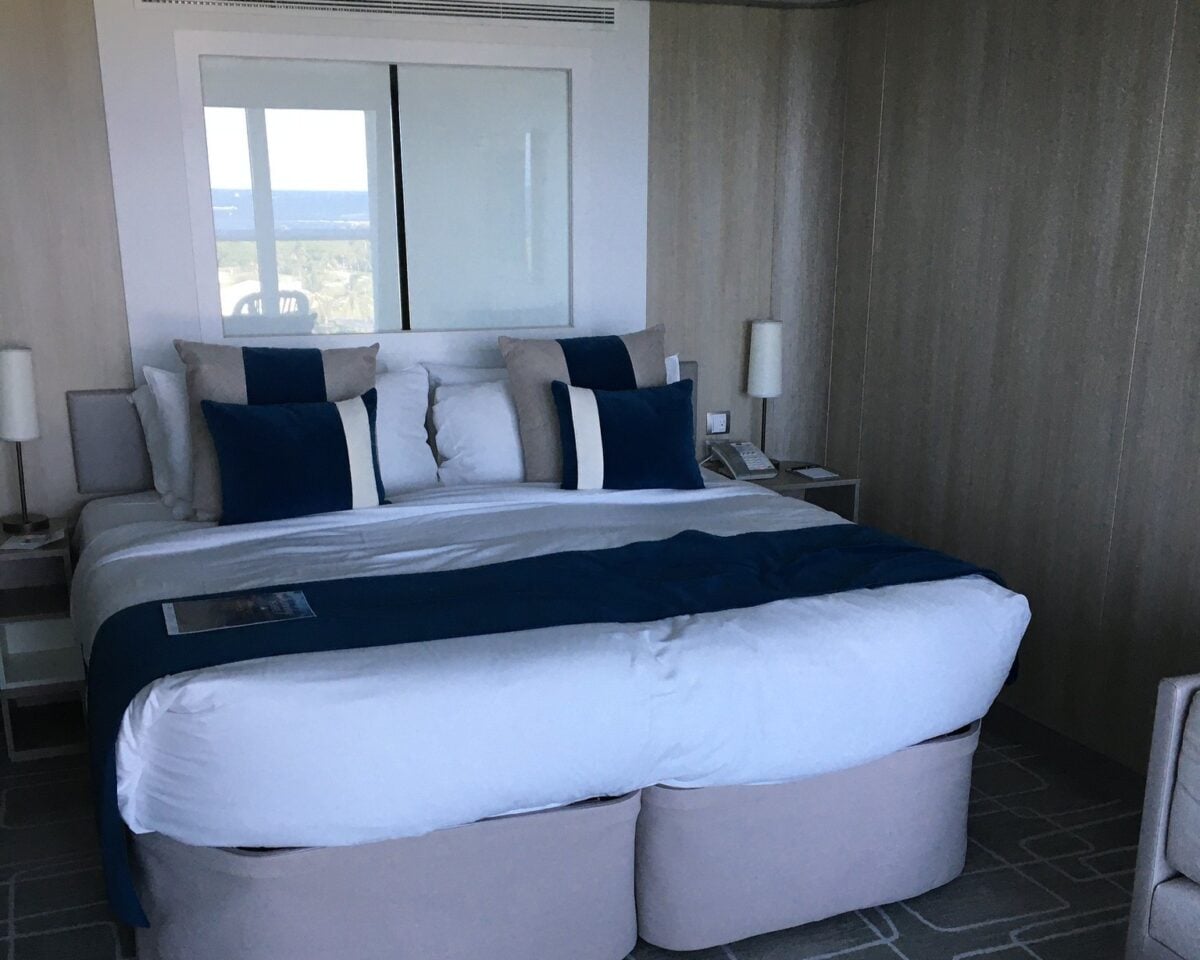
Celebrity’s approach to high-end suites feels like watching someone solve a puzzle in real time — how do you create the feeling of a luxury penthouse when your ceiling height is limited by deck clearance and your walls are constrained by the ship’s structural requirements? Their answer (which costs around $18,000 per week) involves two stories connected by a spiral staircase, floor-to-ceiling windows that make the ocean feel uncomfortably close, and a rooftop terrace that puts you higher above the water than some people are comfortable with.
The bedroom sits on the upper level, which means you fall asleep looking directly at the horizon line. Some find this romantic. Others spend the night wondering what happens if the glass gives way — which it won’t, but the mind wanders when you’re suspended 150 feet above dark water with nothing between you and the elements but engineering you have to trust completely.
Royal Caribbean Wonder of the Seas Ultimate Family Suite
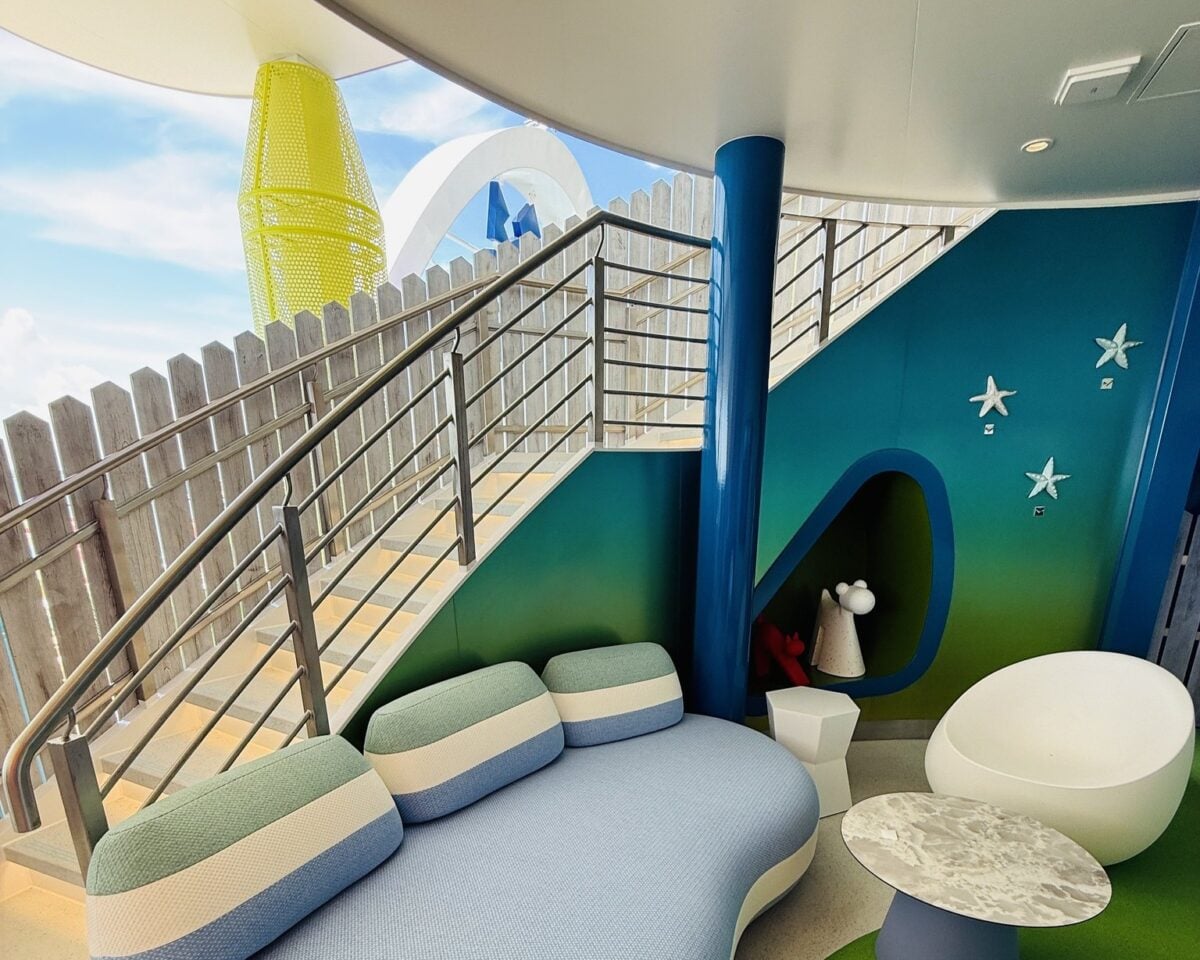
Royal Caribbean builds their ships like small cities, and their Ultimate Family Suite reflects that philosophy. Two bedrooms, two bathrooms, a private hot tub, and enough space for eight people to avoid each other when the family vacation stops being fun.
The suite costs $25,000 per week during peak season. For a family of eight, that’s $3,125 per person — expensive, but not completely unreasonable until you factor in that kids under 12 typically pay reduced rates on regular staterooms.
So you’re paying luxury suite prices for children who would be just as happy in a windowless interior cabin with bunk beds.
Silversea Royal Suite
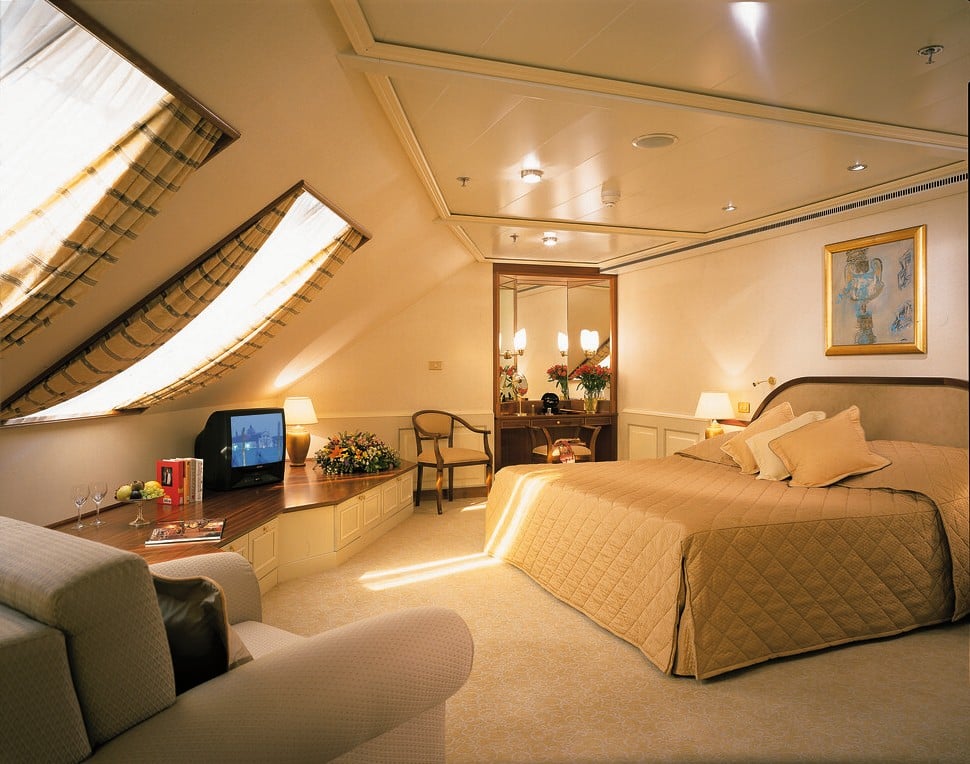
There’s something almost stubborn about Silversea’s approach to luxury: they insist on creating the atmosphere of an exclusive private club while floating through international waters where exclusivity is, by definition, temporary. The Royal Suite costs $30,000 per week (sometimes more, depending on the itinerary) and delivers exactly what it promises — 1,300 square feet of marble, crystal, and Italian linens that somehow maintain their crispness despite the salt air and constant motion.
But the real indulgence isn’t the space or the furnishings; it’s the butler service that anticipates your needs before you know you have them, and the private dining room where you can eat meals prepared by a chef who knows your preferences after the first day. Which raises an interesting question: if you never interact with other passengers, and your meals are prepared separately, and your entertainment happens in private spaces — are you really on a cruise, or just staying in an expensive floating hotel room that happens to change locations while you sleep?
MSC Yacht Club Royal Suite
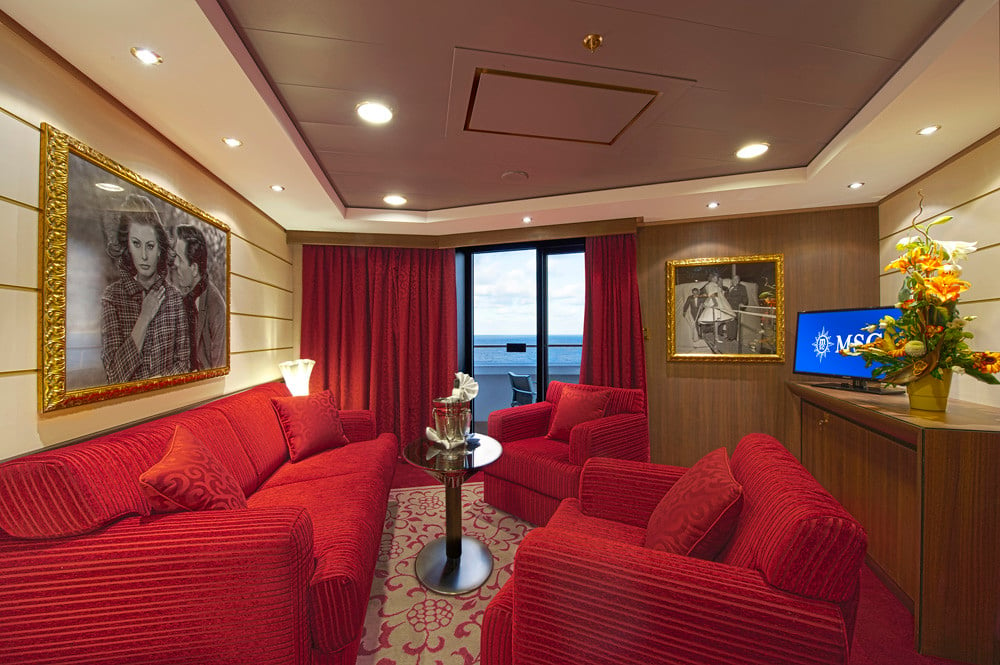
MSC’s Yacht Club operates like a ship within a ship — exclusive restaurants, private pools, dedicated staff who recognize you by name after the first day. The Royal Suite sits at the heart of this floating enclave, commanding $12,000 per week for 750 square feet that feels larger than the measurements suggest, mainly because the balcony extends the living space directly over the ocean.
The design aesthetic leans heavily into contemporary Italian luxury, which means everything is beautiful and impractical in equal measure. The bathroom features a rainfall shower with controls so minimalist they require a brief tutorial.
The bedroom closet has more space than most people need for a week-long trip, unless you’re the type of person who brings formal wear for every dinner — which, in the Yacht Club, you actually might.
Princess MedallionClass Sky Suite
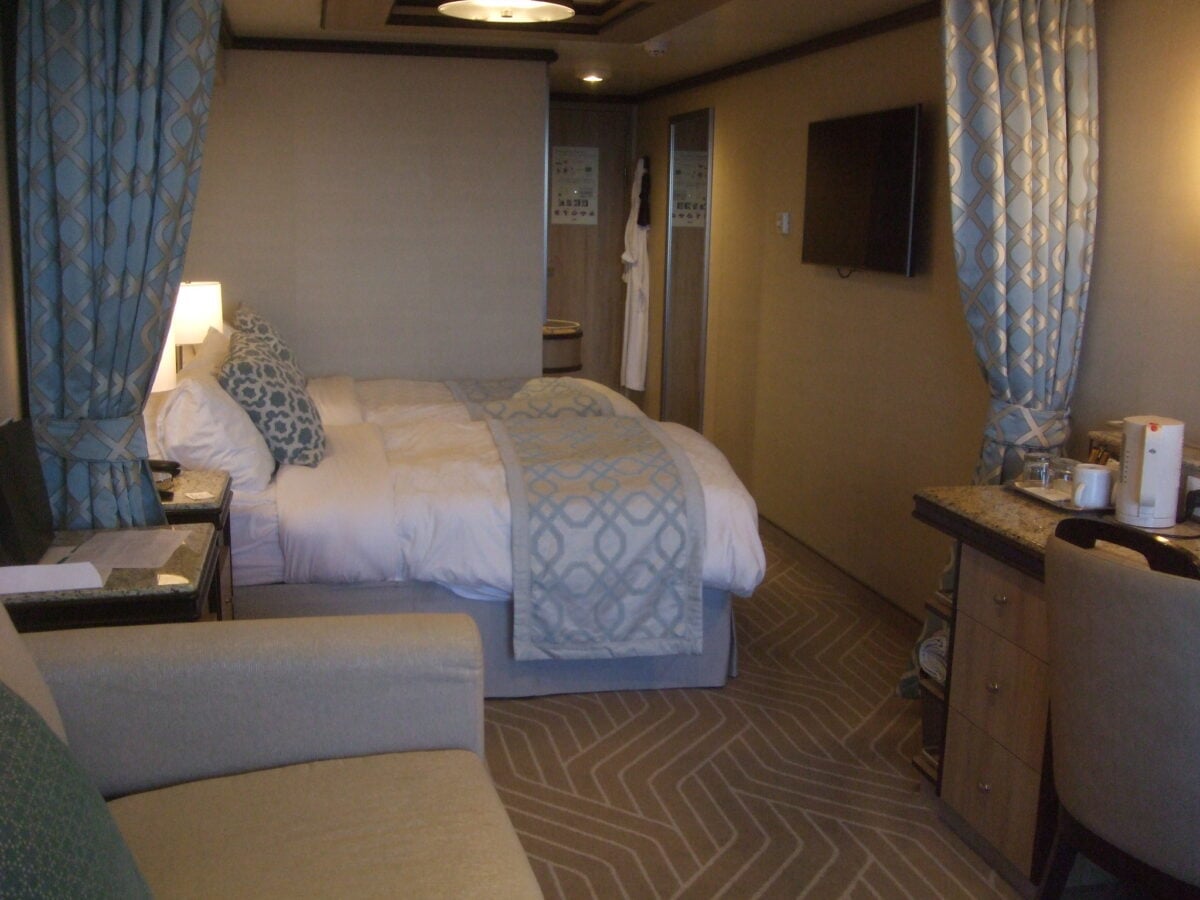
Princess positions their Sky Suite as the perfect compromise between extravagance and practicality, though at $14,000 per week, the “practical” part is relative. What you get is 950 square feet of carefully planned space (two rooms plus balcony) and access to the Princess MedallionClass experience, which uses wearable technology to customize everything from cabin temperature to dining preferences.
The technology works better than expected — your drink order appears at your table before you finish asking for it, the air conditioning adjusts itself based on occupancy patterns, and the bathroom mirror displays weather information while you brush your teeth (because apparently that’s what luxury looks like in 2024). The interesting part isn’t the gadgets, though; it’s how quickly you stop noticing them and start expecting them.
By day three, having your coffee ready at the exact temperature you prefer feels normal rather than impressive. By day five, you’re slightly annoyed when the lunch recommendation doesn’t perfectly match your mood.
Which suggests that either the system is working exactly as designed, or we adapt to convenience faster than we want to admit.
Virgin Voyages RockStar Suite
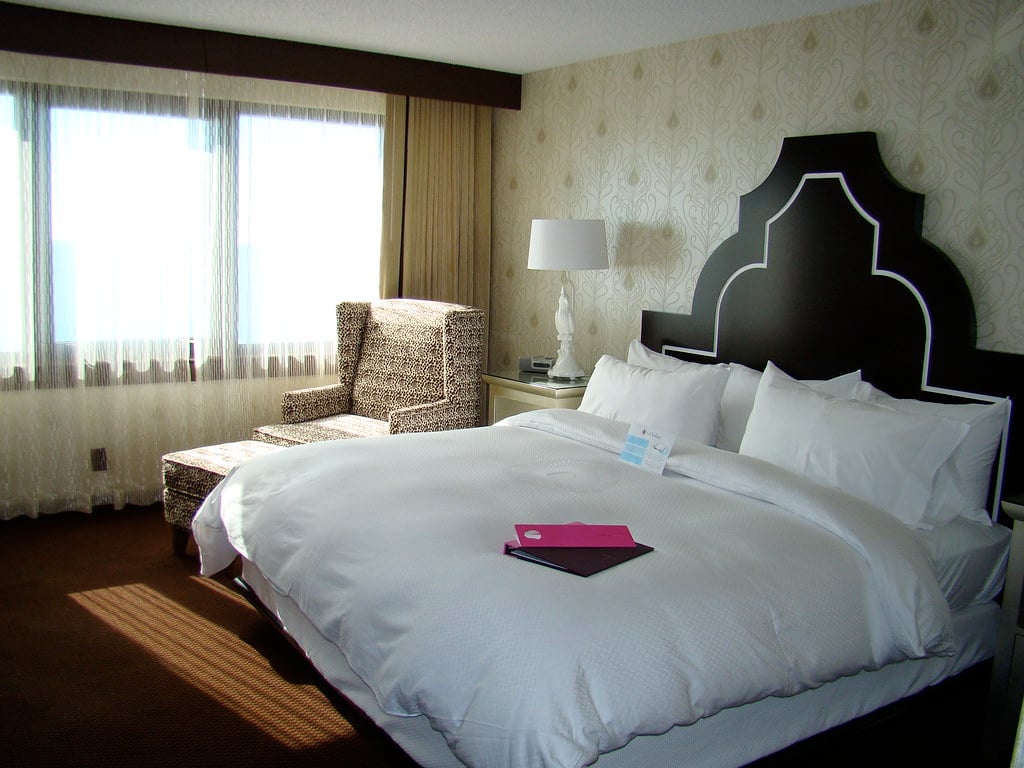
Virgin’s RockStar Suite costs around $16,000 per week and comes with dedicated staff, priority everything, and access to spaces that regular passengers don’t know exist. The room itself is striking — 2,000 square feet with a wraparound terrace, floor-to-ceiling windows, and a design aesthetic that somehow makes maritime luxury feel fresh rather than traditional.
But the real draw is the RockStar experience itself: a personal assistant who handles reservations, special dietary requests, and the kind of small logistics that can make or break a vacation. Shore excursion running late? They know before you do.
Restaurant fully booked? Somehow a table appears.
Crystal Serenity Crystal Penthouse
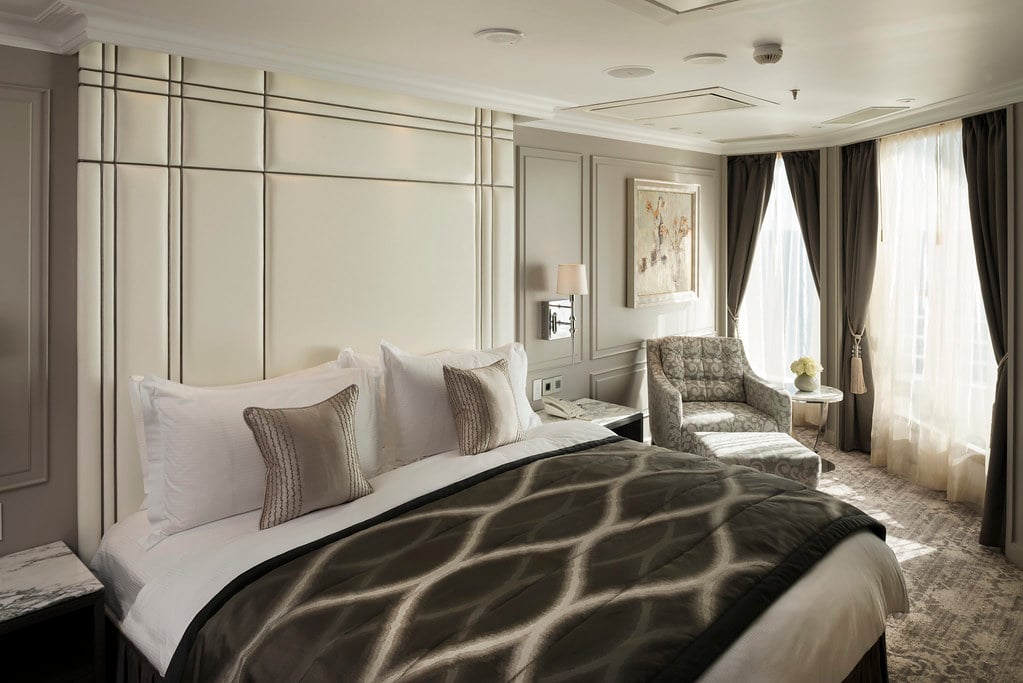
Crystal’s approach to luxury feels like watching someone who learned their craft in land-based hotels try to translate five-star service to the open ocean. The Crystal Penthouse costs $35,000 per week and spans 1,300 square feet, but the real indulgence is the staff-to-passenger ratio: your suite comes with a dedicated butler, priority access to all ship amenities, and what Crystal calls “white glove service,” which means someone else handles every detail from unpacking your luggage to making dinner reservations.
The penthouse design emphasizes natural light and ocean views — floor-to-ceiling windows in every room, sliding glass doors that connect the living space to a wraparound balcony, and a bedroom positioned to catch sunrise over the water. Which sounds romantic until you experience sunrise at sea: it happens fast, the light changes dramatically, and if you’re not naturally an early riser, you’ll miss most of it.
Seabourn Wintergarden Suite
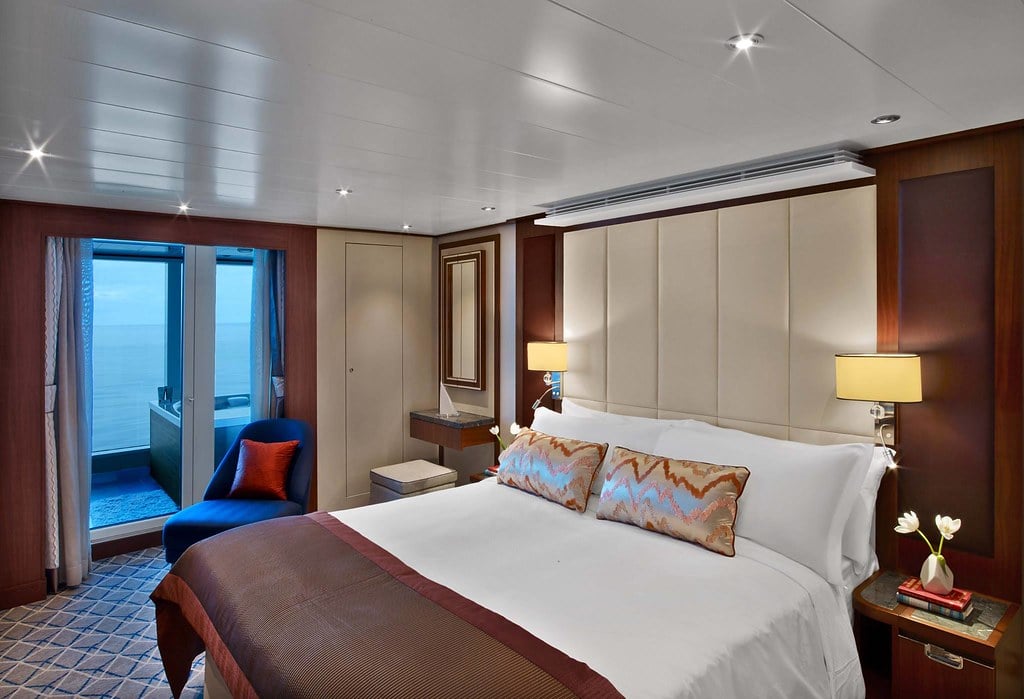
Seabourn builds small ships for people who want to feel like they’re on a private yacht rather than a floating resort. The Wintergarden Suite reflects this philosophy — only 914 square feet, but designed with the precision of a luxury watch.
Every surface serves multiple purposes, every storage solution is hidden, and the balcony feels larger than its actual dimensions because it extends over the ship’s side rather than inset into the hull. At $22,000 per week, you’re paying premium prices for an experience that prioritizes intimacy over spectacle.
The dining room seats 200 passengers maximum. The pool deck never feels crowded.
The shore excursions are planned for small groups who can move quickly and access places larger ships can’t reach.
Oceania Marina Owner’s Suite
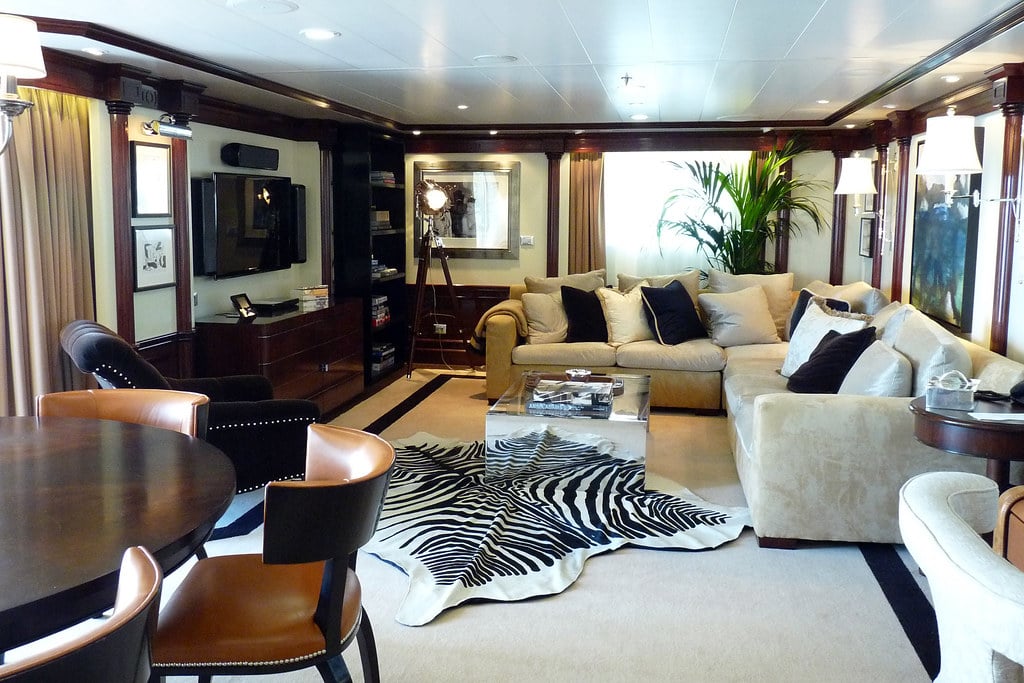
Oceania’s Owner’s Suite spans 2,000 square feet and costs $28,000 per week, which positions it firmly in “special occasion” territory — the kind of accommodation people book for milestone anniversaries or once-in-a-lifetime trips. The space includes two bedrooms, two full bathrooms, and a living area that could host small dinner parties, if you’re the type of person who throws dinner parties while cruising through the Norwegian fjords.
The real luxury here is the kitchen. Not a kitchenette or a wet bar, but an actual kitchen with full-size appliances and counter space for serious cooking.
Which seems counterintuitive on a ship famous for its restaurants, until you realize that some people prefer to control their own dining experience completely — sourcing ingredients from local markets during port days, preparing meals according to their own schedule and dietary preferences, entertaining guests in their private space rather than public dining rooms.
Azamara Journey Royal Suite
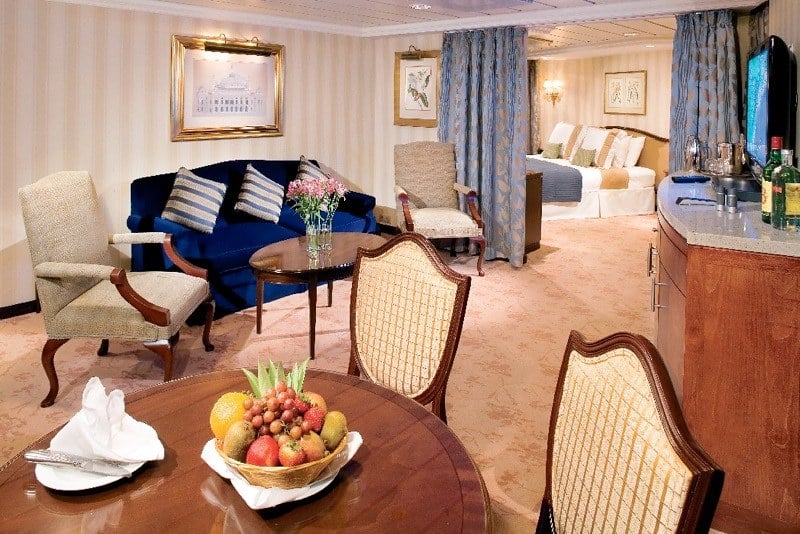
There’s something honest about Azamara’s approach to luxury: they don’t promise more space than they can deliver, or amenities that don’t make sense at sea. The Royal Suite costs $18,000 per week for 860 square feet, and what you get is exactly what’s advertised — a well-designed room with quality furnishings, a balcony with unobstructed ocean views, and access to concierge services that actually solve problems rather than just taking messages.
The bathroom features a full-size bathtub positioned next to a picture window, which sounds appealing until you remember that picture windows on ships don’t have curtains (because salt air and fabric don’t mix well) and anyone on a neighboring balcony has a clear sightline. Privacy at sea requires more planning than privacy on land.
And yet the suite works consistently, which suggests that either people don’t mind the exposure or they’ve figured out bathing schedules that avoid awkward encounters with neighbors. Cruise ship living requires small compromises that no one mentions in the brochures.
Holland America Neptune Suite
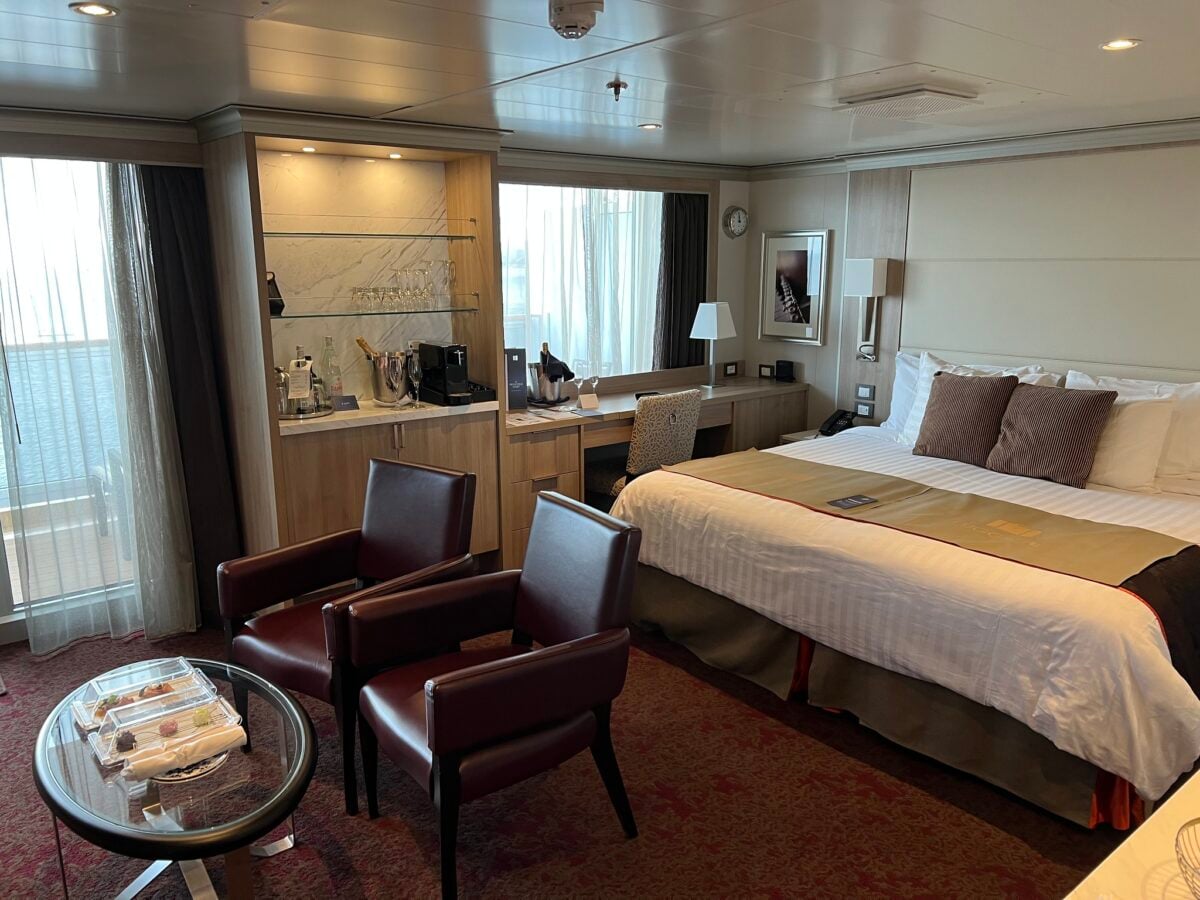
Holland America attracts passengers who remember when cruising was transportation rather than entertainment, and their Neptune Suite reflects this old-school approach to maritime luxury. At $15,000 per week, the suite spans 1,200 square feet and includes traditional amenities — a formal dining area, a library alcove, bedroom furniture that wouldn’t look out of place in a land-based hotel — executed with craftsmanship that feels increasingly rare in modern cruise ship design.
The balcony wraps around the suite’s corner position, providing ocean views from multiple directions and creating the illusion of more space than the square footage suggests. But the real appeal is the service philosophy: staff who remember your preferences, dining room reservations that never require waiting, shore excursion planning that accounts for your walking pace and interests rather than following a standard template.
Celebrity Reflection Royal Suite
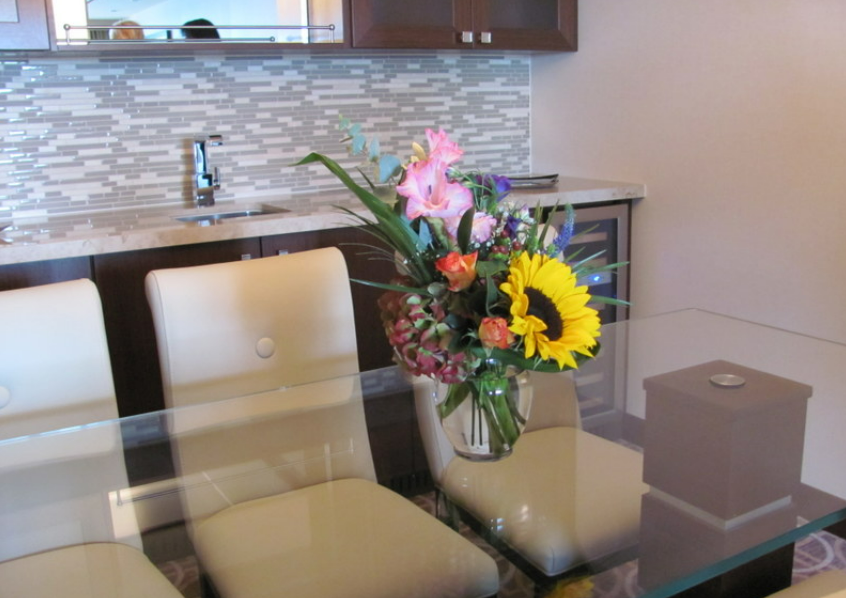
Celebrity’s Royal Suite costs $20,000 per week and feels like someone’s attempt to prove that cruise ship design can be genuinely sophisticated rather than just expensive. The space spans 1,600 square feet with clean lines, understated colors, and furnishings that prioritize comfort over flash.
The bedroom features a king-size bed positioned to face the ocean, which sounds simple until you spend a night falling asleep to the view of moonlight on open water — an experience that’s either deeply peaceful or mildly unsettling, depending on your relationship with the ocean. The living area includes a dining table for six, which raises the question: who are you dining with? Cruise ship socializing follows different patterns than land-based entertaining, and the most expensive suites can sometimes feel isolating rather than luxurious.
The private balcony becomes your primary social space, and the ocean becomes your primary companion.
Cunard Queen Mary 2 Grand Duplex
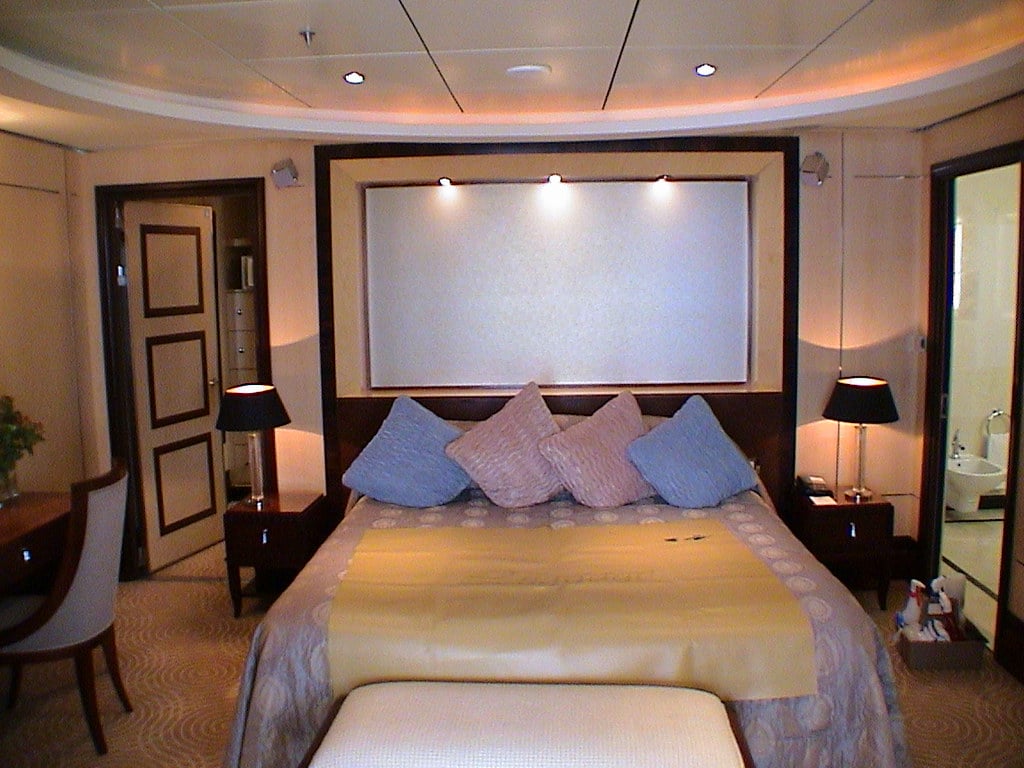
Cunard’s Grand Duplex represents old-world luxury adapted for modern passengers who want the glamour of transatlantic crossing without the discomfort of 1930s-era accommodations. The suite spans two decks connected by a private staircase, costs $40,000 per crossing, and includes amenities that most cruise lines would consider excessive: a full bar, a grand piano, and a guest bedroom for traveling companions or adult children who want to join the voyage without sharing your primary living space.
The upper level features floor-to-ceiling windows that provide unobstructed ocean views, which becomes important during the five-day crossing when the ocean is literally your only scenery. The lower level includes a formal dining area and library, because Cunard passengers apparently still read physical books and host dinner parties at sea.
Whether this represents admirable commitment to tradition or stubborn resistance to change depends on your perspective, but it certainly creates a unique cruising experience.
Disney Wish Concierge Royal Suite
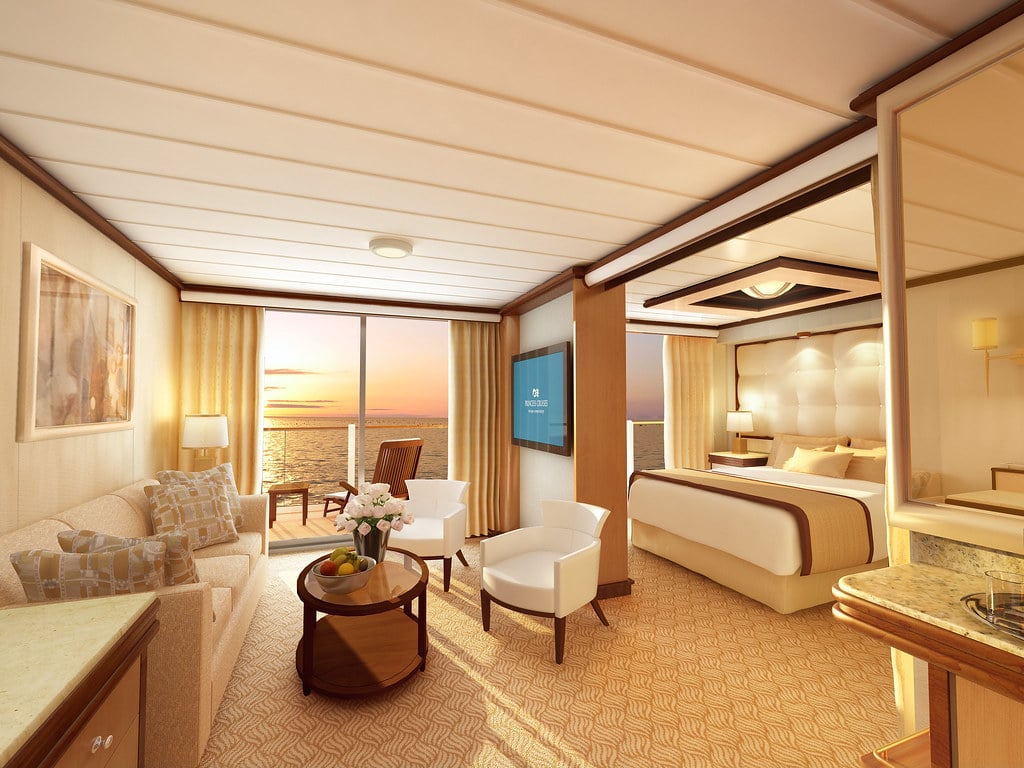
Disney’s approach to luxury cruise accommodations feels like watching someone try to solve two contradictory problems simultaneously: how do you create adult sophistication while maintaining family-friendly functionality? The Concierge Royal Suite costs $25,000 per week, spans 1,800 square feet, and includes amenities clearly designed for families traveling with multiple generations — separate bedrooms for adults and children, bathrooms designed to handle different morning schedules, and living spaces that can accommodate various activity levels without conflict.
The suite’s design incorporates subtle Disney theming that’s sophisticated enough for adults but recognizable enough to delight children: artwork that references classic films without being obvious about it, color schemes that feel maritime rather than theme park, furnishings that are durable enough for family use but elegant enough for adult relaxation. The balcony features a hot tub positioned to provide ocean views while maintaining privacy from neighboring suites, which matters more on Disney cruises than other lines because families with children tend to spend more time on their balconies.
Setting sail on your own terms

Luxury at sea operates by different rules than luxury on land. Space is finite, privacy requires planning, and the ocean sets the schedule regardless of how much you’ve paid for the privilege of floating above it.
The most expensive suites on modern cruise ships represent an attempt to create a perfect vacation environment within these constraints — and mostly, they succeed. Whether they’re worth the price depends on what you’re buying.
If it’s space and amenities, you can find larger accommodations and better service on land for less money. But if it’s the experience of waking up in a different place each morning while maintaining the comfort of a familiar room, of having ocean views that change throughout the day, of accessing remote destinations without the logistics of multiple hotels and transportation connections — then these floating palaces start to make sense.
The ocean doesn’t care how much you’ve paid, but sometimes that indifference is exactly the point.
More from Go2Tutors!

- The Romanov Crown Jewels and Their Tragic Fate
- 13 Historical Mysteries That Science Still Can’t Solve
- Famous Hoaxes That Fooled the World for Years
- 15 Child Stars with Tragic Adult Lives
- 16 Famous Jewelry Pieces in History
Like Go2Tutors’s content? Follow us on MSN.