Most Iconic Variety Show Moments
Variety shows used to be appointment television. Families gathered around their sets on specific nights, knowing they’d see everything from juggling acts to rock legends, comedy sketches to opera singers, all in one chaotic hour.
These shows created cultural moments that entire generations remember – the kind where people still ask each other “where were you when…” decades later. Here are the variety show moments that stopped the country in its tracks.
The Beatles on Ed Sullivan (February 9, 1964)
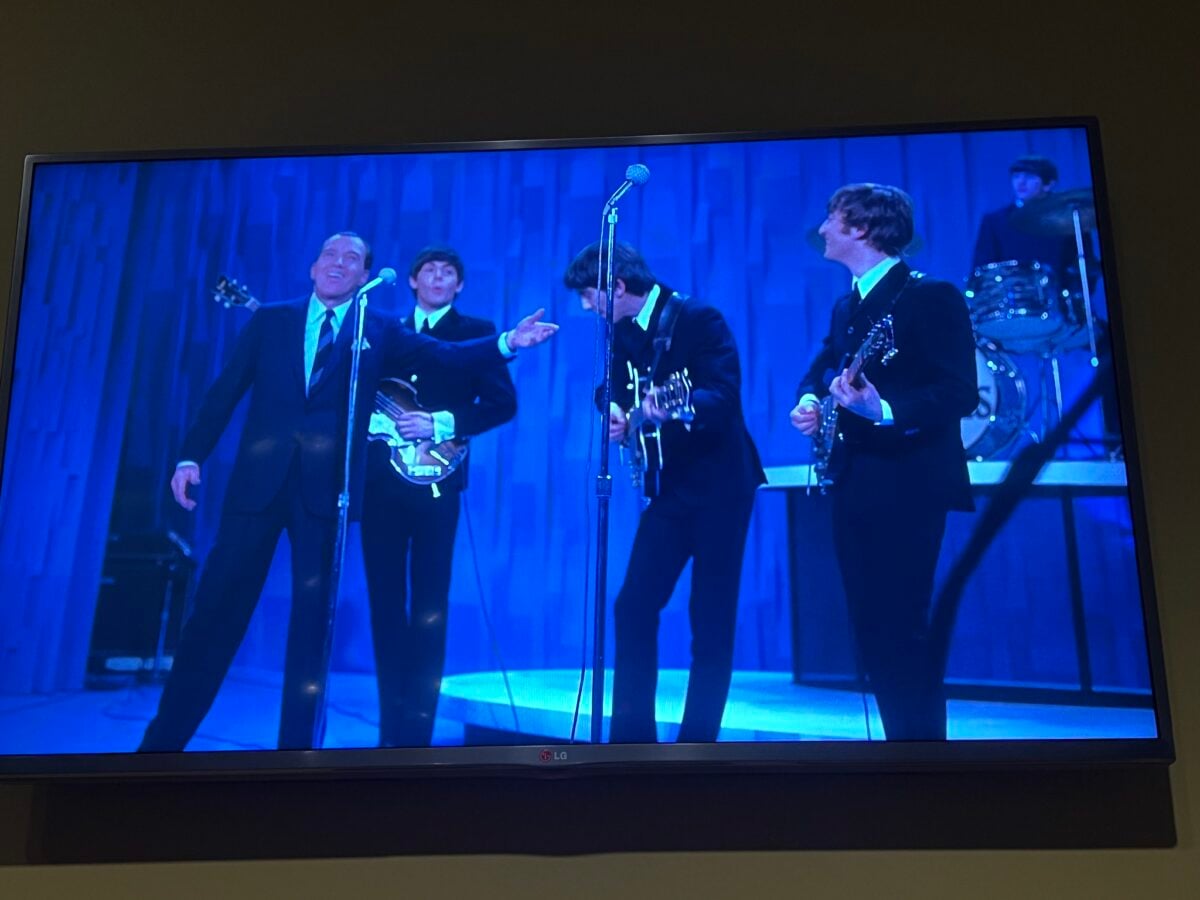
That night, a record-breaking 73 million people watched, making it a landmark event in television history. The 728-seat Studio 50 saw 50,000 ticket requests from CBS, far more than the 7,000 that were made for Elvis Presley’s debut seven years prior.
Julie and Tricia Nixon, Richard Nixon’s daughters, even attended. Ed Sullivan opened by mentioning a congratulatory telegram from Elvis and Colonel Tom Parker (though Parker apparently sent it without Elvis knowing).
Then came the introduction: “Now yesterday and today our theater’s were jammed with newspapermen and hundreds of photographers from all over the nation, and these veterans agreed with me that this city never has witnessed the excitement stirred by these youngsters from Liverpool who call themselves The Beatles.” The screaming from teenage girls was ear-splitting.
John, Paul, George, and Ringo performed “All My Loving,” “Till There Was You,” and “She Loves You” in the first half, then returned after commercials for “I Saw Her Standing There” and “I Want To Hold Your Hand.” The performance came at a perfect time – America was still reeling from JFK’s assassination in November 1963, and The Beatles offered something joyful to latch onto.
Nearly fifty years later, people still remember exactly where they were that night.
Elvis Presley filmed from the waist up (January 6, 1957)
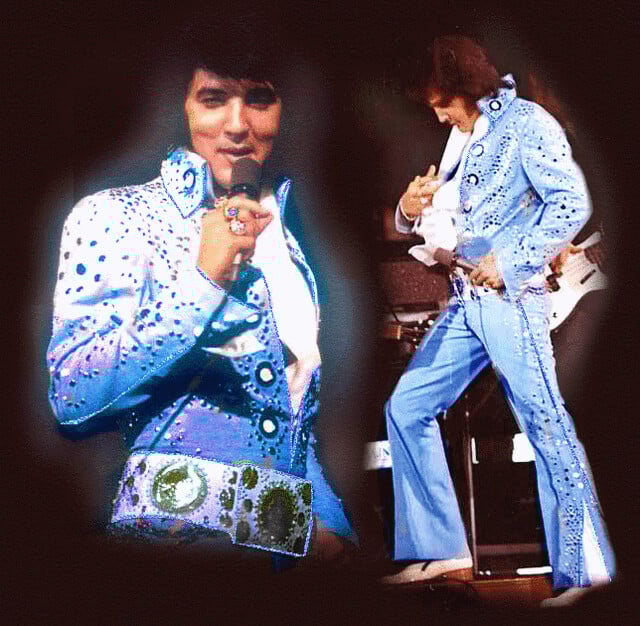
For his third and final appearance on The Ed Sullivan Show, producers made a decision that became television legend – they’d film Elvis from the waist up. The irony? For this particular show, Elvis mostly performed ballads that didn’t involve much gyrating anyway.
He sang a medley of “Hound Dog,” “Love Me Tender,” and “Heartbreak Hotel,” followed by “Don’t Be Cruel,” “Too Much,” “When My Blue Moon Turns to Gold Again,” and finally “Peace in the Valley.” His first appearance in September 1956 drew an 82.6 percentage share – the highest in television history for any program up to that point, with over 60 million viewers.
Sullivan had initially vowed never to book Elvis, and even when he did, Elvis claimed in a 1969 interview that Sullivan stood backstage saying “Sumbitch” while praising him on camera. The second and third appearances drew 57 million and 54.6 million viewers respectively.
Years later, Sullivan tried to book Presley again but declined after Elvis’s representatives presented a demanding rider.
Carol Burnett’s ear tug
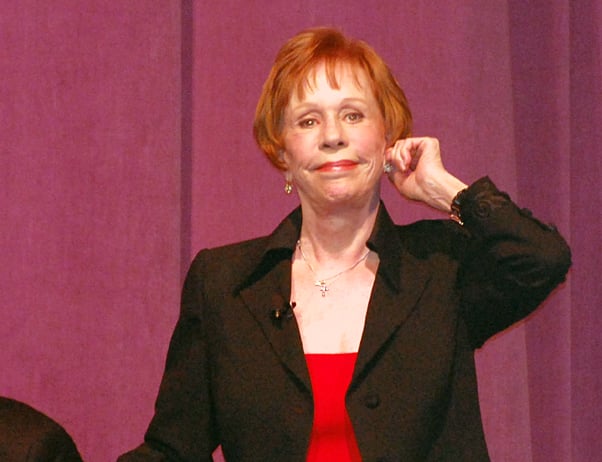
At the close of each episode of The Carol Burnett Show, Carol would tug on her left ear. This silent message was meant for her grandmother, who raised her, signaling that she was doing well and thinking of her at that moment.
The gesture became so associated with Burnett that audiences waited for it every week. After her grandmother’s death, Burnett continued the tradition for the show’s entire run from 1967 to 1978.
On an Intimate Portrait episode, she tearfully recalled her grandmother’s last moments in the hospital. The ear tug transcended being just a quirky sign-off – it represented the personal connection Burnett maintained with her audience, reminding viewers that behind the comedy and glamour was a real person remembering where she came from.
More Cowbell (April 8, 2000)
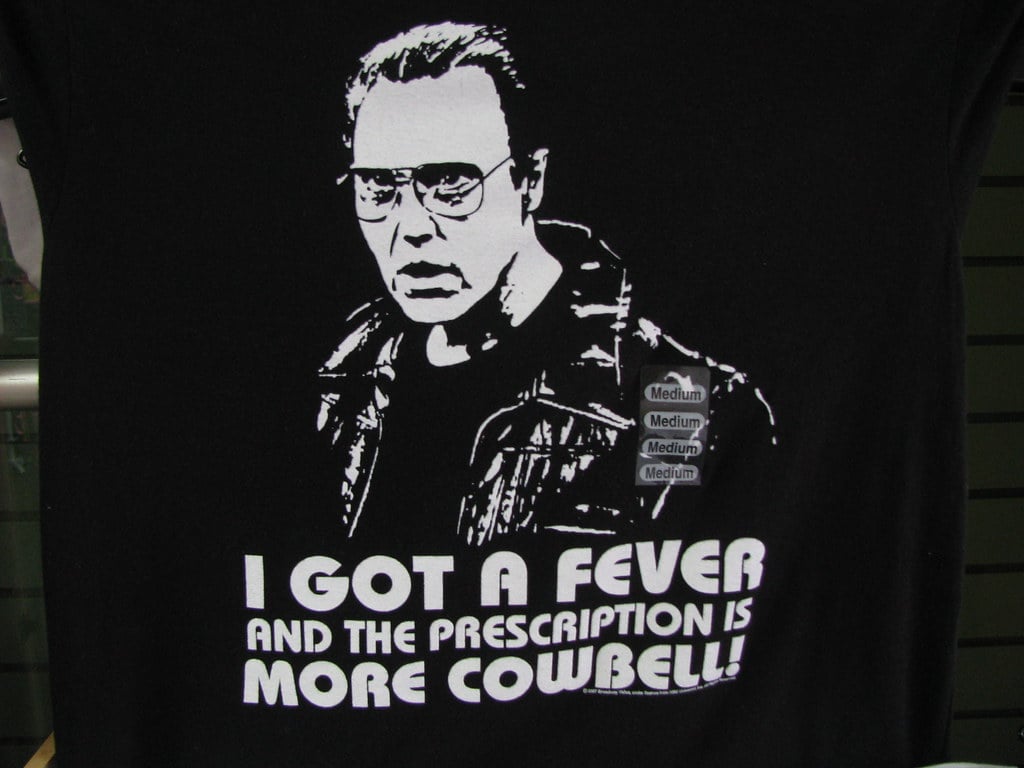
In a sketch about Blue Öyster Cult recording “(Don’t Fear) The Reaper,” Christopher Walken played music producer Bruce Dickinson, while Will Ferrell played Gene Frenkle, an over-zealous cowbell player whose instrument continued to flow through every take. Dickinson’s obsession persisted even as the band members became more and more irritated: “Guess what! I’ve got a fever, and the only prescription is more cowbell!”
Ferrell’s performance, which included exploring the studio space with his shirt riding up to reveal his jiggling belly, instantly became a folk hero moment. Although Gene made a cameo in 2005 when Ferrell hosted and performed with musical guests Queens of the Stone Age, the sketch was so good that they never attempted to make it a recurring segment.
The phrase “More cowbell” became ingrained in the culture and gave rise to one of the most well-known expressions of the early 2000s.
Debbie Downer at Disney World (May 1, 2004)
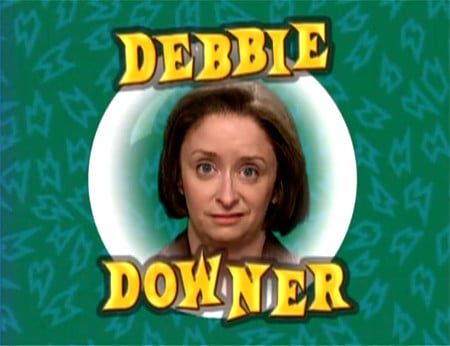
During a Disney World vacation, Rachel Dratch’s buzzkill character showed up at a family reunion prepared to spoil the fun with sobering facts. It was what went wrong, not what was intended, that made the sketch legendary.
Debbie’s “womp-womp” trombone cue, which caused uncontrollable laughter, was apparently unknown to the other cast members. Everyone else collapsed after Dratch lost it after a poorly delivered line about a deadly North Korean explosion.
Dratch’s increasingly somber observations caused Lindsay Lohan, Jimmy Fallon, and the rest of the cast to lose their composure. By the end, Dratch was almost crying from laughter, which somehow made the sketch even funnier.
“By the way, it’s official – I can’t have children.” With viewers hoping for everything to go terribly wrong, the corpsing became as iconic as the character.
The Carol Burnett Show’s “Gone with the Wind” parody

The Carol Burnett Show was known for movie parodies, but the “Went with the Wind” sketch became legendary. Carol appeared in a dress made from curtains – complete with the curtain rod still attached across her shoulders.
Designer Bob Mackie created the costume as a literal interpretation of Scarlett O’Hara’s famous “I saw it in the window and I couldn’t resist it” line. The studio audience erupted when Burnett walked out.
Harvey Korman played Rhett Butler, trying to keep a straight face as Carol descended the stairs in this ridiculous getup. The sketch ran from 1967 to 1978, accumulating 25 primetime Emmy Awards over its run.
TV Guide ranked it number 17 on its list of the 60 Greatest Shows of All Time, and the “Gone with the Wind” parody remains one of the most requested clips from the series.
The Doors censored on Ed Sullivan (September 17, 1967)

Led by Jim Morrison, The Doors were at the height of their fame following “Light My Fire” topping the charts. Sullivan approached them during rehearsal: “You boys look great, you ought to smile a little more,” he said with his typically stone-faced expression.
CBS asked the band to change the lyric “girl, we couldn’t get much higher” because of drug references. The band agreed during rehearsal.
Then they went live and Morrison sang the original lyric anyway, staring directly into the camera. Sullivan was furious.
The Doors were banned from ever returning, though Morrison seemed unconcerned – the band had gotten national exposure and stayed true to their rebellious image. The moment solidified The Doors as representing the devilish side of art, unwilling to compromise even for television’s biggest stage.
Carol Burnett’s Tarzan yell
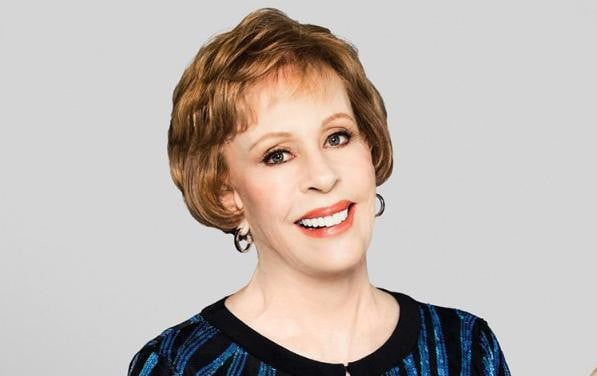
During the question-and-answer sessions Carol held with her audience at the start of most shows, viewers often asked her to perform her trademark Tarzan yell. She obliged, demonstrating her ability to humorously ad lib and connect with the crowd.
The yell became such a signature move that it appeared in multiple episodes. Burnett’s openness with the audience – taking questions, cracking jokes, showing her personality before the sketches even started – was unusual for variety shows at the time.
The impromptu segments often lasted several minutes, during which she demonstrated why audiences loved her. The Tarzan yell was silly and unexpected, perfectly capturing Burnett’s willingness to look ridiculous for a laugh.
SNL Weekend Update debut (October 11, 1975)

Weekend Update premiered on Saturday Night Live’s very first episode with Chevy Chase as anchor. The segment became SNL’s trademark, a satirical take on news broadcasts that has run (almost continuously) for 50 years.
Chase’s deadpan delivery and the now-iconic opening “I’m Chevy Chase, and you’re not” set the template. Different anchors brought their own styles over the decades – Dan Aykroyd, Jane Curtin, Dennis Miller, Norm Macdonald, Tina Fey and Amy Poehler, Colin Jost and Michael Che.
The segment proved that sketch comedy could tackle current events with sharp political satire, influencing how Americans consumed news and comedy. Weekend Update remains arguably the most recognizable part of SNL, surviving cast changes, format shifts, and 50 seasons of live television.
Tina Fey as Sarah Palin (September 13, 2008)

Tina Fey’s impersonation of Alaska Governor Sarah Palin during the 2008 presidential campaign became so iconic it has its own Wikipedia page. The resemblance was uncanny, but the writing elevated the sketches beyond simple mimicry.
In a parody of Palin’s interview with Katie Couric, Fey delivered Palin’s actual answer about bank bailouts verbatim – it sounded like parody but was the real response. The sketches influenced public perception of Palin during a critical election period.
Palin herself later claimed she gave Tina more material to work with, which had a ring of truth. Fey’s appearances drew huge ratings and reminded audiences why she’d been so valuable to SNL.
The impersonation transcended comedy to become a legitimate cultural phenomenon, with people quoting Fey’s version of Palin more than Palin herself.
Wayne’s World takes over SNL

Mike Myers and Dana Carvey’s basement cable-access show sketch became a recurring hit, eventually spinning off into two feature films. Wayne Campbell and Garth Algar were two suburban metalheads broadcasting from Wayne’s basement in Aurora, Illinois, discussing everything from local bands to their inability to talk to women.
“Party on!” “Excellent!” “We’re not worthy!” The catchphrases entered everyday vocabulary. The sketch worked because Myers and Carvey created fully realized characters with specific worldviews and recurring bits.
Wayne’s World proved SNL could still launch careers and create franchises in an era when the show’s cultural dominance was being questioned. The movies grossed over $300 million combined, cementing Wayne and Garth as one of SNL’s most successful exports.
Ed Sullivan’s awkward charm

Sullivan himself was never smooth. Awkward and notorious for forgetting names, he hardly looked like someone tasked with entertaining millions. His posture was stiff, his introductions often clumsy.
Yet from the first episode in 1948, which featured Dean Martin and J. Lewis, Sullivan possessed a sharp eye for talent that compensated for his lack of charisma. The show ran from 1948 to 1971 in the same Sunday night 8-9 PM time slot – one of the few entertainment shows to hold the same slot for over two decades.
Sullivan’s awkwardness became part of the appeal. He was the everyman presenting extraordinary talent, the uncomfortable uncle introducing rock legends and opera singers with equal enthusiasm. His stiff delivery of “really big show” became iconic precisely because it was so unpolished.
The contrast between Sullivan’s wooden hosting and the explosive talent he showcased created a unique dynamic that defined an era of television.
When Moments Became Memory

Variety shows created shared experiences in ways that feel impossible now. Everyone watched the same thing at the same time, and the next day at school or work, you discussed what you’d seen.
No DVR, no streaming, no watching on your own schedule – you were either there when it happened live, or you missed it forever. The variety show format eventually faded as cable fragmented audiences and tastes changed.
But those moments – Elvis gyrating, The Beatles harmonizing, Carol tugging her ear, Will Ferrell demanding more cowbell – remain lodged in collective memory. They represent a time when television could genuinely unite the country, when a single show could command 73 million viewers, when families gathered around one set and experienced something together.
The shows themselves are mostly gone, but the moments they created keep echoing forward, reminding us what it felt like when everyone was watching the same stage at the same time.
More from Go2Tutors!

- The Romanov Crown Jewels and Their Tragic Fate
- 13 Historical Mysteries That Science Still Can’t Solve
- Famous Hoaxes That Fooled the World for Years
- 15 Child Stars with Tragic Adult Lives
- 16 Famous Jewelry Pieces in History
Like Go2Tutors’s content? Follow us on MSN.