15 Older Books That Are Still Worth Reading
There’s a particular kind of pressure that comes with a long reading list. New releases pile up, everyone’s talking about the latest thing, and somewhere at the back of your shelf sit books that have been quietly waiting for years.
Decades, even. The older ones.
But some of those older books have held up better than anything published last season. Not because they’re classics in the stuffy, assigned-reading sense — but because they deal with things that don’t go out of date.
Ambition. Loneliness. Power.
What it means to be a person in a world that doesn’t much care whether you make it. Here are 15 older books that still have something real to offer.
Stoner by John Williams (1965)

This story stayed under the radar for years until word slowly spread among readers, hand to hand. A kid from a farm in Missouri grows up to teach English at a small college, nothing flashy about him.
His days pass without much notice. Just ordinary moments strung together.
The whole thing rests on that simplicity. Still, it hits harder than most stories do.
Disappointment, so-so marriages, tiny campus battles – Williams treats them like life-or-death matters. You finish the book feeling like Stoner was someone you knew.
Opinions form without asking.
The Remains Of The Day By Kazuo Ishiguro 1989

A long drive through rolling fields fills Stevens’ hours, his hands steady on the wheel of a quiet car. Memory creeps in when the road straightens, shaping old moments into something heavier than they were.
The woman he once worked beside now waits at journey’s end, her name unspoken but fixed in thought. Each mile brings not just distance covered, but stories adjusted – small lies tucked beneath dignity.
What seemed like duty then feels different now, reshaped by silence and empty lanes. Regret does not shout; it settles slowly, like dust on upholstery.
Quietly, Ishiguro keeps his distance. His words move slowly, a little rigid – and that’s the whole idea. Holding back hits hard.
Long before Stevens sees what’s inside him, you’ve known every piece he hides. What matters slips out between silences.
Invisible Man by Ralph Ellison 1952

A figure walks across 1950s America, overlooked not due to absence but by choice of those around him. This story pushes forward like a dream that won’t settle, shaped by moments both sharp and strange.
Clarity slips away whenever answers seem near. The book holds back certainty at every turn.
Even now, that core push comes back again and again: who you feel you are versus what others keep assuming you must be. The pages still carry weight.
The Master and Margarita Mikhail Bulgakov 1930s written 1967 published

A stranger steps into 1930s Moscow, fur coat swirling, eyes sharp. Beside him walks a feline who speaks in riddles.
Limbs cut through evening air – someone takes flight above the rooftops. Papers disappear from desks overnight.
One minute officials sit typing, next they’re gone. Midnight strikes.
Chandeliers burn low at a gathering where guests have no names. Wine flows without hands pouring.
Meanwhile, far back in time, dust swirls on another road. A man waits near a gate, guilt heavy in his chest.
Light falls strangely across stone courtyards. Decisions echo forward.
The city hums under new rules nobody wrote. Miraculous, really, that Bulgakov penned this during Stalin’s rule – publication remained out of reach for him.
Survival of the manuscript feels unlikely. Yet here it stands: sharp with humor, threaded through with love, weighted by deep thought.
Not a combination history should allow.
The Dispossessed by Ursula K. Le Guin (1974)
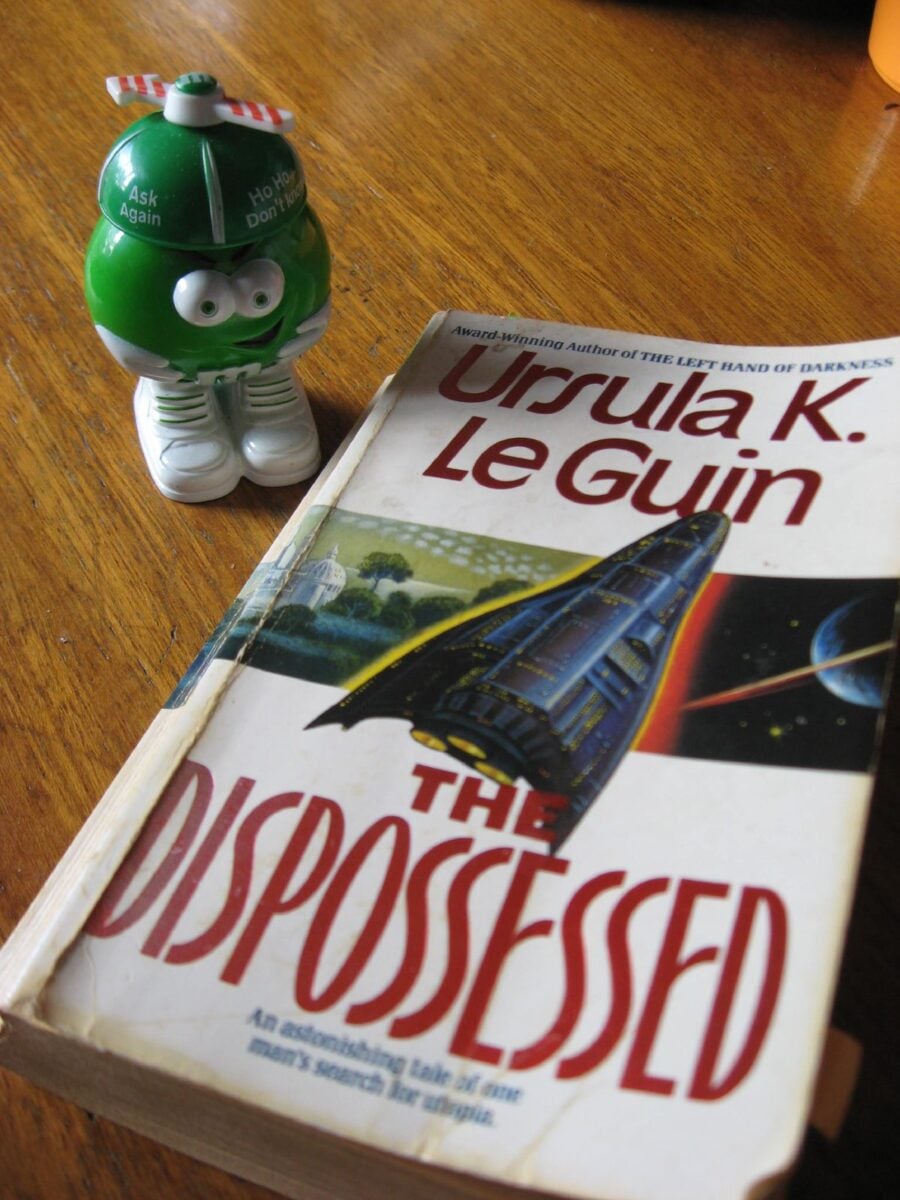
A scientist born on a rebel moon sets foot on the rich, market-driven world his ancestors abandoned long before. By shaping each society carefully, Le Guin keeps judgment hidden – neither place shines as clearly true.
What does one person truly owe another? The book wrestles with that question, also asking how much liberty demands. It presents conflicting views without leaning too hard either way, which leaves audiences uncertain even now.
Few stories manage that balance.
Giovanni’s Room by James Baldwin 1956
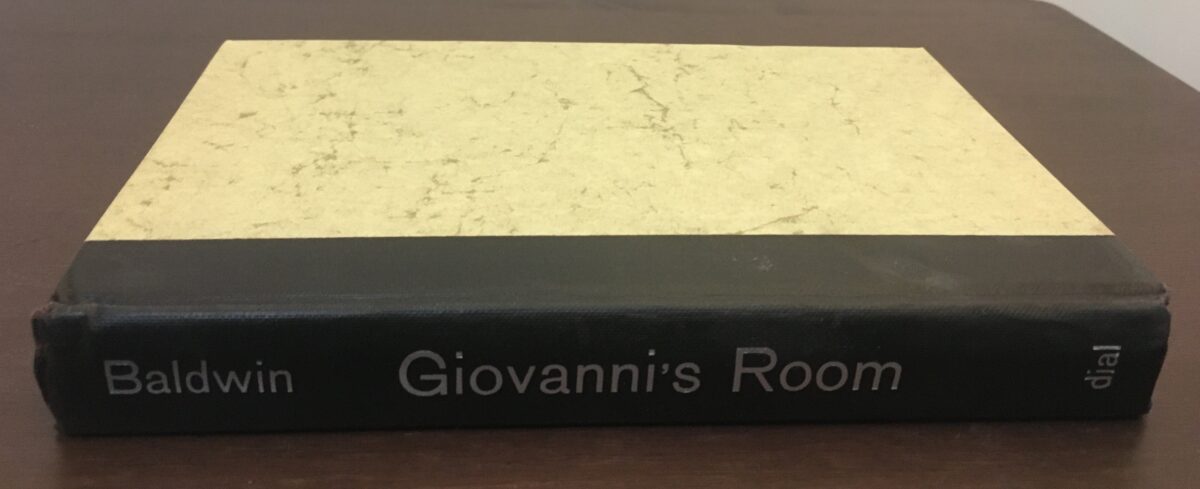
A quiet shift at the bar, that’s where it starts. He’s from New York, stuck in Paris with too much time.
She mixes drinks with sharp eyes and sharper words. His future wife sends postcards from Seville – sunlit streets, empty promises.
Days blur into choices he never meant to make. Running away feels natural when you call it waiting.
The truth creeps in sideways, not loud but certain. Romance? Maybe. Or just fear wearing different clothes.
Baldwin shows no mercy in these pages. Though he hands the narrator chance after chance to see who he really is, none of them stick.
The result? Sharp sentences that cut deep – unforgiving, yet somehow perfect.
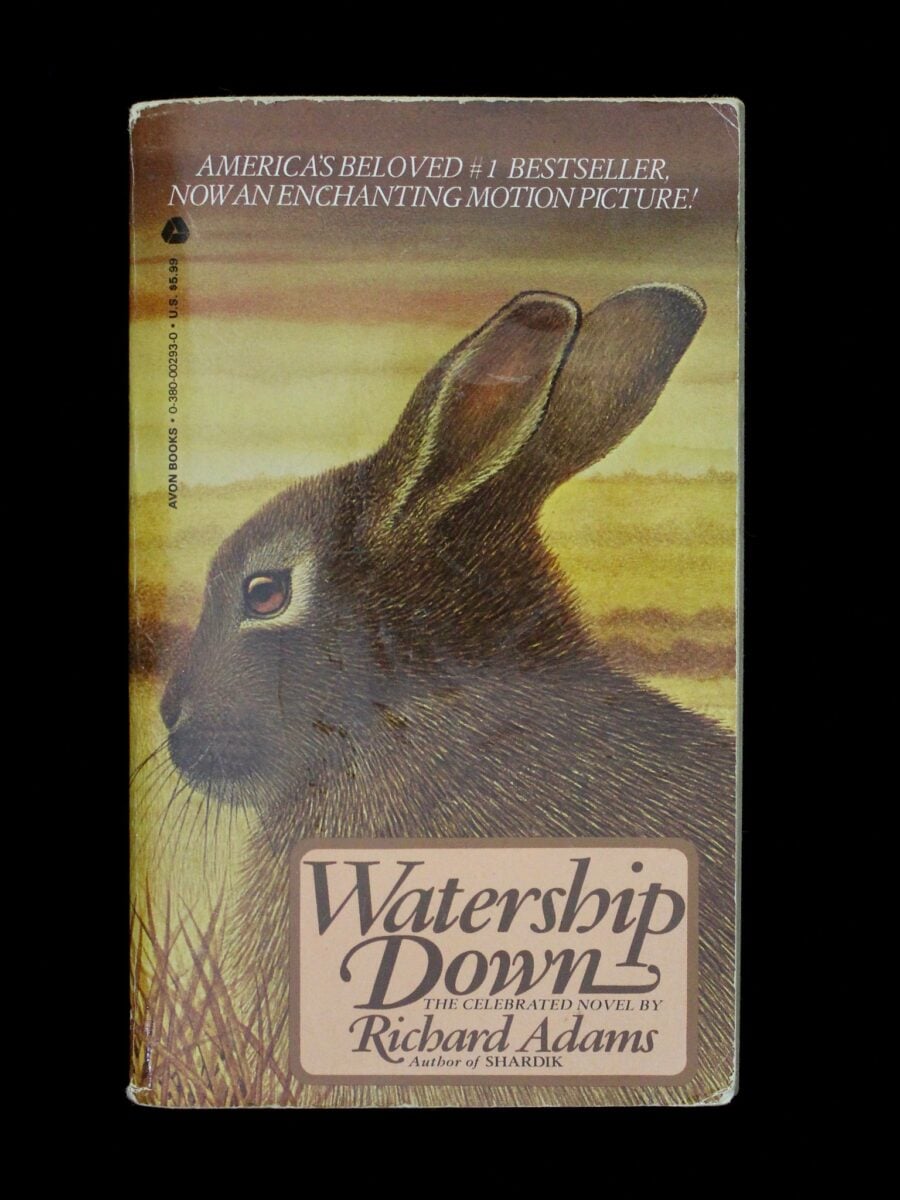
Watership Down by Richard Adams (1972)
Rabbits come up here. Not an issue though.
Fleeing just ahead of ruin, a cluster of rabbits leaves its old burrow behind. With care, Richard Adams shapes myths these animals live by – speech they use, ranks they follow.
Tension rises naturally within their journey; so does emotion. Not taking this tale at face value? That’s on anyone who judges too fast.
What looks slight holds depth, if given space.
The Bell Jar Sylvia Plath 1963
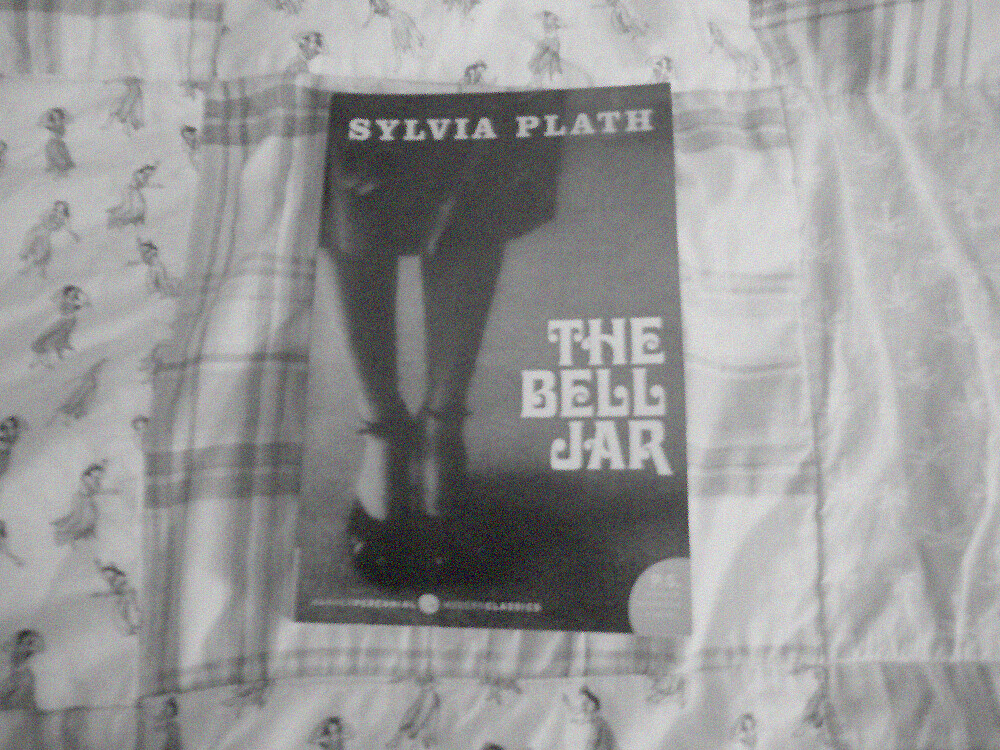
Starting over in New York, Esther Greenwood lands an internship at a big magazine but begins to unravel. Her mind slips piece by piece while life keeps moving around her.
Plath shows what breaking down looks like when there is no drama, only silence and small wrong feelings. It spreads quietly, like fog across pavement, not loud or clear.
The pain doesn’t teach lessons – it simply stays, heavy and ordinary. Folks tend to see the book as a personal story – fair enough, since bits of it really are.
Still, it cuts deep into how America during the fifties shaped expectations for young women, then handed back only narrow paths in exchange.
Riddley Walker by Russell Hoban 1980
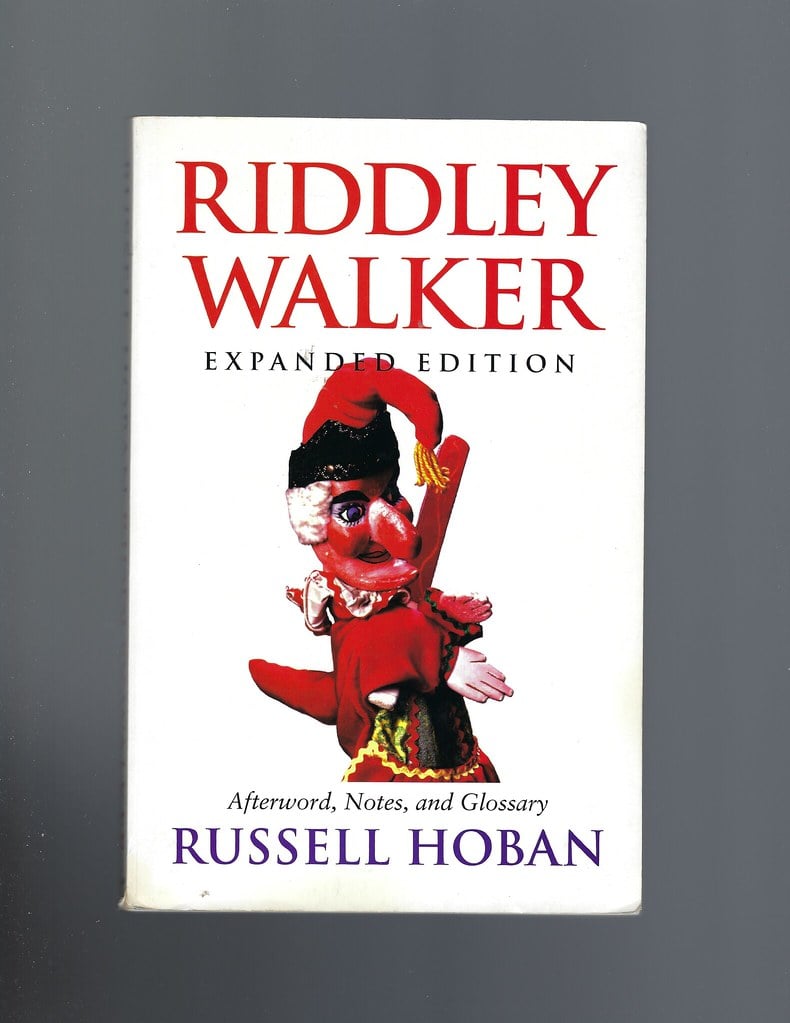
Fighting through this book means wrestling unfamiliar words. Around two millennia after the disaster, Hoban imagined how speech might twist – so he built a whole tongue bent by time instead of clear rules.
Letters shift places. Sounds blur into odd shapes.
Reading feels like squinting at smeared handwriting until your mind adjusts. Halfway through those first twenty pages, something shifts.
Noticing how the words fit together comes before understanding them. What remains after loss shows up in every sentence.
This kind of storytelling doesn’t shout; it seeps. A quiet mastery lives inside the rhythm.
Few novels reach this depth. By then, you’re already caught.
Wide Sargasso Sea by Jean Rhys 1966
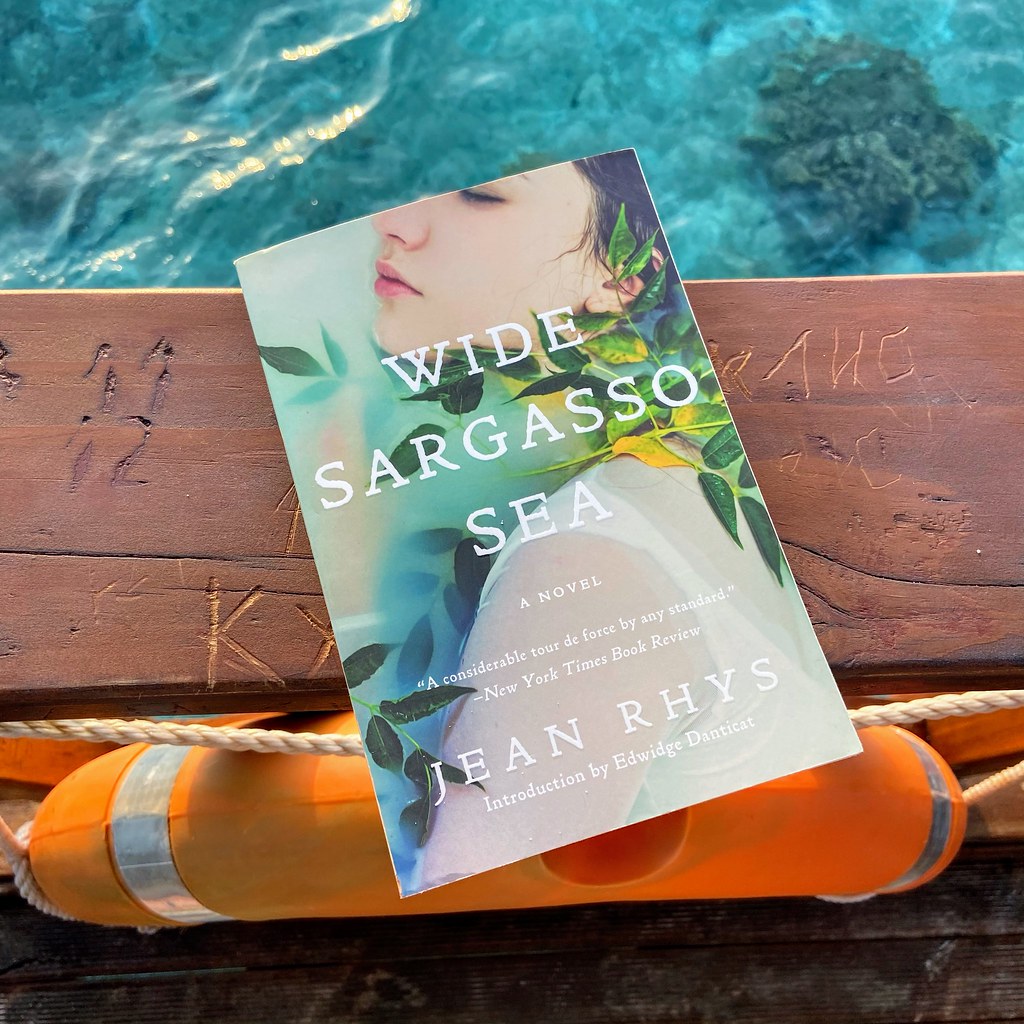
A story that comes before Jane Eyre, seen through Bertha Mason’s eyes – the woman called mad, hidden away by Rochester, never given a voice. What happens when silence is broken from within? Her steps echo where others turned away.
Locked rooms do not always hold what they seem. This version breathes behind closed doors, slow then sudden.
Not every truth waits politely. A life shaped by walls still reaches outward.
Some names are erased on purpose. Here, one name returns.
Starting with Rhys, Bertha gets more than just words – she gains a past, a place to belong, a voice. Rochester loses some charm along the way.
Read Jane Eyre? Then this shifts everything. Never opened that book? Still fits together fine.
Length stays true.
The Left Hand of Darkness by Ursula K. Le Guin (1969)
A second mention here goes to Le Guin. In a distant world, humans shift fluidly between genders, often existing without identity for long stretches.
This book mixes tense diplomacy with personal endurance. It also quietly asks how much our connections depend on whether we’re male or female.
What if that whole idea just… faded away? What lasts is how Le Guin avoids quick fixes.
Inside the story she makes, there’s space to just be.
Darkness at Noon Arthur Koestler 1940
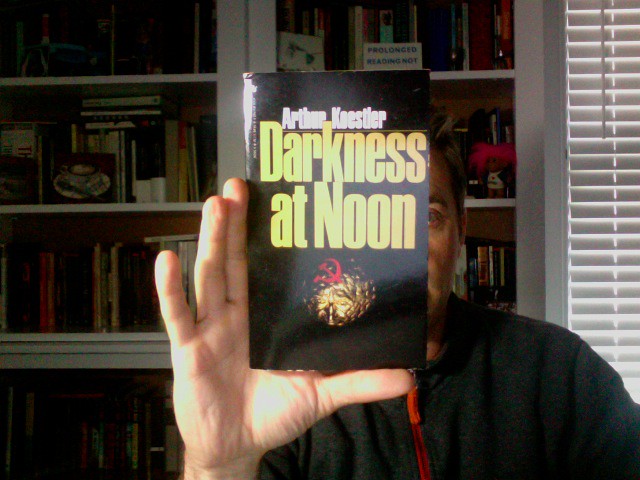
A man who used to stand tall as a voice for revolution now sits behind bars built by the nation he helped bring into being. Little whispers chip away at his resolve, leading him to speak falsehoods just to find rest.
Writing came to Koestler in restless times, while staged court dramas unfolded under bright lights in distant cities. At that moment, those aligned with progressive ideals wrestled hard to understand what felt like pure chaos taking shape.
Breathing gets hard between these lines, as if the edges are pressing closer. Inside a room with no warmth, time drags on for one locked away.
At its heart is a question – how much does faith ask before it takes something? Some disappear because of that need to believe.
The same quiet force moves through people now.
Never Let Me Go Kazuo Ishiguro 2005
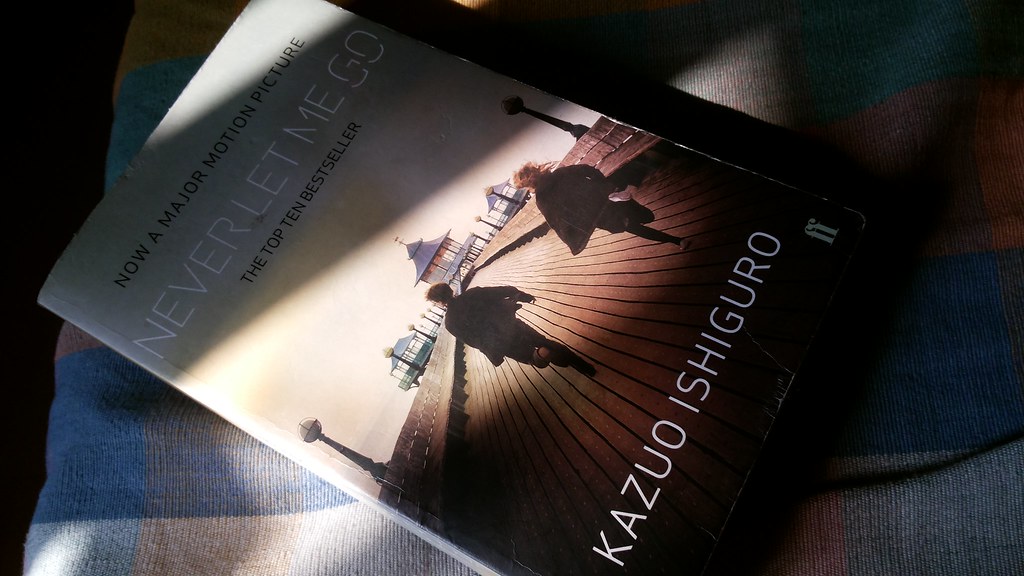
Two decades gone, yet somehow overlooked. Though not ancient by any measure, it lingers in the shadows of attention.
A girl named Kathy looks back on days spent within hushed halls of an English boarding school – calm, too calm. At its core, something odd hums beneath routines and rules.
The truth slips out sooner than expected, so naming it isn’t ruinous. These kids? Copies of others.
Brought up for one purpose: giving pieces of themselves away. What Ishiguro cares about isn’t the sci-fi setup but how people fill their days.
Turns out, that’s pretty much like anyone else. How this story hits you changes with your age.
Things Fall Apart by Chinua Achebe 1958
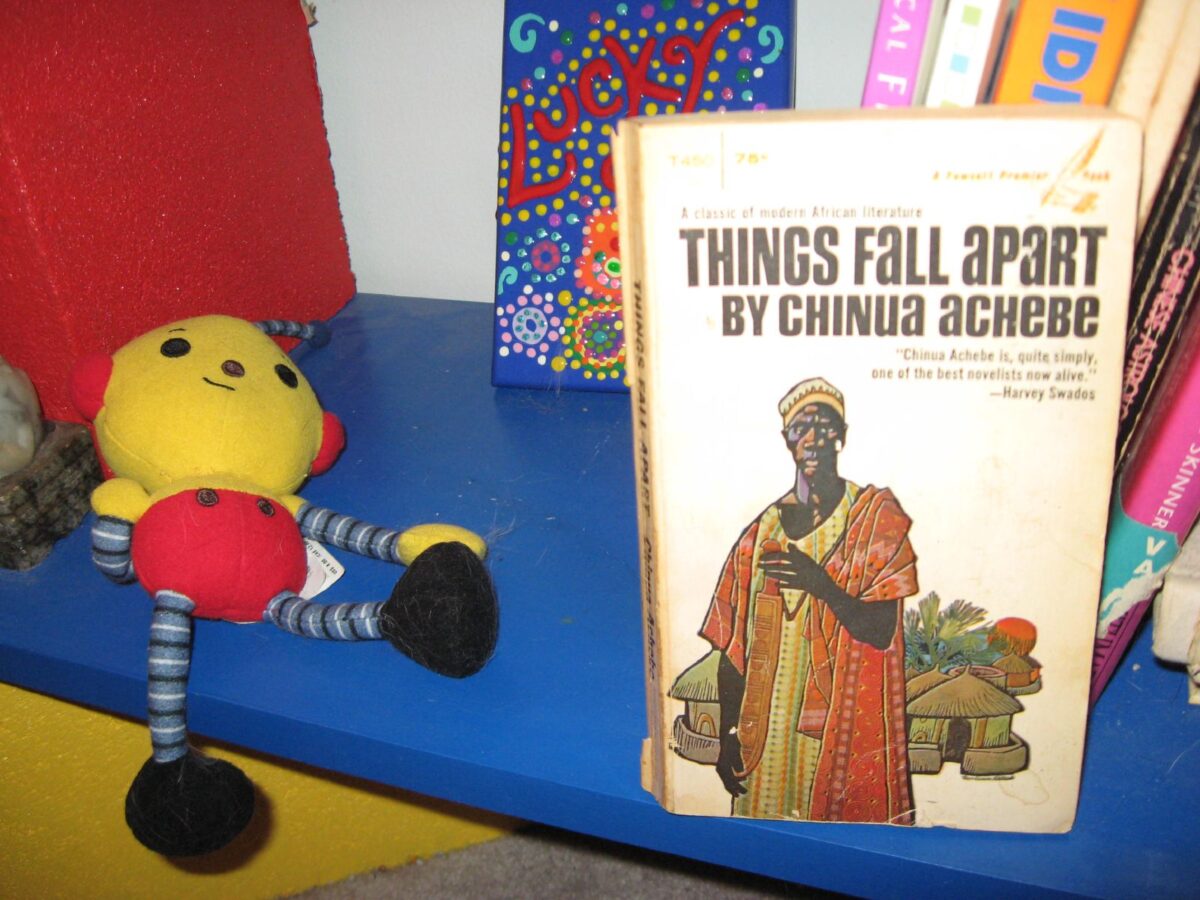
Respect comes easily to Okonkwo in his village. When the British show up, things shift without warning.
Achebe shaped these pages because stories such as Heart of Darkness reduced Africa to scenery, stripped of rhythm and memory. This book breathes a pulse into silence, refusing to smooth out the rough edges.
Okonkwo stands tall, flawed, quick to anger, never pretending to be noble. His fall cuts deep, yet reaches beyond one man’s fate.
What breaks is not just a life but a world.
Housekeeping by Marilynne Robinson 1980
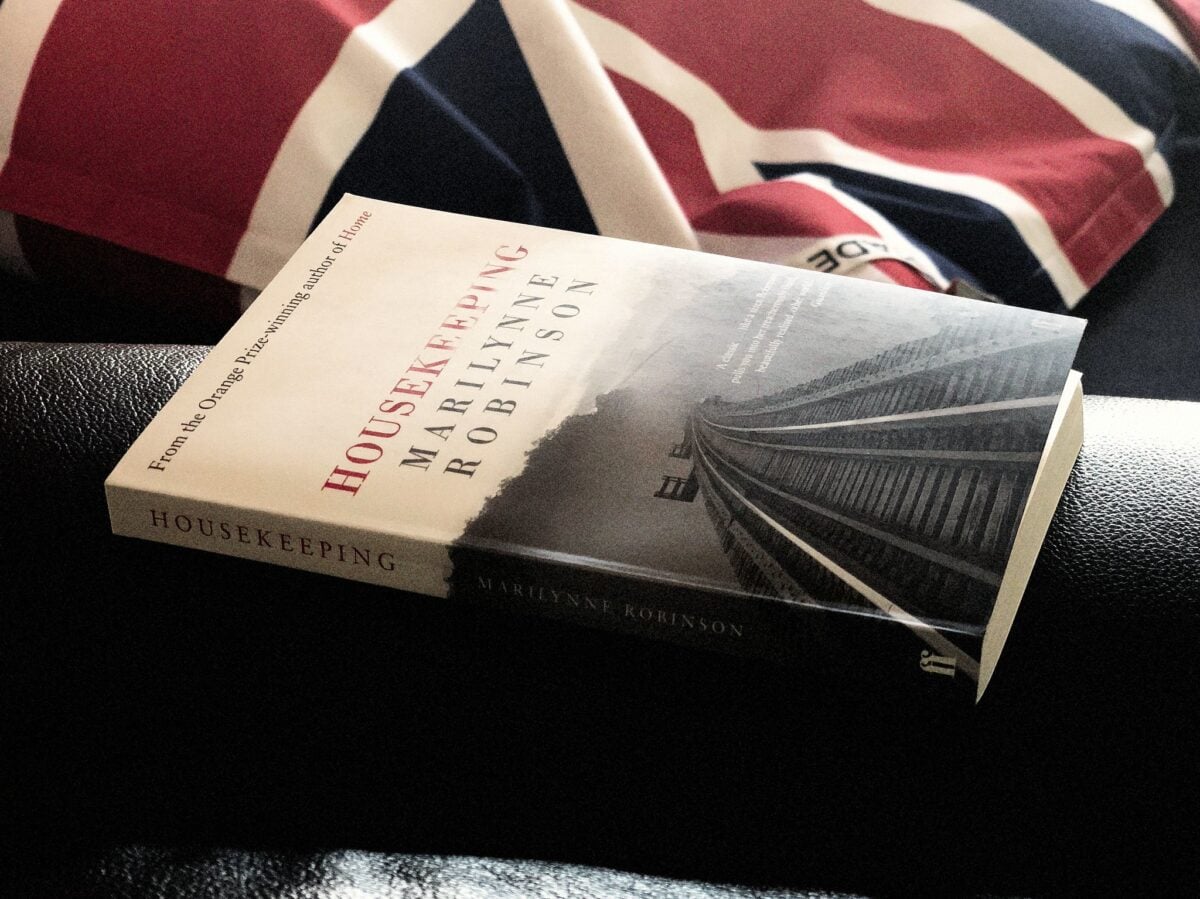
A girl and her sibling grow up passed between family members in an Idaho lakeside town. There once was a train, belonging to their grandfather, that fell from a bridge nearby.
Years later comes Aunt Sylvie, drifting into their lives like fog over water. She carries little, owns less, moves without roots – the kind of person who sleeps on benches and rides freight trains just to see where they go.
What sets Robinson apart begins with how she moves through time. Her words linger where others rush by – clouds, tides, silence after footsteps fade.
A debut book, yes – but arrival might be a better word. The air around each sentence seems charged, even now.
The Ones That Stay Attached
Oldness does not keep books alive, nor do awards. Instead it’s an open wound inside them – some debate lingering, emotions unnamed – that refuses to fade.
These titles carry exactly that. Across nations, across time, tackling separate worlds altogether.
Their common thread: truth told so directly, time cannot sand away the edges. Last time, tried a different page.
Begin mid-sentence sometimes. Choose what feels untouched.
More from Go2Tutors!

- The Romanov Crown Jewels and Their Tragic Fate
- 13 Historical Mysteries That Science Still Can’t Solve
- Famous Hoaxes That Fooled the World for Years
- 15 Child Stars with Tragic Adult Lives
- 16 Famous Jewelry Pieces in History
Like Go2Tutors’s content? Follow us on MSN.