Sundance Films That Made History
Starting small, the Sundance Film Festival wasn’t always famous. Back then, it felt less like fame and more like shelter – filmmakers came because studios ignored their work.
Money ran low, names meant nothing, profit seemed unlikely. Yet they kept going, drawn by room to create, trusting someone out there might listen.
Films once overlooked began finding their audience here. Where quiet debuts turned into cultural moments, fresh faces earned attention without needing permission.
A few slipped away unnoticed, sure, yet others lifted directors into the spotlight, redrew what release strategies could look like, shifted perception around indie storytelling. Not just winning favor in Park City, they bent the path movies travel long after leaving it.
Time showed that trust wasn’t misplaced. A fresh glance at Sundance movies reveals some stayed memorable.
Not because of flashiness, instead, their impact came quietly. Influence mattered more than big moments.
Certain stories shaped conversations long after screening. Quiet power often outlasts loud effects.
Reservoir Dogs
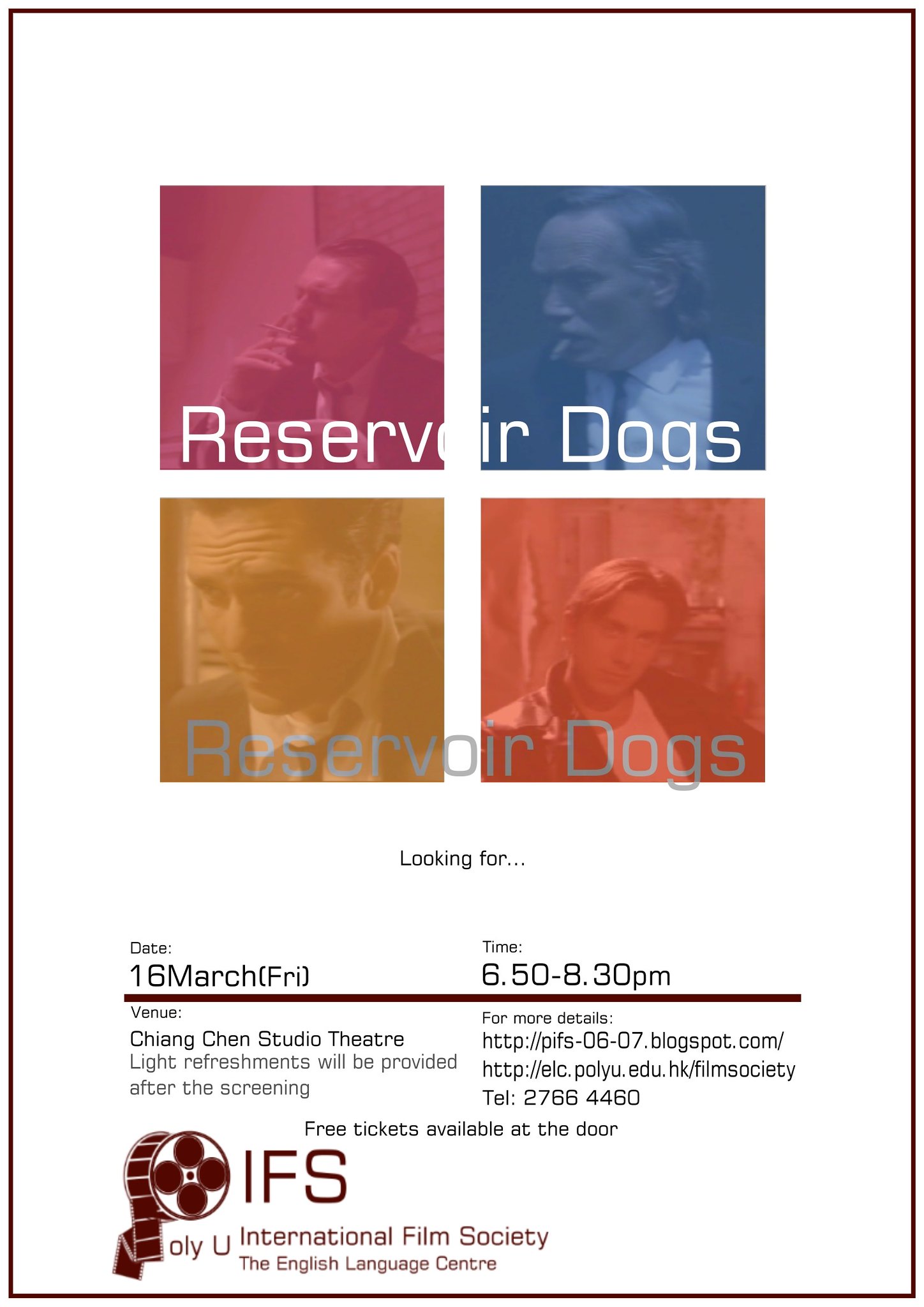
This film arrived with sharp edges and no interest in softening them. Its nonlinear structure, stylized dialogue, and confrontational tone stood in contrast to the understated realism dominating the festival at the time.
It felt deliberately provocative, as though daring audiences to keep up. Its influence was unmistakable.
After this premiere, Sundance was no longer defined by a single aesthetic. It became a home for bold stylistic experimentation, opening the door for filmmakers who wanted to be unmistakable rather than agreeable.
Clerks

Made with limited resources and a fiercely personal voice, this film leaned into everyday observation. Its humor emerged from casual conversation and mundane frustrations, capturing the texture of ordinary work life without embellishment.
Sundance audiences recognized its honesty immediately. The film’s breakout reinforced a powerful lesson.
Ambition was not dependent on scale. For countless aspiring filmmakers, it became proof that authenticity could carry a story further than polish ever could.
The Blair Witch Project

By the time this film screened, curiosity had already begun to circulate. Its presentation as recovered footage blurred the boundary between fiction and reality, leaving viewers unsettled rather than reassured.
The experience lingered long after the screening ended. What followed changed film marketing entirely.
The project demonstrated that suggestion could outperform spectacle, especially when audiences were invited to participate in the mystery. Sundance emerged as a place where not just films, but new audience dynamics could be tested.
Napoleon Dynamite

This film did not announce itself loudly. Its humor was understated, its pacing unconventional, and its characters unapologetically specific.
Initial reactions were mixed, with uncertainty hanging over whether it would connect beyond festival crowds. Its gradual rise told a different story.
The film proved that patience mattered, and that cultural impact did not always arrive fully formed. Sundance once again showed the value of trusting unusual voices to find their audience in time.
Little Miss Sunshine

At its core, this was a modest road-trip story built on emotional precision rather than excess. Its humor and warmth never drifted into sentimentality, allowing the characters’ imperfections to remain intact.
The connection with audiences was immediate and lasting. Its journey from Sundance to widespread success softened long-standing divisions between independent and mainstream cinema.
Studios took note, recognizing that sincerity could travel far when audiences felt respected rather than manipulated.
Fruitvale Station
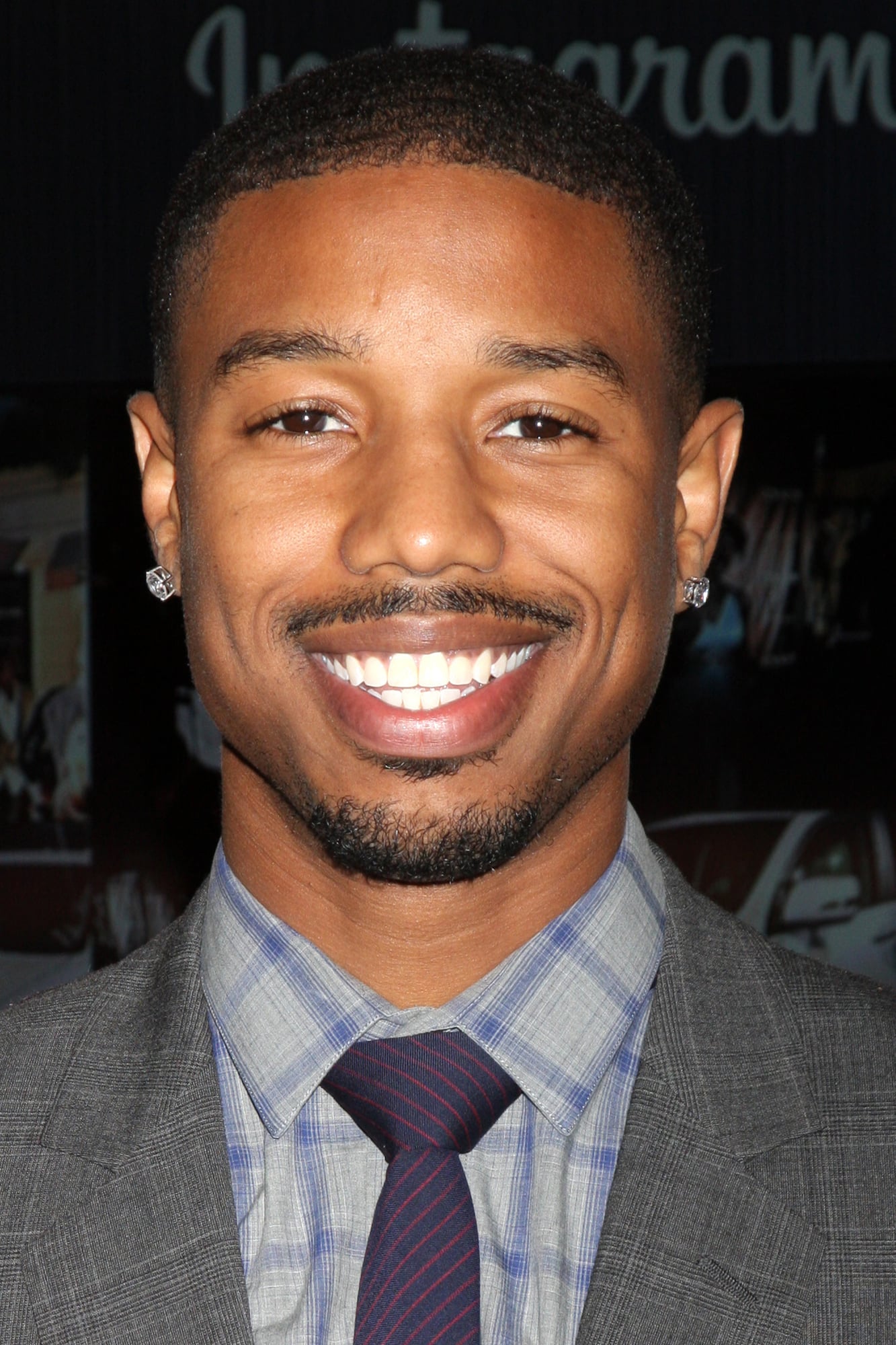
This debut feature approached its subject with restraint and focus, allowing small moments to accumulate emotional weight. Rather than amplifying drama, it centered humanity, trusting viewers to sit with discomfort rather than be guided through it.
Sundance recognition helped bring the film into wider conversation without compromising its tone. It marked the arrival of a filmmaker whose influence would stretch well beyond the independent space, reinforcing the festival’s role as an early signal of lasting talent.
Whiplash
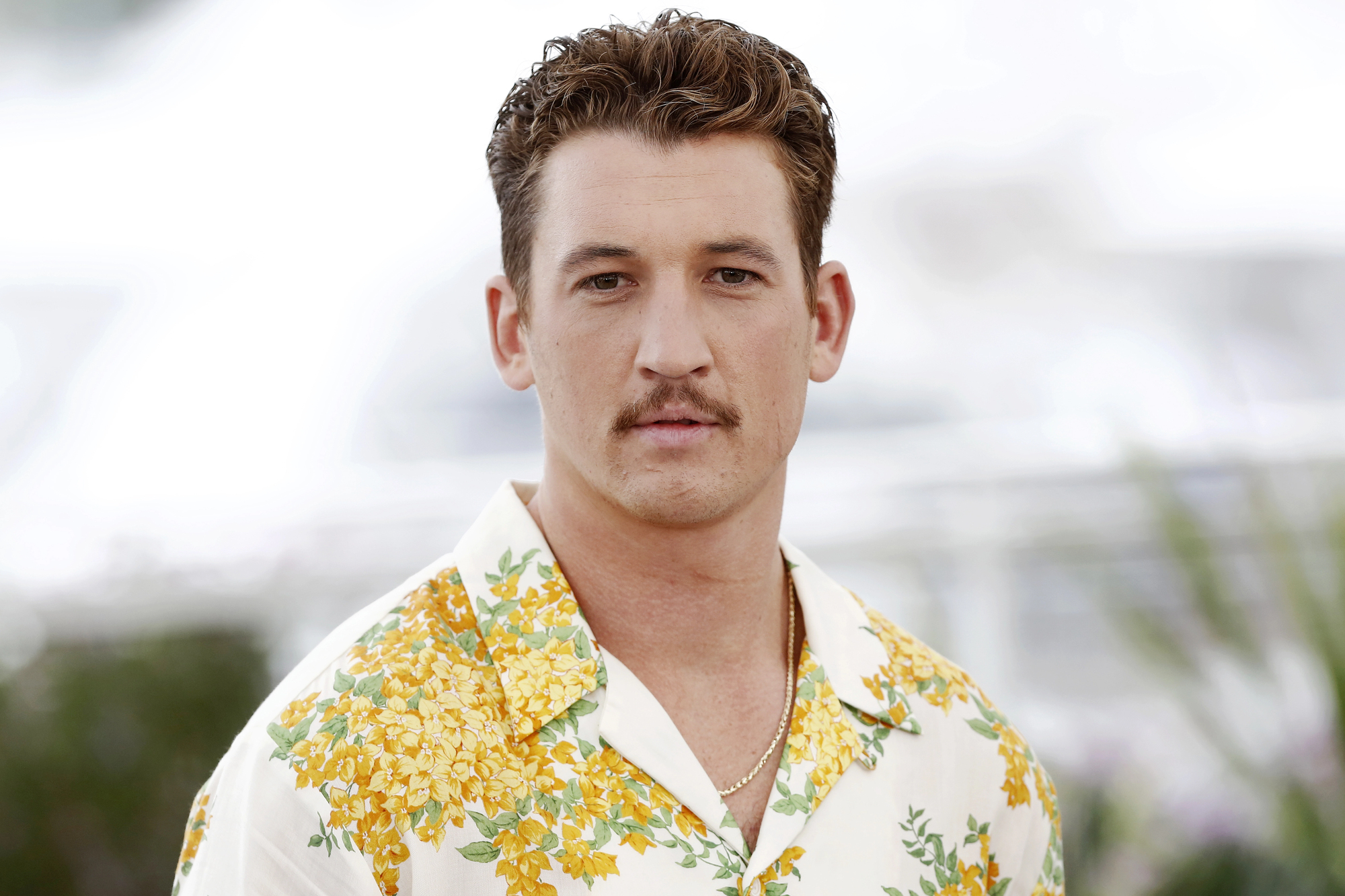
Originally introduced as a short, this project expanded into a feature defined by precision and intensity. Its portrayal of ambition felt both thrilling and suffocating, holding audiences in sustained tension.
Sundance became the proving ground for its full expression. The film illustrated how the festival’s role had evolved.
Sundance was no longer just discovering talent. It was actively shaping it, providing space for ideas to mature without losing their edge.
Get Out
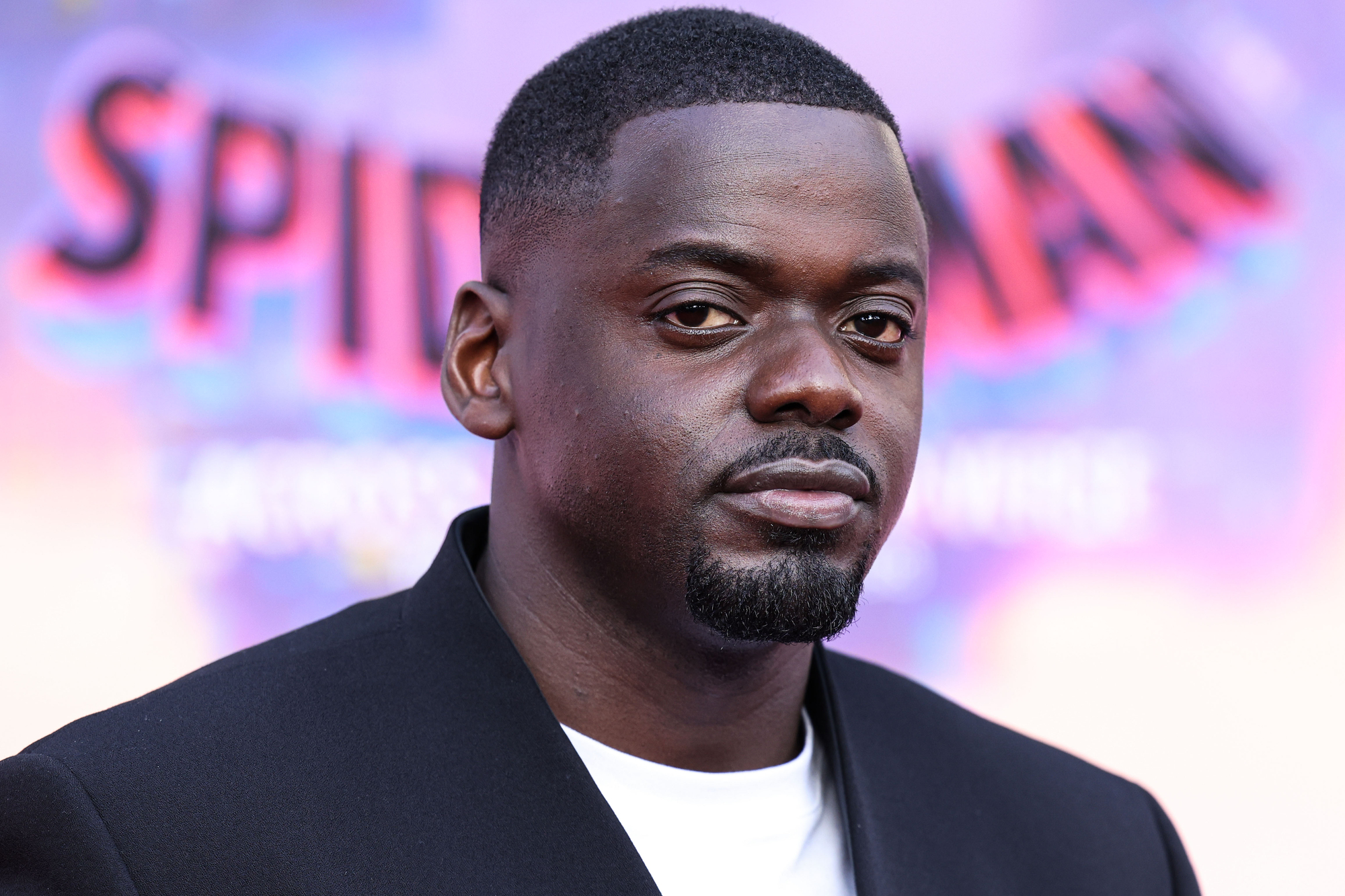
Premiering within the framework of genre storytelling, this film revealed deeper ambitions almost immediately. Its structure allowed it to entertain broadly while delivering pointed social observation beneath the surface.
Its success marked a shift. Sundance films were no longer confined to art-house discussions.
They could define mainstream conversation without sacrificing originality, expanding the reach of independent cinema in meaningful ways.
CODA
A quiet story about kinship found wide echoes, despite the loud price tag that came first. What stood out wasn’t the deal, but how softly it spoke to strangers and siblings alike.
Seen by many, felt by more – its strength was in what it didn’t say. In a world full of noise, simply being honest became its own kind of breakthrough.
Flying off course was nothing new for Sundance – it bent but never broke. When streaming rewrote how films traveled, the event stayed sharp, spotlighting tales that crossed borders yet kept their quiet pulse.
How Sundance reshaped distribution
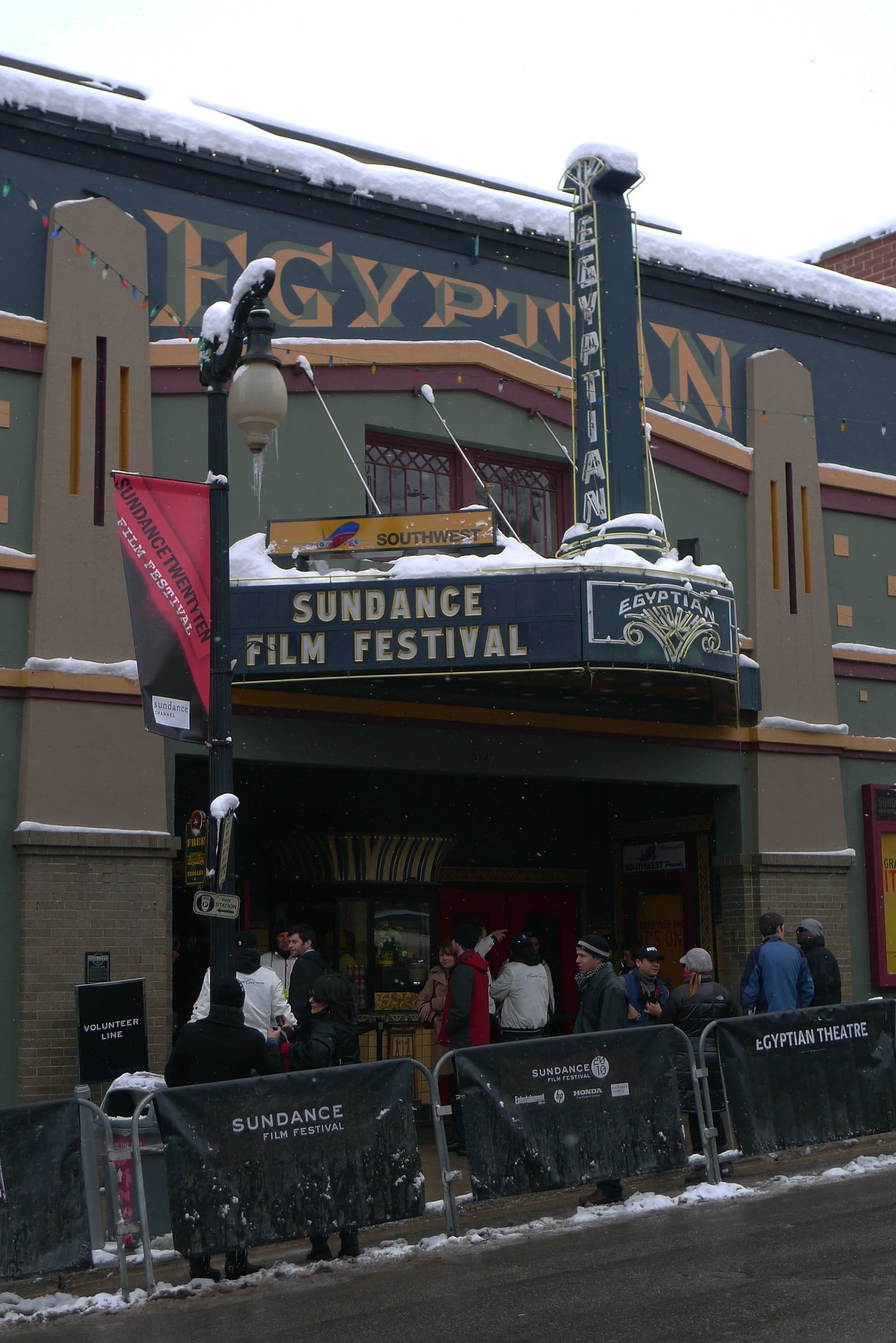
When Sundance got bigger, things started changing around it. Instead of just showing up to look around, studios came with plans in mind.
Agreements made there slowly shaped when movies opened, how they pushed for awards, what ads looked like. The timing, the honors race, even promotion – it all bent toward those January deals.
Still, Sundance held back from turning into just a marketplace. Instead of chasing deals, it kept picking films that felt fresh, letting new creators stand alongside veterans.
Because of this mix, people still saw the event as meaningful – both as a cultural moment and a place where careers moved forward.
The streaming era and evolving impact
A film hitting screens used to take months. Now it can show up everywhere overnight.
That shift came fast. Streaming made old release plans look clunky.
Yet Sundown kept pace without fighting the current. One showing might echo across continents right away.
The goal isn’t ticket counts anymore. It’s whether people keep talking about it later.
The festival kept choosing depth over noise. Unheard stories stepped in, free from scripts.
Viewers found things on their own. Guidance stayed out of the way.
Why it still matters

Out here, where quiet films once had no home, something took root. Now surrounded by rush, volume, big names, it still moves at its own pace.
What keeps it alive isn’t reinvention – it’s staying put. Clear voices rise without shouting.
Stories unfold when given time. Risk matters only if someone means it.
One movie after another, that pattern holds. Not flash, just foundation.
More from Go2Tutors!

- The Romanov Crown Jewels and Their Tragic Fate
- 13 Historical Mysteries That Science Still Can’t Solve
- Famous Hoaxes That Fooled the World for Years
- 15 Child Stars with Tragic Adult Lives
- 16 Famous Jewelry Pieces in History
Like Go2Tutors’s content? Follow us on MSN.