Invented Retro Design Trends That Never Happened
Every design era gets mythologized over time. The clean lines of mid-century modern become “effortless sophistication.”
Victorian maximalism transforms into “timeless elegance.” But somewhere in that process of nostalgic reimagining, certain trends get retroactively invented—design movements that sound plausible, feel familiar, but never actually existed.
These phantom aesthetics live in the space between what we remember and what we wish had happened, complete with fake origin stories and imaginary cultural moments that feel just real enough to fool us.
Atomic Ranch Minimalism
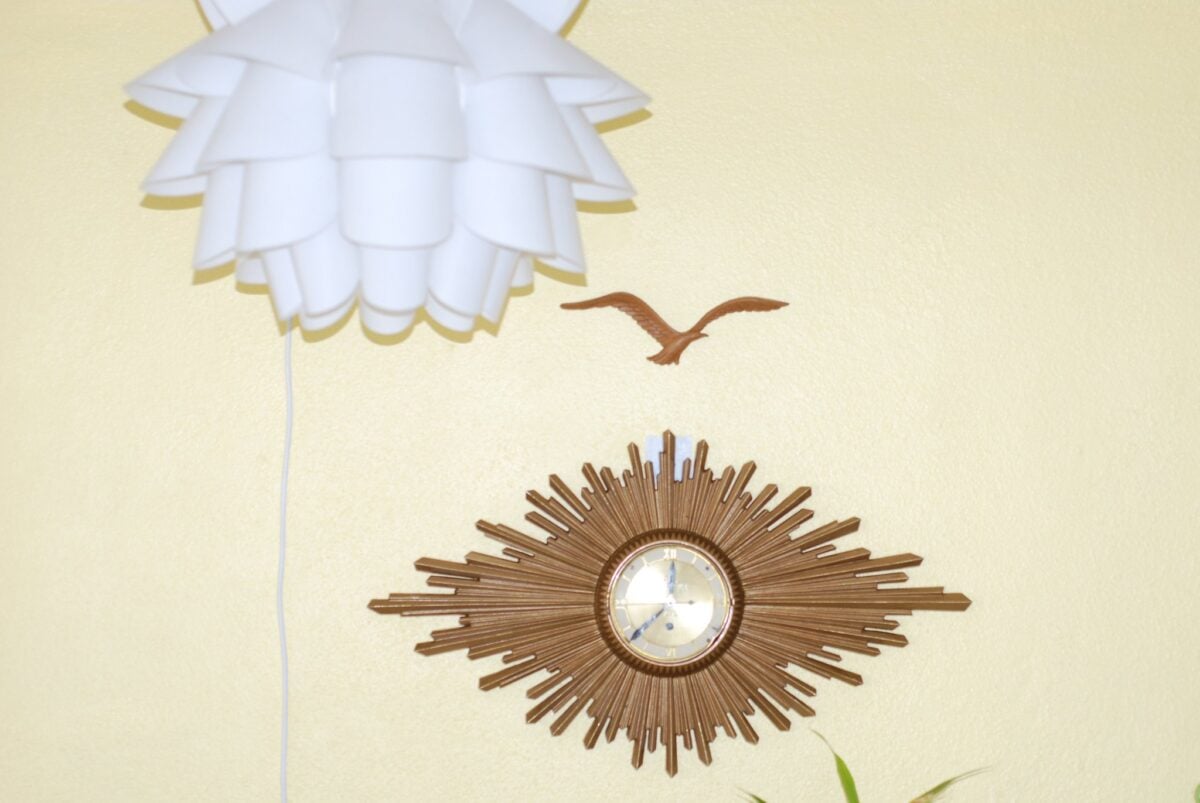
Mid-century modern spawned dozens of offshoots, but Atomic Ranch Minimalism wasn’t one of them. This supposed movement allegedly stripped the already-clean lines of ranch houses down to their absolute essence—no built-ins, no room dividers, just four walls and enormous windows.
Every surface painted the same shade of warm white. The story goes that a handful of California architects in 1962 decided that even Eichler homes had too much visual noise.
So they removed kitchen cabinets entirely, built furniture into the floor, and created spaces so minimal that a single throw pillow constituted decoration. Magazine spreads supposedly featured living rooms with nothing but a built-in bench running along one wall and a sunken conversation pit in the center.
This never happened. The closest anyone came was a few experimental homes in Palm Springs that removed upper kitchen cabinets—but that was about storage, not philosophy.
Americans in the 1960s wanted convenience and comfort, not meditation chambers. Even the most forward-thinking architects understood that people needed places to put things.
Victorian Tech Integration

Here’s where nostalgia gets creative: the idea that wealthy Victorians seamlessly integrated new technologies into their ornate homes through equally ornate design solutions. According to this invented history, elaborate carved wooden panels concealed telephone alcoves, and crystal chandeliers were rewired for electricity while maintaining their candle-holding capacity for “authentic ambiance.”
The most persistent myth involves “communication furniture”—supposedly, entire writing desks were designed around early telephone systems, with hidden bells, speaking tubes between floors, and carved compartments for message slips. These pieces allegedly combined the era’s love of mechanical complexity with their decorative sensibilities, creating functional art that happened to house cutting-edge technology.
But Victorians approached new technology the same way most people do: cautiously and practically (the wealthy ones had servants deal with newfangled contraptions, while everyone else just made do). They didn’t aestheticize their telephone installations because telephones were still weird and suspicious.
And yet this phantom trend persists because it feels like something Victorians would have done—ornate solutions to modern problems.
Brutalist Coziness
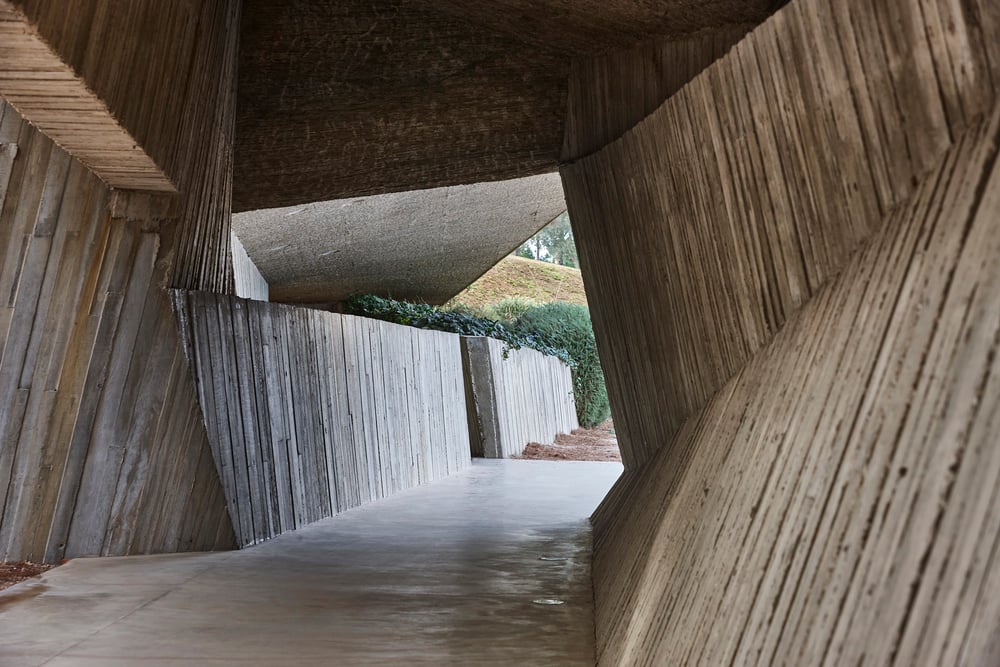
The idea that Brutalist architects ever concerned themselves with “warmth” or “human scale” is revisionist nonsense, but Brutalist Coziness has somehow become an accepted part of design history. This supposed micro-movement allegedly emerged in Eastern Europe during the late 1960s, when a few architects decided that concrete could be softened through texture, color, and strategic use of textiles.
The mythology includes detailed descriptions of apartment complexes where concrete walls were cast with fabric impressions, creating tactile surfaces that invited touch rather than repelling it. Color palettes supposedly shifted from institutional gray to warm ochres and rust tones, while common areas featured built-in seating areas designed for conversation rather than waiting.
None of this happened (concrete doesn’t work that way, and Eastern European architects in the 1960s had bigger concerns than residential comfort). But the myth persists because it addresses Brutalism’s obvious emotional shortcomings. People want to believe someone tried to make concrete buildings feel like home, even when they didn’t.
Art Deco Suburbia

Here’s the thing about Art Deco: it was fundamentally urban, fundamentally vertical, and fundamentally about showing off. But somewhere in the collective design memory, an entire suburban Art Deco movement got invented—complete with ranch houses featuring zigzag rooflines, geometric landscaping, and driveways inlaid with metallic strips to catch the light.
This phantom trend supposedly peaked in 1934, when middle-class families wanted to bring the glamour of city skyscrapers to their modest homes. Front yards allegedly featured stepped concrete planters arranged in ascending geometric patterns, while interior design emphasized horizontal lines through built-in furniture that extended the full width of rooms.
The most elaborate version of this myth includes “suburban deco districts” in places like Pasadena and Miami, where entire neighborhoods coordinated their geometric facades and metallic accents to create unified aesthetic statements. Real estate developers supposedly marketed these communities as bringing “metropolitan sophistication” to family life.
This makes for compelling alternate history, but Art Deco was never about suburban comfort. The aesthetic required scale, materials, and urban density that suburbs couldn’t provide.
A few builders tried deco-inspired details on individual homes, but that’s not the same as a movement.
Shaker Maximalism
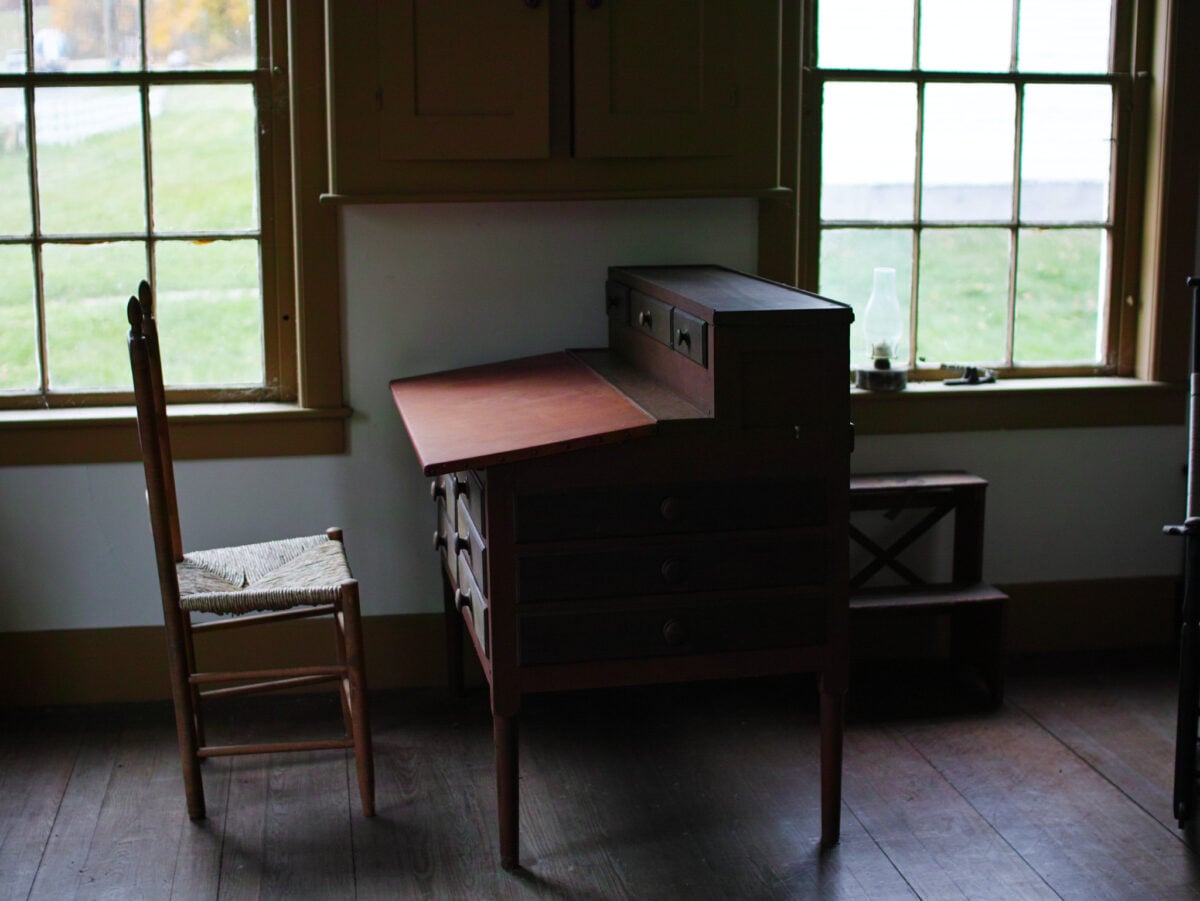
The Shakers made beautiful, functional objects guided by religious principles that emphasized simplicity and utility. Which is why “Shaker Maximalism” represents such an obvious historical impossibility—yet it shows up regularly in design writing as though it were a real phenomenon.
This invented trend supposedly emerged during the 1840s, when certain Shaker communities decided that their craft traditions could support more elaborate expressions without violating their spiritual principles. The mythology includes detailed descriptions of furniture pieces that maintained clean lines but incorporated complex joinery patterns, geometric inlays, and subtle color variations that created visual richness without ornamentation.
Even more elaborate versions claim that some communities developed “celebration furniture”—pieces used only during specific religious observances, featuring intricate woodworking that demonstrated devotion through craftsmanship rather than decoration. These pieces allegedly pushed Shaker design principles to their absolute limits while technically remaining within doctrinal bounds.
The problem here isn’t just historical accuracy (the Shakers never wavered on simplicity). It’s conceptual coherence. Maximalism and Shaker principles are mutually exclusive.
But people want to believe in elaborate Shaker pieces because they’d solve the modern problem of wanting both visual interest and spiritual authenticity.
Memphis Group Subtlety
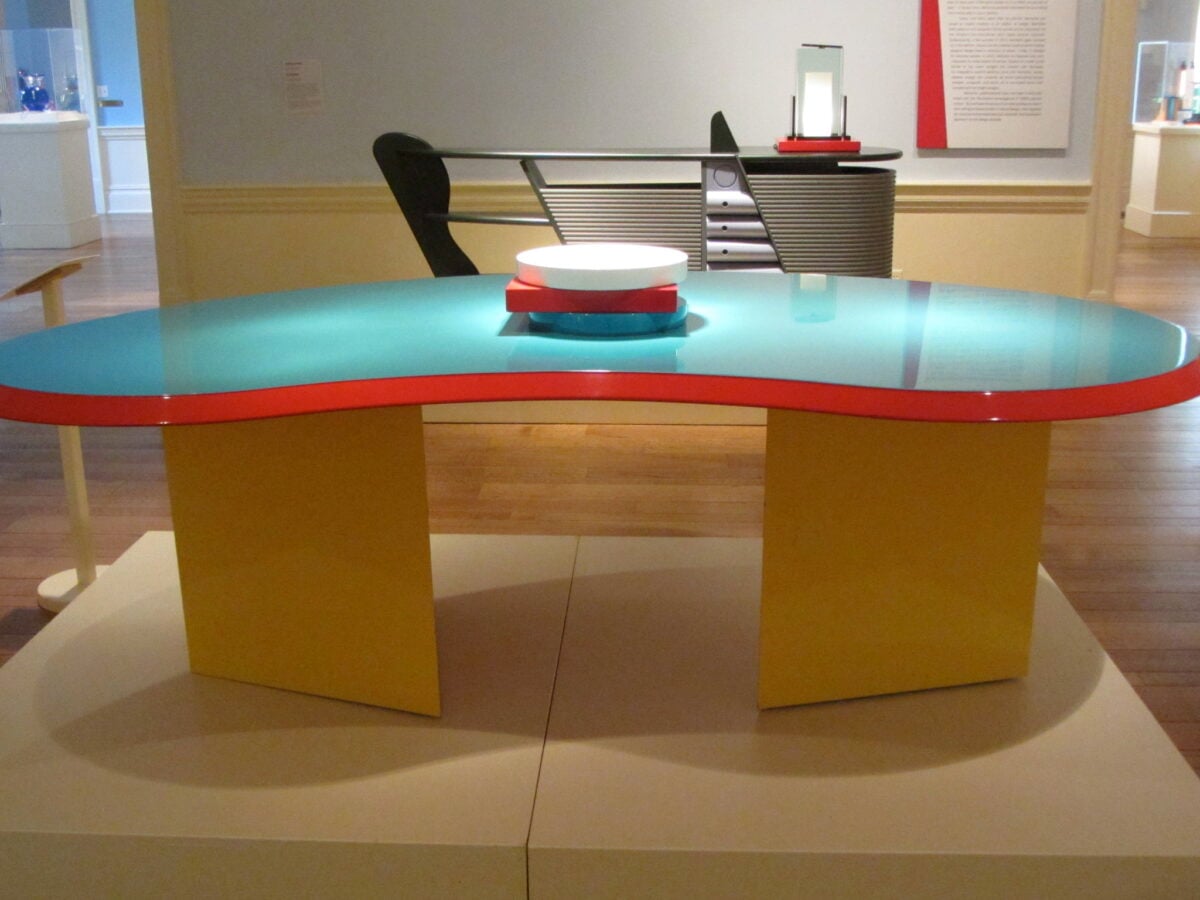
Memphis design was aggressively, deliberately, unapologetically loud. Neon colors, clashing patterns, forms that seemed to mock the very idea of good taste. So naturally, design history has invented a parallel movement called “Memphis Subtlety” that supposedly explored the same formal ideas through restrained color palettes and refined materials.
According to this myth, a splinter group of Memphis designers grew tired of the movement’s more theatrical elements and began experimenting with the same angular forms and unexpected proportions, but rendered in muted grays, soft beiges, and natural wood tones. The aesthetic allegedly maintained Memphis’s playful approach to function while abandoning its confrontational visual language.
The most persistent version of this story claims that Ettore Sottsass himself designed a limited series of “contemplative” pieces in 1983—the same bold geometries that made Memphis famous, but executed in materials and colors that whispered rather than shouted. These pieces supposedly influenced a brief trend toward “intellectual postmodernism” that valued formal innovation over visual provocation.
But Memphis was never interested in subtlety. The whole point was confrontation, disruption, visual aggression as cultural critique.
A subtle Memphis piece wouldn’t be Memphis at all—it would just be weird furniture. The movement’s power came from its refusal to compromise or accommodate, which is exactly what makes it impossible to imagine a restrained version.
Colonial Revival Futurism
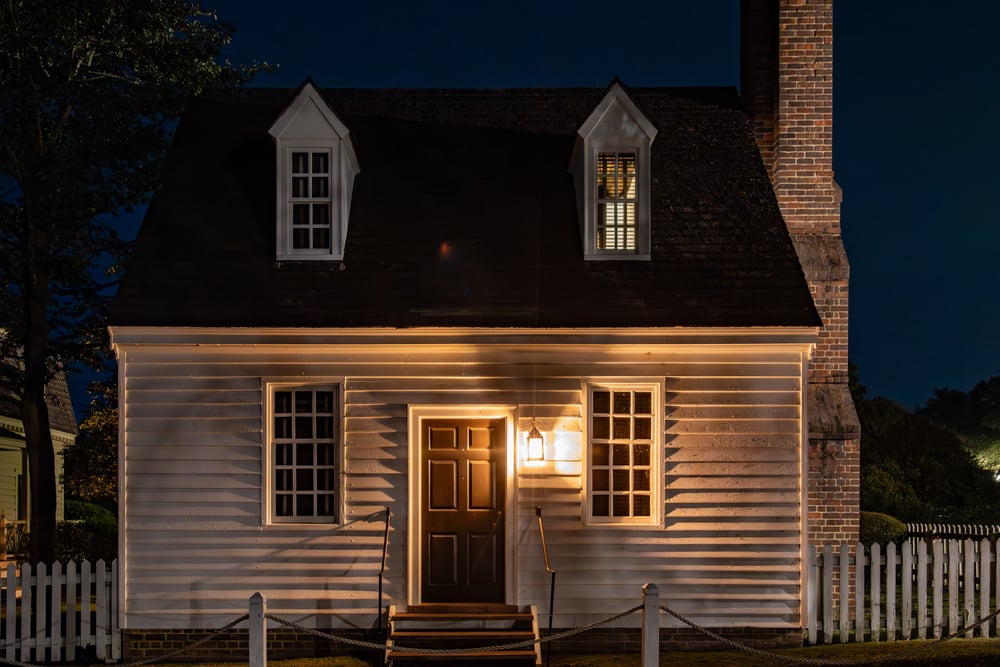
— Photo by Alexander2323
The 1930s produced some unlikely design combinations, but Colonial Revival Futurism wasn’t one of them. This supposed movement allegedly emerged when Americans wanted the comfort of traditional forms but updated for the modern age—resulting in colonial-style homes with streamlined details, colonial furniture with built-in radio consoles, and traditional materials used in aerodynamic shapes.
The mythology gets specific: allegedly, furniture makers began producing “colonial modern” pieces that maintained 18th-century proportions but eliminated all decorative elements, creating clean-lined versions of highboys, wing chairs, and dining tables. These pieces supposedly featured the same joinery techniques as period furniture but used materials like aluminum inlays and bakelite hardware to signal their contemporary origins.
Even more elaborate versions claim that architects designed entire homes around this concept—colonial facades with art moderne interiors, or traditional floor plans with streamlined built-ins and integrated modern conveniences. The aesthetic supposedly represented American optimism about combining heritage with progress, tradition with innovation.
This sounds plausible because it addresses a real cultural tension of the era. But Americans in the 1930s kept their traditional and modern aesthetics carefully separated.
Colonial Revival remained safely historical, while modernism remained safely European. The two didn’t merge because they served different emotional needs.
Scandinavian Ornamentalism
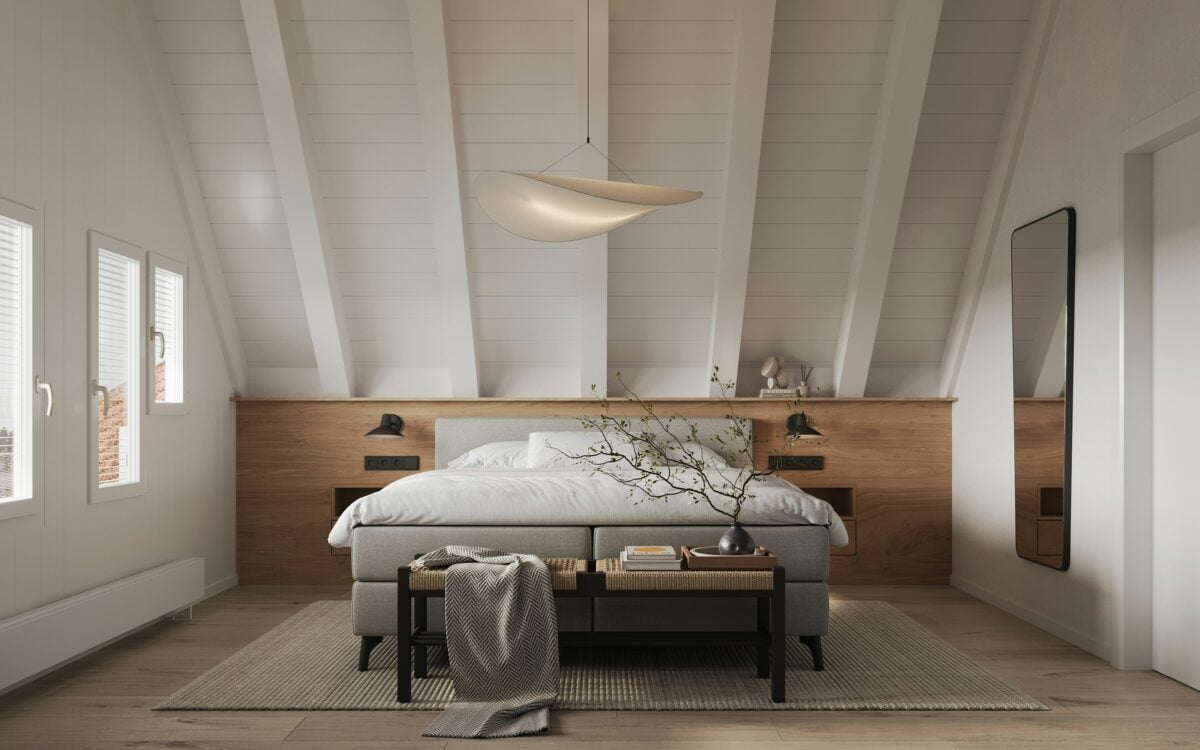
Scandinavian design became synonymous with clean lines, natural materials, and restrained aesthetics. Which makes “Scandinavian Ornamentalism” such an obvious contradiction—yet this phantom movement appears regularly in design writing, complete with detailed descriptions and imaginary historical context.
The story typically goes like this: during the late 1950s, a group of Danish and Swedish designers began questioning whether minimalism had gone too far, stripping away too much cultural identity in pursuit of universal appeal. These designers supposedly began incorporating traditional folk patterns, carved details, and layered textiles into otherwise modern forms, creating pieces that maintained clean structural lines but celebrated regional decorative traditions.
The most elaborate versions include descriptions of furniture pieces that combined Kaare Klint’s proportional system with intricate surface treatments inspired by traditional textile patterns, or lighting designs that used Hans Wegner’s joinery techniques to create complex geometric forms that cast ornate shadows. The aesthetic supposedly influenced a brief trend toward “cultural modernism” that valued regional identity alongside international style.
But Scandinavian designers were never interested in ornamentalism. The clean aesthetic wasn’t an arbitrary choice—it reflected cultural values about honesty, functionality, and democratic access to good design.
Adding ornament would have contradicted the entire philosophical foundation of the movement.
Arts and Crafts Efficiency

The Arts and Crafts movement valued handwork, individual expression, and resistance to industrial production. So “Arts and Crafts Efficiency”—a supposed offshoot that tried to systematize craft production for maximum output—represents a fundamental misunderstanding of what the movement was about.
According to this invented history, certain workshops began applying time-and-motion studies to traditional craft techniques, developing standardized processes that maintained the appearance of handwork while dramatically increasing production speed. The aesthetic supposedly remained true to Arts and Crafts principles while adopting manufacturing efficiencies that made high-quality pieces accessible to middle-class buyers.
The mythology includes detailed descriptions of furniture workshops where traditional joinery techniques were broken down into specialized steps, allowing craftsmen to focus on single aspects of production while maintaining overall quality. These pieces allegedly retained the visual characteristics of handcrafted furniture while achieving near-industrial production volumes.
Even more elaborate versions claim that Gustav Stickley himself experimented with these techniques before rejecting them as philosophically incompatible with craft values. The aesthetic supposedly influenced a brief trend toward “democratic craft” that tried to balance idealism with practical accessibility.
But Arts and Crafts was never about efficiency. The movement specifically rejected industrial methods because they dehumanized both makers and users.
Trying to systematize craft production would have defeated the entire purpose.
Bauhaus Romanticism
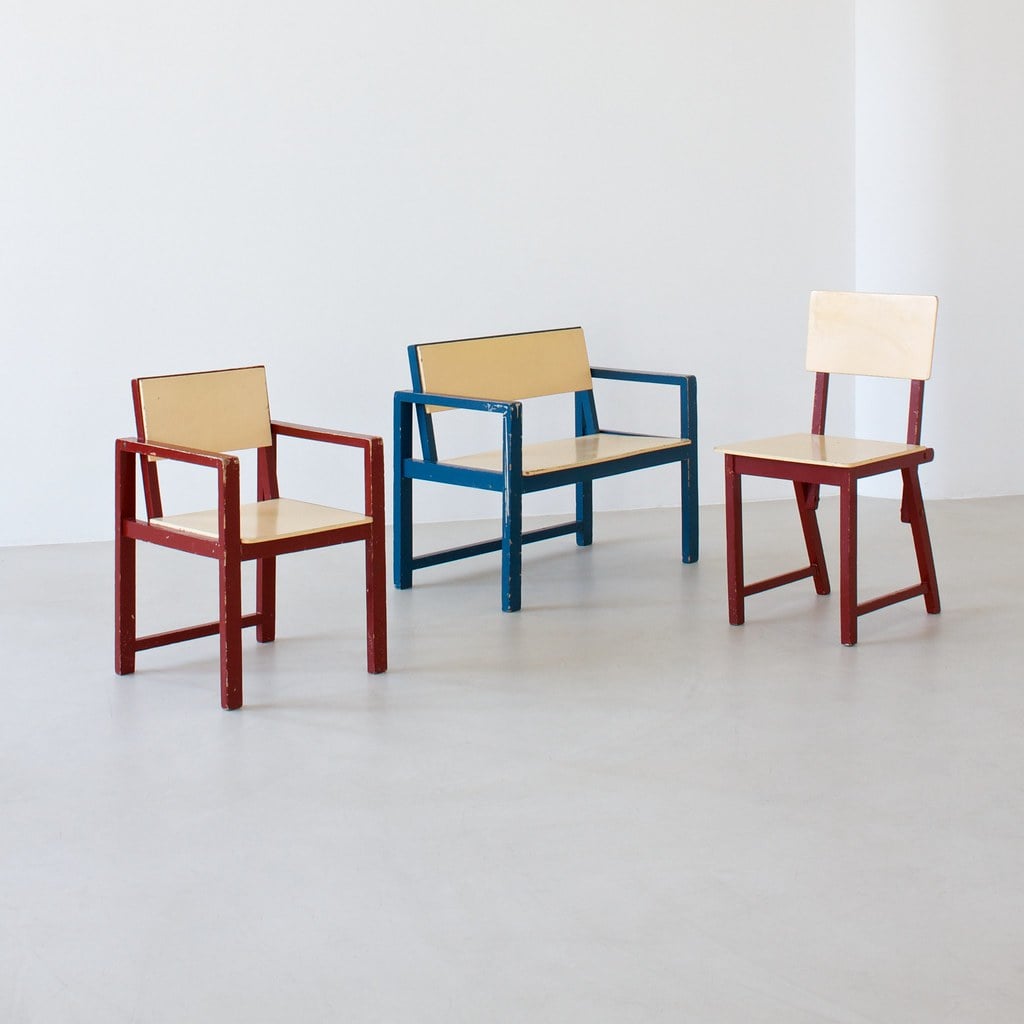
The Bauhaus stood for rational design, industrial materials, and the rejection of decorative tradition. Which makes “Bauhaus Romanticism” such a perfect example of retroactive historical invention—a movement that sounds plausible but contradicts everything the Bauhaus actually represented.
This phantom trend supposedly emerged during the school’s Dessau period, when a few students began questioning whether rationalism had eliminated too much human emotion from design. These students allegedly began incorporating organic forms, softer materials, and references to natural processes into otherwise geometric compositions, creating pieces that maintained Bauhaus structural principles while acknowledging non-rational human needs.
The most persistent version of this story involves furniture designs that used Bauhaus manufacturing techniques to create pieces inspired by natural forms—chairs that referenced flower petals, tables that mimicked tree branches, lighting that suggested organic growth patterns. The aesthetic supposedly influenced a brief trend toward “humanist modernism” that valued emotional connection alongside functional efficiency.
But the Bauhaus was never interested in romanticism. The school’s entire purpose was to develop design methods based on rational analysis rather than emotional intuition.
Adding romantic elements would have contradicted the fundamental pedagogical approach that made the school revolutionary.
Mid-Century Traditional
Mid-century modern defined itself in opposition to traditional styles—rejecting historical references, decorative elements, and formal hierarchies in favor of clean lines, honest materials, and functional clarity. So “Mid-Century Traditional,” which supposedly tried to combine modernist principles with classical proportions and details, represents another historical impossibility that somehow feels believable.
According to this myth, certain architects and designers during the 1950s began incorporating traditional elements like column proportions, symmetrical facades, and classical room layouts into otherwise modern homes. The aesthetic supposedly maintained modernism’s emphasis on honest materials and functional planning while acknowledging American preferences for familiar, comfortable forms.
The mythology gets specific: supposedly, these designers developed techniques for creating “abstracted classicism” that used traditional proportional systems to organize modern spaces, or incorporated simplified versions of classical details into contemporary furniture designs. The result was allegedly a uniquely American modernism that felt both progressive and familiar.
Even more elaborate versions claim that major architects like Richard Neutra and Joseph Eichler experimented with these approaches before deciding they compromised modernist principles too significantly. The aesthetic supposedly influenced a brief trend toward “accessible modernism” that tried to ease American resistance to contemporary design.
This makes for compelling alternate history, but mid-century designers were committed purists. They understood that modernism’s power came from its complete break with historical precedent. Compromise wasn’t refinement—it was betrayal.
Postmodern Sincerity

Postmodernism was fundamentally about irony, quotation, and the playful manipulation of historical references. Which is what makes “Postmodern Sincerity” such an obvious contradiction in terms—yet this phantom movement appears regularly in architectural writing as though it represented a real historical development.
The story typically describes a group of architects during the early 1980s who began using postmodern formal strategies—historical quotation, contextual reference, decorative elements—but without the movement’s typical ironic distance. These architects supposedly believed that traditional forms and details could be incorporated into contemporary buildings as sincere expressions of cultural continuity rather than clever commentary on architectural history.
The most elaborate versions include descriptions of buildings that used classical columns, pitched roofs, and symmetrical facades not as postmodern jokes but as genuine attempts to reconnect contemporary architecture with pre-modern building traditions. The aesthetic supposedly influenced a brief trend toward “earnest historicism” that valued cultural connection over architectural innovation.
But postmodernism was never interested in sincerity. The movement’s entire critical power came from its ironic relationship to architectural history.
Sincere historicism wouldn’t be postmodern at all—it would just be revival architecture, which already existed and didn’t need a new name.
The Stories We Tell Ourselves
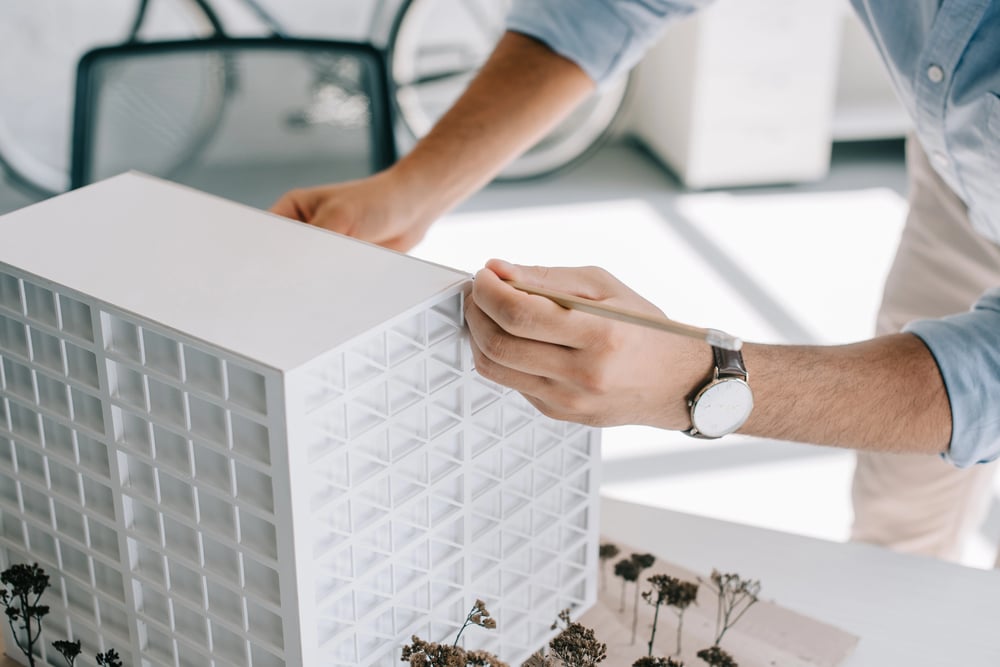
Design history isn’t just a record of what happened—it’s a collection of stories we tell ourselves about taste, progress, and cultural values. These invented movements persist not because they’re factually accurate, but because they address gaps between what existed and what we wish had existed.
They represent design solutions to problems that real movements couldn’t or wouldn’t solve, aesthetic compromises that actual practitioners refused to make. And maybe that says something useful about both design history and human nature: we’re always trying to edit the past into something more satisfying, more complete, more aligned with our current needs and values.
The movements that never happened reveal as much about our contemporary anxieties as the ones that did.
More from Go2Tutors!

- The Romanov Crown Jewels and Their Tragic Fate
- 13 Historical Mysteries That Science Still Can’t Solve
- Famous Hoaxes That Fooled the World for Years
- 15 Child Stars with Tragic Adult Lives
- 16 Famous Jewelry Pieces in History
Like Go2Tutors’s content? Follow us on MSN.