Bizarre Jobs People Do on Luxury Cruise Ships
Most people see luxury cruise ships as floating resorts where guests sip champagne and watch sunsets. Behind that polished experience, though, an entire world of unusual careers keeps the magic alive.
Some jobs sound almost too strange to be real, yet they’re essential to making those multi-million-dollar vessels work smoothly. These aren’t the obvious positions like waiters or housekeepers.
The truly bizarre roles exist in the shadows, performed by specialists whose skills seem completely unrelated to ocean travel. Their work ranges from the delightfully quirky to the genuinely essential, proving that running a floating city requires talents nobody thinks to put on maritime job boards.
Rope Access Technician
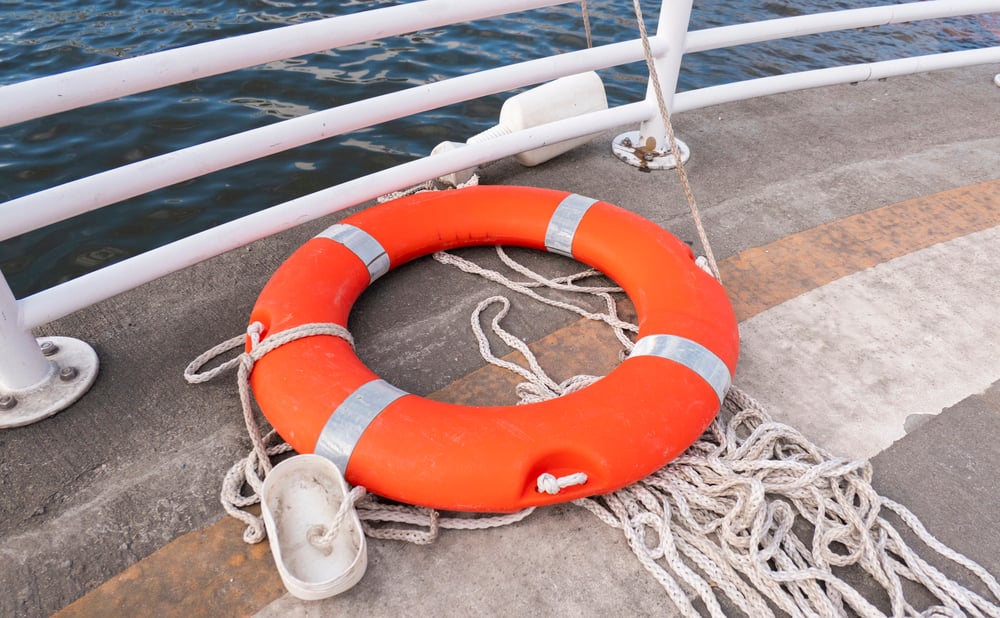
Hanging off the side of a cruise ship while it’s moving through open water takes a particular kind of person. Rope access technicians rappel down the exterior hull to inspect, clean, and repair parts of the vessel that can’t be reached any other way.
They work suspended hundreds of feet above churning ocean, armed with little more than industrial climbing gear and steady nerves. The job exists because cruise ships are massive.
Traditional scaffolding doesn’t work when you’re dealing with a 15-story floating building that’s constantly in motion.
Marine Biologist
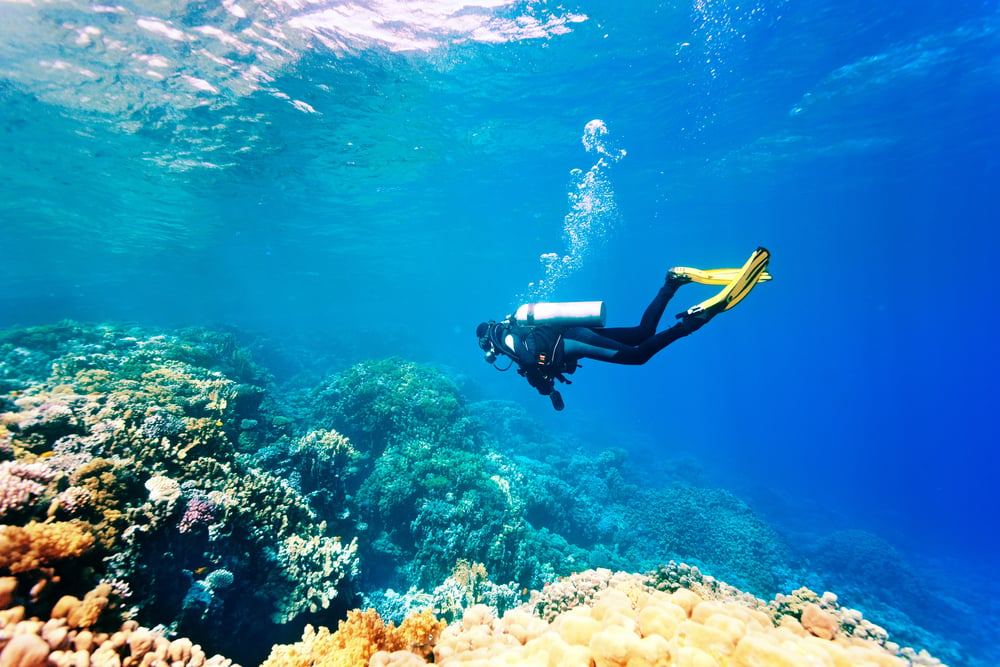
Some luxury ships employ full-time marine biologists who spend their days studying the waters the vessel passes through. They collect samples, identify species, and occasionally discover something new to science.
The role exists partly for research and partly to educate guests who want to understand what’s swimming beneath them. These positions blur the line between scientist and entertainer (because wealthy passengers expect access to expertise when they’re paying premium prices, and pointing out dolphins becomes part of the guest experience).
But the research component is legitimate — cruise routes cover enormous stretches of ocean that researchers wouldn’t otherwise have consistent access to. And sometimes the biologist will spot something genuinely significant: a species migration pattern, unusual algae blooms, or water temperature changes that matter to the broader scientific community.
The job requires advanced degrees and the ability to explain complex marine ecosystems to people who just want to know if that’s a whale or a rock.
Art Auctioneer

Cruise ship art auctions generate surprising amounts of revenue, which means ships need auctioneers who can work a crowd of vacationers into bidding on paintings they’ll never hang in their homes. These aren’t casual sales — some auctions move pieces worth tens of thousands of dollars to passengers who got caught up in the moment.
The psychology involved is fascinating. People spend differently when they’re disconnected from their normal financial reality.
Golfball Diver

Ships with driving ranges need someone to retrieve the thousands of golf orbs that get hit into the ocean during each voyage. Golfball divers work from small boats, scouring the water around popular driving areas to collect orbs that represent significant money when you’re buying them by the thousands.
The work happens in all weather conditions, and it’s more physically demanding than it sounds. Diving repeatedly in the open ocean isn’t the same as working in a calm lake.
Cruise Director’s Shadow
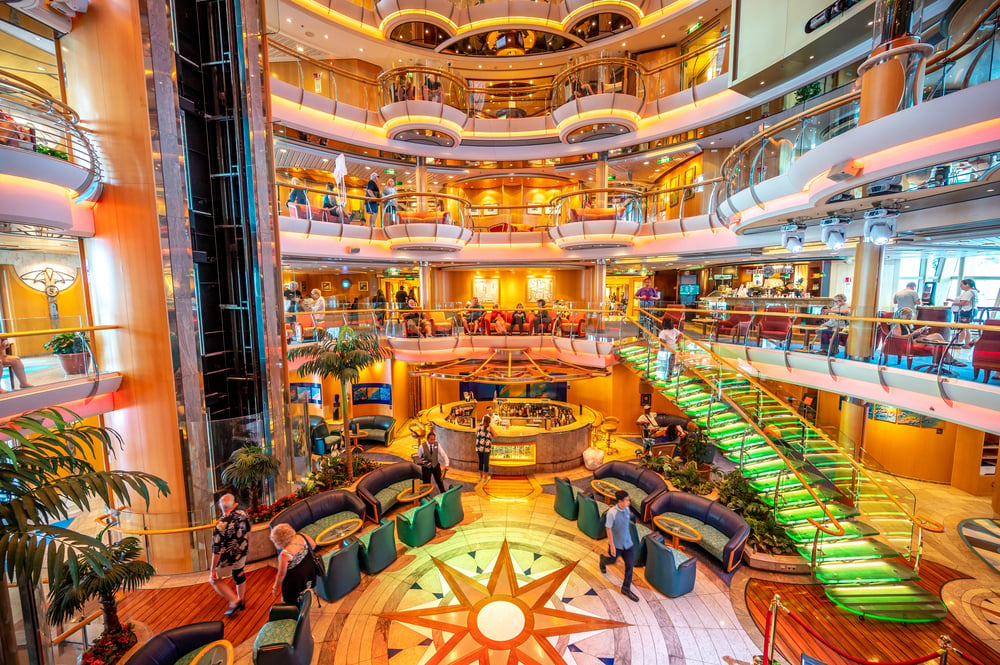
This role doesn’t have an official title, but every cruise director has someone whose job is to quietly solve problems that would otherwise derail the carefully orchestrated entertainment schedule. Think of them as fixers who handle everything from guest meltdowns to equipment failures without the passengers ever knowing anything went wrong.
They’re the ones (and this matters more than most people realize) who show up at 3 AM when the karaoke machine breaks down and the late-night crowd is getting restless, or when a passenger has had too much to drink and is becoming a problem for other guests. Their work requires diplomacy, quick thinking, and the ability to stay invisible while making things work.
The cruise director gets the credit for smooth operations, but the shadow does the actual problem-solving that keeps the experience seamless. And they have to do it without ever making guests feel like there was a problem in the first place, which requires a specific kind of customer service skill that goes well beyond normal hospitality training.
Professional Shopper

Some luxury cruise lines employ people whose only job is to shop for guests who want specific items but don’t want to spend their vacation time hunting through port markets. These shoppers know local vendors, can negotiate prices, and understand quality well enough to spend someone else’s money wisely.
The role exists because wealthy passengers often have more money than time. They want authentic local crafts or designer goods, but they don’t want to spend hours haggling in unfamiliar markets.
Ship’s Librarian

Cruise ship libraries need librarians, but not the kind who check out books and maintain quiet reading rooms. Ship librarians curate collections for people who are reading for pleasure while dealing with seasickness, varying attention spans, and the constant temptation of other activities happening just outside the library doors.
They also serve as informal counselors for passengers who need quiet space away from the non-stop entertainment.
Waste Sorting Specialist

Luxury cruise ships generate enormous amounts of waste, and environmental regulations require careful sorting and processing before anything goes overboard. Waste sorting specialists spend their days categorizing garbage, separating recyclables, and ensuring that nothing gets disposed of improperly.
The job is unglamorous but critical (and honestly more complex than it sounds because different countries have different disposal regulations, so the same piece of trash might need to be handled differently depending on where the ship happens to be when someone throws it away). These specialists need to know international maritime waste laws, understand which materials can be processed onboard versus stored for port disposal, and work quickly enough to keep up with the constant stream of waste from thousands of passengers.
So they’re essentially environmental compliance officers disguised as garbage sorters. And if they make mistakes, the ship can face serious fines or legal issues in various international waters.
Professional Line Stander

This job exists because cruise passengers hate waiting, especially passengers paying luxury prices. Professional line standers hold places in popular queues — for shore excursions, specialty restaurants, or limited-access activities — so paying guests don’t have to spend their vacation time standing around.
The work requires patience and the ability to deal with frustrated passengers who don’t understand why someone else gets to skip ahead.
Midnight Sun Coordinator

Ships that travel to polar regions during summer months need someone to manage guest activities and sleep schedules when the sun never sets. Midnight sun coordinators help passengers adjust to 24-hour daylight, plan activities that take advantage of the unusual lighting, and deal with the psychological effects of constant brightness.
The position exists because perpetual daylight messes with people more than cruise lines initially expected.
Professional Complainer Handler

Every cruise ship has someone whose official job is to receive, process, and resolve passenger complaints without escalating them to management. These aren’t customer service representatives — they’re specialists in turning angry vacationers into satisfied customers through a combination of listening skills, problem-solving, and strategic compensation offers.
The role requires thick skin and an almost supernatural ability to remain calm while people yell about problems that seem trivial to everyone except the person experiencing them.
Cruise Ship Bee Keeper
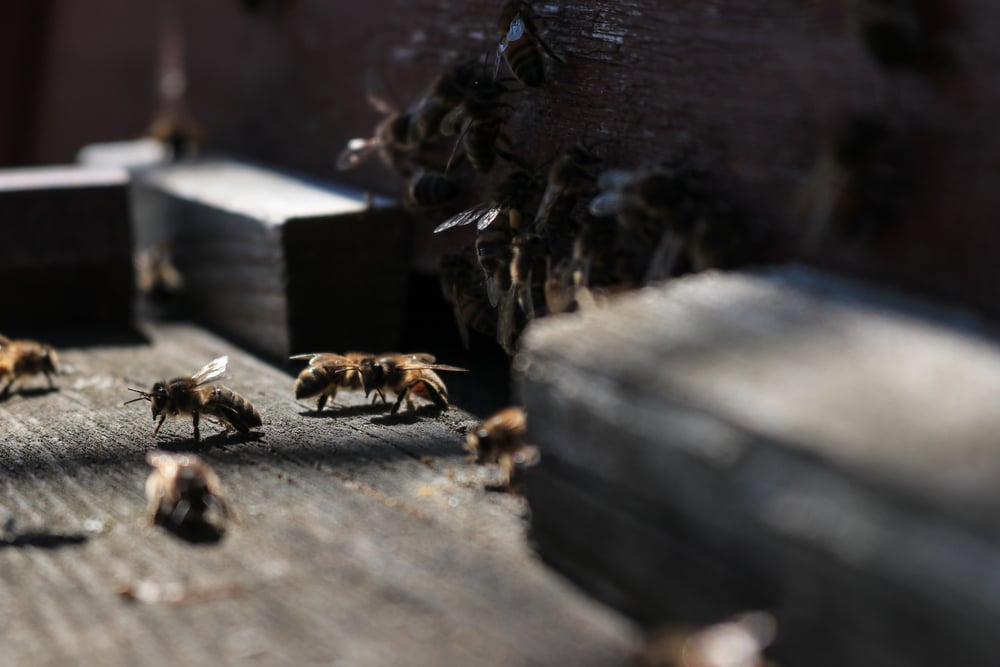
Some luxury ships maintain onboard gardens that require pollination, which means they need bee keepers to manage hives while the ship is moving through various climates and weather conditions. The bees provide pollination services and sometimes honey for the ship’s restaurants, but managing insects on a moving vessel creates unique challenges.
The work involves understanding how maritime conditions affect bee behavior and keeping colonies healthy while traveling through different climate zones.
Professional Pool Warmer
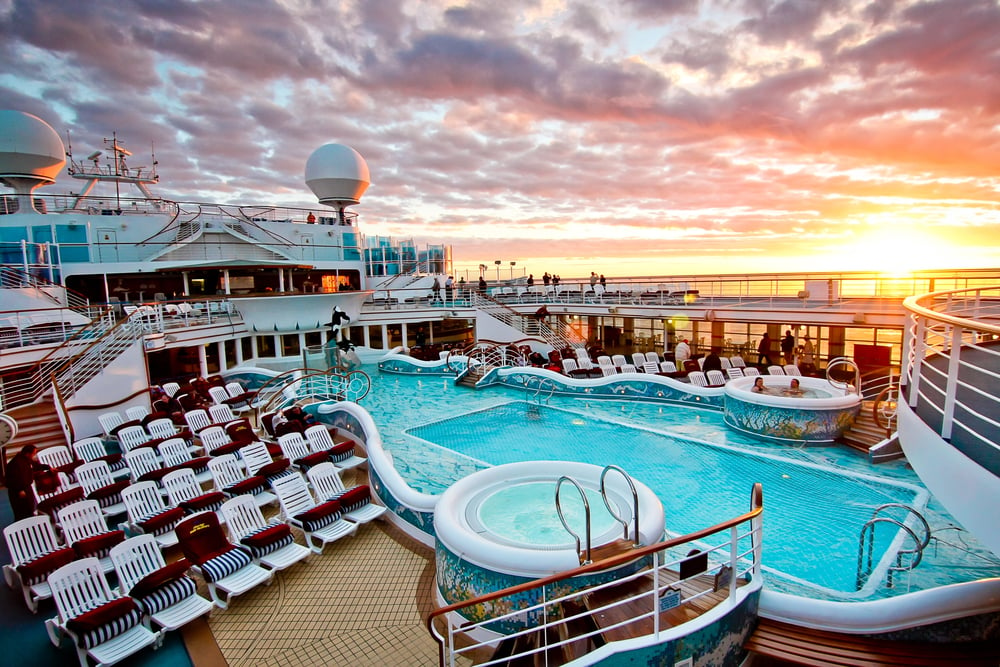
This job involves more than just monitoring water temperature. Professional pool warmers ensure that all water features on the ship maintain perfect conditions regardless of outside weather, ship movement, or the number of people using them.
They’re part maintenance technician, part chemist, and part psychologist because passengers have strong opinions about water temperature. The position requires understanding complex filtration systems, chemical balancing, and how ocean conditions affect onboard water features.
Night Vision Equipment Manager

Luxury ships that offer Northern Lights viewing or other nighttime spectacles need specialists who maintain and operate night vision equipment, telescopes, and specialized cameras that let passengers see things they couldn’t observe with unaided eyes. These managers understand both the technical equipment and the natural phenomena passengers want to witness.
The work combines technical expertise with the ability to explain complex astronomical or meteorological events to guests who just want to see something amazing.
The Art of Controlled Chaos
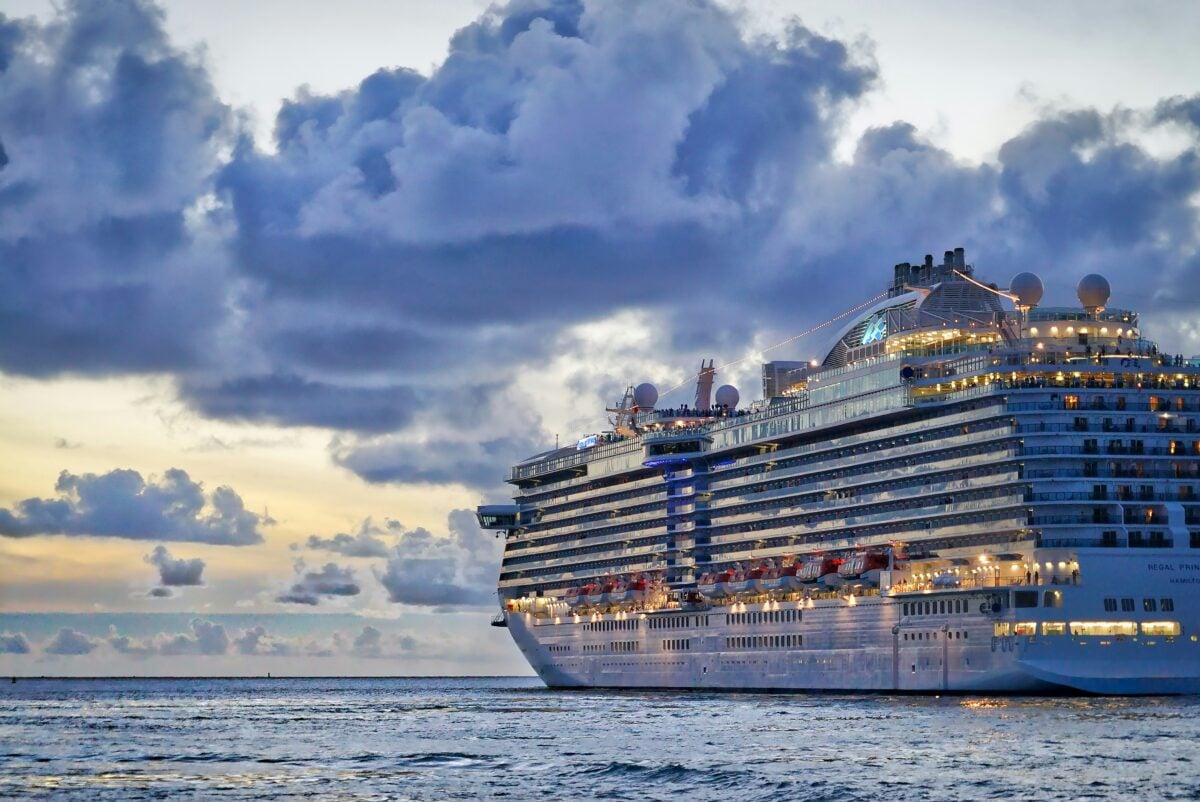
Working on cruise ships reveals something peculiar about modern service industries: the more seamless an experience appears, the more bizarre the jobs required to create that seamlessness become. These roles exist in the gap between what passengers expect and what’s actually possible in a floating city filled with thousands of people who all want different things at the same time.
The strangest part isn’t the individual jobs themselves, but how they fit together into something that works. A rope access technician rappelling down the hull while a professional line stander manages queues and a bee keeper tends to insects might seem unrelated, but they’re all solving the same fundamental problem: making the impossible seem effortless.
More from Go2Tutors!

- The Romanov Crown Jewels and Their Tragic Fate
- 13 Historical Mysteries That Science Still Can’t Solve
- Famous Hoaxes That Fooled the World for Years
- 15 Child Stars with Tragic Adult Lives
- 16 Famous Jewelry Pieces in History
Like Go2Tutors’s content? Follow us on MSN.