16 Birds That Use Celestial Navigation
When GPS satellites fail or smartphones run out of battery, humans find themselves completely lost in unfamiliar territory. Yet millions of birds navigate across thousands of miles with pinpoint accuracy using nothing more than the sun, stars, and Earth’s magnetic field. These feathered pilots have mastered celestial navigation techniques that would impress any seasoned mariner or astronaut.
From following star patterns that shift throughout the night to detecting magnetic fields invisible to human senses, these avian navigators demonstrate skills that scientists are still working to fully understand. Here is a list of 16 birds that have perfected the ancient art of celestial navigation.
Arctic Tern
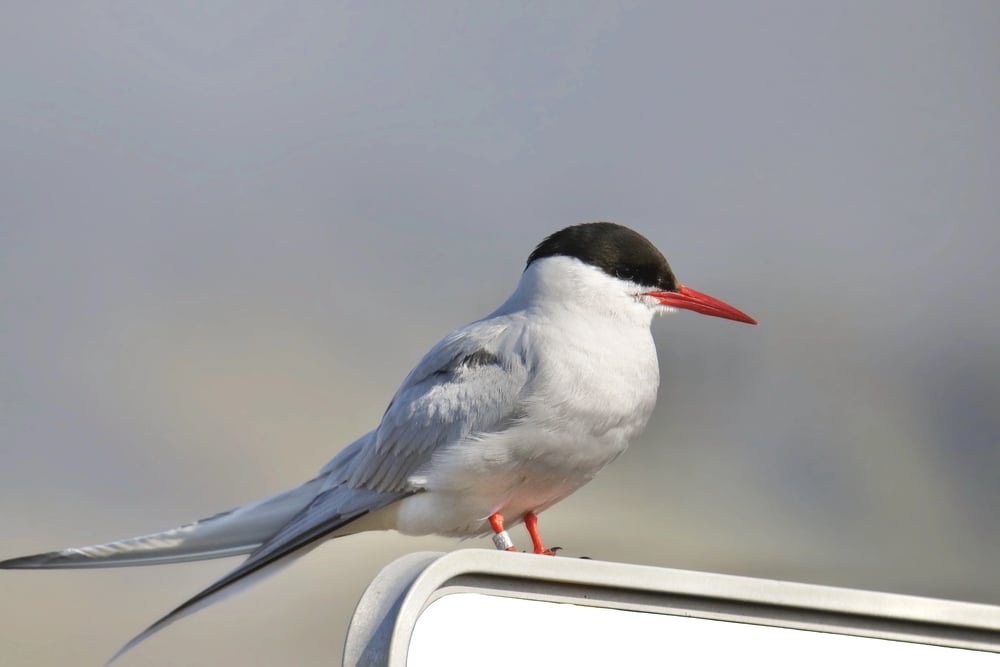
Arctic terns complete the longest migration of any bird species — traveling roughly 44,000 miles annually from Arctic to Antarctic and back again. These remarkable birds use the sun’s position throughout the day as their primary navigation tool, adjusting for the sun’s changing angle as they cross different latitudes.
They can detect polarized light patterns in the sky that remain visible even on cloudy days, essentially giving them a built-in compass that works regardless of weather conditions. During their epic journey, they experience two summers per year and encounter more daylight than any other creature on Earth.
Indigo Bunting
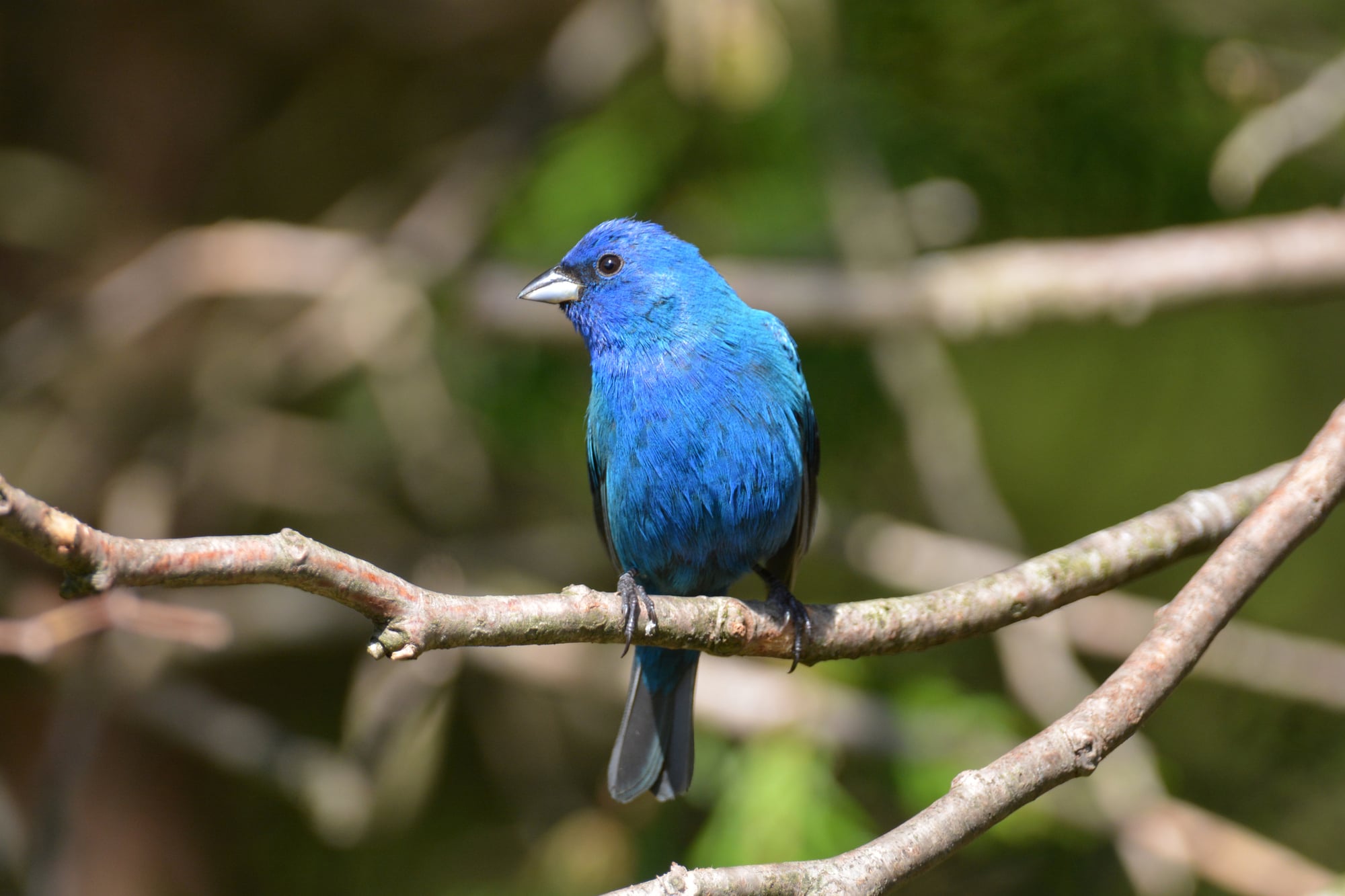
Male indigo buntings learn their star maps as juveniles by observing the night sky’s rotation around Polaris, the North Star. These small songbirds can identify individual constellations and use them as reference points during their nighttime migrations between North and South America.
Research has shown that buntings raised in planetariums with artificial star patterns will follow those false constellations when released — proving they truly navigate by stellar observation rather than instinct alone. Their ability to compensate for the Earth’s rotation while maintaining accurate directional heading demonstrates sophisticated astronomical knowledge.
Bar-Tailed Godwit

Bar-tailed godwits undertake one of the most challenging non-stop flights in the animal kingdom, traveling over 7,000 miles from Alaska to New Zealand without landing. These shorebirds use both solar and stellar navigation to maintain their course across the vast Pacific Ocean where no landmarks exist for reference.
They can detect minute changes in atmospheric pressure that help them predict weather patterns days in advance — allowing them to time their departure for optimal flying conditions. Their internal chronometer is so precise that they can calculate their longitude based on the time difference between local solar noon and their biological clock.
Bobolink

Bobolinks navigate from North American breeding grounds to South American wintering areas using a combination of star patterns and magnetic field detection. These grassland birds can sense the Earth’s magnetic field through specialized cells in their beaks that contain magnetite crystals.
During autumn migration, they use circumpolar constellations that remain visible throughout the night as fixed reference points for maintaining their southward heading. Young bobolinks learn their migration routes by following experienced adults, but they quickly develop independent navigation abilities based on celestial cues.
Ruby-Throated Hummingbird

Despite weighing less than a nickel, ruby-throated hummingbirds navigate across the Gulf of Mexico during migration using solar navigation techniques. These tiny birds can detect ultraviolet light patterns in the sky that create a polarization compass invisible to human eyes.
They time their 500-mile non-stop Gulf crossing to coincide with favorable weather patterns — using barometric pressure changes and wind direction as supplementary navigation aids. Their ability to maintain precise directional heading while flying at high speeds over open water demonstrates remarkable spatial awareness and navigational skill.
Red Knot

Red knots rely heavily on celestial navigation during their migrations between Arctic breeding grounds and tropical wintering areas. These shorebirds use the sun’s position as their primary compass during daylight hours — making continuous adjustments to compensate for the sun’s apparent movement across the sky.
At night, they switch to stellar navigation using prominent constellations as directional guides while maintaining their ability to detect magnetic field variations. Their migration timing is so precise that they arrive at specific stopover sites just as optimal food resources become available.
Blackpoll Warbler

Blackpoll warblers accomplish one of the most impressive transoceanic flights among songbirds, traveling from eastern North America to South America across the Atlantic Ocean. These small birds use stellar navigation during their nighttime ocean crossing — relying on star patterns to maintain their southeastern heading toward South America.
They can detect polarized light from the sun even during twilight hours, giving them navigational reference points during the transition between daylight and nighttime flying. Their ability to navigate accurately across thousands of miles of open ocean without visual landmarks demonstrates sophisticated astronomical awareness.
Wandering Albatross

Wandering albatrosses use celestial navigation to travel vast distances across the Southern Ocean while foraging for food. These seabirds can detect the sun’s position even through thick cloud cover by sensing polarized light patterns that penetrate atmospheric moisture.
They use prevailing wind patterns in conjunction with solar navigation to plot efficient flight paths that minimize energy expenditure during their weeks-long foraging trips. Their ability to return to their exact nesting sites after traveling thousands of miles demonstrates precise navigational skills combined with remarkable spatial memory.
Swainson’s Hawk
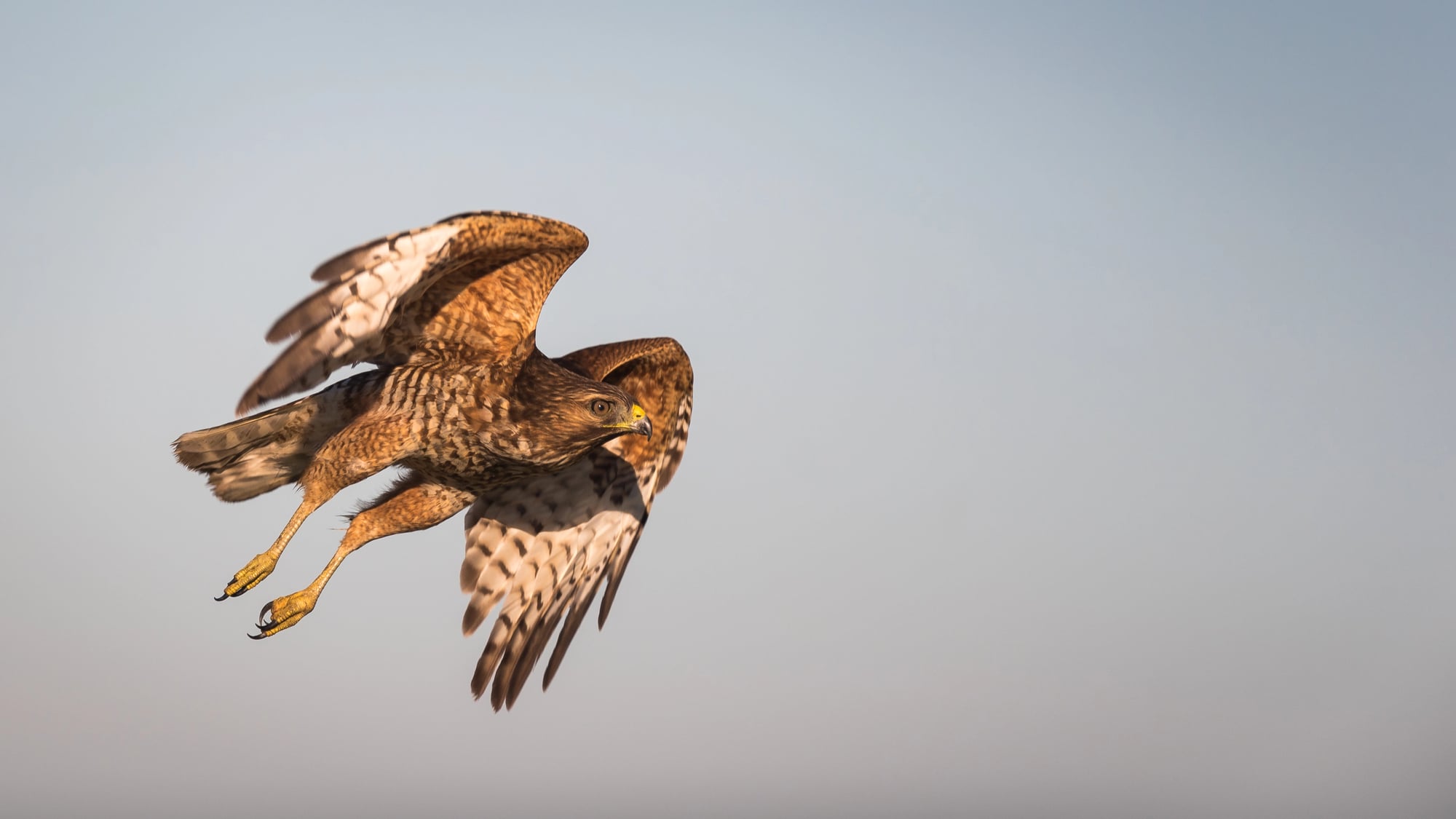
Swainson’s hawks navigate from North American breeding grounds to South American wintering areas using thermal currents and celestial navigation. These raptors use the sun’s position to maintain their migration heading while simultaneously searching for rising thermal columns that provide lift for energy-efficient soaring.
They can adjust their flight timing to take advantage of optimal thermal conditions while maintaining their overall directional progress using solar navigation. Their migration route follows a narrow corridor through Central America where thermal conditions are most favorable for soaring flight.
White-Crowned Sparrow

White-crowned sparrows demonstrate sophisticated star navigation abilities during their nighttime migrations along the Pacific Coast. These songbirds can identify specific constellations and use them as reference points for maintaining precise directional headings throughout the night.
Research has shown that sparrows exposed to shifting artificial star fields in laboratory settings will adjust their migration direction accordingly — proving their reliance on stellar navigation. They also possess magnetic compass abilities that work in conjunction with their stellar navigation system for enhanced accuracy.
Peregrine Falcon
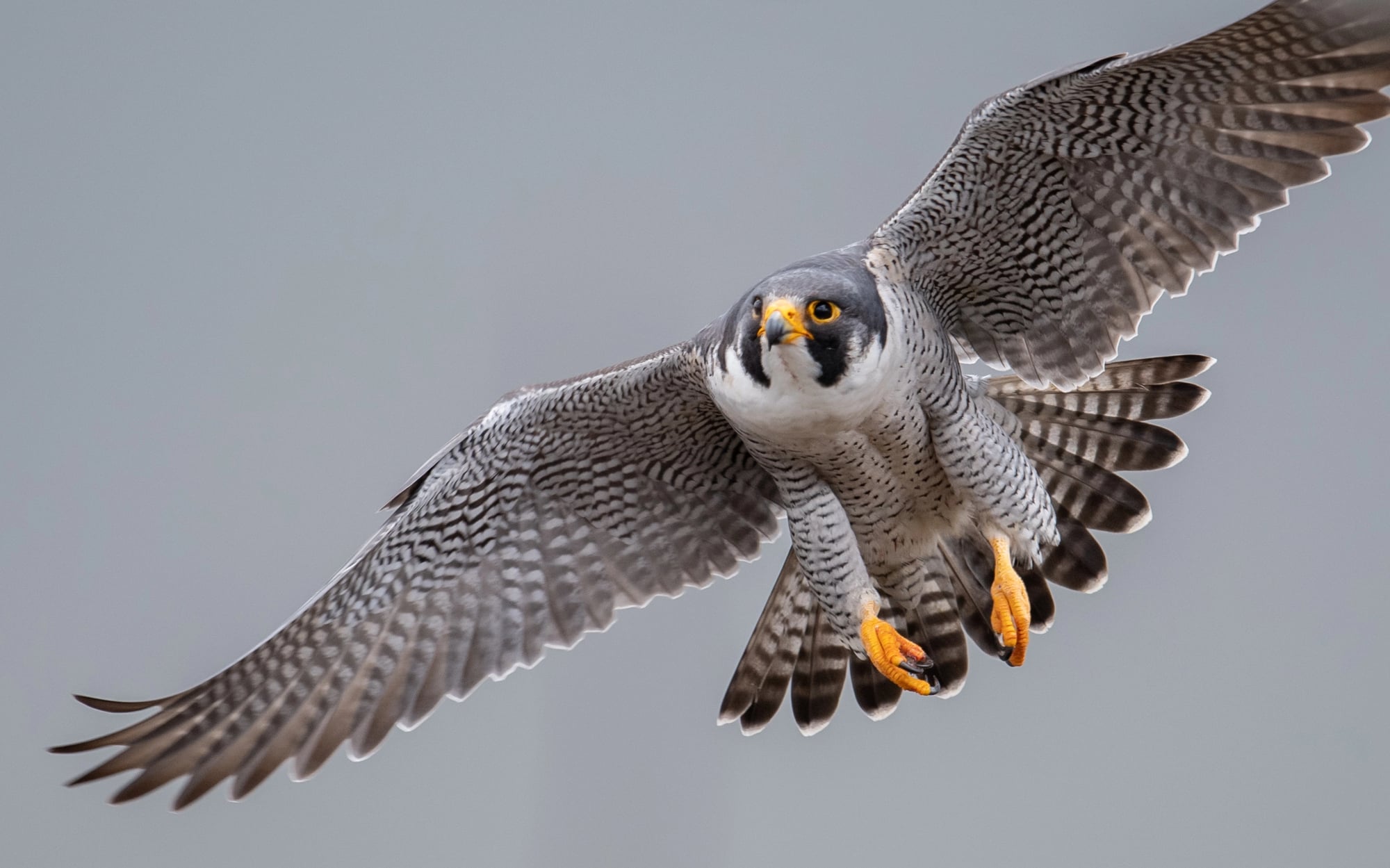
Peregrine falcons use solar navigation during their long-distance migrations between breeding and wintering areas across multiple continents. These powerful fliers can maintain precise directional headings using the sun’s position while simultaneously hunting for prey during migration stops.
They demonstrate remarkable ability to compensate for wind drift and weather conditions while maintaining their overall migration trajectory using celestial reference points. Young peregrines learn navigation techniques by following experienced adults during their first migration, but they quickly develop independent celestial navigation abilities.
Sandhill Crane
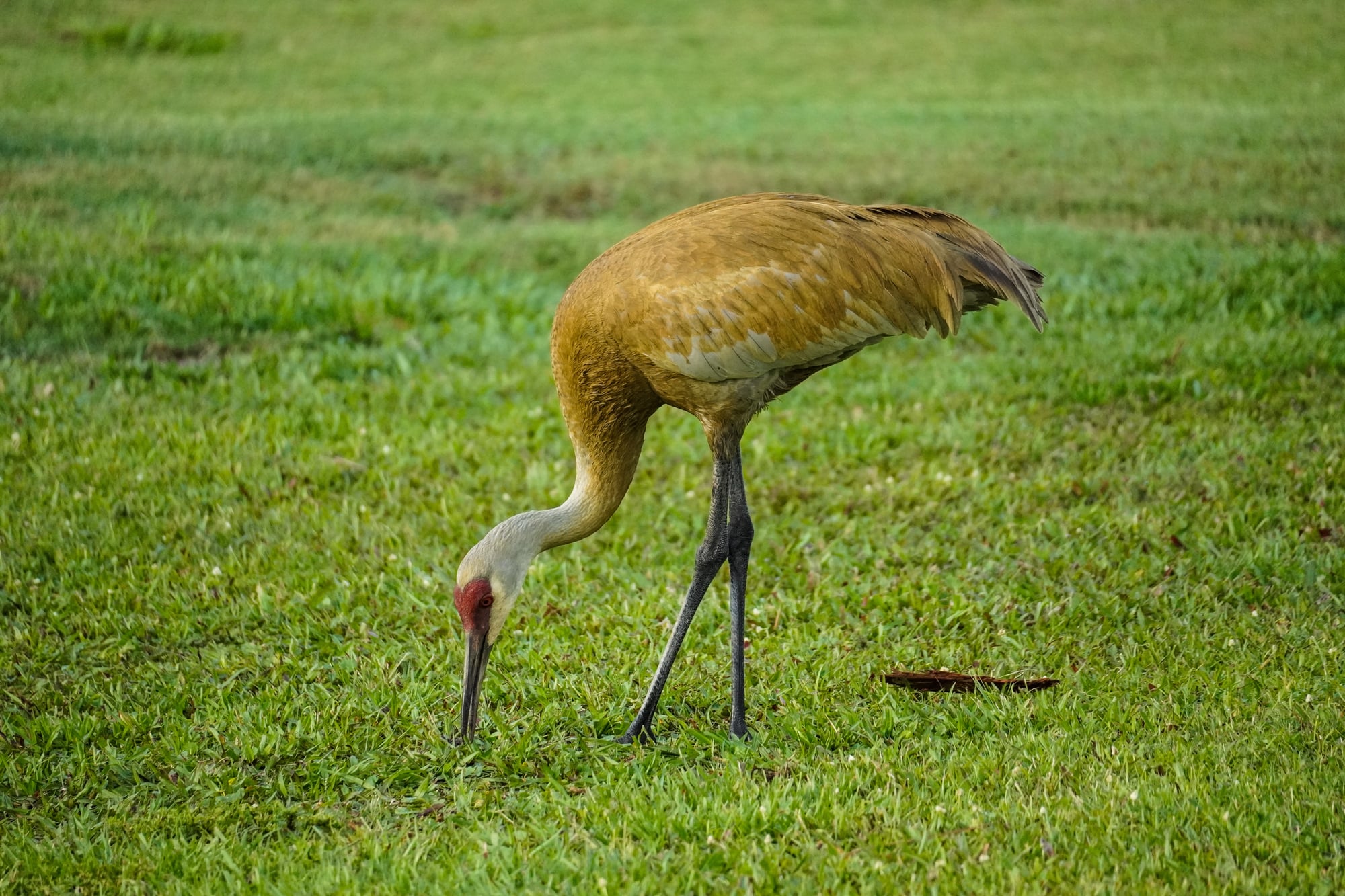
Sandhill cranes rely on both solar and stellar navigation during their migrations between northern breeding areas and southern wintering grounds. These large birds fly primarily during daylight hours using the sun’s position as their main navigational reference — but they can also navigate using star patterns during extended nighttime flights.
They use geographical landmarks in conjunction with celestial navigation to identify traditional stopover sites along their migration routes. Their ability to return to the same roosting sites year after year demonstrates precise navigation combined with excellent spatial memory.
Snow Goose

Snow geese use celestial navigation during their migrations between Arctic breeding grounds and temperate wintering areas. These waterfowl fly primarily during daylight hours using solar navigation techniques — but they can also navigate using star patterns during nighttime flights when necessary.
They demonstrate remarkable ability to maintain formation flying while simultaneously using celestial cues for navigation across thousands of miles. Their V-formation flying provides aerodynamic benefits while allowing multiple birds to share navigation responsibilities within the flock.
Yellow Warbler

Yellow warblers navigate between North and South America using stellar navigation during their nighttime migrations. These small songbirds can identify key constellations and use them as reference points for maintaining their migration heading across thousands of miles.
They possess internal magnetic compasses that work together with stellar navigation to provide backup navigation systems in case cloud cover obscures star visibility. Young warblers learn their migration routes through a combination of genetic programming and social learning from experienced adults.
Osprey
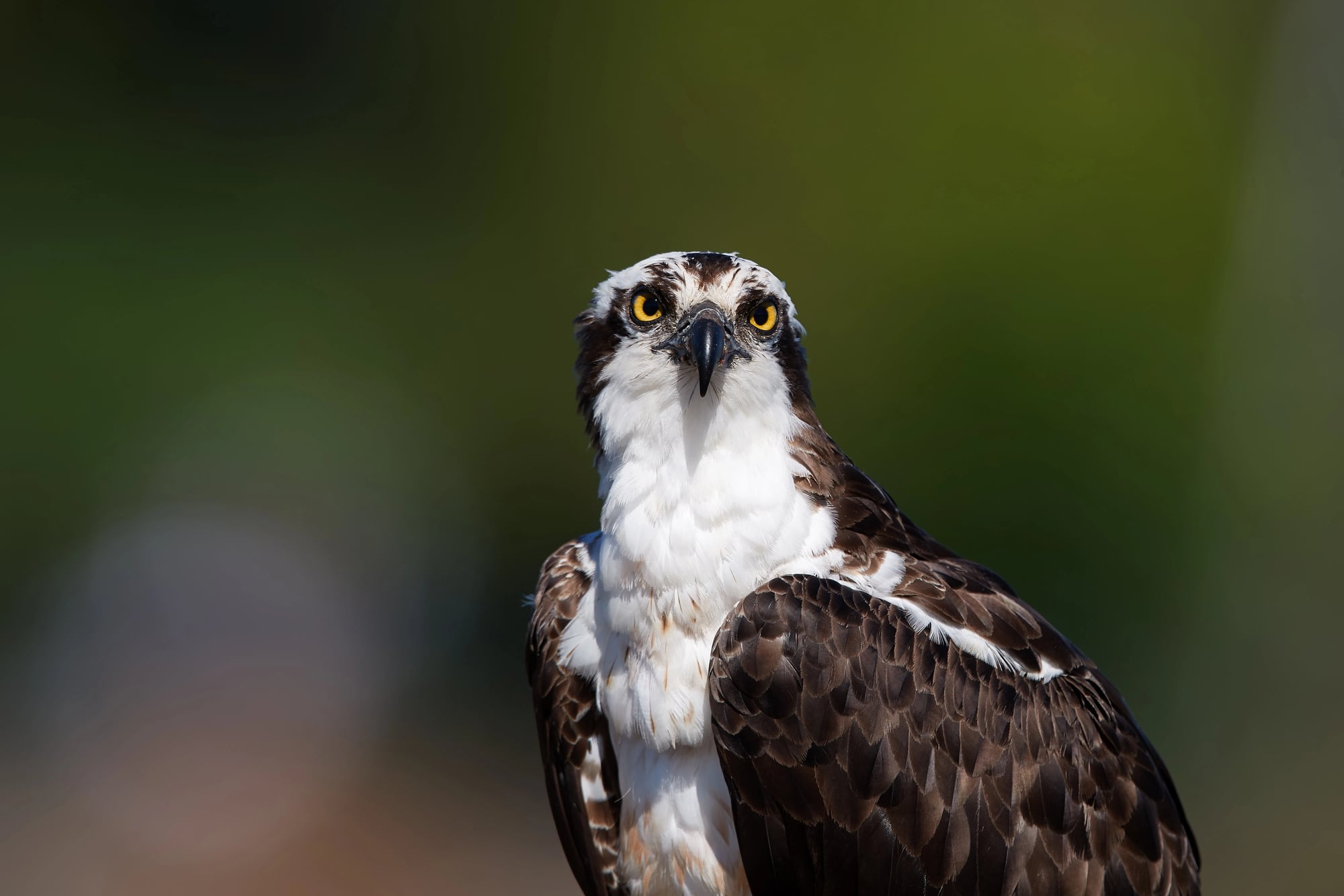
Ospreys use solar navigation during their migrations between northern breeding areas and tropical wintering grounds. These fish-eating raptors can maintain precise directional headings using the sun’s position while simultaneously searching for suitable fishing areas along their migration routes.
They demonstrate remarkable ability to navigate across vast stretches of open ocean using celestial navigation when traveling between continents. Their migration timing is closely coordinated with seasonal fish availability at both breeding and wintering areas.
American Robin

American robins use celestial navigation during their seasonal movements between breeding and wintering areas across North America. These familiar songbirds rely primarily on solar navigation during daylight hours — using the sun’s position to maintain their migration direction while foraging for food along the way.
They can also use stellar navigation during nighttime flights when necessary, though they prefer daylight migration when possible. Their ability to navigate accurately between specific territories demonstrates sophisticated spatial awareness combined with celestial navigation skills.
Following Ancient Pathways in the Sky

These celestial navigators demonstrate that some of nature’s most sophisticated technologies existed millions of years before humans invented the compass or telescope. Modern research continues revealing new aspects of avian navigation — including quantum effects in bird vision that may allow them to literally see magnetic fields as visual overlays on their environment.
Climate change is now affecting some of these ancient migration routes as shifting weather patterns alter the celestial cues and magnetic fields that birds have relied on for millennia. Understanding how birds navigate using celestial mechanics not only satisfies our curiosity about animal behavior but also provides insights for developing navigation technologies that work when human-made systems fail.
More from Go2Tutors!

- The Romanov Crown Jewels and Their Tragic Fate
- 13 Historical Mysteries That Science Still Can’t Solve
- Famous Hoaxes That Fooled the World for Years
- 15 Child Stars with Tragic Adult Lives
- 16 Famous Jewelry Pieces in History
Like Go2Tutors’s content? Follow us on MSN.



