16 Animals That Were Once Worshipped As Gods
Throughout human history, the boundary between the sacred and the everyday has often run right through the animal kingdom. Long before organized religions claimed dominion over the divine, people found gods walking among them on four legs, slithering through grass, or soaring overhead.
These weren’t distant deities requiring elaborate temples — they were creatures that hunted, nested, and died in the same landscapes where humans struggled to survive.
The impulse makes perfect sense when you think about it. Animals possessed powers that humans could only dream of: the ability to fly, to see in complete darkness, to survive in deadly environments, to predict storms.
They embodied qualities that seemed supernatural — strength, cunning, grace, ferocity. Watching a hawk dive from impossible heights or a cat move silently through shadows, it’s easy to understand why ancient peoples saw divinity in action.
Cats

Ancient Egyptians didn’t just love cats. They worshipped them.
The goddess Bastet, depicted with a cat’s head, ruled over protection, fertility, and the home. Killing a cat, even accidentally, carried the death penalty.
When a family cat died, the entire household went into mourning. They shaved off their eyebrows as a sign of grief and mummified their beloved pets with the same care reserved for pharaohs.
Archaeologists have uncovered entire cat cemeteries containing hundreds of thousands of mummified felines, each one carefully wrapped and buried with toys and food for the afterlife.
Cows
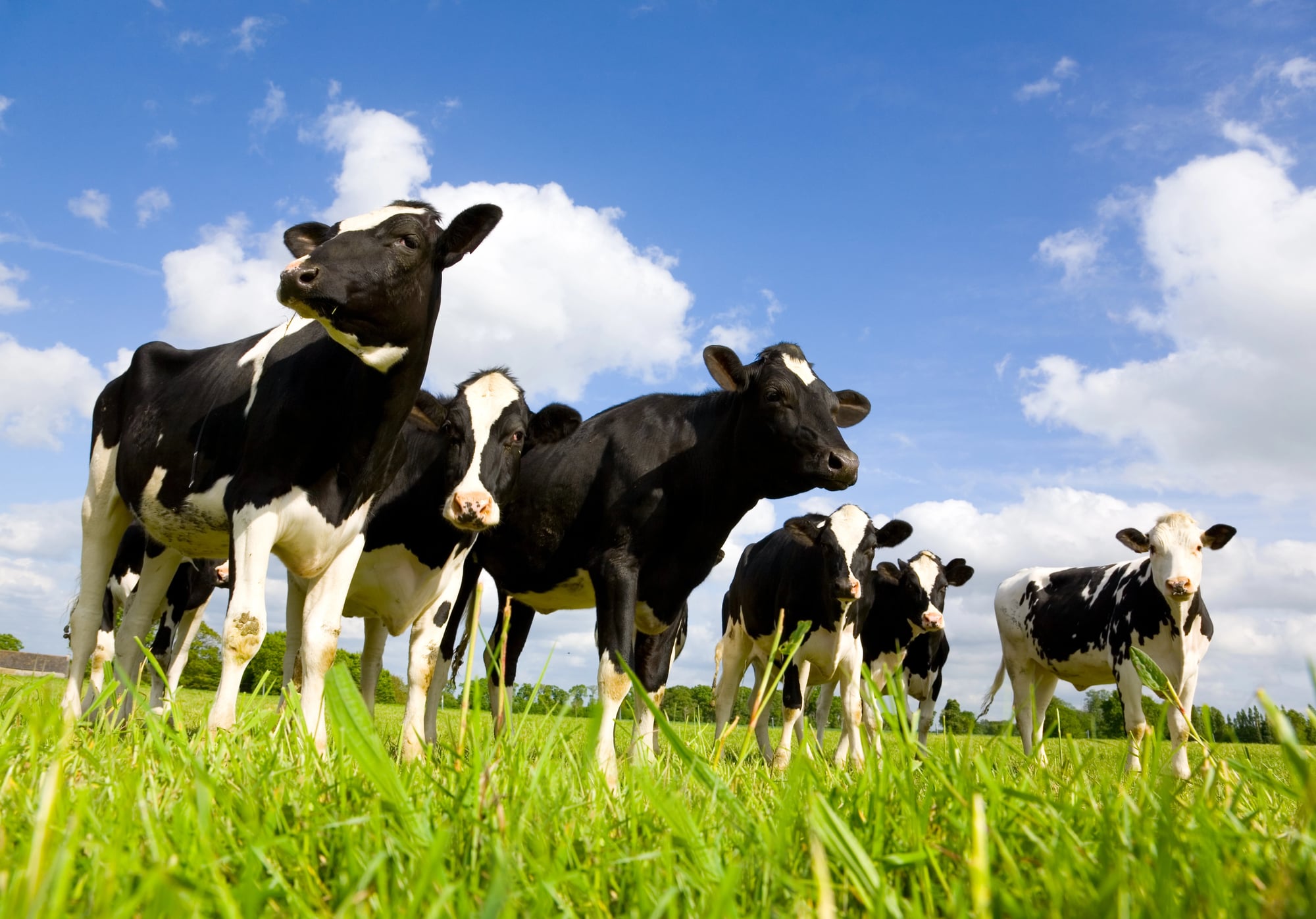
There’s something profoundly stubborn about the way Hinduism has held onto cow worship while the rest of the world moved on to industrialized meat production — and that stubbornness says something important about the persistence of the sacred in ordinary life. Walk through any Indian city today and you’ll find cows wandering through traffic with the casual confidence of creatures who know they’re untouchable, because that’s exactly what they are.
They’re living remnants of an ancient recognition: that the animal providing milk, butter, and agricultural labor deserved reverence, not just utility.
The goddess Kamadhenu (which translates roughly to “wish-fulfilling cow”) represents abundance and generosity in ways that feel both mythological and completely practical.
But here’s what makes this worship different from the distant, abstract devotion directed toward invisible gods — these deities have actual needs. They get hungry, they block traffic, they need veterinary care.
Divinity, it turns out, can be remarkably inconvenient, which somehow makes it more genuine rather than less.
Eagles
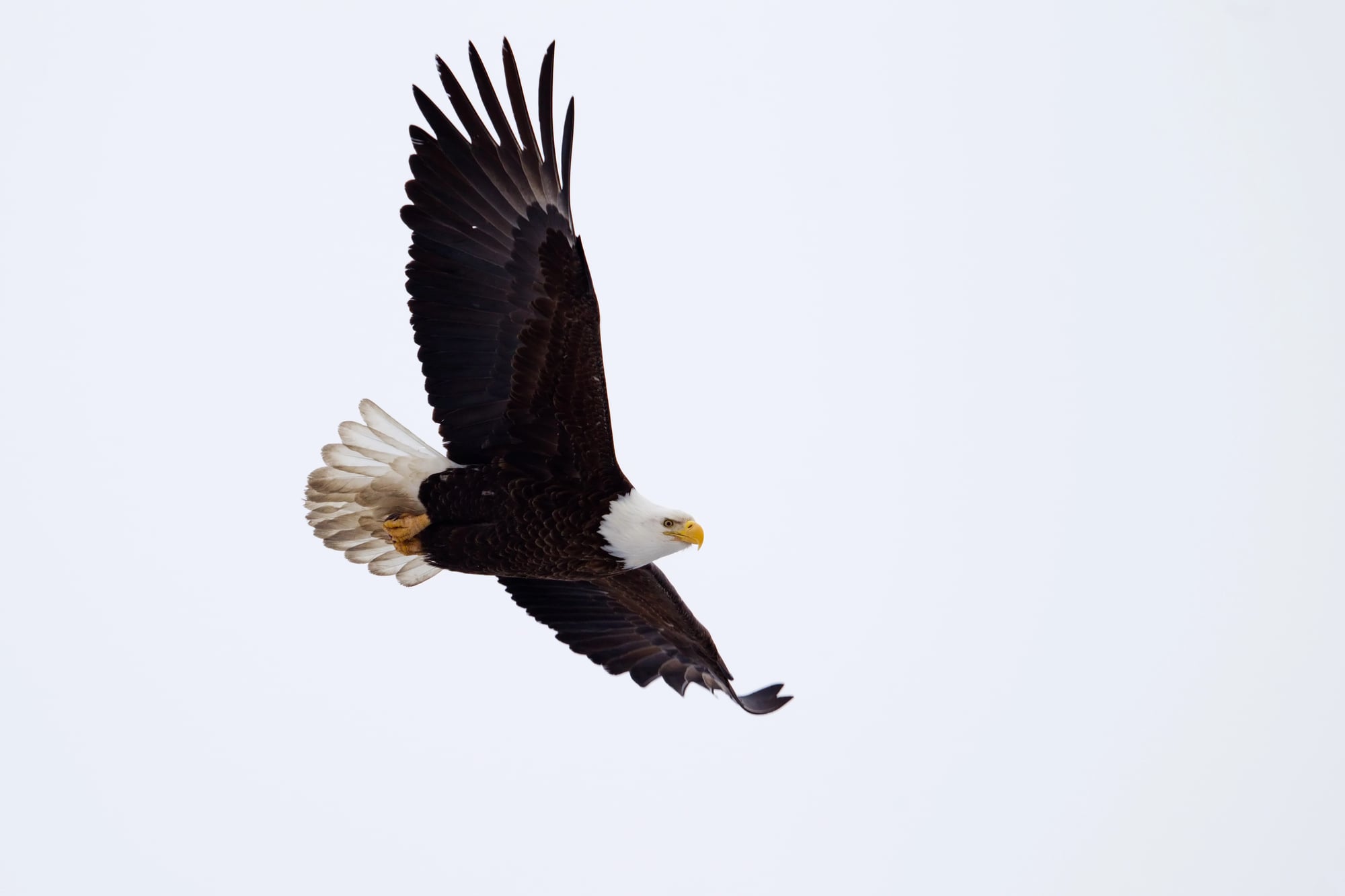
The eagle sits differently in the landscape of human imagination than other birds — not just higher, but somehow separate from the ordinary business of survival that occupies sparrows and robins and chickens. Ancient Greeks saw Zeus in the eagle’s flight pattern; Romans watched eagles circling overhead and read military strategy in their movements; Native American traditions recognized the eagle as a messenger between earthly concerns and whatever lay beyond the visible sky.
Perhaps what humans have always envied most about eagles isn’t their ability to fly — plenty of birds can do that — but their apparent indifference to human affairs.
They hunt when they need to hunt, nest where they choose to nest, and soar at altitudes where human voices become irrelevant. There’s something godlike about that kind of self-sufficiency.
Eagles don’t perform for audiences or beg for scraps or adapt their behavior to human schedules. They simply exist, powerfully and without apology, in ways that make human ambitions look small and temporary by comparison.
Wolves
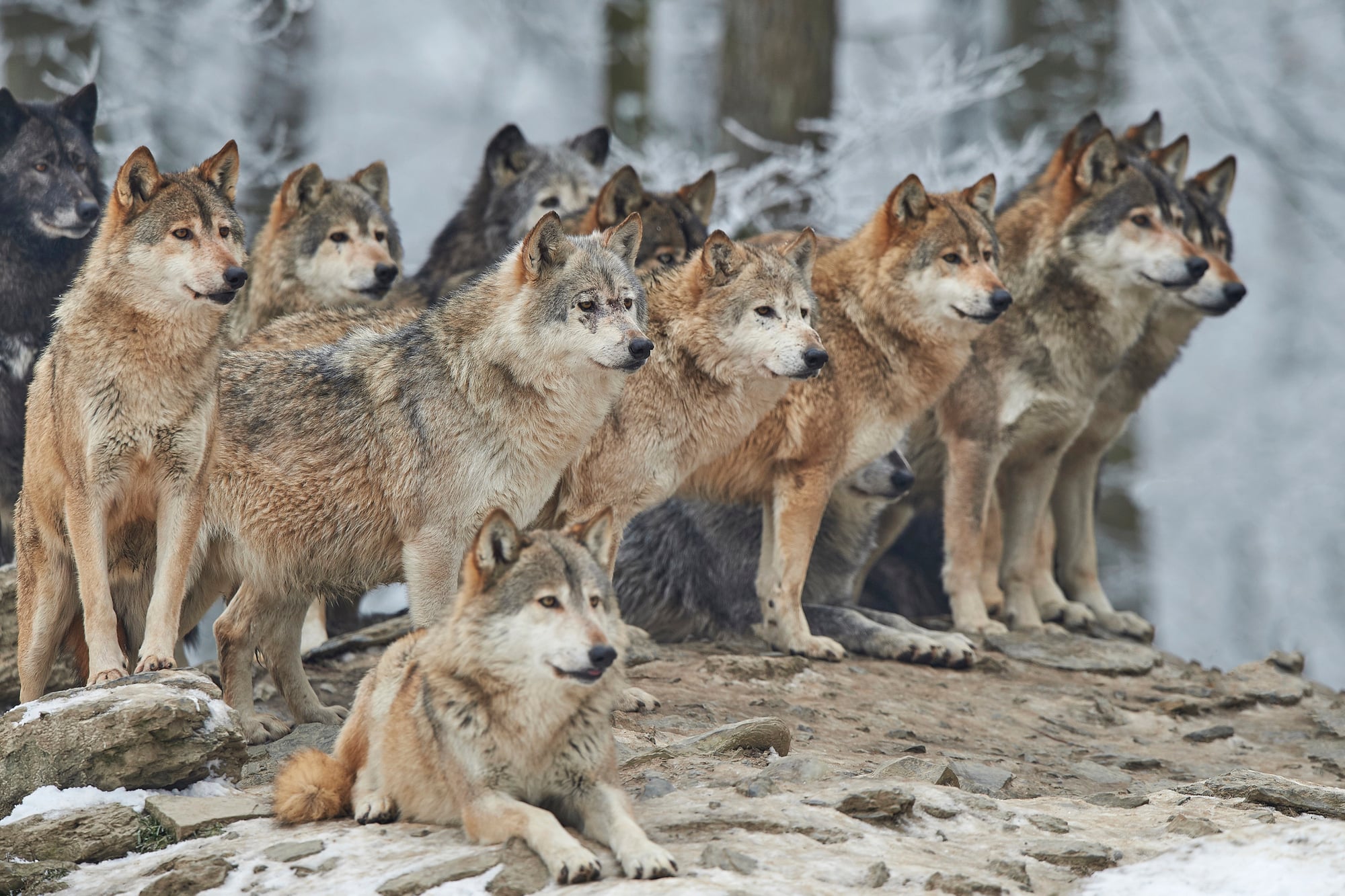
Wolves earned their divine status the hard way: by being better at the things humans desperately wanted to master. They hunted in coordinated packs, showed fierce loyalty to family groups, and survived in wilderness that would kill most people within days.
Roman mythology placed a wolf at the very foundation of their empire — Romulus and Remus nursed by a she-wolf — because Romans understood that civilization required a touch of wildness to survive.
Norse mythology went further, making wolves central to both creation and destruction. Odin’s wolves, Geri and Freki, sat beside him in Valhalla, while the giant wolf Fenrir would eventually devour Odin himself at Ragnarök.
That’s a remarkably honest mythology: wolves give life and wolves take it away, and both actions deserve respect.
Elephants
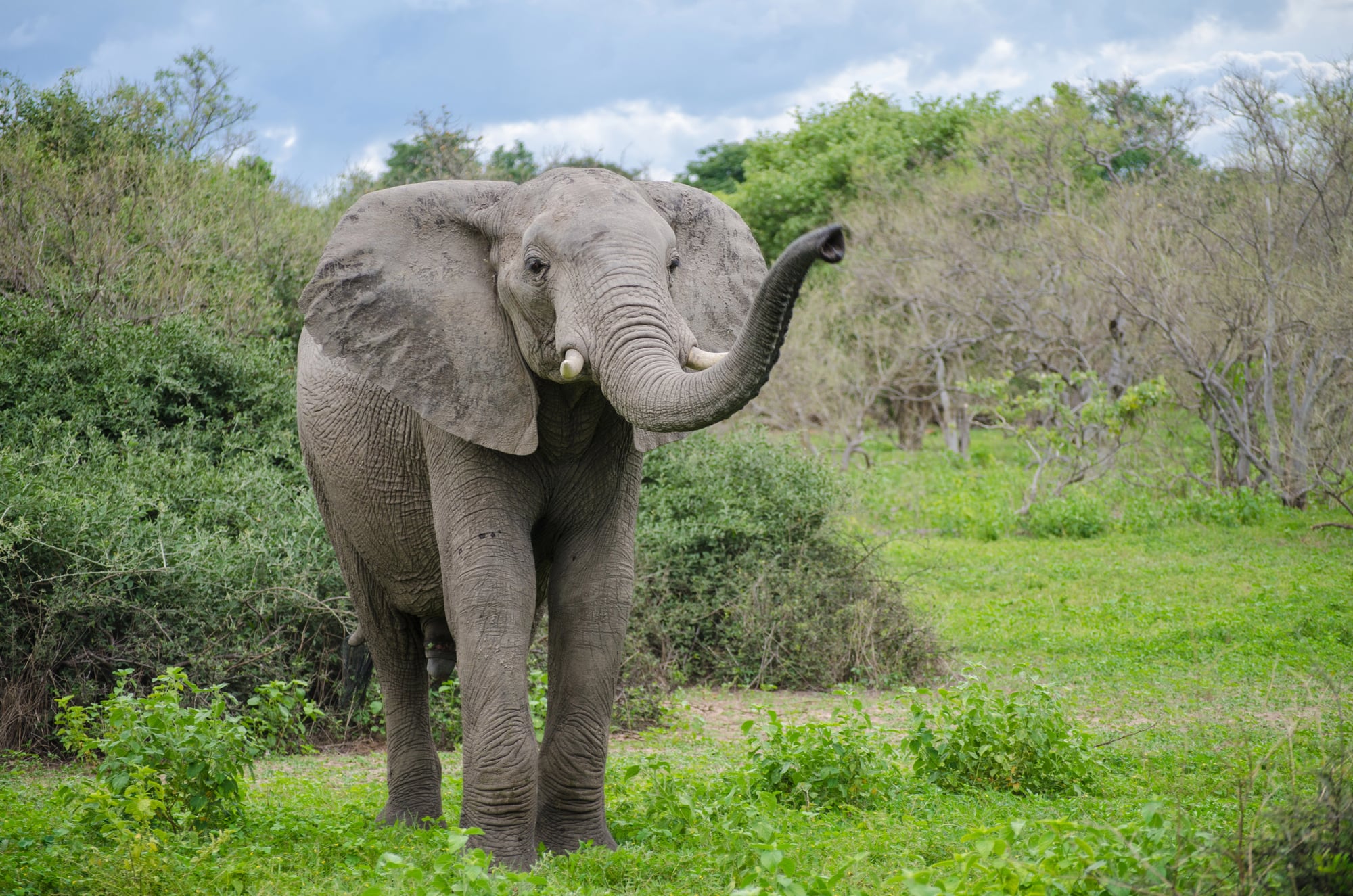
Hindu worship of Ganesha makes perfect sense when you’ve watched elephants move through their world. The trunk works as hand, nose, and communication device.
The memory spans decades. The family bonds run so deep that elephants have been observed returning to the bones of dead relatives, touching them gently with their trunks.
Ganesha removes obstacles and brings wisdom. Those aren’t arbitrary divine qualities assigned to an elephant-headed god — they’re observations about what elephants actually do.
They push through barriers that would stop other animals. They remember water sources, migration routes, and family relationships across years and distances.
They solve problems with tools and cooperation.
The reverence feels earned rather than invented. When your god possesses genuine intelligence, genuine emotional depth, and genuine power in the physical world, worship becomes less about faith and more about recognition.
Serpents
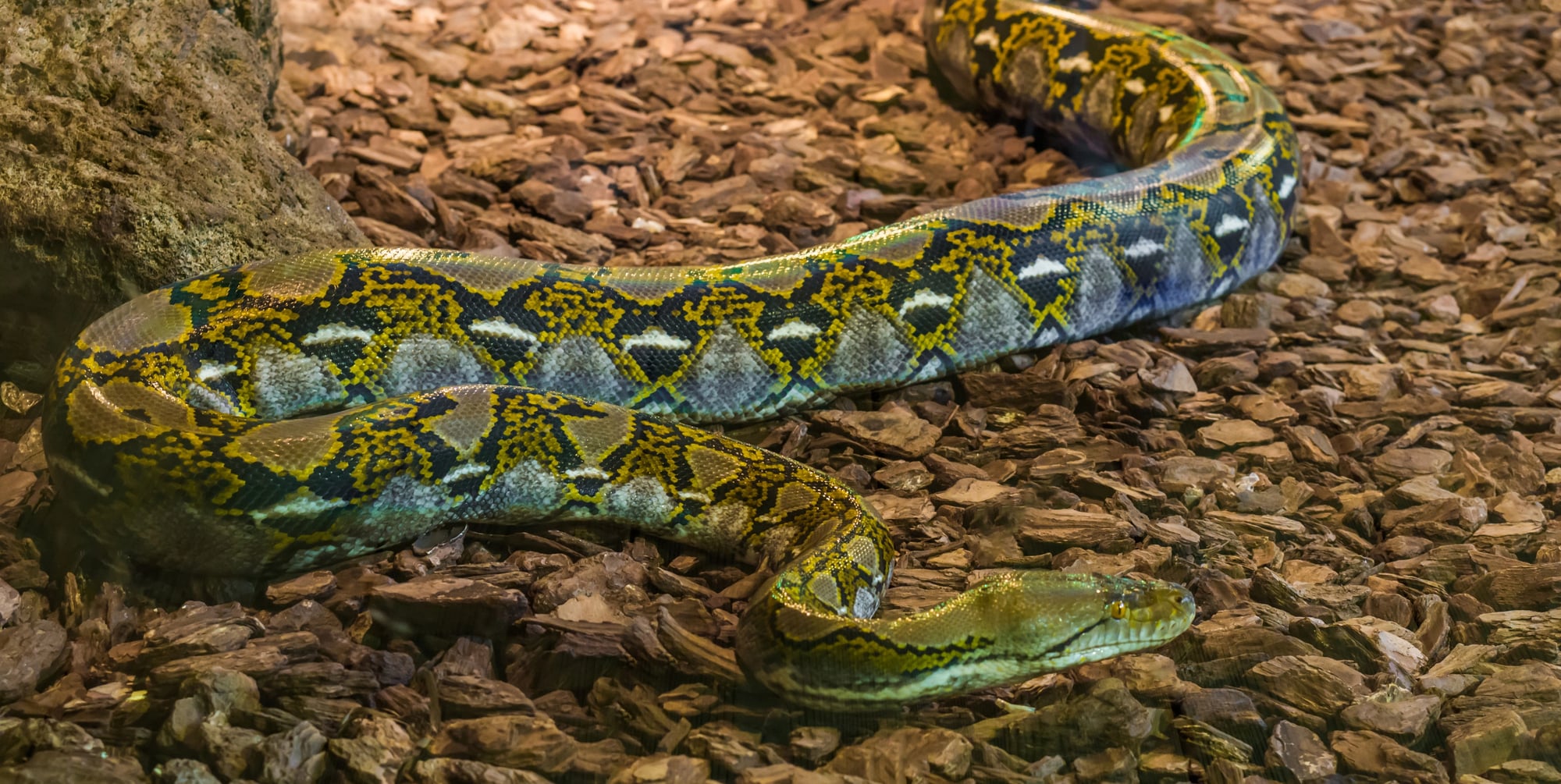
Every ancient culture seems to have looked at snakes and seen something that transcended ordinary animal behavior — and honestly, they weren’t wrong. Snakes move without legs, kill without claws, swallow prey larger than their own heads, and shed their entire skin to emerge looking reborn.
These aren’t minor biological quirks; they’re actions that seem to violate basic physical laws.
Ancient Egyptian, Aztec, Greek, and Hindu traditions all elevated serpents to divine status, but for different reasons that somehow add up to the same conclusion. Egyptian cobras represented royal protection; the Aztec feathered serpent Quetzalcoatl governed wisdom and wind; Greek myths placed snakes at the center of healing (the medical caduceus remains a snake symbol); Hindu traditions coiled the serpent around Shiva’s neck as a sign of mastery over death and time.
What emerges from these separate mythologies isn’t a consistent story about snakes, but a consistent recognition that snakes operate according to rules that other animals — and humans — simply don’t follow.
Jaguars
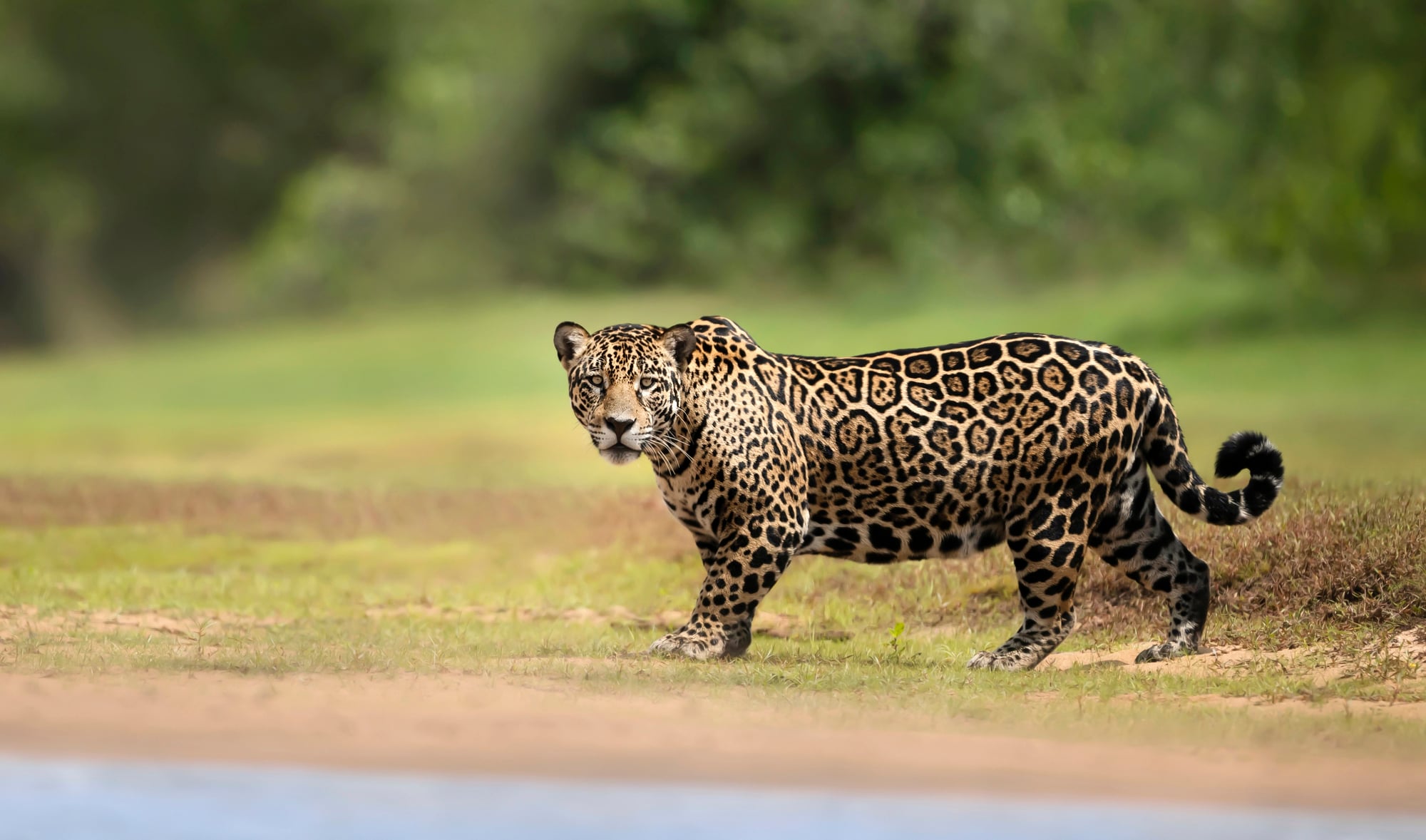
The jaguar moves through Central and South American mythology with the fluid power it demonstrates in actual rainforests — as the apex predator that hunts by night, swims through rivers other cats won’t touch, and kills with a skull-crushing bite that no other big cat attempts. Mayan and Aztec civilizations didn’t just respect jaguars; they structured entire religious systems around jaguar gods who represented the underworld, warfare, and the kind of primal strength that civilizations both fear and desperately want to claim for themselves.
But there’s something more specific happening in jaguar worship than generic big-cat reverence. Jaguars hunt differently than lions or tigers — they’re solitary, patient, and willing to take risks that other predators avoid.
They’ll attack caimans in water, climb trees to hunt monkeys, and take down prey twice their size. Ancient peoples watched this behavior and saw not just an impressive predator, but a creature that refused to accept limitations other animals considered absolute.
Ravens
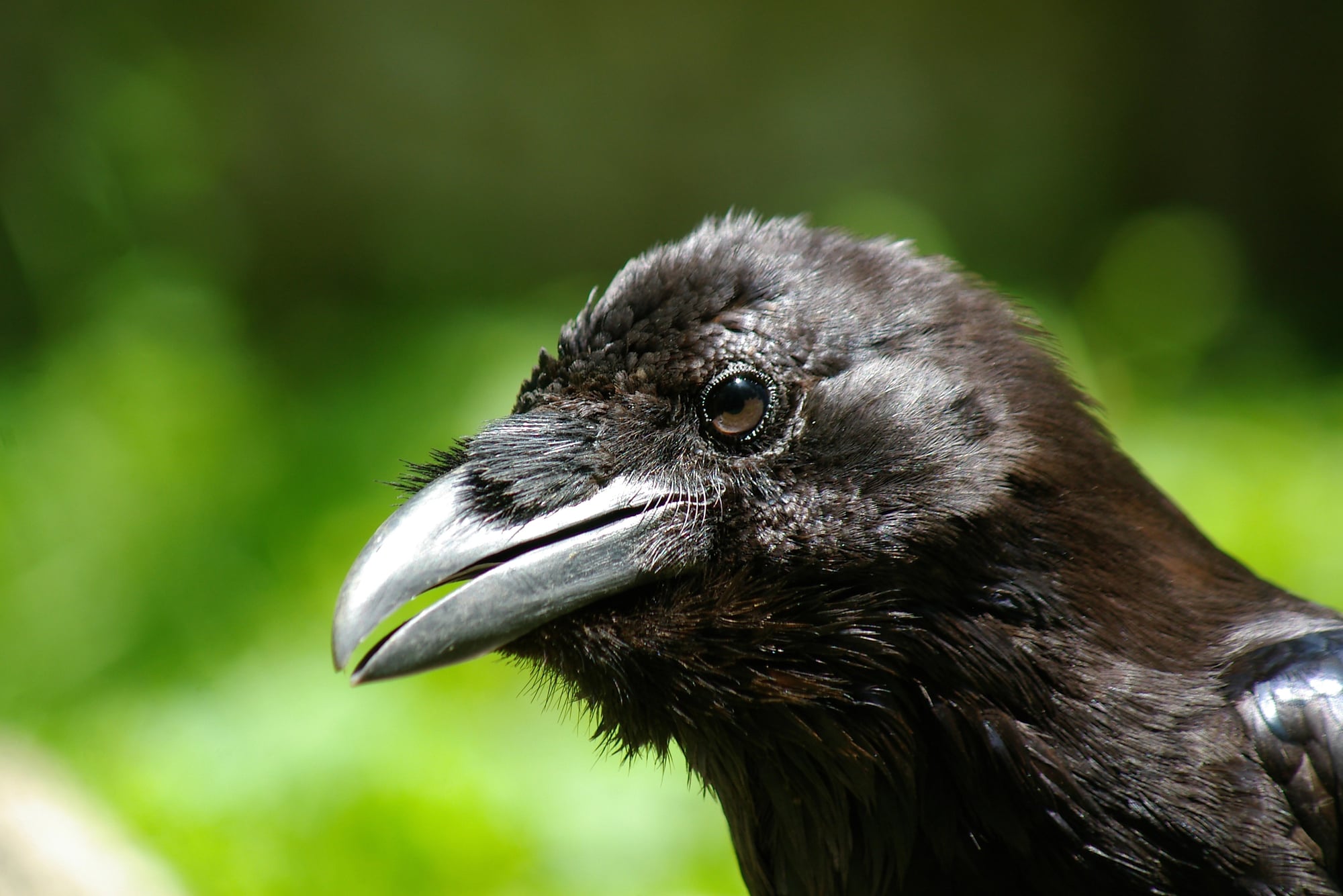
Norse mythology placed ravens at the right hand of Odin — Huginn and Muninn, representing thought and memory, flew across all nine worlds each day to bring back information. Celtic traditions saw ravens as guides between the world of the living and the dead.
Native American stories cast Raven as both creator and trickster, capable of bringing light to the world and stealing it back again on a whim.
The mythological consensus around ravens stems from observable behavior that genuinely seems supernatural when you think about it. Ravens remember human faces for years, hold grudges across generations, use tools, play games, and demonstrate problem-solving abilities that put them closer to primates than to other birds.
They gather at battlefields and seem to predict death with uncanny accuracy — though that’s probably just superior pattern recognition rather than prophetic vision.
Bears
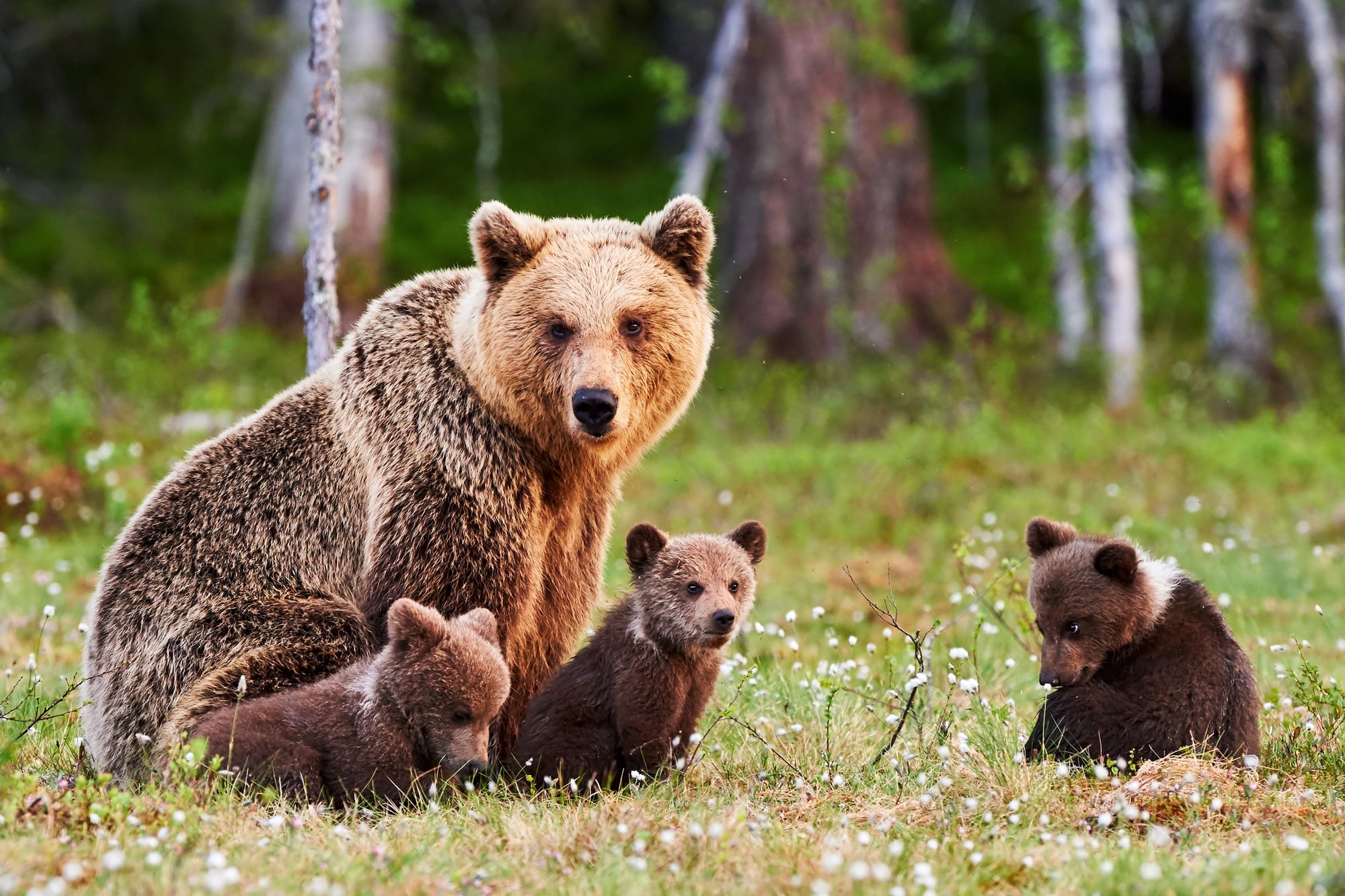
Ancient Celtic and Native American traditions recognized something in bears that went beyond impressive size and strength — they saw animals that seemed to bridge the gap between wild and human in ways that felt spiritually significant. Bears stand upright, use their paws like hands, show complex emotions, and hibernate through winter to emerge in spring like creatures returning from death.
These behaviors aren’t cute quirks; they’re actions that place bears uncomfortably close to human experience while maintaining an essential wildness that humans have lost.
The goddess Artio among Celtic peoples and the various bear spirits in Native American traditions represent strength that doesn’t need to announce itself — power that remains gentle until circumstances require otherwise.
Bears avoid confrontation when possible, but when pressed, they fight with devastating effectiveness. That combination of peaceful intention and lethal capability created a template for divine behavior that many human gods would later adopt, though they rarely managed to balance those qualities as successfully as the original bears.
Crocodiles
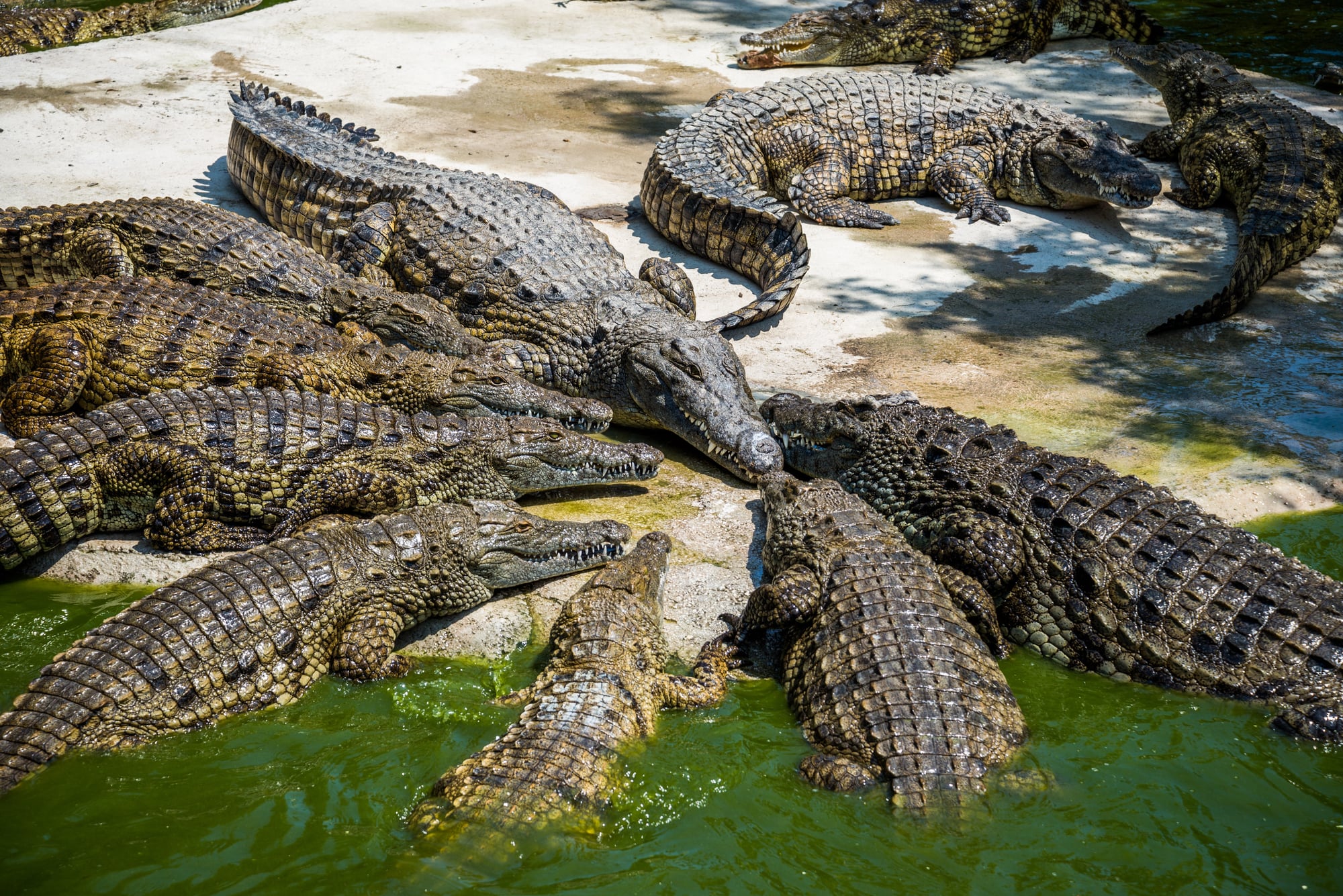
Egyptian worship of Sobek makes brutal sense when you consider what crocodiles actually do: they survive unchanged for millions of years, kill with mechanical efficiency, and seem equally comfortable in water and on land. Ancient Egyptians looked at crocodiles and saw perfection — not moral perfection, but the kind of evolutionary perfection that doesn’t require improvement.
Sobek represented the raw power of the Nile, both creative and destructive. Crocodiles bring death, but they also control the river ecosystem that brings life to the entire region.
They’re patient enough to wait motionless for hours, then explosive enough to drag down animals many times their size. That combination of stillness and sudden violence became a template for divine justice — patient, inevitable, and absolutely final.
Ibises

The Sacred Ibis held such reverence in ancient Egypt that killing one meant death, even for foreigners who claimed ignorance of the law (and plenty of Greek and Roman travelers learned this the hard way, according to historical accounts that suggest the Egyptians took their bird worship seriously enough to create genuine diplomatic incidents over dead ibises). The god Thoth, depicted with an ibis head, governed wisdom, writing, and the measurement of time — which makes perfect sense when you consider that ibises are wading birds whose feeding patterns follow lunar cycles and seasonal flood patterns with astronomical precision.
But the deeper connection between ibises and divine wisdom probably comes from watching these birds hunt: they probe river mud with their curved beaks, feeling for prey they can’t see, using sensitivity and patience rather than speed or strength.
So they became symbols of the kind of intelligence that searches hidden places for truth, that finds nourishment in environments where other creatures see only murky water and mud. And the connection stuck — thousands of mummified ibises have been found in Egyptian tombs, buried with the same care given to human nobility.
Horses
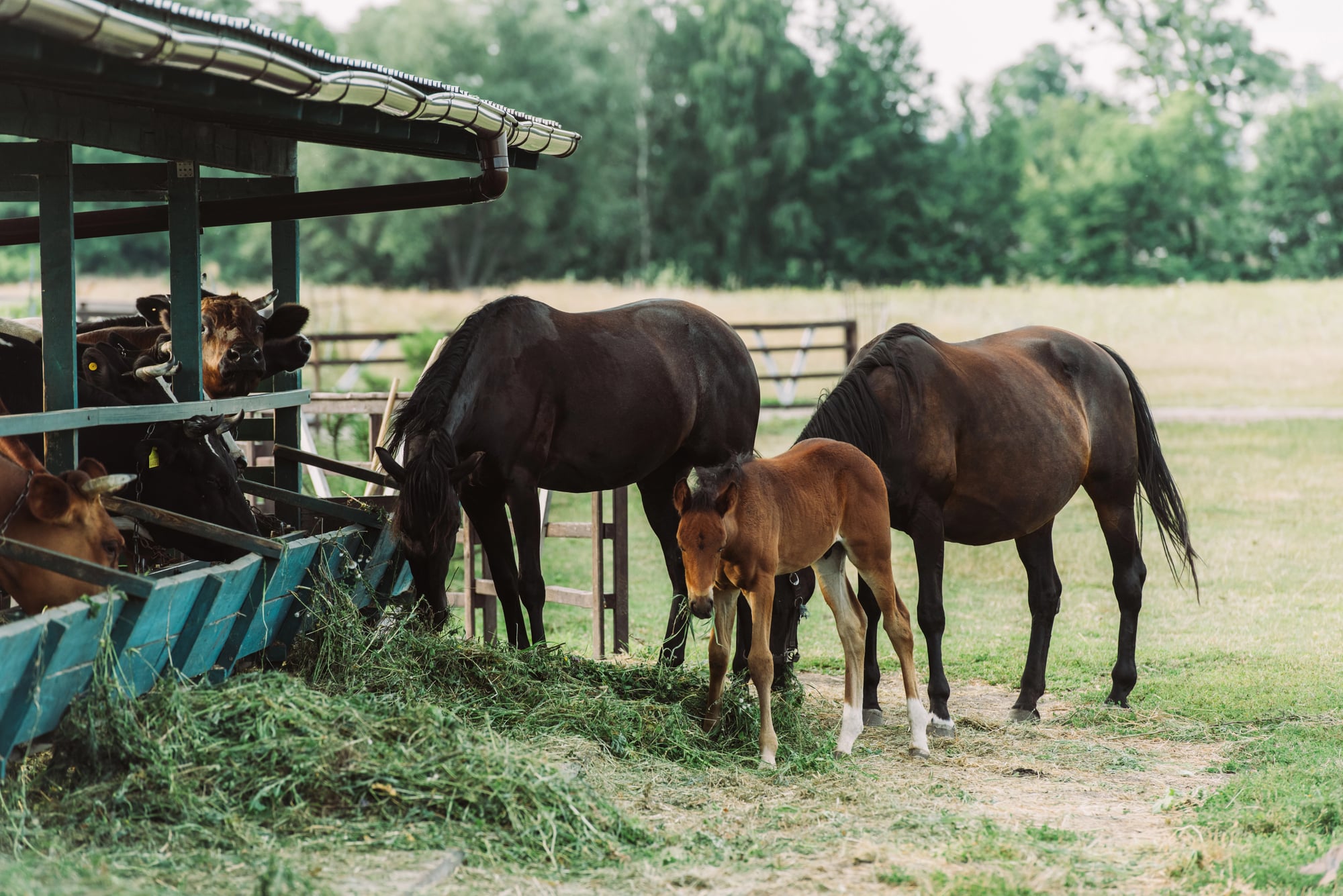
Ancient Celtic and Germanic peoples saw divinity in horses that went far beyond their obvious utility as transportation and warfare companions — they recognized something in the way horses moved across landscapes that seemed to connect earthly travel with spiritual journey. The Celtic goddess Epona and various horse-spirits in Norse mythology represented not just speed and strength, but the kind of freedom that comes from being able to cross any terrain, to carry riders beyond the boundaries of their familiar world into territories that existed somewhere between the physical and the mythological.
There’s something about the partnership between humans and horses that creates a different kind of worship than other animal reverence — less about observing divine qualities from a distance and more about participating in them directly.
Riders don’t just watch horses demonstrate supernatural grace and power; they experience it firsthand, feeling what it’s like to move faster than human legs allow, to jump higher than human bodies can manage, to cover distances that would take days on foot. The horse gods weren’t distant figures requiring supplication; they were collaborative deities offering shared transcendence to anyone willing to learn their partnership.
Baboons
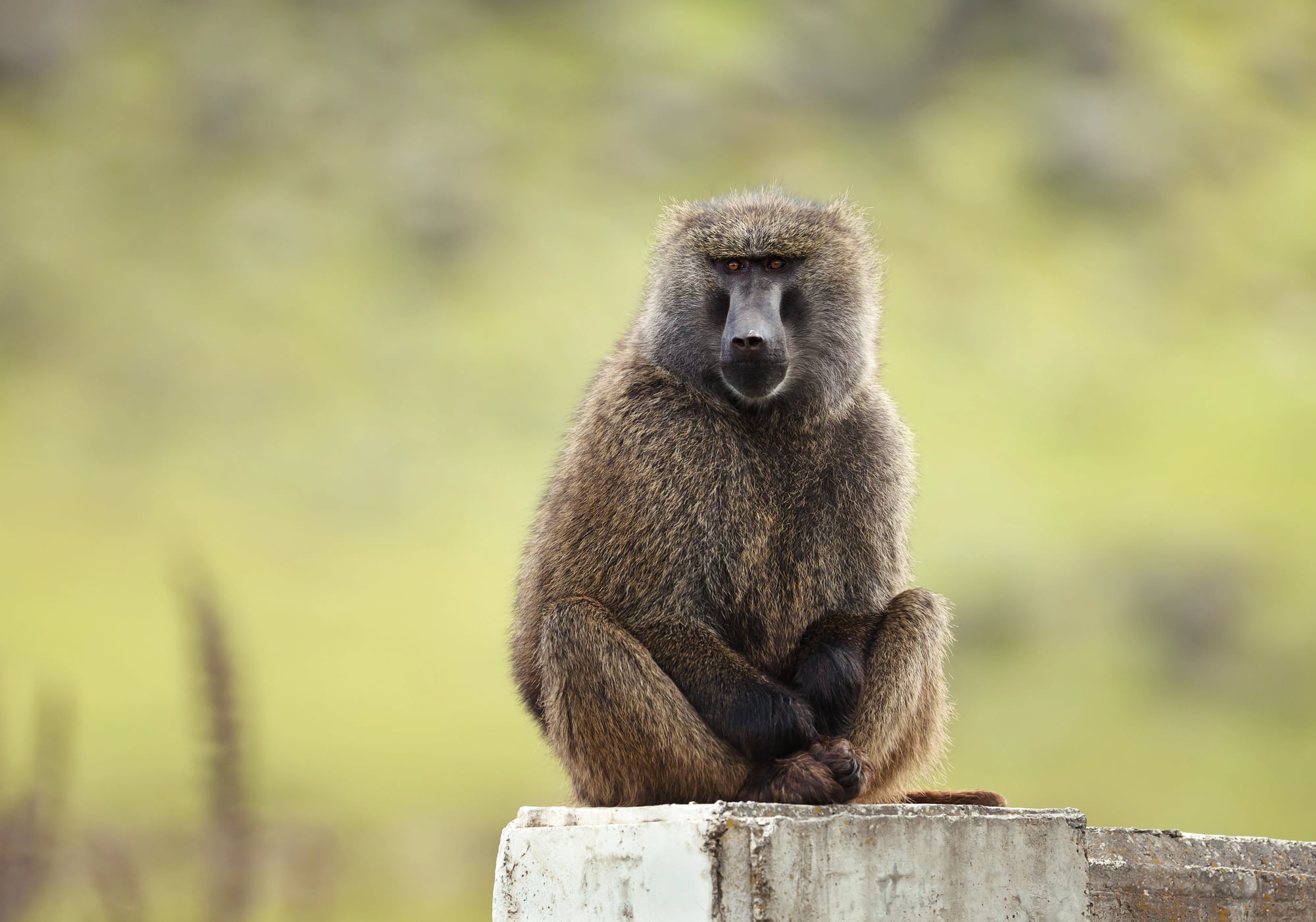
Egyptian reverence for baboons centers around Thoth in his baboon form, representing wisdom and judgment, but the worship probably began with simple observation of baboon behavior that genuinely seems to border on human intelligence. Baboons live in complex social groups with hierarchies, alliances, and political maneuvering that rivals anything humans have developed.
They use tools, solve problems cooperatively, and demonstrate emotional intelligence that includes grief, joy, and what appears to be a sense of fairness.
More specifically, ancient Egyptians noticed that baboons greet the sunrise with loud calls and energetic behavior, which led to associations with solar worship and the daily resurrection of Ra.
But there’s something deeper happening in baboon reverence: recognition that intelligence comes in forms that don’t match human intelligence but might actually surpass it in certain areas.
Baboons remember complex social relationships across years, navigate intricate alliance systems, and maintain group cohesion under pressure. Egyptian priests weren’t just anthropomorphizing clever animals; they were acknowledging types of wisdom that human civilization tends to overlook.
Falcons
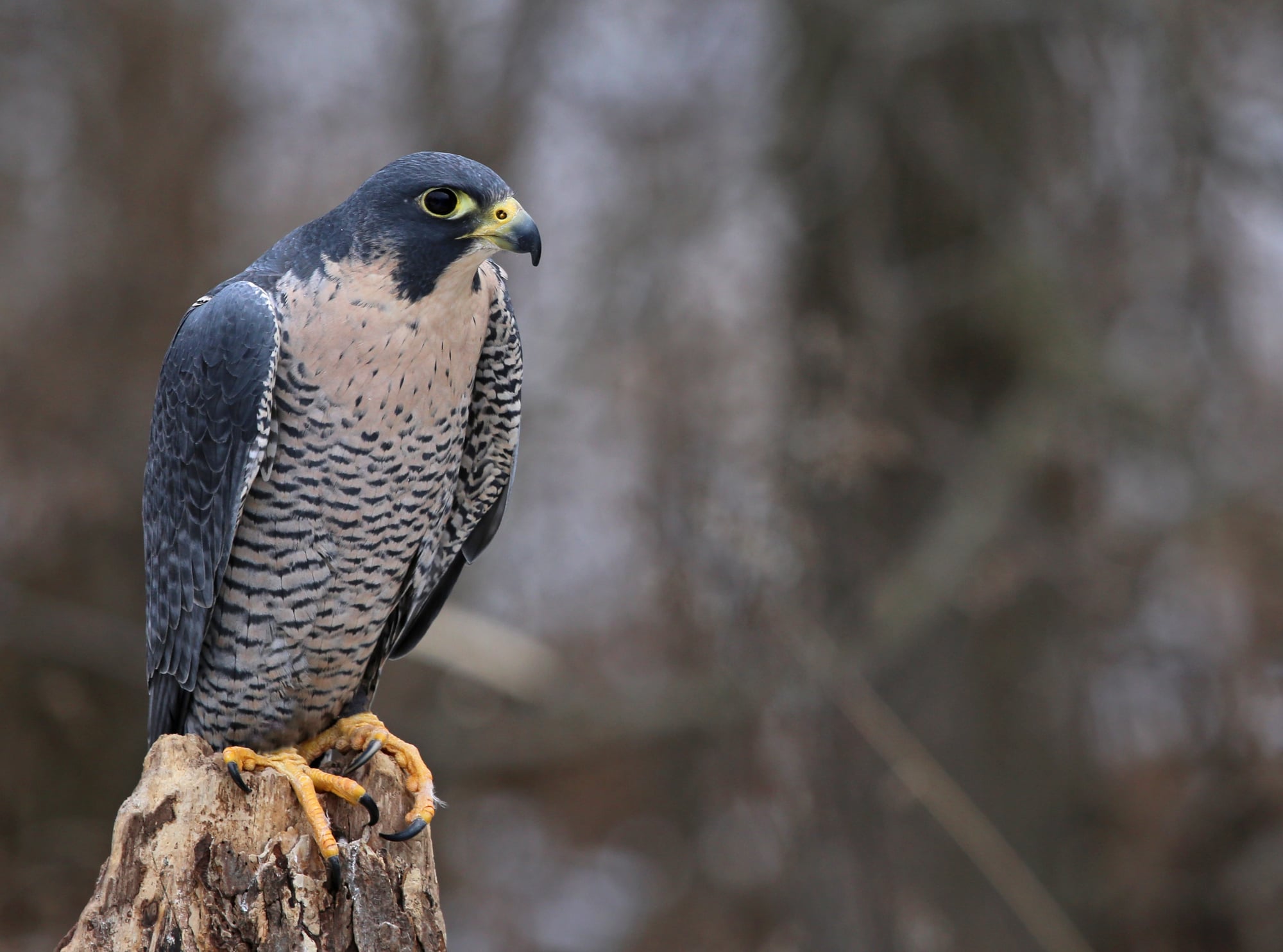
The falcon-headed Horus dominated Egyptian mythology for thousands of years, representing kingship, protection, and divine vision, but the worship stems from the simple fact that falcons see the world differently than any other creature — literally and figuratively. A peregrine falcon can spot prey from distances measured in miles and dive at speeds exceeding 200 mph with accuracy that would be impossible for human hunters even with modern technology.
Ancient peoples watched falcons hunt and recognized not just impressive predation, but a kind of perception that seemed to transcend ordinary sensory experience.
Horus was depicted as the god whose eyes were the sun and moon, seeing everything that happened across the entire kingdom — which makes perfect sense when you consider that falcons actually do see their territory from perspectives and with clarity that no ground-dwelling creature can match.
They patrol vast areas from altitudes where human concerns become invisible, then descend with precision that suggests omniscient knowledge of everything happening below. Falcon worship wasn’t metaphorical; it was recognition of abilities that genuinely approximated divine omniscience.
Goats
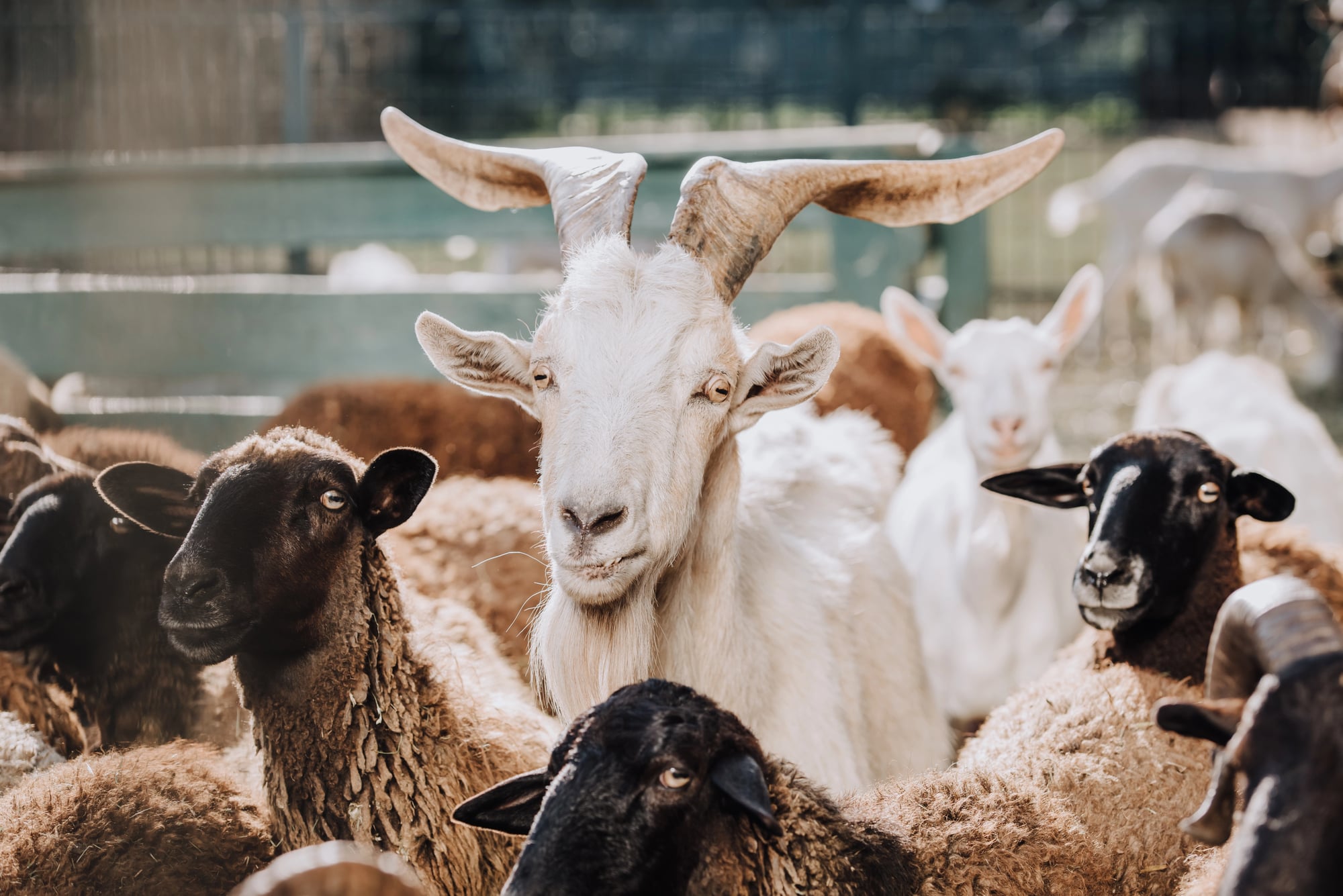
Pan, the goat-god of Greek mythology, represents something more complex and uncomfortable than most divine figures — he embodies the wild, untamed aspects of nature that civilization tries to control but never quite manages to eliminate. Goats themselves demonstrate this same stubborn resistance to complete domestication: even farm goats retain climbing abilities, escape artistry, and dietary independence that other livestock have abandoned.
They eat what other animals can’t digest, thrive in terrain that would challenge mountain climbers, and maintain a kind of intelligent mischief that farmers have been complaining about for millennia.
There’s something deliberately subversive about goat worship that sets it apart from the reverence given to eagles or lions or other obviously powerful creatures.
Goats aren’t majestic; they’re clever. They don’t inspire awe through strength; they earn respect through persistence and adaptability.
Pan represented fertility, music, and the wild spaces that exist just beyond cultivated fields — exactly where you’d expect to find goats, eating whatever they please and ignoring human attempts at control.
Bulls
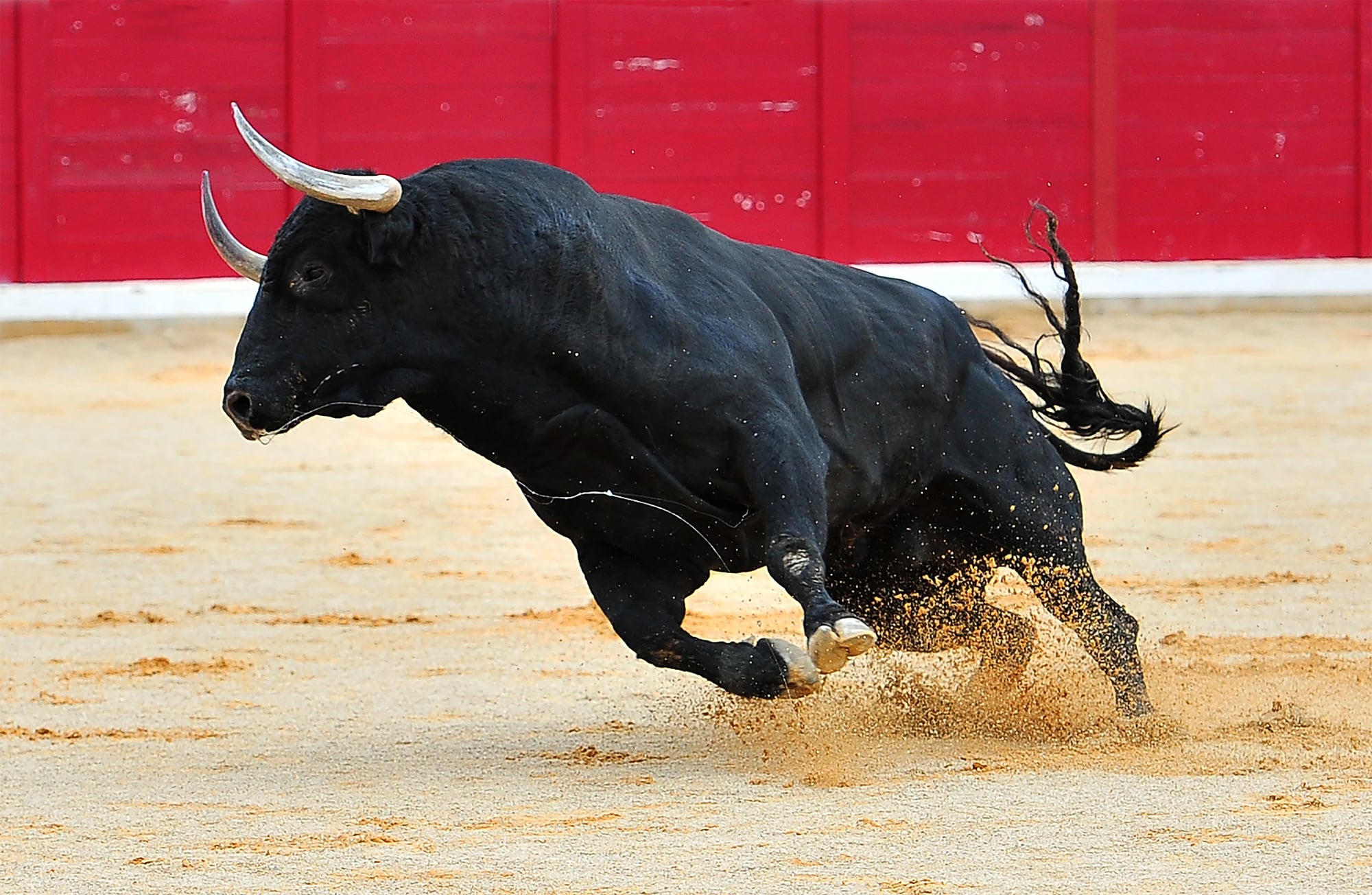
Ancient civilizations from Mesopotamia to Greece to Egypt recognized something in bulls that went beyond their obvious physical power — they saw animals that embodied fertility, agricultural abundance, and the kind of controlled strength that makes civilization possible. The bull gods weren’t just about raw force; they represented power harnessed for productive purposes, the difference between destruction and creation channeled through the same overwhelming strength.
Mesopotamian bull-worship connects directly to agricultural cycles and the fertility of both crops and cattle herds that sustained entire civilizations.
Greek mythology placed bulls at the center of several major stories — Europa and the bull, the Minotaur, the Cretan bull — because Mediterranean cultures understood that their survival depended on animals capable of both nurturing life and ending it with equal effectiveness.
Bulls provide meat, leather, and labor, but they also kill more farmers than any other domestic animal. That duality — life-giving and deadly, nurturing and dangerous — created a template for divine power that human gods would spend centuries trying to replicate.
The Living Gods Among Us
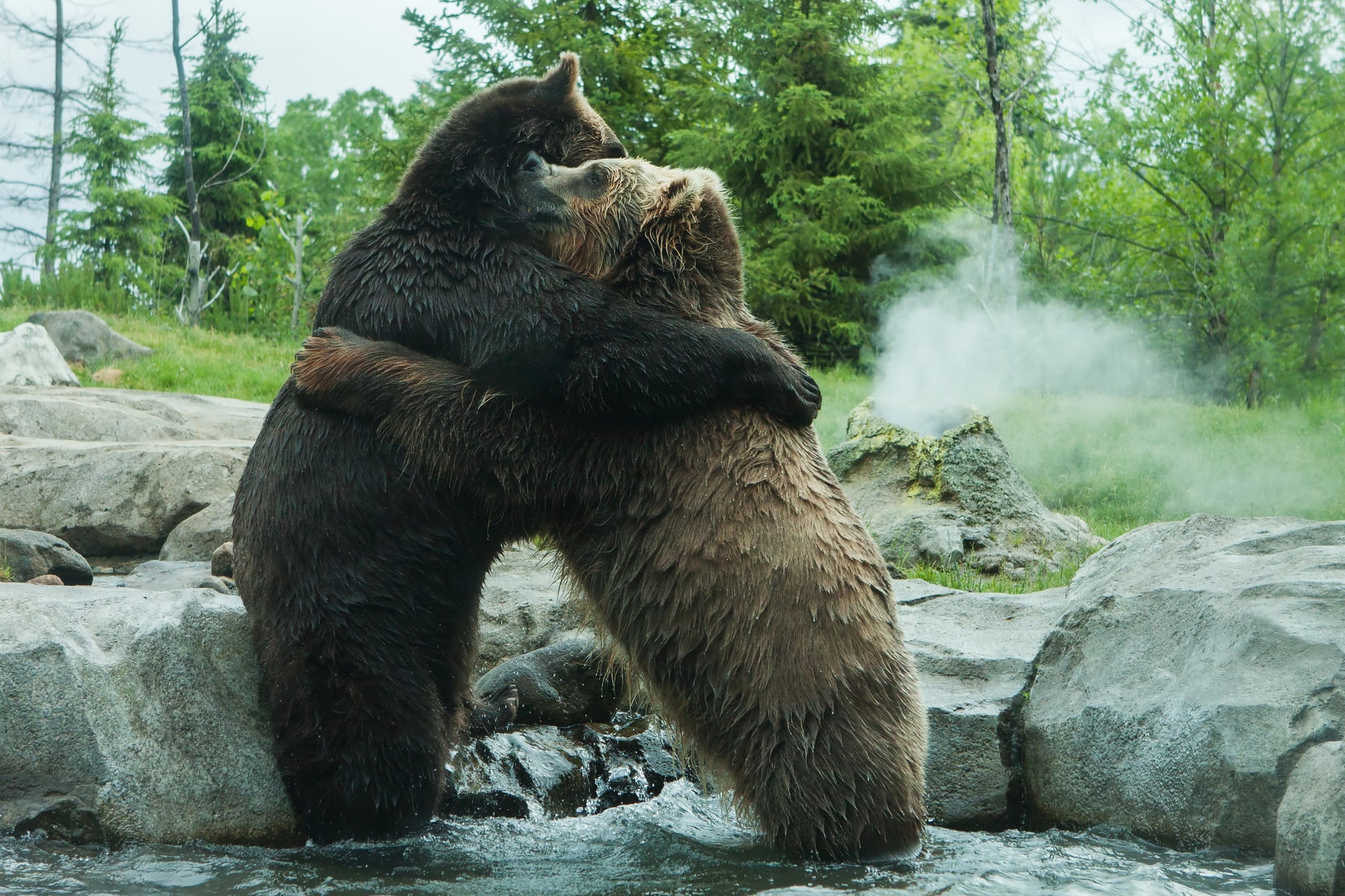
These ancient worshippers weren’t primitive people mistaking animals for supernatural beings. They were human societies that recognized divinity in creatures demonstrating abilities their own species had lost or never possessed.
The gods walked among them daily — in the calculated patience of a hunting cat, the social intelligence of an elephant herd, the fearless flight of an eagle riding thermals beyond human reach.
What changed wasn’t the remarkable nature of these animals, but humanity’s relationship to the remarkable. We still live alongside creatures capable of navigation without instruments, communication across vast distances, survival in lethal environments, and social cooperation that puts human politics to shame.
The difference is that we’ve become convinced these abilities are simply biological rather than sacred — a distinction that would have seemed meaningless to people who understood that the most profound truths often wear fur, feathers, and scales.
More from Go2Tutors!

- The Romanov Crown Jewels and Their Tragic Fate
- 13 Historical Mysteries That Science Still Can’t Solve
- Famous Hoaxes That Fooled the World for Years
- 15 Child Stars with Tragic Adult Lives
- 16 Famous Jewelry Pieces in History
Like Go2Tutors’s content? Follow us on MSN.