World Currencies with Top Market Value
Have you ever taken out your wallet while on the road and questioned why certain coins seem more “powerful” than others? You’re not dreaming. In the global economy, certain currencies actually have more clout, impacting everything from international business transactions to your vacation budget.
Consider it this way: In the realm of money, currencies are comparable to various languages. While some are primarily understood in their native countries, others are spoken everywhere. The highest exchange rates, which would apply to currencies like the Kuwaiti dinar, are not always what we mean when we discuss “top market value.” Rather, we are examining global impact, trading volume, and the extent to which these currencies truly influence global trade.
Here are 14 of the most important currencies in the world, along with the reasons that knowing them can improve your financial choices, whether you’re investing or organizing a trip.
US Dollar – The Global Standard

The US dollar isn’t just America’s currency—it’s the world’s financial lingua franca. About 88% of all currency trades involve the dollar, making it the ultimate reference point for global commerce.
When oil companies in the Middle East sell to buyers in Asia, they typically price everything in dollars, even though neither party is American. This dominance means that when the dollar strengthens or weakens, it ripples through every economy on the planet, affecting everything from your gas prices to imported goods.
Euro – Europe’s Unified Voice

Created in 1999, the euro represents one of history’s most ambitious monetary experiments—getting 20 different countries to share the same money. Despite occasional drama (remember the Greek debt crisis?), the euro has become the world’s second-most-traded currency.
What makes it particularly interesting is how it balances the economic strengths of Germany’s manufacturing prowess with France’s agricultural abundance and other diverse European economies. For travelers, the euro’s stability makes budgeting across multiple European countries much simpler than juggling different exchange rates.
Japanese Yen – The Safe Harbor

Here’s something fascinating: when global markets get scary, investors often rush to buy yen, even though Japan actually carries one of the world’s highest debt-to-GDP ratios among advanced economies. Why do they still see it as safe?
The yen has earned its ‘safe haven’ status through deep market liquidity, stable institutions, and Japan’s consistent current account surplus from exports. It’s like that reliable friend who might have a big mortgage but always pays their bills on time and has steady income.
British Pound – Historical Heavyweight
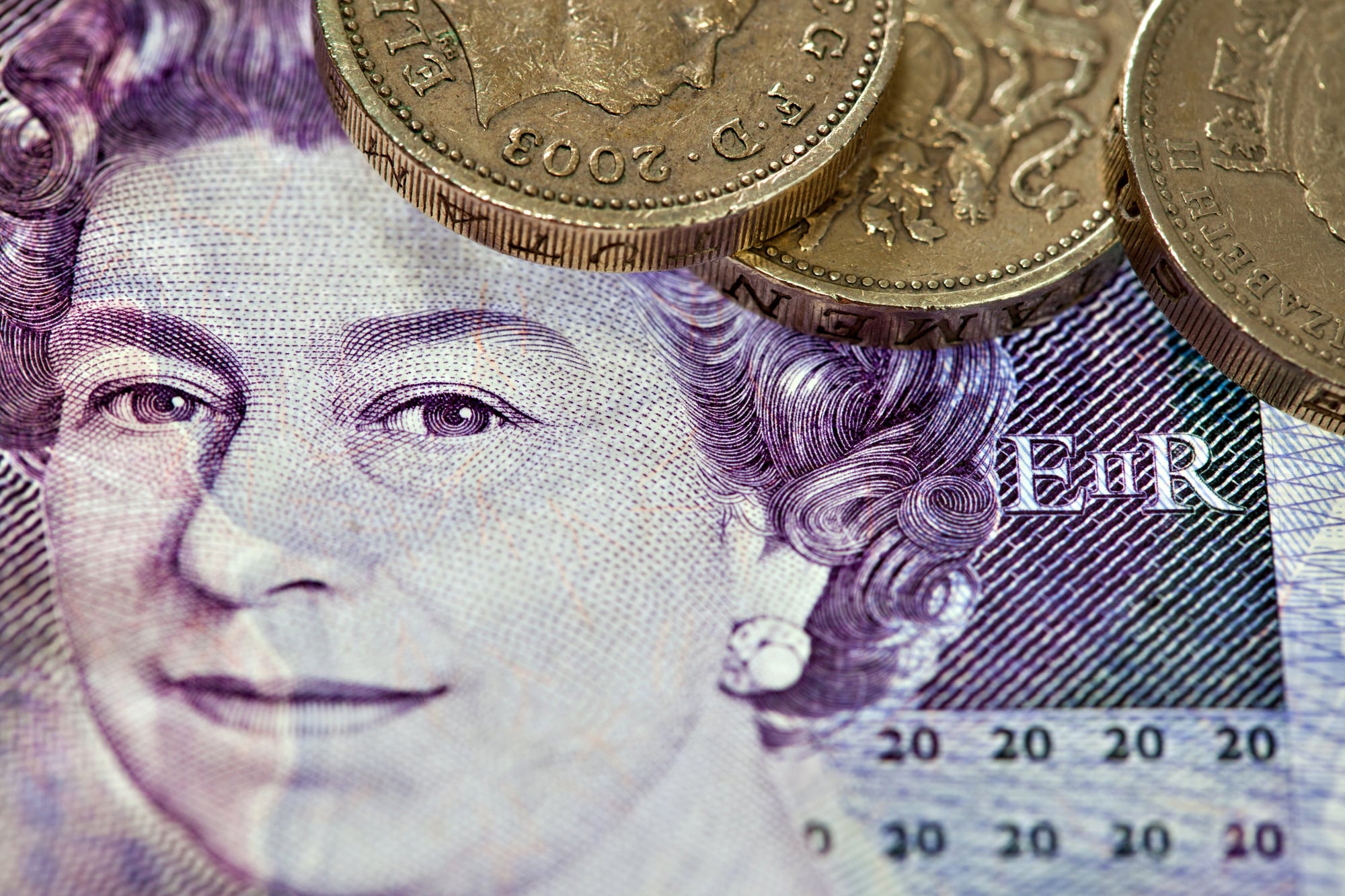
The pound sterling carries centuries of financial history in its name. Before the dollar took over, the pound was the world’s dominant currency, reflecting Britain’s role as a global trading empire.
Even today, London remains one of the world’s top financial centers, and the pound maintains significant influence in global markets. Brexit created some volatility, but the currency’s deep roots in international finance keep it relevant.
Swiss Franc – The Fortress Currency

Switzerland’s currency embodies the country’s reputation for financial stability and neutrality. The Swiss franc often strengthens during global uncertainty because investors view it as incredibly stable—like a financial fortress.
This strength sometimes becomes a problem for Switzerland, as an overly strong franc can hurt their export industries. The Swiss National Bank has occasionally intervened to weaken their own currency, which shows how currency strength can be a double-edged sword.
Canadian Dollar – The Commodity Connection

The Canadian dollar’s value often moves with natural resource prices, particularly oil and gold. When commodity prices rise, the ‘loonie’ (named after the bird on Canada’s dollar coin) typically strengthens.
This connection makes the Canadian dollar a fascinating barometer for global resource demand. For Americans, the Canadian dollar’s movements significantly affect cross-border trade and travel costs.
Australian Dollar – The Risk Appetite Gauge

Traders often use the Australian dollar as a measure of global risk appetite. When investors feel optimistic about worldwide economic growth, they buy Australian dollars because Australia’s economy is heavily tied to commodity exports and trade with fast-growing Asian economies.
When fear strikes global markets, the ‘Aussie’ often weakens as investors flee to safer currencies. This makes the Australian dollar an interesting indicator of global economic sentiment, despite Australia representing a relatively small portion of world GDP.
Chinese Yuan – The Rising Giant

China’s currency presents one of the most intriguing stories in modern finance. Despite China being the world’s second-largest economy, the yuan still doesn’t trade as freely as other major currencies due to government controls.
However, its influence is growing rapidly as China becomes a bigger player in international trade. More countries are starting to trade directly with China using yuan instead of converting through dollars first, which could gradually change the global currency landscape over the coming decades.
Singapore Dollar – The Asian Hub

Singapore’s strategic location and business-friendly policies have made its currency a regional powerhouse. The Singapore dollar serves as a benchmark for Southeast Asian trade and finance, despite the country’s small size.
What’s remarkable is how Singapore manages its currency—instead of targeting interest rates like most countries, they manage the exchange rate directly. This unique approach has helped create remarkable currency stability, making Singapore an attractive base for international businesses operating in Asia.
New Zealand Dollar – The Carry Trade Favorite
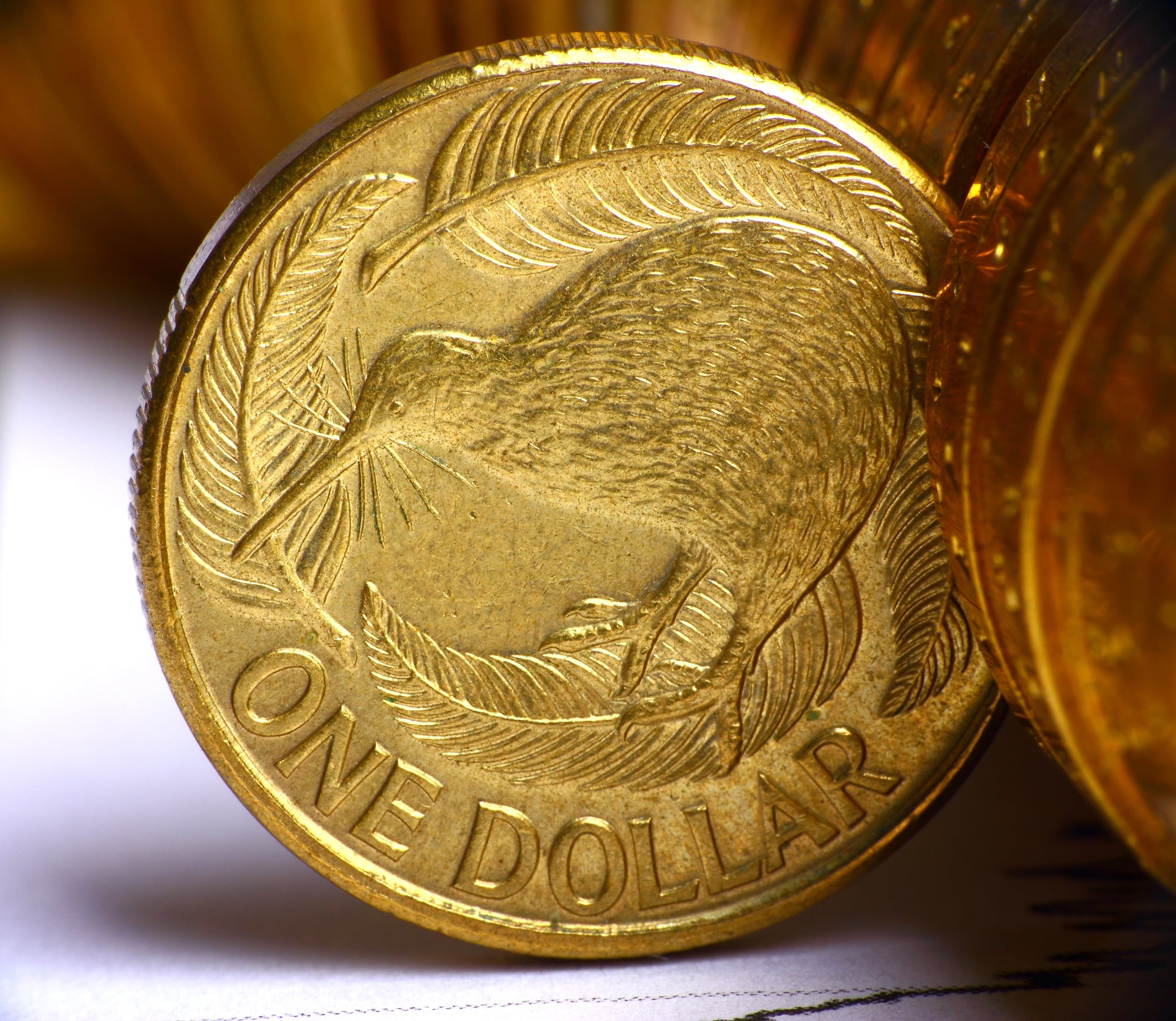
New Zealand’s currency has gained outsized influence due to the country’s historically higher interest rates compared to other developed nations. This attracts investors seeking better returns through ‘carry trades’—borrowing money in low-interest-rate countries to invest in higher-yielding currencies.
The New Zealand dollar’s movements often reflect global appetite for risk and return. Like its Australian neighbor, the ‘Kiwi’ dollar also benefits from the country’s commodity exports and stable political environment.
Norwegian Krone – The Oil Economy Mirror
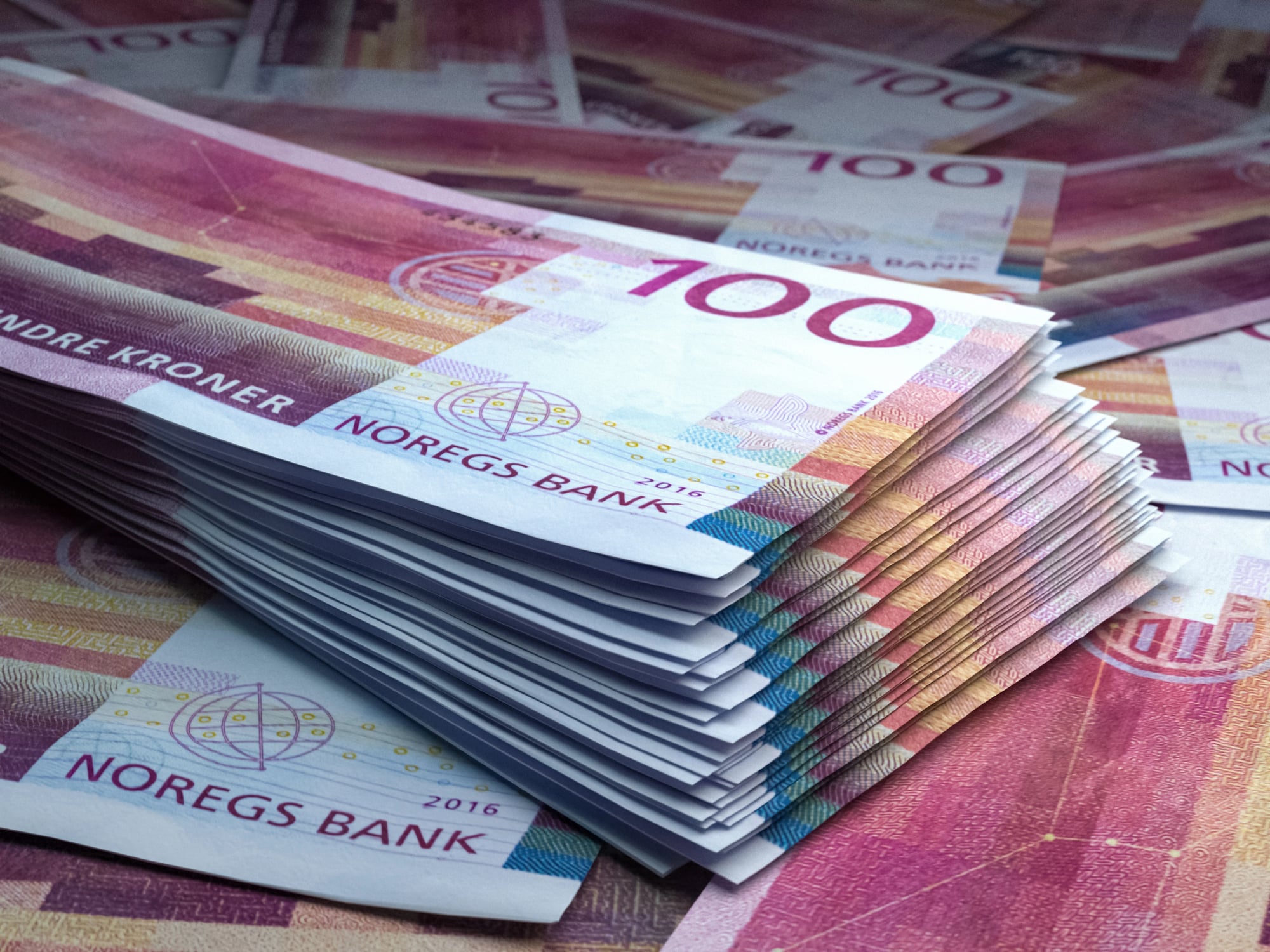
Norway’s currency provides a fascinating case study in how natural resource wealth affects money. The Norwegian krone’s value closely follows oil prices because petroleum exports dominate Norway’s economy.
However, Norway has been remarkably smart about managing this wealth, creating a massive sovereign wealth fund to smooth out the boom-bust cycles typical of resource-dependent economies. The krone’s movements often predict oil market trends, making it valuable for understanding global energy dynamics.
South Korean Won – The Tech Economy Indicator

South Korea’s currency has gained importance alongside the country’s rise as a technology powerhouse. Companies like Samsung, LG, and Hyundai have made the won increasingly relevant in global trade.
The currency often reflects sentiment about Asian technology markets and global manufacturing trends. Korea’s strategic position between China and Japan, combined with its export-oriented economy, makes the won a useful gauge of Asian economic health and global technology demand.
Mexican Peso – The NAFTA Effect

The Mexican peso’s story is deeply intertwined with its relationship to the US economy. As one of America’s largest trading partners, Mexico’s currency often moves in response to US economic data and trade policy changes.
The peso provides valuable insights into emerging market dynamics while maintaining close ties to the world’s largest economy. Trade agreement negotiations, US immigration policy, and North American manufacturing trends all significantly impact the peso’s value and trading volume.
Brazilian Real – The Latin American Bellwether

Brazil’s currency serves as a barometer for Latin American economic health and global commodity demand. The real’s value often correlates with prices of soybeans, coffee, iron ore, and other commodities that Brazil exports.
Political stability, or lack thereof, dramatically affects the real’s performance, making it a useful indicator of emerging market political risk. Despite periodic volatility, Brazil’s large economy and natural resource wealth keep it relevant in global currency markets.
Understanding Currency Power Today
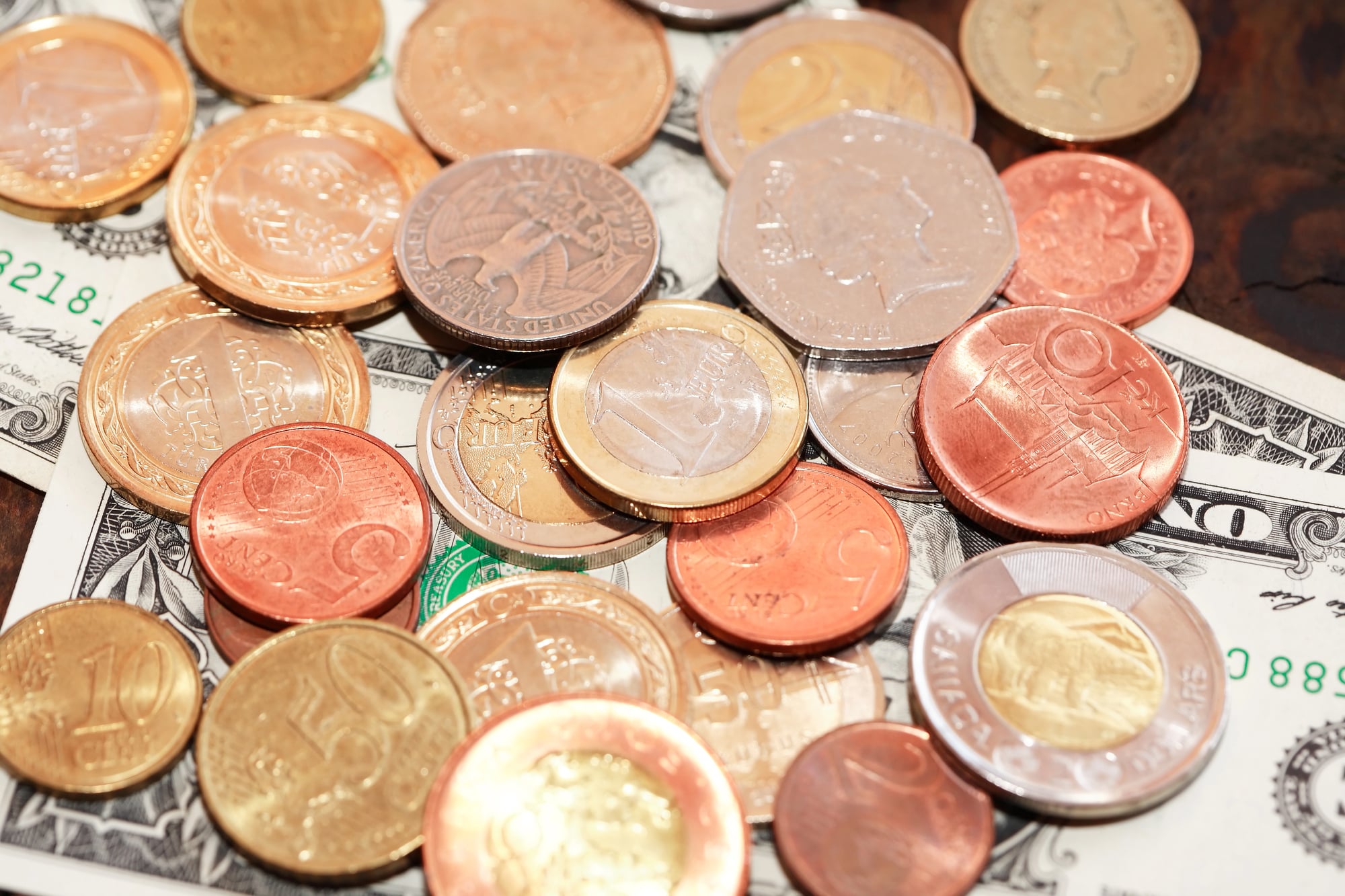
These currencies have a significant impact on our globalized society that goes well beyond their respective nations. Understanding these financial titans aids in navigating our complicated financial environment, whether you’re planning a trip abroad, choosing investments, or just attempting to comprehend world news.
The strongest currencies are those that promote international trade, offer stability in times of uncertainty, and represent the economic might of the nations that issue them, not necessarily those with the highest exchange rates. You can make better decisions about everything from investment portfolios to vacation spots by being aware of this monetary hierarchy.
More from Go2Tutors!

- The Romanov Crown Jewels and Their Tragic Fate
- 13 Historical Mysteries That Science Still Can’t Solve
- Famous Hoaxes That Fooled the World for Years
- 15 Child Stars with Tragic Adult Lives
- 16 Famous Jewelry Pieces in History
Like Go2Tutors’s content? Follow us on MSN.



