17 Things You Didn’t Know Were Invented During World War Two
The world changed between 1939 and 1945, and not just because of battles and politics. Behind the scenes, necessity was doing what it does best — forcing brilliant minds to solve impossible problems with whatever they had on hand.
Some of these wartime innovations saved lives on the battlefield, others made it home to transform everyday life in ways that still shape your world today.
Duct Tape
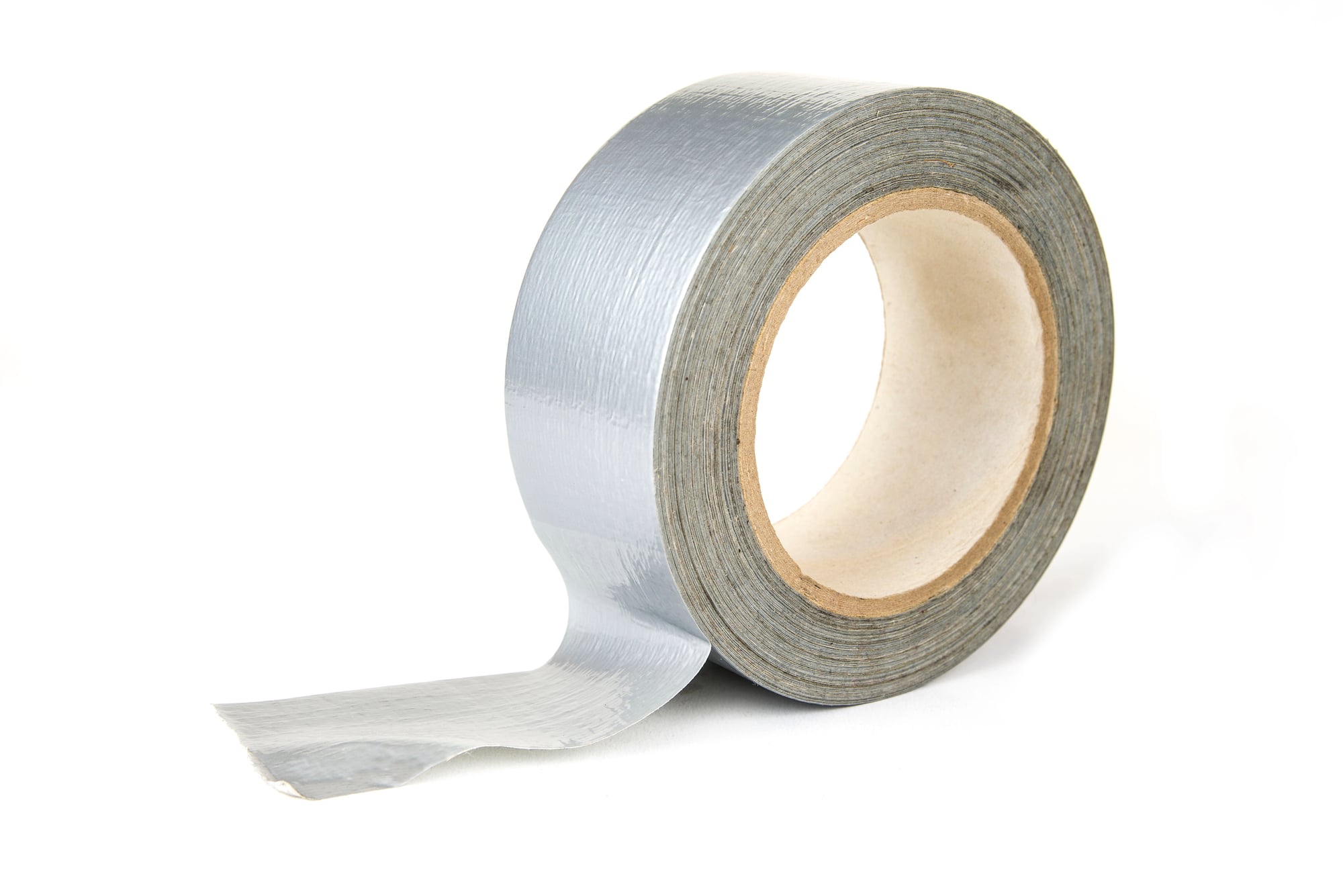
Johnson & Johnson created this waterproof adhesive tape for ammunition boxes. Soldiers started using it to fix everything from broken rifles to torn boots.
The military called it “duck tape” because water rolled right off it — though nobody agrees on when people started spelling it “duct.”
Microwave Ovens
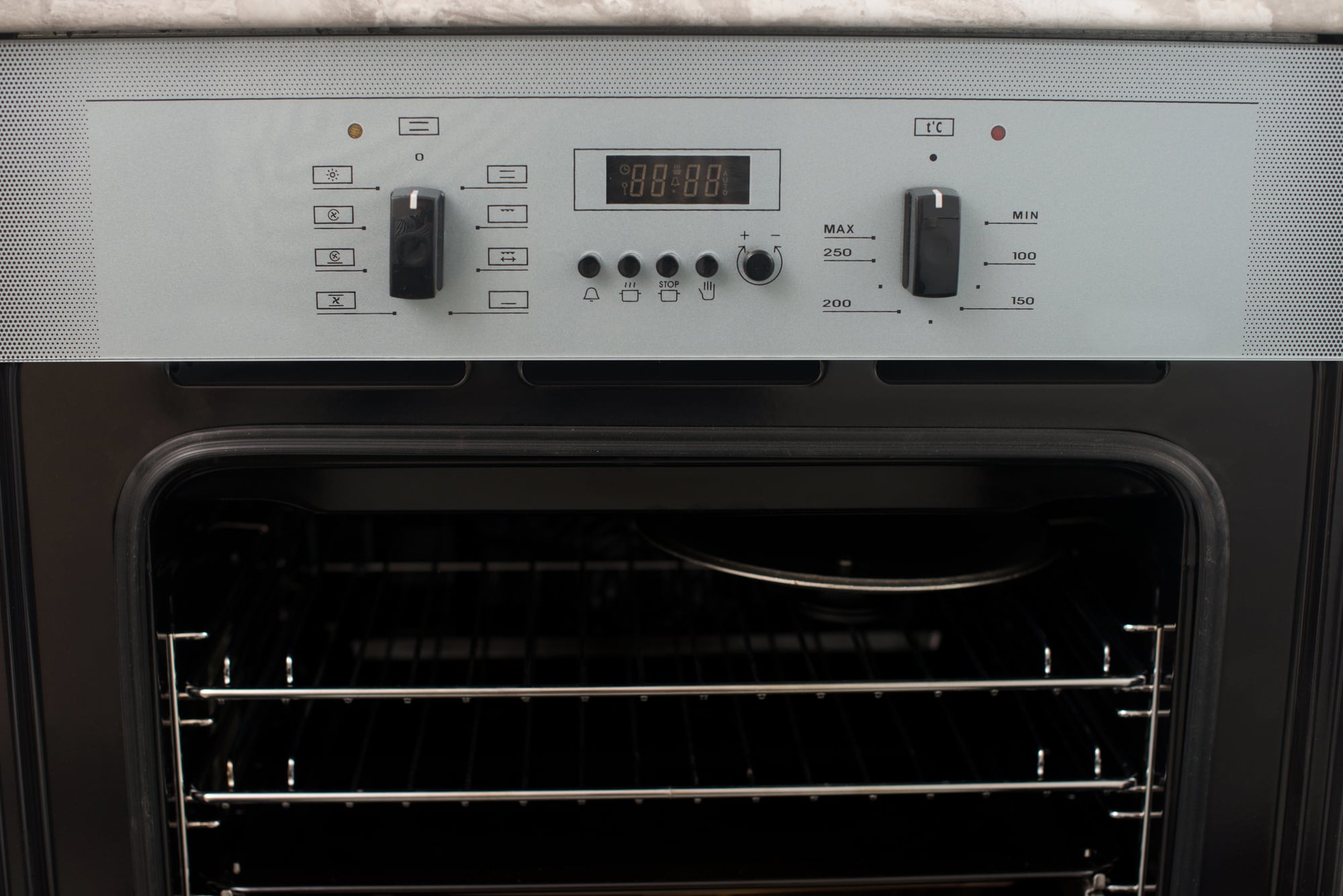
Percy Spencer was testing radar equipment when a candy bar melted in his pocket. He grabbed some popcorn kernels and watched them pop.
The magnetron technology that detected enemy aircraft had just accidentally cooked lunch. Raytheon built the first commercial microwave in 1947 — a 750-pound machine that cost $5,000.
Super Glue
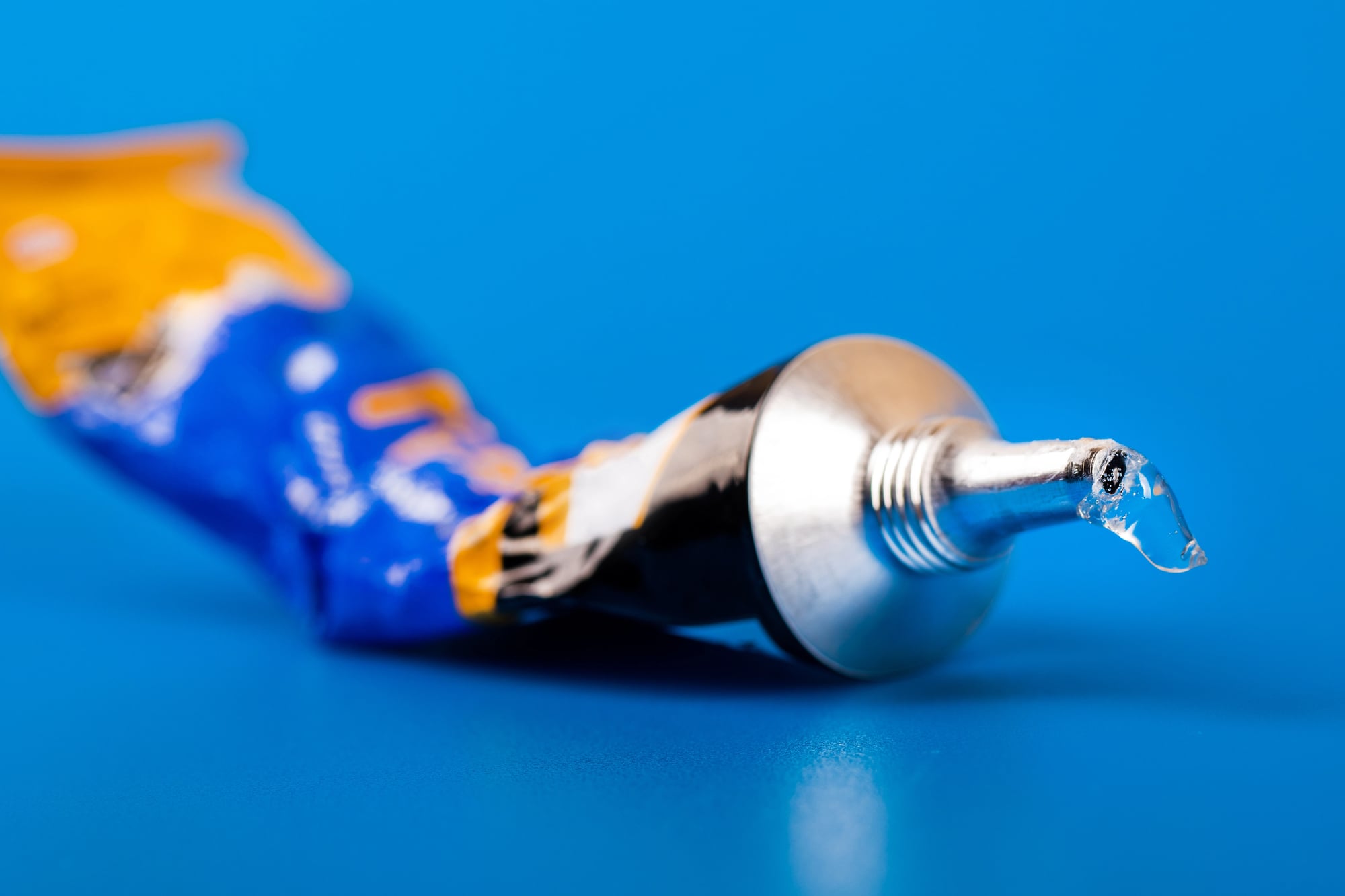
Eastman Kodak was trying to create clear plastic gun sights, and they kept producing this incredibly sticky substance that ruined everything it touched (which, when you’re trying to make clear optics for weapons, is exactly what you don’t want). But Harry Coover realized that a glue that bonds instantly to skin, metal, and pretty much everything else might actually be useful — just not for the thing they were originally trying to build.
And so cyanoacrylate became the stuff that holds your broken coffee mug together and occasionally bonds your fingers to whatever project you’re working on, because the warning label never quite prepares you for how fast this stuff really works.
Silly Putty
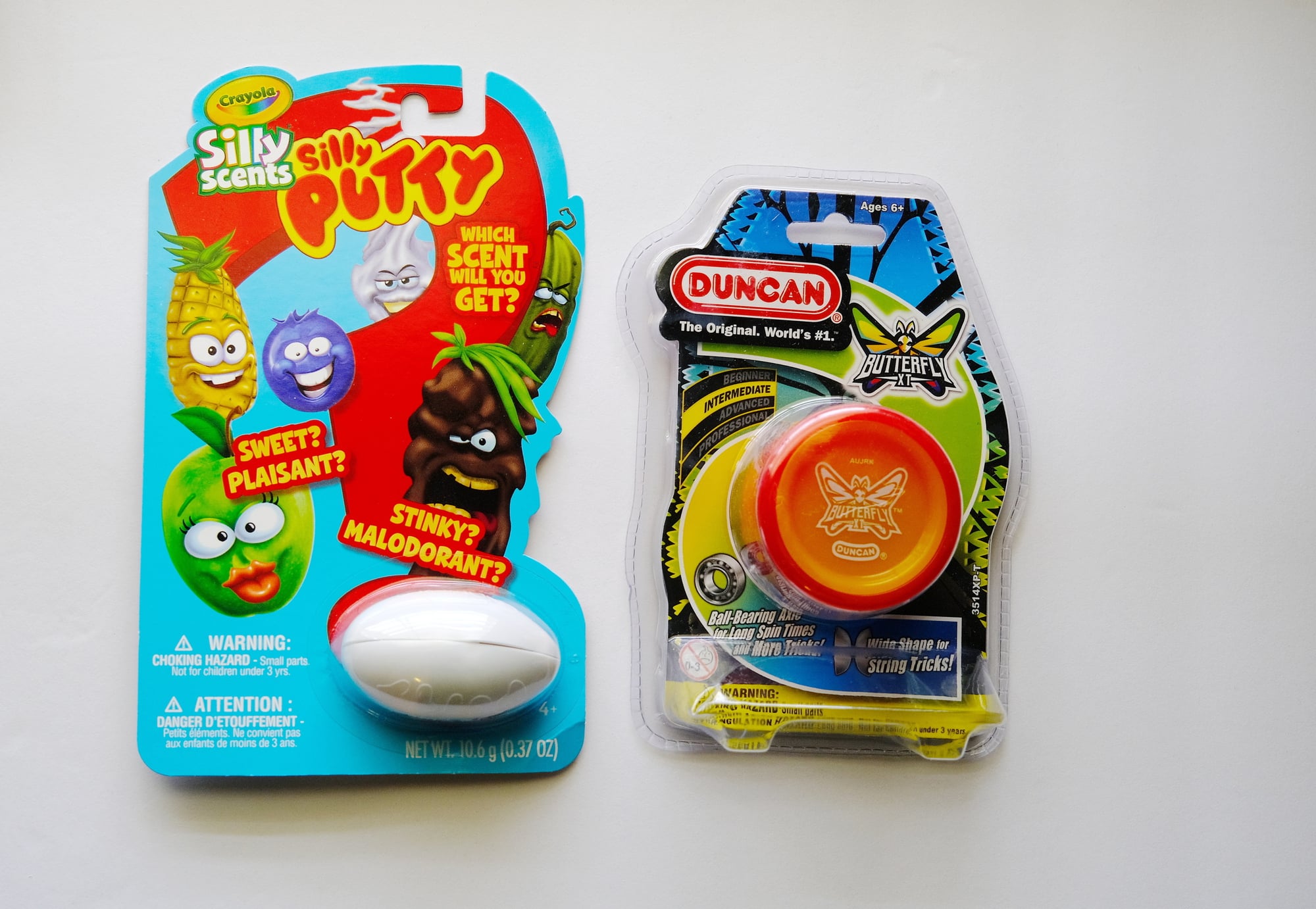
There’s something wonderfully absurd about a substance that was supposed to replace rubber but ended up becoming a toy. James Wright mixed boric acid with silicone oil, hoping to solve wartime rubber shortages.
What he got instead was a material that bounced, stretched, and copied newspaper comics.
The military had no use for it. But a toy store owner saw it at a party and knew exactly what children would do with something that strange and wonderful.
Jet Engines
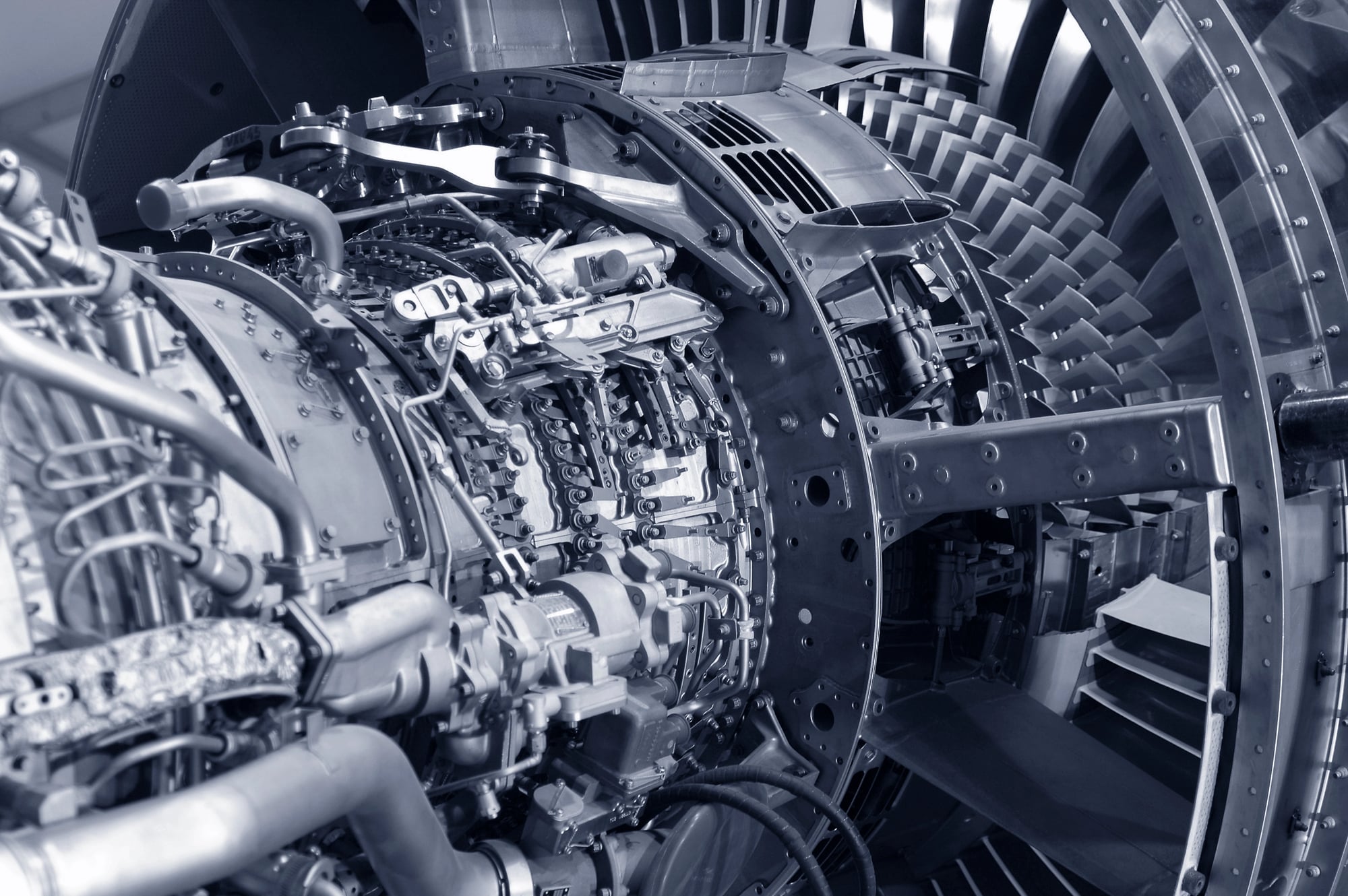
Germany needed speed more than fuel efficiency. Their turbojet engines powered the Messerschmitt Me 262, the first operational jet fighter.
Britain was developing their own jets simultaneously — Frank Whittle had been working on the concept since the 1930s.
The war ended before jets could change its outcome. But commercial aviation was never the same.
Computers

When you’re trying to crack enemy codes and calculate artillery trajectories, doing math by hand becomes a serious limitation — and that limitation was costing lives and losing battles, which meant somebody had to figure out how to make machines think faster than humans could write. ENIAC, the first general-purpose electronic computer, weighed 30 tons and filled an entire room, but it could perform calculations in seconds that would have taken mathematicians weeks to complete by hand.
And Colossus, the British machine that helped break the Enigma code, was processing encrypted German messages while most people still thought “computer” was a job description for someone who computed things with a pencil and paper. So in a way, your smartphone exists because someone needed to do multiplication really, really fast while people were shooting at them.
Aerosol Spray Cans
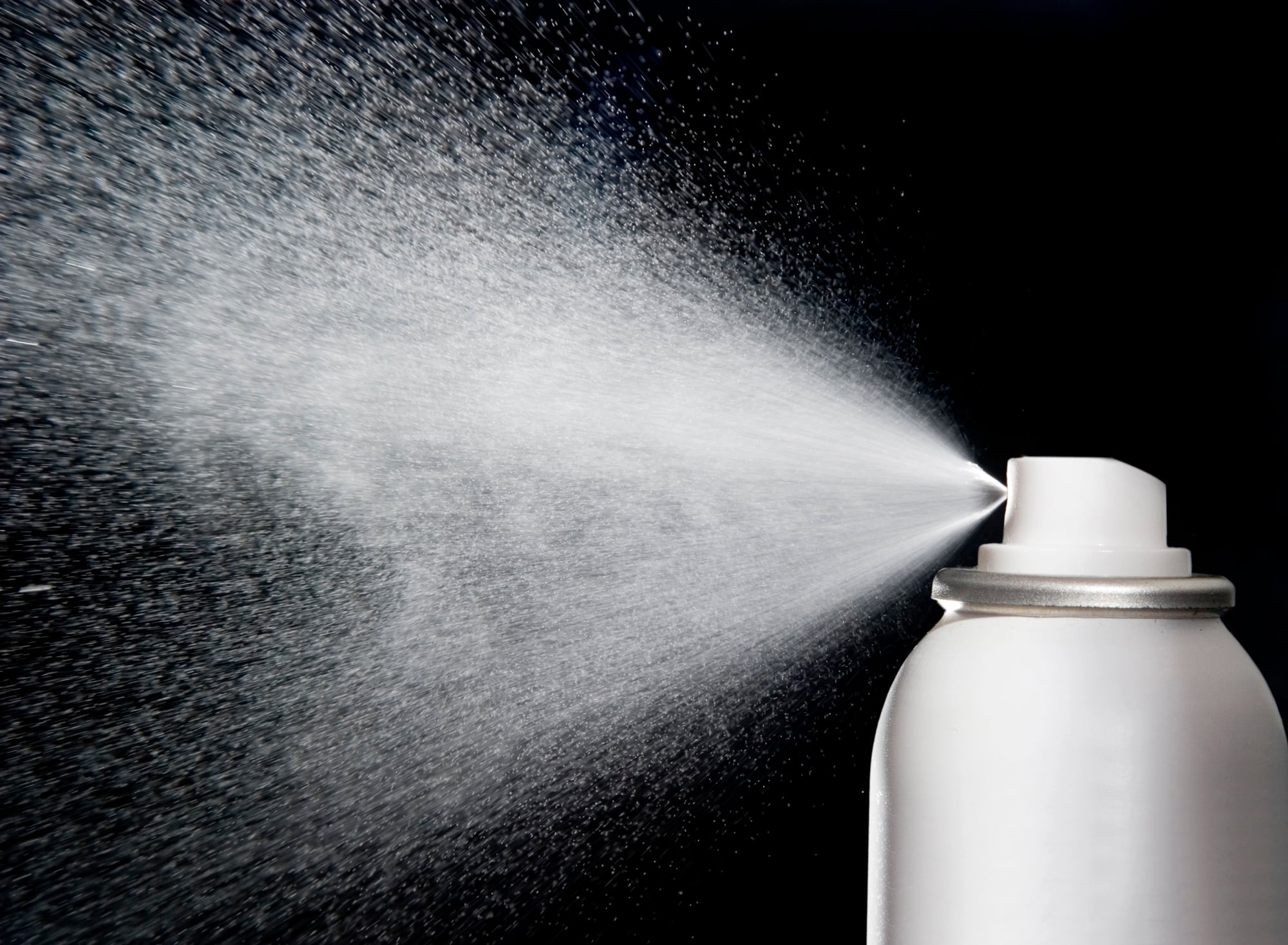
Soldiers needed insect repellent that worked in Pacific jungles. Lyle Goodhue and William Sullivan figured out how to pressurize liquid insecticide with gas, creating the first aerosol dispenser.
The military called it the “bug bomb.”
After the war, someone realized you could put anything in those pressurized cans. Deodorant, paint, whipped cream — the spray can became the delivery system for modern convenience.
Synthetic Rubber
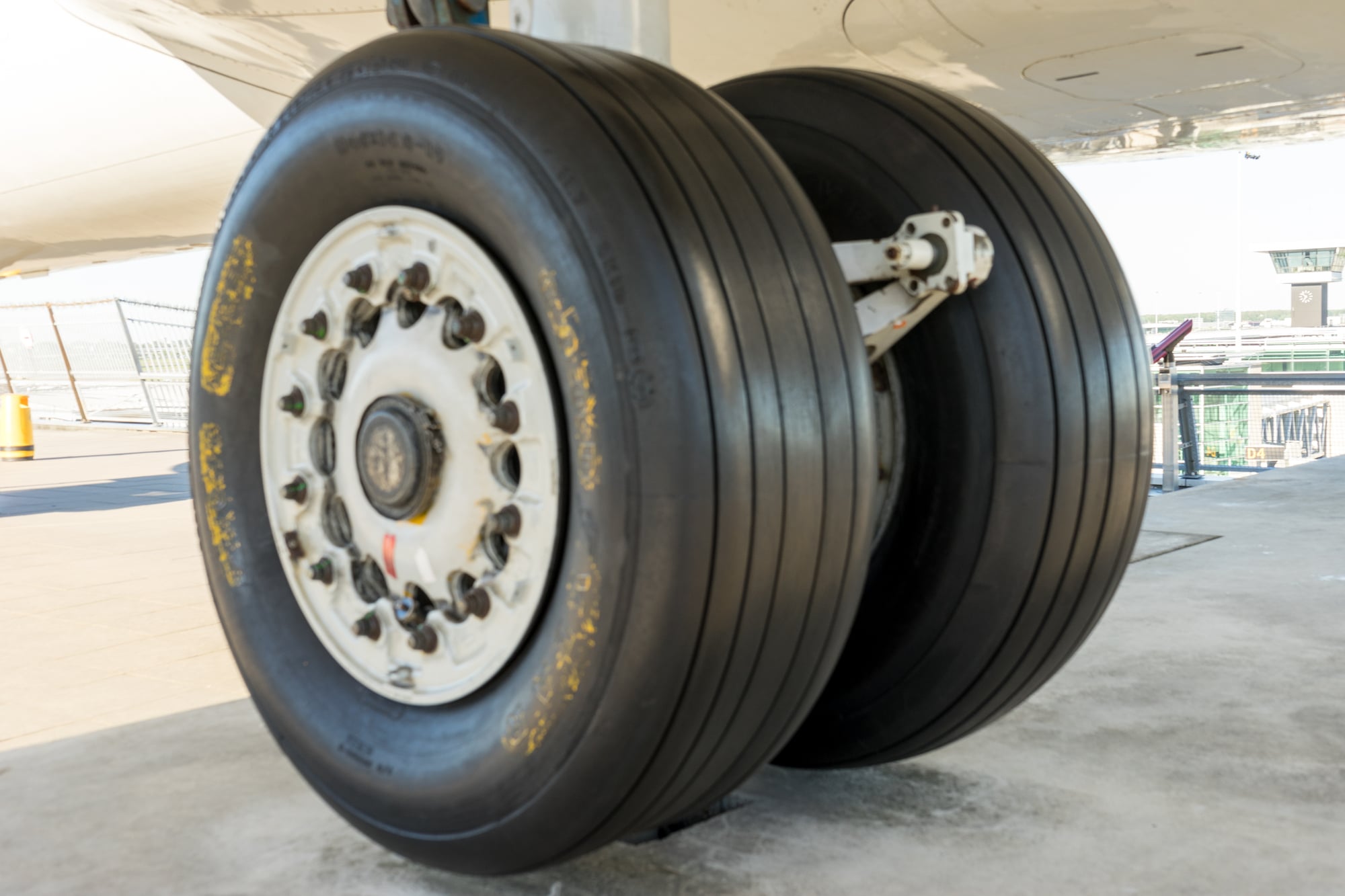
The Japanese controlled most of the world’s natural rubber supply, which created a rather urgent problem for countries that needed tires, gaskets, and waterproof materials. American chemists had been working on synthetic alternatives since the 1930s, but the war turned that research from academic curiosity into national survival — every tank, jeep, and airplane depended on rubber components that were suddenly impossible to import.
The synthetic rubber they developed wasn’t quite as good as the natural stuff, but it kept vehicles moving and planes flying, and more importantly, it meant that America would never again be dependent on tropical trees for one of the most essential materials in modern life.
Ballpoint Pens
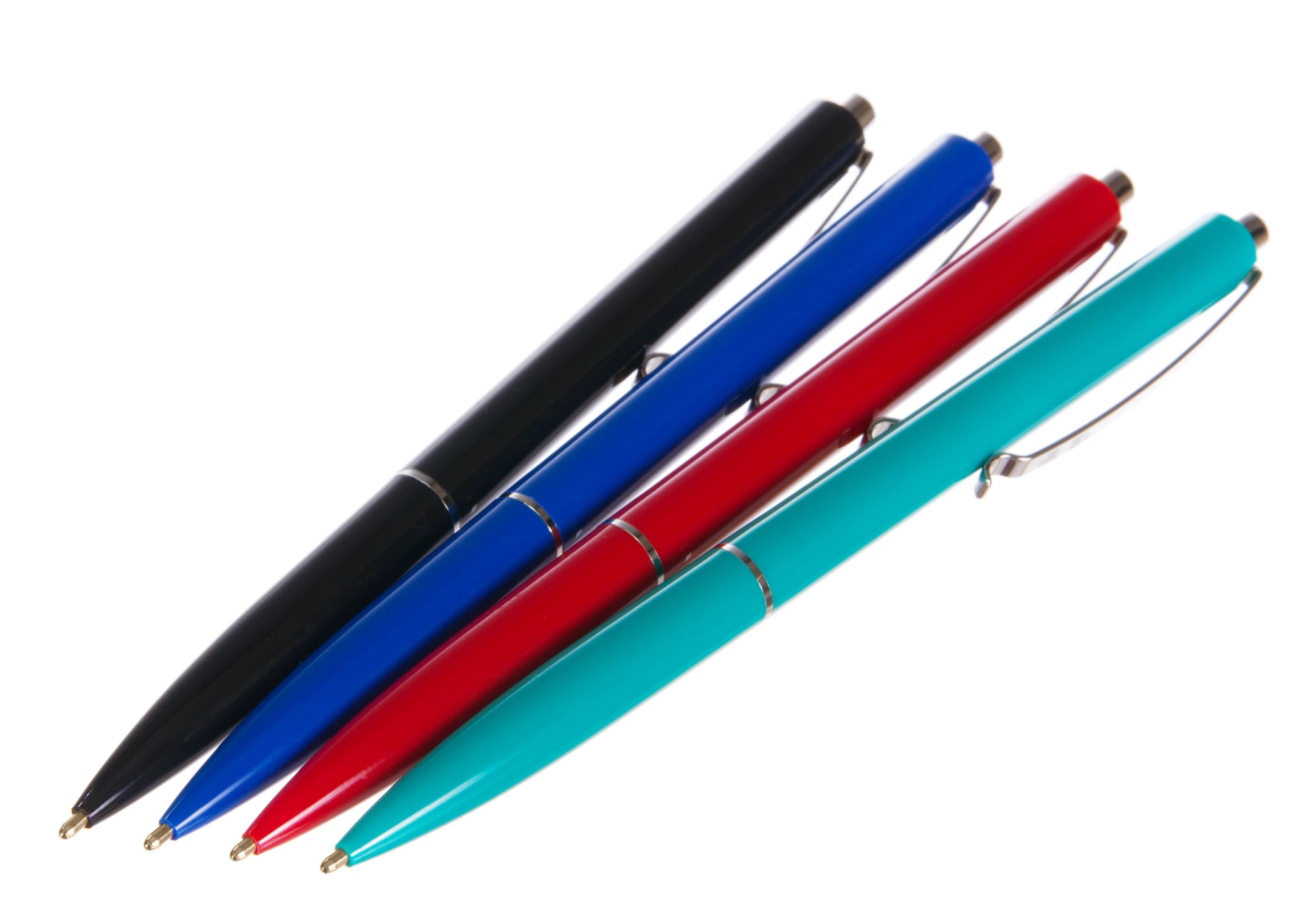
Fountain pens leak at high altitudes. Royal Air Force pilots needed something that would write reliably in unpressurized cockpits.
László Bíró had been working on a pen that used quick-drying ink and a rolling orb instead of a nib.
The military bought thousands of them. After the war, ballpoint pens made writing instruments cheap and dependable for everyone.
Penicillin Mass Production
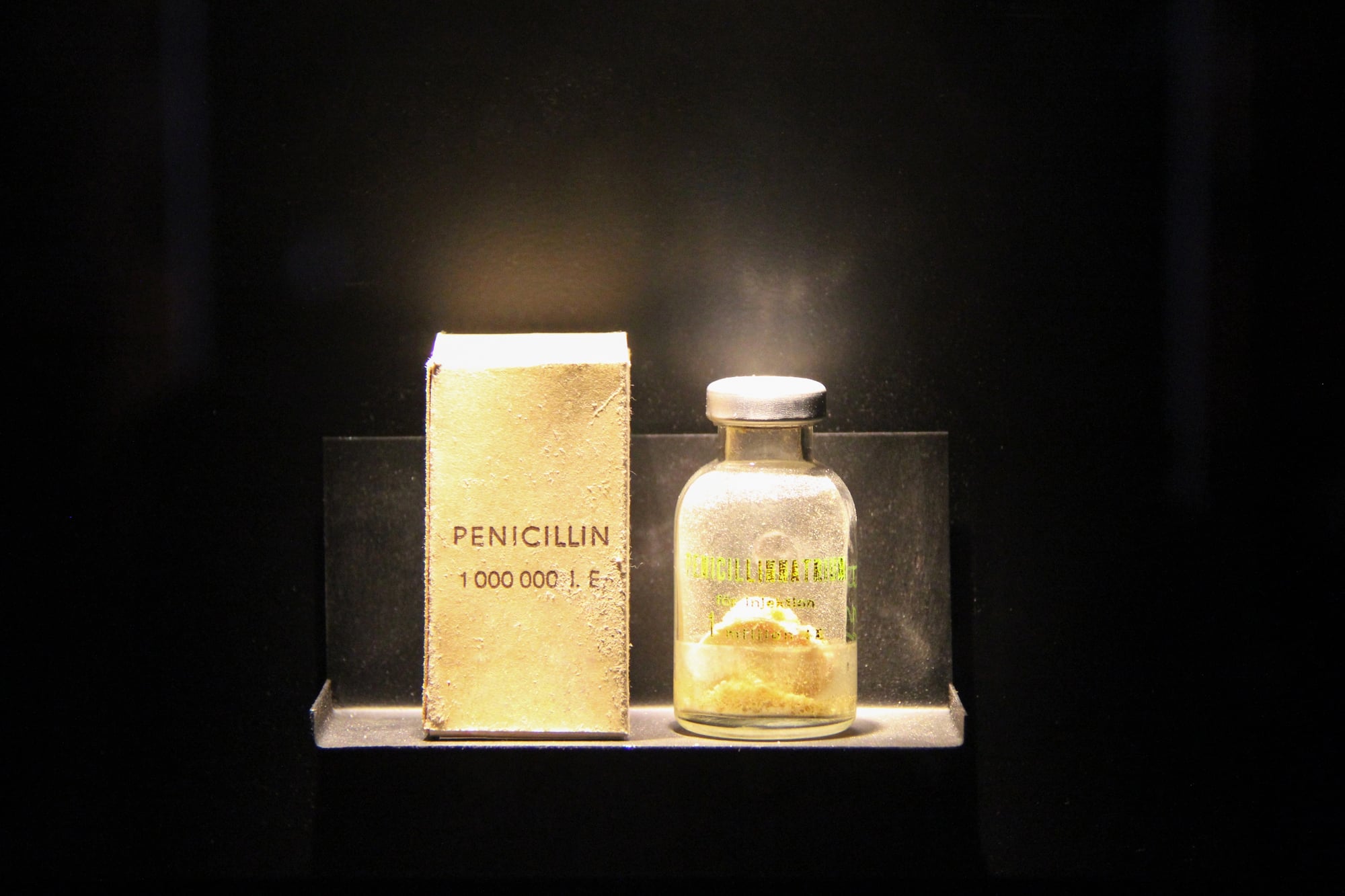
Alexander Fleming discovered penicillin in 1928, but nobody knew how to make enough of it to matter. The war changed that.
Soldiers were dying from infected wounds that the antibiotic could easily cure — if there was enough of it to go around.
American and British scientists figured out how to mass-produce penicillin using deep fermentation tanks. Millions of lives were saved, both during the war and in the decades that followed.
Radar
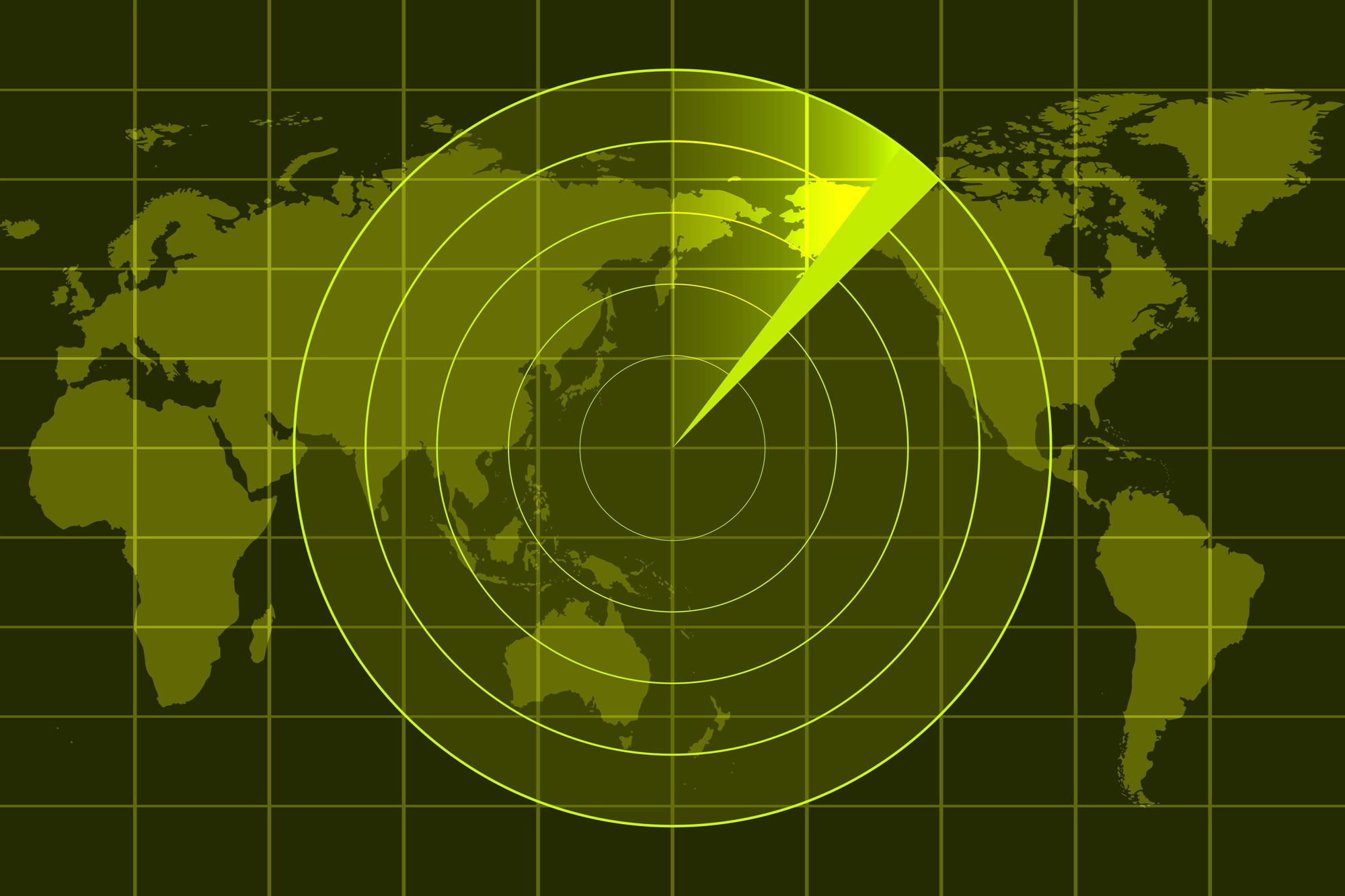
Britain developed radar to detect incoming German aircraft, and the technology became so crucial to their defense that they called it their secret weapon — though the word “radar” itself wasn’t coined until 1940, when the U.S. Navy needed an acronym for “radio detection and ranging.” The system could spot enemy planes while they were still dozens of miles away, which was the difference between scrambling fighters in time and watching bombs fall on London without warning.
But radar waves bounce off more than just aircraft: they reflect off rain clouds, mountains, and coastlines, which meant that meteorologists suddenly had a tool for tracking storms in real time, and ships had a way to navigate in fog so thick they couldn’t see their own bow. And that’s how a machine built to spot bombers became the foundation for weather forecasting and collision avoidance systems that keep your flight from running into the side of a mountain.
Freeze-Dried Food

Combat rations needed to be lightweight, nutritious, and shelf-stable for months. Freeze-drying removes water from food while preserving flavor and nutrients better than traditional dehydration methods.
Soldiers got coffee that tasted like coffee instead of bitter brown water. Campers and astronauts inherited the technology. Your emergency food supply probably contains freeze-dried meals that use techniques perfected for wartime logistics.
Blood Plasma Storage
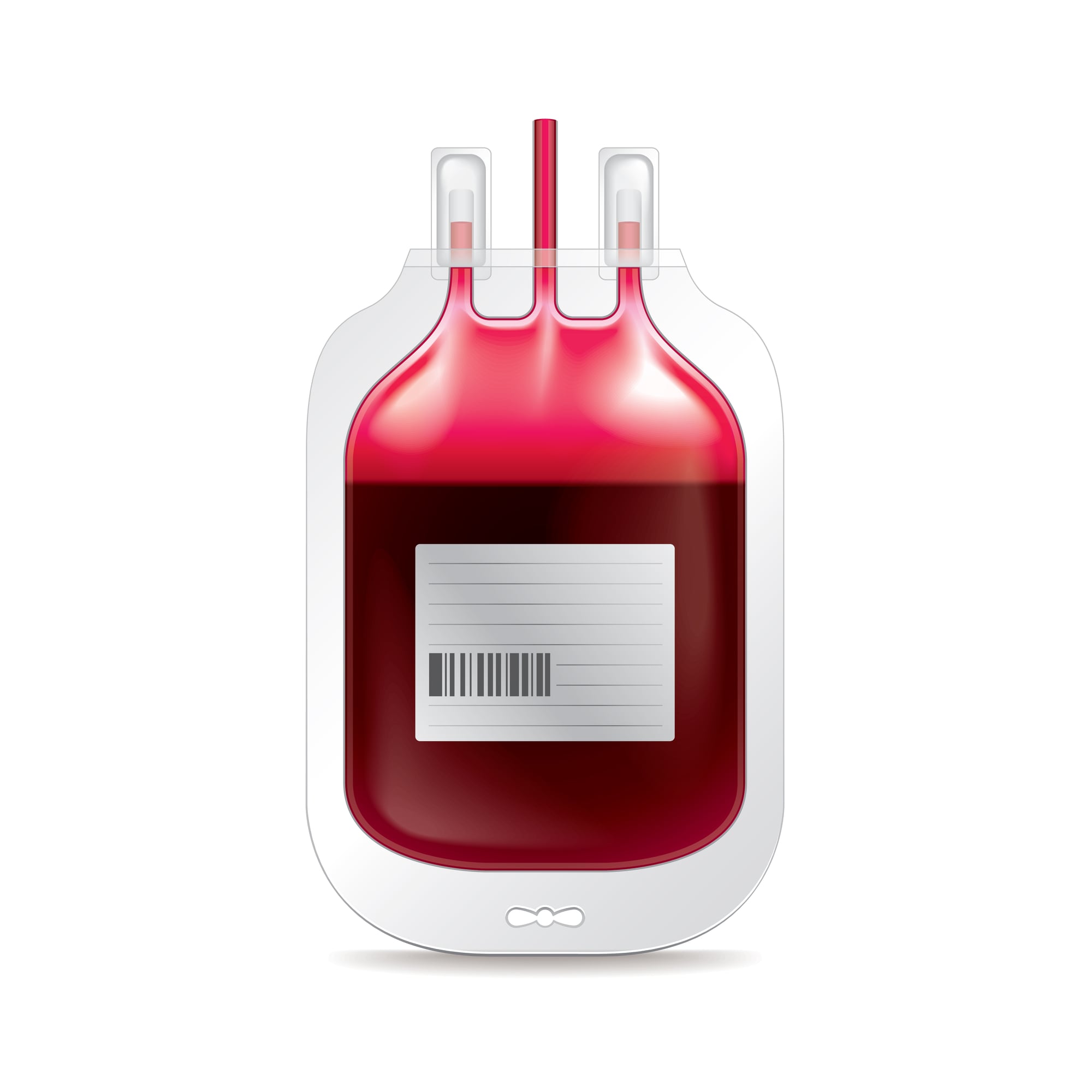
Battlefield medicine needed a way to replace lost blood without refrigeration or immediate transfusion capabilities. Charles Drew developed methods for separating and preserving blood plasma, which could be stored longer and didn’t require blood type matching like whole blood transfusions did.
Mobile blood banks became standard military equipment. The techniques saved countless lives during the war and became the foundation for modern blood donation systems.
Pressurized Flight Cabins
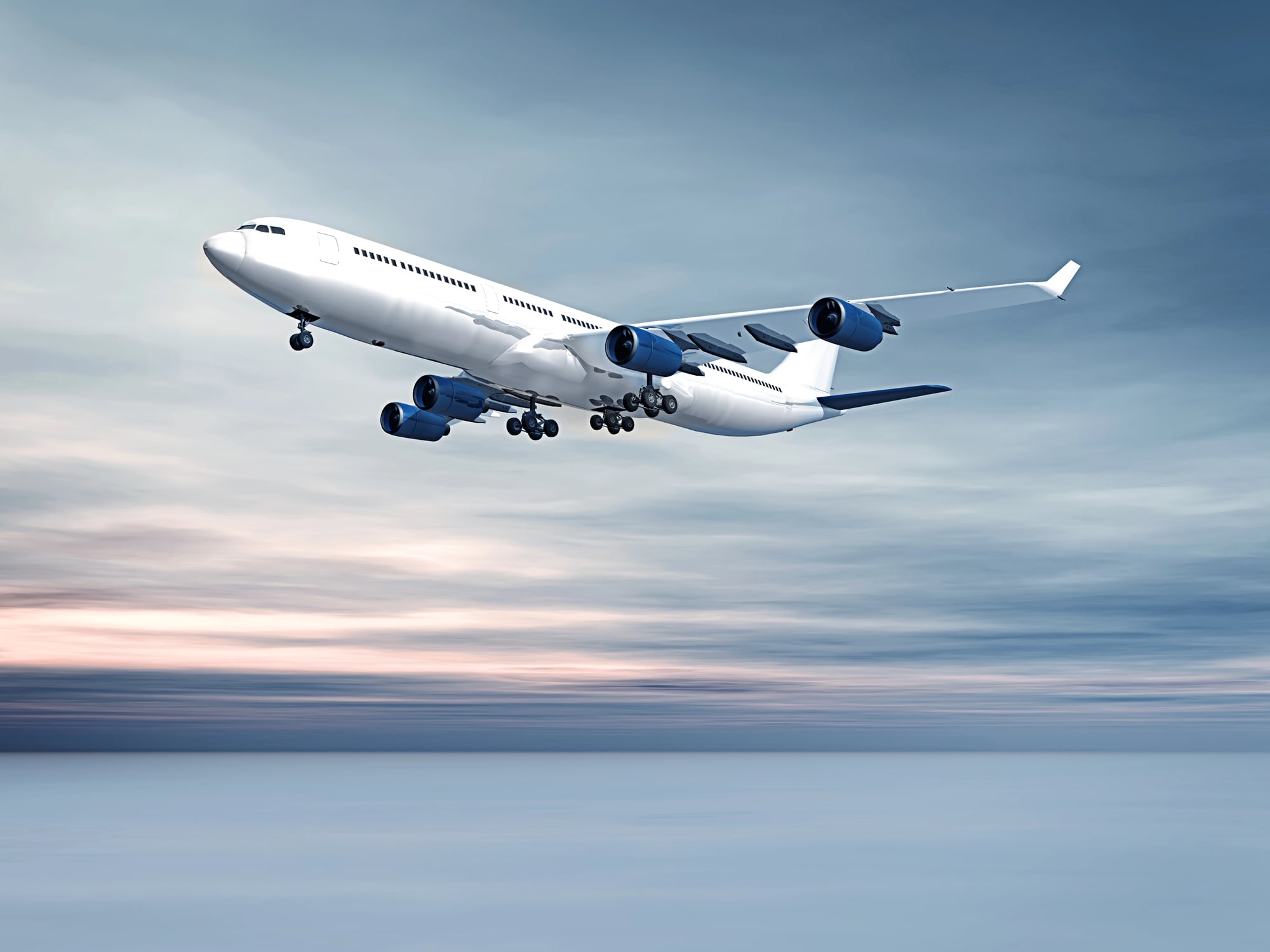
High-altitude bombing missions required crews to function above 20,000 feet, where the lack of oxygen would cause unconsciousness within minutes (and death shortly after that, which rather defeats the purpose of having a crew in the first place). Early solutions involved oxygen masks and heated flight suits, but pilots couldn’t eat, drink, or communicate effectively while wearing breathing apparatus for eight-hour missions over enemy territory.
So Boeing developed the first pressurized cabin for the B-29 Superfortress, creating an artificial atmosphere inside the aircraft that kept crews conscious and functional at altitudes where the air outside was too thin to sustain human life. And once the war ended, airlines realized that passengers might also appreciate being able to breathe normally while flying from New York to Los Angeles — which is why you can order a drink at 35,000 feet without passing out from oxygen deprivation.
Walkie-Talkies
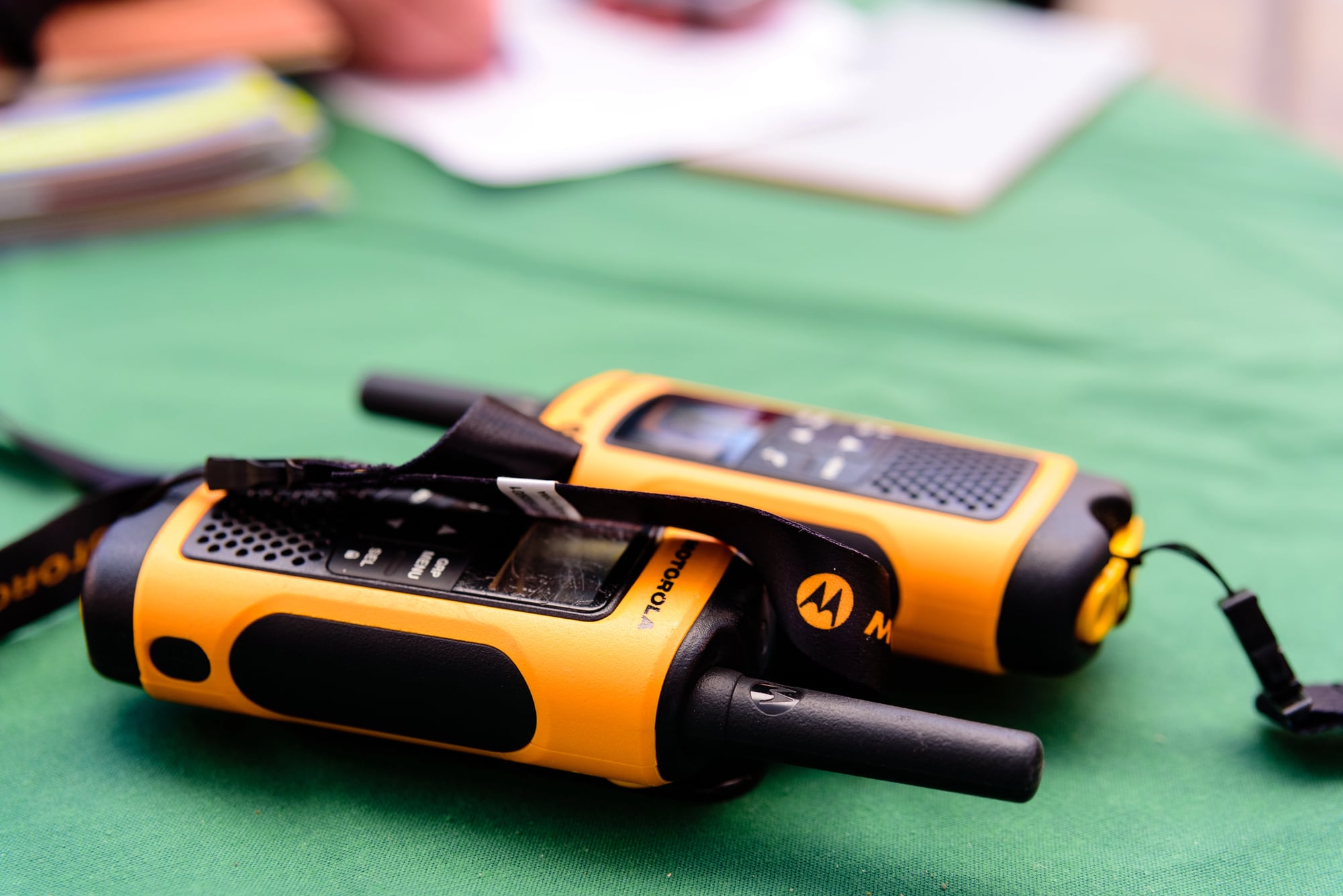
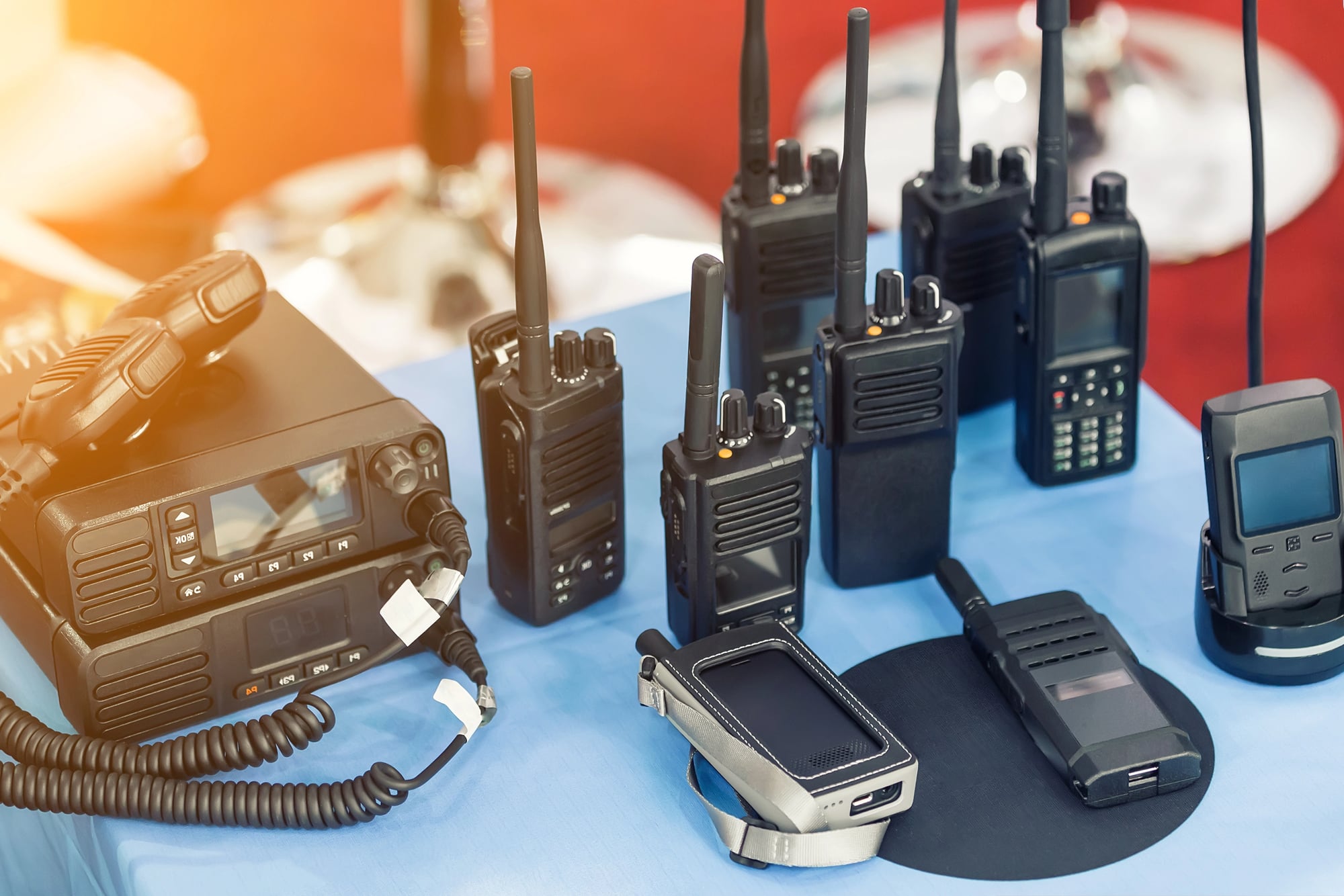
Infantry units needed portable radio communication that didn’t require telephone lines or permanent installations. Motorola’s SCR-536 “handie-talkie” weighed five pounds and had a range of about a mile.
Coordinating ground troops became possible in real time. Construction crews, event organizers, and anyone else who needed instant communication over short distances inherited a technology originally designed for soldiers advancing through hostile territory.
Sonar
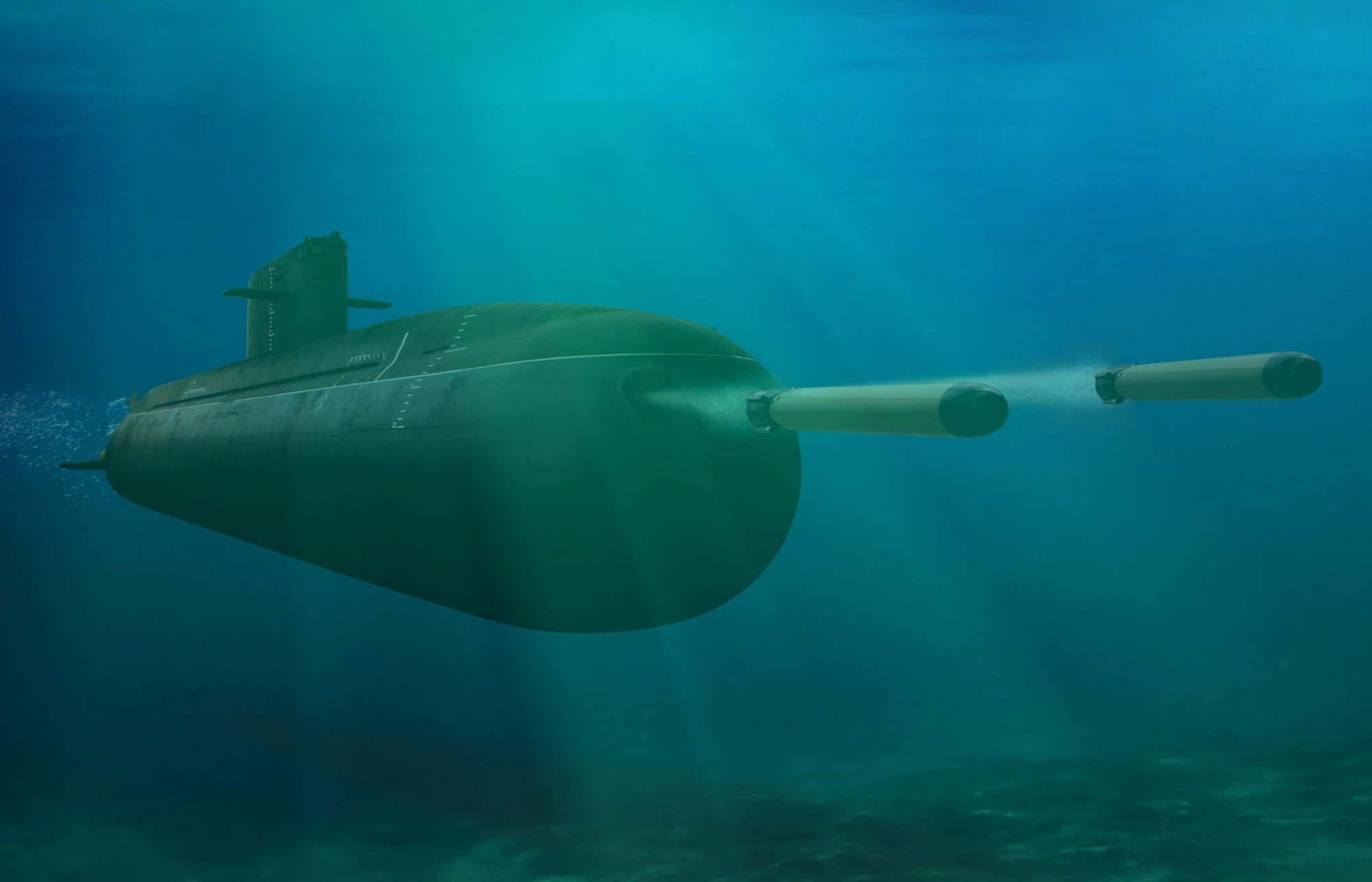
Submarines changed naval warfare completely — ships could be attacked by enemies they couldn’t see, hear, or detect until torpedoes were already in the water. ASDIC (later called sonar) used sound waves to locate submerged vessels, giving surface ships their first reliable method for hunting submarines before being hunted themselves.
The same technology that detected enemy U-boats now maps ocean floors, locates shipwrecks, and helps fishing boats find schools of tuna. Dolphins and whales had been using echolocation for millions of years, but it took a world war for humans to figure out the same trick.
Satellites
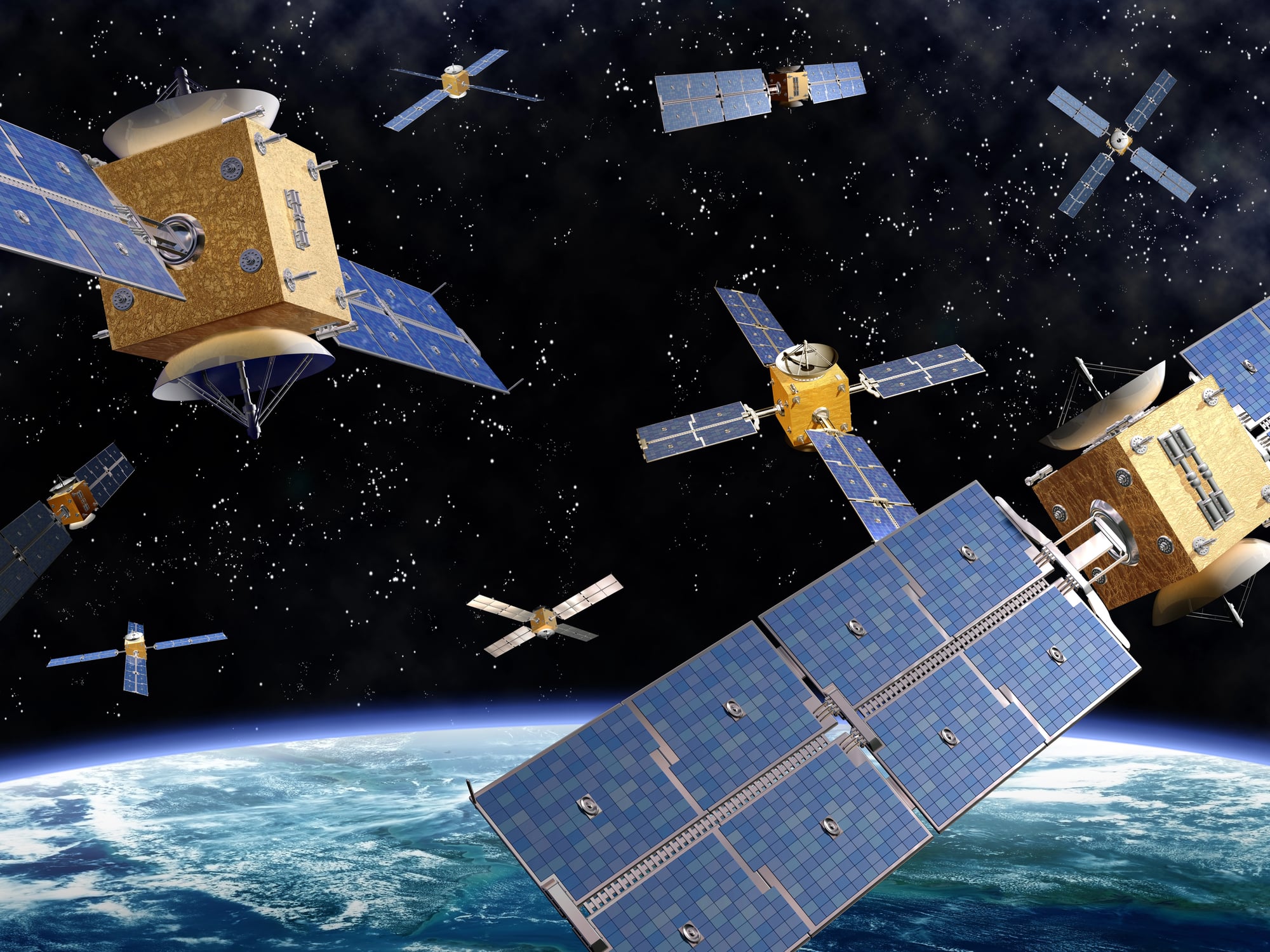
German V-2 rockets were the first human-made objects to reach space, though they came right back down with explosive results. Wernher von Braun’s rocket technology was designed to deliver warheads to London, but the same principles that could launch a bomb across the English Channel could also put objects into orbit around Earth.
After the war, von Braun worked for NASA instead of the Wehrmacht. The GPS in your phone traces its lineage directly to weapons that were originally aimed at civilian targets.
Echoes Of Innovation
These wartime inventions share something beyond their historical timing — they emerged from the particular kind of problem-solving that happens when failure means people die and resources are scarce. The microwave oven exists because someone noticed their candy bar had melted.
Duct tape keeps your household together because ammunition boxes needed to stay waterproof. Your morning coffee might be freeze-dried using techniques developed for soldiers who needed hot meals in frozen foxholes.
War forces innovation, but the most lasting inventions are the ones that found their way into peacetime life. The technologies that helped win battles became the tools that built the modern world.
More from Go2Tutors!

- The Romanov Crown Jewels and Their Tragic Fate
- 13 Historical Mysteries That Science Still Can’t Solve
- Famous Hoaxes That Fooled the World for Years
- 15 Child Stars with Tragic Adult Lives
- 16 Famous Jewelry Pieces in History
Like Go2Tutors’s content? Follow us on MSN.