Haunting Origins Of Your Favorite Nursery Rhymes
Those innocent songs from childhood carry shadows you never noticed. Behind the cheerful melodies and playful lyrics lurk stories of plague, political upheaval, and murder.
The nursery rhymes that once soothed you to sleep were born from some of humanity’s darkest moments.
Ring Around The Rosie
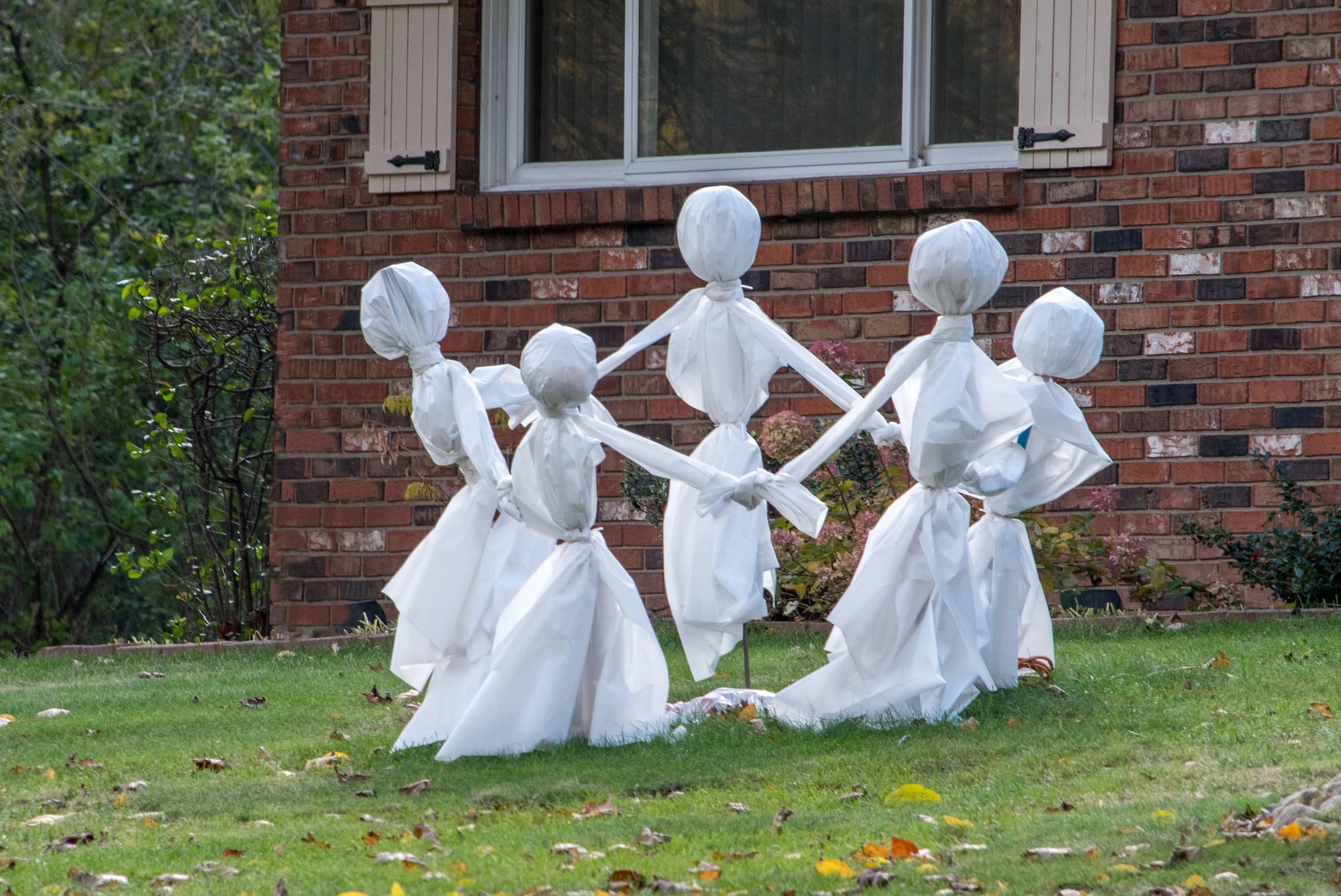
Modern scholars widely dispute the Black Death origin theory. The rhyme’s true origins remain unclear, and the plague-rash connection is considered a contemporary urban legend rather than documented history.
“A pocket full of posies” describes the flowers people carried, believing they’d ward off the disease. “We all fall down” needs no explanation.
Humpty Dumpty
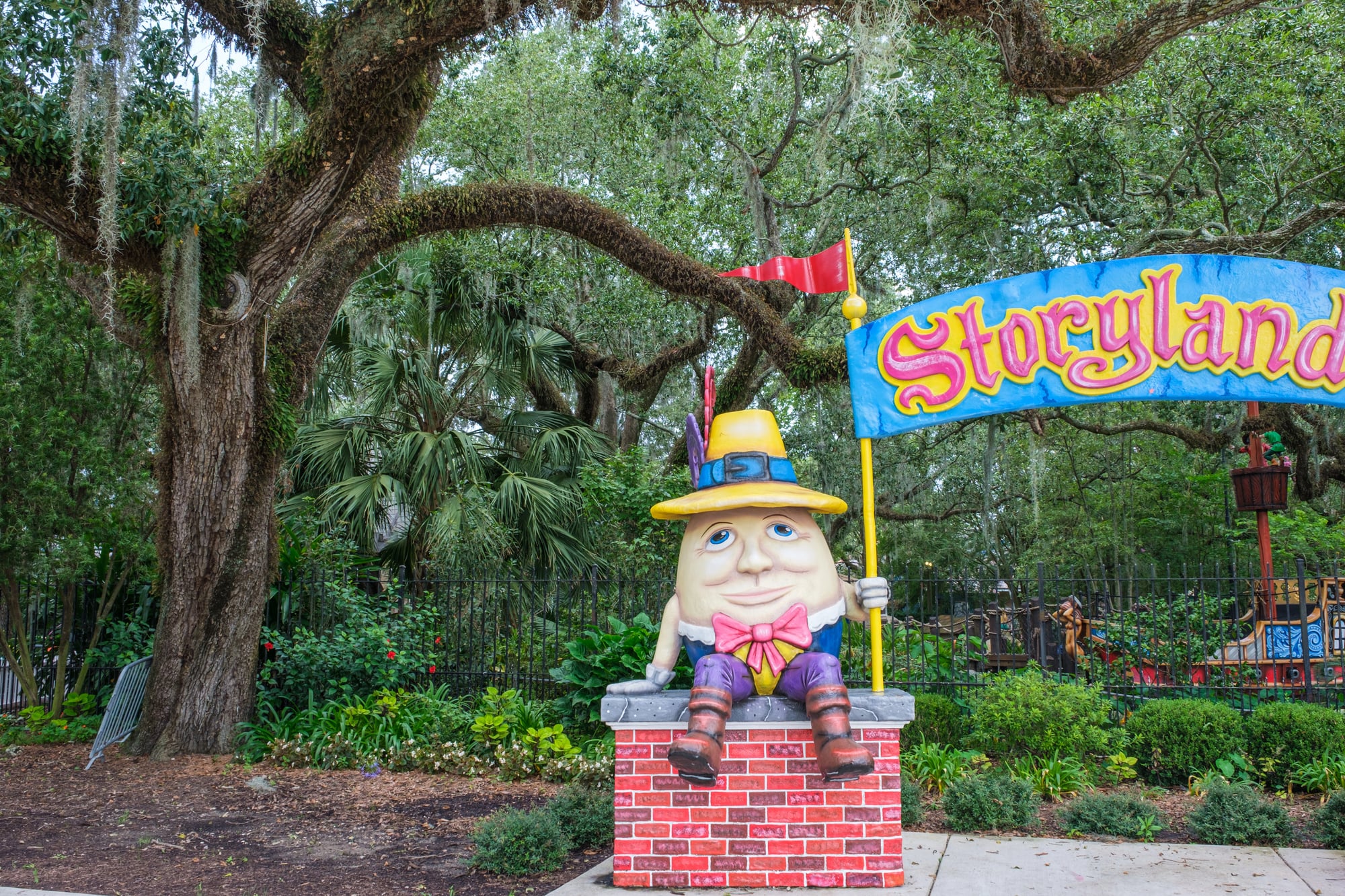
Picture a fortress under siege, its massive cannon positioned on the highest wall like a sentinel watching over the battlefield. Humpty Dumpty wasn’t an egg at all — he was a piece of artillery, one of the most powerful weapons of his time, perched on the walls of Colchester during the English Civil War in 1648.
When Parliamentary forces finally breached the wall, the great cannon tumbled down with the masonry, shattering into pieces too mangled to repair. The king’s cavalry and infantry (all the king’s horses and men) couldn’t restore what had been broken, couldn’t put their strategic advantage back together again.
War has a way of turning the tools of destruction into cautionary tales, and somehow this story of military defeat became a children’s rhyme about an anthropomorphic egg who couldn’t be mended after his fall.
Rock-a-Bye Baby

Infanticide disguised as a lullaby. The practice of leaving unwanted babies in treetops wasn’t uncommon when resources were scarce.
When the wind blew strong enough, nature solved the problem parents couldn’t face directly. The cradle would fall, and the family would have one less mouth to feed.
London Bridge Is Falling Down

London Bridge collapsed repeatedly throughout history, but the song hints at something more disturbing than architectural failure. Medieval builders believed that sacrificing a person during construction would make structures stronger, their spirit serving as a supernatural foundation that would prevent collapse.
The “fair lady” mentioned in the refrain wasn’t just a random character added for rhyme — she was likely the human sacrifice buried beneath the bridge’s stones, her death intended to appease whatever forces kept bringing the structure down. Archaeological evidence suggests this wasn’t merely superstition; remains have been found beneath ancient bridges across Europe, lending credence to the theory that these sacrificial practices actually occurred.
And the children singing this song were unknowingly commemorating a murder that was considered not just acceptable, but necessary for the bridge to stand.
The bridge kept falling anyway. Turns out human sacrifice makes terrible engineering.
Jack And Jill
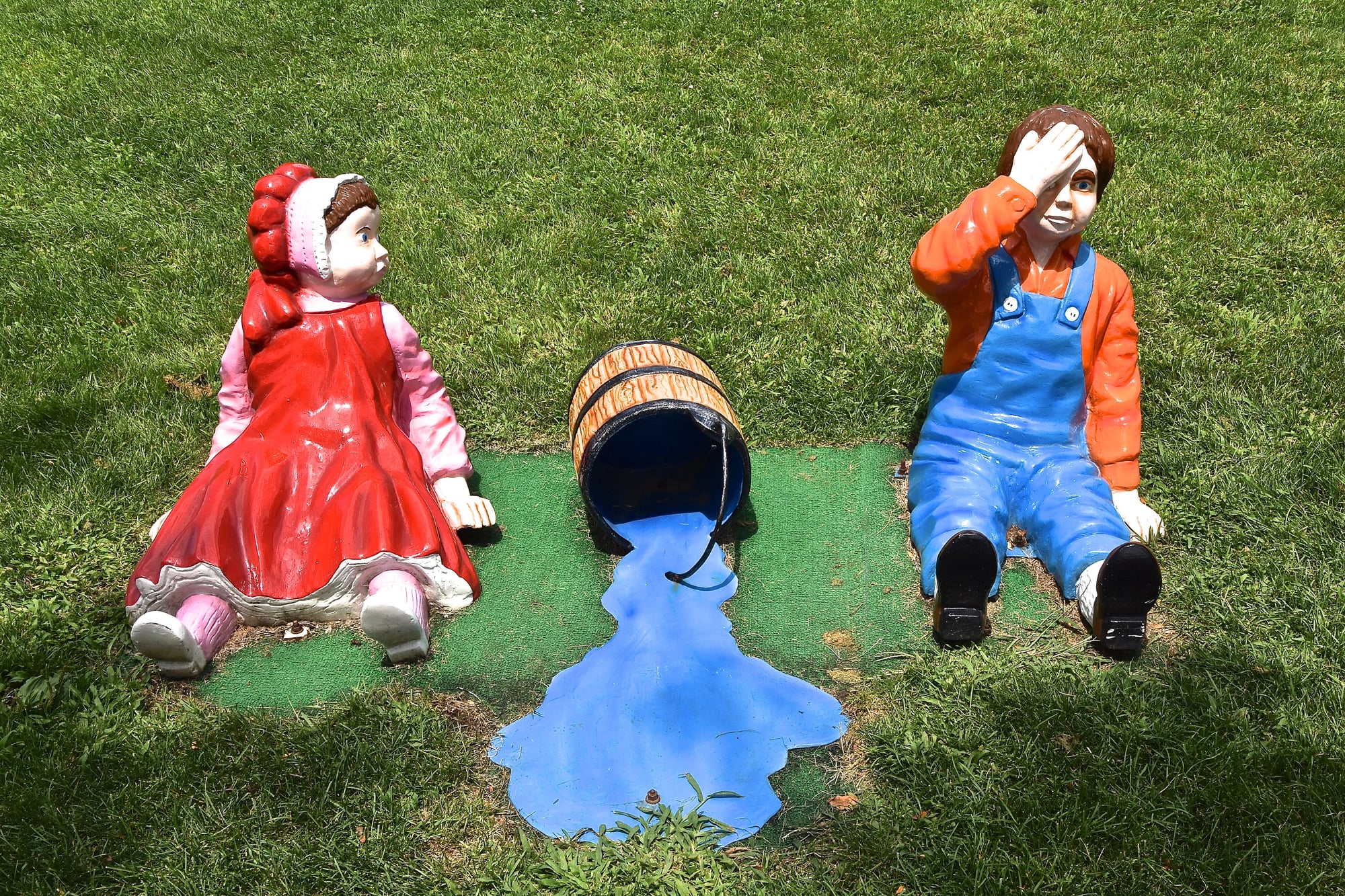
Political assassination wrapped in pastoral imagery. Jack represents King Louis XVI, while Jill is Marie Antoinette.
“Jack fell down and broke his crown” refers to Louis losing his head to the guillotine. “Jill came tumbling after” describes Marie Antoinette’s execution nine months later.
The well they climbed wasn’t for water — it was the scaffold where French royalty met their end.
Three Blind Mice
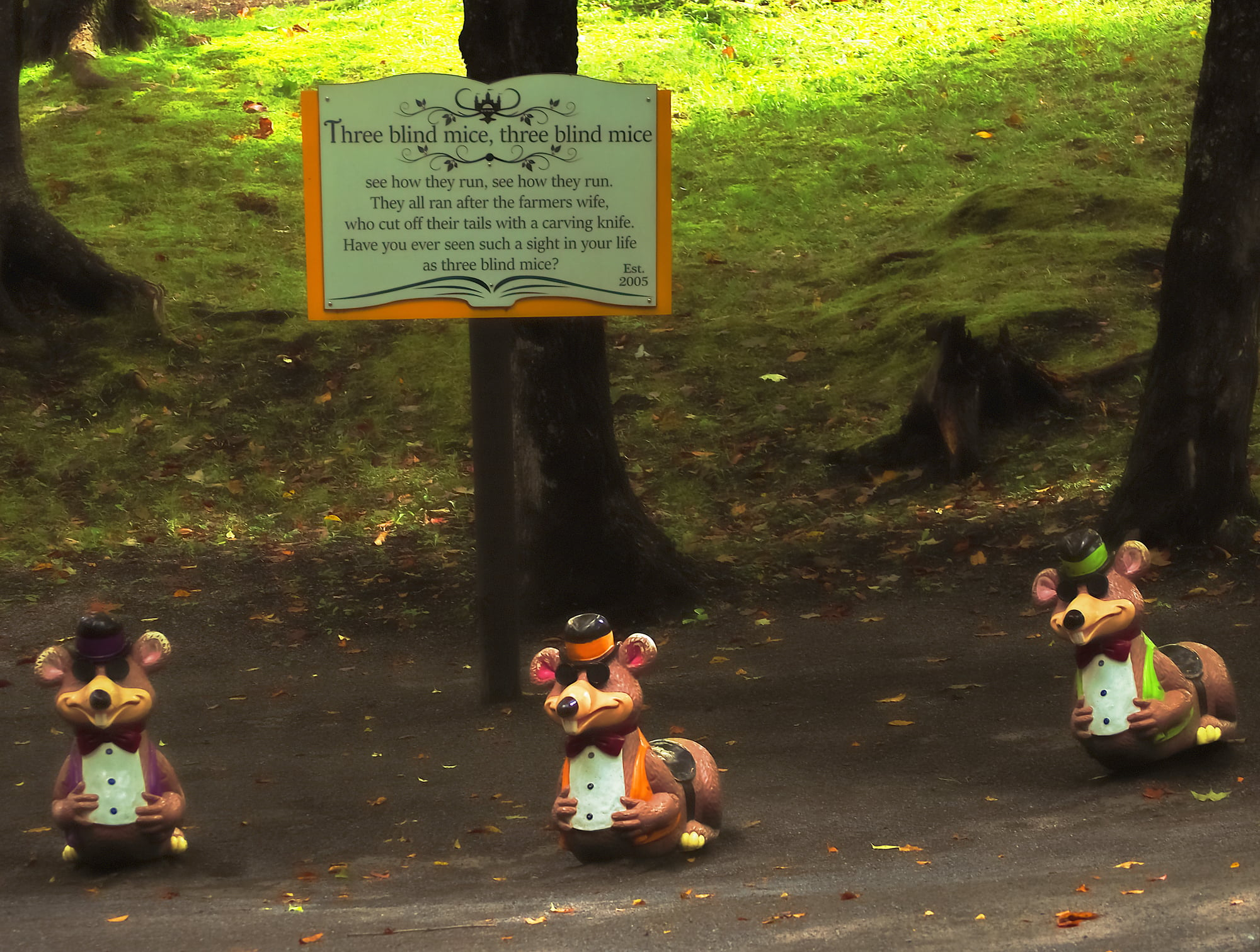
Religious persecution never sounded so cheerful. The three blind mice were Protestant bishops who opposed Queen Mary I’s attempts to restore Catholicism to England.
Their blindness wasn’t physical — it was their refusal to see the “truth” of Catholic doctrine. The farmer’s wife who cut off their tails with a carving knife was Mary herself, though she did considerably more damage than tail removal.
She had them burned at the stake instead, which somehow didn’t make it into the song’s final version. The mice weren’t running after the farmer’s wife out of mischief; they were fleeing for their lives, though it didn’t help them in the end.
Georgie Porgie
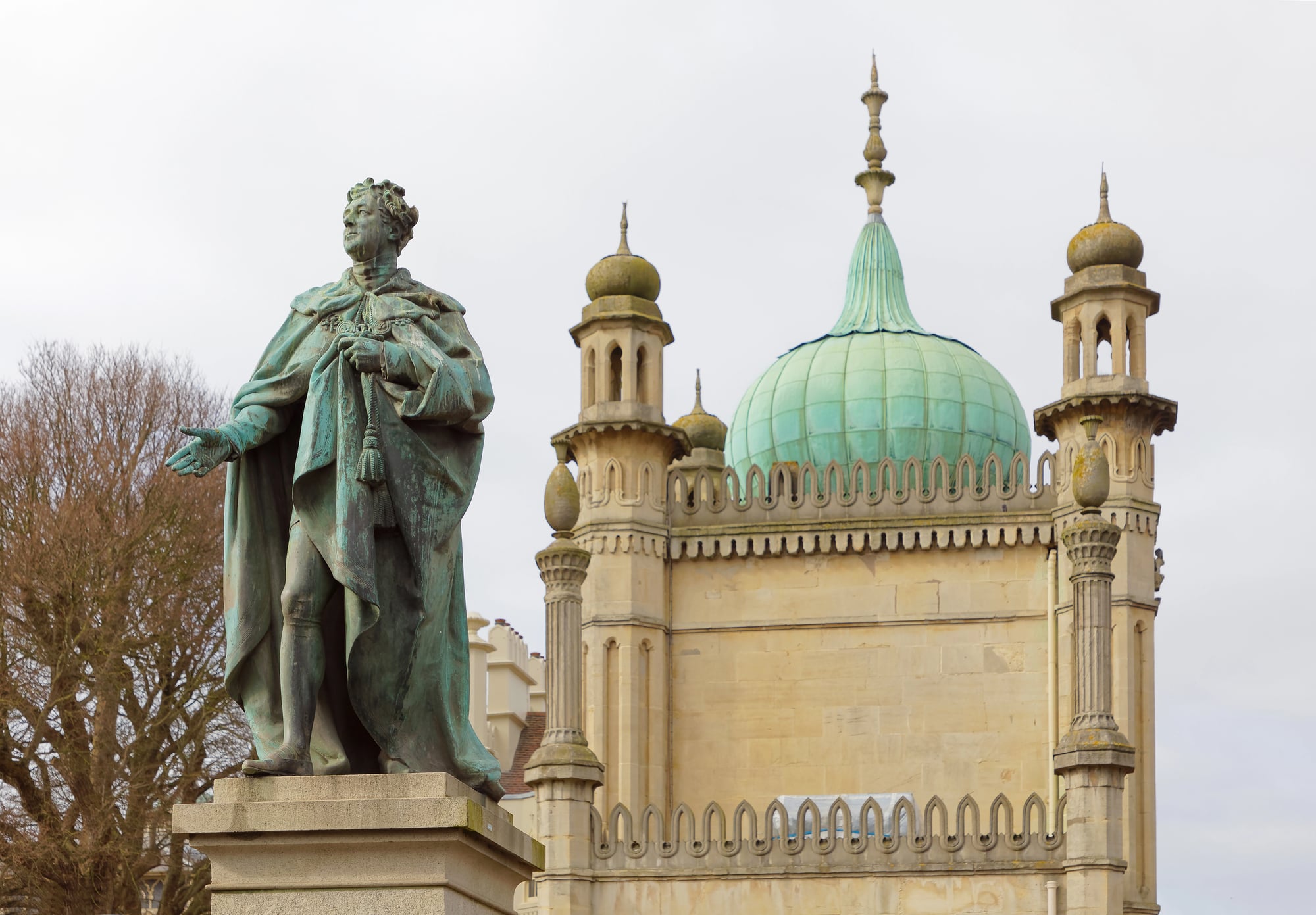
Assault has rarely been packaged so neatly into children’s entertainment. The rhyme celebrates predatory behavior by a man who “kissed the girls and made them cry,” then disappeared when confronted by other men.
Some historians point to King George IV, whose numerous affairs and alleged assaults were public knowledge but rarely prosecuted due to his royal status. The “boys came out to play” line refers to husbands and brothers seeking revenge — the only justice available when law enforcement wouldn’t act.
The victim’s tears are treated as part of the game rather than evidence of trauma, which says everything about how these crimes were viewed by society.
Baa, Baa, Black Sheep
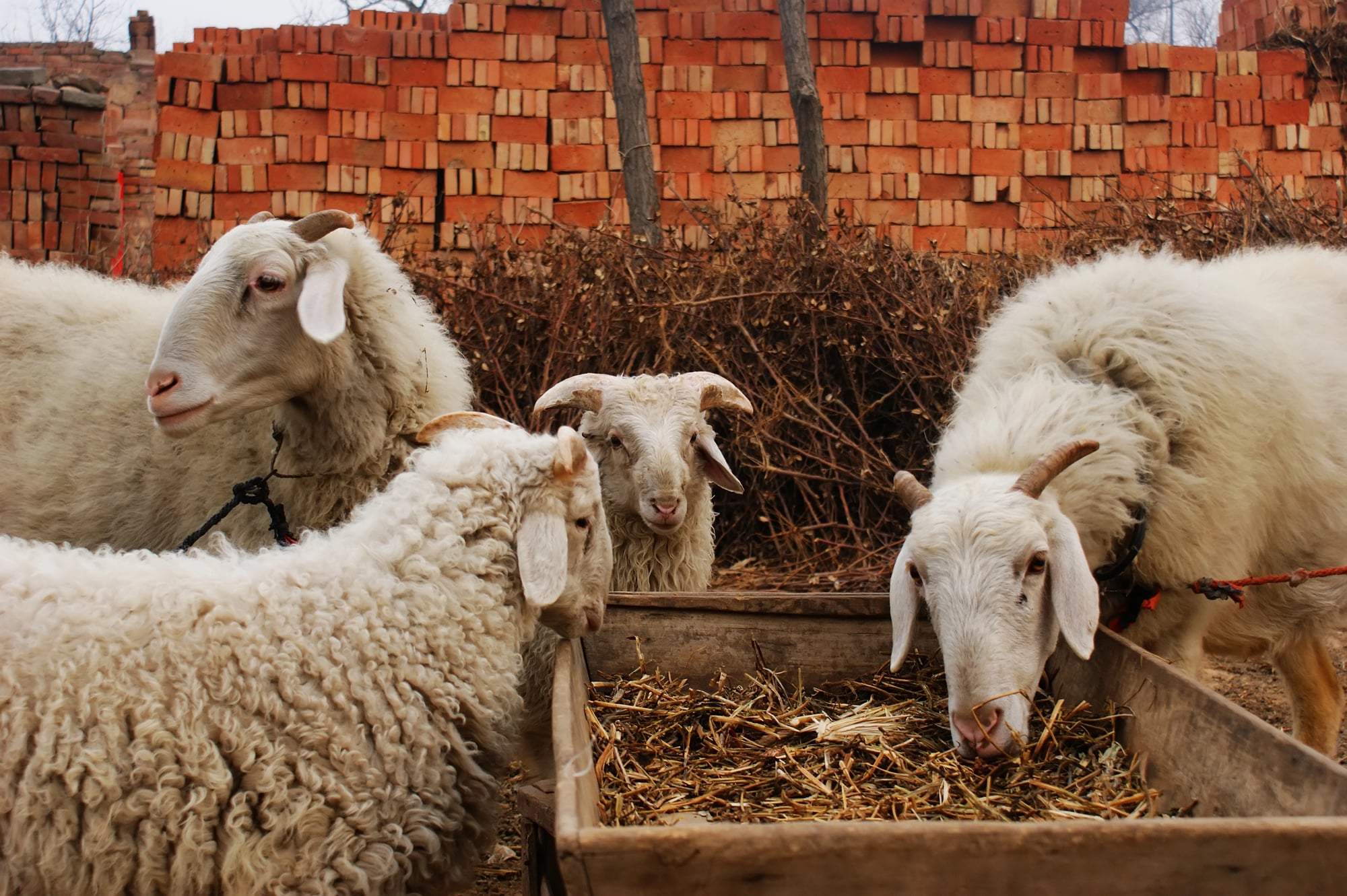
Medieval tax policy turned into a children’s song, but the implications were darker than mere economics. The “black sheep” represents English wool merchants during the reign of King Edward I, who imposed crushing taxes that left producers with almost nothing.
“One for the master, one for the dame, and one for the little boy who lives down the lane” describes how the wool harvest was divided: one-third to the king, one-third to the church, and one-third to local lords.
The farmer who actually raised the sheep kept nothing, a system that drove many families into starvation and debt. But there’s a more sinister reading here — the “little boy who lives down the lane” might not represent a lord at all, but rather the children who were sold into indentured servitude when families couldn’t pay their taxes.
The sheep’s cheerful agreement to give up its wool mirrors the forced compliance of people who had no choice but to surrender everything they’d worked for, knowing that resistance would bring even worse consequences.
Old Mother Goose
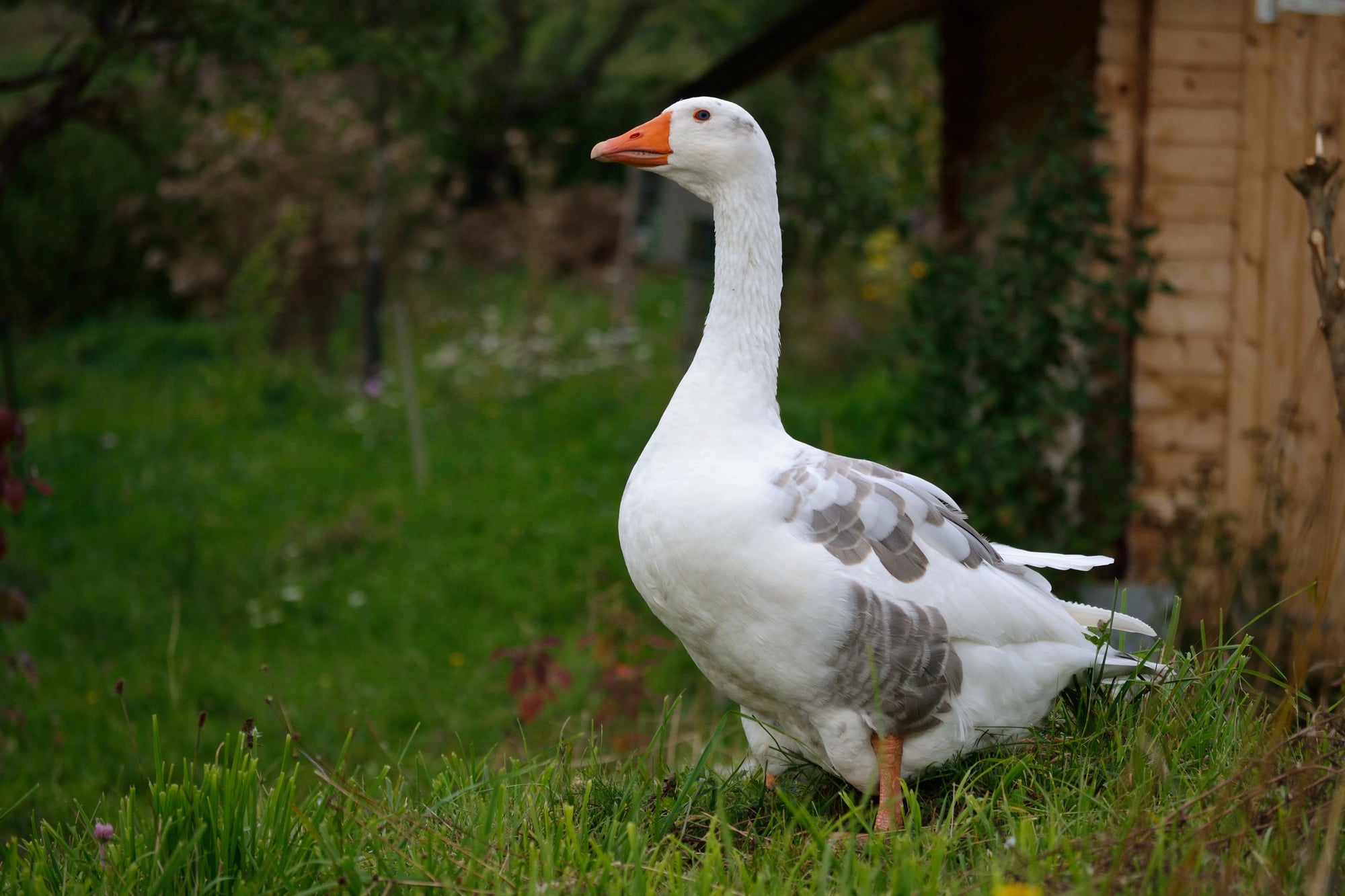
The original Mother Goose wasn’t a kindly storyteller but Elizabeth Goose, a Boston woman whose son-in-law published her grisly tales in 1719. Her stories weren’t meant to comfort children but to prepare them for a world where violence was commonplace.
The tales included graphic descriptions of death, dismemberment, and abandonment. Parents used them as cautionary warnings disguised as entertainment.
Hickory Dickory Dock

Time doesn’t heal all wounds — sometimes it just marks when they occurred. This seemingly innocent rhyme about a mouse running up a clock commemorates the precise moment when public executions were scheduled in medieval England.
High noon was the traditional execution hour, when the sun reached its peak and the largest crowd could gather to witness justice being carried out. The mouse represents the condemned criminal, scurrying up the gallows (the clock) as the hour approached, then running back down when the deed was done and the body was removed.
The steady tick-tock rhythm mimics both the pendulum’s swing and the drumbeat that often accompanied prisoners to their final moments. Children learned to tell time using this rhyme, unknowingly connecting the passage of hours to the taking of lives, learning that even something as neutral as a clock could carry the weight of death.
Twinkle, Twinkle, Little Star

Navigation by starlight kept sailors alive, but it also guided them toward slave ships and conquest. The “little star” being wondered about was Polaris, the North Star, which remained constant while other stars moved across the sky.
“Up above the world so high, like a diamond in the sky” describes how sailors used its fixed position to navigate during nighttime voyages. The wondering tone masks the star’s role in enabling some of history’s most brutal enterprises — the slave trade, colonial expansion, and naval warfare all depended on celestial navigation.
The innocent wonder about what the star might be ignores what it helped people do.
Pop Goes The Weasel

Poverty and desperation dressed up as a dance tune. “Pop goes the weasel” refers to pawning your winter coat (the “weasel”) at a pawnshop when money ran out.
“All around the cobbler’s bench, the monkey chased the weasel” describes the weekly cycle of working-class life in Victorian London. Workers would pawn their coats on Monday for drinking money, then chase around all week trying to earn enough to retrieve them before winter cold set in.
Most never managed it.
The Echoes That Remain

These songs survived because they wrapped hard truths in memorable melodies. Children learned about plague, execution, and political upheaval without understanding what they were singing.
The rhymes served as historical records, preserving details that official accounts often omitted or sanitized.
Your childhood soundtrack carried these shadows all along. The melodies remain innocent, but the stories they tell reveal how our ancestors processed trauma — by turning it into something children could repeat, ensuring the memory would outlast the pain.
More from Go2Tutors!

- The Romanov Crown Jewels and Their Tragic Fate
- 13 Historical Mysteries That Science Still Can’t Solve
- Famous Hoaxes That Fooled the World for Years
- 15 Child Stars with Tragic Adult Lives
- 16 Famous Jewelry Pieces in History
Like Go2Tutors’s content? Follow us on MSN.