Surprising Fast Food Facts
Fast food is everywhere. It’s quick, easy, and loved by millions all around the world.
But behind those burgers, fries, and shakes, there are plenty of surprising things that many people don’t know. Let’s dig into some facts that might make you see your favorite fast food in a new way.
Ready for some eye-openers?
The first fast food restaurant dates back to 1921
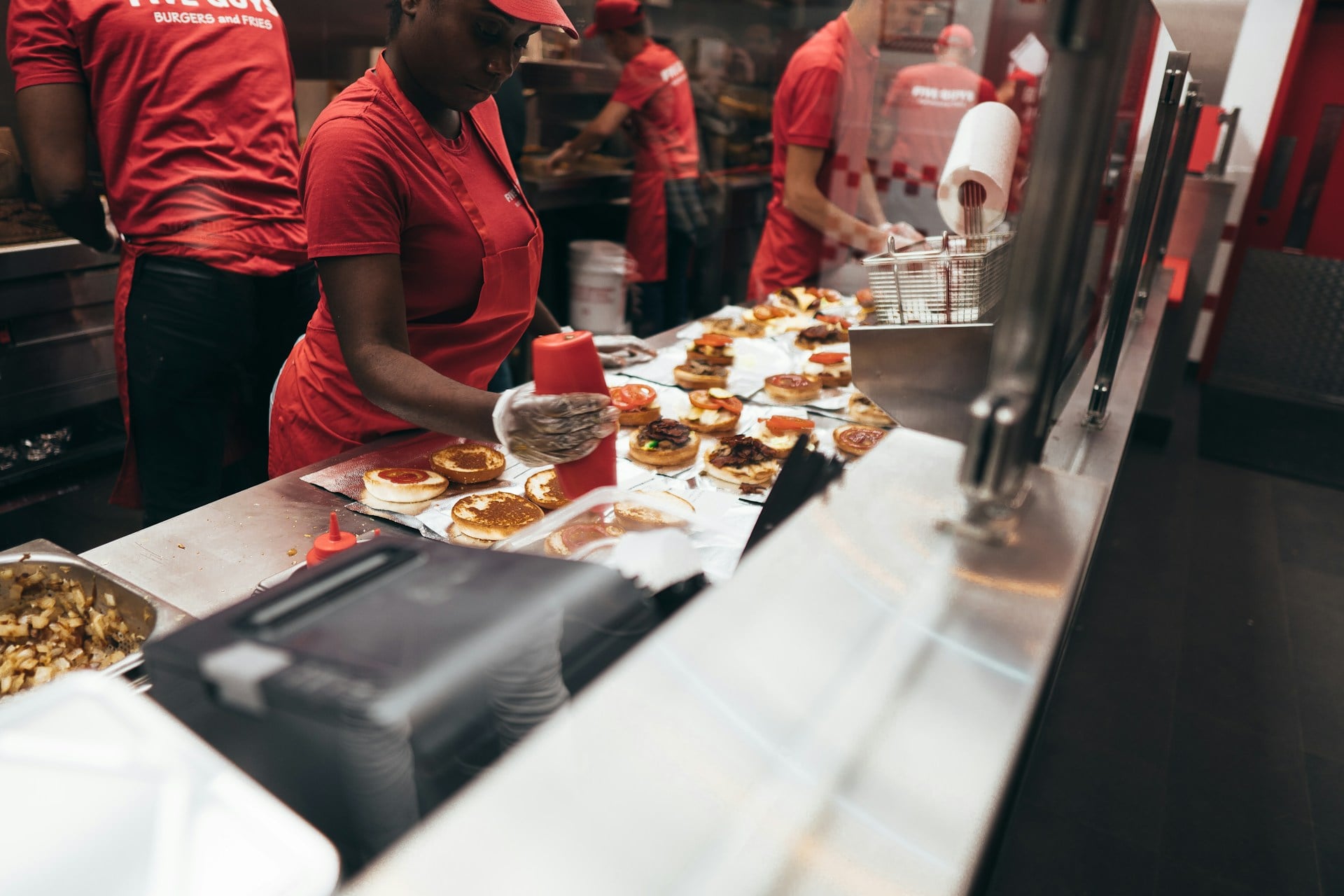
A chain called White Castle was the pioneer. It started selling small square burgers for just five cents.
The idea was to offer cheap, quick meals that could be eaten on the go. This simple concept grew into the massive fast food industry we see today.
Fast food menus often change by country

What’s on the menu in the U.S. isn’t always the same overseas. In Japan, for example, McDonald’s sells shrimp burgers.
In India, you’ll find veggie-heavy options because many people don’t eat meat. This shows how fast food chains adapt to local tastes.
French fries were popular before McDonald’s made them famous
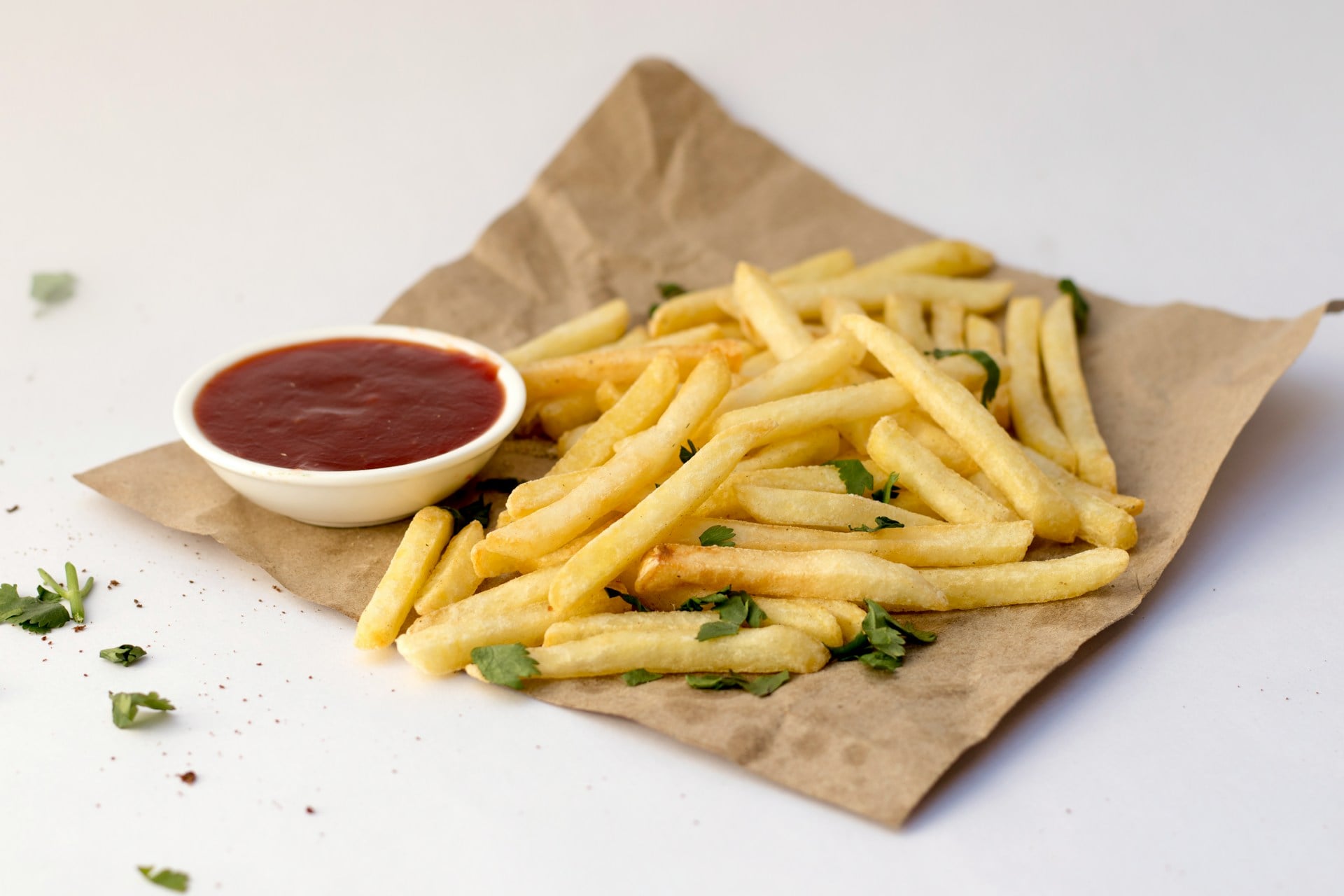
People ate fried potatoes long before they hit the golden arches. French fries first became common in Europe, and McDonald’s helped spread their popularity worldwide.
Today, fries come in all shapes, sizes, and flavors.
Fast food can be faster than you think
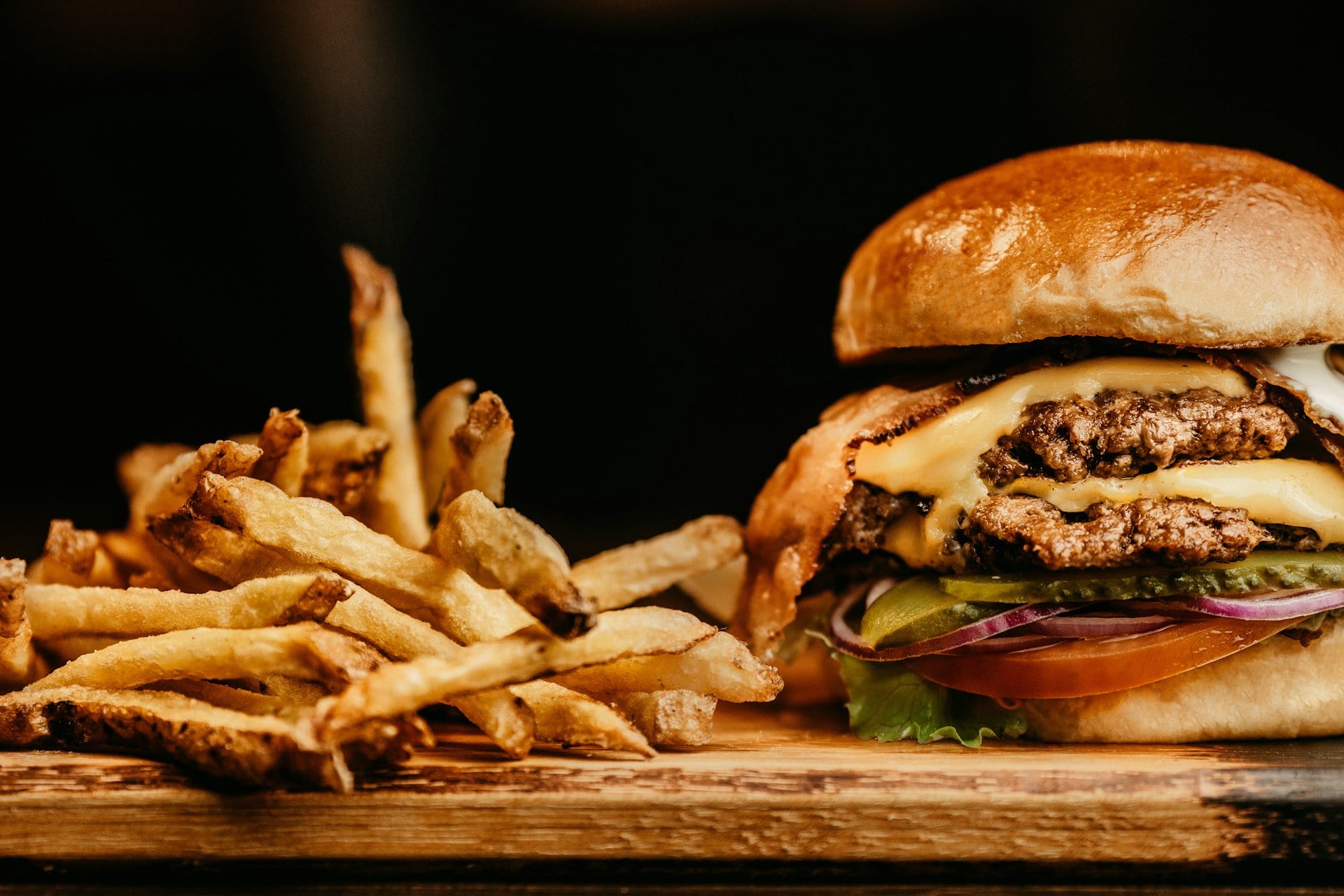
Some places promise orders ready in under three minutes. Behind the scenes, staff follow precise steps to cook and assemble food fast without losing quality.
That’s why the drive-thru moves so quickly even during busy hours.
Fast food often uses special salt blends
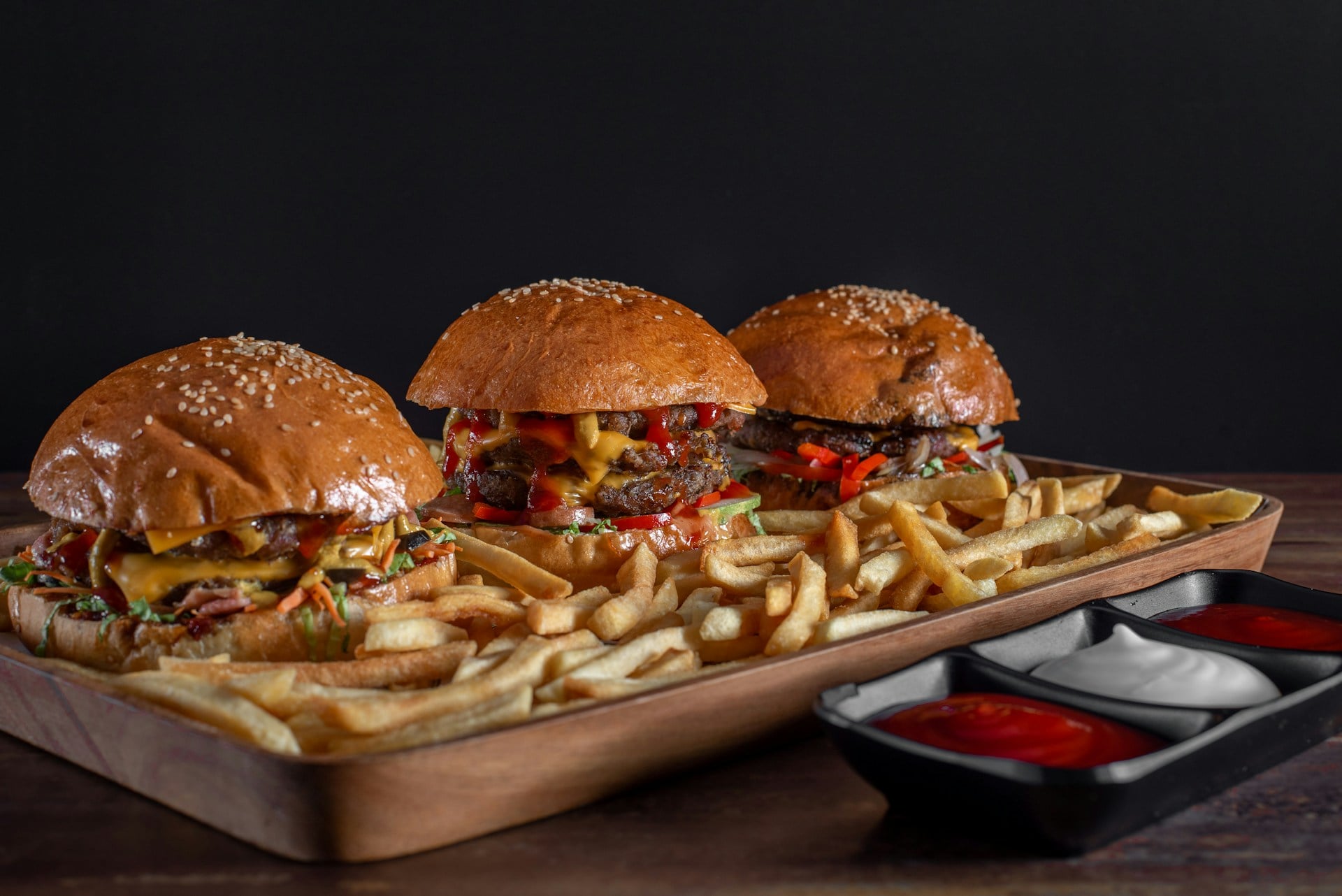
The salty taste that keeps people coming back isn’t just from regular salt. Many restaurants have their own secret salt mixes designed to boost flavor and keep customers hooked.
It’s a small trick that makes a big difference.
Fast food portions have changed over time
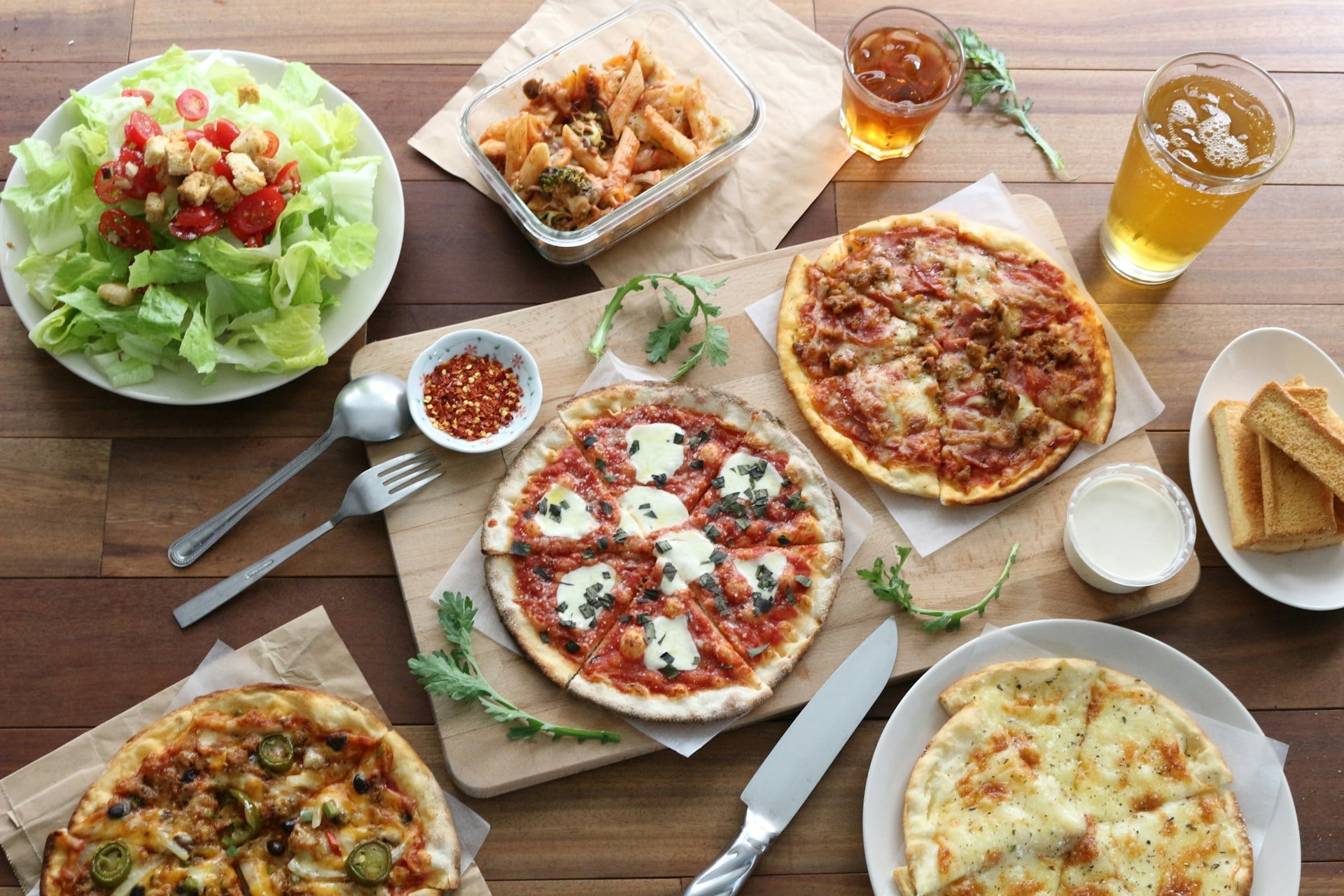
Meals today tend to be larger than they were decades ago. Portion sizes grew as people wanted more value for their money.
That means those giant burgers and supersized fries weren’t always the norm.
Some fast food chains started as coffee shops

Starbucks is the most famous example. But other chains that focus on food and drinks began with just coffee or small snacks.
Their menus grew as they realized people wanted quick meals alongside their drinks.
Fast food can be healthier than you think

Many chains now offer salads, grilled items, and fruit sides. They are paying attention to customer demand for healthier options.
It’s easier than ever to find something light and fresh on a fast food menu.
Fast food workers often use timers to keep cooking consistent

To make sure every burger and fry is cooked just right, kitchens rely on timers. This helps maintain the same taste and texture no matter when or where you order.
Consistency is key in fast food success.
The “secret sauce” is a real marketing strategy

Many fast food places brag about their special sauces. Some recipes stay secret for years, adding mystery and excitement.
These sauces help make sandwiches and burgers stand out from competitors.
Fast food mascots play a big role in brand success
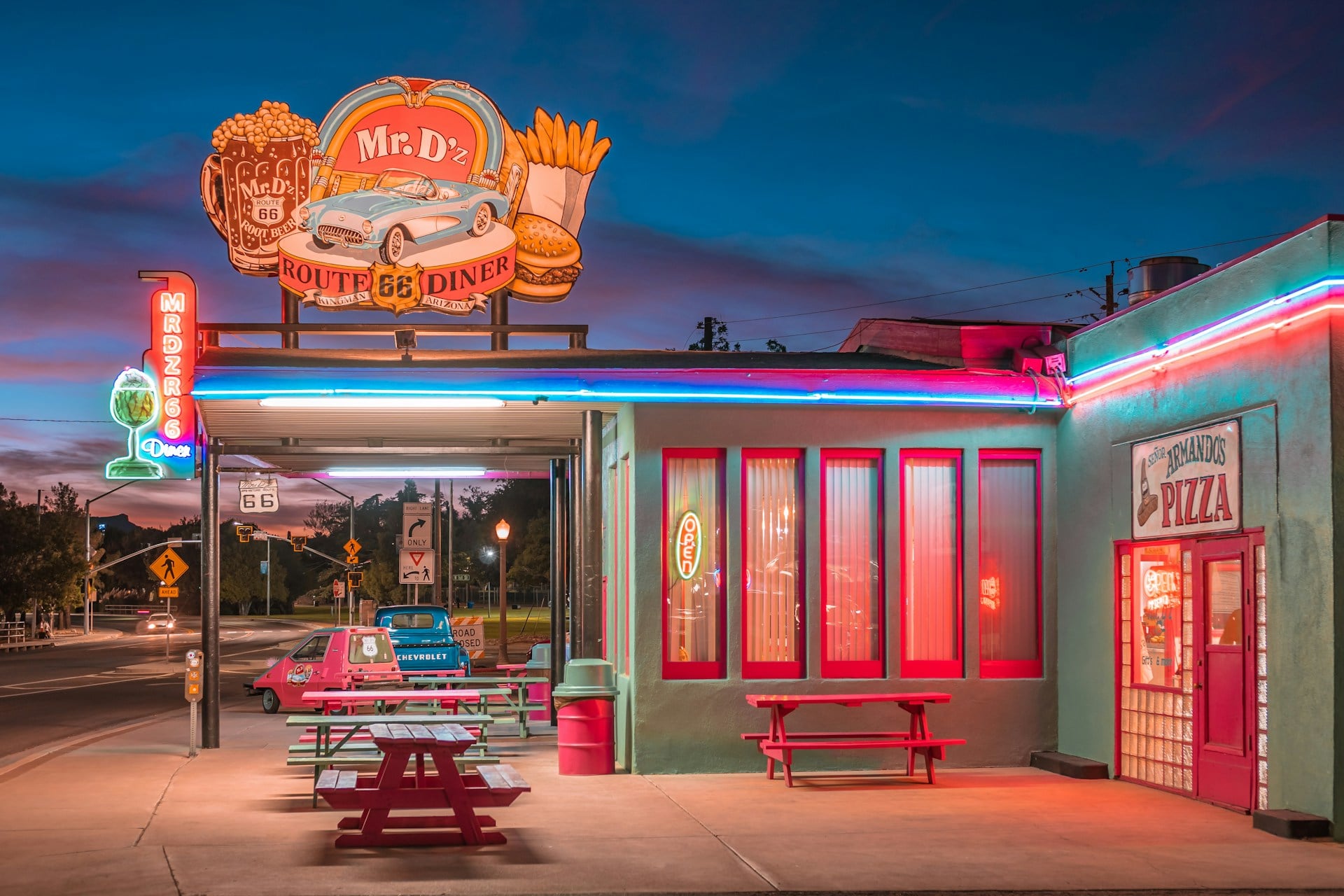
Characters like Ronald McDonald and the Burger King help build loyalty. They make the brand friendly and fun, especially for kids.
Mascots appear in commercials, toys, and even theme parks to keep fans engaged.
Drive-thrus handle more than 70% of orders
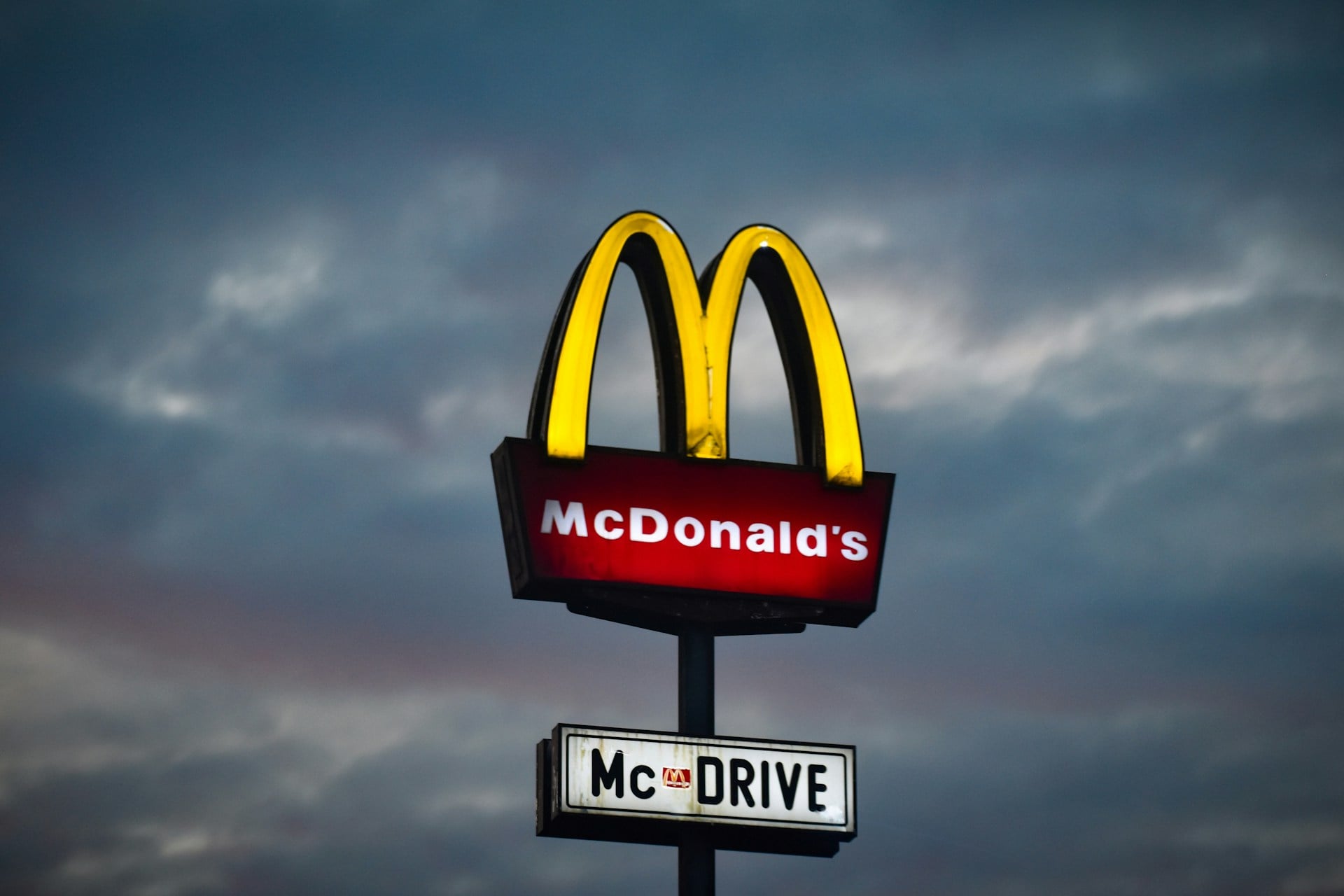
Most fast food customers use the drive-thru window. It’s faster and more convenient, especially for busy people.
Restaurants design their layouts to keep the line moving and get orders out quickly.
Fast food packaging is often designed to keep food warm
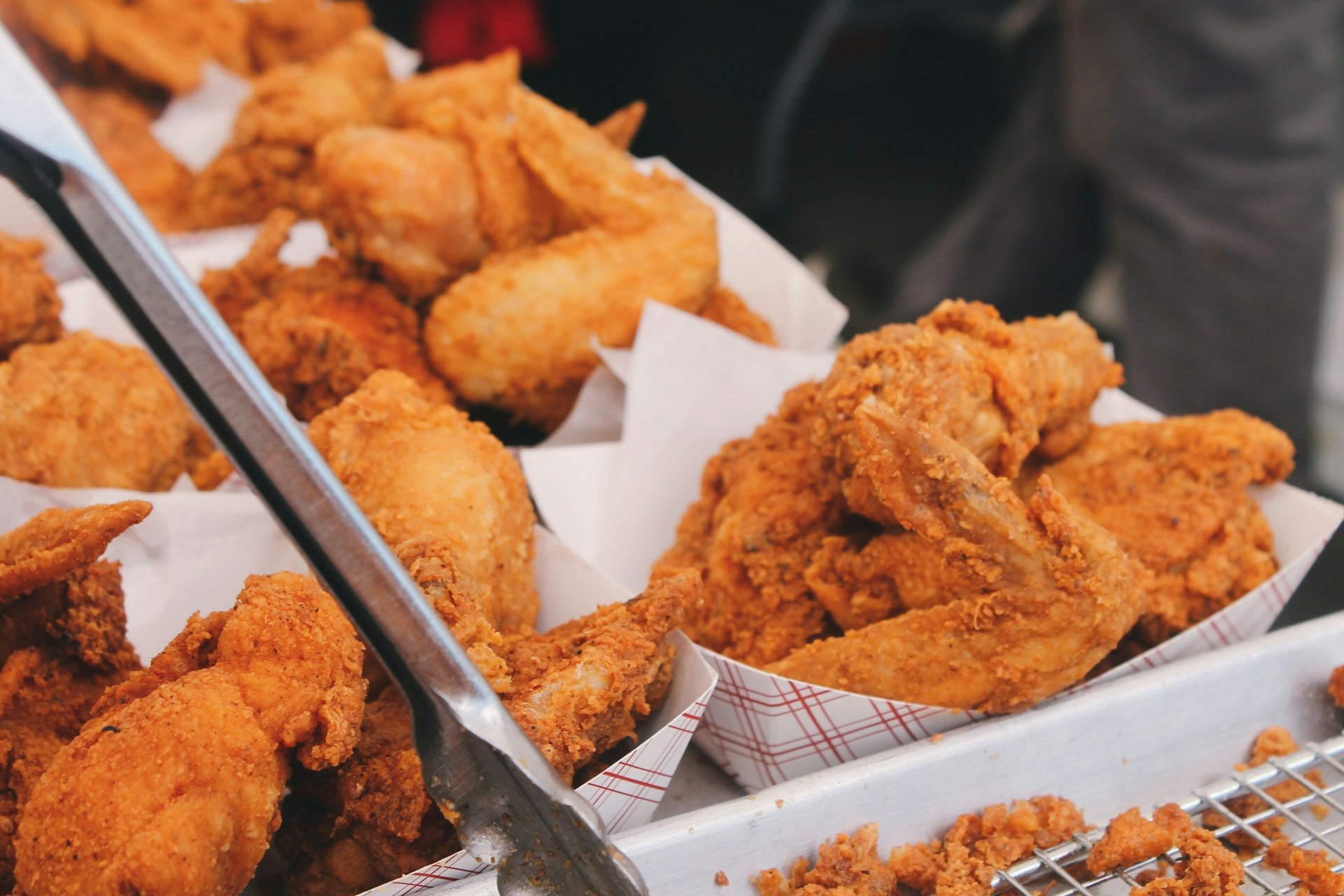
The wrappers, boxes, and bags are not just for looks. They help keep burgers hot and fries crispy until customers can eat them.
Packaging also protects food during travel, which is a big deal for takeout orders.
Some fast food items take months to develop
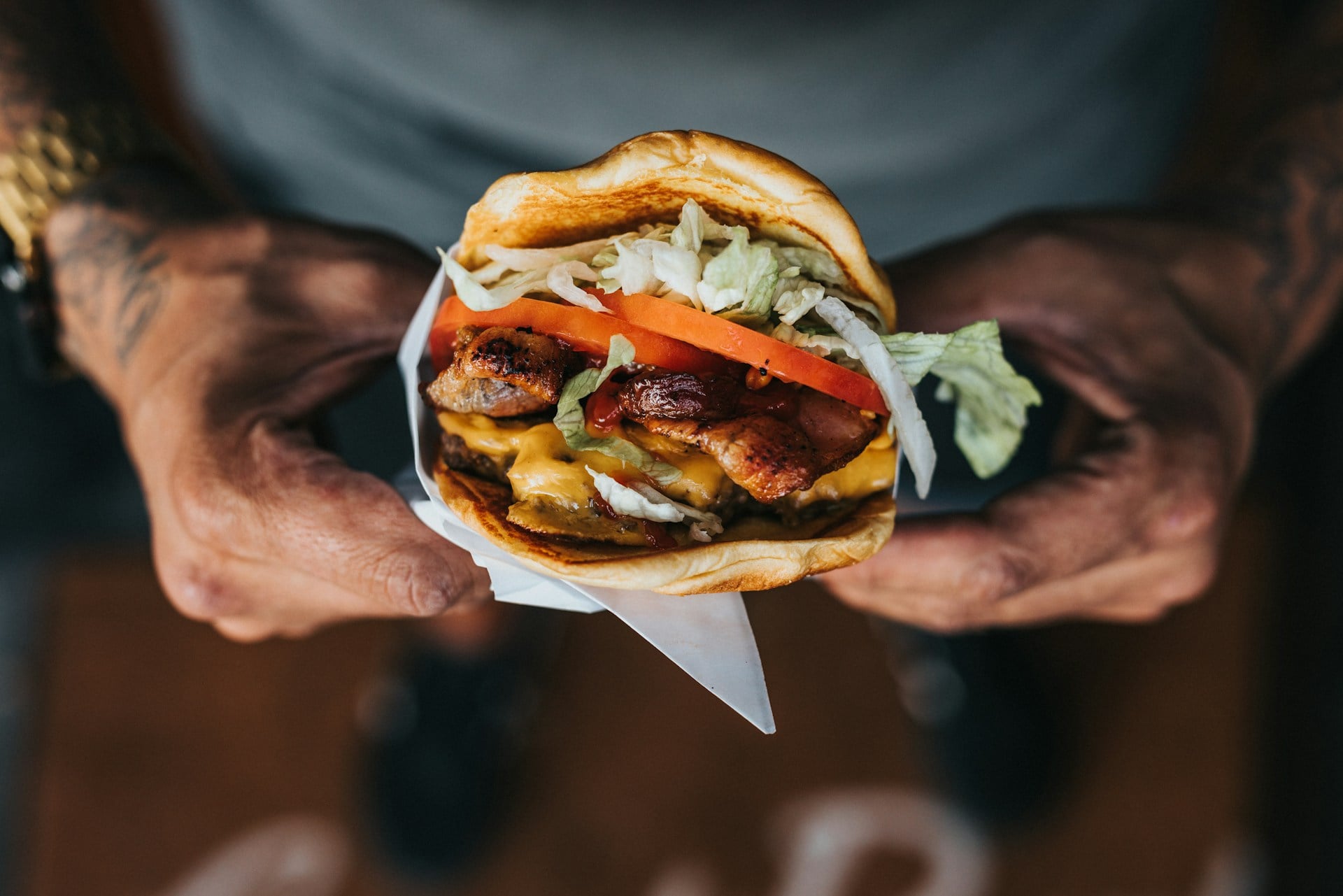
Creating a new sandwich or meal is not as simple as it looks. Chefs and food scientists spend weeks or months testing ingredients, taste, and texture.
The goal is to find something customers will love every time.
Fast food is one of the largest employers worldwide
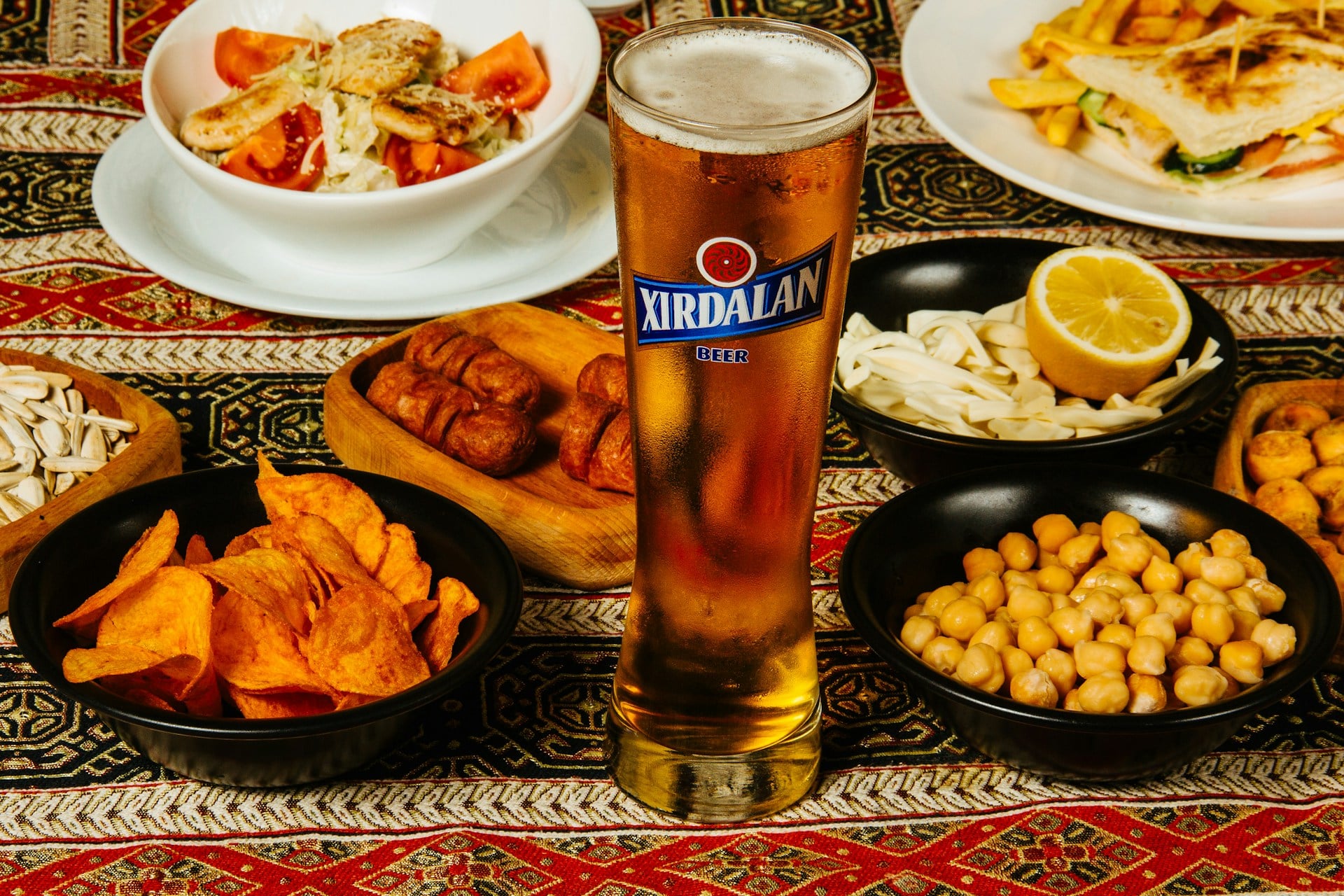
Millions of people work in fast food restaurants. It offers jobs for a wide range of skills and ages.
For many, it’s a first job or a chance to earn money while going to school.
Fast food ads often target kids
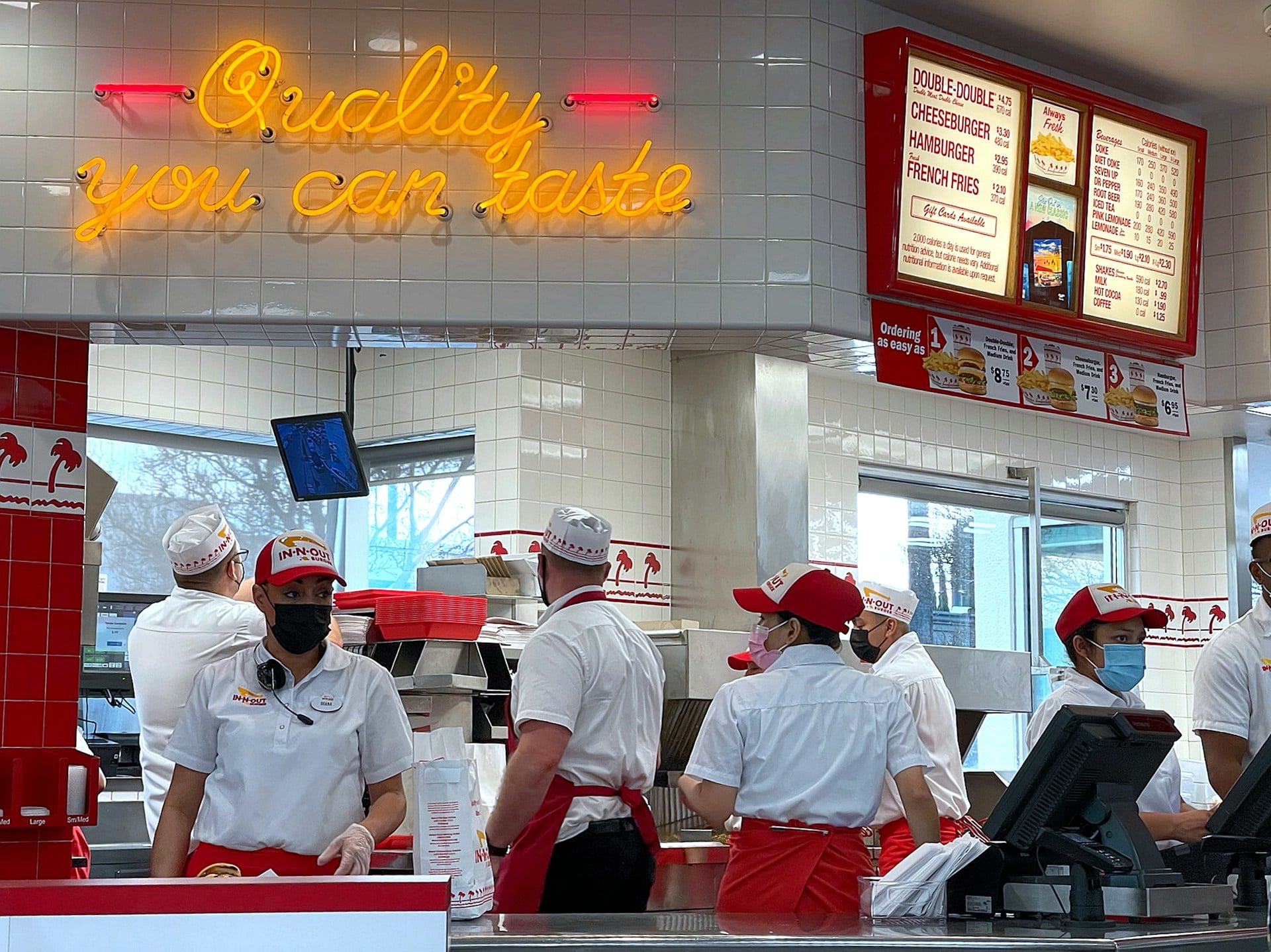
Commercials, toys, and games aim to get children interested early. Happy Meals with toys are a classic example.
This strategy helps build long-term customers from a young age.
Fast food franchises can be worth millions

Some franchise owners turn their small restaurant into a big business. The right location and management can make a fast food spot very profitable.
It’s a chance to own a piece of a global brand.
Fast food has inspired food trends

Items like chicken nuggets, milkshakes, and soft serve ice cream became popular thanks to fast food. These treats spread into other restaurants and home cooking, shaping what people eat.
Food safety standards are strict in fast food
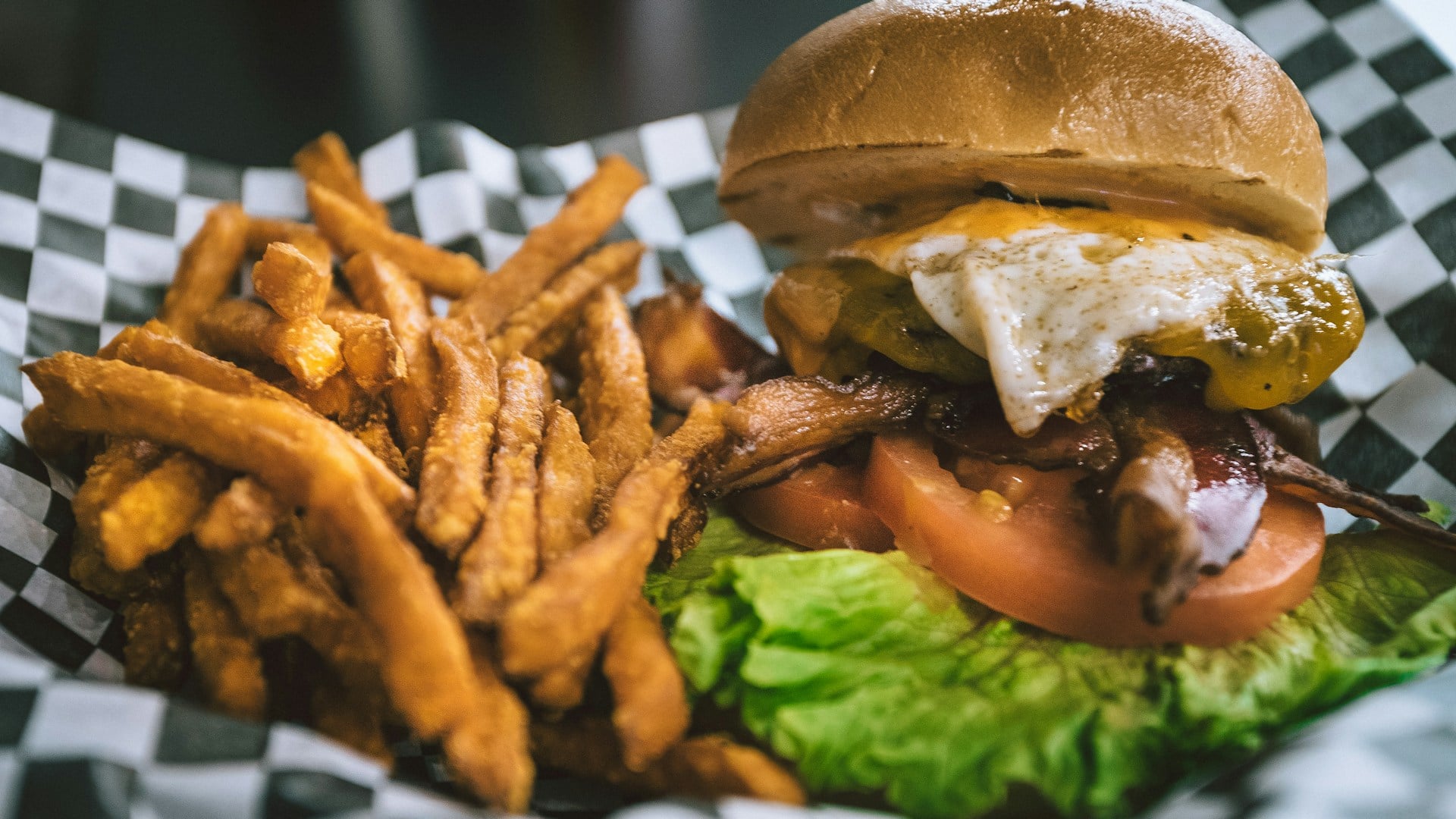
Restaurants follow tight rules to keep food safe. This includes regular inspections and staff training.
Fast food chains want to avoid any problems that could hurt customers or their reputation.
Fast food’s impact on society is complex

While fast food offers convenience, it also raises questions about health and environment. Many chains are working to improve ingredients and reduce waste.
It’s a part of a bigger conversation about how people eat today.
Fast food still feels like a quick treat
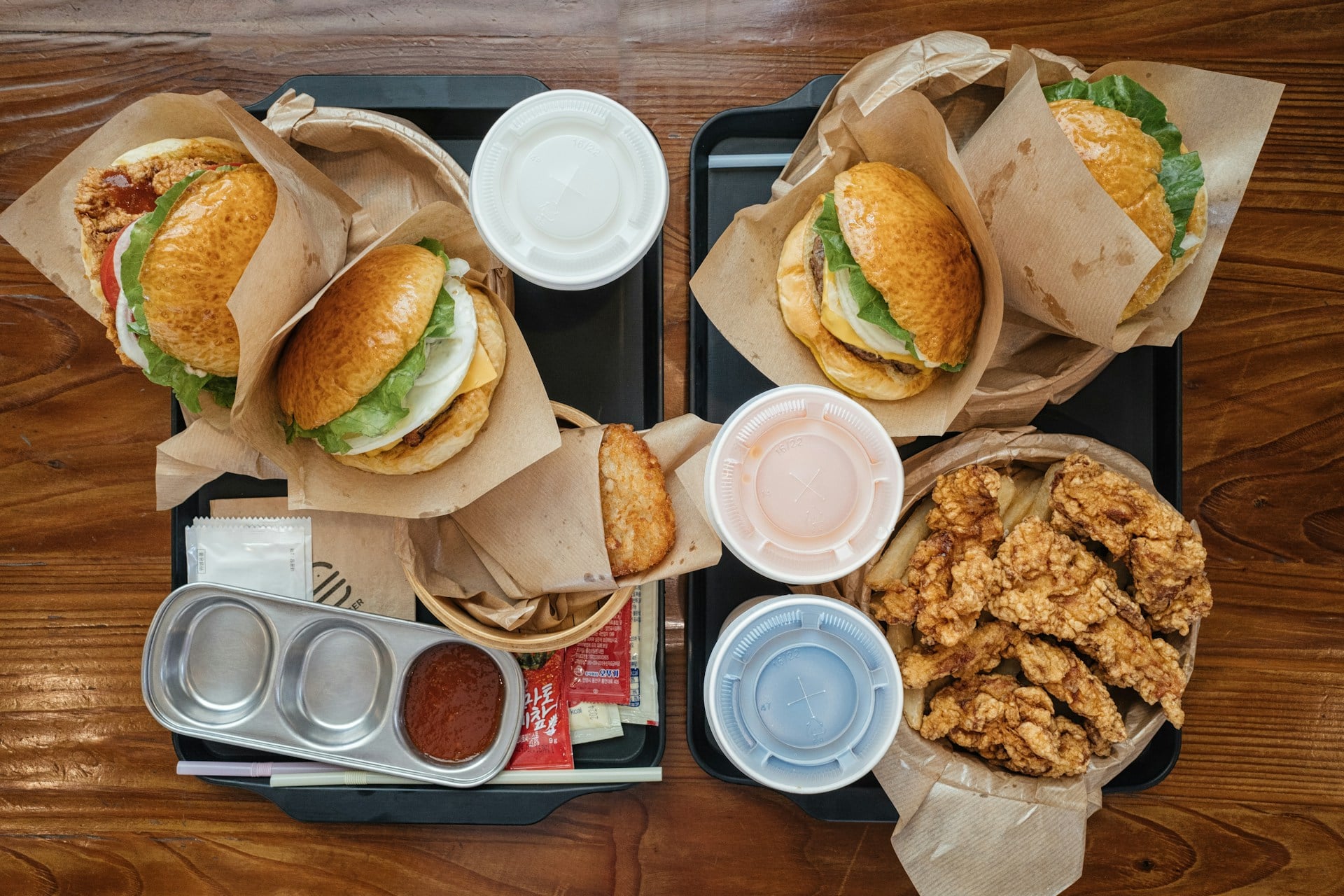
No matter the changes, fast food remains a popular choice when time is short or cravings hit. It fills a need for fast, tasty meals that fit busy lives.
And sometimes, that’s just what people want.
Why fast food stays part of our lives

Fast food has changed a lot since it first appeared, but it never really goes away. It keeps adapting to new tastes, lifestyles, and ideas about food.
For many, it’s more than just a meal—it’s part of daily routines and memories. Looking back, fast food shows how food and culture grow together.
It’s a simple reminder that even quick meals can have big stories behind them.
More from Go2Tutors!

- The Romanov Crown Jewels and Their Tragic Fate
- 17 Halloween Costumes Once Considered Taboo
- Famous Hoaxes That Fooled the World for Years
- 15 Child Stars with Tragic Adult Lives
- 16 Famous Jewelry Pieces in History
Like Go2Tutors’s content? Follow us on MSN.



