The Strangest Things Ever Found at the Bottom of the Ocean
The ocean keeps secrets better than anything else on Earth. Miles beneath the surface, in places where sunlight has never touched, there exists a collection of objects so bizarre, so unexpected, that they read like fiction.
Some arrived there by accident, others by design, and a few simply defy explanation entirely. These discoveries remind us that the deep sea isn’t just an alien landscape — it’s also humanity’s largest, most mysterious lost-and-found box.
A Locomotive from 1850
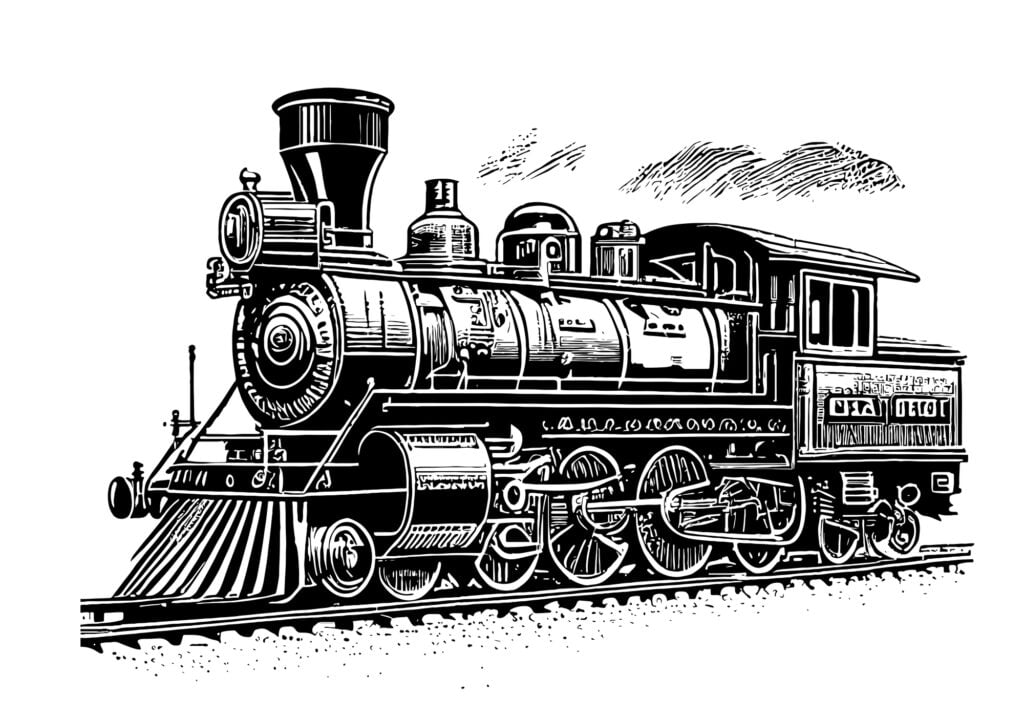
The deep ocean doesn’t discriminate when it comes to what it collects. In 2014, researchers exploring the bottom of Superior Shoal found a pristine steam locomotive dating back to 1850, sitting upright on the seafloor as if it had just pulled into the station.
The engine had fallen through the ice during a winter crossing more than 170 years ago.
What strikes you isn’t just that the locomotive survived the fall intact. Cold freshwater acts like a time machine, preserving metal and wood in ways that seem impossible on land.
Ancient Roman Statues
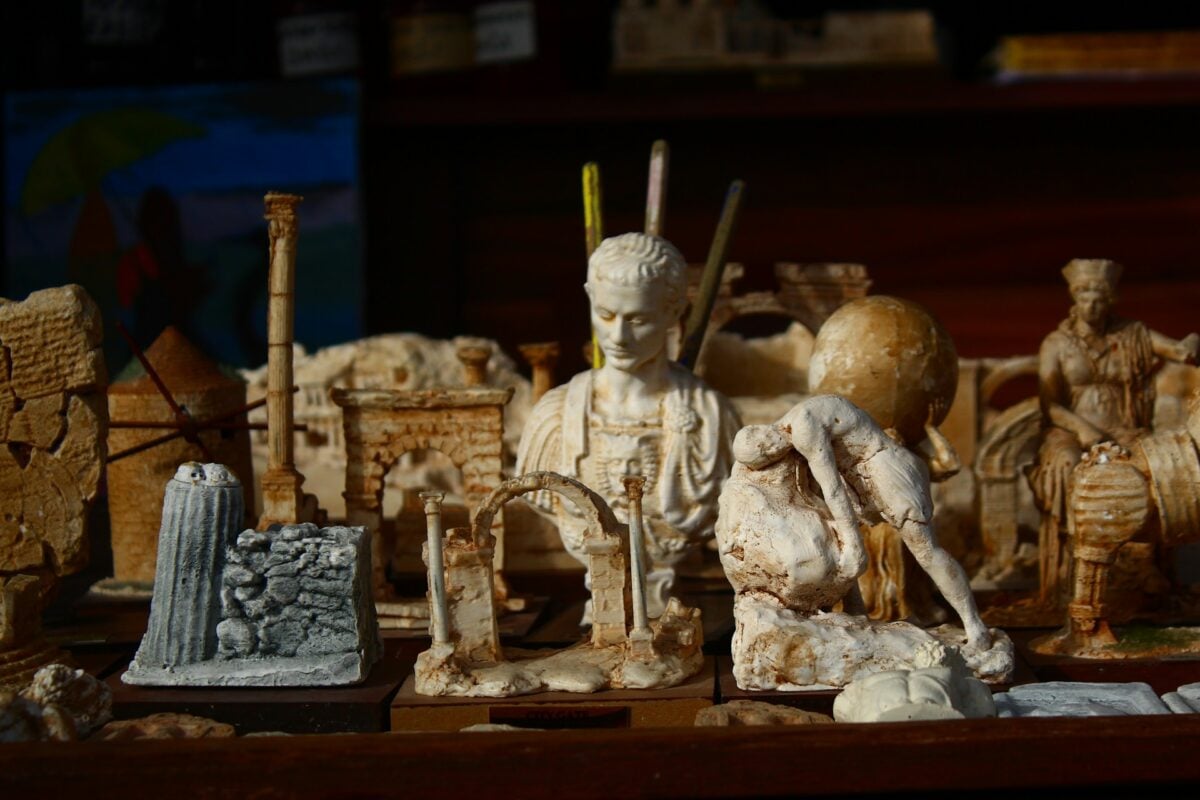
Fishermen off the coast of Italy made an accidental discovery in 1972 that changed everything archaeologists thought they knew about classical art. Their nets snagged something heavy, something that turned out to be two bronze warriors from the 5th century BC — sculptures so perfectly preserved that experts initially refused to believe they were authentic.
Bronze doesn’t typically survive 2,500 years. Most ancient bronze was melted down centuries ago (wars have a way of creating demand for metal), but the Mediterranean had been quietly protecting these warriors while empires rose and fell above the waves.
And the salt water, which corrodes so much else, had actually formed a protective patina that kept the bronze intact, down to the finest details of muscle and expression.
A Forest of Trees

There’s something unsettling about finding a forest where fish should swim. Yet that’s exactly what divers discovered off the coast of Alabama — an entire bald cypress forest, complete with trees over 60,000 years old, standing in 60 feet of water like monuments to a world that no longer exists.
These aren’t petrified remains. The wood is still soft enough to dent with a fingernail (though you shouldn’t try — the forest is now protected).
The trees were buried under sediment for millennia, which preserved them in a state of suspended animation until Hurricane Katrina’s storm surge washed away their protective covering. So now you can swim through what was once a thriving forest, touching bark that grew before humans learned to farm.
Concrete Spheres
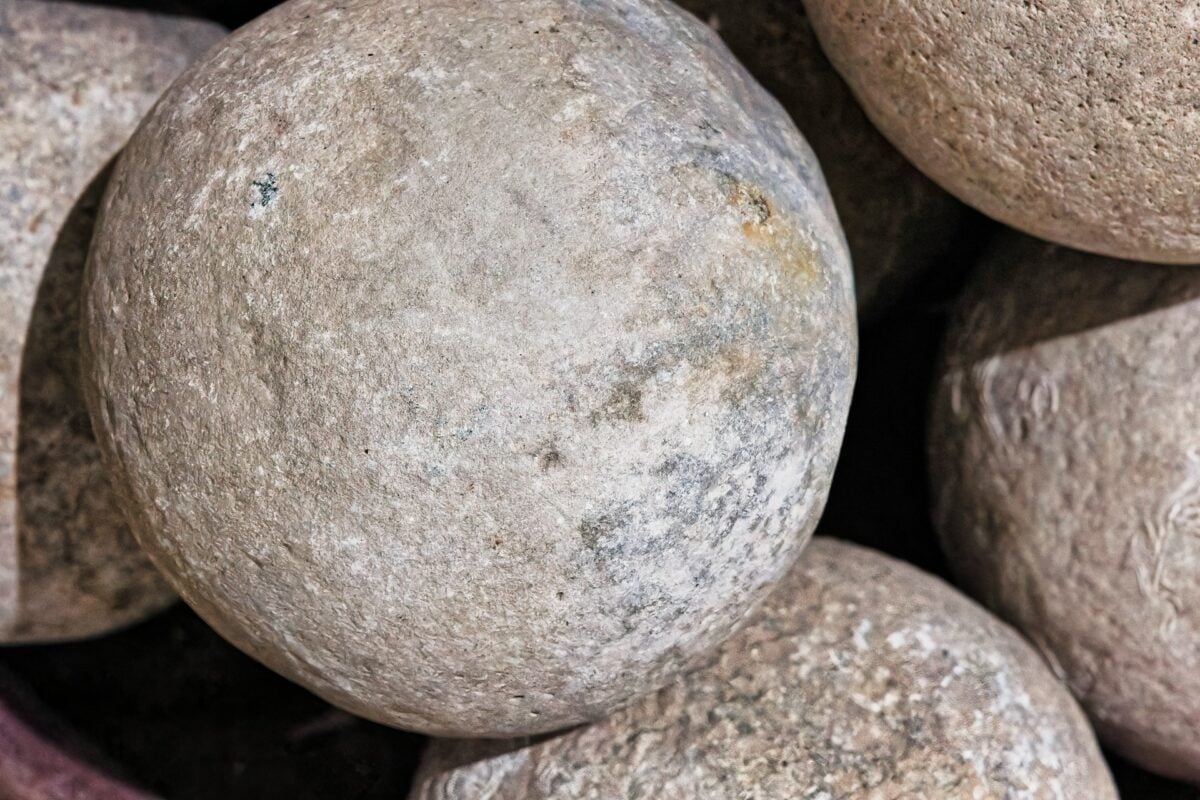
The U.S. Navy has a peculiar sense of humor. During World War II, they began dropping massive concrete spheres — some weighing over a ton — into strategic ocean locations as a form of underwater defense.
The plan was simple enough: create obstacles that would damage enemy submarines.
Decades later, marine biologists keep stumbling across these concrete monuments scattered across the ocean floor like some kind of abstract art installation. Fish don’t seem to mind the intrusion.
Coral has claimed most of the spheres, turning military leftovers into thriving reef systems.
A Graveyard of Vintage Cars
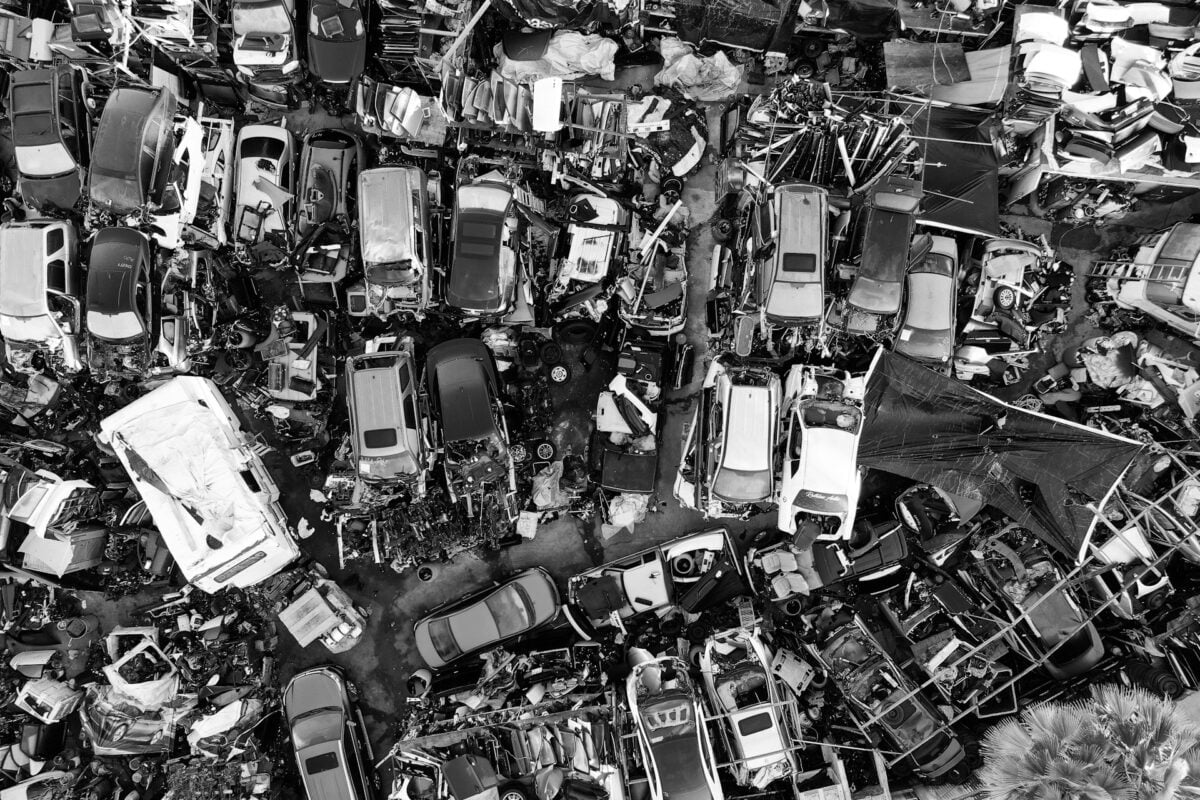
Someone made a series of very poor decisions off the coast of New Jersey in the 1950s. Instead of properly disposing of old cars, a local dealer decided the Atlantic Ocean would make an excellent junkyard and began pushing vehicles off a barge.
Classic Buicks, Chevrolets, and Fords now rest in neat rows 90 feet underwater.
The cars have become accidental artificial reefs, but there’s something deeply strange about seeing a 1948 Packard with sea anemones growing from its chrome bumper. Time moves differently down there — the cars look like they’re waiting for drivers who will never return.
An Airplane Toilet
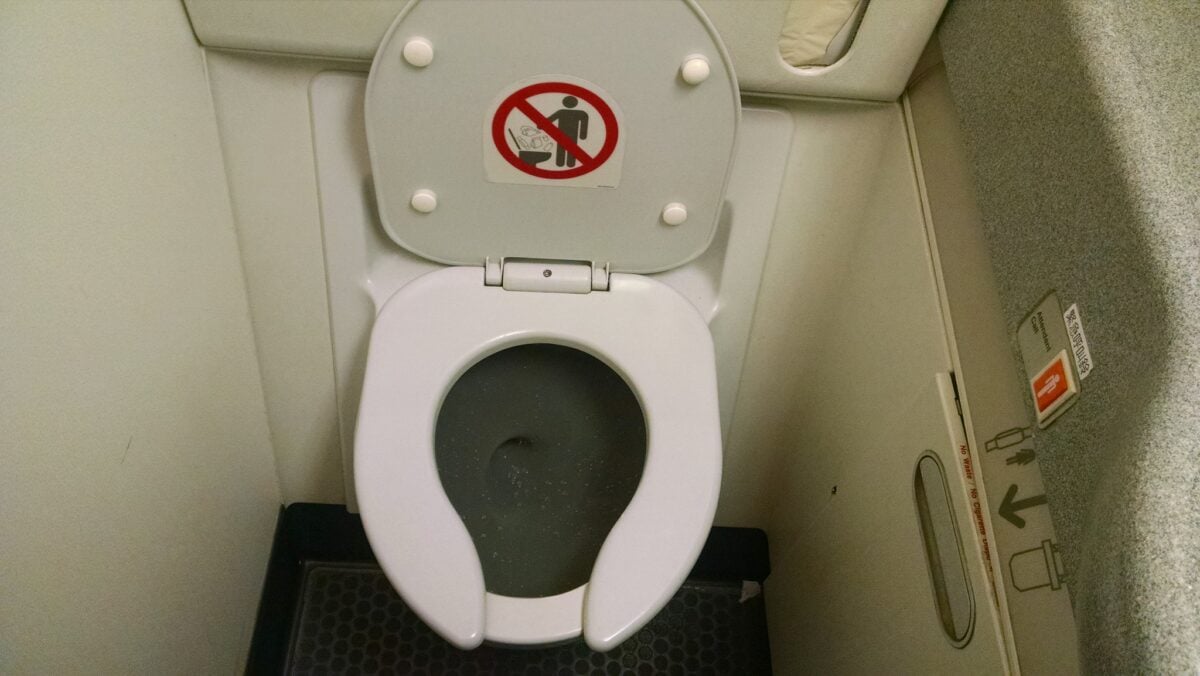
Commercial aviation creates the most mundane mysteries. In 1988, a fully intact airplane lavatory was discovered sitting alone on the abyssal plain, 12,000 feet below the surface of the Pacific.
No plane wreckage nearby, no explanation for how it got there, just one very confused toilet in the middle of nowhere.
The discovery raises more questions than it answers, which is precisely what makes it fascinating. Aircraft parts don’t typically detach themselves mid-flight and survive the journey to the ocean floor.
But there it was, as if someone had carefully placed it there as a joke that took decades to appreciate.
Ancient Wine Amphorae
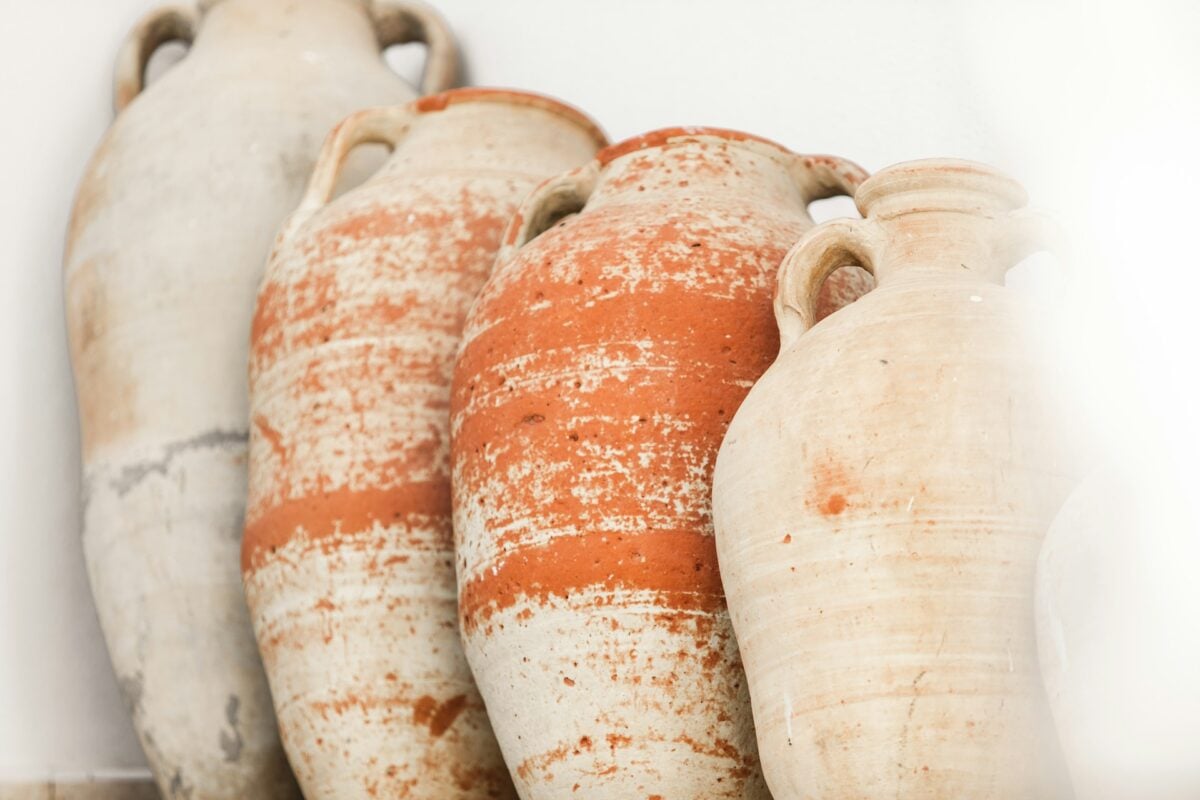
The Mediterranean holds liquid history in ceramic containers. Archaeologists have discovered Roman wine amphorae, still sealed and containing 2,000-year-old wine, scattered across the seafloor where ancient trading ships met their end.
The wine isn’t exactly drinkable anymore (though someone, somewhere, has probably tried). What matters is the preservation — these vessels tell the story of ancient commerce routes, of merchants who loaded their ships with amphorae and sailed toward markets they never reached.
Each discovery is like opening a letter that took two millennia to deliver.
Locomotive Parts from the Titanic Debris Field
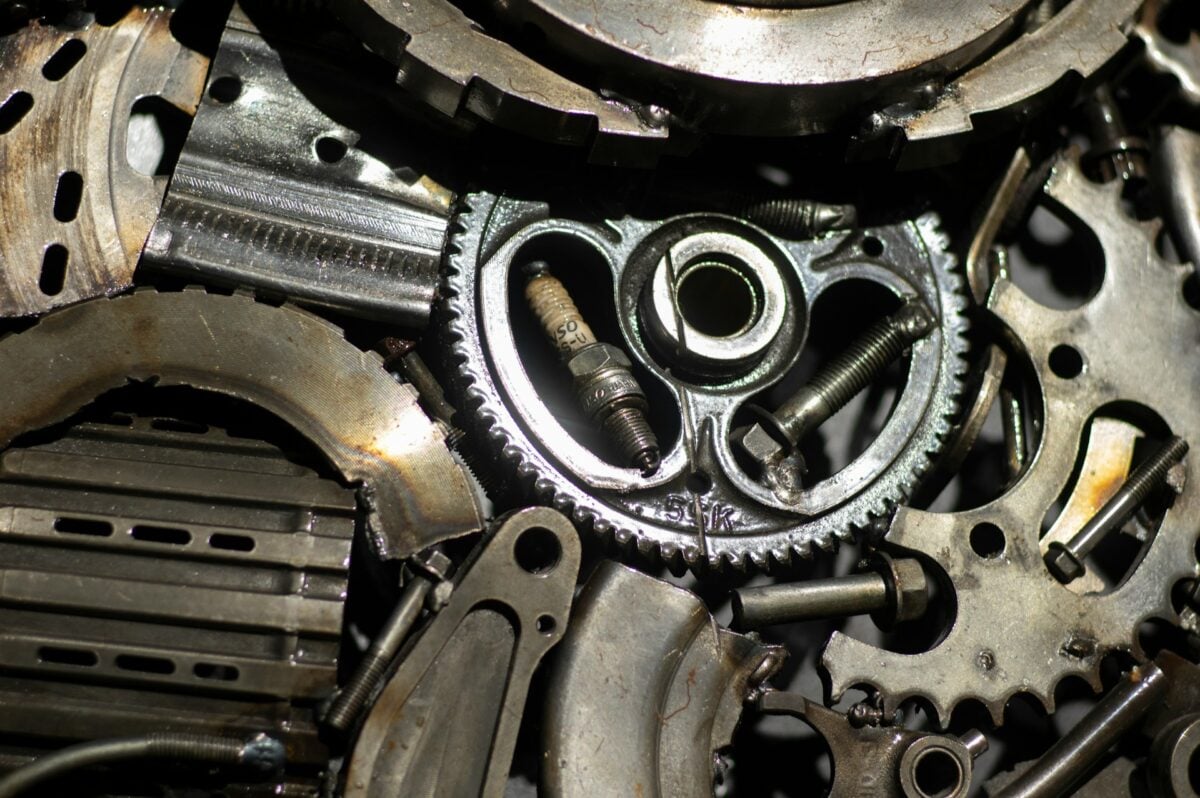
The Titanic wasn’t the only thing that sank that April night in 1912. The ship was carrying a consignment of luxury automobiles, including a 1912 Renault that now rests among the wreckage.
But the strangest discovery wasn’t the car itself — it was finding locomotive parts scattered nearby, remnants of steam engines being shipped to American railways.
These weren’t just any locomotive parts. They were precision-engineered components from British foundries, destined for the expanding American West.
Instead, they became permanent residents of the North Atlantic, 12,500 feet below the surface.
Ancient Cheese
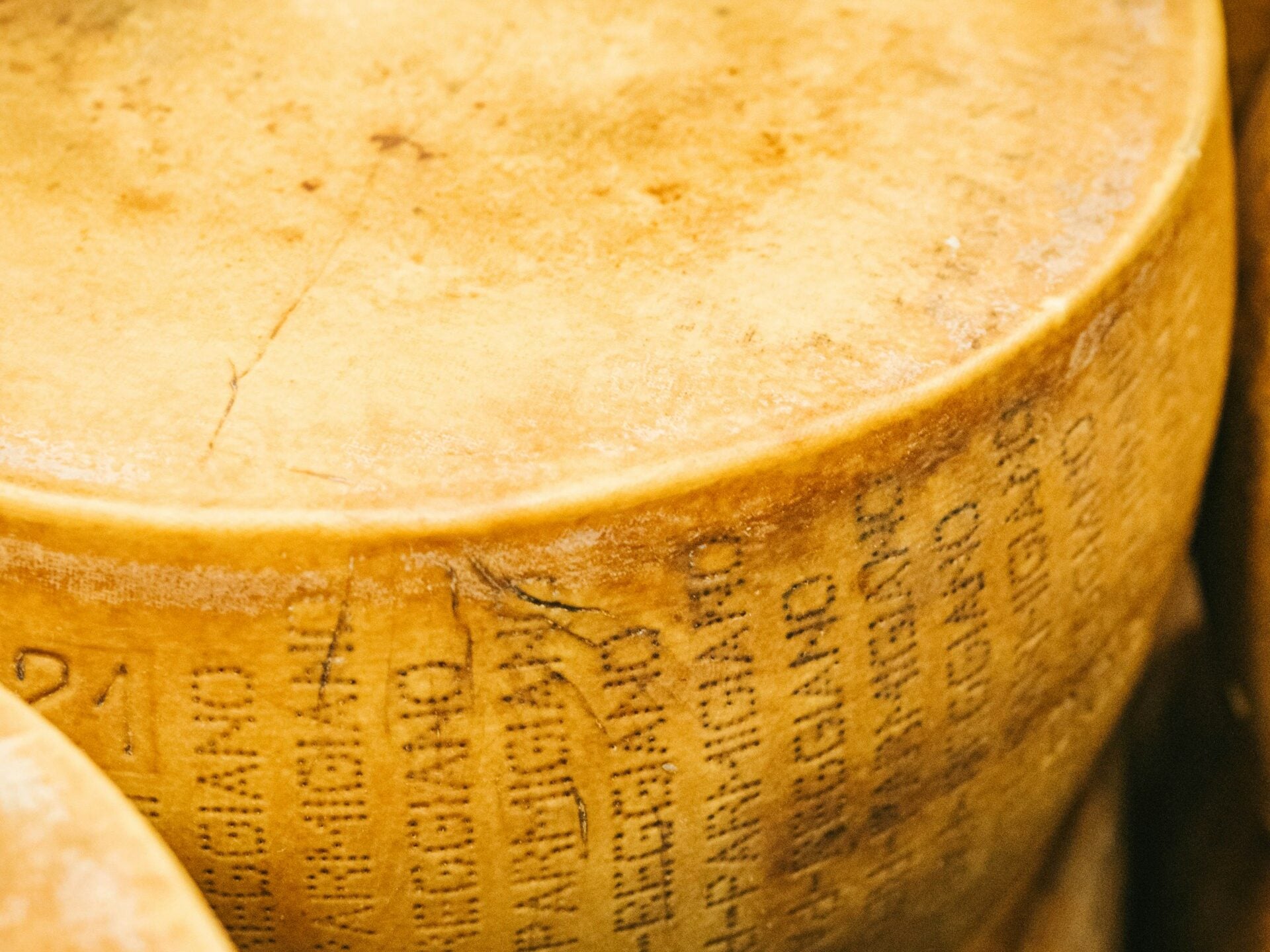
Archaeologists working off the coast of Sweden made a discovery that redefined the term “aged cheese.” Inside the hull of a 14th-century shipwreck, they found wheels of cheese that had been preserved by the cold Baltic water for over 600 years.
The cheese had turned into a limestone-like substance, but its original form remained perfectly intact.
The discovery provides insight into medieval trade routes and preservation techniques, though it also raises the uncomfortable question of what happens to dairy products when they’re left alone for six centuries.
A Bathtub
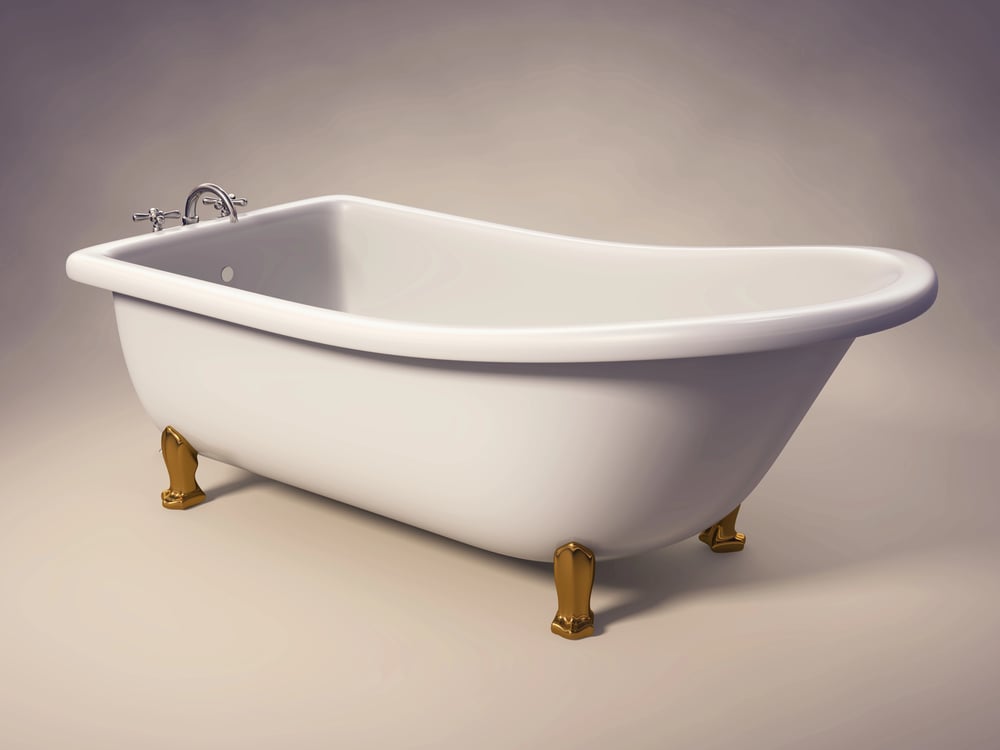
Household fixtures don’t typically end up on the ocean floor, but the deep sea makes exceptions. In 1995, researchers discovered a cast-iron bathtub sitting upright on the seafloor off the California coast, as if someone had simply finished their bath and walked away.
The bathtub showed no signs of ship wreckage nearby, no explanation for its presence. Just a solitary bathroom fixture, 3,000 feet underwater, serving as a reminder that the ocean collects everything human civilization discards — even the most intimate spaces of domestic life.
A Library of Stone Tablets
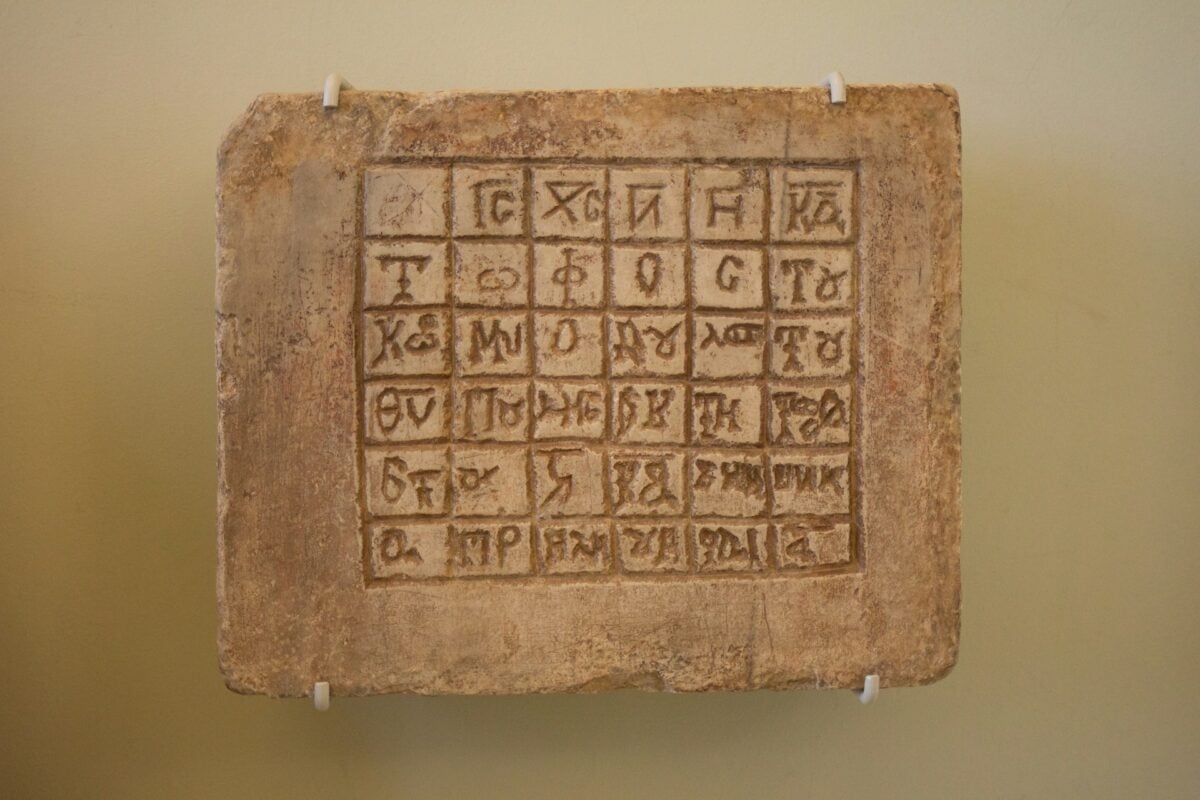
The ocean sometimes acts as an accidental archivist. Off the coast of Turkey, archaeologists discovered a shipwreck containing hundreds of clay tablets with cuneiform writing — essentially an ancient library that sank 3,400 years ago. The tablets contained business records, legal documents, and personal correspondence from Bronze Age merchants.
Salt water had preserved the clay tablets better than most museum storage systems. Each tablet tells a story of daily life in the ancient world, of people conducting business, settling disputes, and writing letters to family members they would never see again.
The World’s Oldest Champagne
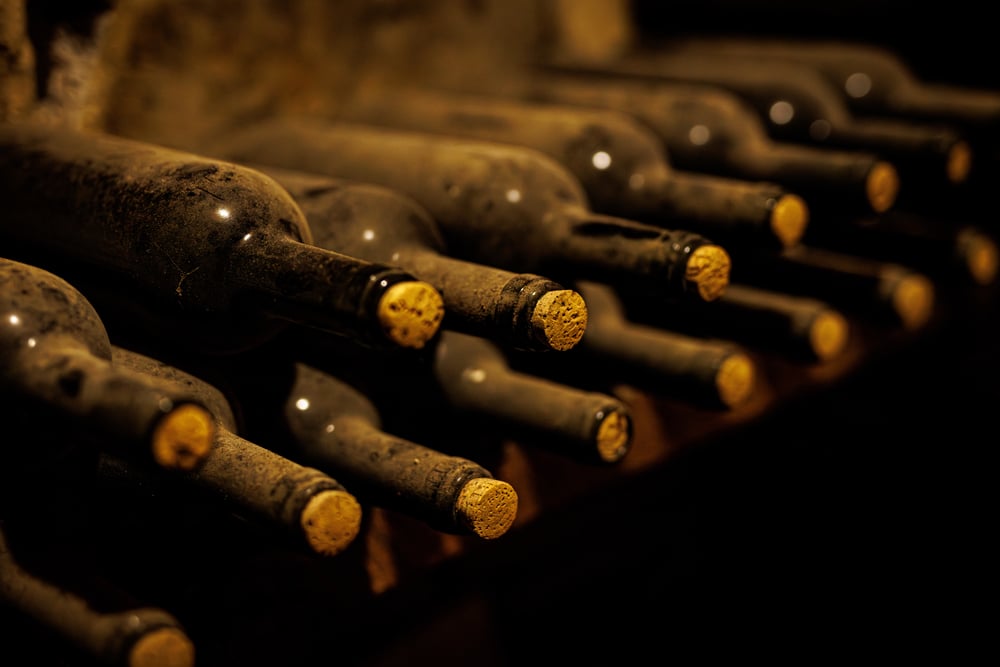
French champagne makers would be both proud and horrified to learn what happened to their 1780s vintage. In 2010, divers discovered bottles of champagne from a shipwreck in the Baltic Sea, still intact and — remarkably — still drinkable.
The cold, dark conditions had preserved the champagne for over 200 years.
Wine experts who tasted the ancient champagne described it as “sweet with hints of cig and leather,” which sounds about right for a vintage that predates the French Revolution. The bottles now sell at auction for tens of thousands of dollars, making them possibly the most expensive drinks ever pulled from the ocean floor.
The Deepest Mysteries Live in Silence
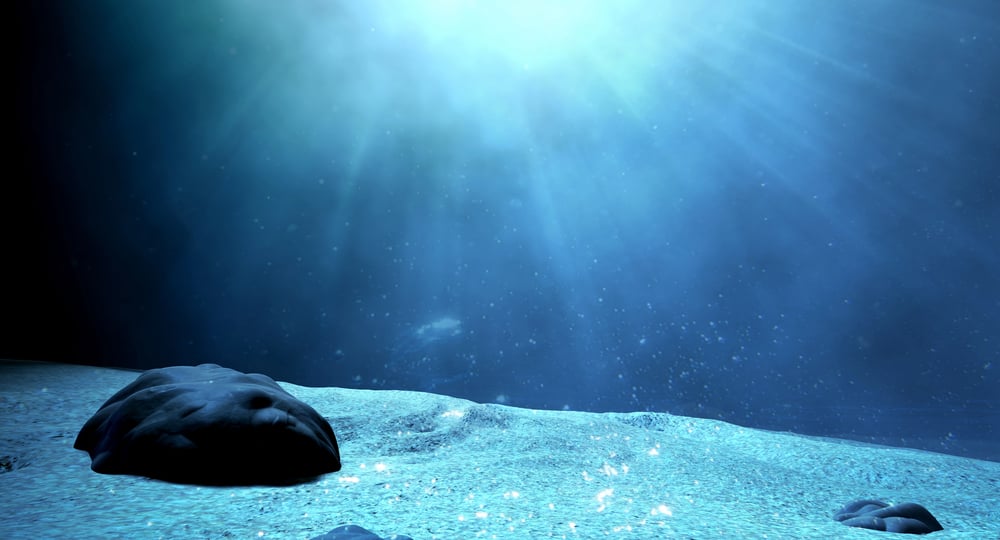
These discoveries remind us that the ocean floor is more than a graveyard for human objects — it’s a museum of unexpected encounters between civilization and nature. Each strange artifact tells a story that began on land, in someone’s hands, as part of someone’s life.
The locomotive engineer who planned to drive that 1850 steam engine across frozen Superior never imagined it would become an underwater monument. The Roman merchants who loaded those bronze warriors onto ships couldn’t have known their cargo would outlast the empire itself.
Perhaps what makes these discoveries so compelling isn’t their strangeness, but their familiarity. These are objects we recognize, things that once served everyday purposes in everyday lives.
Finding them in the most alien environment on our planet creates a bridge between the mundane and the miraculous, between the world we know and the world we’re still discovering, one impossible artifact at a time.
More from Go2Tutors!

- The Romanov Crown Jewels and Their Tragic Fate
- 13 Historical Mysteries That Science Still Can’t Solve
- Famous Hoaxes That Fooled the World for Years
- 15 Child Stars with Tragic Adult Lives
- 16 Famous Jewelry Pieces in History
Like Go2Tutors’s content? Follow us on MSN.