16 Nostalgic Web Browser Games Before Smartphones
Remember when boredom meant opening a web browser and hunting for that perfect game to kill time? Before smartphones turned everyone into casual gamers, the internet was a treasure trove of simple, addictive browser games that could consume entire afternoons.
These weren’t sophisticated productions with million-dollar budgets — they were clever, creative time-wasters that somehow felt more genuine than anything available today. The beauty of browser games wasn’t their graphics or sound effects.
It was their accessibility. No downloads, no installations, no storage concerns.
Just point, click, and play. They lived in that perfect sweet spot between too simple and too complicated, offering just enough challenge to keep you coming back without demanding your entire evening.
RuneScape
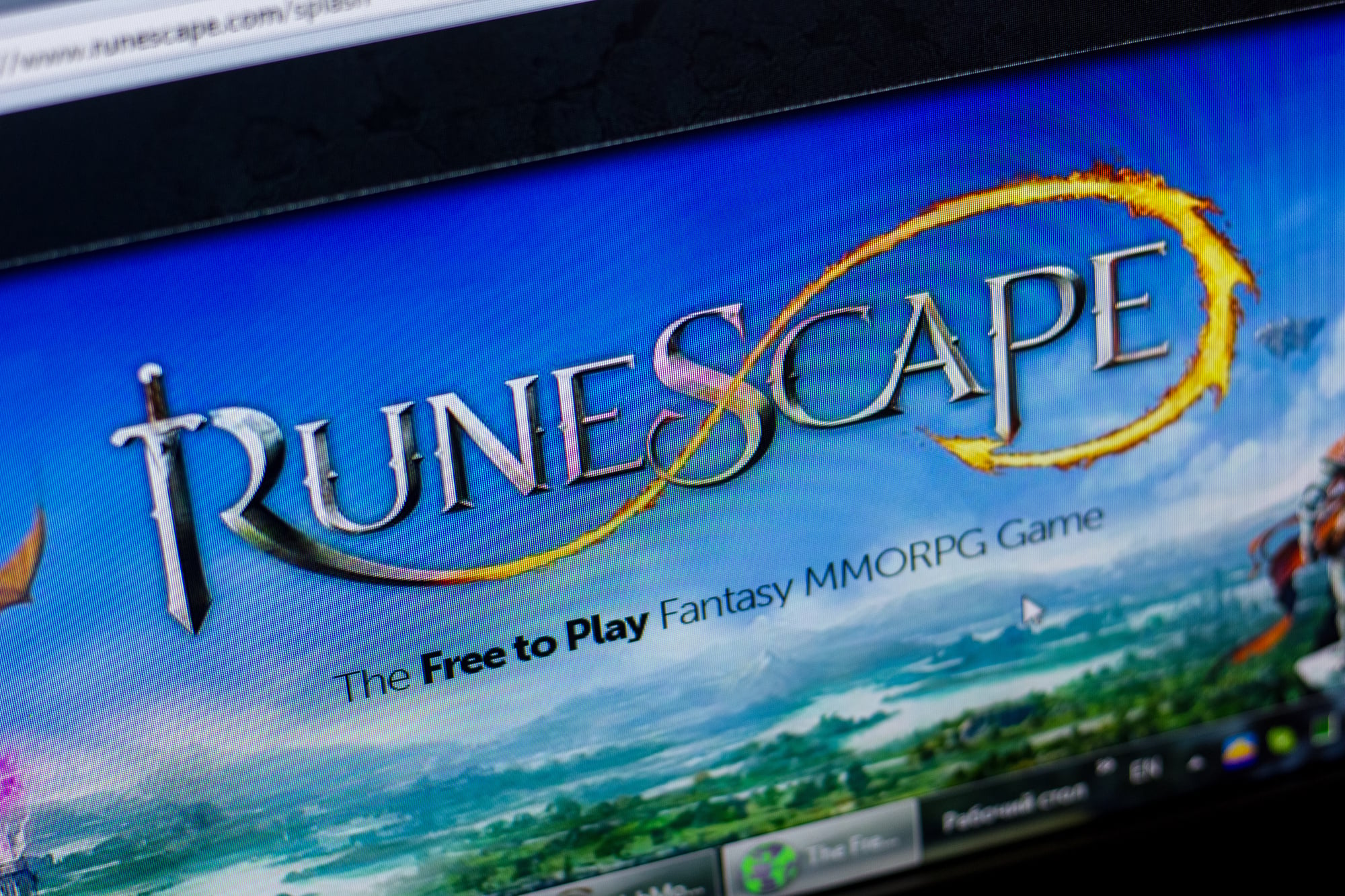
RuneScape dominated school computer labs for good reason. The medieval fantasy world offered genuine depth without requiring any software installation — just a Java plugin and patience for the loading screen.
What set RuneScape apart was its commitment to being a real MMO experience. Players could spend months leveling up skills like woodcutting and fishing, activities that shouldn’t have been entertaining but somehow were. The game respected your time investment in ways that modern mobile games actively resist.
Flash Flash Revolution

Dance Dance Revolution for people without arcade access or living room space. Flash Flash Revolution turned your keyboard into a rhythm game controller, demanding split-second timing as arrows cascaded down the screen.
The game attracted a devoted community that uploaded custom songs and competed for high scores on impossible difficulty levels. Players developed finger techniques that looked more like typing exercises than gaming, but the satisfaction of nailing a perfect combo on a brutal track was undeniable.
Club Penguin

Disney’s Club Penguin understood something fundamental about online spaces that most companies miss: children want to feel sophisticated while still being protected. The game created a virtual world where kids could decorate igloos, adopt pets, and participate in seasonal events without encountering anything genuinely concerning (though the infamous “tip the iceberg” conspiracy theories were genuinely concerning to some players, who spent countless hours coordinating mass jumping sessions that never actually tipped anything).
And the mini-games weren’t throwaway distractions — Cart Surfer and Jet Pack Adventure had surprising depth for what was essentially a chat room with penguin avatars. So did the seasonal parties, which transformed familiar locations into elaborate themed environments. But the real magic lived in the small interactions: waddling around with friends, customizing your igloo just so, sending postcards that felt important even when they said nothing at all.
The community moderation was legendary for keeping the space genuinely kid-friendly while still allowing personality to emerge through creative workarounds for the chat restrictions. Players developed elaborate communication systems using emotes and strategic movements that felt like secret languages.
Stick War
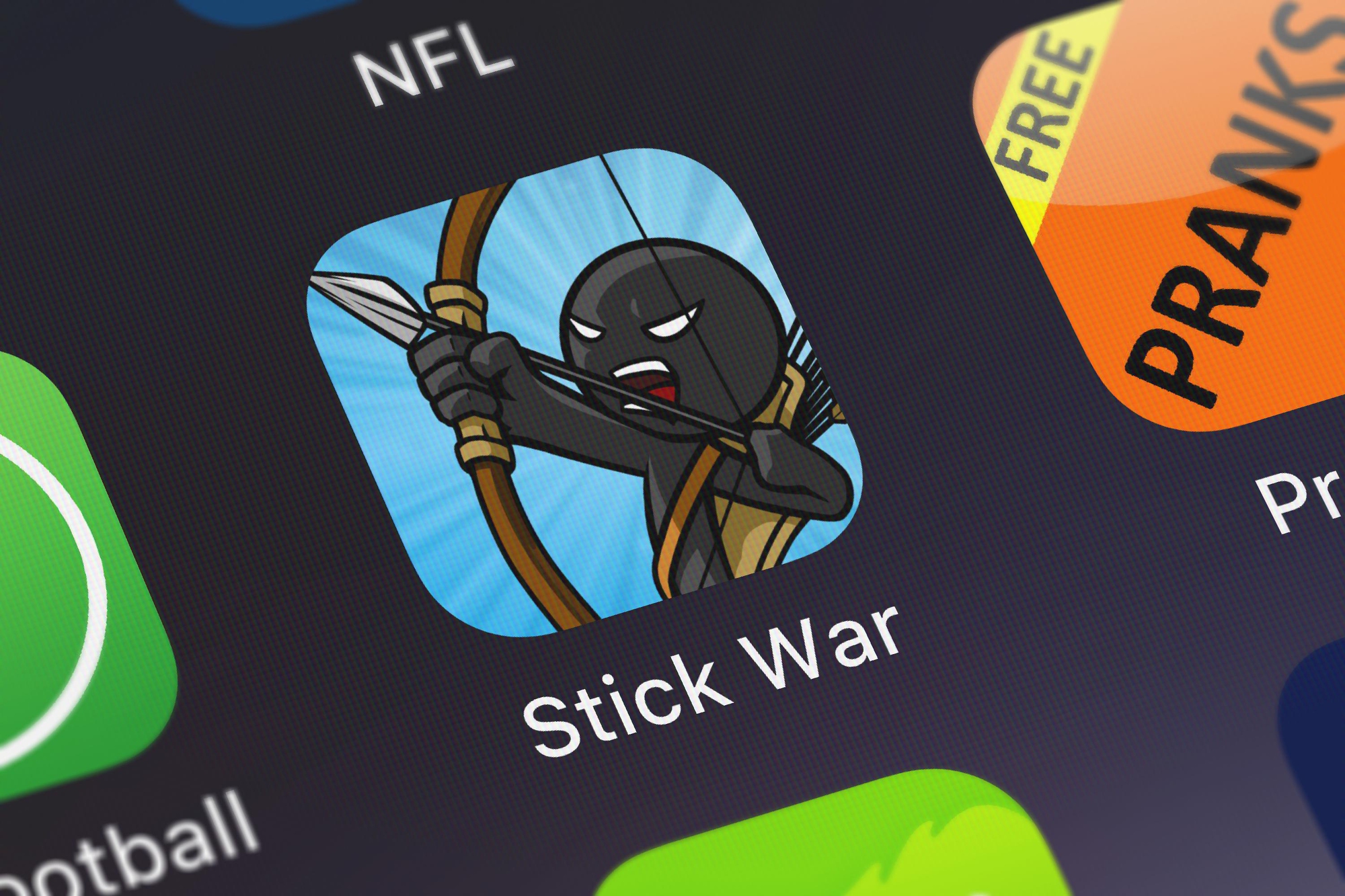
Strategy games don’t need complex graphics to create tension. Stick War proved that simple animations and smart gameplay mechanics could deliver the same strategic satisfaction as much more elaborate productions.
Managing resources while commanding armies of stick figures felt surprisingly engaging. The game demanded actual strategic thinking — rushing early attacks rarely worked, but waiting too long meant facing overwhelming enemy forces. Victory required patience and planning, traits that most browser games actively discouraged.
Territory War
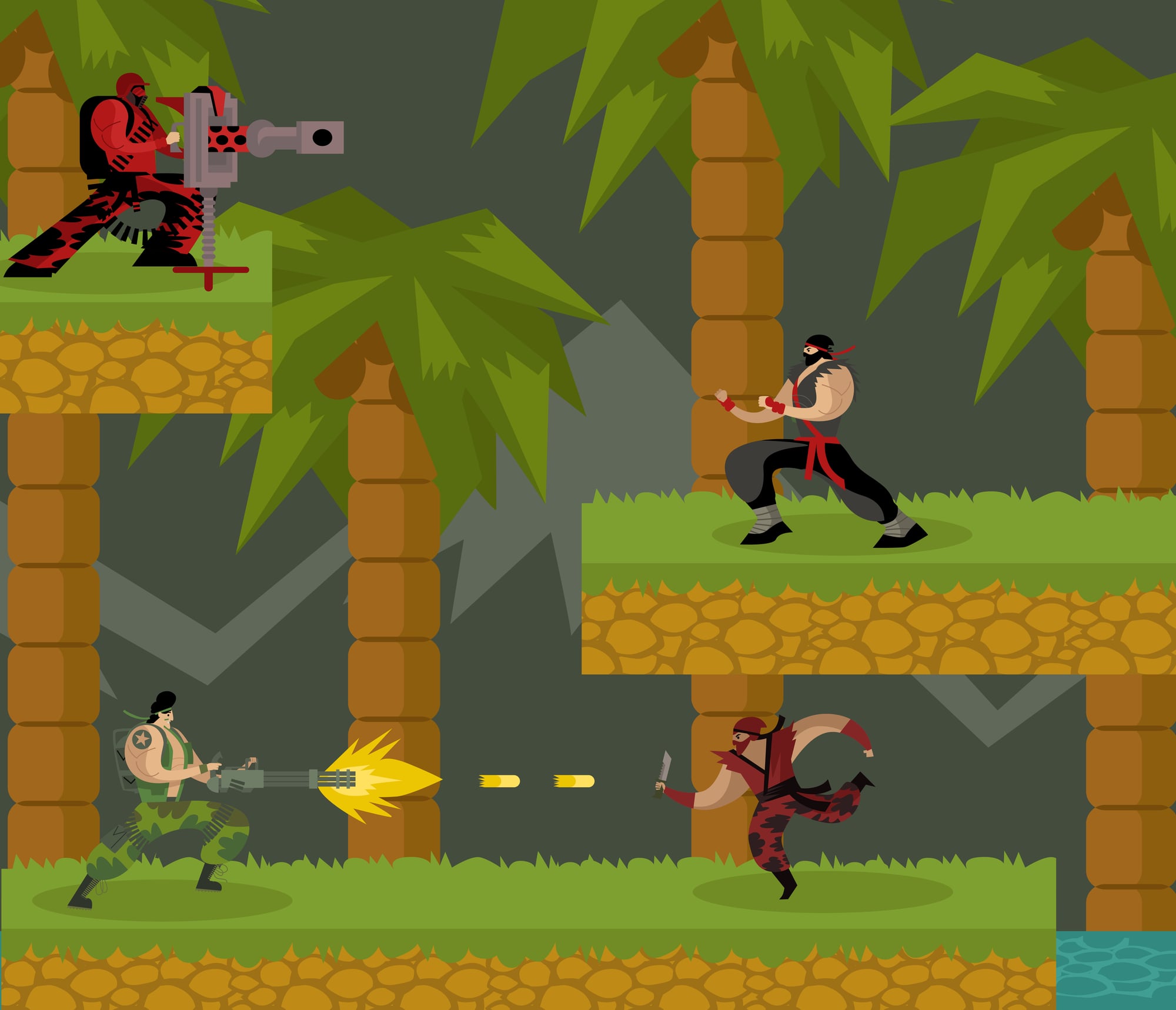
Turn-based combat games thrive on anticipation. Territory War built entire matches around that moment of aiming your shot and hoping the physics calculations worked in your favor.
The weapon variety kept matches unpredictable. Grenades bounced off walls in satisfying arcs, while sniper rifles demanded precise aim under pressure.
Each turn carried weight because mistakes were permanent and spectacular failures were often more memorable than victories.
Bloons Tower Defense

There’s something deeply satisfying about placing towers and watching them systematically destroy waves of balloons (and anyone who spent significant time with this series knows that “balloons” hardly describes the later enemies, which included ceramic fortresses and metal blimps that required serious strategic planning to defeat). The progression felt earned rather than purchased — each new tower type and upgrade represented time invested and lessons learned.
The game respected players who studied enemy patterns and tower synergies, rewarding careful planning over quick reflexes. And the difficulty curve was genuinely masterful, introducing new concepts gradually while maintaining that “just one more wave” momentum that defined the best tower defense experiences.
But what made it special was the way it balanced simplicity with depth — anyone could place a dart monkey and start popping balloons, but mastering the advanced strategies required genuine understanding of range calculations, damage types, and economic efficiency.
Line Rider

Physics playgrounds reveal something essential about human nature: given the tools to create, most people will build elaborate contraptions just to watch them work. Line Rider handed players a pencil and a sledder, then stepped back to see what happened.
The game had no objectives, no scoring system, no progression mechanics. Just pure creative expression through physics simulation.
Players spent hours crafting elaborate courses that sent their sledder through impossible loops and death-defying jumps, sharing creations that felt more like performance art than gaming achievements.
Helicopter Game

Simple concepts executed flawlessly create their own genre. Helicopter Game demanded only one action — clicking to make the helicopter rise — but turned that limitation into pure concentrated challenge.
The margins for error were ruthless. Success required developing an almost meditative rhythm, clicking with just the right frequency to navigate increasingly narrow passages. Failure was instant and absolute, but restarting took seconds.
That combination of unforgiving gameplay and immediate retry access created an addictive loop that defined the best browser games.
Stick Cricket

Cricket simulations typically require understanding complex rules and strategies, but Stick Cricket distilled the sport down to its most essential element: timing your swing perfectly to send the orb flying. The batting mechanics felt authentic despite their simplicity.
Different shots produced different trajectories, and reading the bowler’s delivery became second nature after enough practice. High scores felt earned rather than lucky, and the pressure of maintaining a good run rate added genuine tension to each delivery.
Fancy Pants Adventure

Platform games live and die on their movement mechanics. Fancy Pants Adventure understood that running and jumping needed to feel effortless and responsive before anything else mattered.
The hand-drawn animation style gave the character personality that transcended the simple graphics. Each level flowed naturally into the next, creating momentum that carried players through the entire experience without obvious stopping points.
The world felt cohesive and intentionally designed rather than procedurally generated.
N (The Way Of The Ninja)
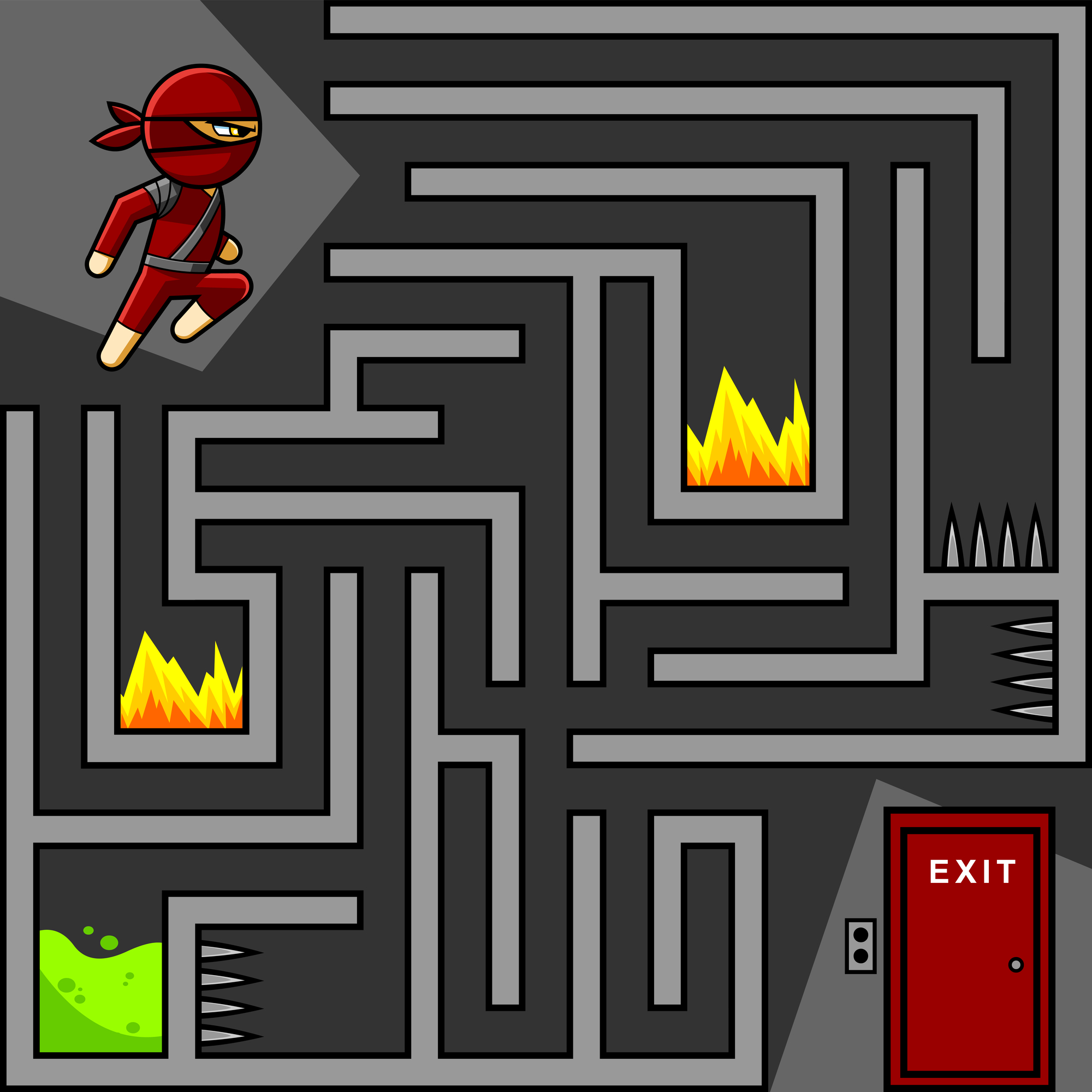
Precision platformers test patience in ways that most games avoid (and N tested it relentlessly, demanding pixel-perfect jumps and frame-perfect timing on levels that seemed designed by someone who genuinely enjoyed watching players fail repeatedly at the same obstacle). But the physics system was so refined that failures always felt like learning opportunities rather than random punishment.
The ninja’s momentum and jumping arc followed consistent rules that players could master through practice. When everything clicked, completing a particularly brutal level sequence felt like genuine accomplishment rather than lucky timing.
Death was frequent and spectacular, but restarting was instant. That combination kept the difficulty from becoming frustrating — each attempt taught something new about the level’s rhythm and requirements.
Curveball
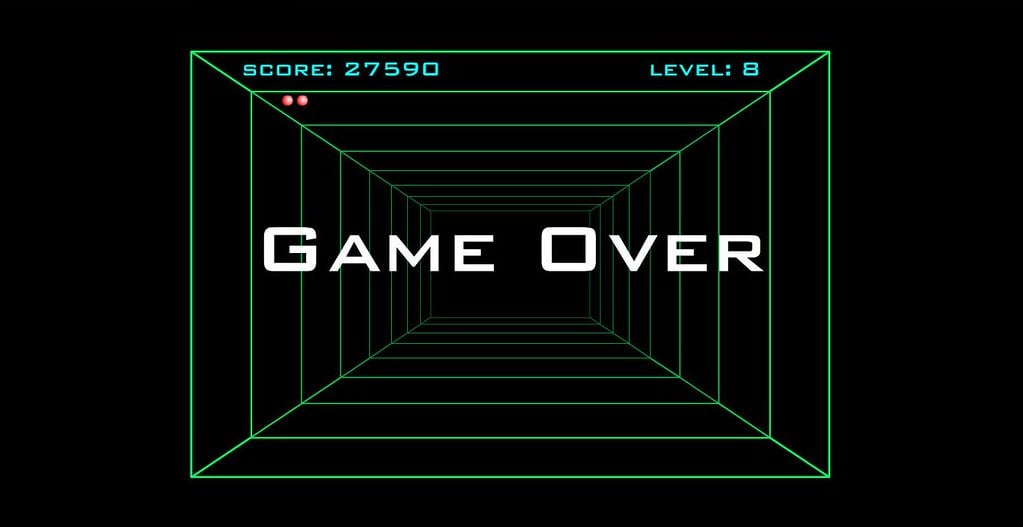
Pong evolved into something hypnotic when curves entered the equation. Curveball took the basic paddle-and-orb concept and added spin mechanics that transformed simple physics into something approaching art.
Matches developed their own rhythm as players learned to read and anticipate increasingly complex orb trajectories. The AI opponent provided consistent challenge without feeling unfair, and rallies could extend for minutes as both sides traded impossibly angled shots that somehow stayed in play.
Desktop Tower Defense
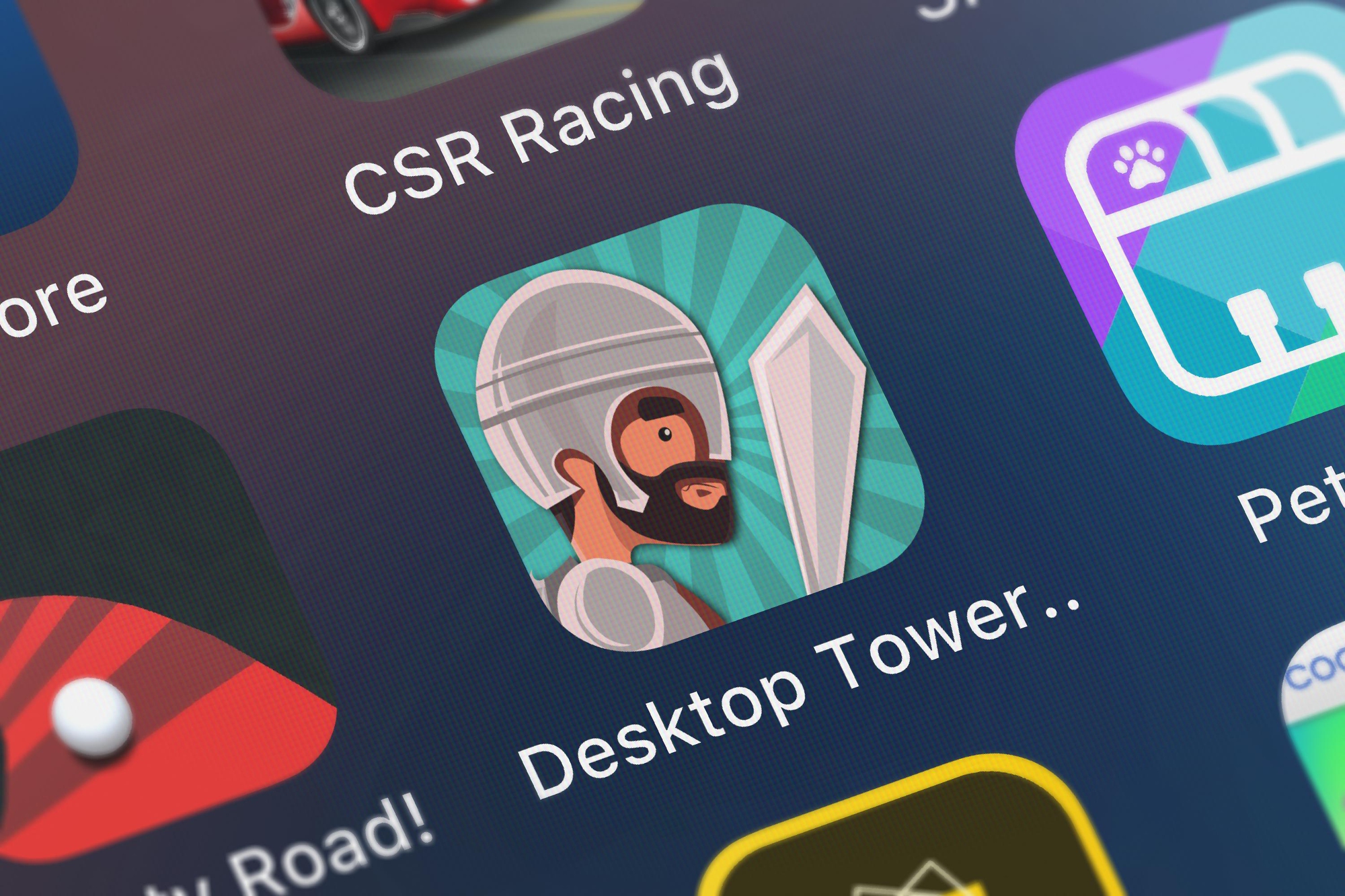
Tower defense games often overwhelm players with upgrade paths and special abilities, but Desktop Tower Defense proved that constraint breeds creativity. The limited selection of tower types forced players to think strategically about placement and timing rather than just buying the most expensive upgrades.
The desktop theme felt perfect for a browser game — defending your computer screen from invading enemies had a meta-quality that made the stakes feel both silly and important. Success required understanding each tower’s strengths and creating combinations that could handle the increasingly diverse enemy types.
Madness Interactive

Action games don’t need sophisticated graphics to create satisfying combat. Madness Interactive demonstrated that responsive controls and creative weapon variety could deliver the same visceral satisfaction as much more elaborate productions.
The stick figure violence had a cartoonish quality that kept the action light despite the constant gunfights and explosions. Each weapon felt distinct, and the physics system turned every encounter into a small experiment in cause and effect.
Bubble Shooter
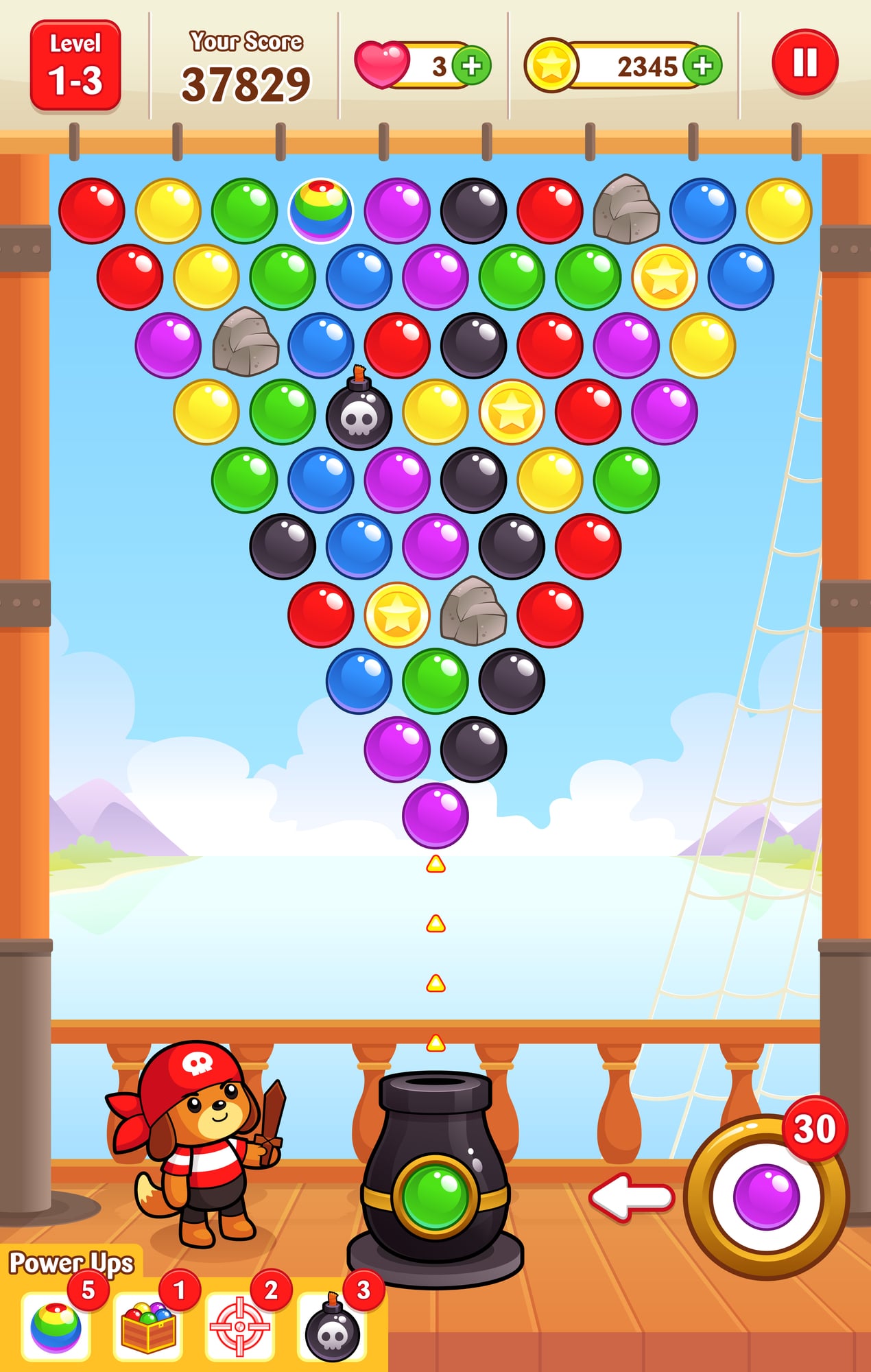
Match-three mechanics reach their purest form when stripped of themes and power-ups. Bubble Shooter offered nothing but colored bubbles and the simple goal of clearing the screen, yet somehow sustained the same addictive quality as much more complex puzzle games.
The physics of ricocheting shots off walls added a skill component that elevated the game beyond pure pattern recognition. Perfect shots required understanding angles and trajectories, but the forgiving collision detection meant that close attempts often worked out through happy accidents.
Motherload
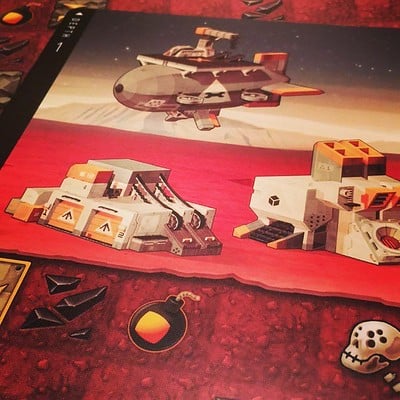
Mining games tap into something primal about discovery and progression. Motherload understood that the simple act of digging deeper and finding valuable resources could sustain hours of gameplay without requiring elaborate storylines or character development.
The upgrade system felt meaningful because each improvement directly enhanced the core gameplay loop. Better drills meant accessing deeper areas, while improved cargo capacity allowed for more efficient mining runs.
The underground world revealed itself gradually, maintaining that sense of exploration that defined the best browser gaming experiences.
When Simple Was Sophisticated
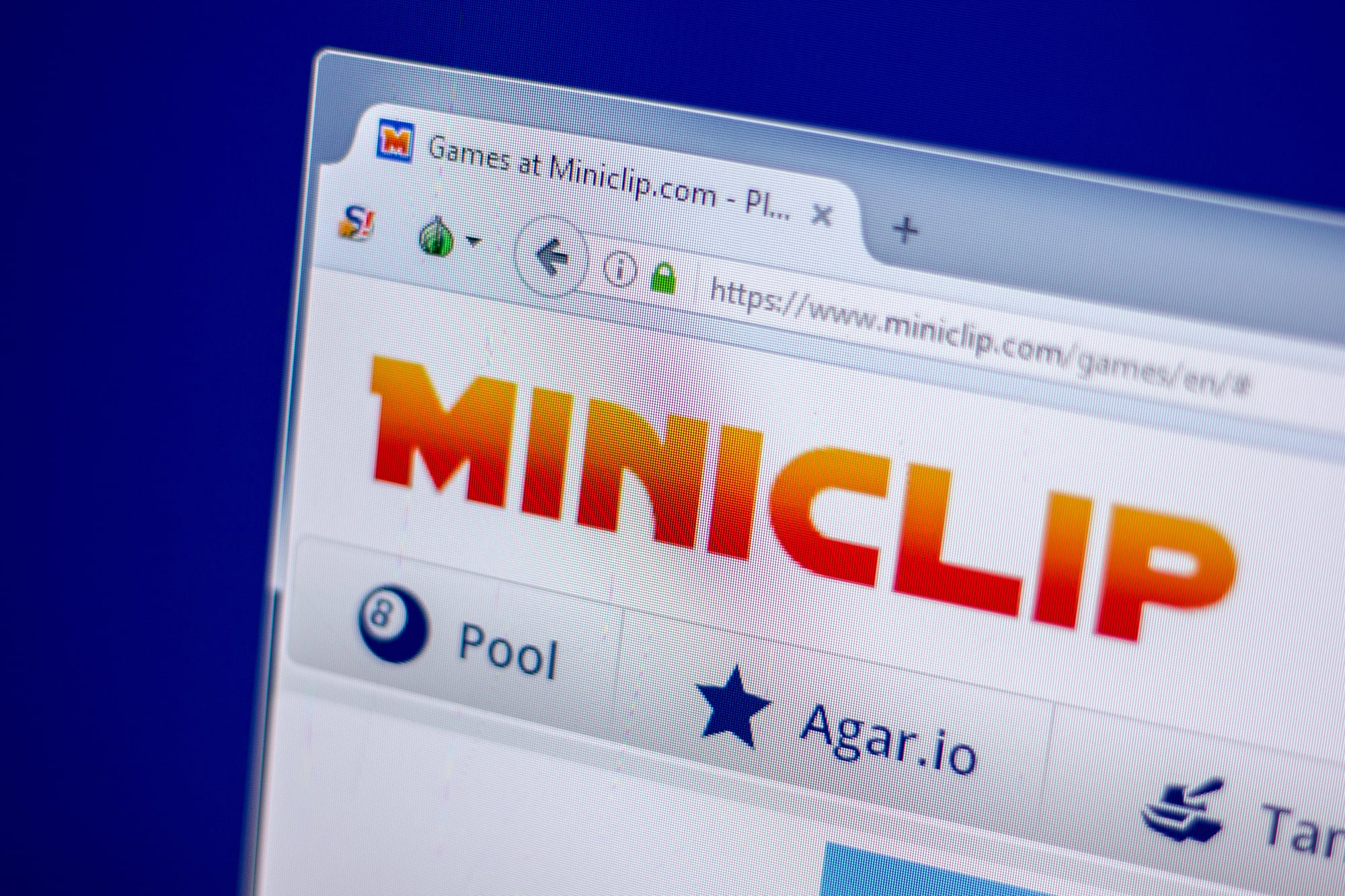
Those browser games succeeded because they respected both the medium and the player. They didn’t try to be console experiences crammed into web pages.
Instead, they embraced the constraints of browser-based gaming and found creative solutions within those limitations. No lengthy tutorials, no complex control schemes, no premium currency — just clever ideas executed with care and attention to what made them actually fun to play.
The best browser games understood that engagement didn’t require elaborate graphics or complex systems. They needed responsive controls, clear objectives, and that indefinable quality that made players think “just one more try” long after they should have moved on to more important things.
More from Go2Tutors!

- The Romanov Crown Jewels and Their Tragic Fate
- 13 Historical Mysteries That Science Still Can’t Solve
- Famous Hoaxes That Fooled the World for Years
- 15 Child Stars with Tragic Adult Lives
- 16 Famous Jewelry Pieces in History
Like Go2Tutors’s content? Follow us on MSN.