Haunting Mysteries of the Hollywood Golden Age
Hollywood’s Golden Age glittered with carefully manufactured perfection, but beneath the studio system’s polished surface lurked secrets that continue to fascinate decades later. Stars who seemed immortal on screen vanished under mysterious circumstances.
Powerful executives buried scandals with the efficiency of mob bosses. And sometimes, the line between publicity stunts and genuine tragedy became so blurred that even today, nobody knows where the performance ended and real life began.
The era’s mysteries feel different from modern celebrity scandals. They’re wrapped in the kind of deliberate ambiguity that only a system built on illusion could create.
Thelma Todd’s Final Night
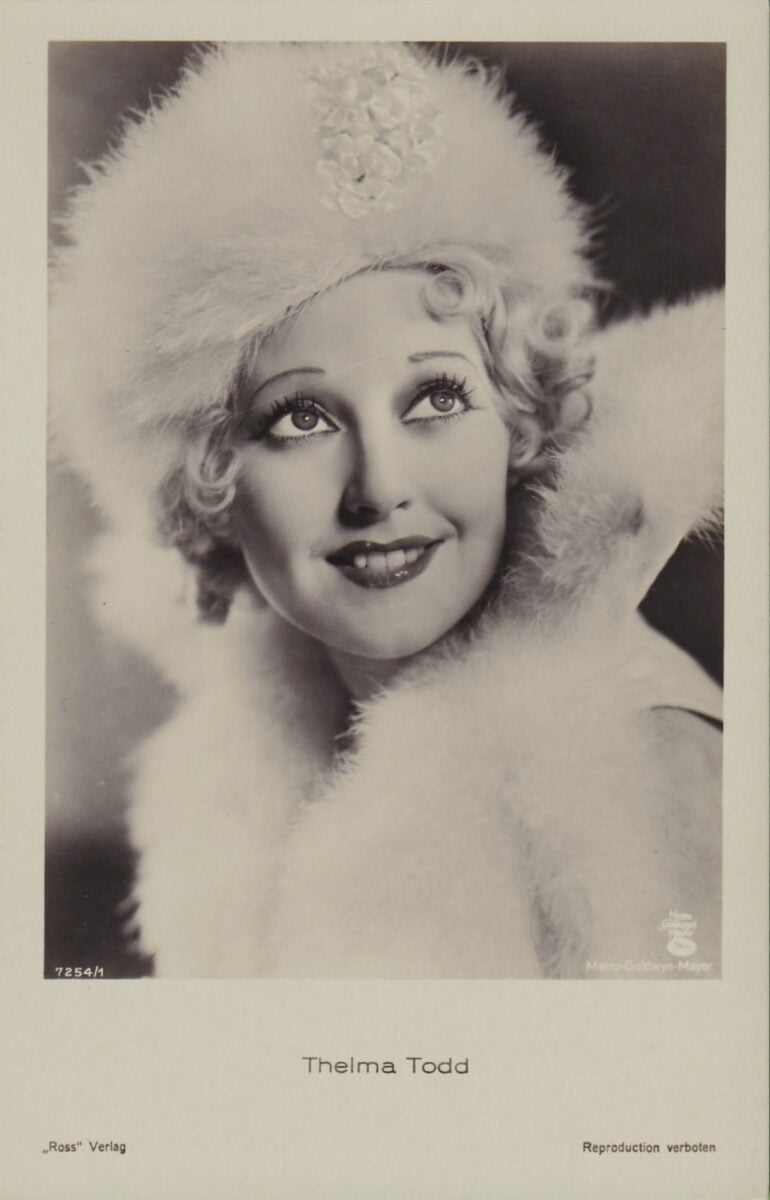
The era’s mysteries feel different from modern celebrity scandals. They’re wrapped in the kind of deliberate ambiguity that only a system built on illusion could create. Thelma Todd was found dead in her car on December 16, 1935.
Carbon monoxide poisoning. The garage door was closed, the engine was running.
And the blonde comedienne who’d made audiences laugh in dozens of films. Would never wake up again.
The official ruling was self-harm. Case closed.
Except nothing about that night made sense and still doesn’t.
Jean Harlow’s Rapid Decline
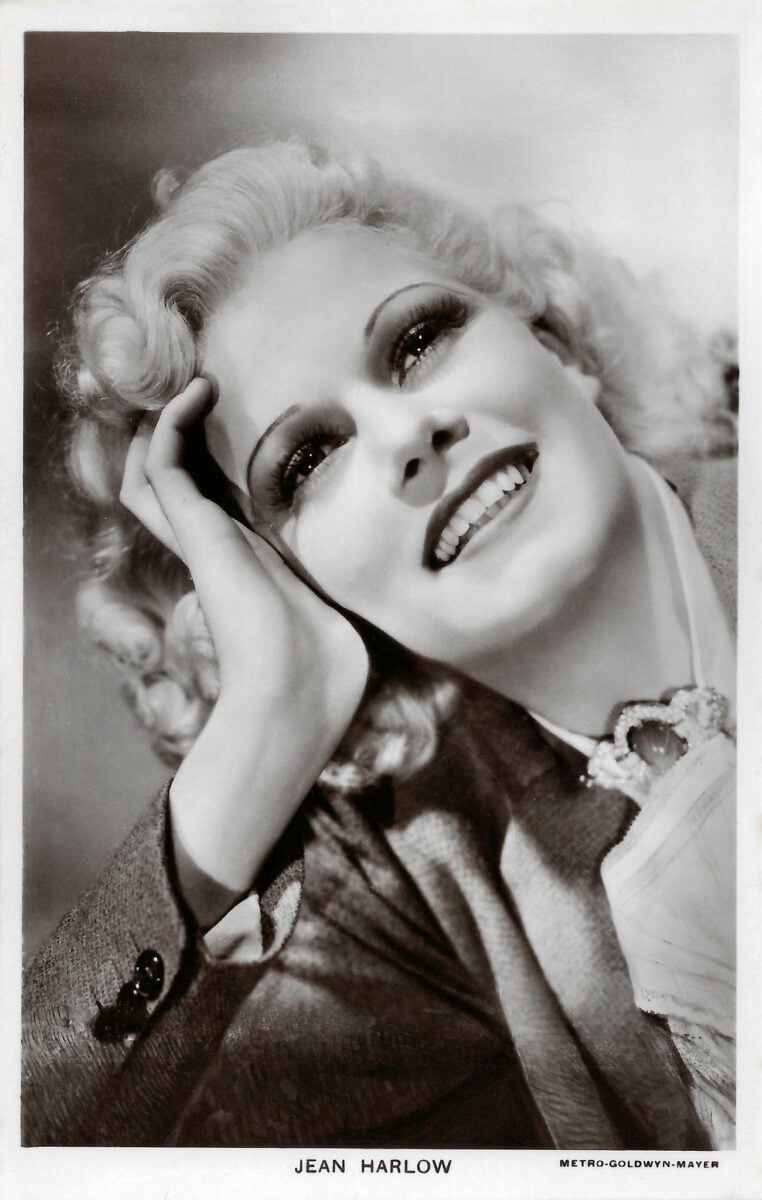
The story gets more complex when you consider that Harlow’s mother was a Christian Scientist who reportedly refused conventional medical treatment for her daughter (though Harlow herself wasn’t a believer, the influence was there, creating confusion about what care she actually received). So while the world watched America’s original platinum blonde waste away at 21, the exact cause remained frustratingly unclear – was it kidney failure, as officially stated, or something more sinister involving the men who surrounded her, including her stepfather who stood to inherit her estate, or the studio executives who worked her relentlessly even as she grew visibly ill?
The timeline doesn’t quite add up: Harlow complained of fatigue and pain for weeks, but MGM kept her working. And when she finally collapsed on set, the delay in getting proper medical attention (whether due to her mother’s beliefs, studio interference, or simple medical incompetence of the era) meant that by the time she reached the hospital, it was already too late.
And yet. The speed of her decline still strikes doctors as unusual.
Her death certificate lists uremia, but the whispers never stopped. Some claimed poisoning.
Others pointed to a botched abortion. The truth died with her, leaving only questions that feel heavier than they should.
Thomas Ince’s Yacht Party
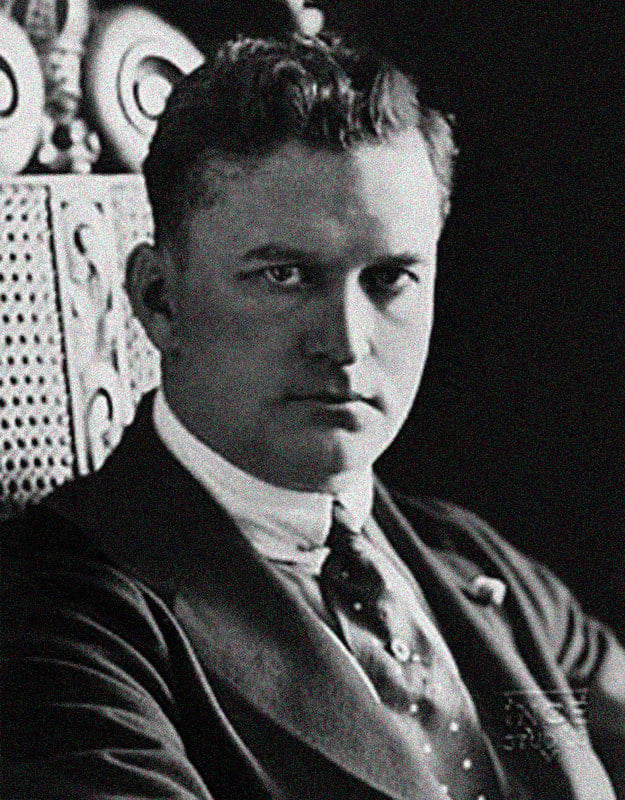
Picture this: you’re watching a chess match where half the pieces have been removed from the board, and someone keeps insisting the game makes perfect sense. That’s what trying to understand Thomas Ince’s death feels like.
The pioneering film producer died in November 1924, shortly after attending a party on William Randolph Hearst’s yacht.
The official story was heart failure brought on by indigestion. The unofficial story was that Hearst shot him, either intentionally or while aiming for Charlie Chaplin, whom Hearst suspected of having an affair with his mistress, Marion Davies.
The chess pieces that remain: Ince was rushed off the yacht. A doctor who hadn’t examined the body signed the death certificate.
There was no autopsy. Ince’s widow received a mysterious trust fund that kept her comfortable for life.
Every guest on that yacht kept their mouth shut until they died.
The Dahlia’s Last Week
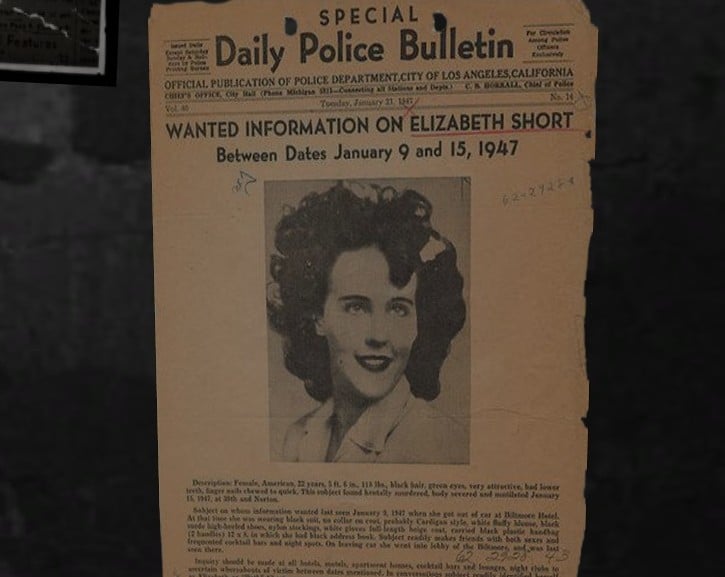
Elizabeth Short wasn’t technically a Golden Age star. She was 22, aspiring, and her murder in January 1947 became more famous than any role she might have landed.
The Black Dahlia case represents everything dark about Hollywood’s dream factory. Short had come to Los Angeles with the same hopes as thousands of other young women, but instead of finding stardom, she found someone who tortured and killed her with a precision that suggested medical knowledge.
Her body was found cut in half, drained of blood. Posed like a discarded mannequin.
The killer had clearly spent time with her after death. The case generated over 150 suspects and exactly zero convictions.
George Reeves and the Single Bullet
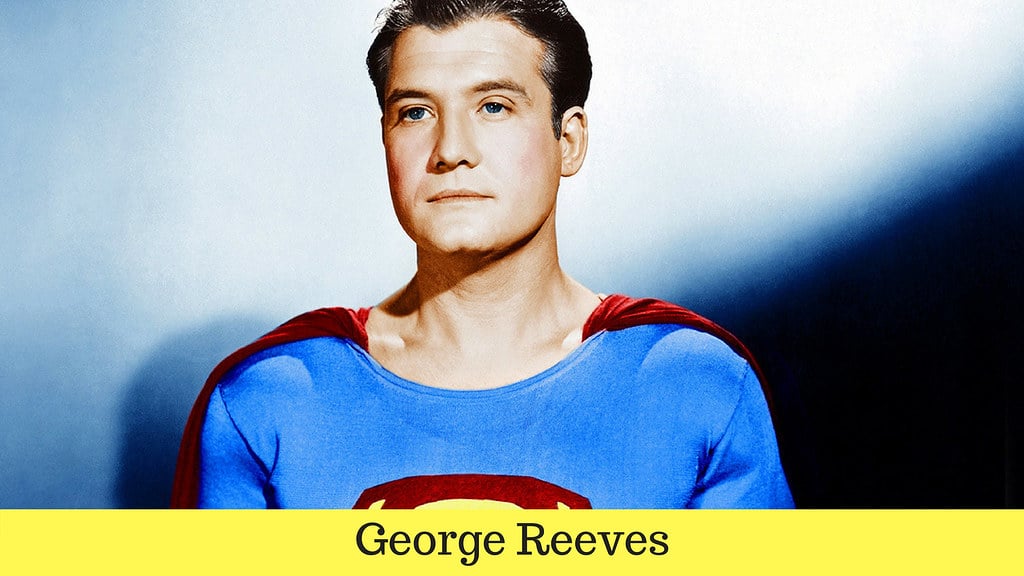
Superman couldn’t fly in 1959. George Reeves, who’d played the Man of Steel on television, was found shot dead in his Beverly Hills home on June 16.
The gun was a .38 caliber revolver. The wound was to his head.
His fiancée and two guests were downstairs when it happened. The official ruling was self-harm, but Reeves had shown no signs of depression.
He’d been excited about upcoming projects, including directing assignments. He’d ordered a new car.
The trajectory of the bullet was wrong for a self-inflicted wound. There were no powder burns on his hands.
His mother hired a private investigator who uncovered evidence of an affair with the wife of MGM executive Eddie Mannix. The investigator believed Mannix had Reeves killed.
The case was quietly closed anyway.
Marilyn Monroe’s Lost Hours
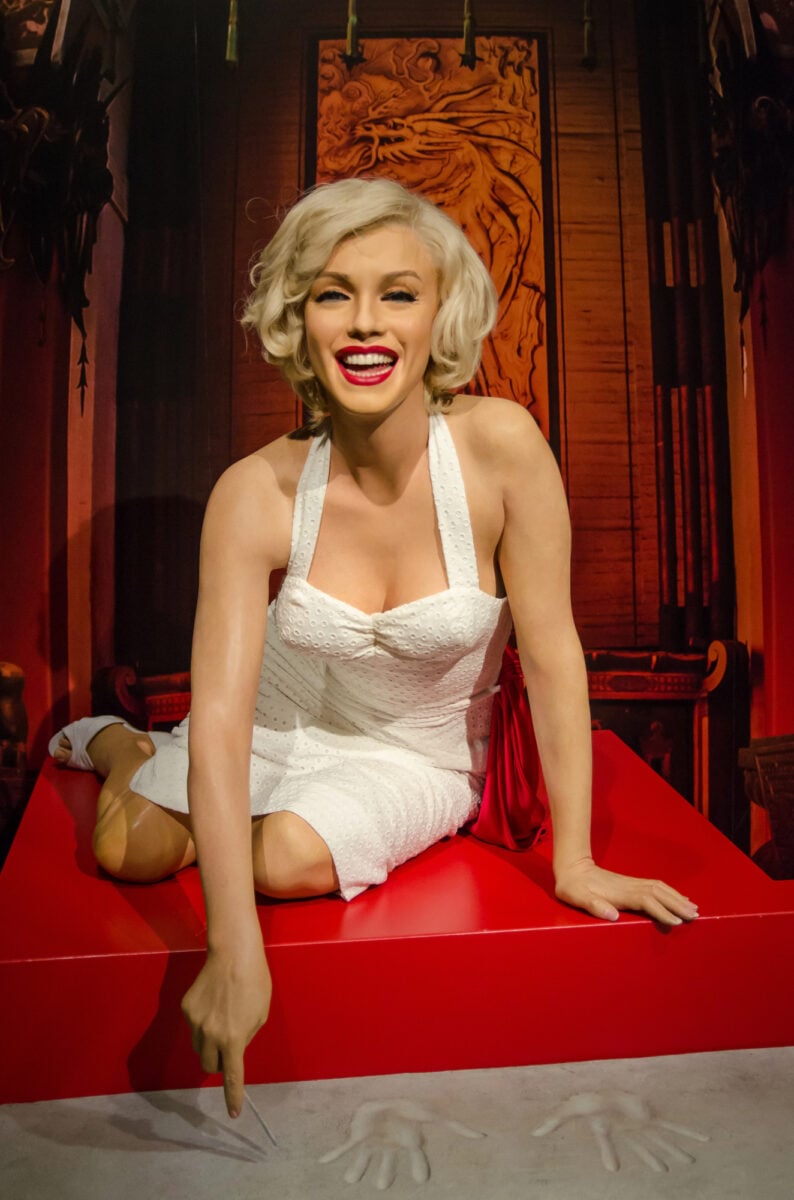
Monroe’s death reads like a story where someone tore out the final chapter and scattered the pages (and despite decades of investigation, those missing hours between her last verified phone call and the discovery of her body remain as blank as they were in 1962, which is saying something given how thoroughly every other aspect of her life was documented, dissected, and commodified).
The timeline that night makes no sense: she spoke to multiple people by phone. Sounded fine to some, distressed to others.
And then… nothing until her housekeeper found her the next morning, though the housekeeper’s story about when exactly she found the body kept changing, and the delay in calling the police was never adequately explained.
But here’s what bothers people most: the complete absence of pill residue in Monroe’s stomach. Despite the massive amount of barbiturates in her bloodstream.
Pills don’t dissolve that completely, that quickly. So either she took them hours before anyone realized she was in trouble, or they entered her system by some other means.
The missing hours that night feel deliberately erased. Like someone took great care to ensure that whatever happened between Monroe’s last phone call and her death would never be known.
Natalie Wood’s Final Voyage
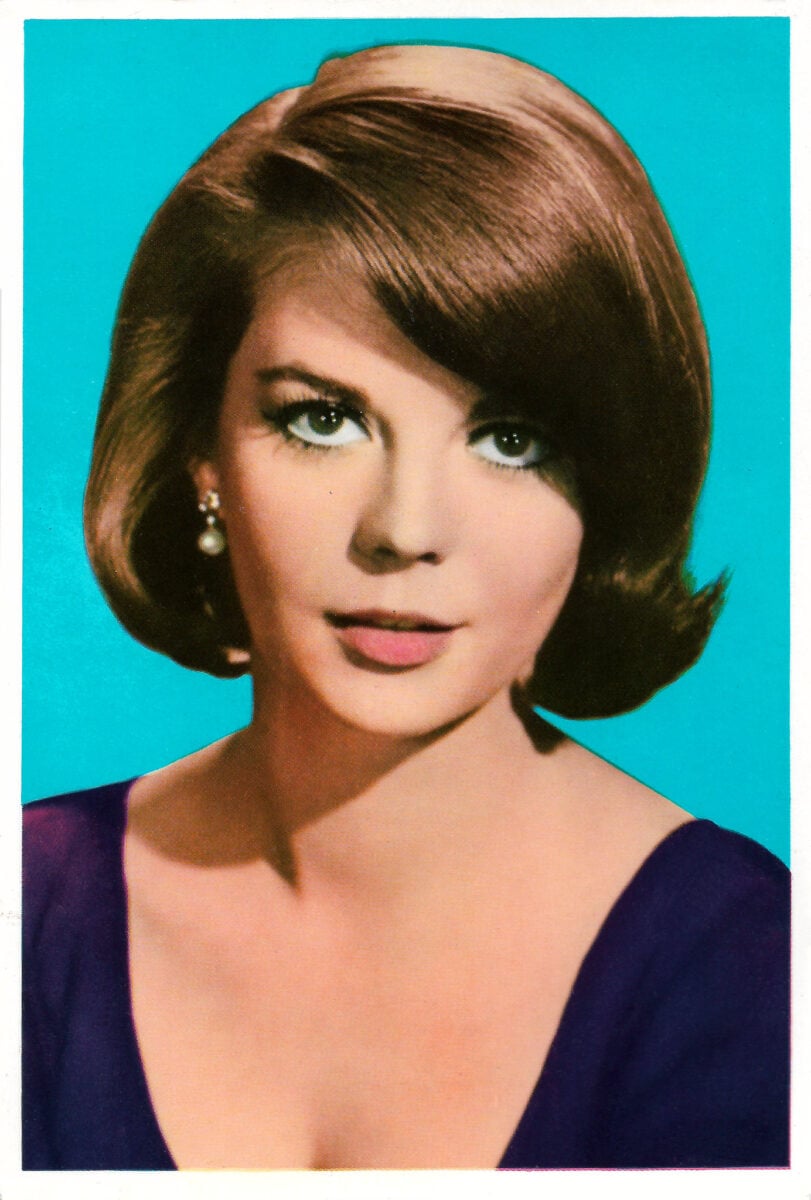
Wood couldn’t swim. This wasn’t a secret – she’d been terrified of water since childhood and rarely went near it. Which makes her drowning off Santa Catalina Island in November 1981 all the more haunting.
She was on a yacht with her husband Robert Wagner and their friend Christopher Walken. The three had been drinking and arguing.
Wood went to bed. Later, she was found floating in the ocean, wearing a nightgown and down jacket.
Wagner said she must have tried to retie the yacht’s dinghy and fallen in. But Wood was afraid of water – why would she go near it alone, at night, while intoxicated?
The dinghy was found with the ignition key in the off position. But the gear was in neutral, suggesting someone had tried to start it.
The Fatty Arbuckle Trials
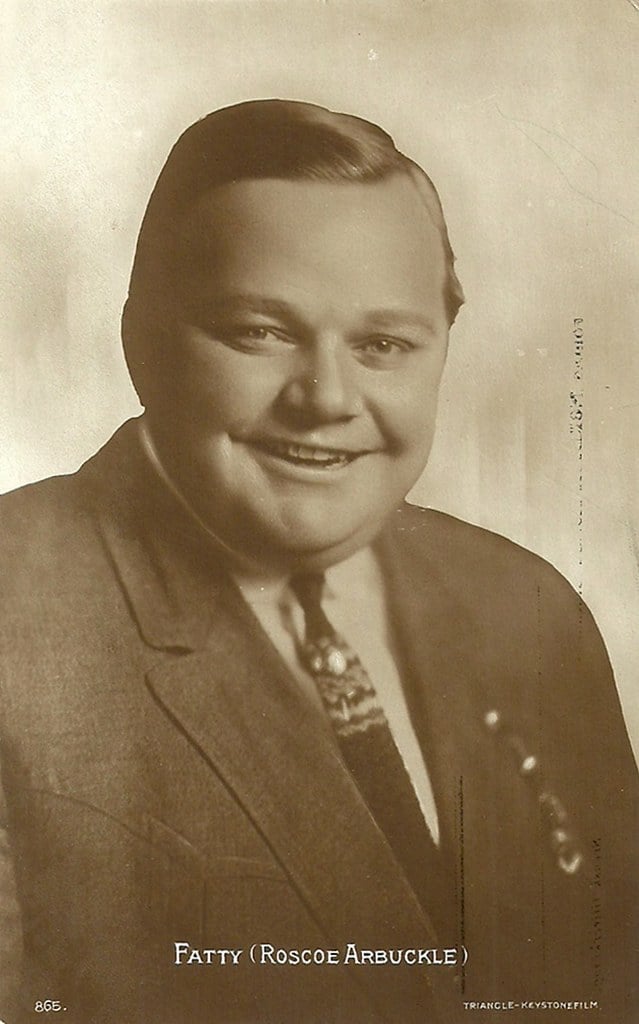
Roscoe “Fatty” Arbuckle’s career ended at a hotel party in San Francisco. Virginia Rappe died there in September 1921.
She’d been found in Arbuckle’s room, injured and hysterical. Three days later, she was dead from a ruptured bladder.
The prosecution claimed Arbuckle had assaulted her with such violence that her bladder burst. The defense argued she’d been drinking heavily and had a history of bladder problems.
Three trials later – two ended in hung juries, the third in acquittal – Arbuckle was technically cleared but professionally destroyed.
The case reeked of publicity manipulation from the start. The district attorney was running for reelection and needed a high-profile conviction.
The press turned it into a circus. The truth about what happened in that hotel room died with Rappe, but it took Arbuckle’s career with it.
William Desmond Taylor’s Love Triangle
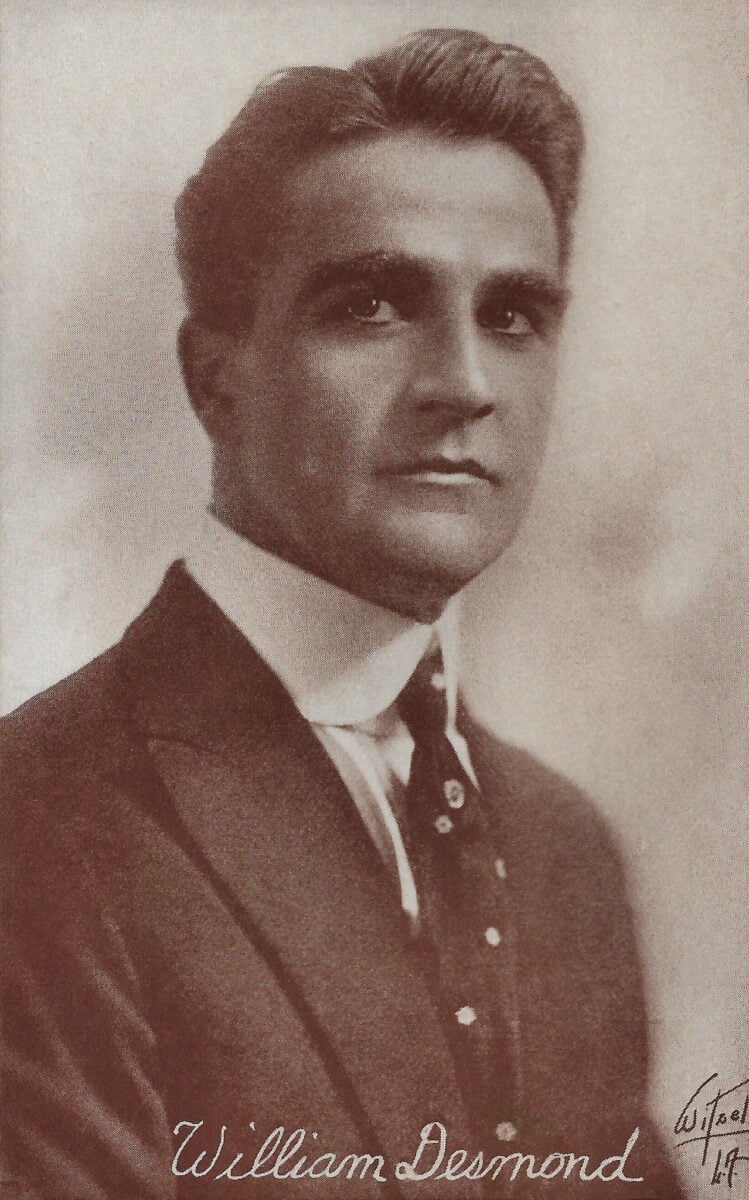
Taylor was found shot dead in his bungalow on February 1, 1922. The prominent director had been killed with a single bullet to the back.
His murder scene was contaminated by studio executives who arrived before police and removed potentially damaging evidence.
Two leading ladies were immediately suspected: Mabel Normand, who’d visited Taylor the night he died, and Mary Miles Minter, who’d been having an affair with the much older director.
Both had motives, both had opportunity, and both had powerful studios protecting them.
The case was never solved, but it destroyed Minter’s career and damaged Normand’s.
Taylor’s murder became Hollywood’s first major scandal, leading to the creation of the Motion Picture Production Code.
Sometimes a single bullet changes an entire industry.
Peg Entwistle’s Final Performance
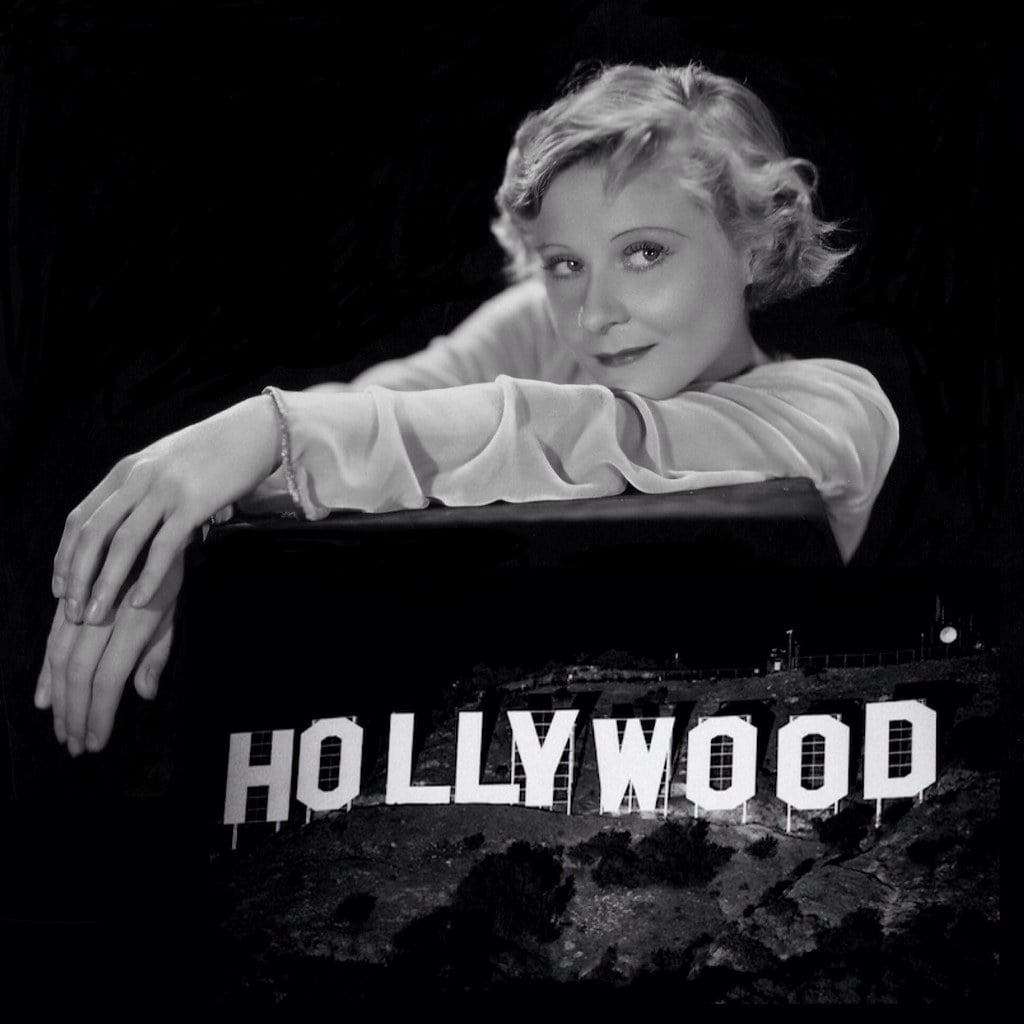
The Hollywood sign originally read “Hollywoodland.” It was an advertisement for a housing development, not a monument to dreams.
But on September 16, 1932, it became both when Peg Entwistle climbed to the top of the “H” and jumped.
Entwistle was 24, a stage actress who’d come to Hollywood for the movies.
She’d appeared in exactly one film, “Thirteen Women,” which was cut drastically before release.
Her role was reduced to almost nothing. Her career was over before it started.
Three days after her death, a letter arrived offering her a lead role in a play about a woman who commits self-harm.
The irony was so perfect it felt scripted, which maybe it was – Hollywood has always had trouble distinguishing between tragedy and publicity.
The Mysterious Death of Albert Dekker
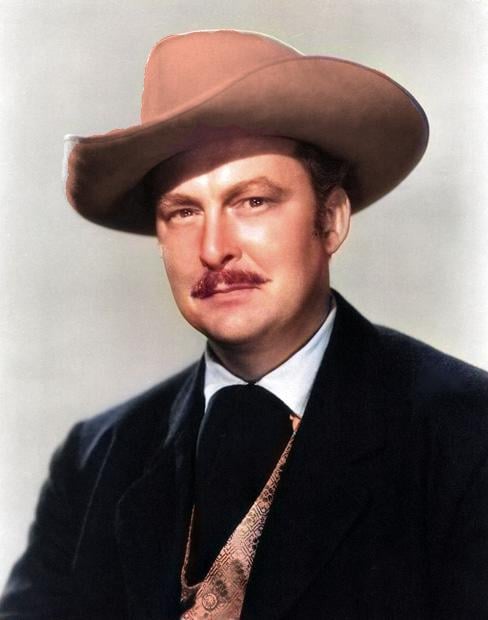
Dekker was found dead in his Hollywood bathroom in May 1968, but the circumstances were so bizarre they still defy explanation.
The character actor was discovered unclothed, hanging from a shower curtain rod, with hypodermic needles in his arms and obscene words written on his body in lipstick.
The official cause was autoerotic asphyxiation, but nothing about the scene supported that conclusion.
Dekker’s hands were bound. His eyes were blindfolded. Someone had injected him with drugs.
The apartment showed signs of a struggle. The case was closed quickly, almost suspiciously so.
Dekker had been involved in politics and had made enemies.
Some suspected organized crime. Others pointed to his complicated personal life.
The truth was buried with him, leaving only questions written in lipstick that nobody wanted to read.
Dorothy Stratten’s Hollywood Dream

Stratten came to Hollywood from Vancouver in 1979, discovered by a man who became her husband and manager.
She was 18, blonde, and destined for Playboy stardom. By 1980, she was Playmate of the Year and dating director Peter Bogdanovich.
Her husband Paul Snider couldn’t handle losing control of his creation. On August 14, 1980, he killed Stratten and then himself.
She was 20 years old.
The murder was straightforward enough, but what haunts people is how predictable it was.
Everyone around Stratten could see what Snider was becoming. The rage, the desperation, the possessiveness.
Hollywood watched a tragedy unfold in real time and did nothing to stop it.
The Wallace Reid Cover-Up
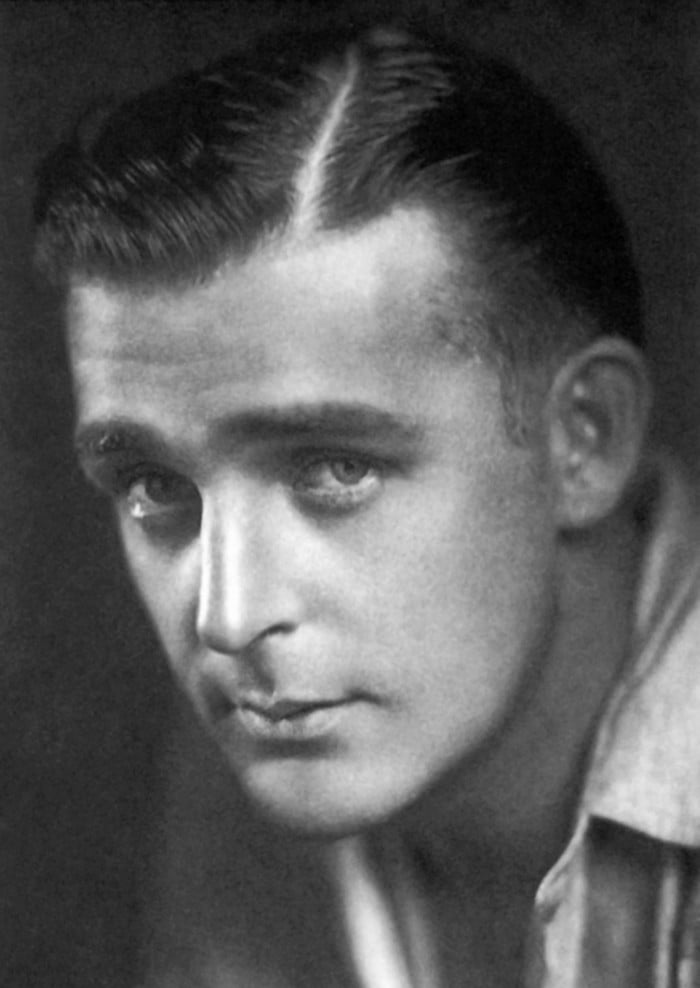
Reid was one of the biggest stars of the early 1920s, but by 1923 he was dead from morphine addiction at age 32.
The official story was that he’d become addicted to painkillers after a train accident during filming. The real story was that studios regularly gave amphetamines to actors to keep them working and morphine to help them sleep.
Reid’s death was one of Hollywood’s first drug casualties, but the studios worked overtime to present it as a tragic accident rather than an inevitable result of their practices.
His widow was paid to stay quiet. The press was managed.
The story was sanitized. Reid’s death changed nothing about how studios treated their stars.
It just made them better at hiding the consequences.
Ramon Novarro’s Final Scene
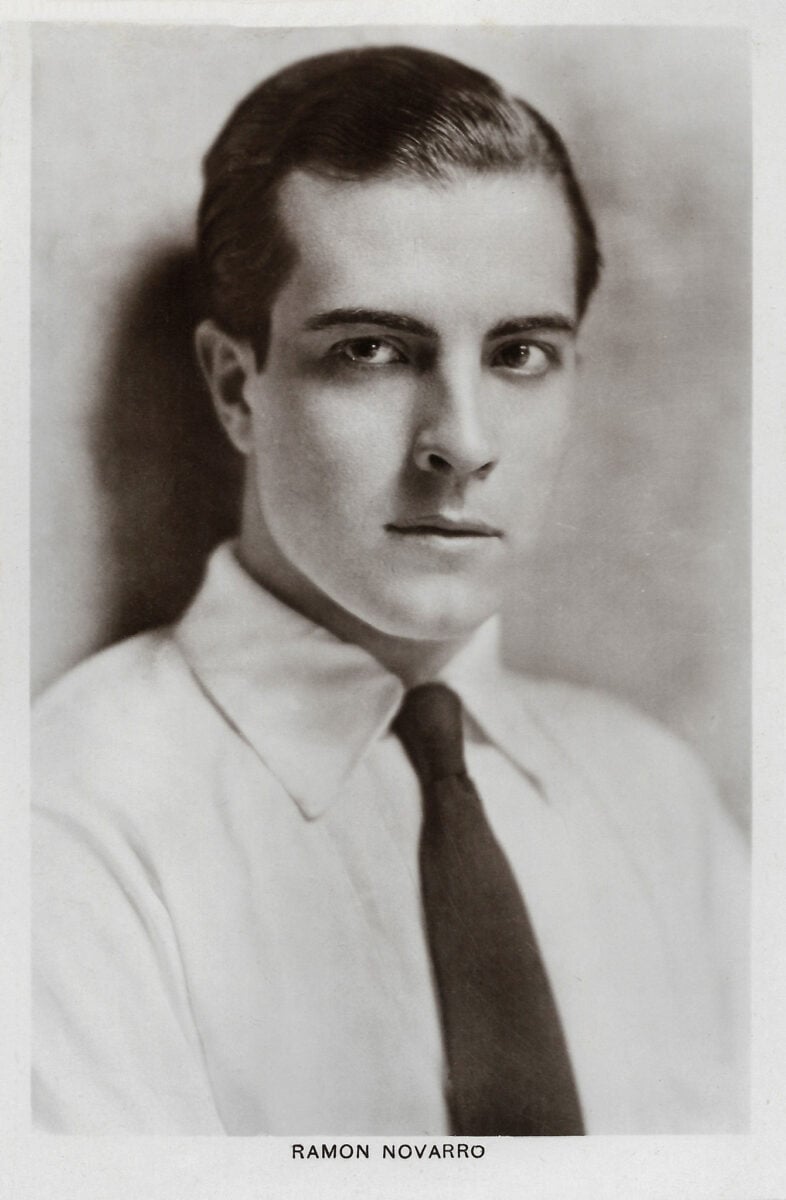
Novarro was 69 when he was murdered in his Hollywood Hills home in November 1968.
The silent film star had been tortured by two brothers who believed he kept large amounts of cash in his house. They were wrong. He had $45 in his wallet.
The murder was brutal and prolonged. Novarro was beaten with various objects, including a lead art deco dildo that belonged to him.
The killers left him to die, choking on his own blood.
The case was solved quickly – the brothers were caught and convicted.
But what made it a Hollywood mystery was the systematic effort to hide Novarro’s private life from the press.
He’d been closeted his entire career, and even in death, the old studio system’s reflexes kicked in to protect an image that no longer mattered.
Echoes in the Dark
These mysteries share something beyond their unsolved status – they reveal the machinery behind Hollywood’s golden facade. The studio system that created legends also created the perfect conditions for secrets to fester and truth to disappear.
When your entire industry is built on illusion, reality becomes negotiable. The haunting quality of these cases isn’t just their mystery, but their reminder that behind every carefully crafted star image was a real person navigating forces they couldn’t always control.
The Golden Age’s ghosts aren’t just the famous dead – they’re the stories that were never allowed to be told.
More from Go2Tutors!

- The Romanov Crown Jewels and Their Tragic Fate
- 13 Historical Mysteries That Science Still Can’t Solve
- Famous Hoaxes That Fooled the World for Years
- 15 Child Stars with Tragic Adult Lives
- 16 Famous Jewelry Pieces in History
Like Go2Tutors’s content? Follow us on MSN.