20 Rarest Gems Found On Earth
Most people know about diamonds, rubies, and emeralds. But the gemstone world extends far beyond these familiar names.
Some stones exist in quantities so small that even experienced collectors spend years searching for a single specimen. Others appear in locations so remote or conditions so specific that finding them feels more like archaeology than mining.
Rarity in gemstones comes from different factors. Sometimes it’s the chemical composition—elements that rarely combine in nature.
Other times it’s geological conditions that only occurred once or twice in Earth’s history. And occasionally, it’s simply that the deposits ran out long ago.
Painite
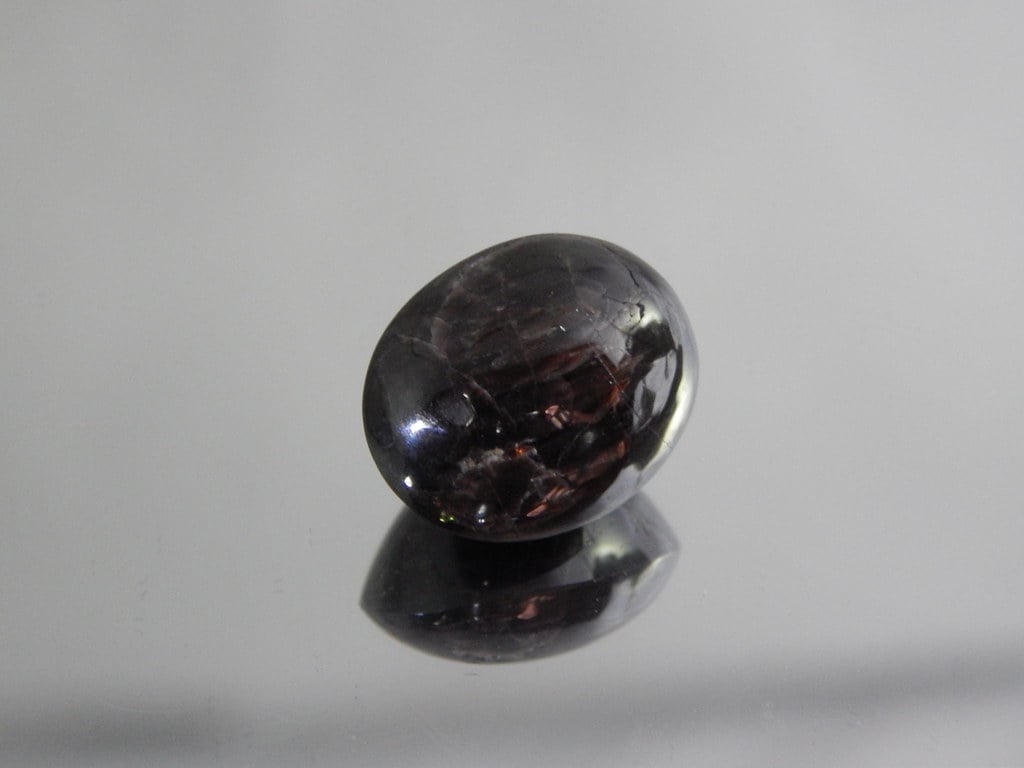
For decades, painite held the record as the rarest gem on the planet. Only two specimens existed until the 1990s.
The mineral forms in Myanmar under conditions geologists still don’t fully understand. The crystal structure combines boron, zirconium, and aluminum in ways that almost never happen naturally.
Today, a few thousand crystals exist, but gem-quality painite remains incredibly scarce. Most specimens contain too many inclusions or fractures to facet.
The color ranges from reddish-brown to orange-brown, and the best pieces show a pleochroism that shifts between different shades depending on the viewing angle.
Red Beryl
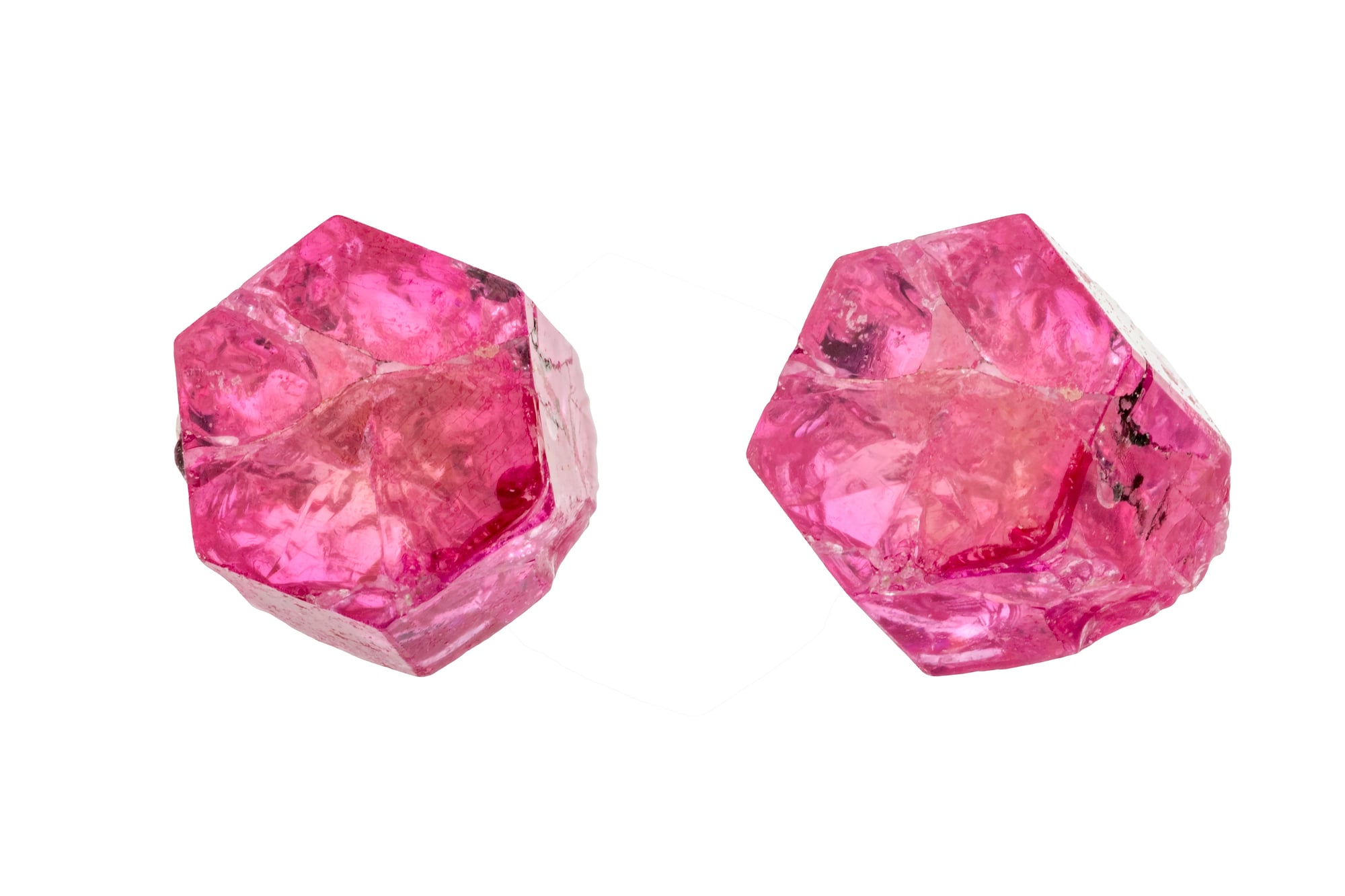
Utah and New Mexico host the only known deposits of red beryl, and even there, finding gem-quality material takes enormous effort. Miners estimate that for every 150,000 gem-quality diamonds discovered, only one red beryl crystal emerges.
The red color comes from manganese, which rarely substitutes for aluminum in the beryl crystal structure.
The Wah Wah Mountains of Utah produced most specimens, but that mine closed years ago. Collectors treasure even small stones.
A one-carat red beryl can sell for more than a diamond of similar size and quality.
Grandidierite

Madagascar produces nearly all the grandidierite ever found. The mineral gets its blue-green color from iron, and the best specimens show a transparency that makes them suitable for faceting.
But transparency in grandidierite is rare. Most crystals are too cloudy or fractured.
The gem shows strong pleochroism, appearing colorless, blue-green, or dark blue depending on the angle. This property makes cutting the stone a challenge.
Cutters need to orient the crystal carefully to maximize the most attractive color while maintaining the best clarity. Only a handful of faceted grandidierites exist above two carats.
Taaffeite

Richard Taaffe discovered this gem by accident in 1945. He bought what he thought was a spinel from a Dublin jeweler, then noticed something odd about how light passed through it.
Testing revealed an entirely new mineral. For years, taaffeite existed only in that single stone.
Sri Lanka and Tanzania later yielded more specimens, but finding gem-quality taaffeite remains difficult. The color ranges from colorless to mauve to pink.
The mineral resembles spinel so closely that many specimens probably sit in collections mislabeled as spinel.
Musgravite
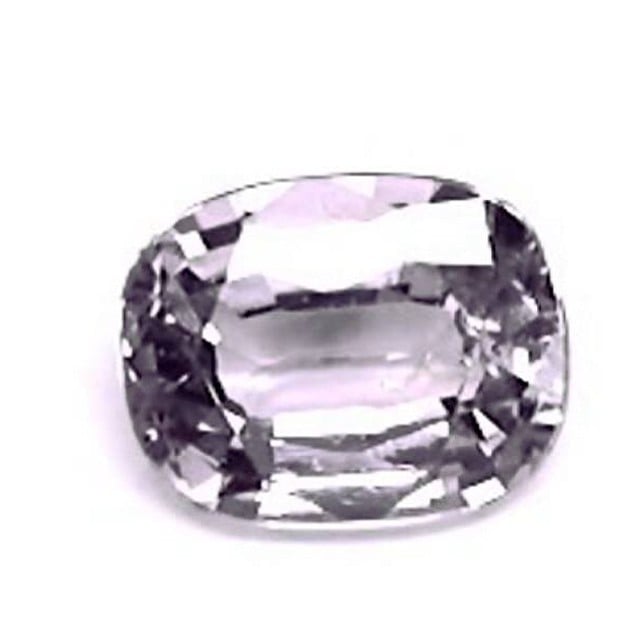
Musgravite looks nearly identical to taaffeite—so much so that even experienced gemologists sometimes confuse them. The mineral was first found in the Musgrave Range of Australia in 1967.
For decades, only eight specimens existed.
Recent discoveries in Madagascar and Greenland increased the supply slightly, but faceted musgravite above one carat remains extremely scarce. The gem ranges from grayish to greenish to purplish, and the clarity is rarely good enough for cutting.
Most known specimens sit in museum collections rather than jewelry.
Benitoite
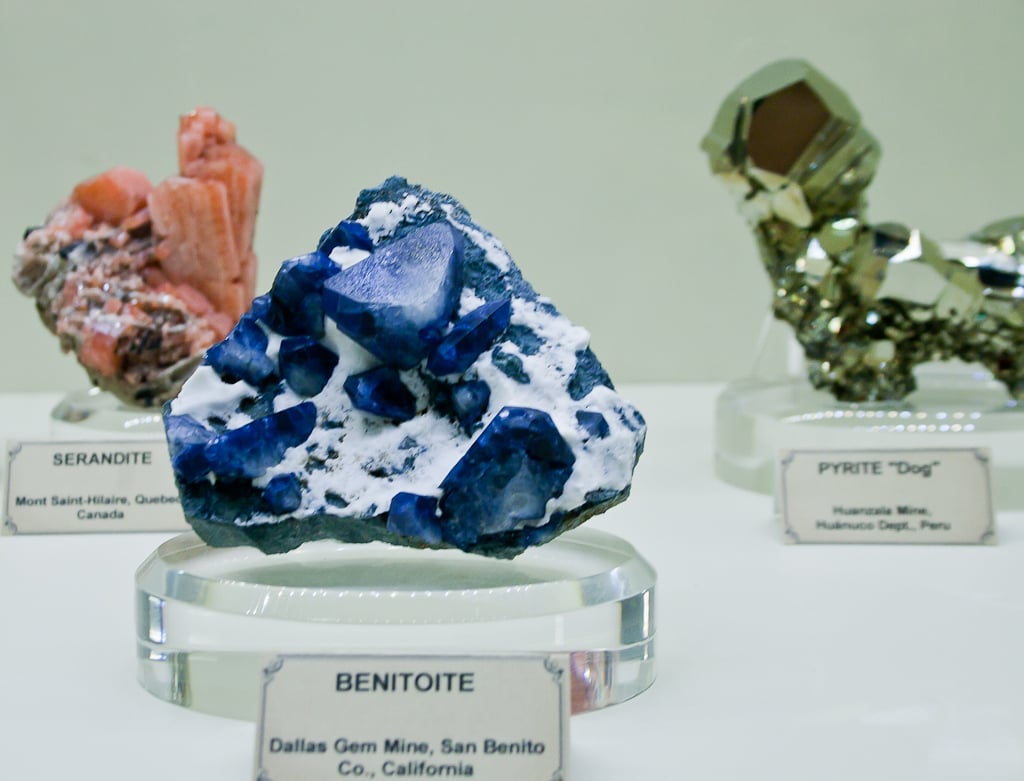
California designated benitoite as its state gem, but that’s mostly hometown pride rather than abundance. The San Benito Mountains host the only significant deposit, and even there, the crystals rarely exceed one carat.
The mine closed to commercial operations years ago.
Benitoite shows a blue color that rivals sapphire, with a dispersion that can exceed diamond. Under ultraviolet light, the gem glows bright blue, making it easy to identify.
The scarcity keeps prices high, and most examples in jewelry use stones smaller than half a carat.
Jeremejevite
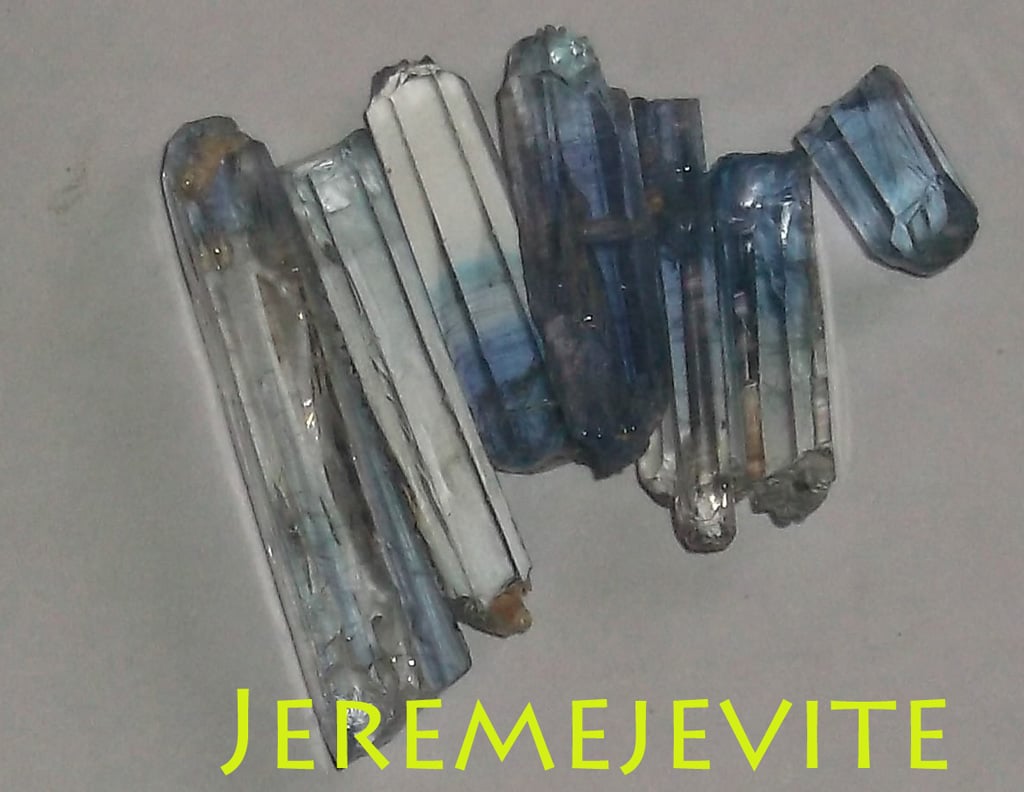
Namibia produces most jeremejevite, though deposits also exist in Siberia and Tajikistan. The mineral forms colorless or pale blue crystals, with the blue variety commanding higher prices.
The color comes from trace amounts of iron.
The crystal structure makes jeremejevite brittle, and finding crystals large enough to cut presents a challenge. Most faceted stones weigh less than one carat.
The gem shows good clarity when it forms properly, but inclusions are common. Collectors prize even small specimens because complete crystals are so rare.
Poudretteite
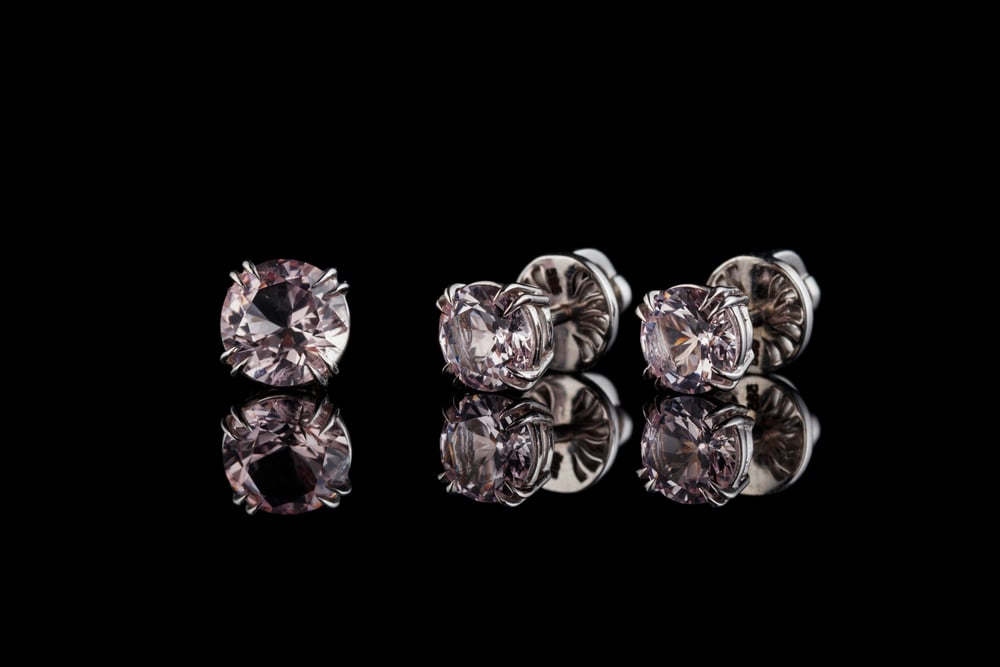
This gem takes its name from the Poudrette family, who operated a quarry in Quebec where the mineral was first identified in 1987. For years, only tiny crystals existed—far too small to facet.
Then Myanmar produced larger specimens in the 2000s.
The color ranges from colorless to pale pink to purple-pink. The transparency varies wildly, and finding a clean crystal suitable for cutting happens rarely.
Most poudretteite you’ll encounter weighs less than three carats, and larger stones fetch extraordinary prices.
Serendibite
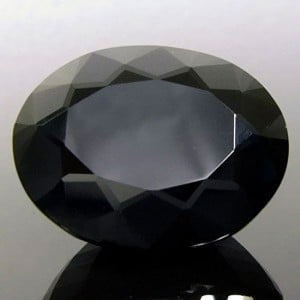
Sri Lanka yielded the first serendibite in 1902, but for most of the 20th century, the mineral existed only as tiny grains or heavily included crystals. The name comes from Serendib, an old Arabic name for Sri Lanka.
Myanmar produced better quality material in recent decades, including some crystals large enough to facet.
The color ranges from blue to blue-green to black, with the lighter colors being more desirable. The rarity means that even small stones sell for significant sums.
Total worldwide production of faceted serendibite probably numbers fewer than 100 stones.
Black Opal

Australia’s Lightning Ridge produces most black opal, and while the material isn’t as scarce as some gems on this list, truly exceptional specimens are incredibly rare. Black opal shows brilliant play-of-color against a dark background, creating effects that no other gem can match.
The value depends entirely on the pattern and intensity of color. A piece showing bright red fire across the entire surface will sell for far more than one showing only flashes of blue or green.
Mining black opal involves digging through harsh terrain in extreme heat, and most mines produce mostly low-quality material. The exceptional pieces appear only occasionally.
Red Diamond
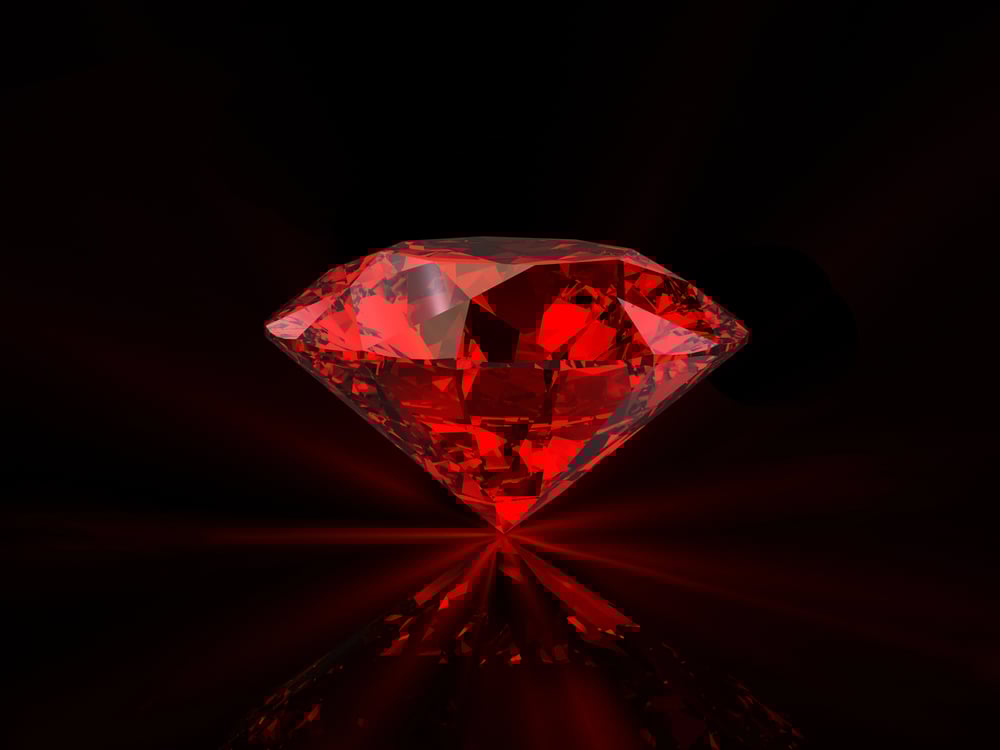
Most colored diamonds show up occasionally, but red diamonds remain the absolute rarest. Australia’s Argyle Mine produced most known red diamonds, and that mine closed in 2020.
Only a few dozen true red diamonds exist, and most weigh less than one carat.
The red color comes from a deformation in the crystal structure—not from chemical impurities like other diamond colors. The Moussaieff Red, weighing 5.11 carats, stands as one of the largest and finest red diamonds ever found.
The price per carat for even small red diamonds exceeds almost every other gemstone.
Alexandrite

This chrysoberyl variety changes color depending on the light source—green in daylight, red under incandescent light. The effect comes from chromium in the crystal structure.
Russia’s Ural Mountains produced the finest alexandrites in the 19th century, but those deposits are largely exhausted.
Brazil, Sri Lanka, and East Africa now produce alexandrite, but finding stones with a strong color change is difficult. Most show only a slight shift, and those with dramatic changes command premium prices.
The best alexandrites can cost as much as fine rubies or emeralds of similar size.
Demantoid Garnet

This green garnet shows more fire than diamond, with a dispersion that creates brilliant flashes of color. The Ural Mountains produced exceptional demantoid in the 19th century, and those stones often contained distinctive golden “horsetail” inclusions that collectors treasure.
The Russian deposits declined, but Namibia and Madagascar now produce demantoid. The quality varies significantly, and finding clean stones above two carats is uncommon.
The color ranges from yellowish-green to a deep emerald green, with the purest green commanding the highest prices.
Paraiba Tourmaline
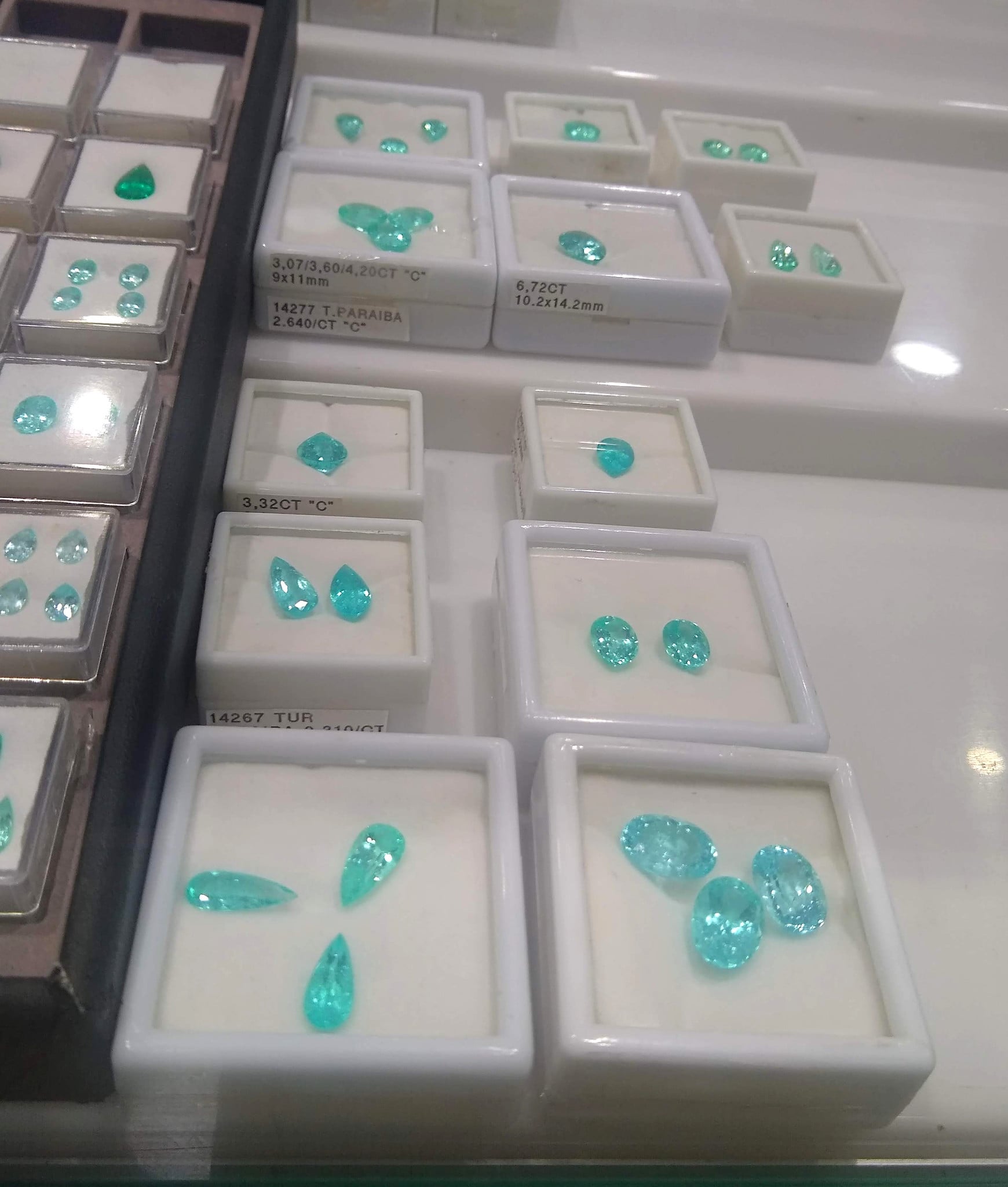
This electric blue to green tourmaline emerged from Brazil’s Paraiba state in the 1980s, creating immediate excitement in the gem world. The color comes from copper—unusual in tourmalines.
The intensity exceeds almost any other blue gem.
The original mine produced limited material before running out. Similar deposits appeared in Mozambique and Nigeria, but collectors still prize the Brazilian origin most highly.
Clean stones above two carats are scarce, and prices per carat can exceed diamonds. The name “Paraiba” technically applies only to Brazilian material, but the market now uses it for any copper-bearing tourmaline.
Jadeite

Not all jade qualifies as rare, but the finest jadeite—particularly “Imperial” jadeite—ranks among the most valuable gems. Myanmar produces the best material, characterized by a pure, translucent green that resembles emerald.
The Chinese market drives prices to extraordinary heights.
Top-quality jadeite appears only in small percentages of the material mined. Most jadeite is opaque or contains uneven color.
A perfect bangle or cabochon of Imperial jadeite can sell for millions. The rarity, combined with cultural significance, puts the finest jadeite beyond the reach of most collectors.
Padparadscha Sapphire

This sapphire variety shows a delicate mix of pink and orange that resembles a tropical sunset. The name comes from the Sinhalese word for lotus blossom.
Sri Lanka produces the classic examples, though Madagascar and Tanzania also yield the color.
Defining a true padparadscha creates debate. The balance between pink and orange must fall within specific parameters—too much pink, and it’s a pink sapphire; too much orange, and it’s an orange sapphire.
Natural, unheated stones with good clarity are especially prized. Most padparadscha you’ll encounter weighs less than two carats.
Bixbite

Bixbite is another name for red beryl, and the terms get used interchangeably. The mineral honors Maynard Bixby, who discovered it.
Whether you call it bixbite or red beryl, the scarcity remains the same. The only significant deposit sat in the Wah Wah Mountains, and production ended years ago.
Clean crystals rarely form, and most contain significant inclusions. The red color can range from pink-red to deep raspberry, with the deeper tones being more desirable.
Finding a faceted bixbite above one carat is extremely difficult, and such stones sell for thousands per carat.
Poudretteite

Quebec’s Mont Saint-Hilaire produced the first poudretteite specimens, but they were microscopic. The mineral sat in collections for years before anyone bothered to analyze it properly.
Myanmar finally produced cuttable material decades later.
The transparency varies wildly, and finding eye-clean stones takes patience. The color ranges from nearly colorless to a soft pink that resembles morganite.
Most faceted stones weigh under two carats. The combination of limited sources and small crystal sizes keeps poudretteite among the rarest faceted gems.
Musgravite

Australia, Madagascar, Greenland, and Antarctica host known musgravite deposits, but none produce significant quantities. The mineral’s similarity to taaffeite means some specimens likely sit unrecognized in collections.
The color can be grayish-green, greenish-gray, or purplish-gray. The best specimens show decent transparency, but inclusions are common.
Cutting the mineral presents challenges due to its brittle nature. Museums hold most known large specimens, and private collectors rarely encounter material suitable for high-quality jewelry.
Kashmir Sapphire
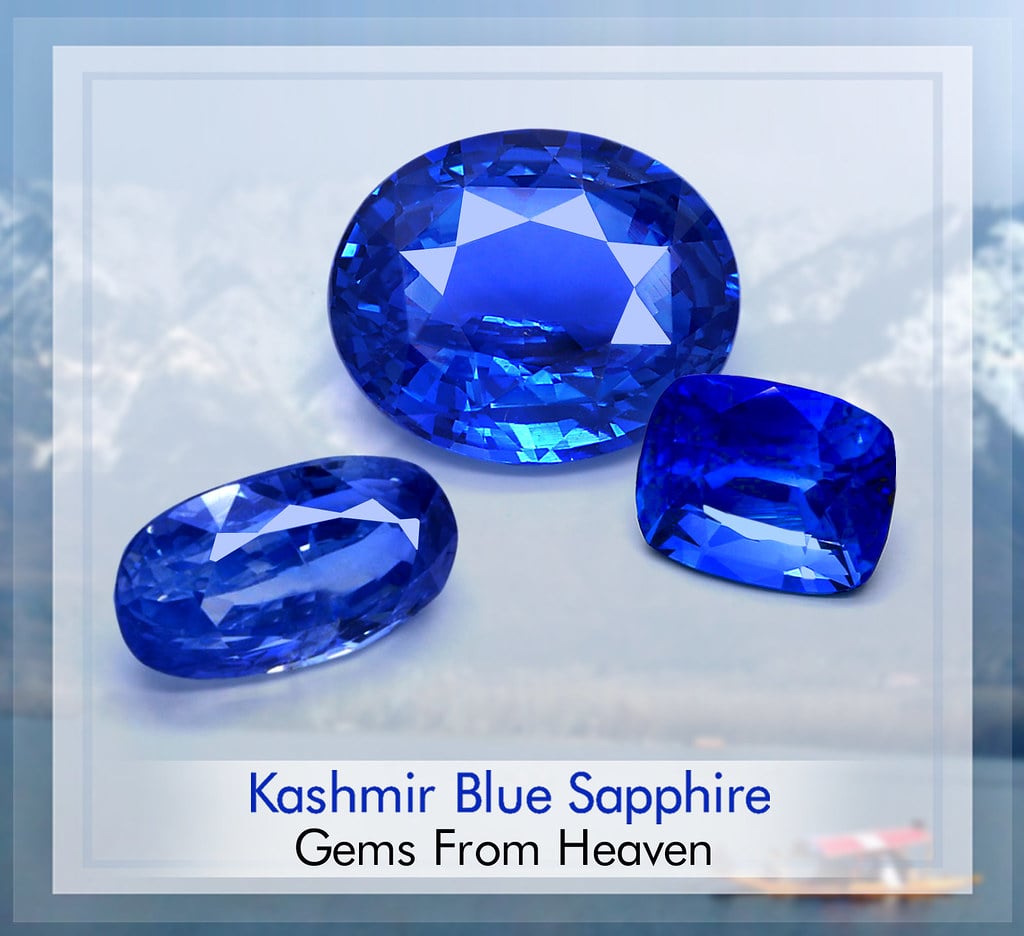
High up in the Himalayas, mining happened only for a short time during the 1800s. What came out was different – blue stones with a soft look thanks to fine threads of rutile inside.
Though sapphires like these aren’t uncommon today, real ones from that first source are nearly gone. The place itself gave up its best pieces long ago.
What set these sapphires apart was their unmatched depth of hue, so vivid it became the benchmark others try to match. Long before modern mining boomed, Kashmir’s output stopped – over one hundred years back.
Even now, some gems appear out of nowhere in auction houses, yet fresh sources? Gone forever. Because they’re both rare and exceptional, prices climb without need for explanation.
When Rarity Meets Beauty

Chasing rare gems feels like digging through earth for secrets. One moment you’re sifting rock, next you find something nature might never make again.
These stones? They rose where certain pressures met just once. A few were pulled from spots now empty, gone forever underground.
Others slip out by accident when workers dig up ordinary rocks instead. Beauty matters just as much as scarcity – a stone might be uncommon, yet lack appeal or strength to last.
Still, if it has charm, resilience, and space to shape, people keep coming back for years, spending sums that go beyond cost, touching something deeper than numbers. These finds whisper that our planet hides wonders we haven’t seen, waiting only for those who study closely, stay steady, and sometimes catch a break.
More from Go2Tutors!

- The Romanov Crown Jewels and Their Tragic Fate
- 13 Historical Mysteries That Science Still Can’t Solve
- Famous Hoaxes That Fooled the World for Years
- 15 Child Stars with Tragic Adult Lives
- 16 Famous Jewelry Pieces in History
Like Go2Tutors’s content? Follow us on MSN.