16 Things You Never Knew Were Invented by Accident
Some of the most transformative inventions in human history happened completely by mistake. A spilled chemical here, a forgotten experiment there, and suddenly the world changes forever.
These accidental discoveries didn’t emerge from careful planning or brilliant foresight — they came from curious minds willing to notice when something unexpected happened and ask “what if” instead of throwing it away.
Post-it Notes
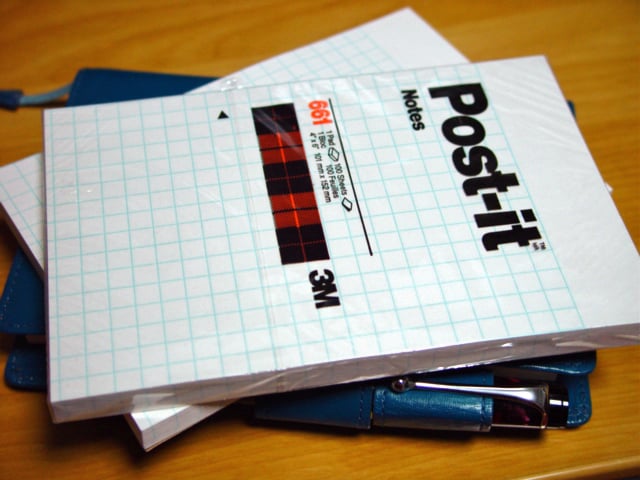
Spencer Silver was trying to create a super-strong adhesive in 1968. Instead, he created the opposite — a weak, pressure-sensitive adhesive that could be easily removed.
For years, nobody knew what to do with this “failed” glue until his colleague Art Fry got frustrated with bookmarks falling out of his church hymnal.
The rest is office supply history.
Penicillin
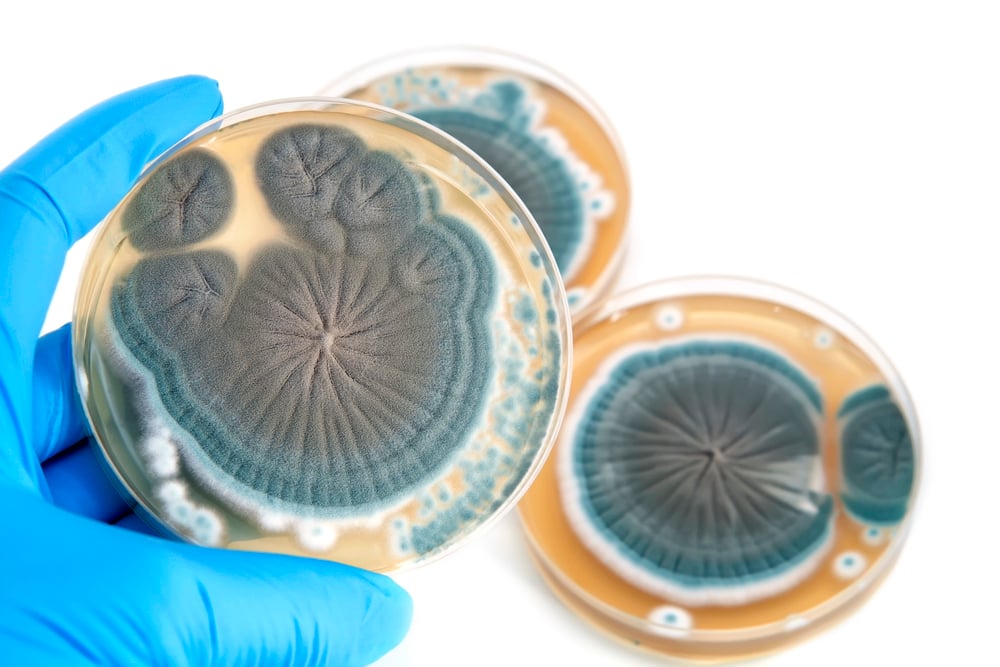
Alexander Fleming left a petri dish uncovered by mistake when he went on vacation in 1928 (which says something about his lab organization skills, but his sloppiness turned out to be humanity’s gain). When he returned, he found that mold had contaminated the dish — and more importantly, that the bacteria around the mold had died.
So began the antibiotic revolution, and Fleming’s accidental mess became one of medicine’s greatest breakthroughs, saving millions of lives and transforming how doctors approach bacterial infections.
Microwave Ovens

Radar engineer Percy Spencer was working with a magnetron in 1945 when the chocolate bar in his pocket melted. Most people would have been annoyed about the ruined candy.
Spencer got curious instead.
He started experimenting with other foods — popcorn kernels, an egg — and watched them cook from the inside out. That moment of noticing something strange rather than dismissing it led to the microwave oven, which now sits in nearly every American kitchen like a small monument to productive accidents.
Velcro
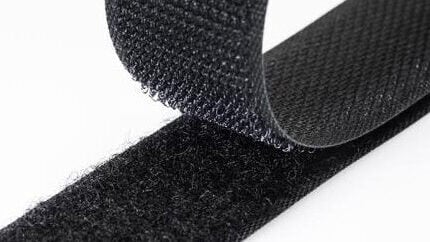
Swiss engineer George de Mestral took his dog for a walk in the Alps in 1941, and both came back covered in burr seeds. Rather than simply brushing them off and moving on, de Mestral examined the burrs under a microscope and discovered their tiny hooks that grabbed onto fabric fibers.
That curiosity turned into years of development, resulting in Velcro — a fastening system that would eventually find its way into everything from sneakers to space suits. One walk with a dog changed how the world sticks things together.
Super Glue
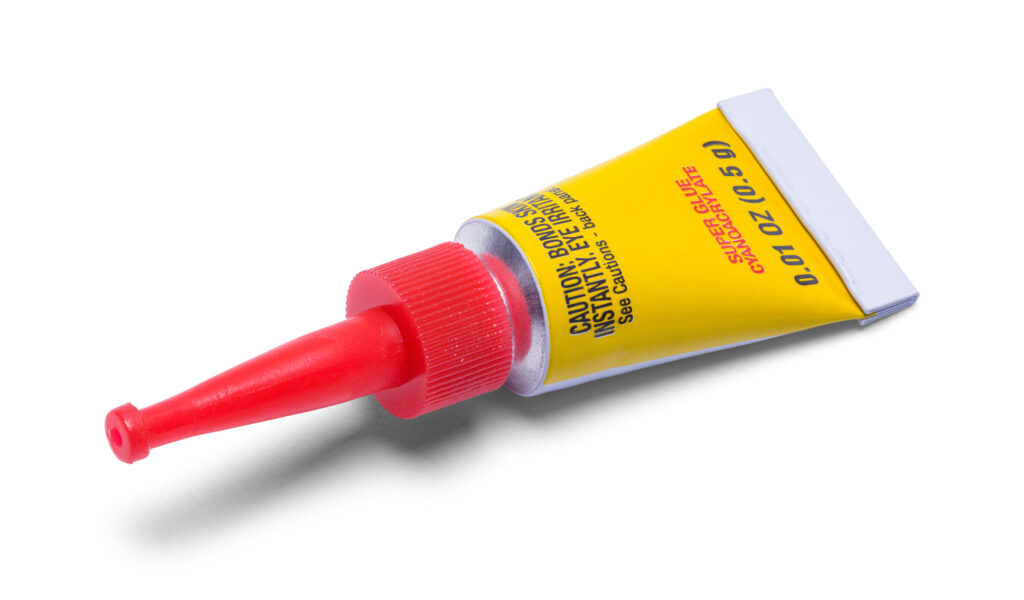
Super Glue gets everywhere. Fingers, tables, things that were never meant to be permanently joined.
Harry Coover discovered cyanoacrylate in 1942 while trying to create clear plastic gun sights during World War II. The stuff was impossibly sticky and ruined everything it touched.
Coover rejected it immediately. Nine years later, while working on heat-resistant jet canopies, he encountered the same compound again.
This time, he realized that being impossibly sticky wasn’t a bug — it was a feature.
Teflon
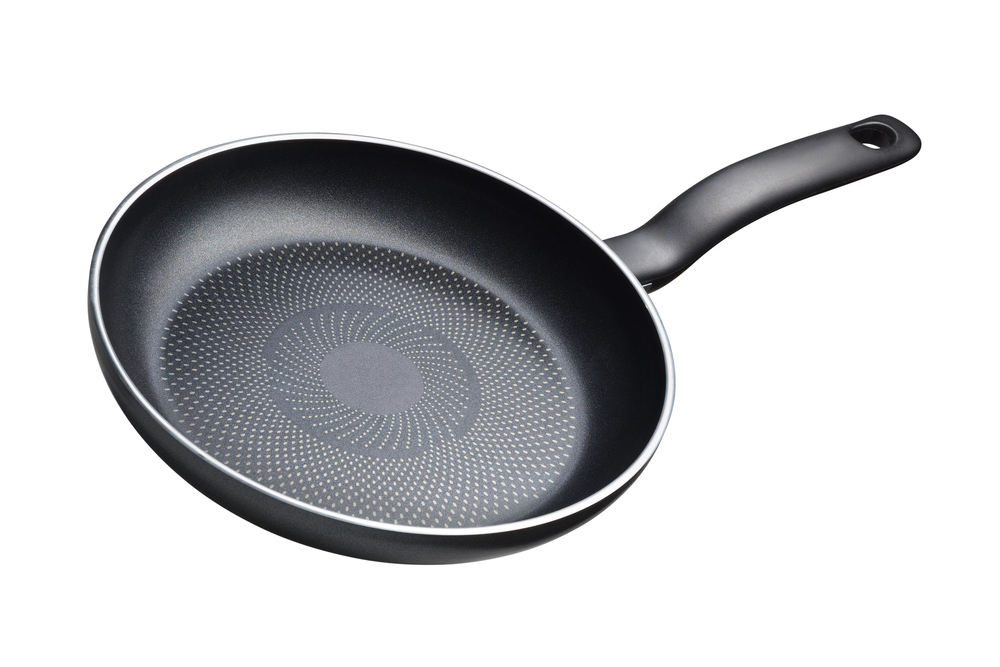
Roy Plunkett was working with refrigerant gases at DuPont in 1938 when one of his pressurized containers seemed empty despite weighing the same as before. Instead of discarding what appeared to be a failed experiment, he cut the container open and found a white, waxy substance inside.
The gas had polymerized into something completely unexpected — a material so slippery that virtually nothing would stick to it. That accidental polymer became Teflon, and now you can scramble eggs without them welding themselves to your pan.
Saccharin

Constantin Fahlberg was researching coal tar derivatives at Johns Hopkins University in 1879 when he forgot to wash his hands before dinner. The bread he ate tasted impossibly sweet, and he traced the sweetness back to the chemicals on his fingers.
That unwashed hand led to saccharin, the first artificial sweetener, which would eventually find its way into diet sodas and sugar substitutes worldwide. Sometimes the best discoveries happen when you skip basic hygiene.
X-Rays
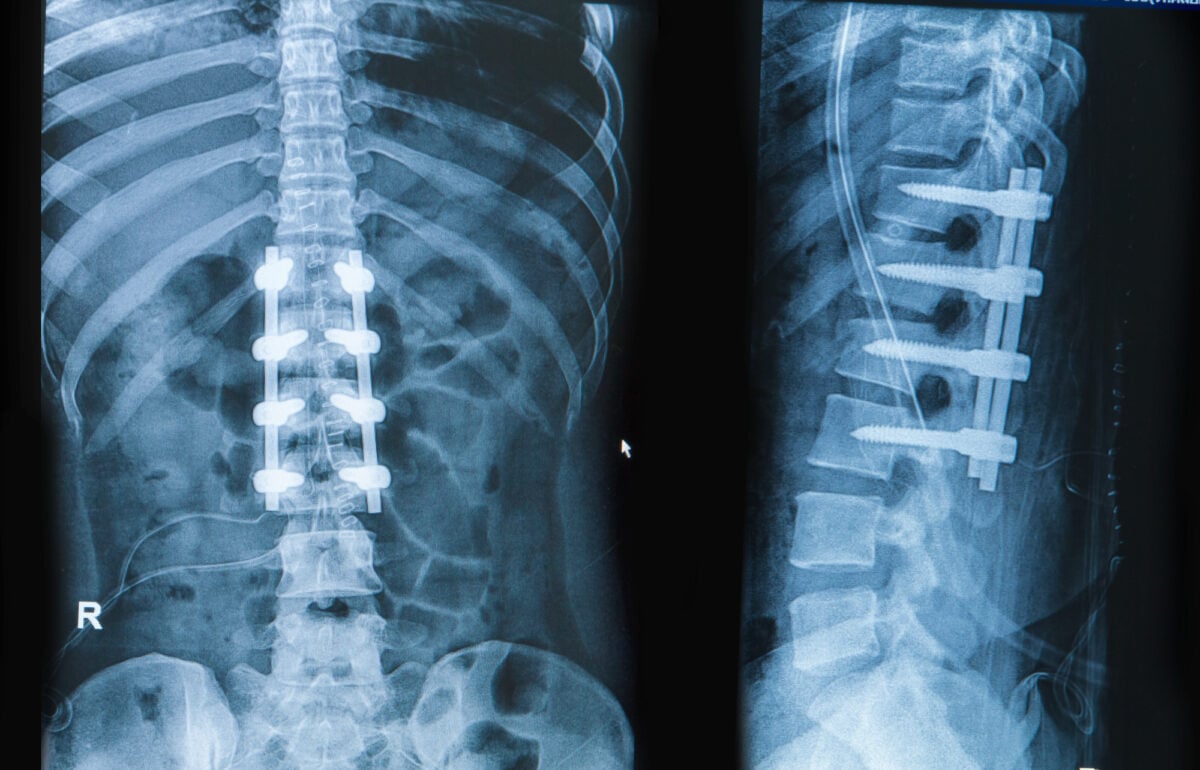
Wilhelm Röntgen was experimenting with cathode ray tubes in 1895, working in a darkened room with the tube covered in black cardboard. He noticed a fluorescent screen across the room was glowing, even though no light should have been reaching it.
Instead of ignoring this strange phenomenon, he investigated further and discovered that some kind of invisible ray was passing through solid objects. He called them X-rays because he didn’t understand what they were.
That curiosity about an unexpected glow revolutionized medicine and gave doctors the ability to see inside the human body without cutting it open.
Cornflakes

The Kellogg brothers were running a health sanitarium and trying to create digestible food for their patients in 1894. They accidentally left a pot of boiled wheat out too long, and when they tried to roll it into sheets, it came out in flakes instead.
Most cooks would have started over. The Kelloggs served the flakes anyway, discovered their patients loved them, and eventually founded a cereal empire.
That stale wheat became the foundation of the modern breakfast cereal industry.
Silly Putty
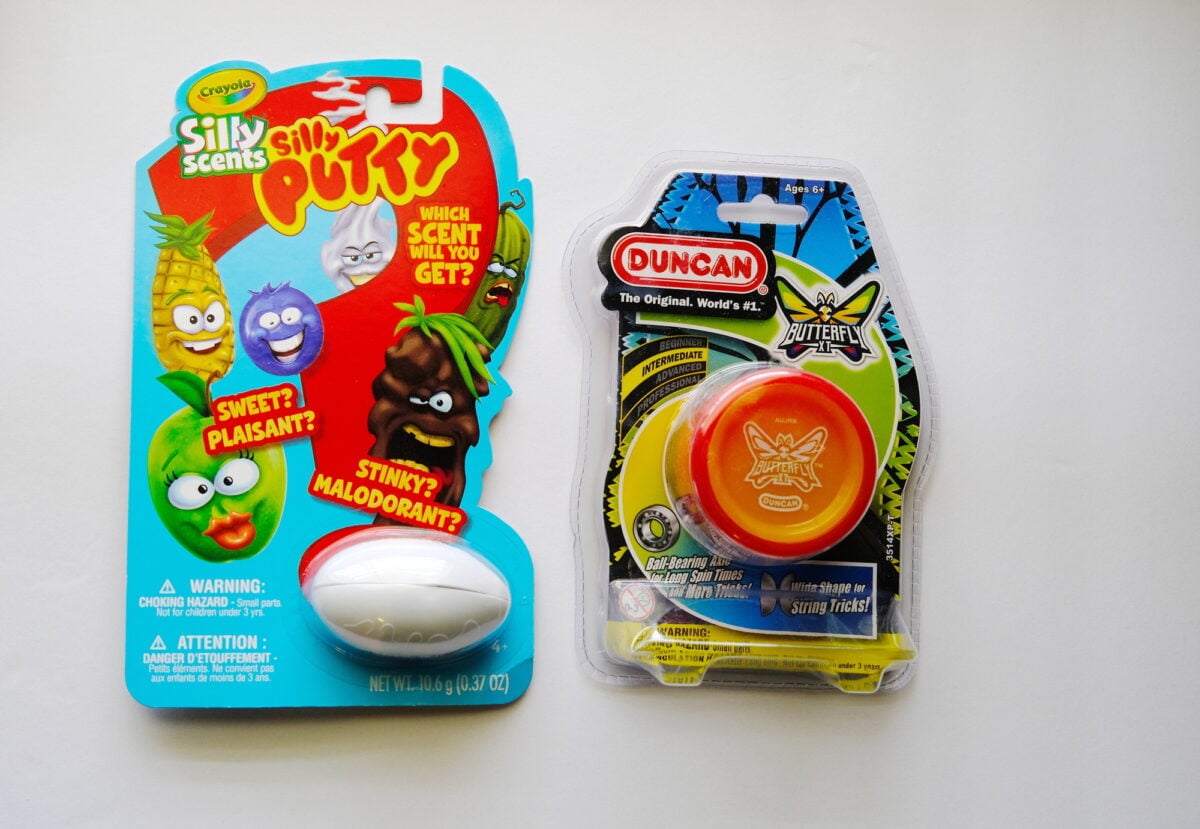
James Wright was trying to create synthetic rubber during World War II when he mixed boric acid with silicone oil. The result was a substance that bounced, stretched, and copied newspaper print — but was completely useless as rubber.
For years, it sat around as a curious novelty until toy store owner Ruth Fallgatter saw its potential as a children’s toy. That failed rubber experiment became Silly Putty, delighting kids and proving that sometimes the best discoveries are the ones that serve no practical purpose whatsoever.
Pacemakers
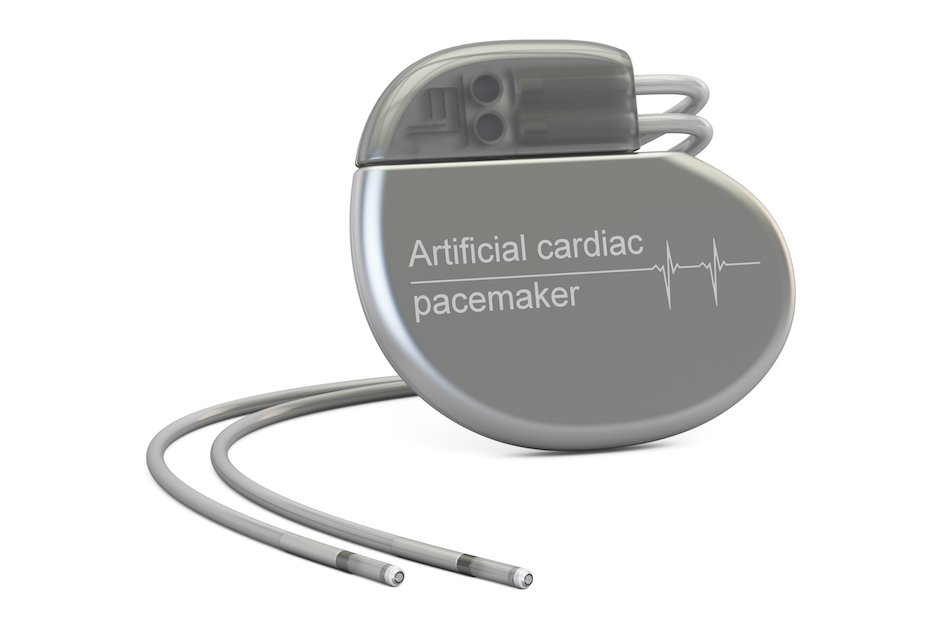
Wilson Greatbatch was building a device to record heart rhythms in 1958 when he grabbed the wrong resistor from his parts box. The circuit he created produced electrical pulses that reminded him of a human heartbeat.
Instead of fixing his “mistake” and continuing with his original project, he realized he might have stumbled onto something more important — a way to regulate irregular heartbeats artificially. That wrong component became the first implantable pacemaker, and Greatbatch’s accidental circuit has since kept millions of hearts beating steadily.
Champagne
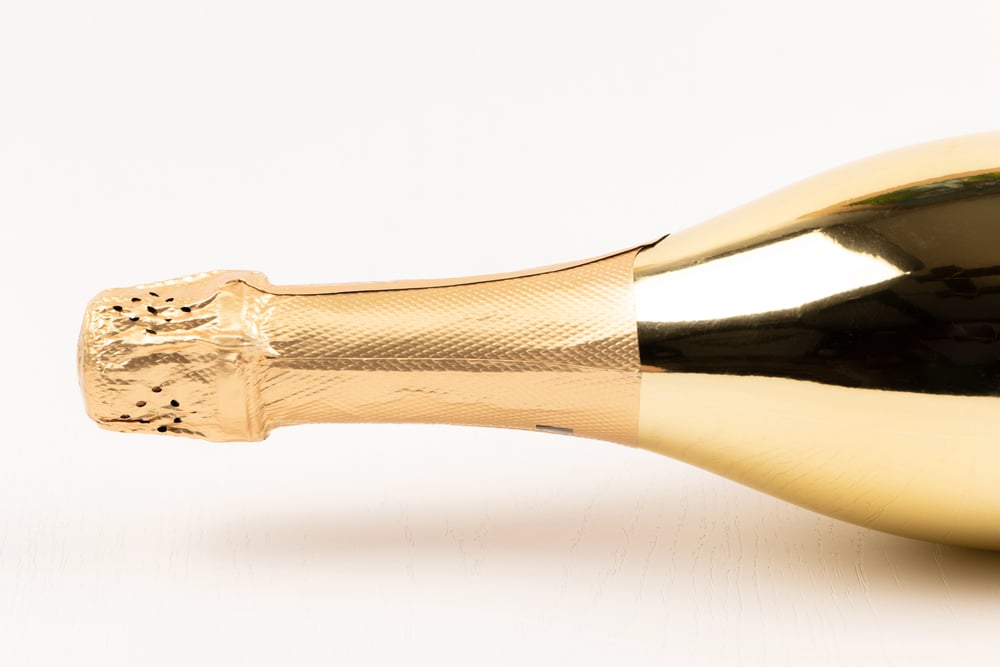
Dom Pérignon didn’t set out to create sparkling wine — he was just trying to make regular wine in the Champagne region of France during the 17th century. But the cold winters caused fermentation to stop and start again in spring, creating carbon dioxide bubbles trapped in the bottles.
What seemed like a production problem turned into the signature characteristic of champagne. Sometimes the best celebrations come from embracing what you can’t control rather than fighting it.
Chocolate Chip Cookies
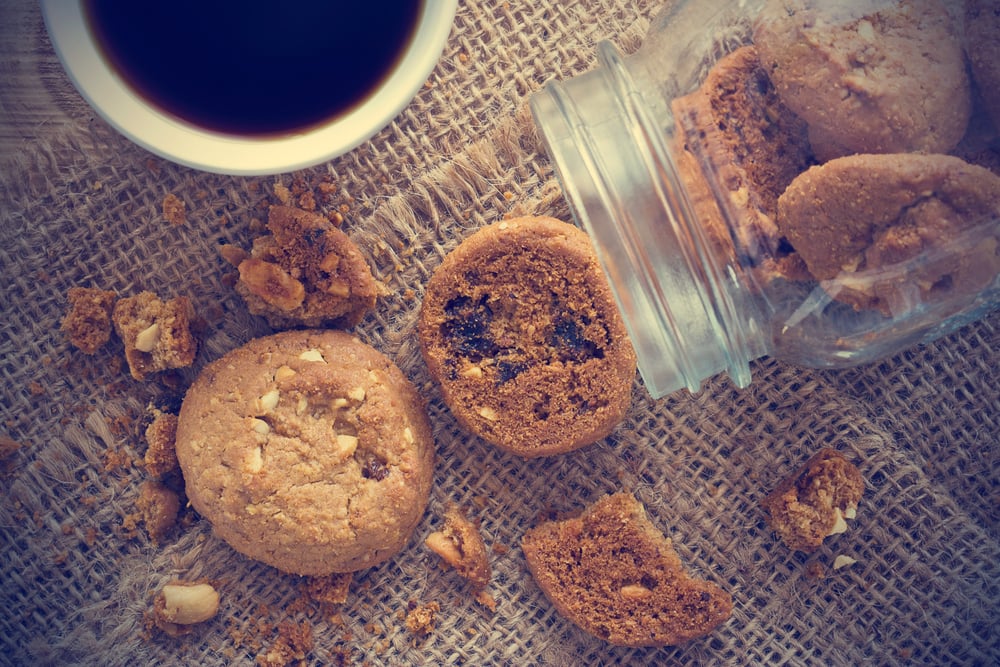
Ruth Wakefield ran the Toll House Inn and was making chocolate cookies for her guests in 1938 when she realized she was out of baker’s chocolate. She broke up a bar of semi-sweet Nestlé chocolate instead, expecting it to melt and distribute evenly throughout the dough.
The chocolate kept its shape, creating chunks instead of uniform chocolate cookies. Her guests loved them even more than the original recipe.
That improvised substitution became the chocolate chip cookie, now the most popular cookie in America.
Stainless Steel

Harry Brearley was trying to develop better steel for gun barrels in 1913 when he created an alloy that seemed too soft for military use. He threw samples of the “failed” steel onto his scrap heap and forgot about them.
Months later, he noticed that while other steel scraps had rusted, his experimental alloy remained bright and corrosion-free. That rejected material became stainless steel, revolutionizing everything from kitchen appliances to architecture and proving that sometimes failure is just success waiting to be recognized.
Fireworks

Ancient Chinese alchemists were searching for the elixir of life around 2,000 years ago, mixing saltpeter, charcoal, and sulfur in various combinations. Instead of immortality, they created gunpowder — which exploded spectacularly when heated.
Rather than abandoning this dangerous mixture, they began stuffing it into bamboo tubes and lighting them for celebrations. That failed quest for eternal life became fireworks, turning accidental explosions into intentional joy and lighting up night skies around the world for millennia.
Slinky

Naval engineer Richard James was working on springs to stabilize sensitive instruments on ships in 1943 when he accidentally knocked one off a shelf. Instead of falling straight down, the spring “walked” down a series of books, then to the floor, where it continued moving.
That clumsy moment led to the Slinky, one of the most successful toys in American history.
James had been trying to solve a serious engineering problem but ended up creating something that would delight children for generations.
The Beauty of Unplanned Discovery

These accidents share something beyond their unintentional nature: they required someone curious enough to pause when something unexpected happened. The chocolate that melted, the mold that grew, the spring that walked — these moments could have been dismissed as failures or nuisances.
Instead, they became doorways to innovation because someone chose to pay attention rather than clean up and move on. Progress often arrives disguised as a mistake, waiting for the right person to recognize its potential.
More from Go2Tutors!

- The Romanov Crown Jewels and Their Tragic Fate
- 13 Historical Mysteries That Science Still Can’t Solve
- Famous Hoaxes That Fooled the World for Years
- 15 Child Stars with Tragic Adult Lives
- 16 Famous Jewelry Pieces in History
Like Go2Tutors’s content? Follow us on MSN.