Strange Conspiracies Surrounding The Mona Lisa
The world’s most famous painting sits behind bulletproof glass in the Louvre, drawing millions of visitors each year who crane their necks for a glimpse of that enigmatic smile. But Leonardo da Vinci’s masterpiece has attracted more than just art lovers over the centuries.
It’s become a magnet for conspiracy theorists, amateur historians, and mystery enthusiasts who see hidden messages, secret identities, and elaborate cover-ups lurking beneath those layers of Renaissance paint. Some of these theories sound plausible enough to make you wonder.
The tension between East and West created the perfect environment for paranoid thinking. Every technological breakthrough, cultural shift, or unexplained event could be evidence of enemy infiltration.
People on both sides of the Iron Curtain developed elaborate theories about secret mind control programs, hidden bases, and plots so outlandish they would make Hollywood screenwriters blush.
The Real Mona Lisa Was Stolen And Never Returned
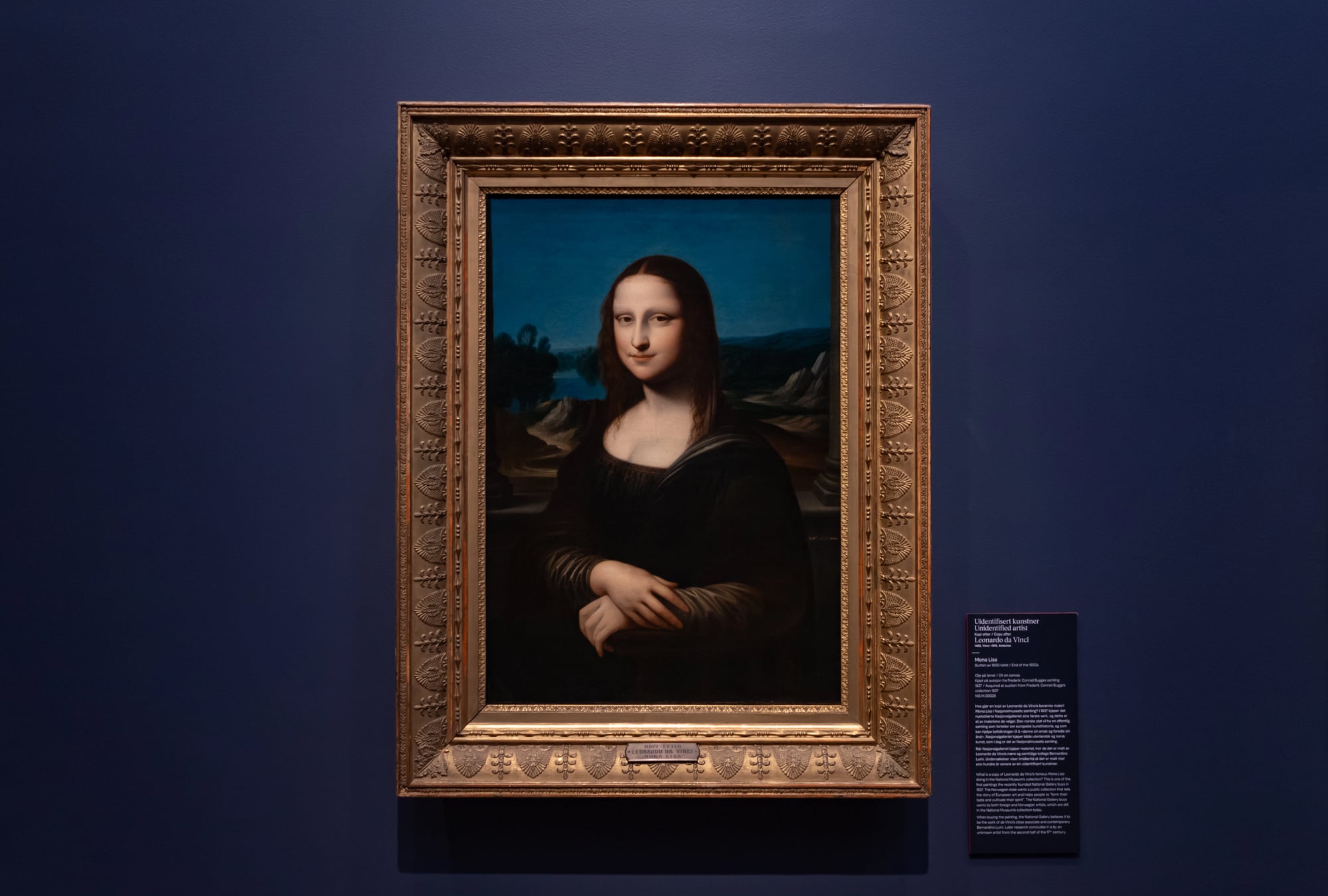
The 1911 theft changed everything. Vincenzo Peruggia walked out of the Louvre with the painting under his coat.
Two years later, authorities recovered it. Case closed.
Except some people never bought that story. The painting that came back looked different, they claimed.
Subtle changes in the brushwork. A slightly altered expression.
Lisa Del Giocondo Never Existed
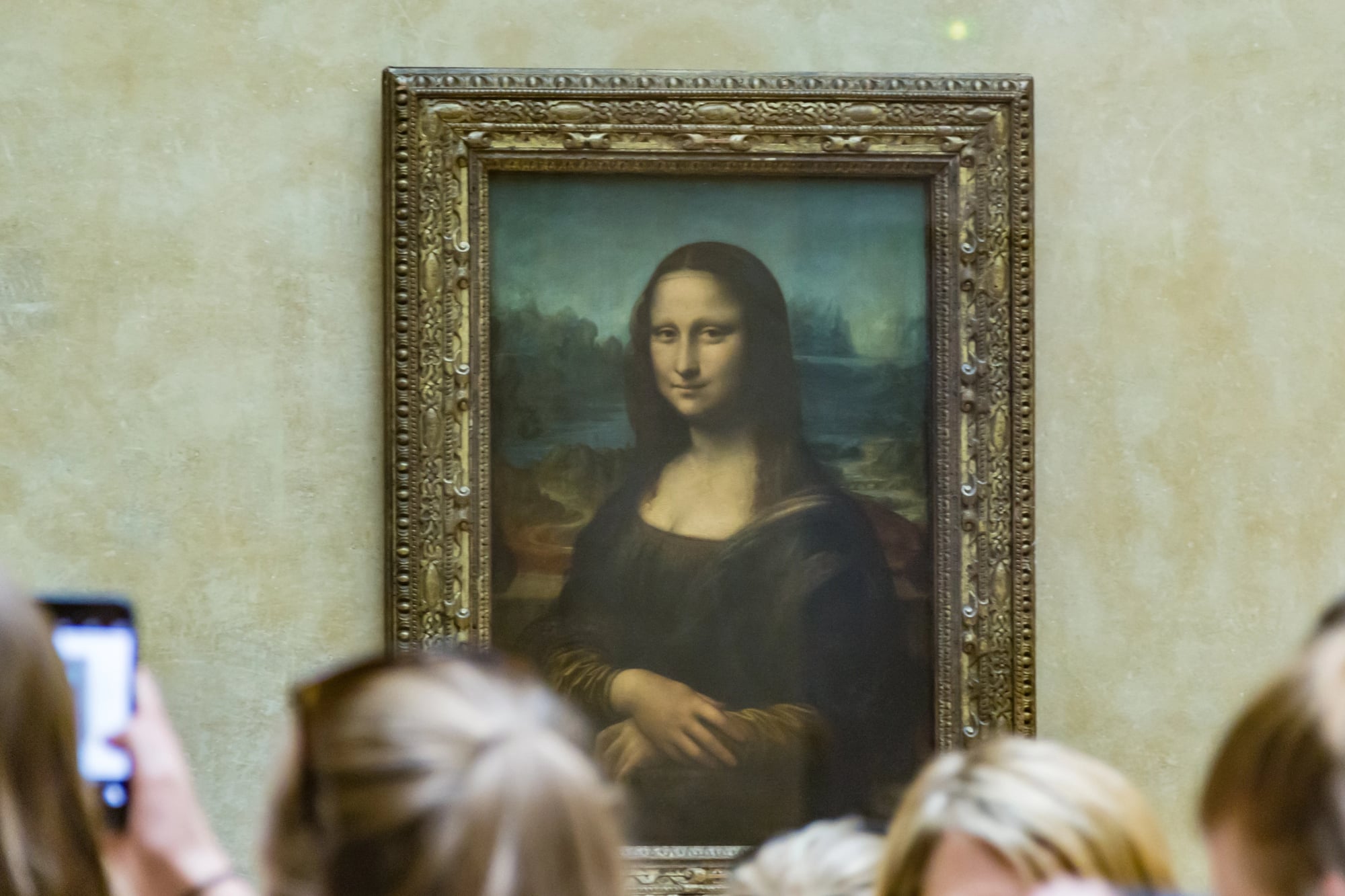
These conspiracy theorists argue that art historians constructed this identity centuries later to give the mysterious woman a respectable backstory, when in reality da Vinci painted someone entirely different (and potentially scandalous) or created a purely imaginary figure. The lack of contemporary documentation identifying the subject feeds this suspicion that the del Giocondo connection was manufactured to hide the painting’s true origins or purpose.
Da Vinci Painted Himself As A Woman

Art analysis gets strange when it ventures into gender territory, but this theory has persisted for decades despite its shaky foundations. Proponents claim computer analysis reveals bone structure similarities between da Vinci’s self-portraits and the Mona Lisa, suggesting the artist painted himself in feminine form (which would explain why he never delivered the commissioned portrait and kept it with him until death).
The theory falls apart under serious scrutiny — the supposed digital analysis has never been properly documented, and the bone structure argument relies on highly subjective interpretations of facial features. But it refuses to die, probably because it offers such a tidy explanation for the painting’s mysterious hold on our imagination.
The Painting Contains Hidden Religious Messages
Churches and secret societies make for compelling conspiracy material, and the Mona Lisa hasn’t escaped their attention. Some theorists claim to spot religious symbols hidden in the background landscape — crosses formed by the bridge and road lines, or sacred geometry embedded in the composition’s proportions.
Others suggest the painting contains coded messages related to early Christian heresies or alternative interpretations of religious doctrine that da Vinci supposedly encoded for fellow believers to discover. The landscape behind the subject gets particular scrutiny, with conspiracy theorists mapping its features to biblical locations or claiming it represents a spiritual journey visible only to initiates who know how to read da Vinci’s visual language.
She’s Actually A Noblewoman In Disguise
The conspiracy here runs deeper than simple misidentification — it suggests active deception about the subject’s true social status and political connections. According to this theory, the woman in the portrait held significant political power or possessed dangerous knowledge that required her identity to be obscured, so da Vinci painted her under the safe cover story of depicting a merchant’s wife.
Variations of this theory propose she was everything from a member of the Medici family to a foreign spy to a religious reformer whose ideas threatened established power structures. The evidence typically involves creative interpretations of her clothing, jewelry, and pose as indicators of higher social rank than a middle-class merchant’s wife would possess.
The Smile Changes Based On Viewing Angle
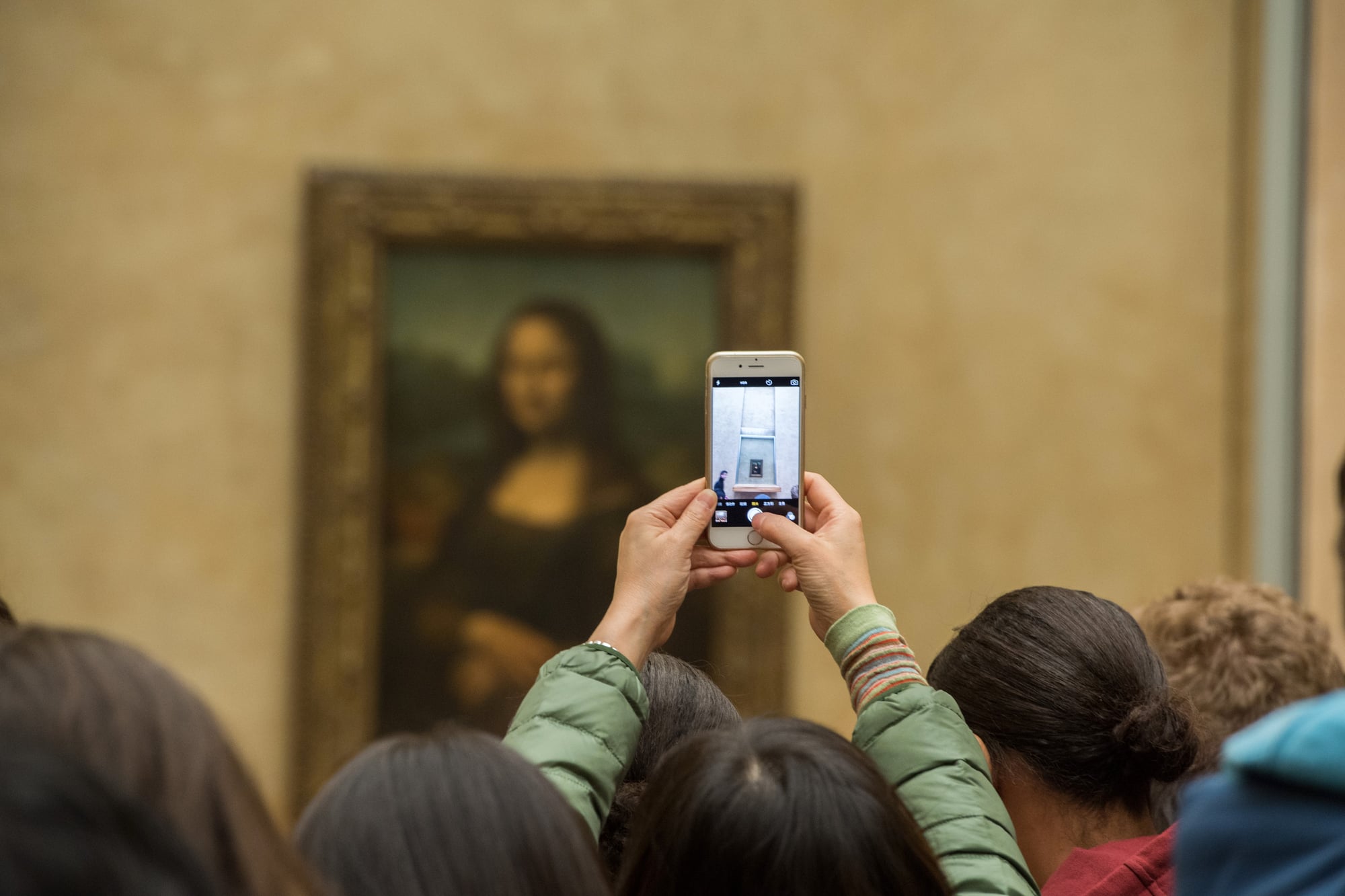
This conspiracy transforms a well-documented optical phenomenon into something more sinister. Da Vinci’s use of sfumato technique does create the illusion that the Mona Lisa’s expression shifts subtly depending on where you stand, but conspiracy theorists claim this effect is far too sophisticated to be accidental.
They argue da Vinci deliberately engineered multiple expressions into the painting using advanced knowledge of human perception and possibly even supernatural assistance. Some versions of the theory suggest the changing smile delivers different messages to different viewers.
The Louvre Displays Multiple Copies In Rotation
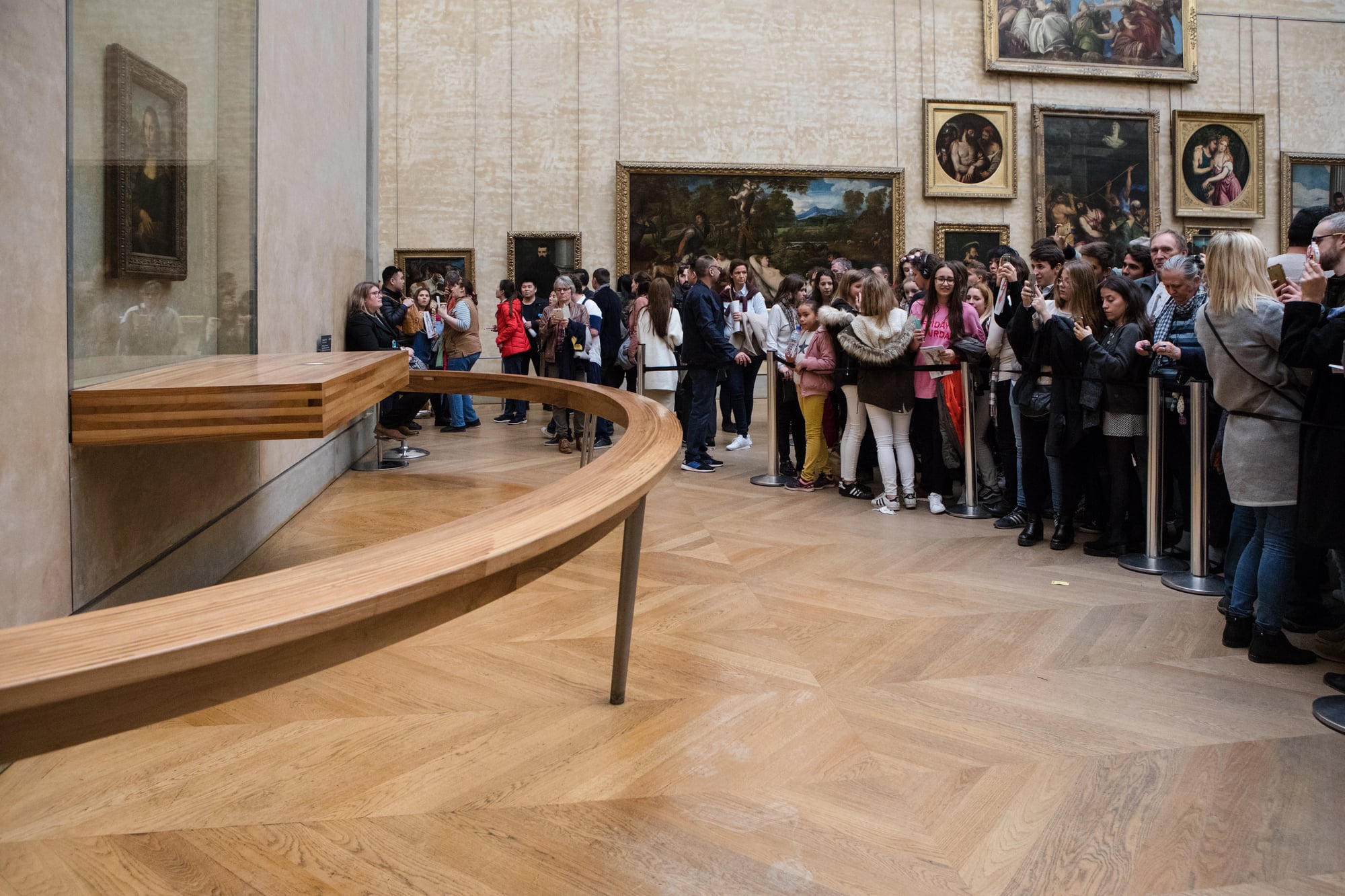
Museum security breeds paranoia, and the Mona Lisa’s high-profile status makes it a natural target for theories about elaborate protection schemes. This conspiracy claims the Louvre owns several near-perfect copies of the painting and rotates them regularly to prevent any single version from suffering damage from light exposure, humidity, or potential attacks.
The real painting supposedly remains hidden in climate-controlled storage most of the time, while visitors unknowingly admire carefully crafted reproductions. Proponents point to slight variations they claim to notice between visits.
These differences more likely result from changing lighting conditions, restoration work, or simple misremembering of details from previous viewings.
Da Vinci Used Alien Technology To Create The Paint
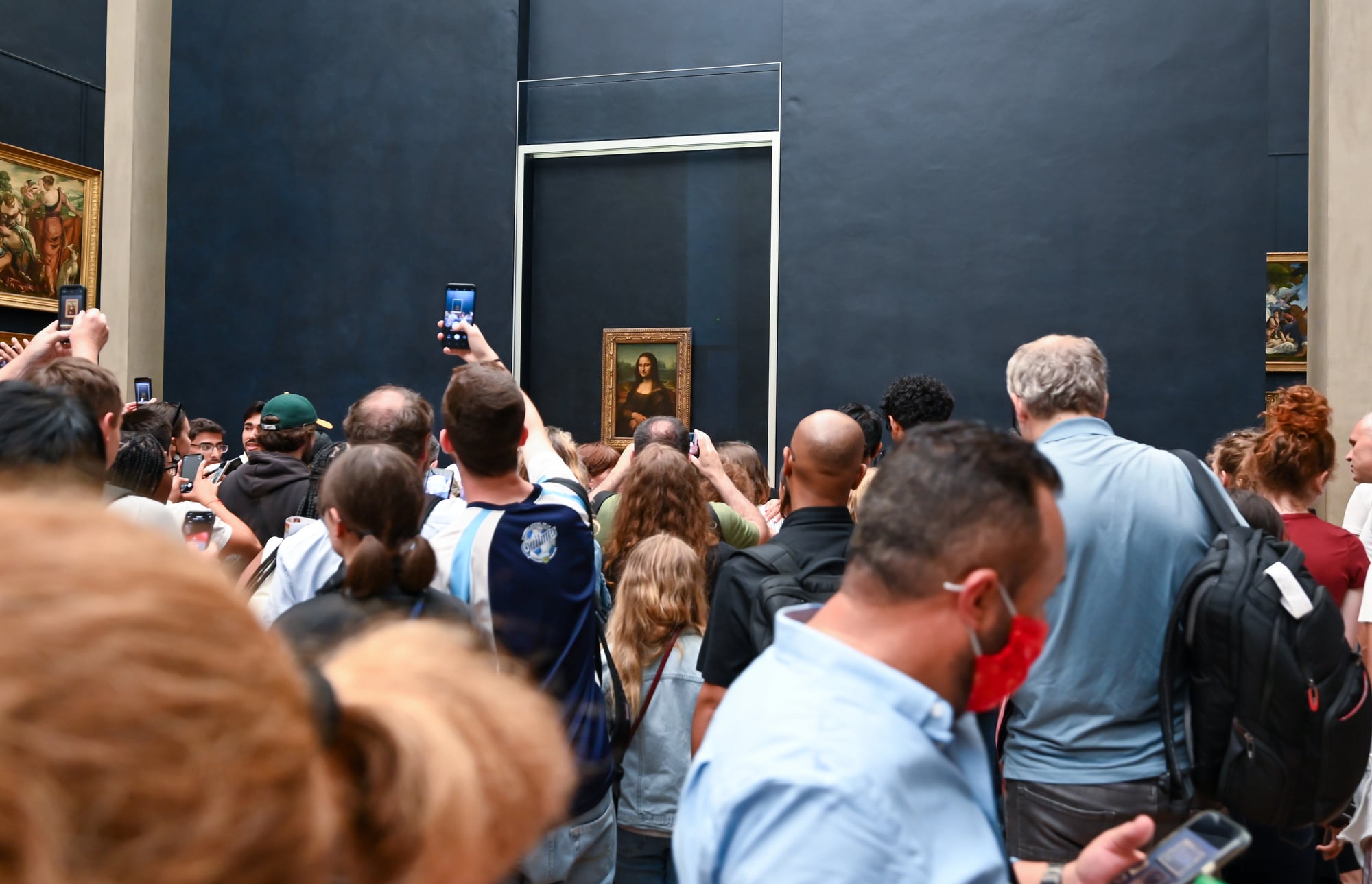
Renaissance art meets science fiction in theories that attribute the Mona Lisa’s unusual preservation and visual effects to otherworldly intervention. These conspiracies typically claim da Vinci had contact with extraterrestrial beings who provided him with advanced pigments or painting techniques that explain why the work has survived so well and continues to captivate viewers in ways other paintings cannot match.
The alien connection supposedly accounts for the painting’s hypnotic quality and the difficulty art historians have faced in fully explaining da Vinci’s methods. Some versions extend this theory to suggest the entire Renaissance was influenced by alien knowledge.
The Mona Lisa serving as a kind of beacon or message left for future generations to discover when human technology advanced enough to decode its secrets.
The Background Landscape Maps Real Treasure Locations

Treasure hunters have long searched for hidden meanings in famous artworks, and the Mona Lisa’s mysterious background landscape provides plenty of material for theories about concealed riches. These conspiracies typically claim the winding paths, bridge structures, and geographical features behind the subject correspond to real locations where da Vinci or his patrons hid valuable artifacts, important documents, or even religious relics.
The theory requires believing da Vinci was part of secret societies that used artwork to preserve knowledge of treasure locations for future members to discover. Enthusiasts spend considerable effort mapping the painted landscape to actual Italian geography, looking for matches that might reveal where X marks the spot.
No such treasures have ever materialized despite centuries of searching.
She’s Actually A Man In Disguise
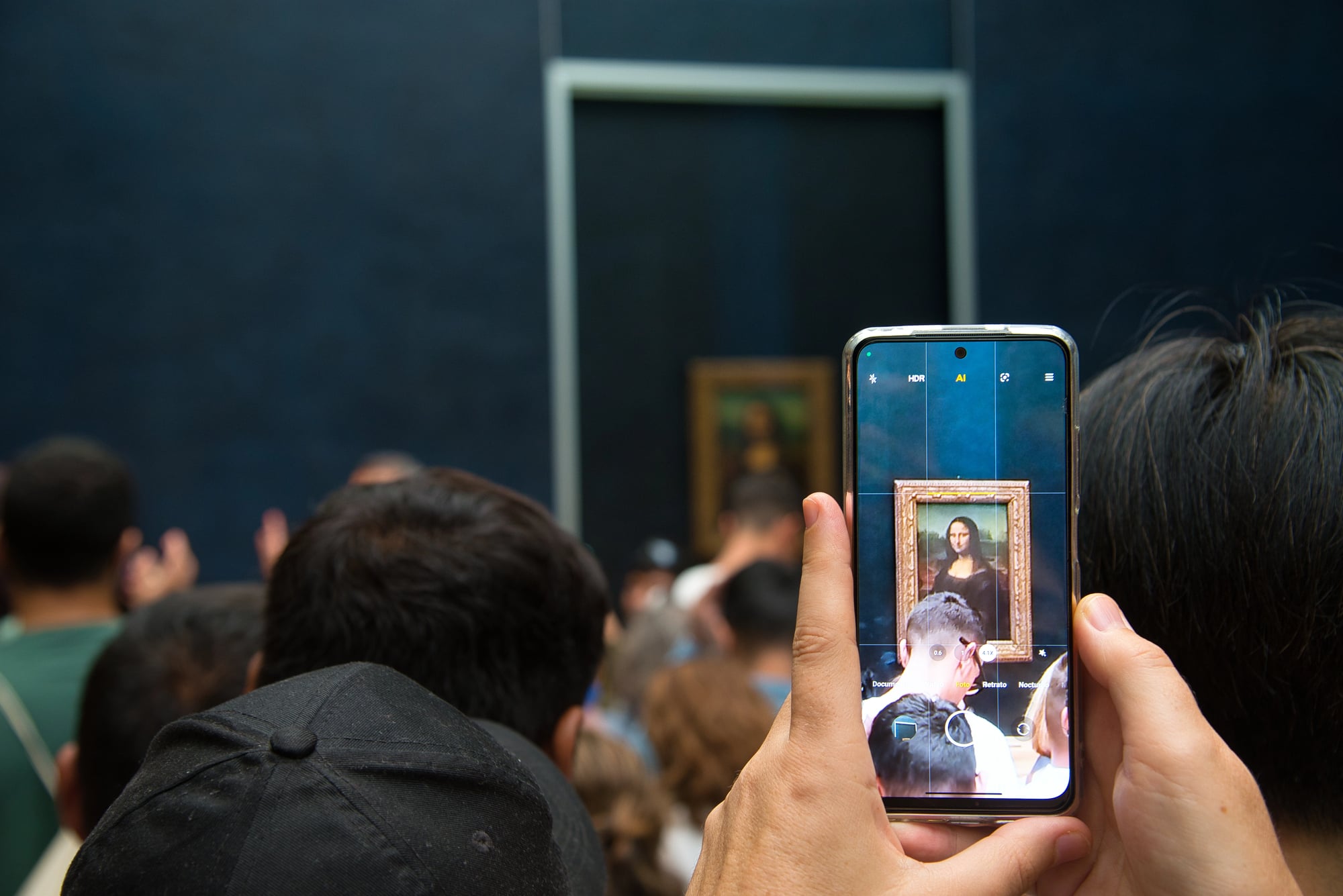
Gender-swapping theories about Renaissance art subjects aren’t uncommon, but the Mona Lisa version typically involves political intrigue rather than simple misidentification. According to these conspiracies, the person posing for da Vinci was a man who needed to assume a female identity for protection from political enemies or to carry out espionage activities.
The theory often connects to broader claims about gender fluidity in Renaissance Italian politics, where assuming false identities was supposedly more common than historical records suggest. Proponents point to what they interpret as masculine features in the face or hands.
These observations rely heavily on subjective judgments about gender characteristics that don’t account for Renaissance beauty standards or da Vinci’s particular artistic style.
The Painting Predicted Future Events
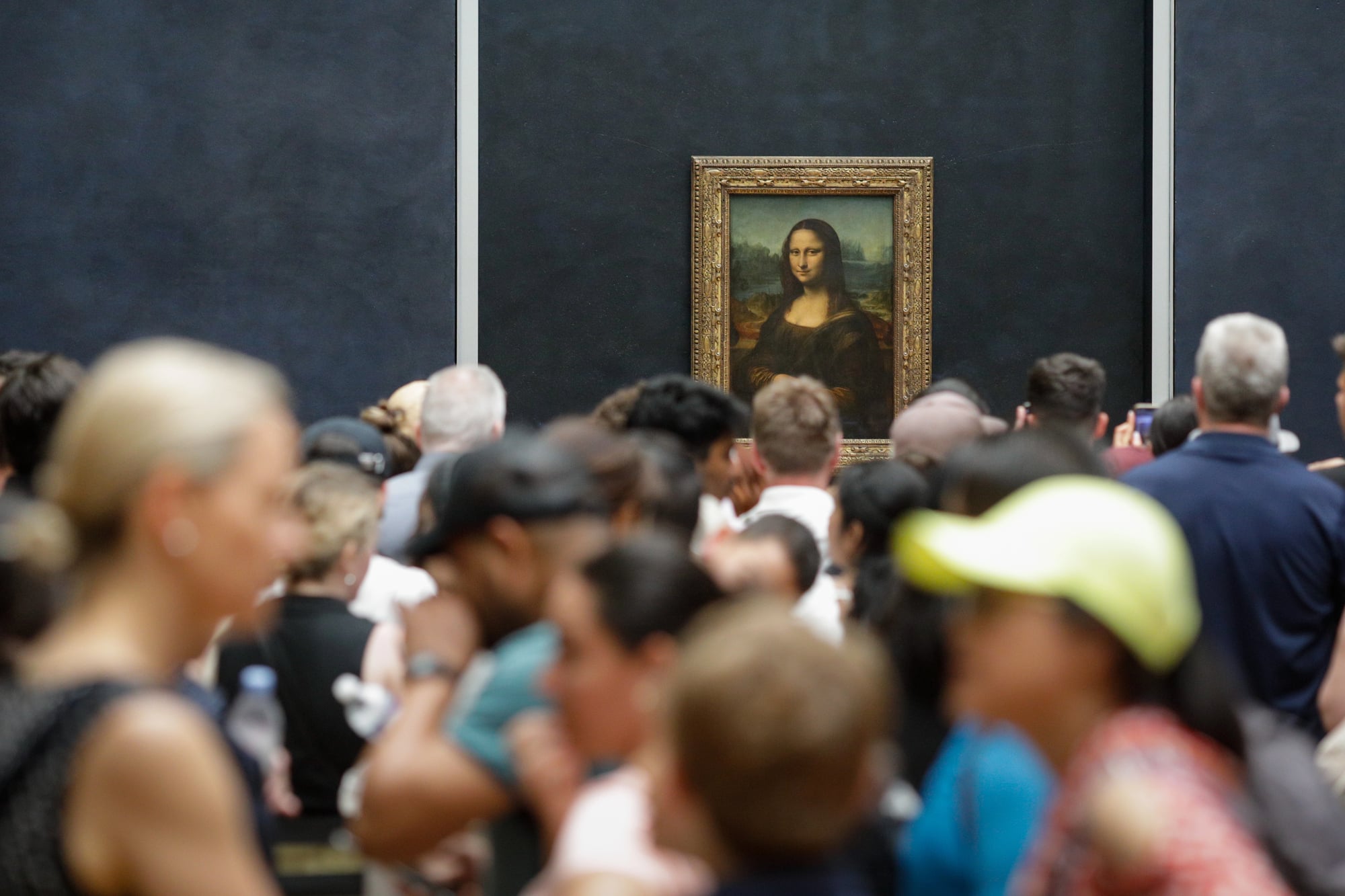
Prophetic artwork theories transform creative expression into supernatural foresight, and some conspiracy theorists claim the Mona Lisa contains visual predictions of major historical events that occurred after da Vinci’s death. These interpretations typically involve finding symbolic representations of wars, political upheavals, or technological developments hidden in the composition’s details.
The landscape background receives particular attention as a source of prophetic imagery, with theorists claiming to identify everything from industrial revolution symbols to references to modern conflicts encoded in the painted scenery.
The flexibility of symbolic interpretation allows these theories to retroactively find “predictions” of virtually any significant event, making them impossible to definitively refute while remaining impossible to prove.
Secret Society Members Use It For Coded Communication
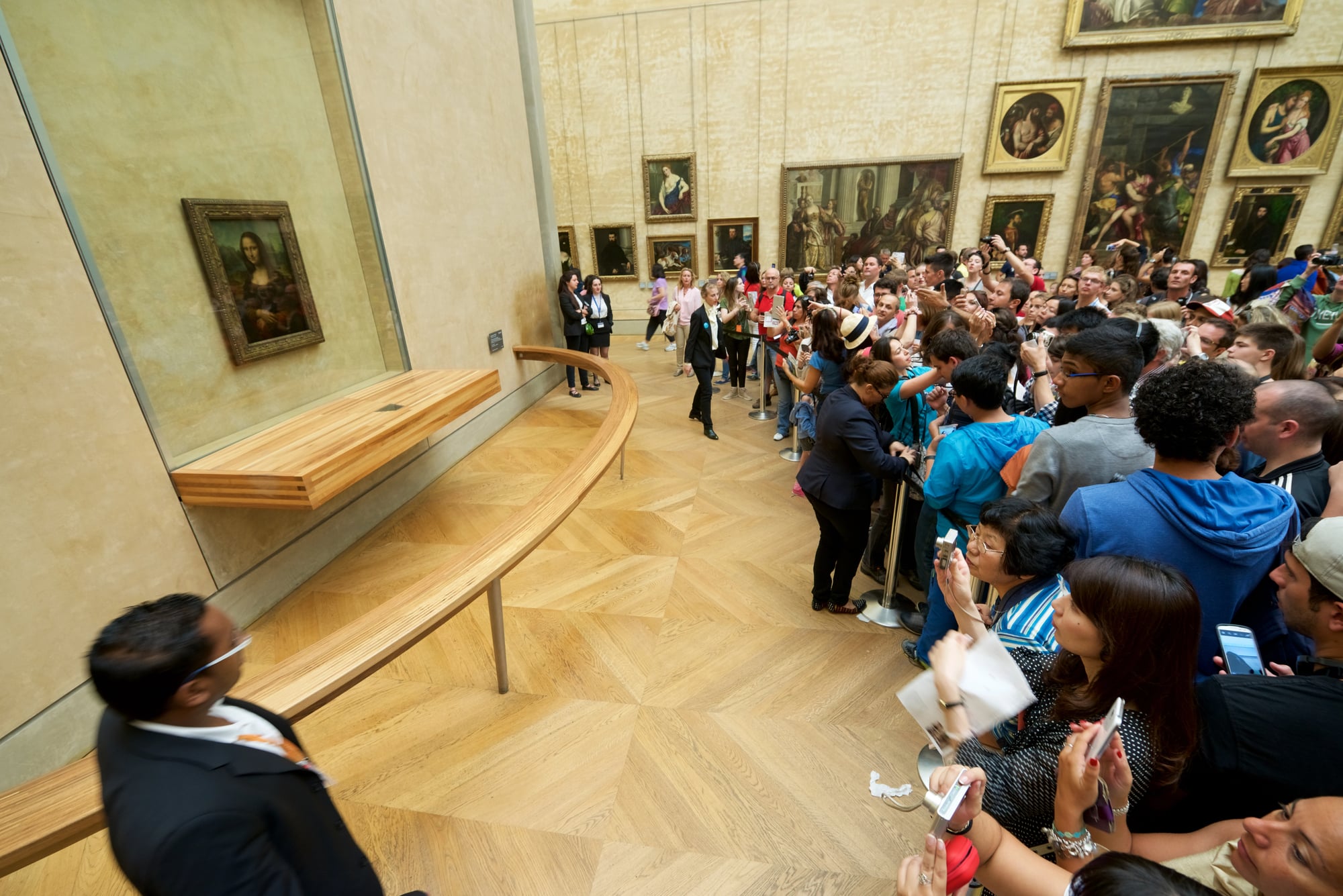
The intersection of art history and secret society mythology produces theories that transform the Mona Lisa into a communication device for clandestine organizations. These conspiracies claim that members of groups like the Freemasons, Illuminati, or other secretive societies embed messages in scholarly articles, museum displays, or even tourist materials related to the painting.
The theory suggests that seemingly innocent discussions about the artwork’s composition, history, or meaning actually contain coded instructions or information exchanges between conspiracy members. This turns every art history lecture, museum placard, or coffee table book about the Mona Lisa into potential evidence of ongoing secret communication networks.
These networks use the painting’s ubiquity and scholarly attention as cover for their activities.
The Theft Was An Inside Job By Art Dealers
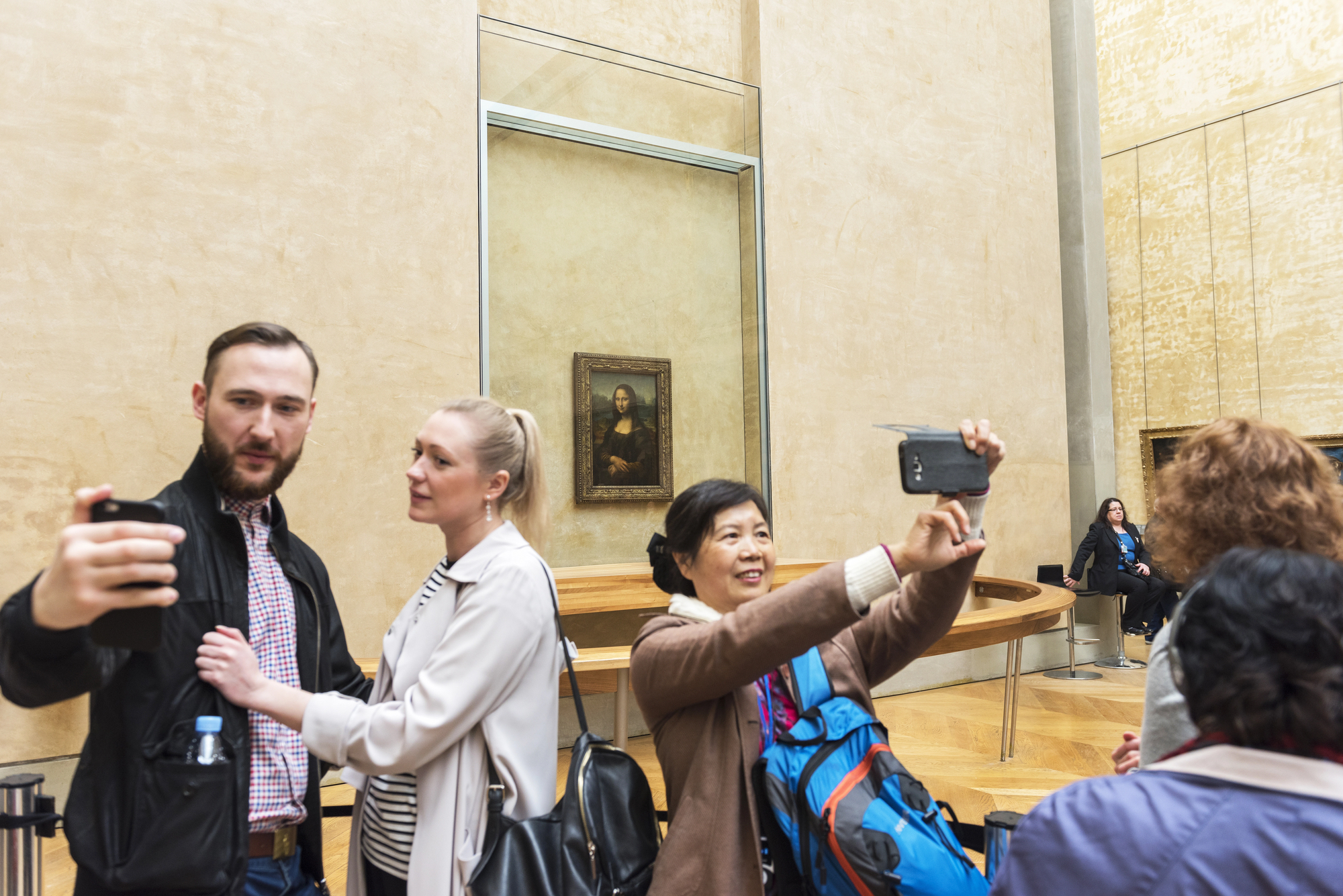
Following the money often leads conspiracy theorists to art market manipulation, and the 1911 Mona Lisa theft provides fertile ground for theories about elaborate schemes to inflate the painting’s value. These conspiracies claim that art dealers, auction houses, or collectors orchestrated the theft not to acquire the painting but to generate publicity that would increase demand for da Vinci works and Renaissance art in general.
The two-year absence supposedly created enough media attention and public fascination to transform the Mona Lisa from merely famous to iconic, benefiting anyone with related artworks to sell. Some versions suggest the theft was timed to coincide with art market conditions that would maximize the financial benefit to conspirators who had positioned themselves to profit from increased interest in Italian Renaissance paintings.
Modern Technology Reveals Hidden Layers Authorities Want Suppressed
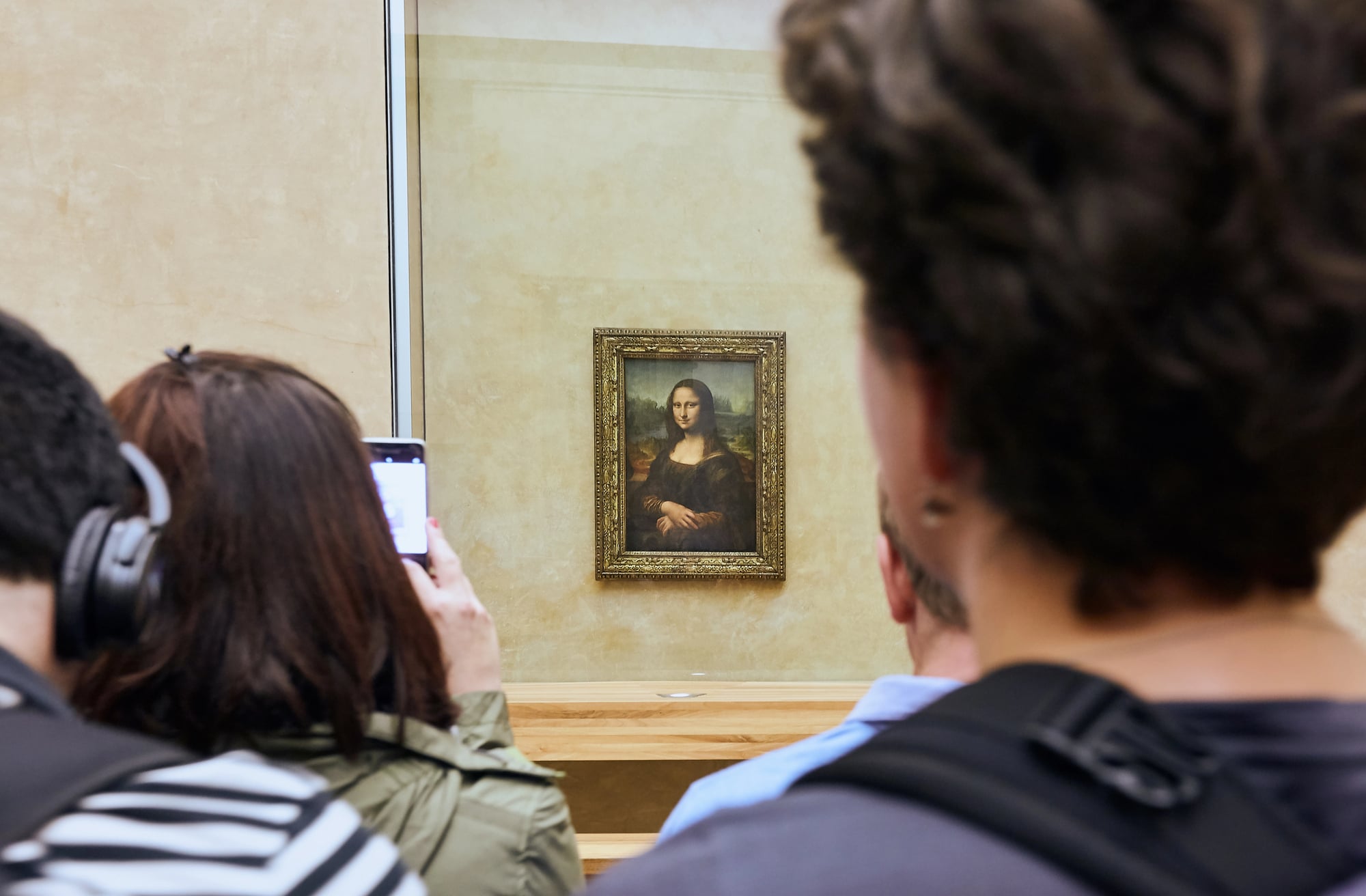
Scientific analysis of artwork often reveals surprising details beneath the surface, but conspiracy theorists claim authorities deliberately suppress discoveries about the Mona Lisa that would challenge accepted historical narratives or reveal uncomfortable truths about da Vinci, his patrons, or the Renaissance period. These theories suggest that X-ray analysis, infrared imaging, or other modern examination techniques have uncovered hidden paintings, controversial symbols, or text beneath the visible surface that powerful institutions want to keep secret.
The suppressed information supposedly relates to everything from alternative religious beliefs to political scandals to evidence of advanced knowledge that doesn’t fit conventional historical timelines. The fact that detailed technical analysis results aren’t always immediately published or widely disseminated feeds suspicions that significant discoveries are being deliberately concealed.
When Mystery Meets Masterpiece
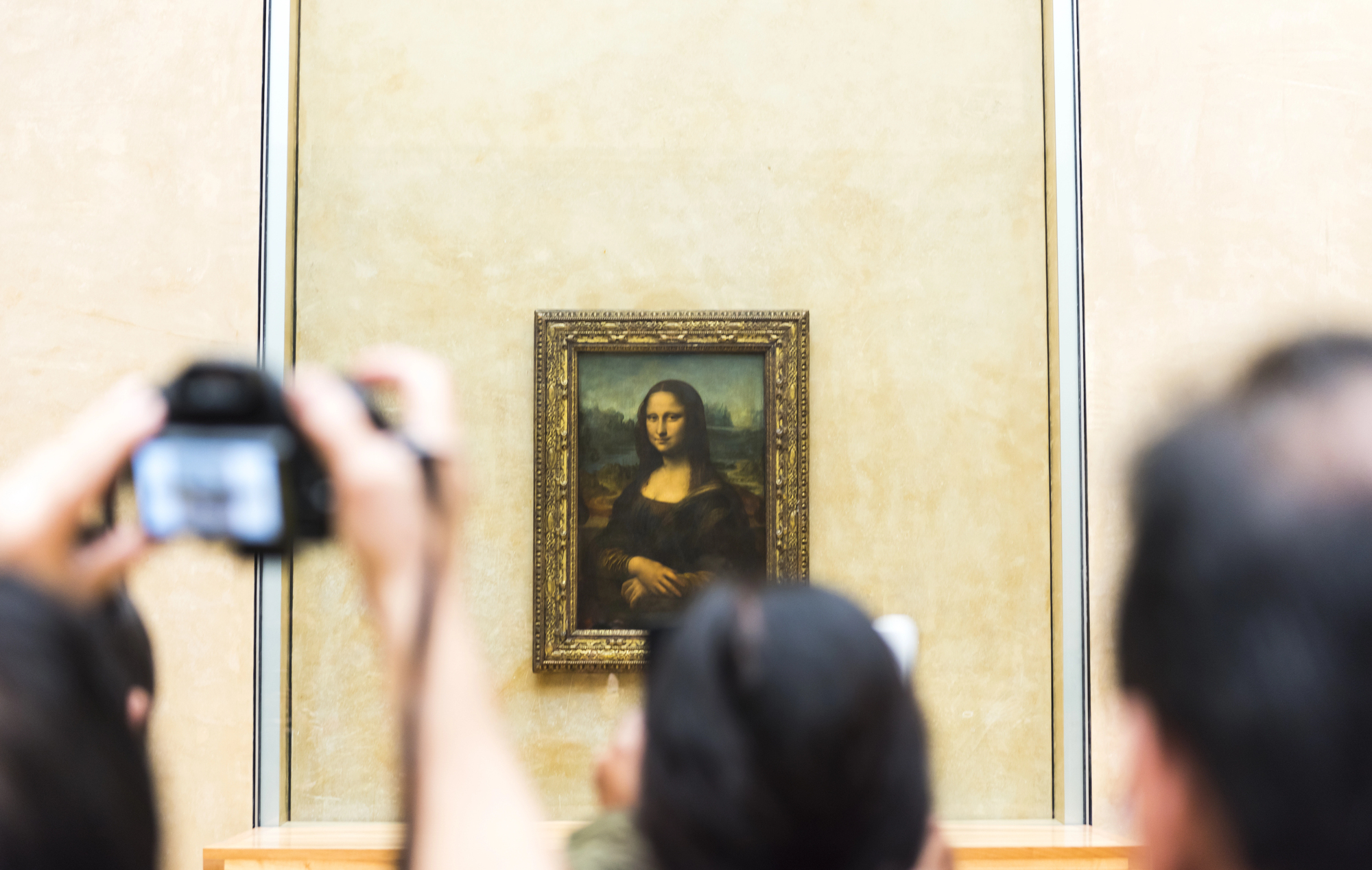
Art history would be duller without its conspiracy theories, even the ones that require impressive mental gymnastics to maintain. The Mona Lisa attracts these elaborate alternative explanations precisely because it occupies such a unique position in our cultural consciousness — famous enough that everyone recognizes it, mysterious enough that questions remain unanswered, and valuable enough that the stakes feel significant.
Whether any of these theories hold water matters less than what they reveal about our need to find hidden meaning in things that captivate us beyond easy explanation. Sometimes the most interesting part isn’t the conspiracy itself, but the fact that people care enough about a 500-year-old painting to construct such intricate stories around it.
More from Go2Tutors!

- The Romanov Crown Jewels and Their Tragic Fate
- 13 Historical Mysteries That Science Still Can’t Solve
- Famous Hoaxes That Fooled the World for Years
- 15 Child Stars with Tragic Adult Lives
- 16 Famous Jewelry Pieces in History
Like Go2Tutors’s content? Follow us on MSN.


