Strict Etiquette Rules Enforced in Tudor England
Tudor England wasn’t just about grand palaces and elaborate clothing. It was a society where every gesture, word, and bow carried weight.
The wrong move at court could destroy careers or worse. Social rules weren’t suggestions — they were survival mechanisms in a world where etiquette determined your fate.
Dining with Your Betters
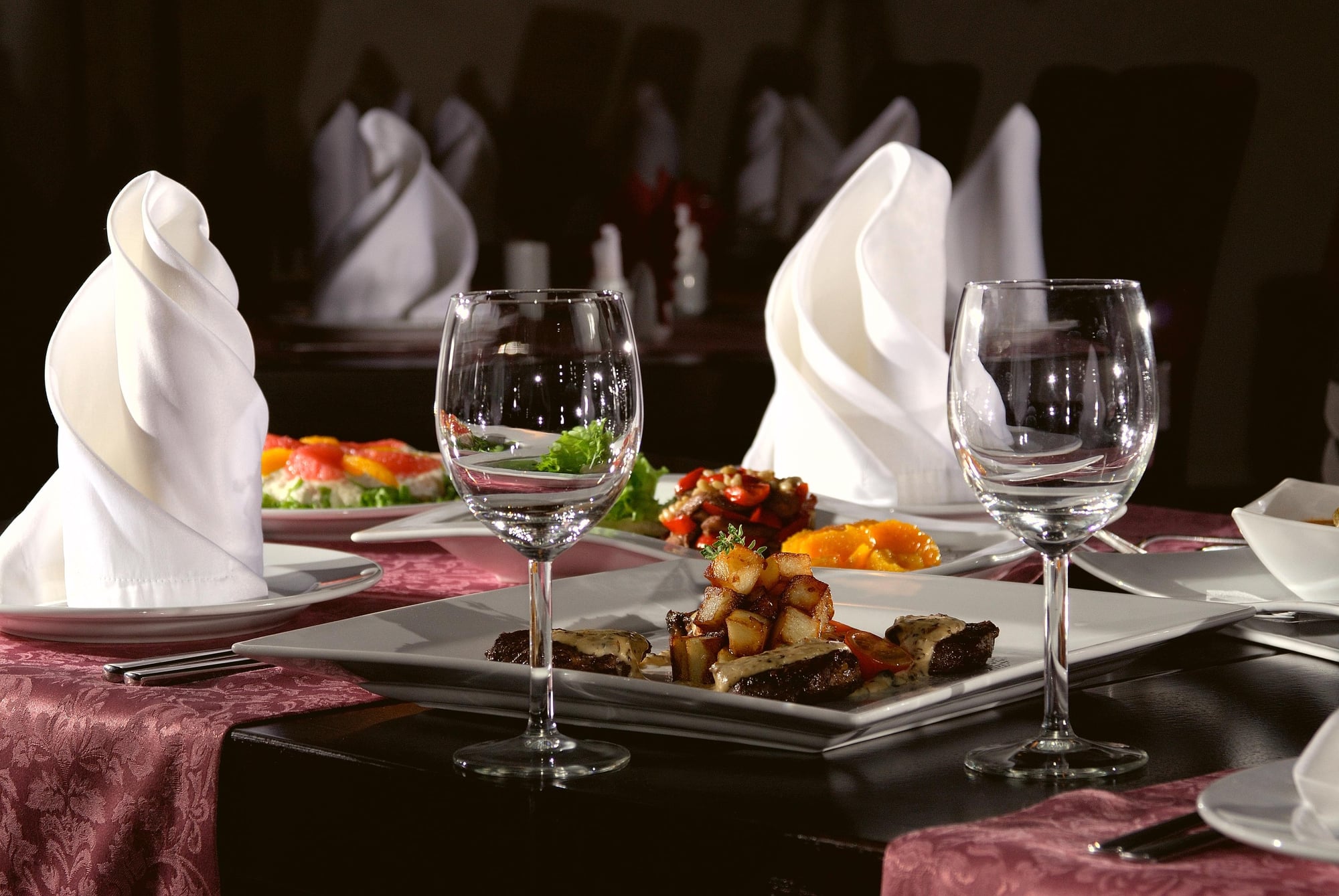
You didn’t just sit anywhere at a Tudor feast. Seating arrangements were calculated displays of power, and everyone knew exactly where they belonged.
The closer to the monarch’s table, the higher your standing — and heaven help anyone who tried to sit above their station.
Proper Greetings Based on Social Rank

Tudor greetings weren’t casual affairs, and the elaborate system of bows, curtseys, and hat-tipping served as constant reminders of who ranked where in society’s rigid hierarchy. Men removed their hats (and kept them off) when greeting anyone of higher status, which created an almost comical scene of bare-headed nobles scurrying through corridors whenever royalty might appear nearby — because being caught with your hat on in the wrong moment wasn’t just embarrassing, it was dangerous.
And the depth of your bow? That required mathematical precision based on the exact social distance between you and the person you were greeting.
Women had their own complex choreography of curtseys, with the duration and depth varying according to rank, and the whole system became even more intricate when groups gathered. Who bowed first? How long did each greeting last?
Get it wrong, and you’d just announced to everyone present that you either didn’t know your place or didn’t respect theirs.
Court Dress Codes
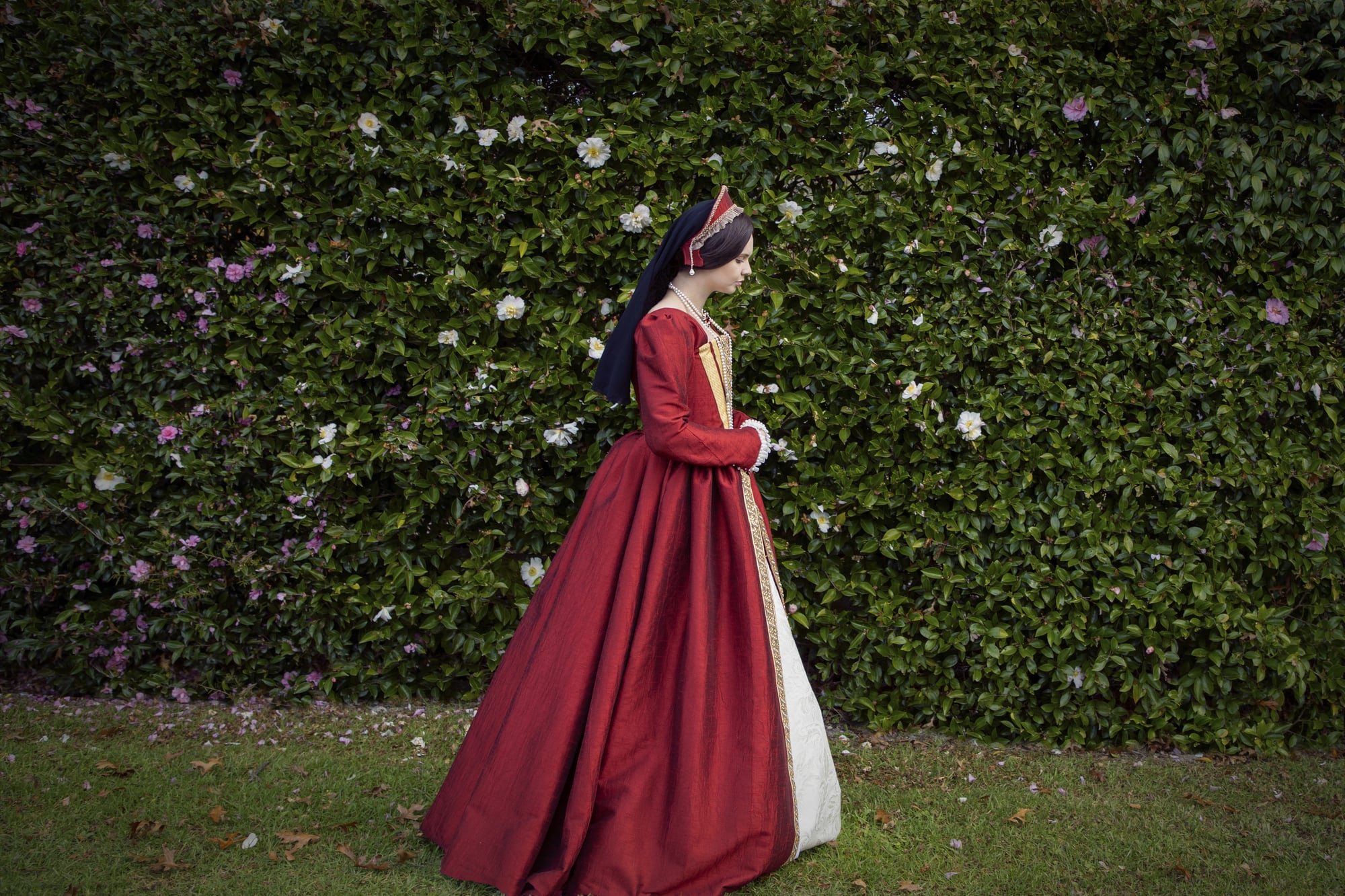
Looking the part meant everything at Tudor court. Specific fabrics, colors, and styles were restricted by law to certain social classes.
Silk wasn’t just expensive — it was illegal for commoners to wear.
Sumptuary laws dictated who could sport velvet, ermine, or cloth of gold. Purple remained reserved for royalty.
These weren’t fashion suggestions but legal requirements with real penalties for violation.
Speaking When Spoken To

The art of conversation in Tudor England operated on unspoken rules that could make or break reputations (and sometimes necks), with courtiers learning early that timing mattered as much as content when addressing their superiors. You never interrupted royalty — not even to agree enthusiastically — because the assumption was that anything important enough to interrupt a monarch over had better be worth dying for, and most topics weren’t.
So conversations became careful dances: waiting for the right pause, reading facial expressions for permission to continue, and always leaving room for your betters to redirect or cut you off entirely.
But silence carried its own risks. Appear too quiet, and you might be dismissed as dull or, worse, plotting something.
The sweet spot was engaged attentiveness — ready to contribute when called upon, but never presumptuous enough to volunteer thoughts unasked.
Walking in Procession

Tudor processions weren’t parades but carefully choreographed displays of hierarchy. Your position in line announced your importance to everyone watching.
Walk out of turn and you’d just committed a public insult to everyone who should have preceded you.
The order was memorized by courtiers who spent careers tracking the subtle shifts in royal favor that might move them forward or backward a few crucial steps. Even the pace was regulated — too fast and you’d appear eager to overtake your superiors, too slow and you’d hold up the entire ceremony.
Gift-Giving Protocols

Present-giving to Tudor royalty was like threading a needle blindfolded while riding a horse — one wrong move and everything unraveled spectacularly. The gifts themselves had to strike an impossible balance: valuable enough to show proper respect but not so lavish as to suggest you were trying to buy favor (or worse, that you had money to throw around while the crown’s coffers ran low).
And the timing mattered just as much as the gift itself, because showing up with an expensive token right after falling from royal grace looked suspiciously like desperate bribery rather than genuine affection.
Even the presentation required its own etiquette. You approached on your knees, waited for permission to speak, offered the gift with both hands, and then remained kneeling until dismissed — which could be immediately or could stretch uncomfortably long if the monarch decided to examine your offering in detail while you held the position.
Table Manners and Hierarchy

Tudor dining turned meals into theater. The highest-ranking person was served first, always.
Everyone else waited. Reaching across the table for food was unthinkable — servants brought dishes to you based on your rank in the seating order.
You ate with your fingers mostly, but even that had rules. Three fingers maximum.
Wipe them on your napkin, not your clothes. Share your drinking cup only with social equals.
The whole meal became a careful performance of knowing your place and staying in it.
Religious Observances at Court

Religious ceremony at Tudor court was less about personal faith and more about public loyalty — a fact that became particularly dangerous as England ping-ponged between Catholic and Protestant rulers throughout the dynasty. Attending the wrong service or showing insufficient enthusiasm during prayers could mark you as politically unreliable, which in Tudor terms meant potentially treasonous.
So courtiers learned to pray with visible fervor regardless of their private beliefs, because the monarch’s religious preferences weren’t spiritual guidance but survival instructions.
The rituals themselves required their own etiquette: when to kneel, when to stand, how long to remain in prayer position, and which saints (if any) it was currently safe to invoke. Get caught making the sign of the cross during a Protestant service, or fail to cross yourself when Catholic ritual demanded it, and you’d just announced your disloyalty to anyone watching.
Correspondence Formalities
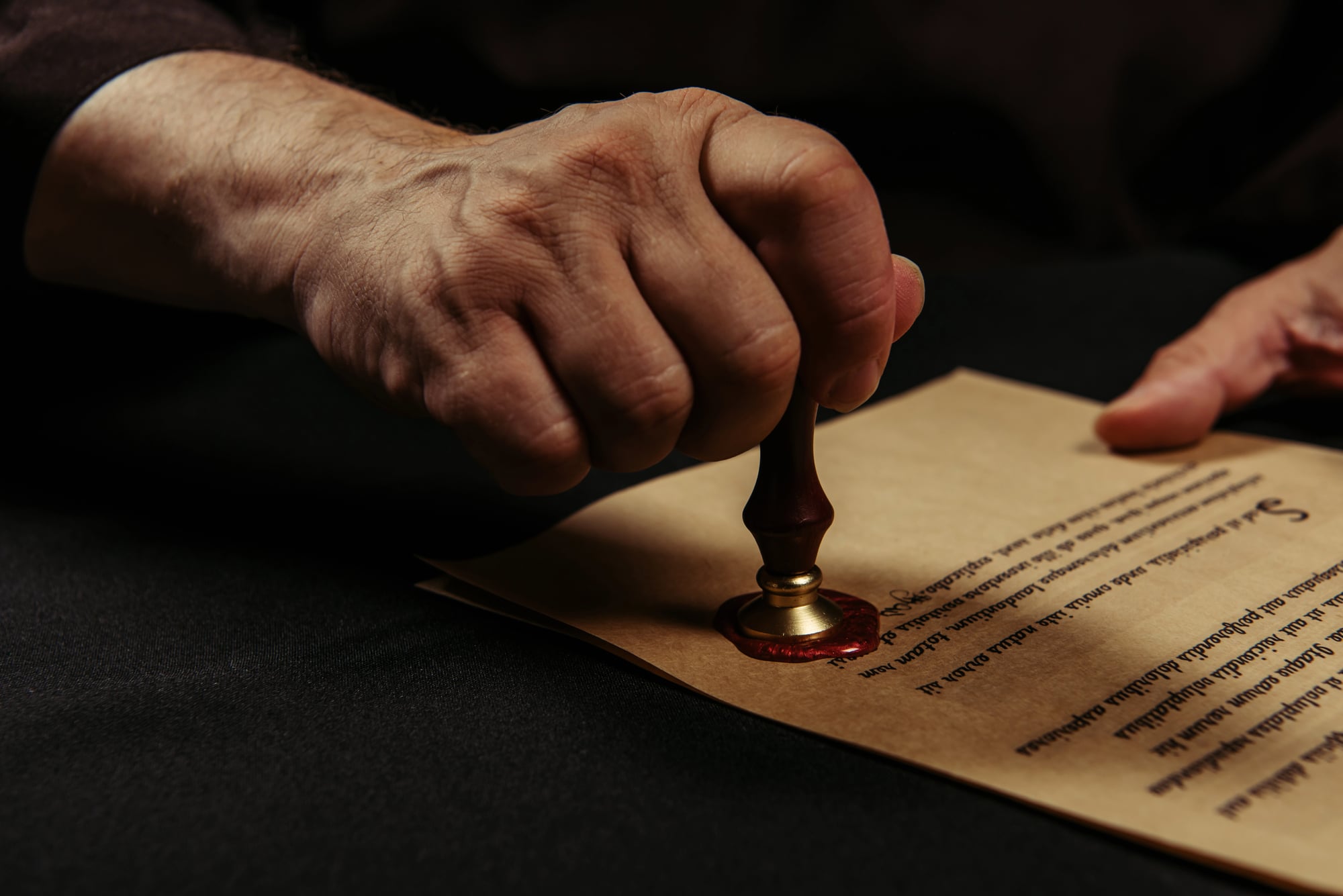
Letters in Tudor England weren’t casual notes but formal documents that could preserve or destroy relationships based purely on their phrasing. The greeting alone required careful calculation — too familiar and you’d insulted someone’s dignity, too formal and you’d suggested coldness or worse, a desire for distance that might be interpreted as political disagreement.
And since letters were often read by multiple people before reaching their intended recipient (privacy being a luxury even royalty couldn’t guarantee), every word had to survive scrutiny by potentially hostile eyes.
The closing formulas were equally treacherous. “Your most humble and obedient servant” wasn’t just politeness but a careful declaration of loyalty that could be referenced later if questions arose about your allegiances.
Hunting and Leisure Activities

Royal hunts weren’t recreational outings but elaborate displays of power where even the wildlife served political purposes. You hunted where the monarch directed, rode where protocol demanded, and celebrated kills with precisely the right amount of enthusiasm — too little and you seemed bored by royal entertainment, too much and you might upstage the primary hunter.
The courtiers learned to read the subtle signals that indicated when they should allow their own horses to fall behind, when to offer their best hunting birds to royal use, and when to tactfully miss shots that might compete with royal success. Even leisure required careful choreography.
Marriage and Courtship Rules

Tudor courtship, especially among the nobility, was less about romance and more about strategic alliance-building disguised as personal affection. Young people learned early that their marriage choices weren’t theirs to make — parents, guardians, and ultimately the crown held veto power over any union that might affect the balance of power or property.
So courtship became an elaborate performance where genuine feelings had to be carefully hidden behind the acceptable display of proper negotiations between families.
Even flirtation required rules. Too much attention to the wrong person could be interpreted as a political statement or, if directed toward someone already promised elsewhere, as an insult to their intended’s family.
The safest approach was to let others initiate romantic possibilities while maintaining perfect courtesy toward everyone equally.
Punishment for Etiquette Violations

Break etiquette at Tudor court and the consequences ranged from social embarrassment to actual imprisonment. Minor violations earned public correction — a humiliation that could damage your standing for months.
Major breaches, especially those that seemed to challenge royal authority, could result in banishment from court or worse.
The punishments were designed to be memorable. Public apologies delivered on bended knee. Temporary exile from royal presence.
Loss of titles or positions. The message was clear: proper behavior wasn’t optional, it was a requirement of survival in a world where the monarch’s displeasure could destroy lives with remarkable efficiency.
Living by the Rules

These weren’t arbitrary restrictions but the operating system of a society where every interaction carried political weight. Tudor courtiers didn’t follow etiquette rules because they loved ceremony — they followed them because their lives depended on it.
The elaborate bows, careful seating arrangements, and formal letters weren’t mere traditions but survival tools in a world where the wrong gesture could end everything you’d worked to build.
More from Go2Tutors!

- The Romanov Crown Jewels and Their Tragic Fate
- 13 Historical Mysteries That Science Still Can’t Solve
- Famous Hoaxes That Fooled the World for Years
- 15 Child Stars with Tragic Adult Lives
- 16 Famous Jewelry Pieces in History
Like Go2Tutors’s content? Follow us on MSN.