Smallest Countries to Visit
Imagine stepping into a place so small, your mind grasps it whole by noon. Not much ground to cover—just winding streets, quiet corners, maybe a hilltop view.
Distance never gets in the way here. You walk from border to border without breaking stride. What stands out isn’t size but texture: the chipped paint on a doorway, laughter drifting from a café, a flag fluttering above a low stone wall.
These nations feel finished somehow, like sentences that land exactly where they should. Space doesn’t stretch endlessly ahead. Instead, everything stays close, noticed, within reach.
Vatican City
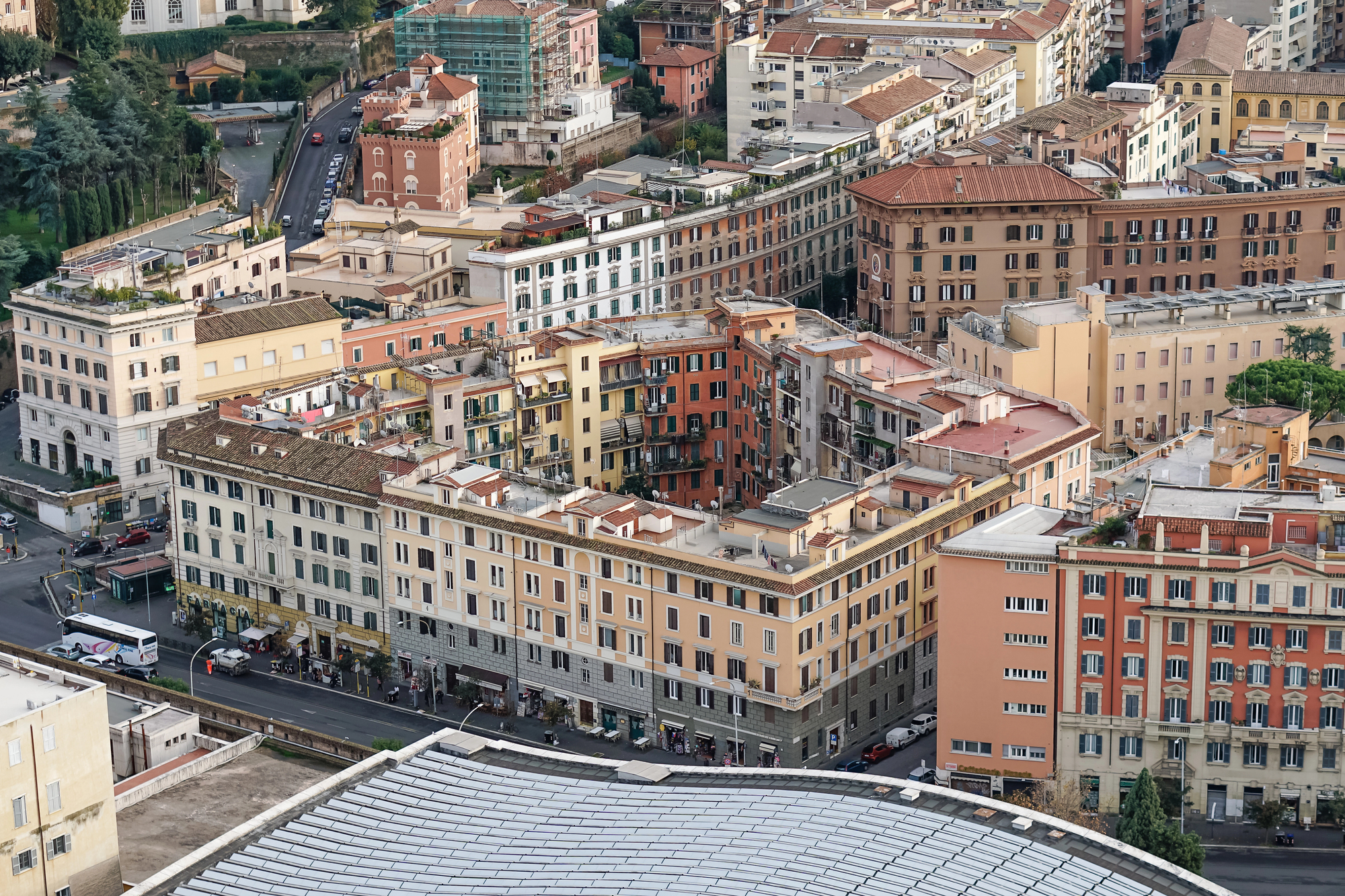
Vatican City is the smallest recognised country in the world, covering less than half a square mile and existing entirely within the city of Rome. Its borders are easy to miss, yet its presence is unmistakable.
Everything here feels intentional. Streets are short, buildings monumental, and public spaces designed to frame meaning rather than movement. Walking through St Peter’s Square, the scale feels theatrical, as though architecture itself is guiding the experience.
Even so, the country’s size encourages a slower pace, where visitors can linger and absorb details without the pressure of distance. The Vatican Museums stretch across a surprisingly complex network of corridors and galleries, proving that density does not equal simplicity.
Hours can pass within walls that sit only steps apart. By the time you leave, the idea of a country being defined by physical reach feels almost irrelevant.
Monaco
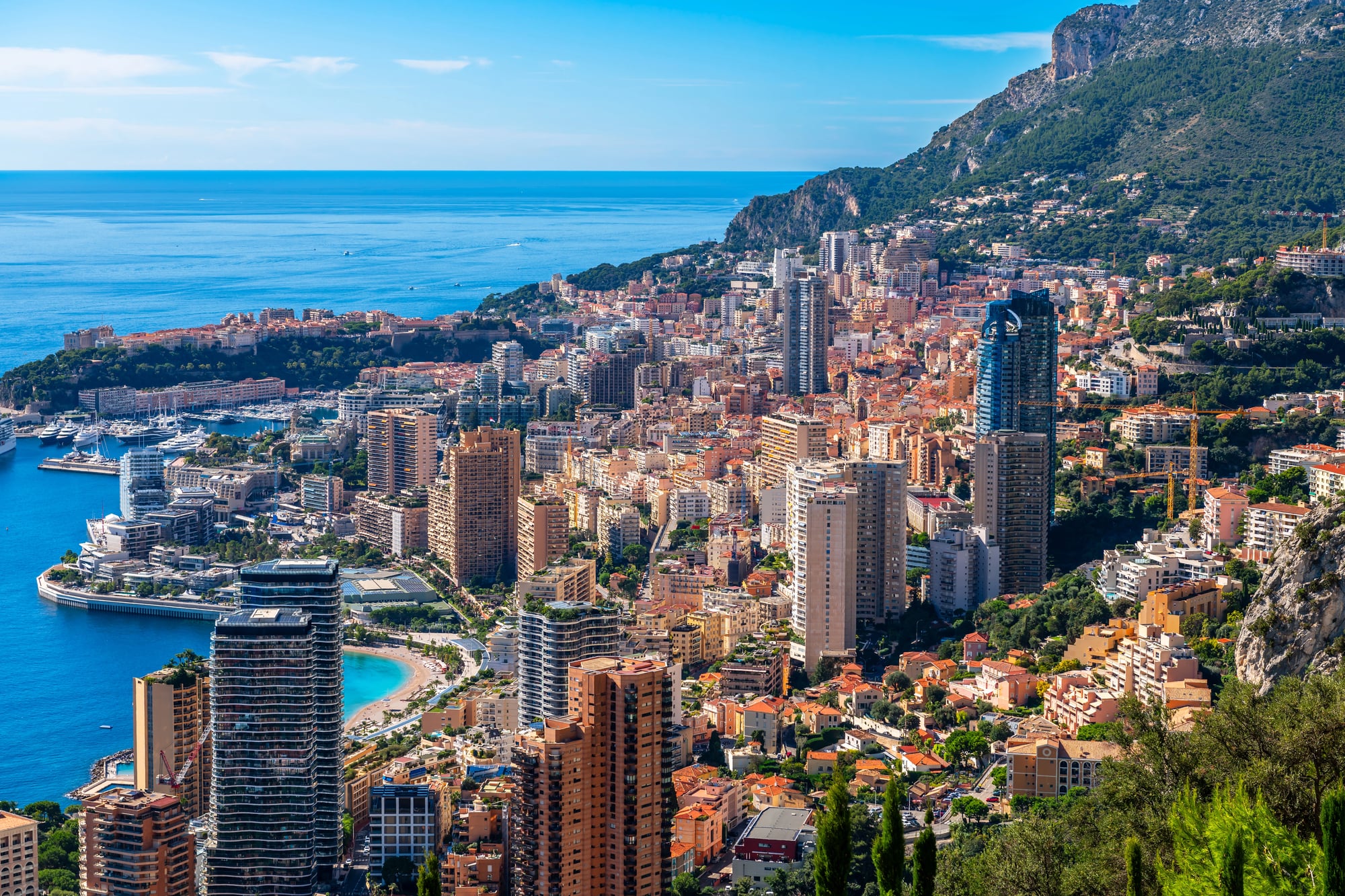
Monaco occupies just over 0.7 square miles along the French Riviera, wedged between steep hills and the Mediterranean Sea. It is small enough to cross on foot, yet layered enough to feel like multiple environments stacked together.
Streets climb vertically, public elevators link neighbourhoods, and tunnels cut through rock to make movement efficient. The country’s reputation for polish and wealth often overshadows its daily rhythms.
Early mornings reveal joggers along the waterfront, shopkeepers opening doors, and cafés easing into the day. In a place this small, routines repeat quickly, creating a sense of familiarity even for short-term visitors.
Still, Monaco’s compact nature enhances its spectacle. Events feel amplified because everything happens within the same tight frame. A harbour, a palace, a historic quarter, and modern districts coexist without sprawl.
San Marino
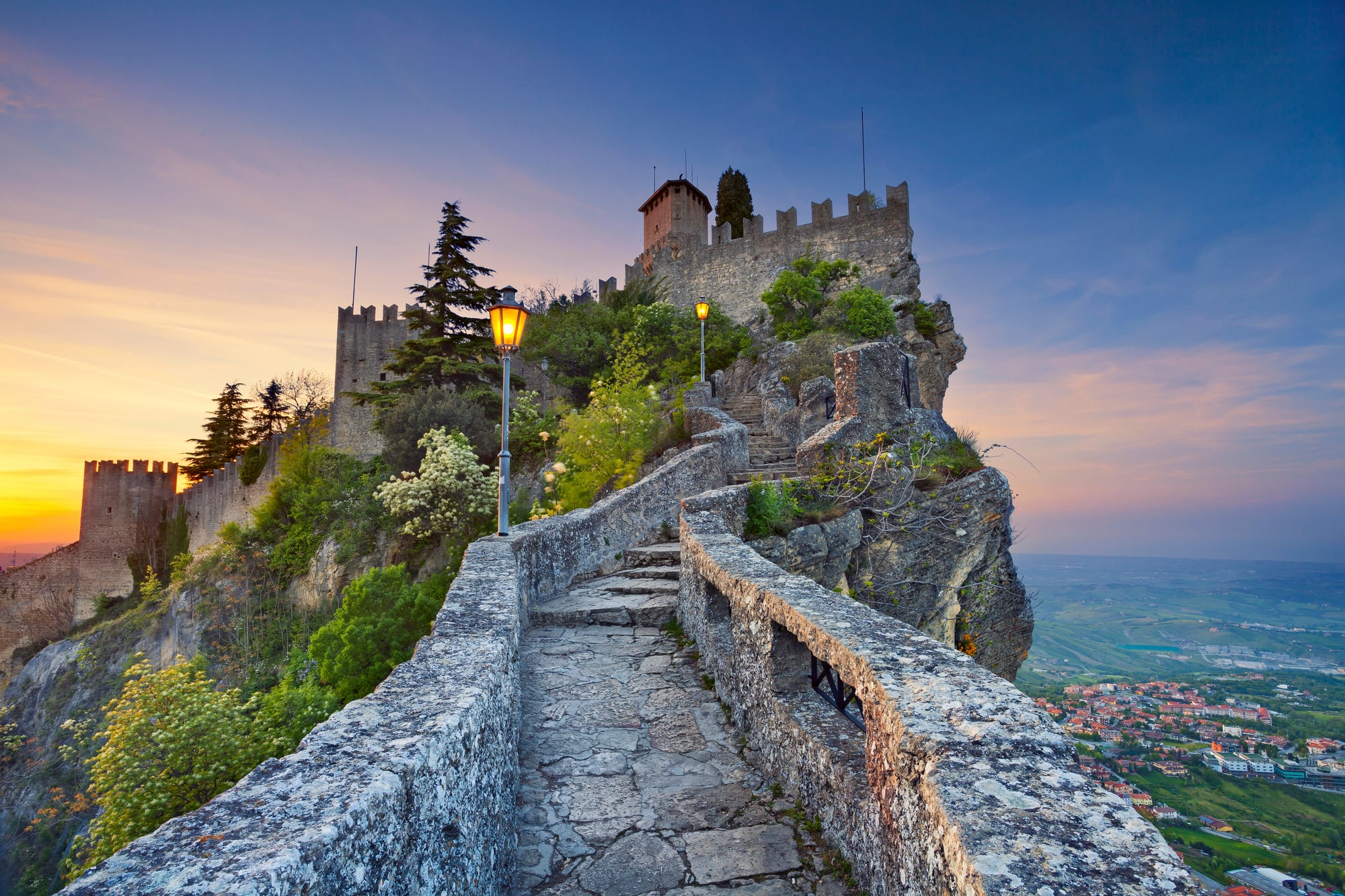
San Marino rises dramatically from the Italian countryside, perched atop Mount Titano like a fortress preserved in time. With just over 24 square miles of territory, it remains one of the smallest countries in Europe and one of the oldest republics still in existence.
Its endurance shapes both its identity and its appeal. The capital feels deliberately historic, with stone streets and defensive towers framing views that stretch far beyond the country’s borders.
Because the land is limited, development has followed the terrain rather than reshaping it. Buildings cling to slopes, and pathways curve where straight lines would feel unnatural.
Even so, San Marino never feels trapped by its size. The surrounding views give it a sense of openness, while its compact layout makes exploration feel intuitive. Visitors often leave with the impression of having seen the whole country.
Liechtenstein
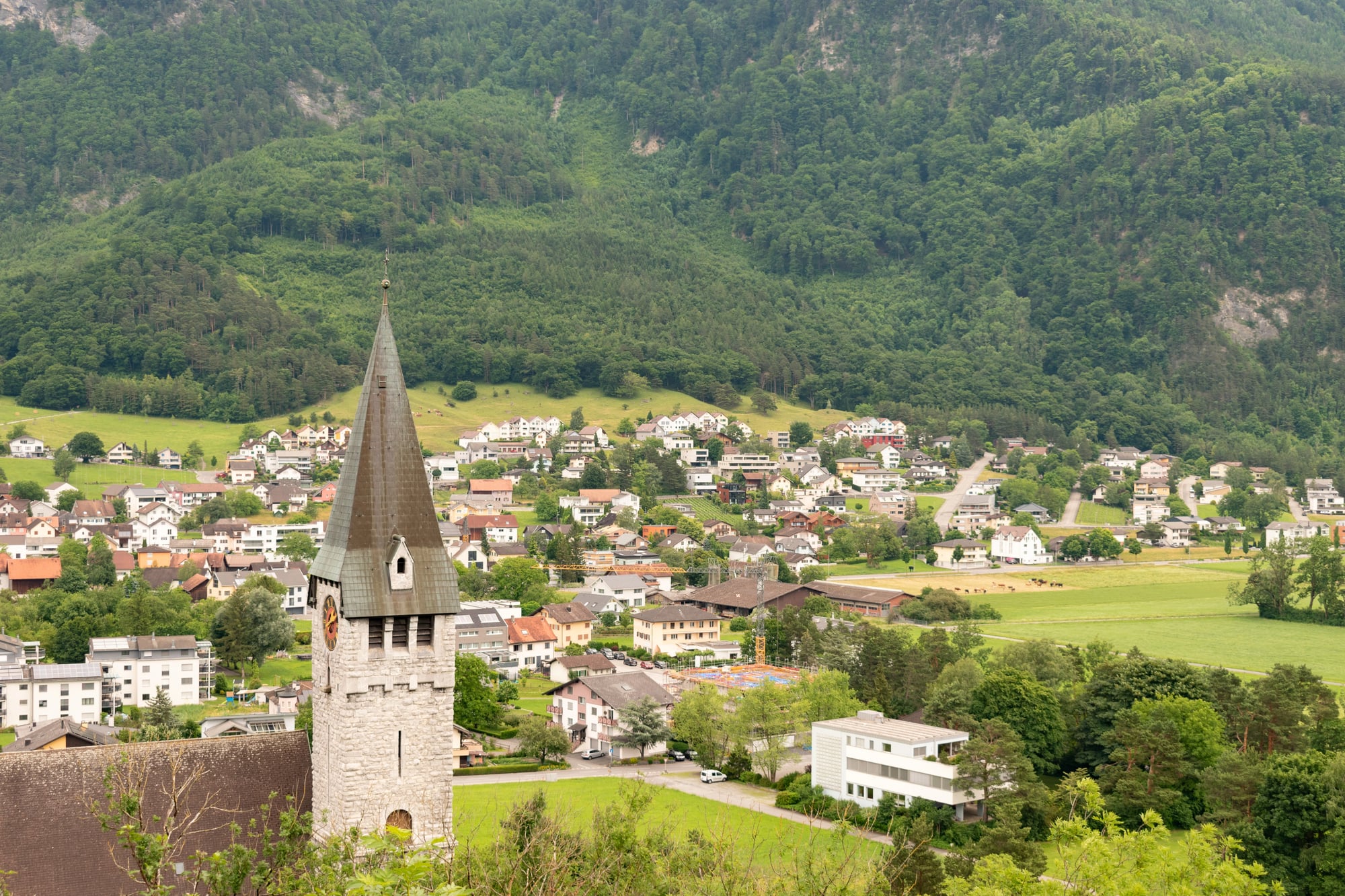
Liechtenstein sits quietly between Switzerland and Austria, covering roughly 62 square miles of Alpine terrain. It rarely demands attention, and that understated presence is part of its charm.
Mountains dominate the landscape, shaping villages that feel orderly, calm, and deeply connected to their surroundings. The capital, Vaduz, is small enough to explore in a morning, with museums, government buildings, and residential streets clustered close together.
On the other hand, the countryside quickly takes over, with trails and open spaces defining much of the country’s character. Distance is never a barrier here, only an invitation.
Because everything is close, exploration feels flexible. Plans shift easily, and detours rarely feel inconvenient. Liechtenstein’s size encourages visitors to slow down and engage with the place rather than rushing between highlights.
Malta
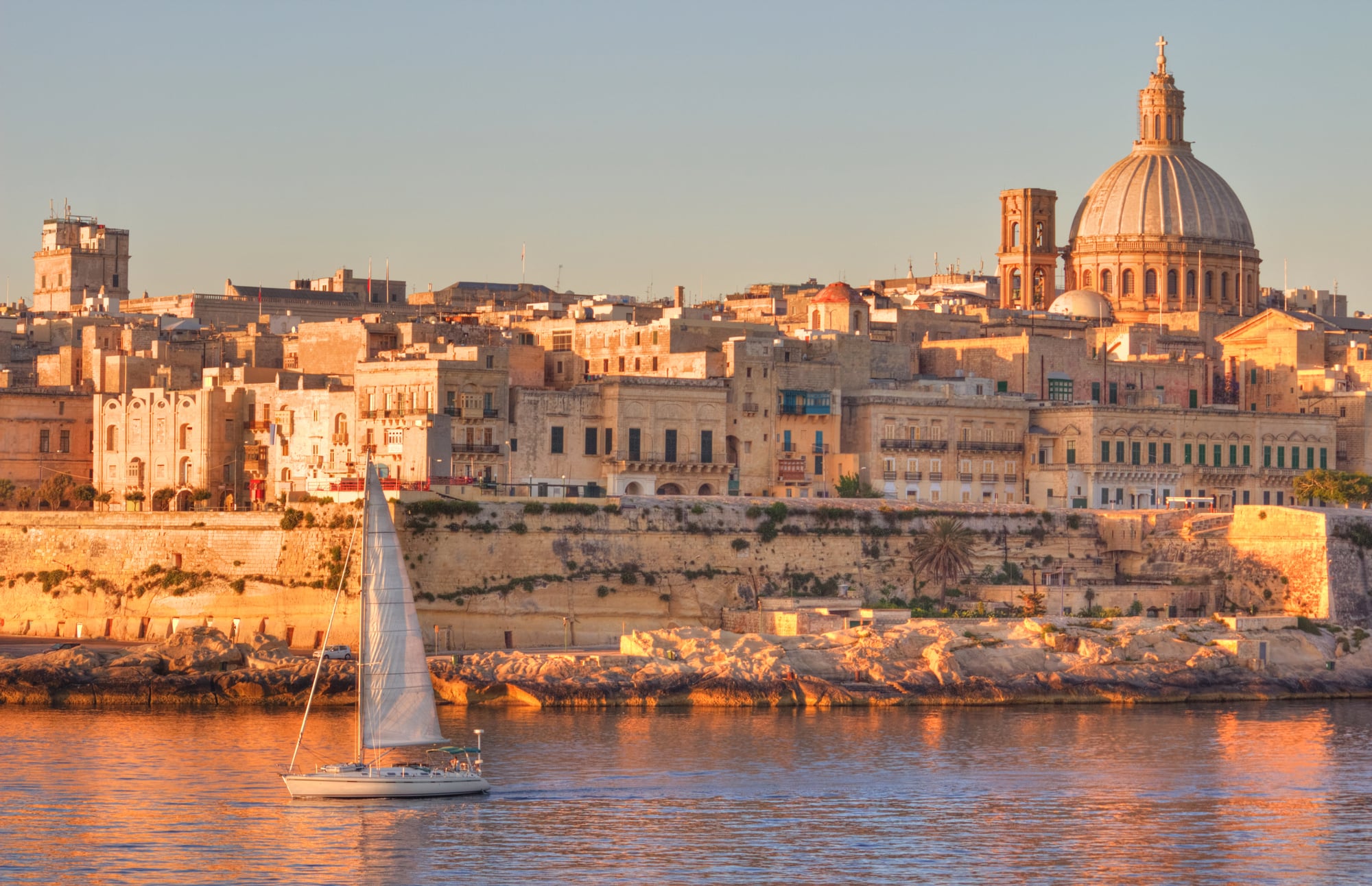
Malta proves that small countries can hold immense historical weight. At about 122 square miles, the entire nation fits comfortably within a single day’s drive, yet its past spans thousands of years.
Layers of history sit visibly on top of one another, often within the same neighbourhood. Cities like Valletta feel dense with meaning, where fortified walls, narrow streets, and sea views converge.
Malta’s compact size makes variety accessible. Coastal villages, ancient ruins, and quiet countryside are never far apart, allowing for constant shifts in atmosphere.
The island’s scale encourages exploration without exhaustion. Visitors can return to familiar places repeatedly, noticing changes in light, rhythm, and mood.
Andorra
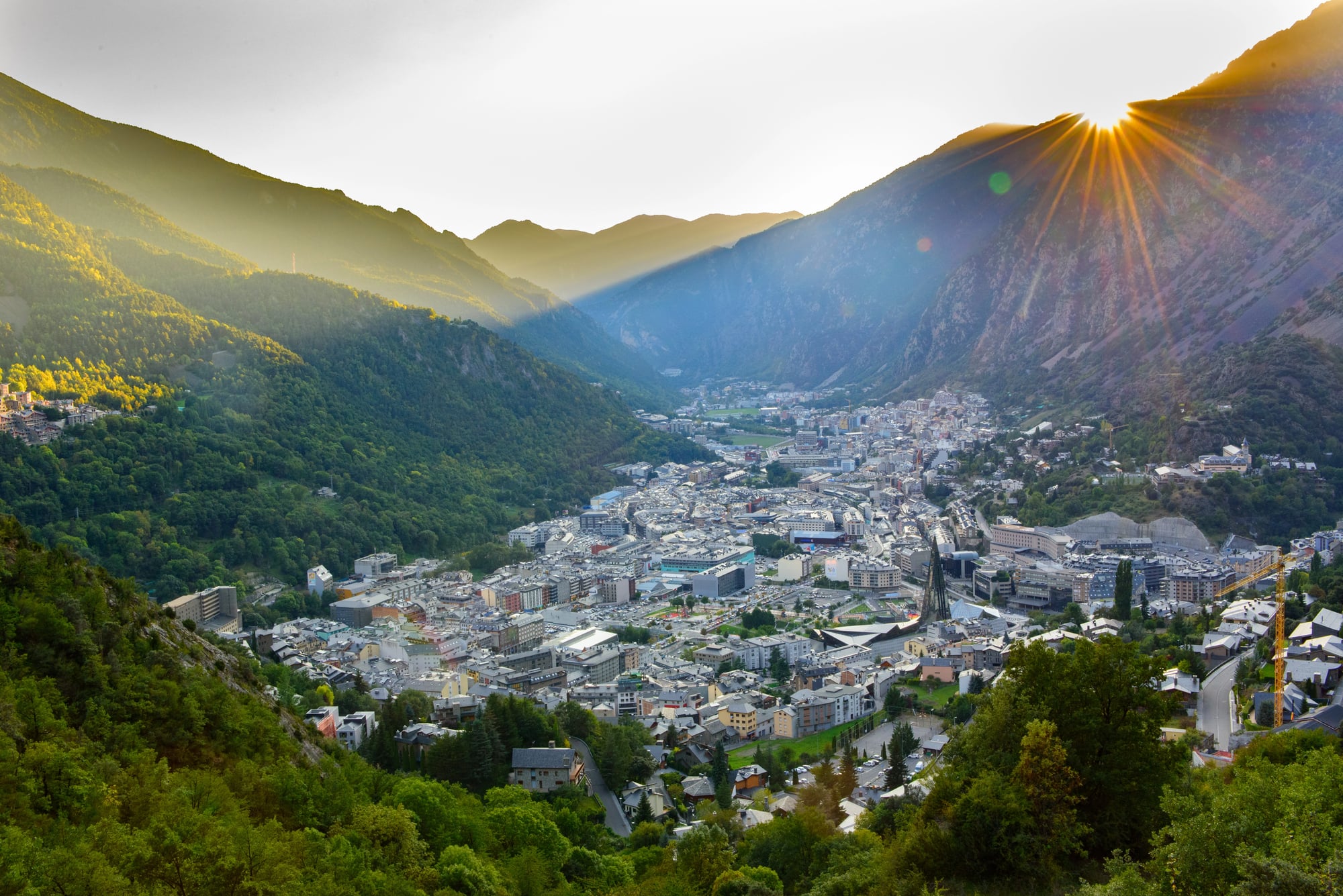
Andorra occupies about 181 square miles in the Pyrenees, nestled between France and Spain. Mountains define nearly every aspect of life here, from road design to settlement patterns.
The country feels vertical rather than wide, with towns tucked into valleys and slopes. Travel through Andorra is shaped by curves and elevation changes rather than long distances.
Even short drives reveal dramatic shifts in scenery. Ski resorts, hiking routes, and thermal spas exist close to one another, creating a destination that balances activity and rest.
Much of Andorra remains quiet and undeveloped. Its size allows for protection of large natural areas, ensuring that human activity feels integrated rather than dominant.
Luxembourg
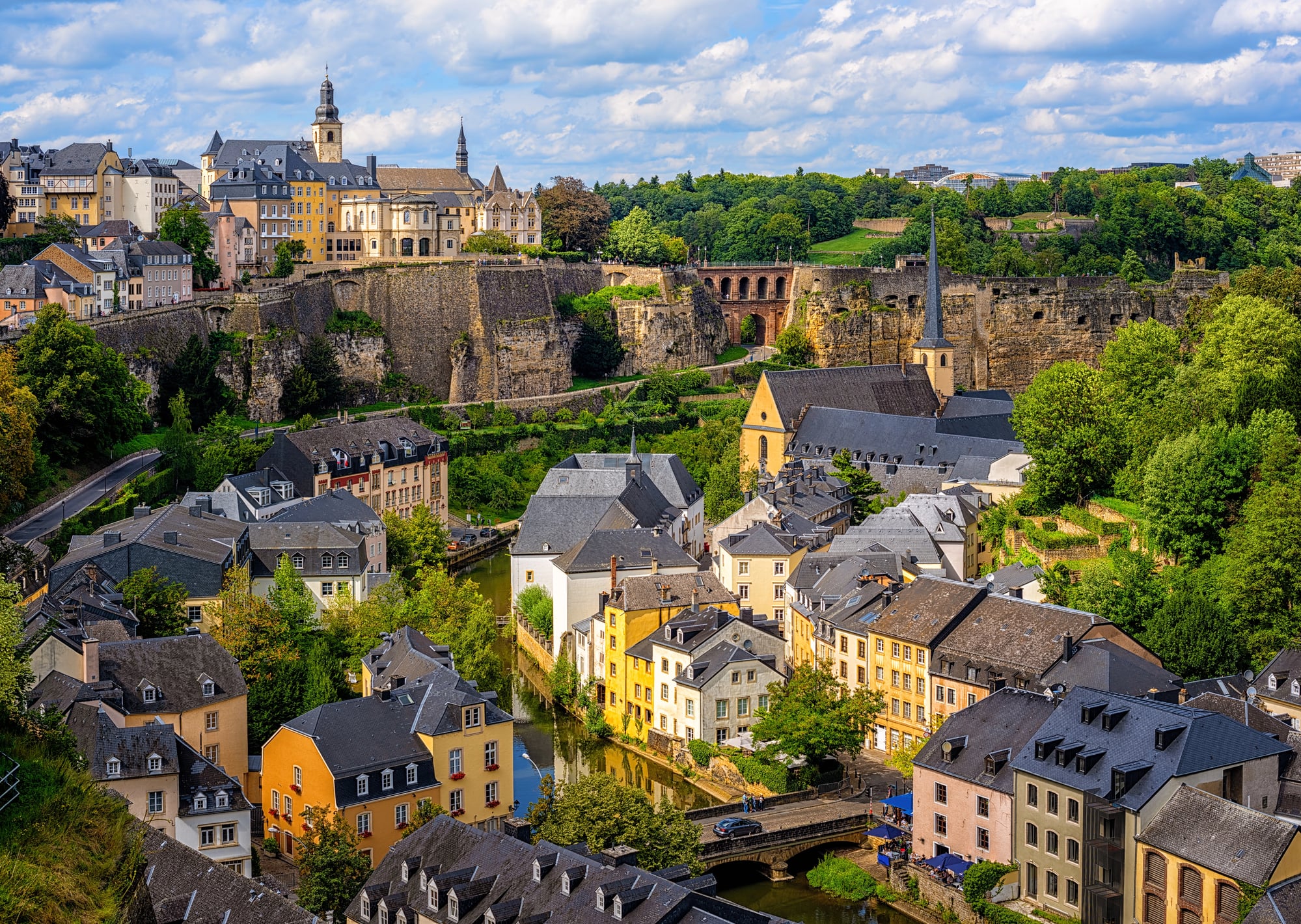
Luxembourg is larger than many microstates, at just under 1,000 square miles, yet it still ranks among Europe’s smallest countries. What sets it apart is how intentionally it uses its space.
Urban centres, green areas, and historic sites coexist without crowding. The capital city blends medieval fortifications with modern districts in a way that feels organic.
Bridges span deep valleys, connecting neighbourhoods that feel distinct yet close. Because distances are short, day trips across the country feel effortless.
Luxembourg’s small size does not limit its cultural range. Multilingualism and cross-border influence shape daily life, giving the country a broader outlook than its borders suggest.
Iceland
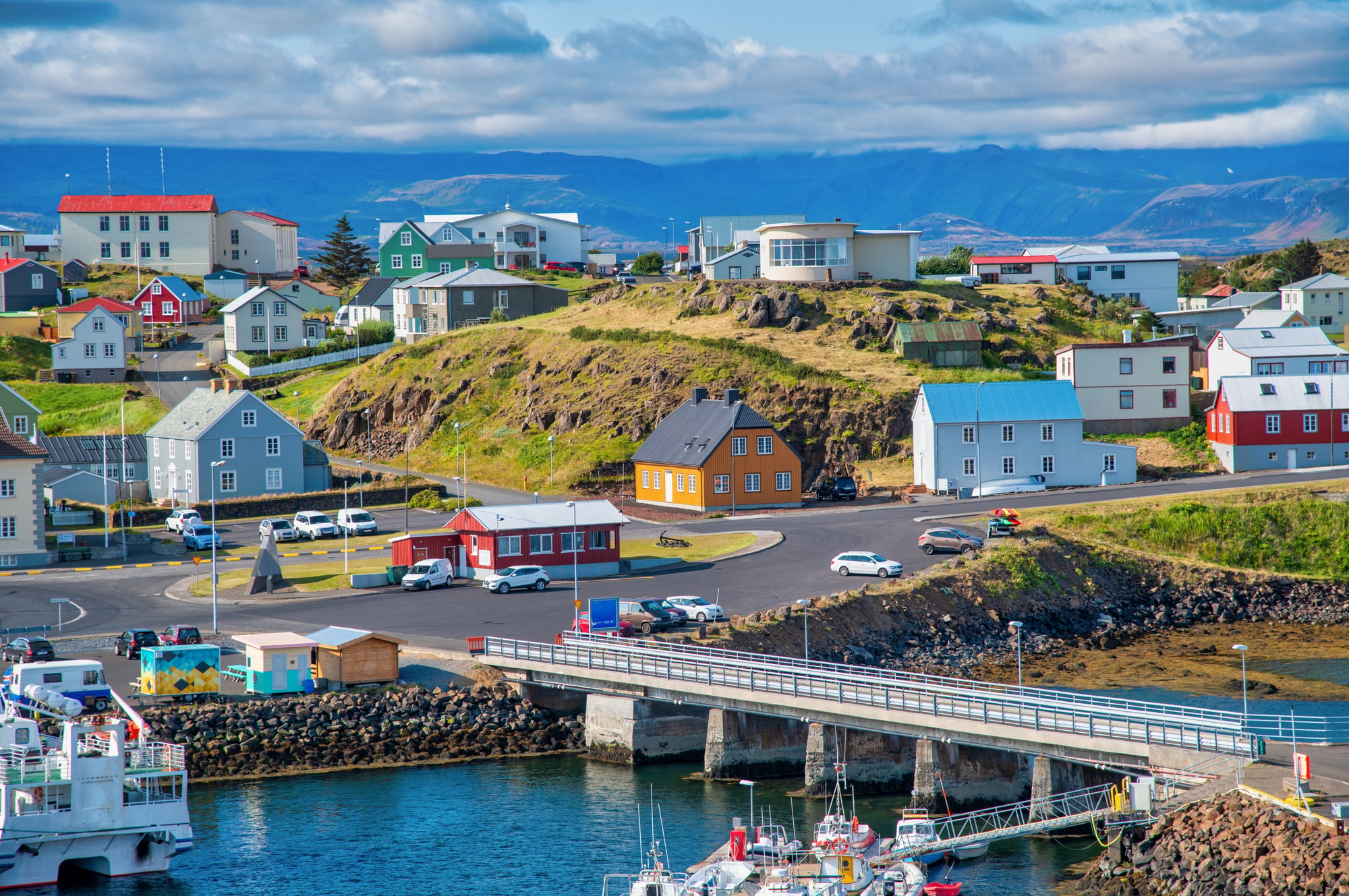
While Iceland is far larger than most countries on this list, its population density and navigable scale place it in a similar experiential category. The island covers a vast land area, yet settlements cluster tightly, creating a sense of human closeness within expansive landscapes.
Travel routes loop rather than branch endlessly, making exploration feel structured and contained. Major natural landmarks sit within reachable distances, allowing visitors to experience variety without constant relocation.
Even so, Iceland’s environment remains dominant, dwarfing human presence. This contrast highlights an important truth about small countries: size is not only about land area, but about how space is used and experienced.
Iceland’s design encourages immersion rather than conquest.
Why Small Countries Stay With You
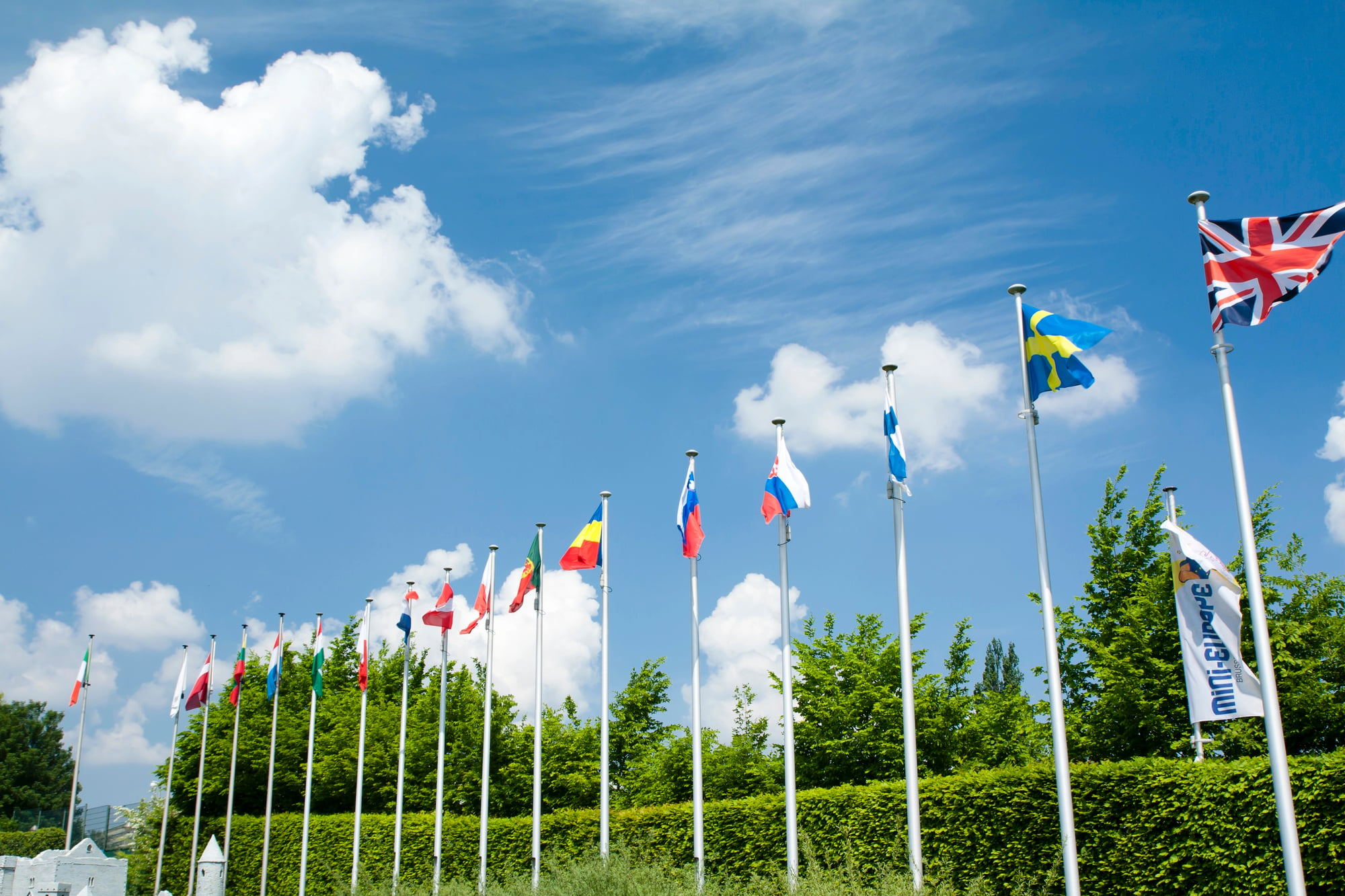
Up close, tiny nations stick in your mind since you can take them in without rushing. With less ground to cover, focus tightens. The bond between a place and its people shows itself plainly when nothing feels far away.
Nearness makes small things stand out. What seems minor gains weight when it is right there. Smaller places push back on the belief that large journeys mean deeper rewards.
They prove closeness, ease of movement, and unity sometimes matter more than vast size. While many get swept up in speed and scattered itineraries, tiny nations slip in an uncommon comfort: arriving without pretending you did.
More from Go2Tutors!

- The Romanov Crown Jewels and Their Tragic Fate
- 13 Historical Mysteries That Science Still Can’t Solve
- Famous Hoaxes That Fooled the World for Years
- 15 Child Stars with Tragic Adult Lives
- 16 Famous Jewelry Pieces in History
Like Go2Tutors’s content? Follow us on MSN.



