Photos of 17 Peculiar Rock Formations Baffling Scientists
The world loves a good mystery. Ancient stone circles, vanishing civilizations, unexplained lights in the sky — these puzzles capture something restless in human nature.
But sometimes the most perplexing mysteries aren’t lost to history or hidden in distant galaxies. They’re sitting right here on Earth, carved from rock and stone, defying every reasonable explanation geologists can offer.
Sailing Stones of Death Valley
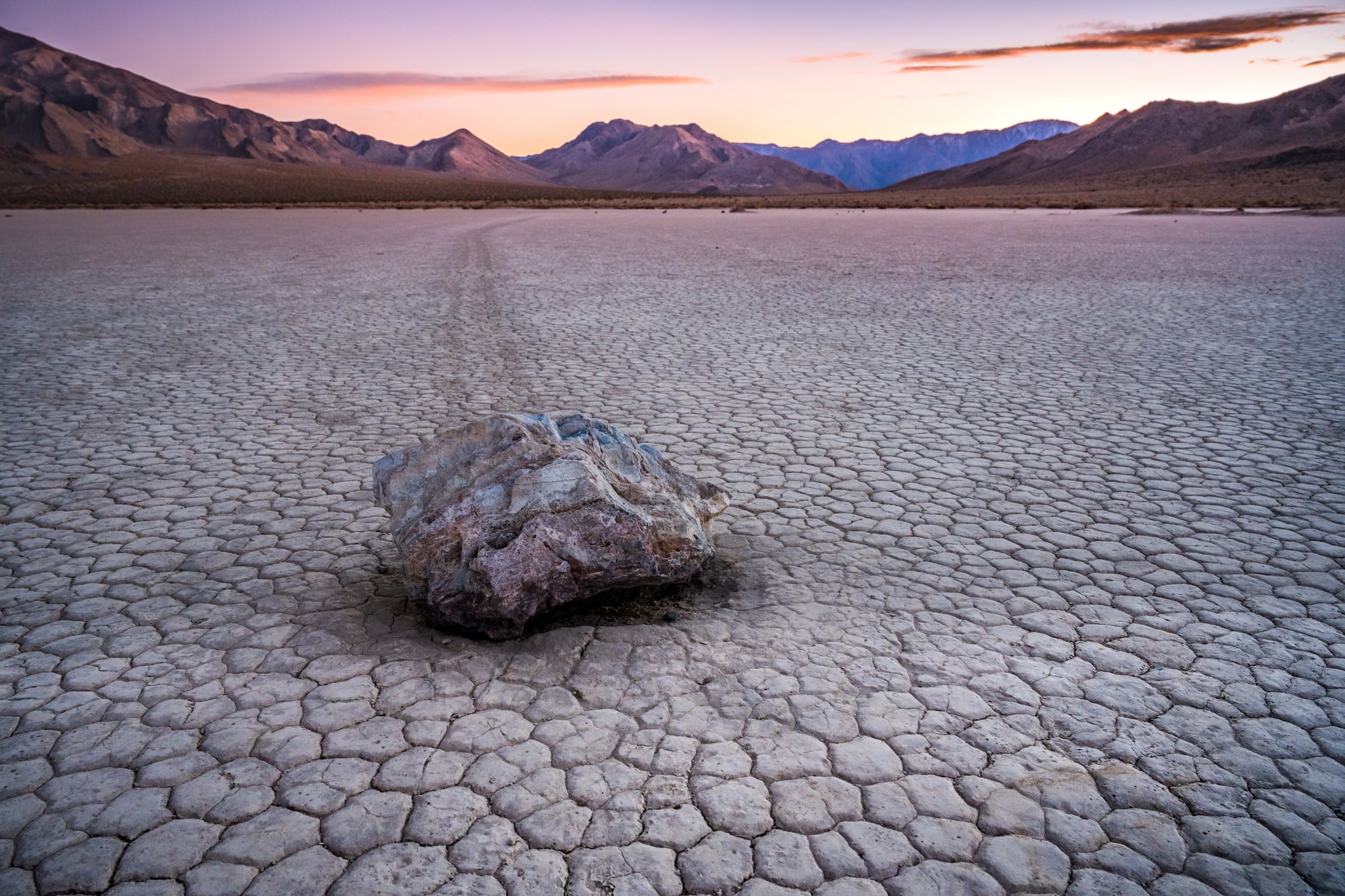
The rocks move by themselves. No earthquakes, no human intervention — just 700-pound boulders sliding across the desert floor like someone’s pushing them around at night.
Death Valley’s Racetrack Playa shows the evidence clearly. Straight furrows in the dried lakebed, some stretching for hundreds of yards, each one trailing behind a massive stone that somehow decided to relocate.
The rocks don’t roll — they slide, leaving perfect tracks that can persist for years in the desert climate.
Moeraki Boulders
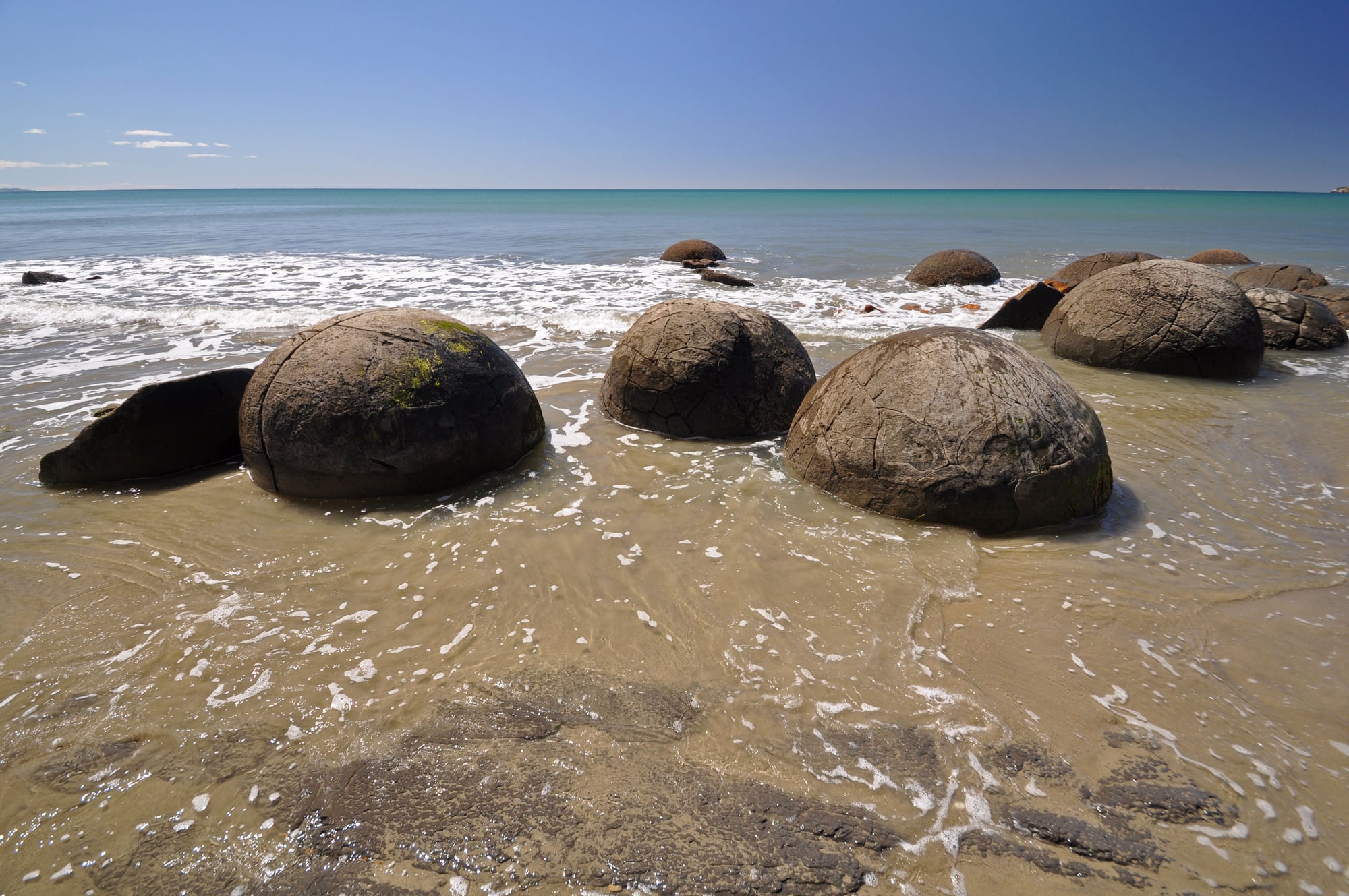
Imagine if the ocean decided to practice making perfect spheres and left its homework scattered along a New Zealand beach. That’s what Moeraki looks like — dozens of nearly round stones, some reaching eight feet across, sitting on the sand like oversized marbles abandoned by giants.
The boulders emerge from the coastal cliffs as erosion wears away the mudstone around them, but that doesn’t explain their mathematical precision. These aren’t just round rocks (though that would be strange enough) — they’re septarian concretions with internal chambers and radiating calcite veins that form geometric patterns nobody can quite account for.
And the timing feels wrong somehow, as if they’re appearing faster than normal geological processes should allow, which is probably just the human brain struggling to accept that some things take millions of years to make sense.
Balanced Rock
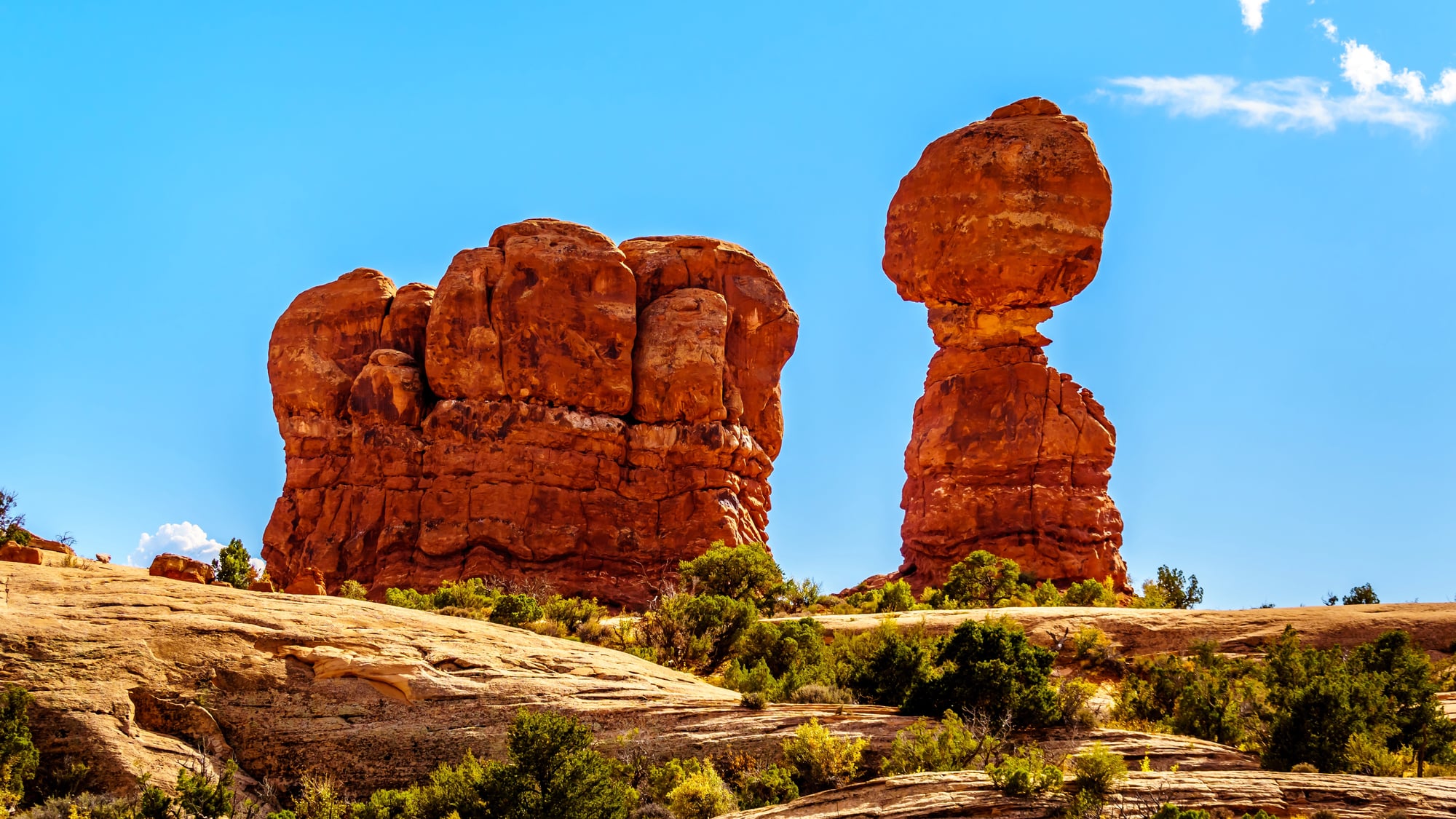
Every physics textbook should include a disclaimer about Arches National Park. Here sits a 3,500-ton sandstone boulder perched on a narrow pedestal like it’s demonstrating the exact moment before a catastrophic failure that never comes.
Balanced Rock stands 128 feet tall. The top portion weighs roughly as much as 500+ elephants, balanced on a base that looks like it could snap if you leaned against it wrong.
Engineers study this formation because it challenges their understanding of structural integrity. The rock has survived earthquakes, flash floods, and Utah windstorms that regularly clock over 100 mph.
Wave Rock
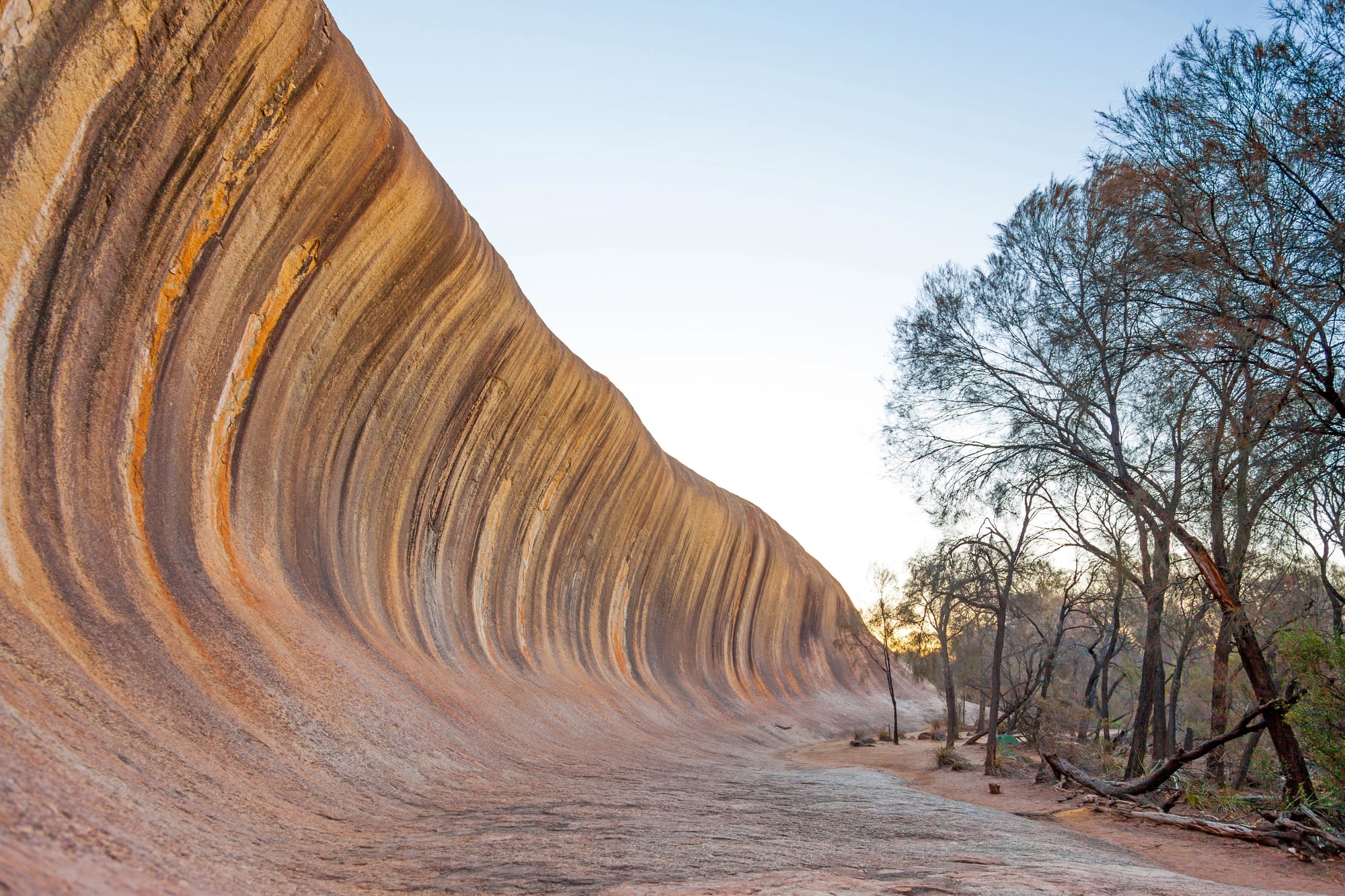
Australia’s Wave Rock looks like the ocean froze mid-crash and someone painted it in desert colors. This granite cliff rises 50 feet and curves inward with such fluid precision that your brain keeps insisting it’s about to break and wash over you.
But Wave Rock isn’t just unusual because it resembles something it clearly isn’t — it’s the chemistry that makes scientists uncomfortable. The rock face shows bands of color (grey, red, ochre, yellow) that run horizontally across the formation, and these bands don’t match the typical mineral staining patterns geologists expect to find.
The colors are too vivid, too evenly distributed, and they’ve persisted for an estimated 2.7 billion years without fading or shifting in ways that normal chemical weathering would produce. So either the standard models for how granite ages are incomplete, or Wave Rock is doing something that granite isn’t supposed to do.
Spherical Boulders of Champ Island
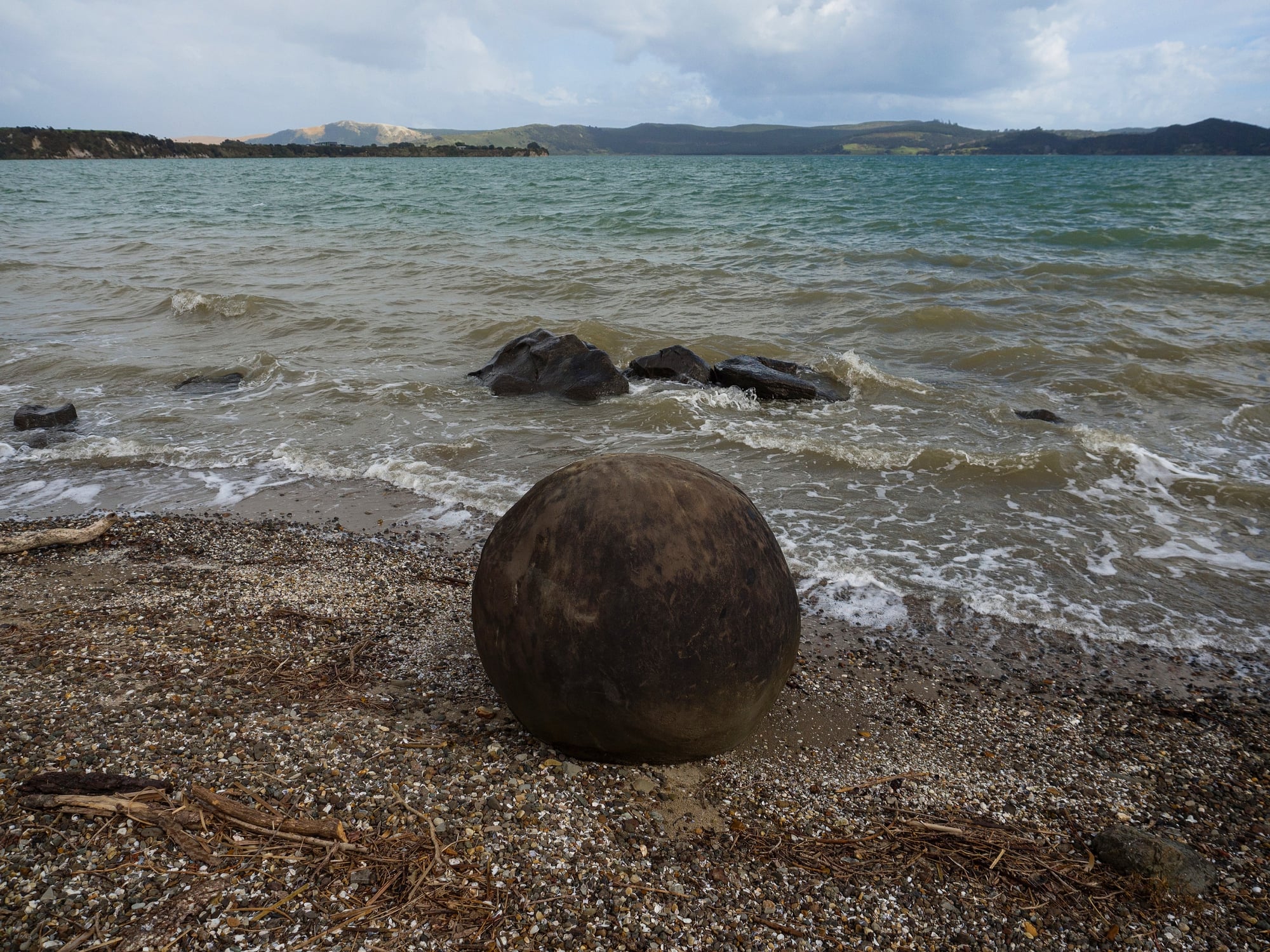
Franz Josef Land holds rocks that look like someone inflated them with an air pump. Perfectly round boulders dot Champ Island’s landscape — not oval, not roughly circular, but genuinely spherical stones ranging from marbles to cars.
These aren’t concretions like the Moeraki Boulders. They show no internal structure, no layered formation process.
Just solid rock shaped into geometry that nature typically avoids. The spheres appear to form within sedimentary rock layers, then weather out as natural sculptures.
But the process that creates such precise curvature remains entirely theoretical.
Giant’s Causeway
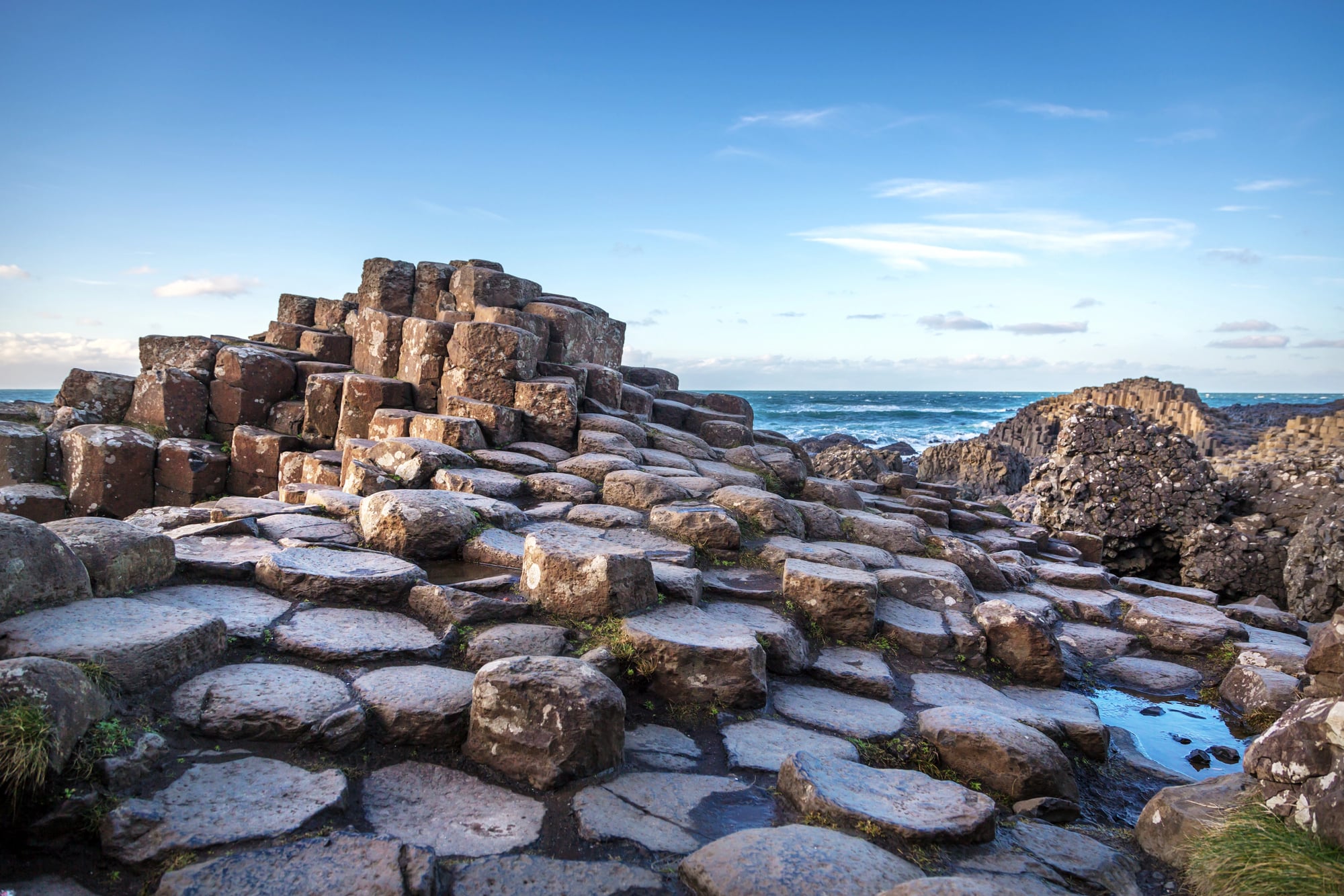
Northern Ireland’s Giant’s Causeway looks like the result of someone with obsessive-compulsive tendencies and unlimited time deciding to tile a coastline. Roughly 40,000 interlocking basalt columns, most of them hexagonal, fit together with the precision of engineered pavement.
The standard explanation involves cooling lava contracting into polygonal shapes — which sounds reasonable until someone mentions that the columns needed to cool at exactly the right rate, maintain uniform mineral composition throughout, and crack along mathematically predictable stress lines across several miles of coastline.
And then there’s the small matter of the columns being different heights, creating a three-dimensional puzzle where each piece had to form independently while still fitting perfectly with its neighbors.
Uluru
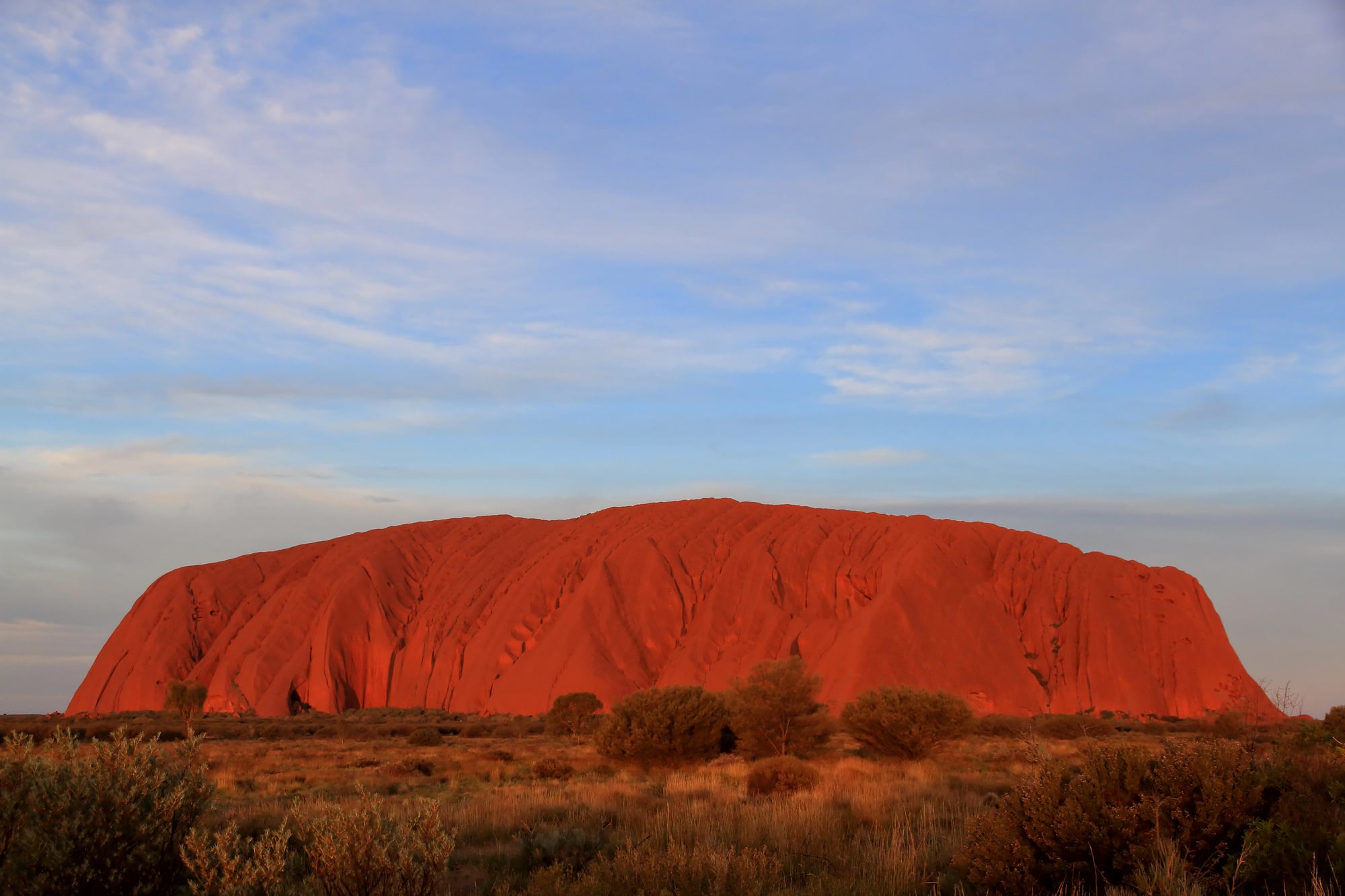
Uluru rises from central Australia like a sleeping animal that wandered into the wrong landscape. This isn’t unusual because it’s large (though at 1,100 feet tall and 2.2 miles long, it certainly commands attention) — it’s unusual because it exists at all.
Monoliths this size don’t typically survive the geological processes that created them (the technical explanation involves arkose sandstone, tilted rock layers, and differential erosion that somehow carved away everything except this one massive formation).
But what makes Uluru genuinely puzzling is its mineral composition, which contains feldspar grains that appear older than the surrounding landscape — not by thousands of years, but by hundreds of millions.
So either the rock moved here from somewhere else (unlikely, given its size), or the geological timeline for this part of Australia needs revision. Fair enough — but that’s the kind of revision that tends to create more questions than it answers.
Balanced Rock of Colorado Springs
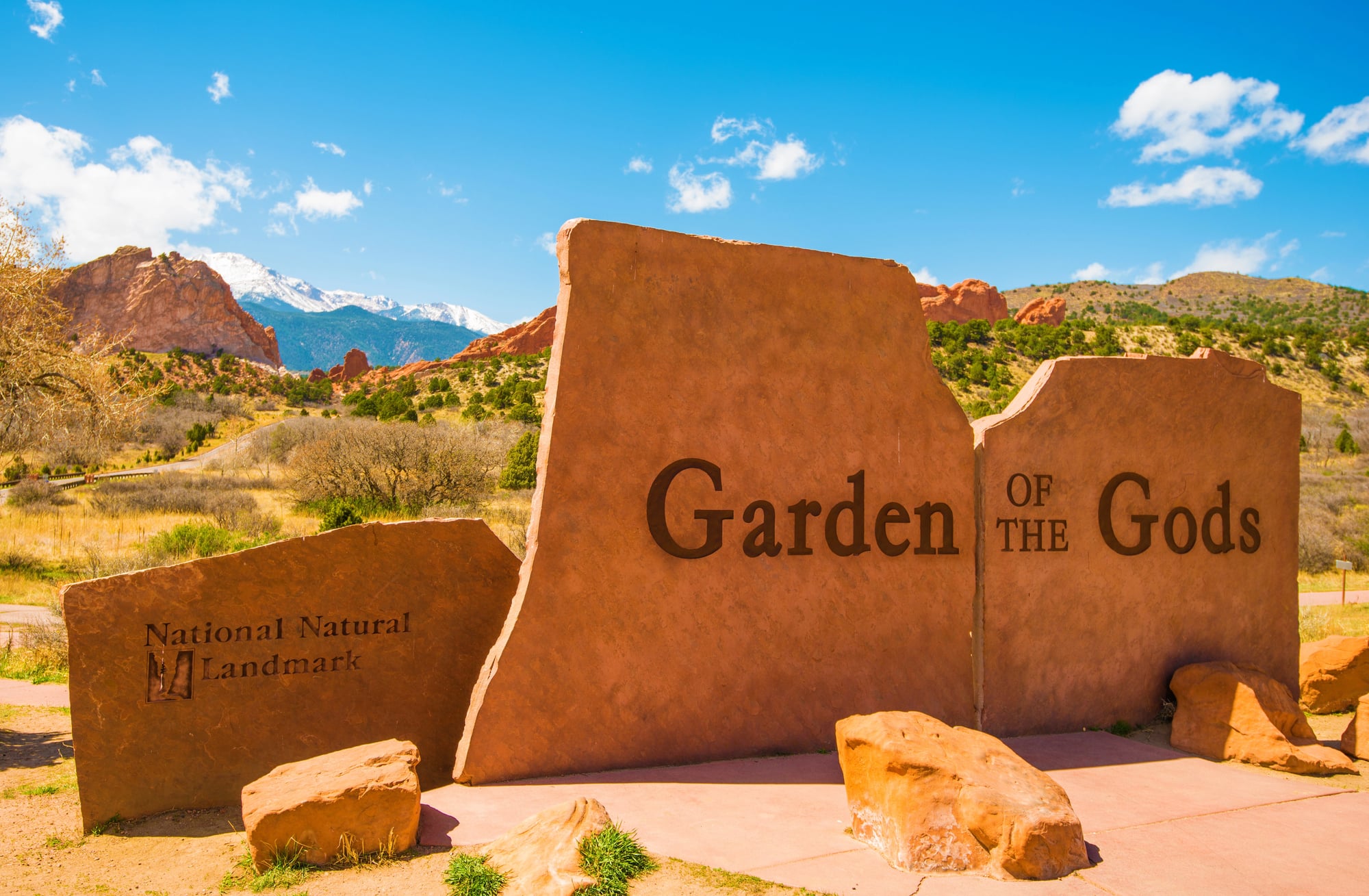
Garden of the Gods showcases another gravity-defying act. A massive red sandstone formation sits balanced on what appears to be a single point of contact, creating the optical illusion of a rock that should have fallen over sometime during the Cretaceous Period.
The formation challenges structural engineering assumptions about load distribution and stress fractures. Computer models consistently predict failure, yet the rock remains stable after millions of years of Colorado weather.
Local geology shows evidence of significant seismic activity throughout the region’s history. The rock balanced through all of it.
Devil’s Tower
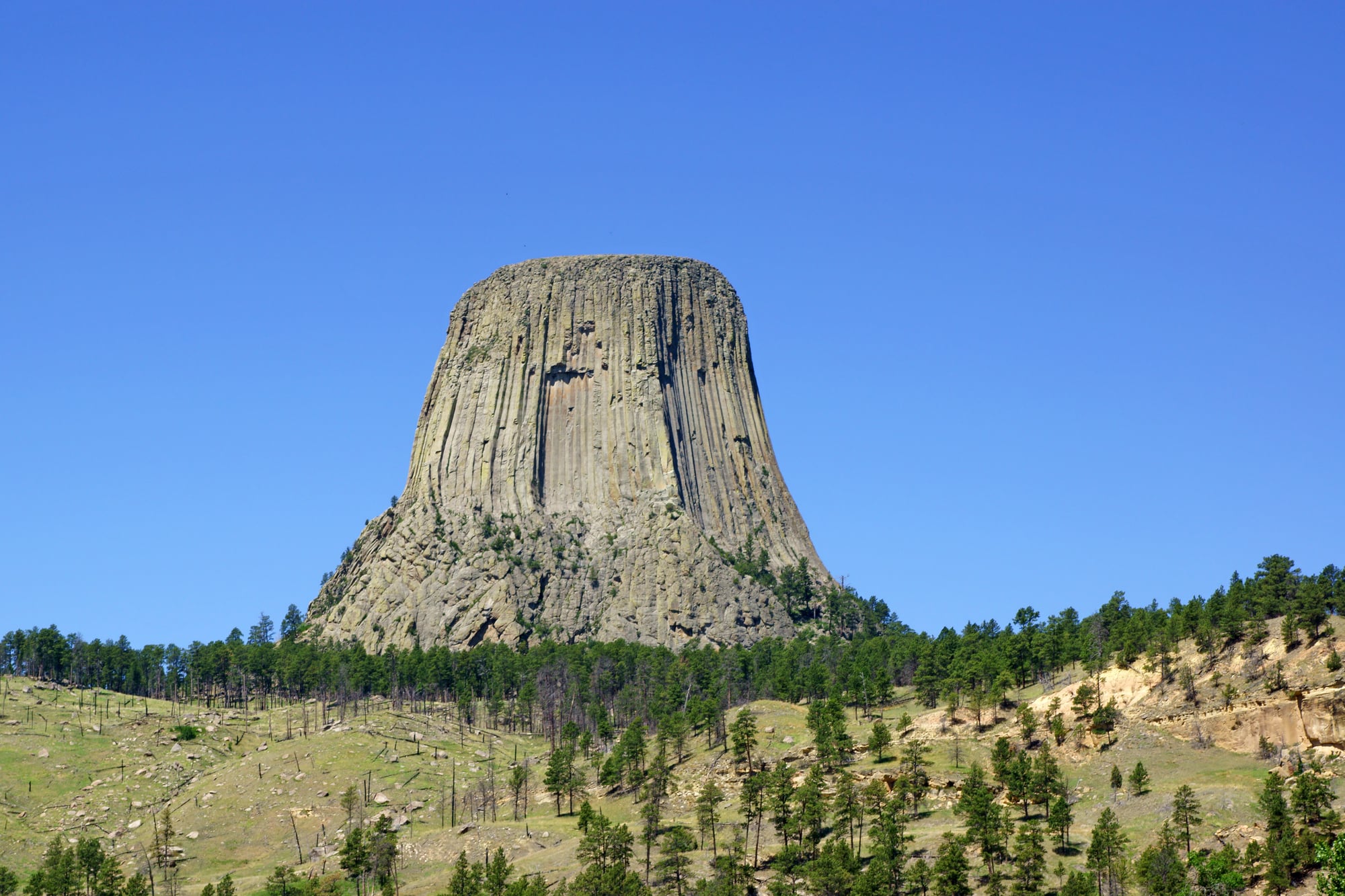
Wyoming’s Devil’s Tower looks like someone tried to build a skyscraper out of stone and got distracted halfway through. This 1,267-foot volcanic neck rises from the prairie in vertical columns so uniform they seem artificial.
The columns form near-perfect polygons — mostly hexagonal, some with four, five, or seven sides — and run from base to summit with minimal variation. Volcanic formations don’t typically create this kind of geometric consistency, especially not across such a massive structure.
And the tower’s isolation makes the formation even more improbable: most volcanic necks appear in clusters or chains, following predictable geological patterns, but Devil’s Tower stands alone in an area with no similar formations for hundreds of miles. The rock itself is phonolite porphyry, a volcanic rock that’s uncommon in this region, adding another variable that doesn’t quite fit the standard geological models for how this landscape developed.
Stone Forest of Shilin
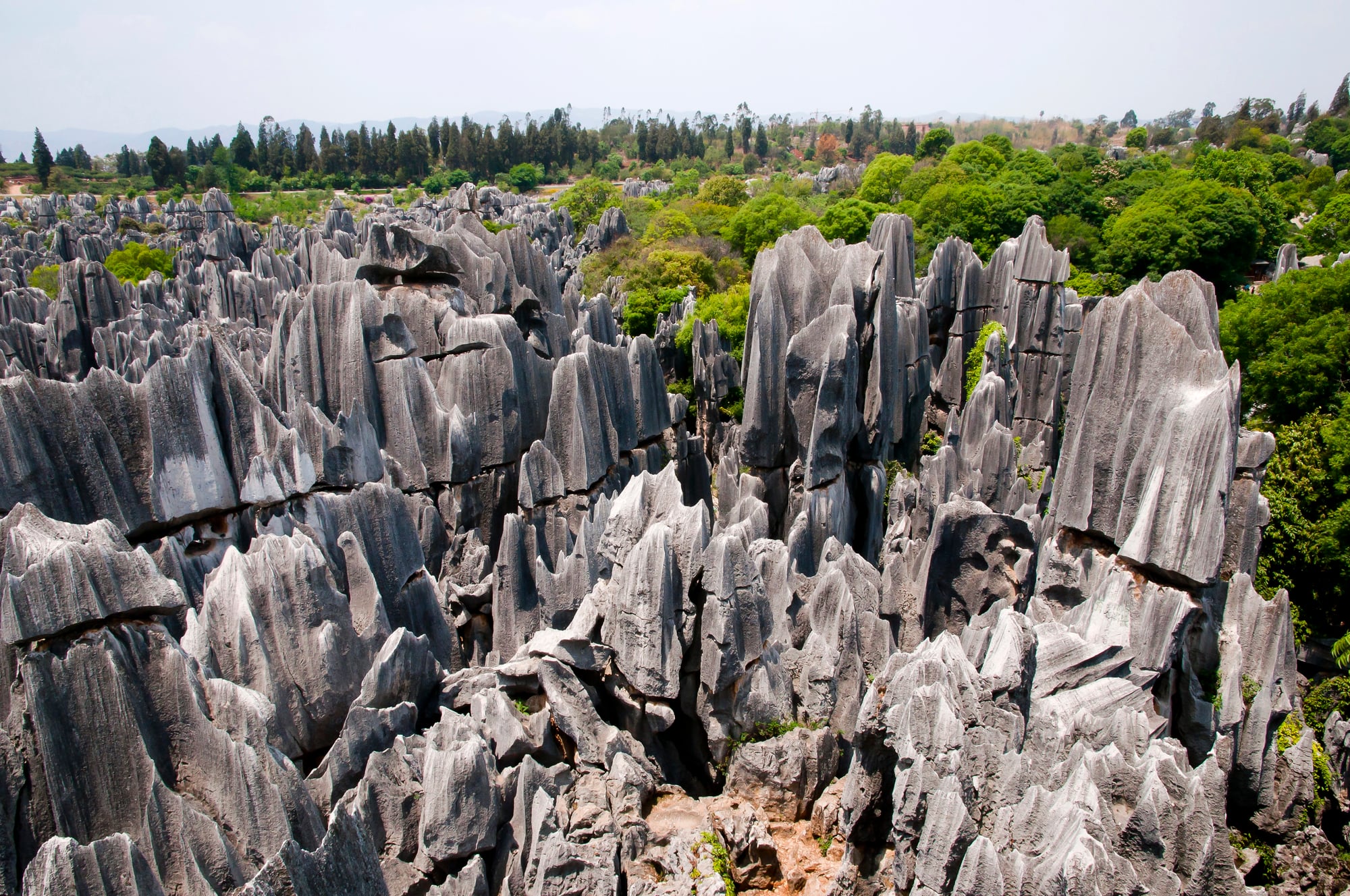
China’s Stone Forest presents an entire landscape that looks like it was carved by someone with access to industrial tools and unlimited patience. Limestone pillars rise 100 feet or more, creating a maze of stone corridors and chambers that extend across 180 square miles.
These formations require specific chemical conditions to develop — slightly acidic water, particular mineral content, precise drainage patterns. Getting those conditions right across such a vast area, and maintaining them long enough to carve such intricate detail, represents either extraordinary geological coincidence or processes that aren’t fully understood.
The stone pillars show sharp edges and clean cuts that seem inconsistent with typical water erosion patterns.
Antelope Canyon
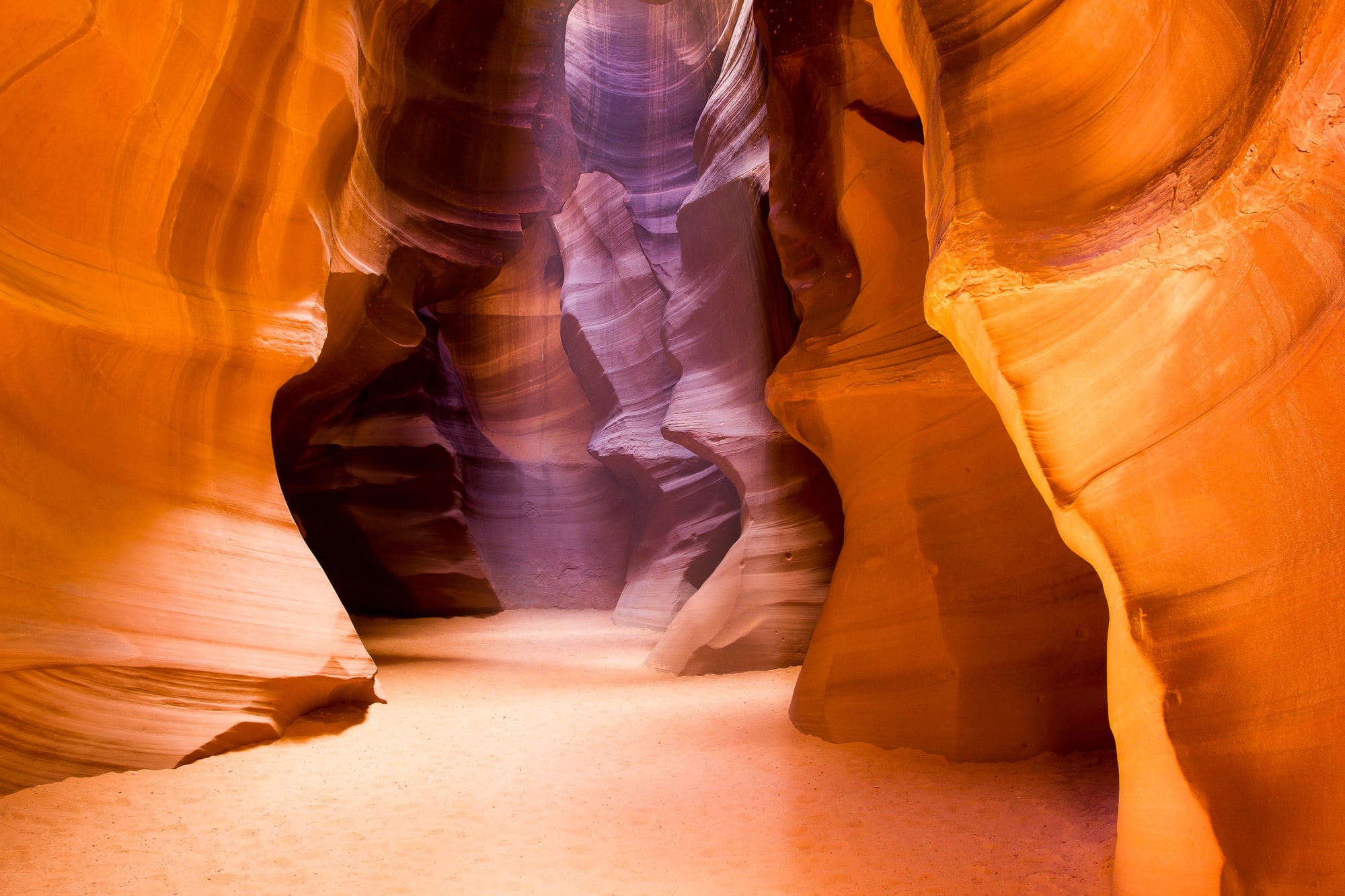
Antelope Canyon flows like frozen water through Arizona sandstone. The slot canyon’s walls curve and spiral in smooth, continuous lines that seem to follow fluid dynamics rather than the angular geometry usually associated with rock fractures.
Flash floods carved these passages, but the mathematical precision of the curves suggests hydraulic forces that carved with surprising consistency over thousands of individual flood events.
The walls show no evidence of the chaotic gouging typical in flash flood damage — just smooth, flowing lines that redirect light into colors the sandstone shouldn’t technically be able to produce.
The Giant’s Kettles
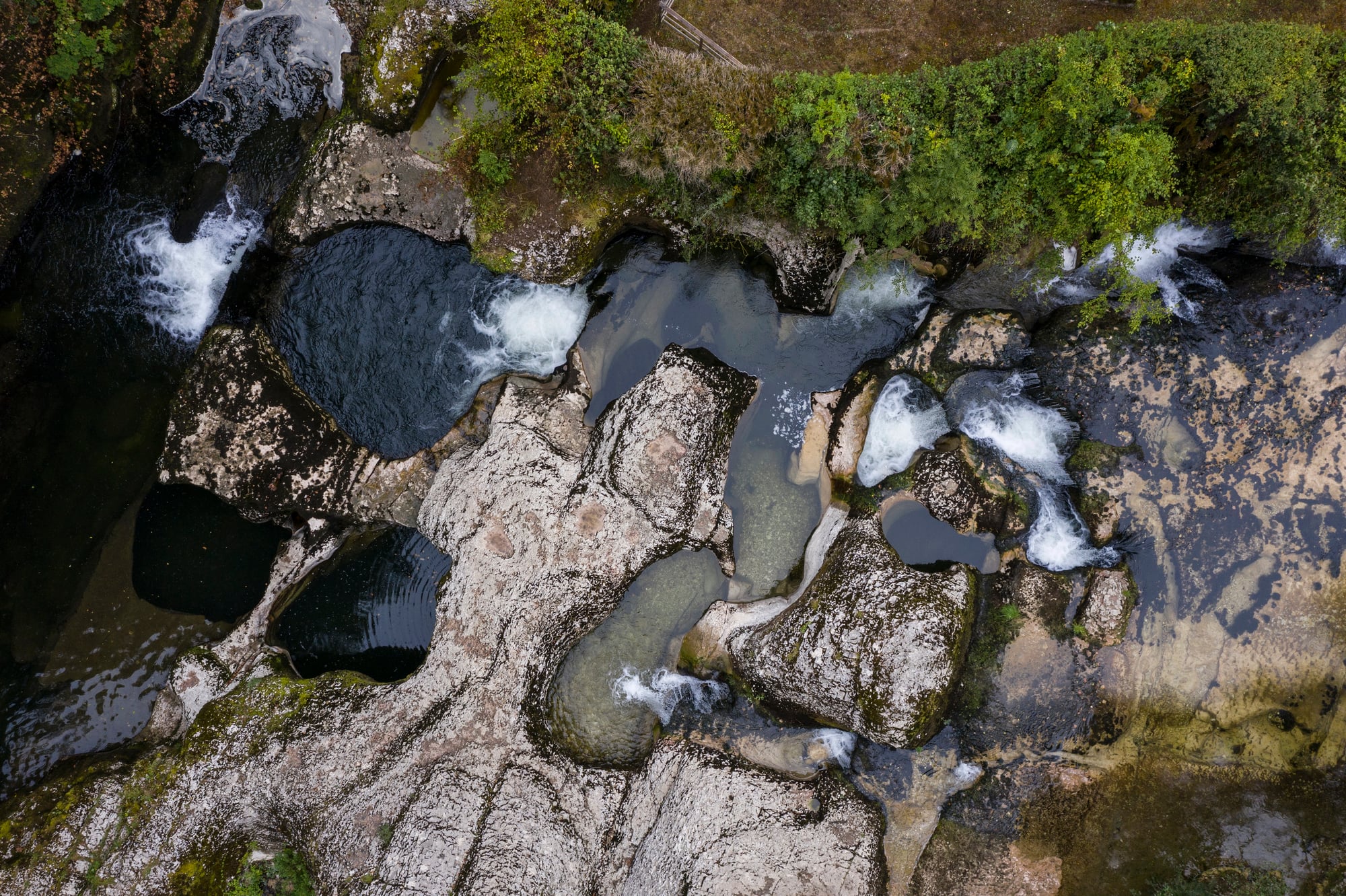
Finland’s giant’s kettles look like someone took a massive drill to solid bedrock and bored perfectly round pits, some reaching 30 feet deep and 15 feet across. These cylindrical pits dot the Scandinavian landscape, carved into granite that ranks among the hardest rock on Earth.
The accepted explanation involves glacial meltwater swirling stones in circular patterns, gradually grinding through the bedrock over thousands of years. But this process requires sustained water flow, consistent rotational forces, and stones that somehow maintained perfect circular motion without getting stuck or swept away — conditions that seem nearly impossible to achieve in the chaotic environment of glacial melting.
And the kettles show remarkably uniform dimensions across hundreds of miles, as if the grinding process followed a template rather than the random variables that natural forces typically produce. So either glacial hydrology operates with more precision than current models suggest, or these formations involved processes that aren’t entirely glacial.
Chocolate Hills
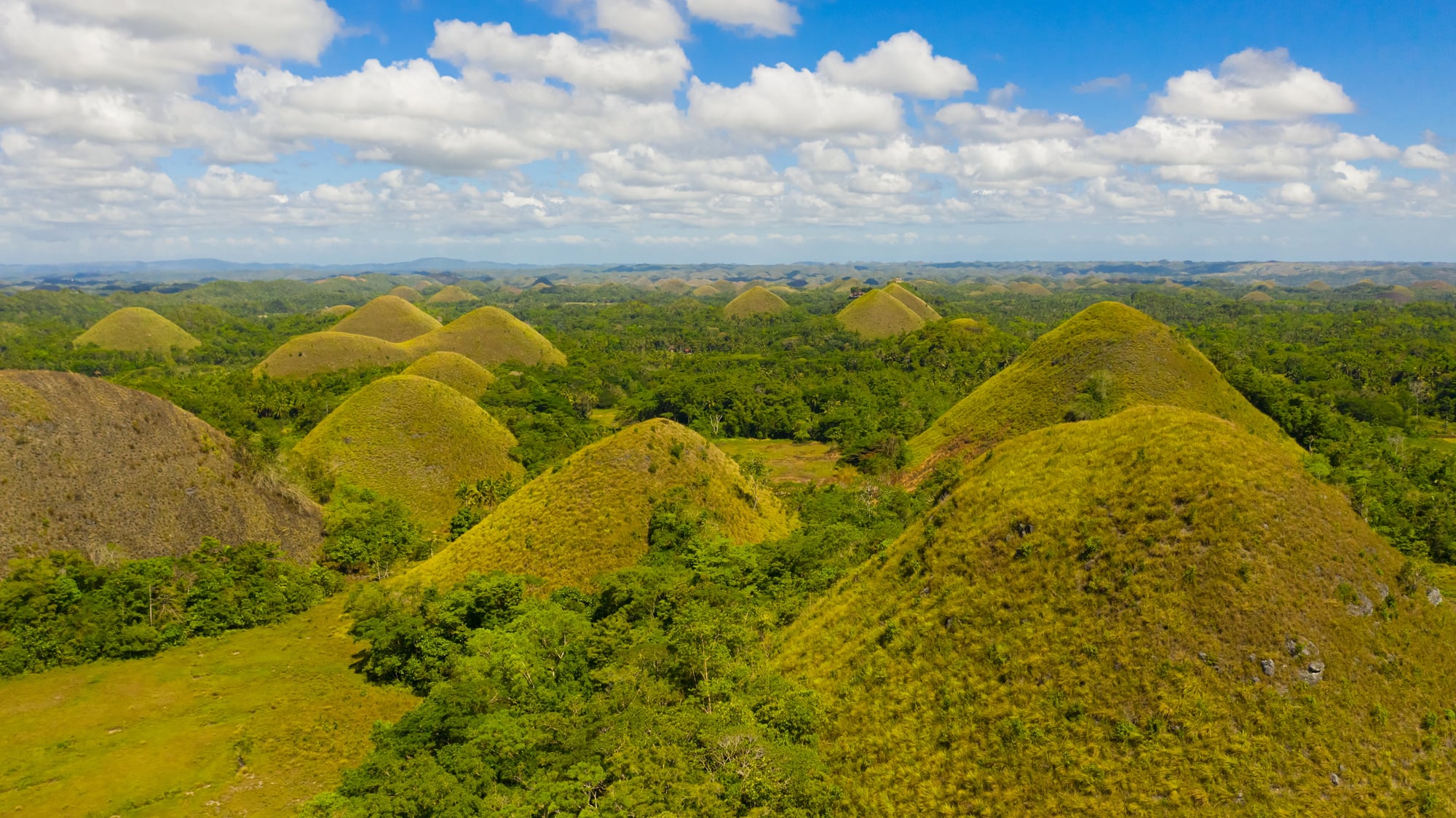
The Philippines’ Chocolate Hills present 1,268 nearly identical cone-shaped mounds spread across 20 square miles. During dry season, the grass covering turns brown, creating the appearance of chocolate drops scattered across green landscape.
Each hill rises 100-400 feet and shows remarkably similar proportions and spacing. Geological surveys reveal limestone composition, suggesting these are the eroded remnants of coral reefs uplifted from ancient seabeds.
But uniform erosion across such a vast area, creating such consistent shapes, challenges standard models of how limestone weathers. The hills should show more variation in size, shape, and distribution.
Hoodoos of Bryce Canyon
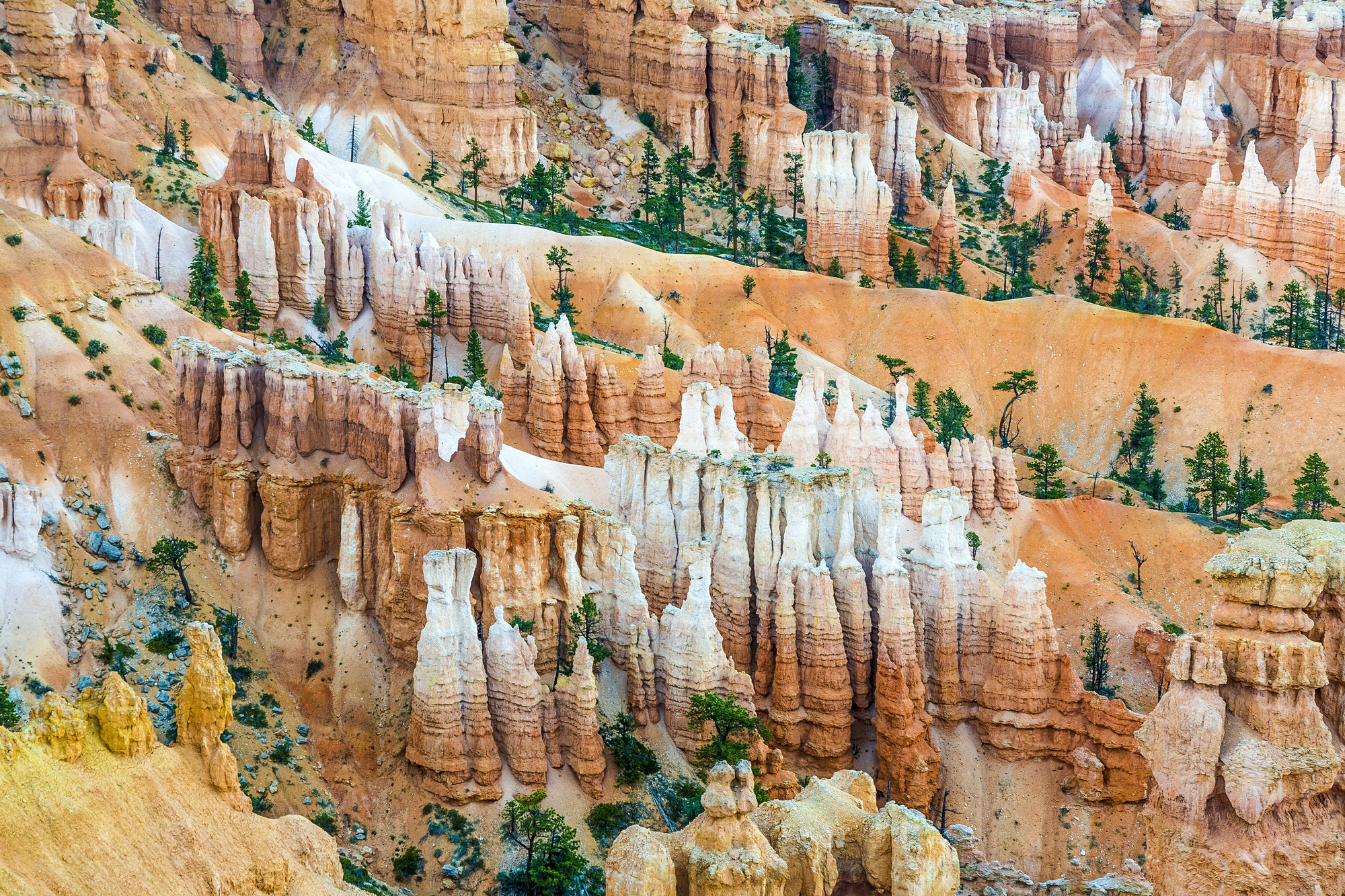
Bryce Canyon’s hoodoos stand like a stone army in formation — thousands of red rock spires topped with protective capstones, each one carved into impossible thinness without toppling over.
The spires form through a process called differential erosion, where harder rock layers protect softer layers beneath, creating these tall, narrow sculptures. But the precision required to maintain such delicate structures while carving away everything around them demands environmental conditions that remained stable for millions of years — no major earthquakes, no catastrophic floods, no significant climate shifts that would alter erosion patterns.
And the hoodoos continue forming today at rates that seem surprisingly fast for typical geological processes, which raises questions about whether the standard timeline for rock formation in this region accounts for all the variables involved.
Natural Arch at Rainbow Bridge
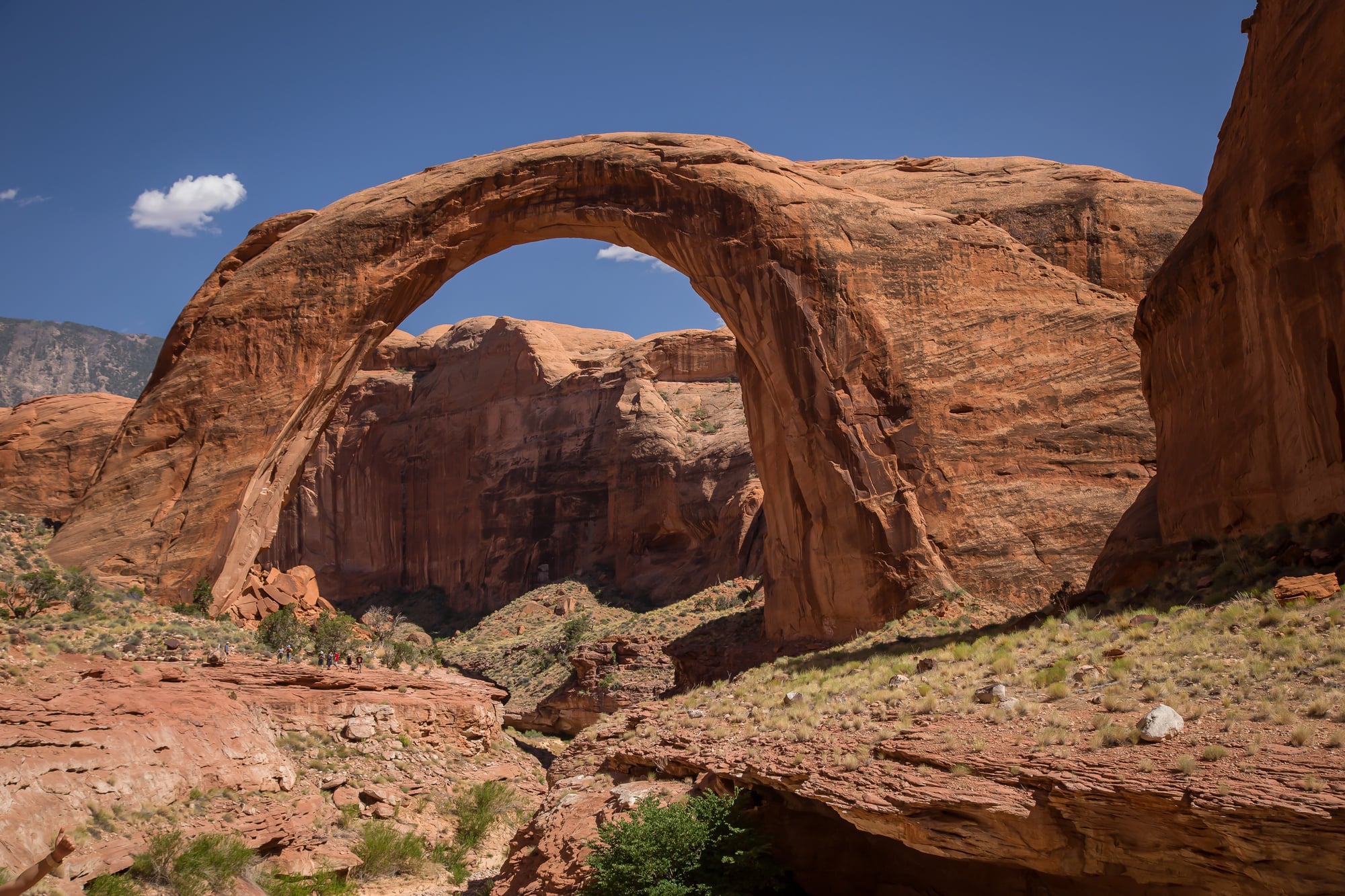
Rainbow Bridge spans 275 feet across a Utah canyon, creating a perfect arch that looks like it was designed by an engineer who understood both aesthetics and structural load distribution.
Natural arches form when water finds weaknesses in rock layers and gradually enlarges them through erosion. But Rainbow Bridge shows no obvious geological weakness that would explain why the water carved this particular path.
The arch maintains perfect structural integrity despite its massive span and relatively thin cross-section. Engineering analysis suggests the formation operates at the theoretical limits of what sandstone can support.
Fairy Chimneys of Cappadocia
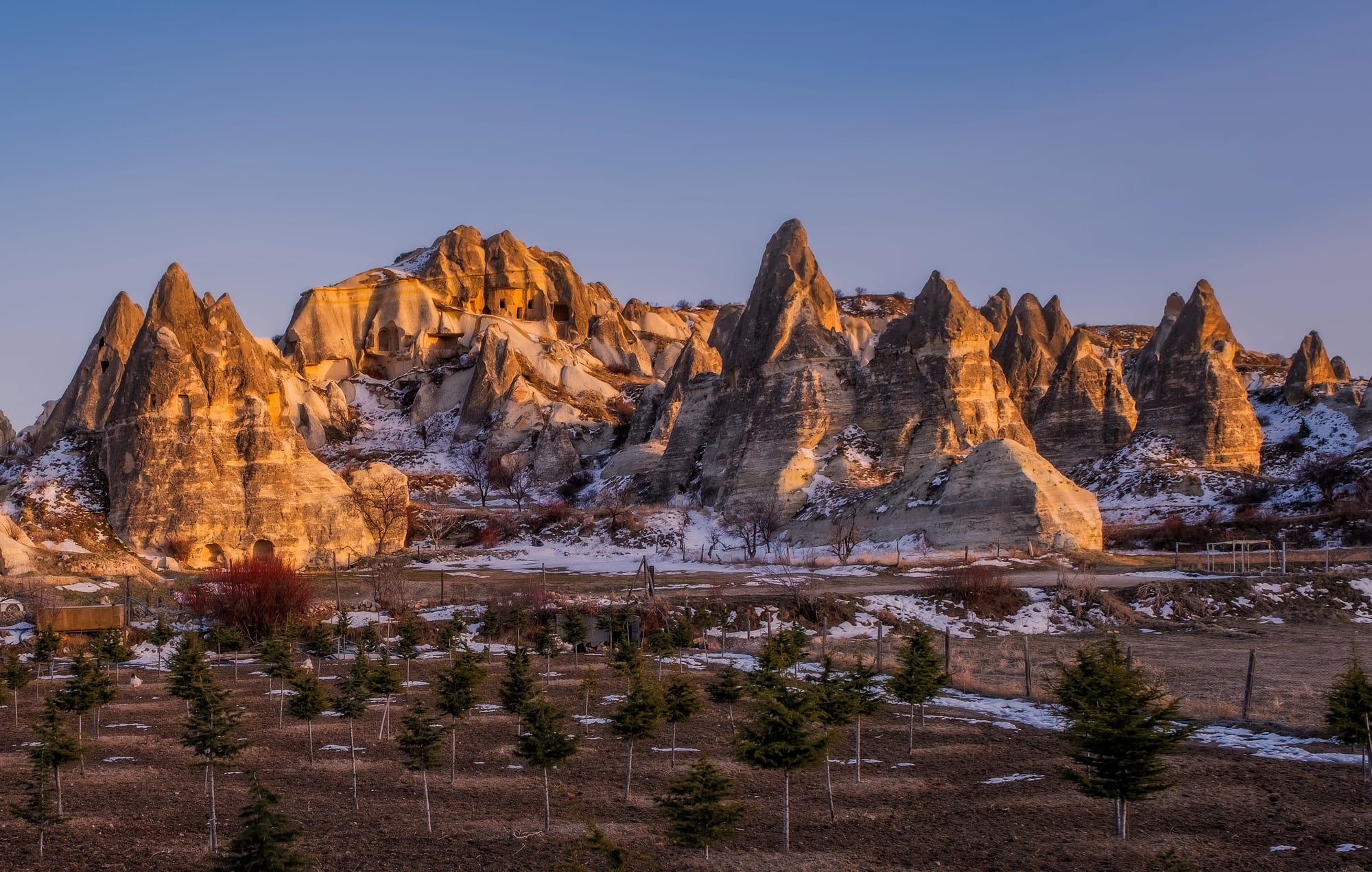
Turkey’s Cappadocia region bristles with cone-shaped rock formations that look like a collection of stone mushrooms. These “fairy chimneys” rise 100 feet or more, each one topped with a harder rock cap that protected the softer volcanic tuff beneath from erosion.
The chimneys require precise conditions: volcanic ash deposited in specific layers, followed by harder basalt flows, then millions of years of erosion that carved away surrounding material while leaving these isolated spires intact.
Getting the timing right — enough erosion to create the sculptural effect, but not so much that the formations collapse — represents a narrow window of geological opportunity that somehow occurred across hundreds of square miles.
The Old Man of Storr
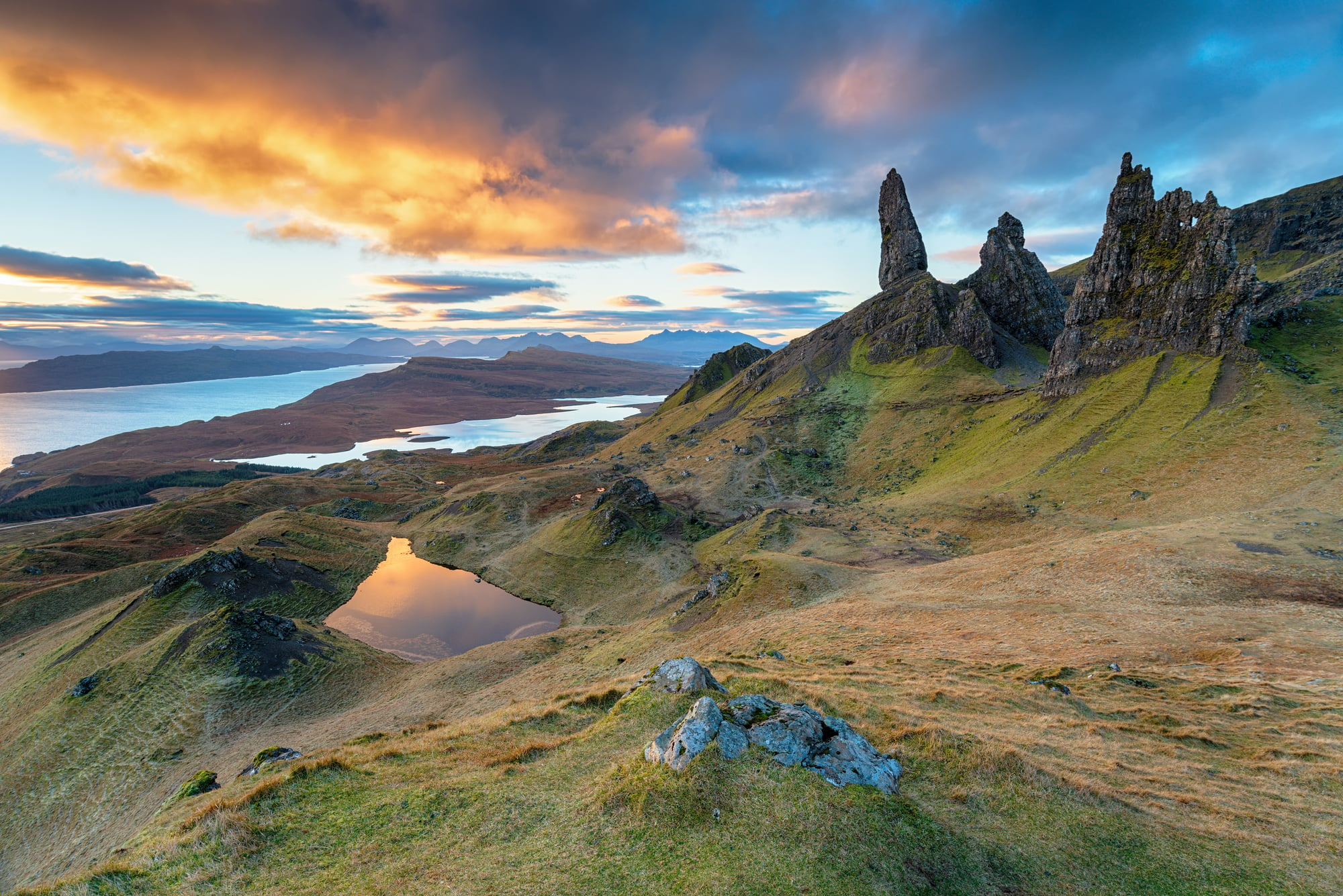
Scotland’s Old Man of Storr rises 165 feet from the Trotternish Ridge, a rocky pinnacle that stands separate from the cliff face like a stone sentinel guarding the Isle of Skye.
This formation resulted from an ancient landslide that left behind isolated rock towers, but the Old Man’s survival challenges standard assumptions about structural stability. The pinnacle balances on a relatively narrow base, and Highland weather subjects it to constant freeze-thaw cycles that should gradually weaken the rock and cause eventual collapse.
Yet the formation shows no signs of significant weathering or structural compromise. The rock appears to be aging at a slower rate than geological models predict for this type of basalt in this climate.
When Stone Defies Logic
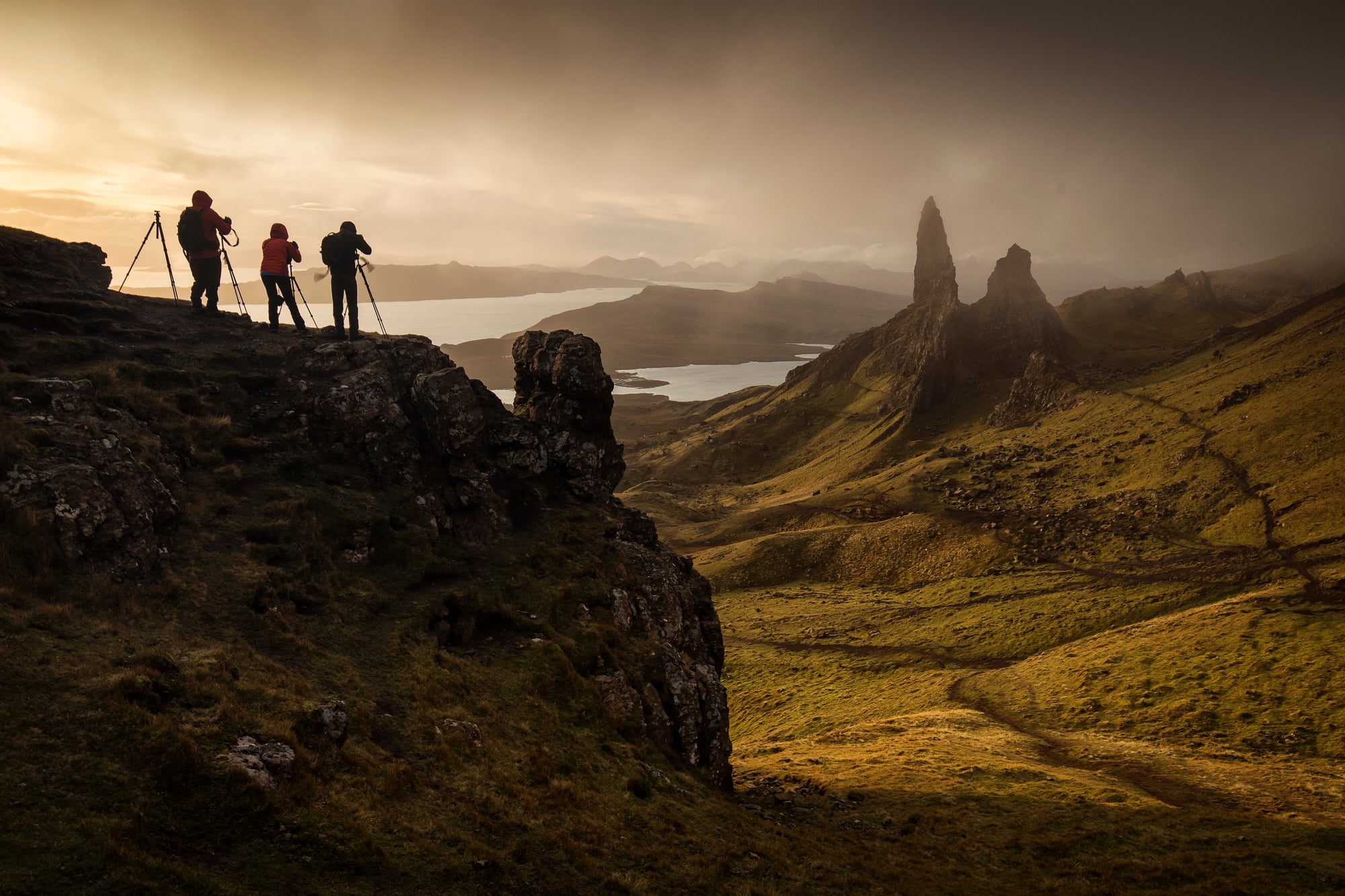
These formations share something beyond their visual impact — they represent moments when the Earth’s creative processes exceeded reasonable expectations. Each one required conditions so specific, timing so precise, that their existence feels less like natural consequence and more like geological accident.
Perhaps that’s what makes them so compelling. In a world where most landscapes follow predictable patterns, these rocks chose to be difficult.
They balance where they should fall, flow where they should fracture, and persist where they should erode away. They’re reminders that nature still holds a few cards close to the vest, still has tricks that haven’t made it into the textbooks yet.
More from Go2Tutors!

- The Romanov Crown Jewels and Their Tragic Fate
- 13 Historical Mysteries That Science Still Can’t Solve
- Famous Hoaxes That Fooled the World for Years
- 15 Child Stars with Tragic Adult Lives
- 16 Famous Jewelry Pieces in History
Like Go2Tutors’s content? Follow us on MSN.