Images of Transparent Animals Living in the Ocean
The ocean holds secrets that seem borrowed from science fiction. Creatures drift through the water column with bodies so clear they bend light like living glass, their organs suspended in what appears to be empty space.
These transparent animals have mastered one of nature’s most elegant disappearing acts — not through camouflage that matches their surroundings, but by becoming nearly invisible altogether.
Glass Sponge
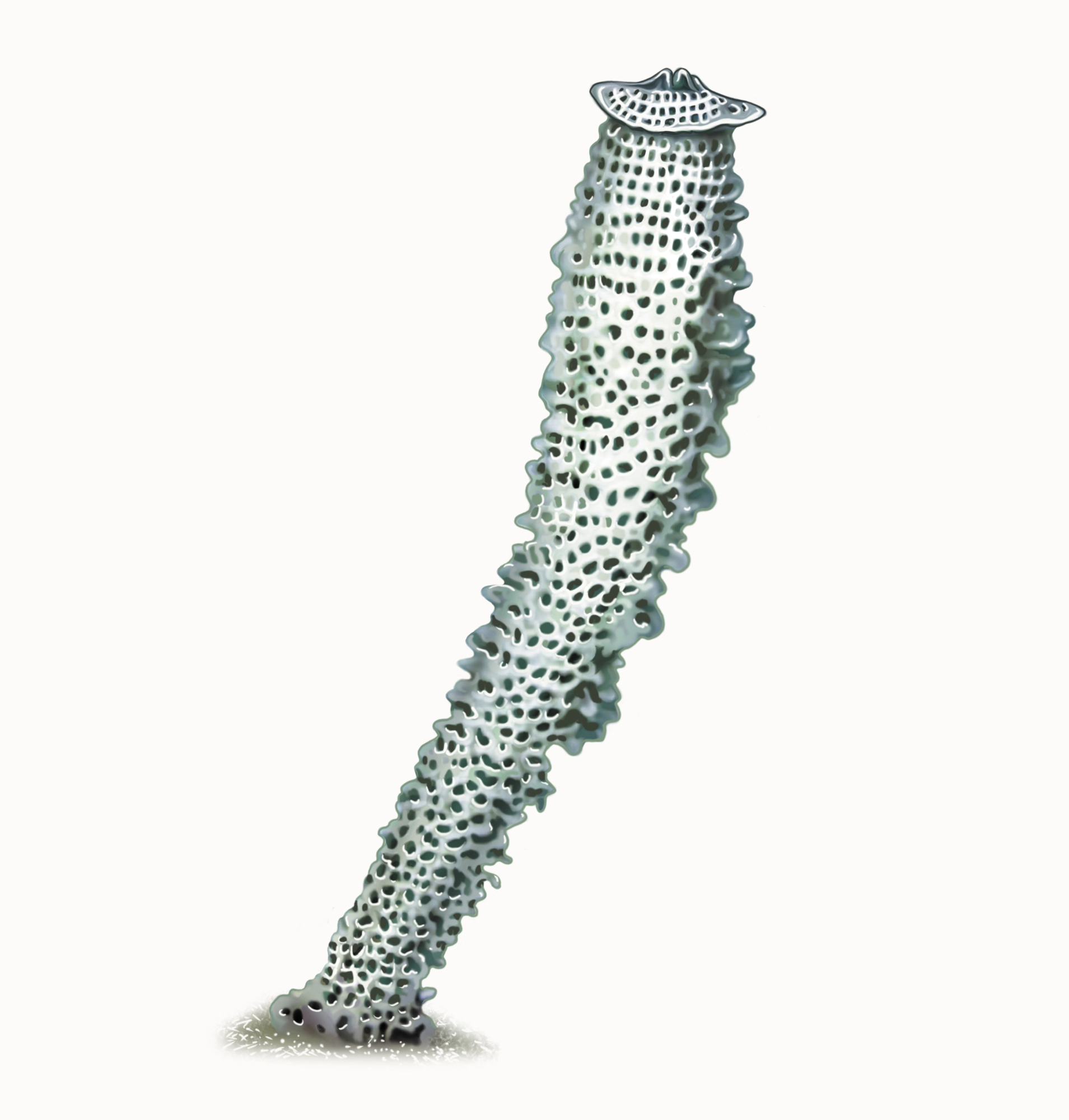
Glass sponges don’t mess around with subtlety. Their skeletons are pure silica — the same material that makes windows.
They filter water through bodies that look like delicate sculptures, except they’re alive and have been doing this for 500 million years.
Salp
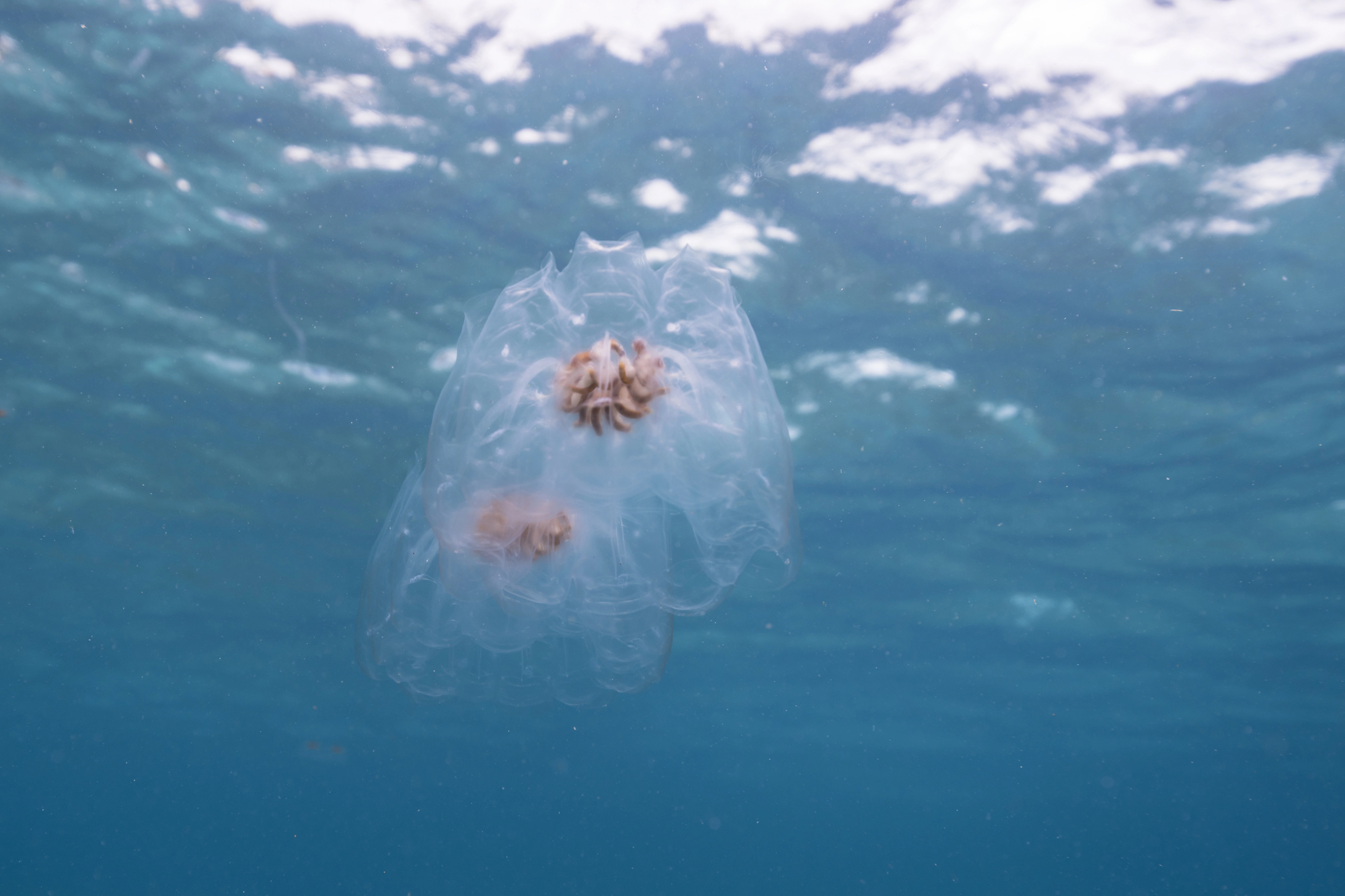
The salp moves through water like a translucent barrel with a mission, but the mission (filtering plankton through its gelatinous body while propelling itself forward with rhythmic contractions) seems almost secondary to the hypnotic way it catches and bends light as it drifts. These creatures link together in chains that stretch for meters, each individual pulsing in sequence — a living conveyor belt of nearly invisible efficiency.
And yet, watching them feels less like observing a feeding mechanism and more like witnessing something that exists purely to demonstrate how beautiful functional simplicity can become when it’s been perfected over millions of years.
Crystal Jelly
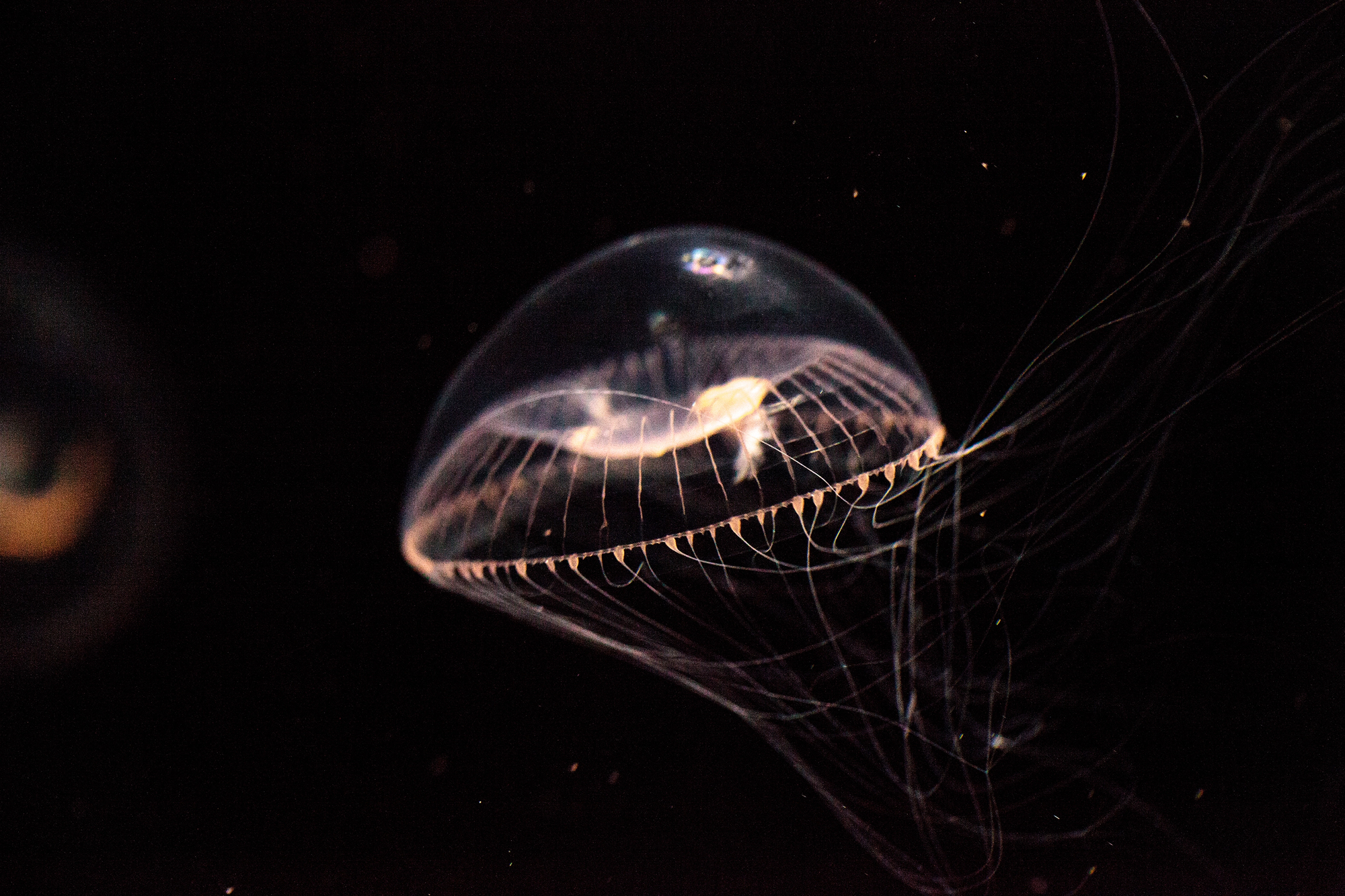
Crystal jellies are completely honest about what they are. A transparent bell, four horseshoe-shaped reproductive organs, and the ability to produce green fluorescent protein — which scientists borrowed to revolutionize biological research.
The jelly doesn’t know it changed science, but it glows anyway.
Barreleye Fish
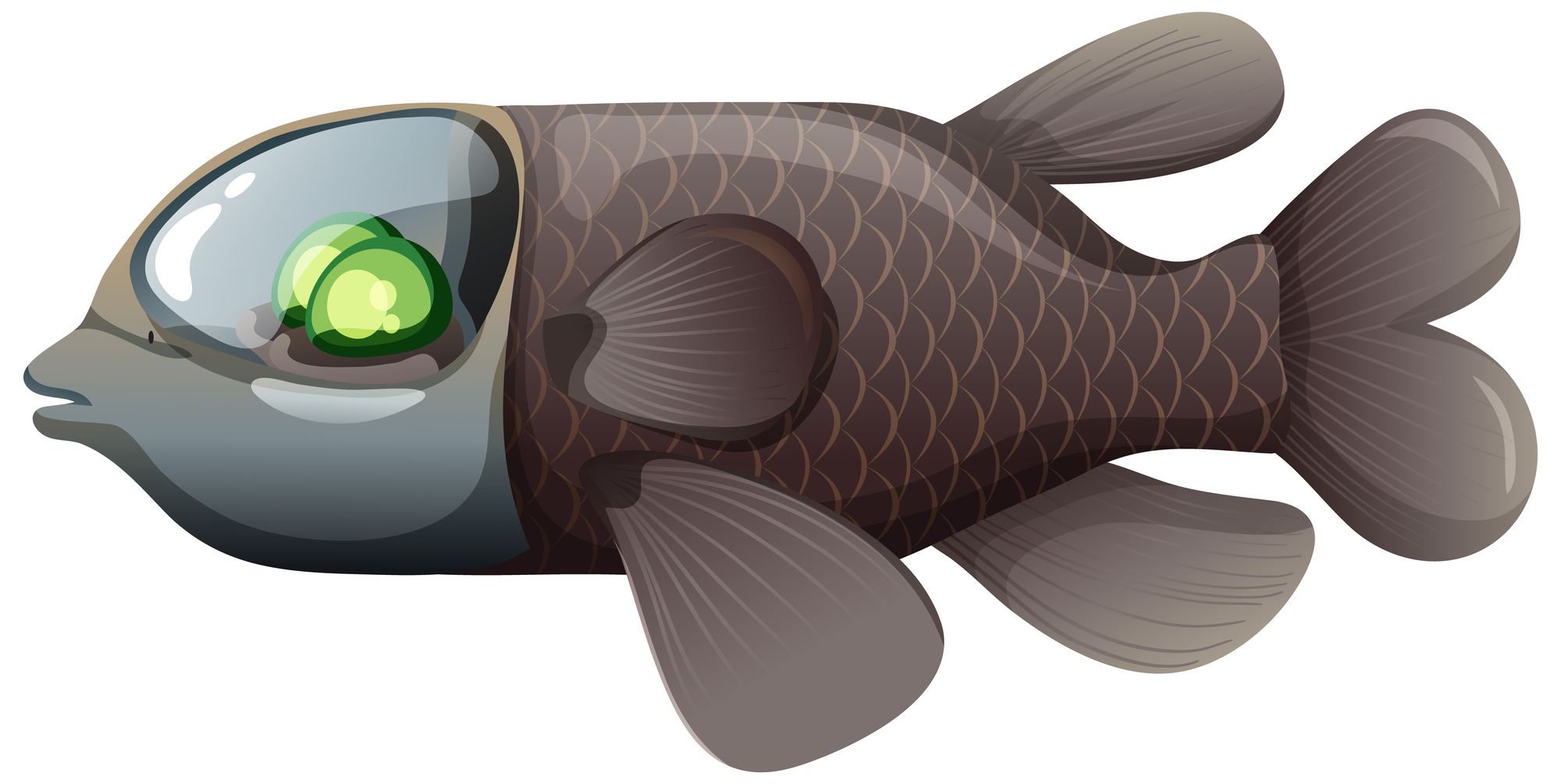
The barreleye fish approaches the problem of hunting in the deep ocean with a solution so strange it seems like biological satire: a completely transparent head that houses tubular eyes pointing upward, scanning for prey silhouetted against the faint light filtering down from above (because in the deep ocean, looking up is the only direction that offers any light at all, and evolution rarely passes up an advantage that obvious). So the fish hangs in the water column with its bizarre, bubble-headed profile.
But here’s the thing that makes it genuinely unsettling — those tubular eyes can rotate inside the transparent skull, tracking movement like organic periscopes.
Comb Jelly
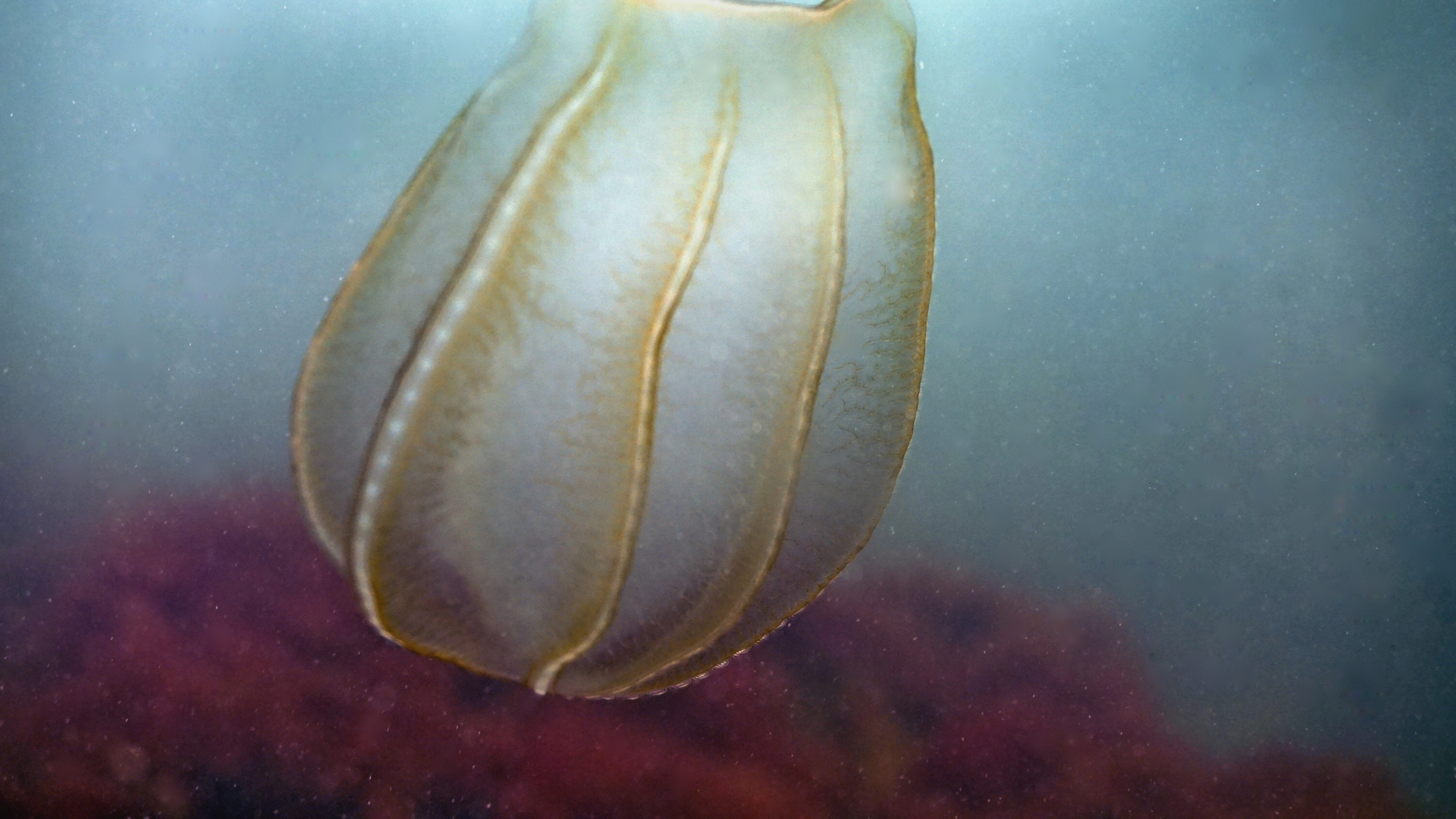
Comb jellies aren’t actually jellyfish, despite what their name suggests. They’re older, stranger, and more fundamental — possibly the first animals to develop nervous systems.
Their transparent bodies pulse with rainbow light as they beat their comb-like rows of cilia, creating moving prisms in the water.
Phantom Midge Larva
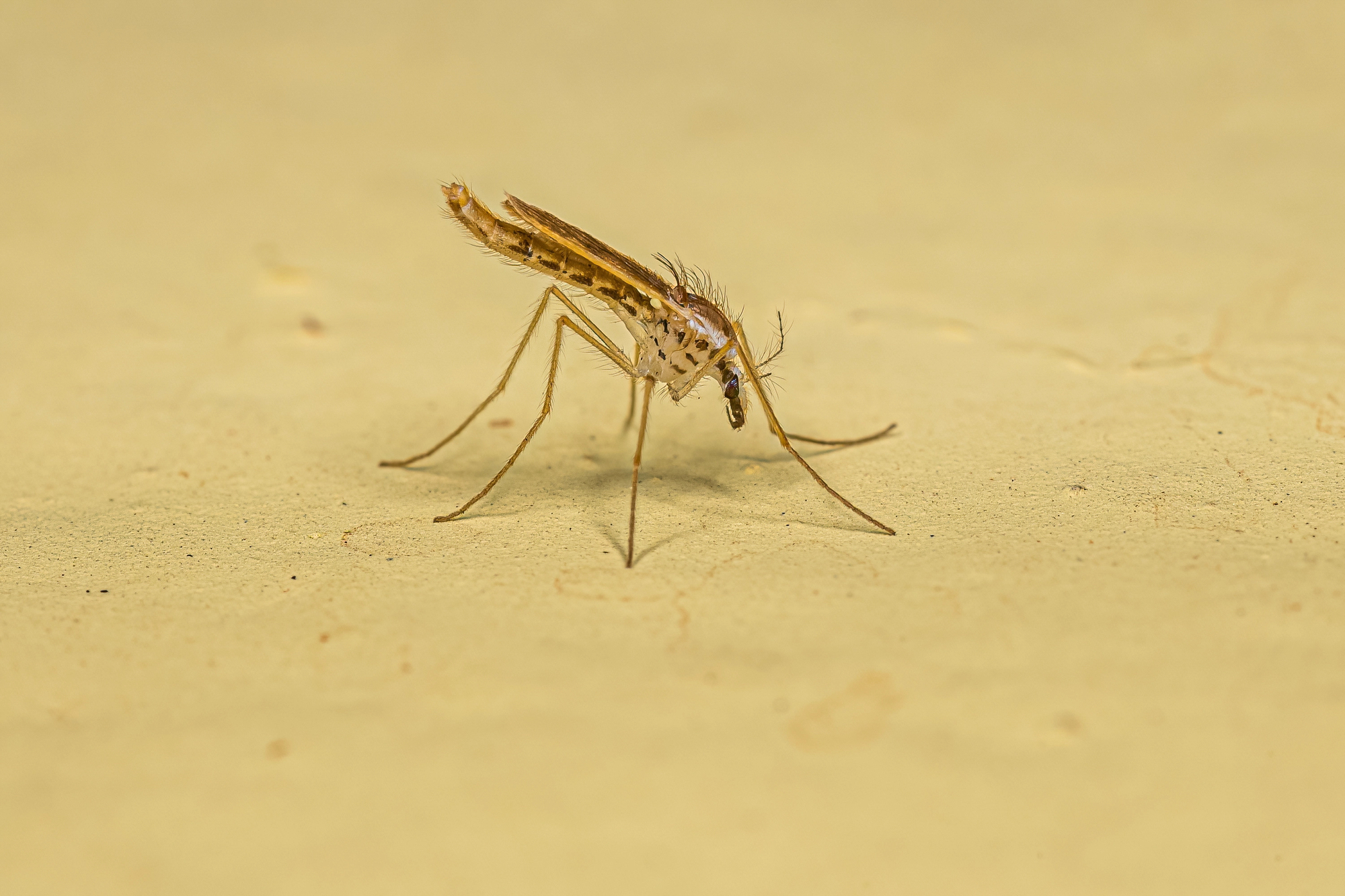
The phantom midge larva floats in freshwater and marine environments like a tiny glass tube with eyes, its entire body so transparent that you can watch its internal organs function in real time — the heart beating, the digestive system processing food, the nervous system firing signals along pathways that look drawn in ink on clear plastic. It’s a living anatomy lesson that requires no dissection, no preparation, just a microscope and the strange privilege of watching life operate behind completely clear walls.
These larvae can remain motionless in the water for hours, invisible except for their dark eyes, which seem to float independently in empty space.
Sea Angel
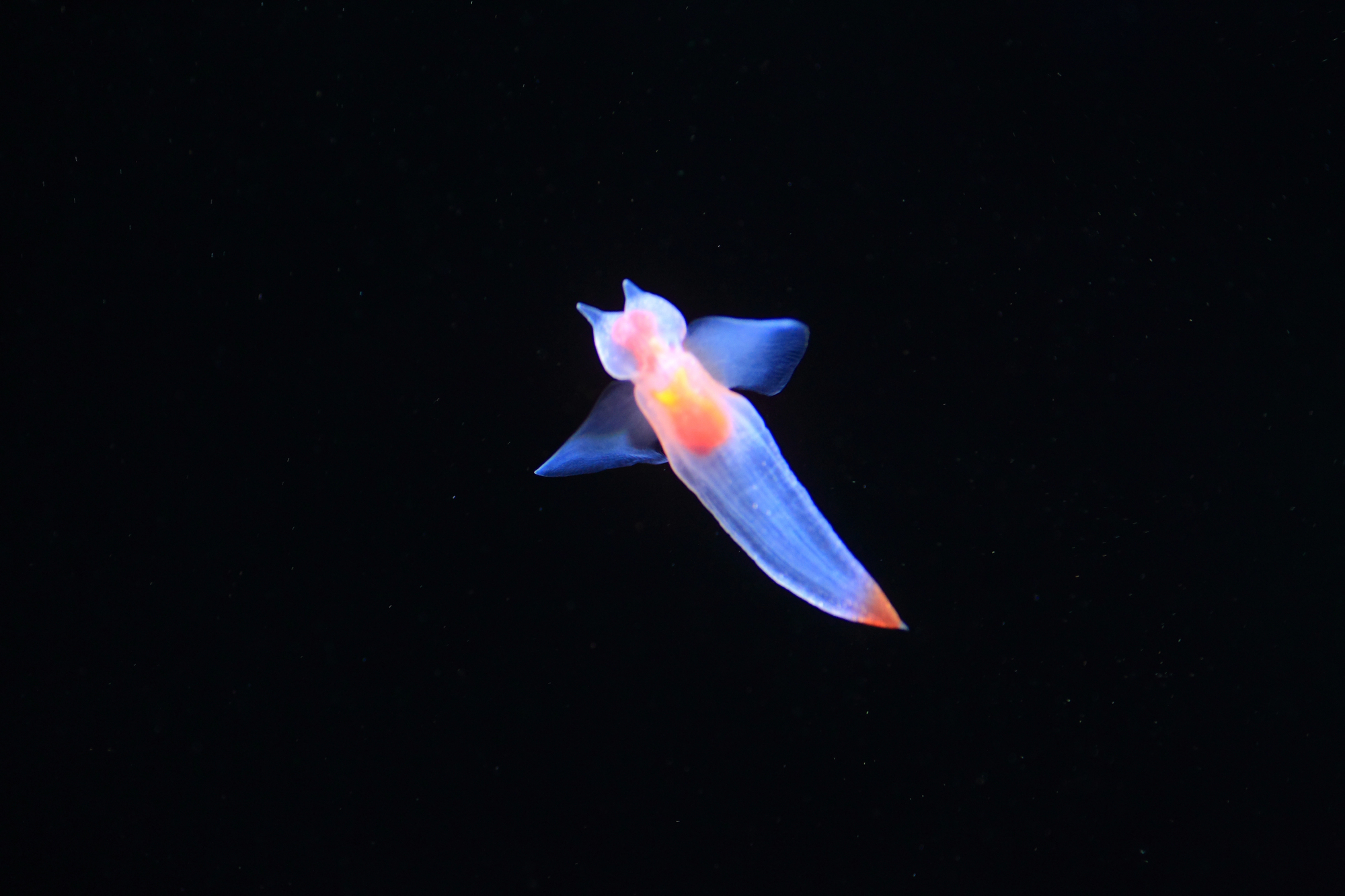
Sea angels earned their name honestly. These translucent mollusks lost their shells somewhere in evolutionary history and kept the grace — flapping wing-like appendages through various ocean waters with movements so fluid they seem choreographed.
They hunt sea butterflies with surprising aggression for something so ethereal.
Transparent Sea Cucumber
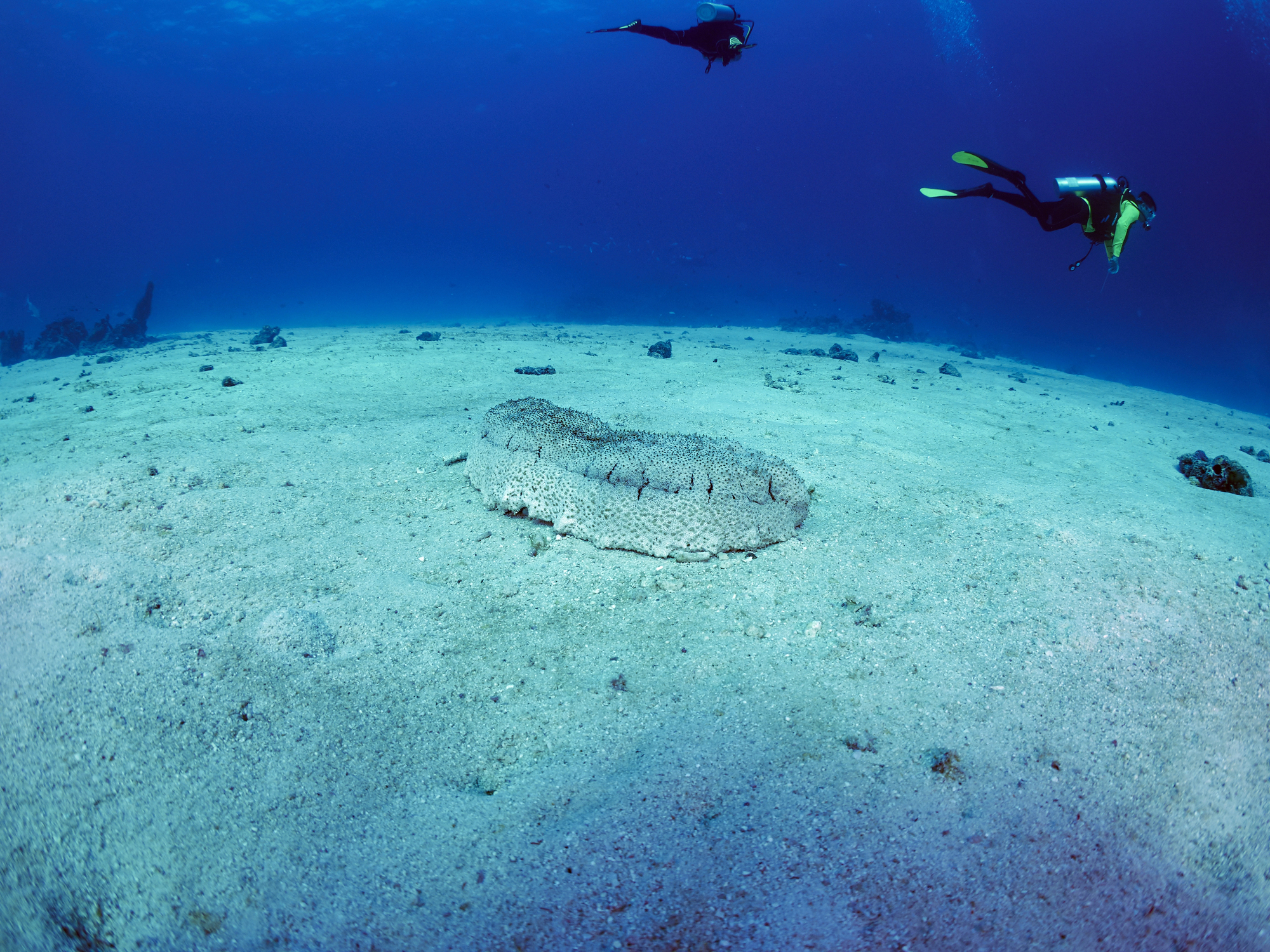
Most sea cucumbers look like exactly what their name suggests, but the transparent species took a different approach entirely: why hide on the seafloor when you can hide in plain sight by becoming invisible? (The logic is flawless, even if the execution seems like showing off.)
These creatures crawl across the ocean bottom or drift in the water column with bodies so clear their internal structures appear to be floating in glass tubes, which creates the unsettling effect of watching organs move through empty space. To be fair, it’s an effective strategy — predators have trouble targeting something they can barely see.
Glass Squid
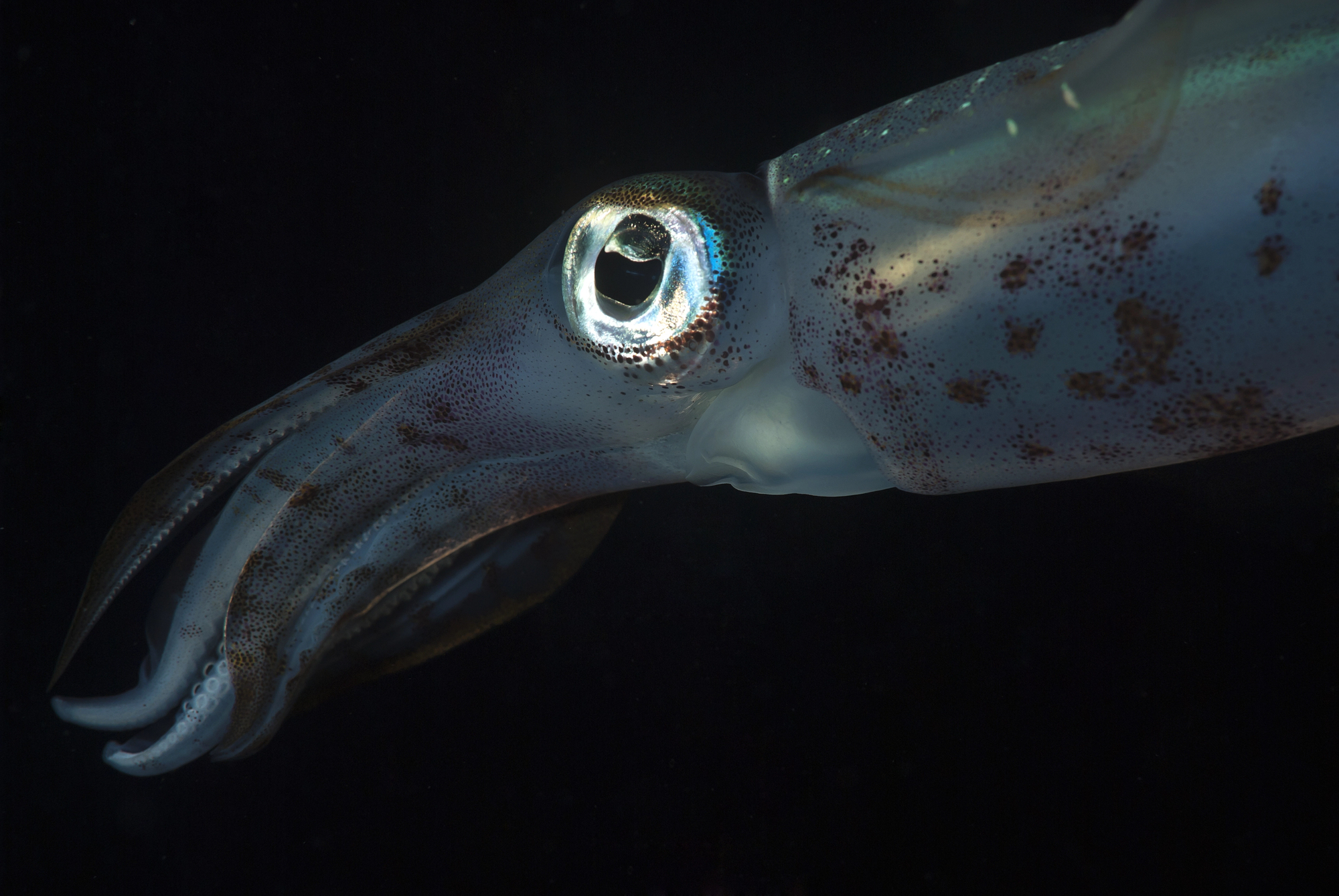
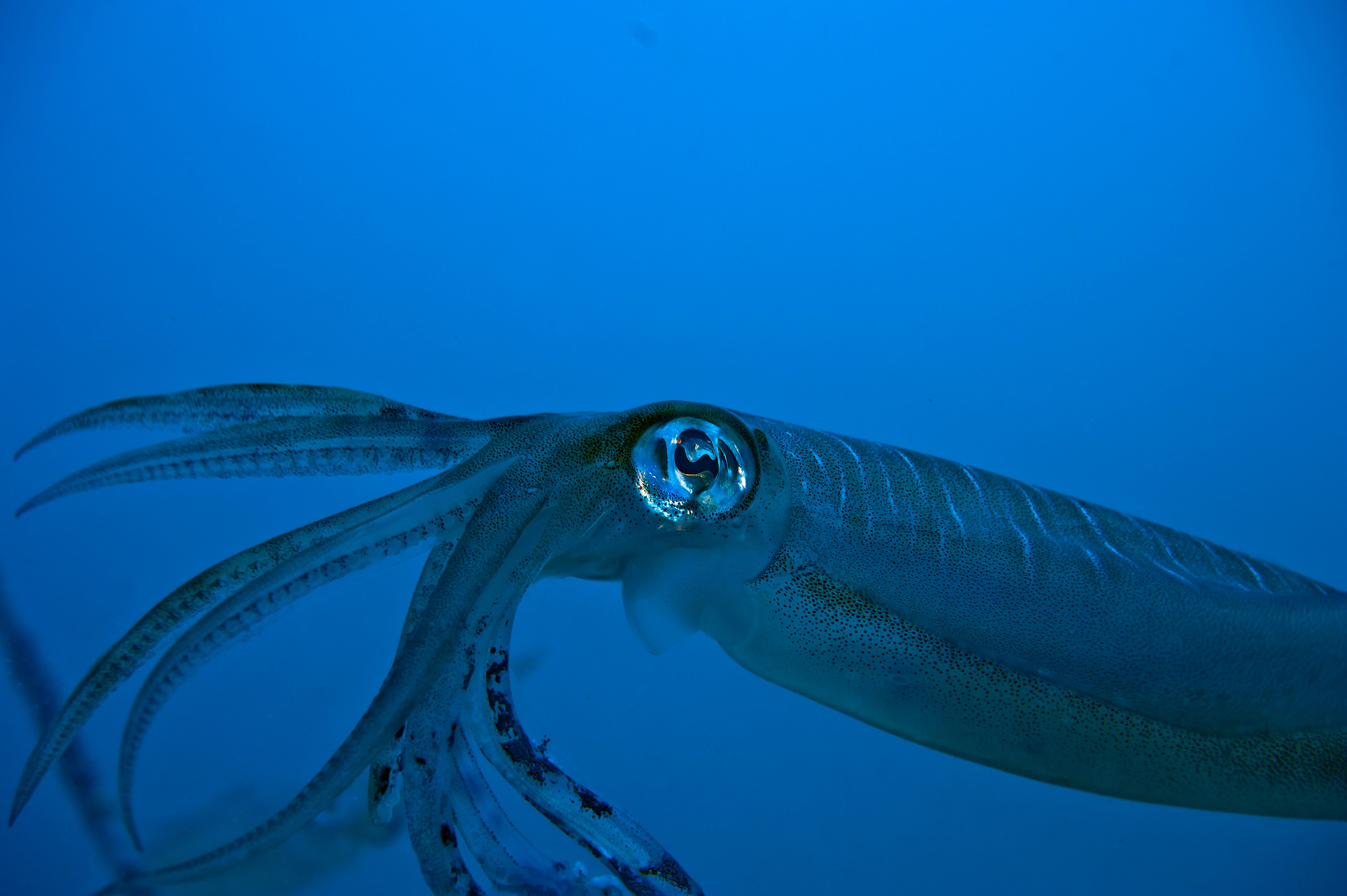
Glass squids inhabit the deep ocean with bodies so transparent they’re nearly invisible, except for their eyes — which remain opaque and seem to hover in empty water like dark marbles suspended by invisible thread. Watching one move through the water feels like witnessing a magic trick performed by someone who forgot to make the props disappear completely.
Some species can rotate their tubular eyes independently, scanning for prey and predators while maintaining their ghostly profile in the water column.
Transparent Amphipod
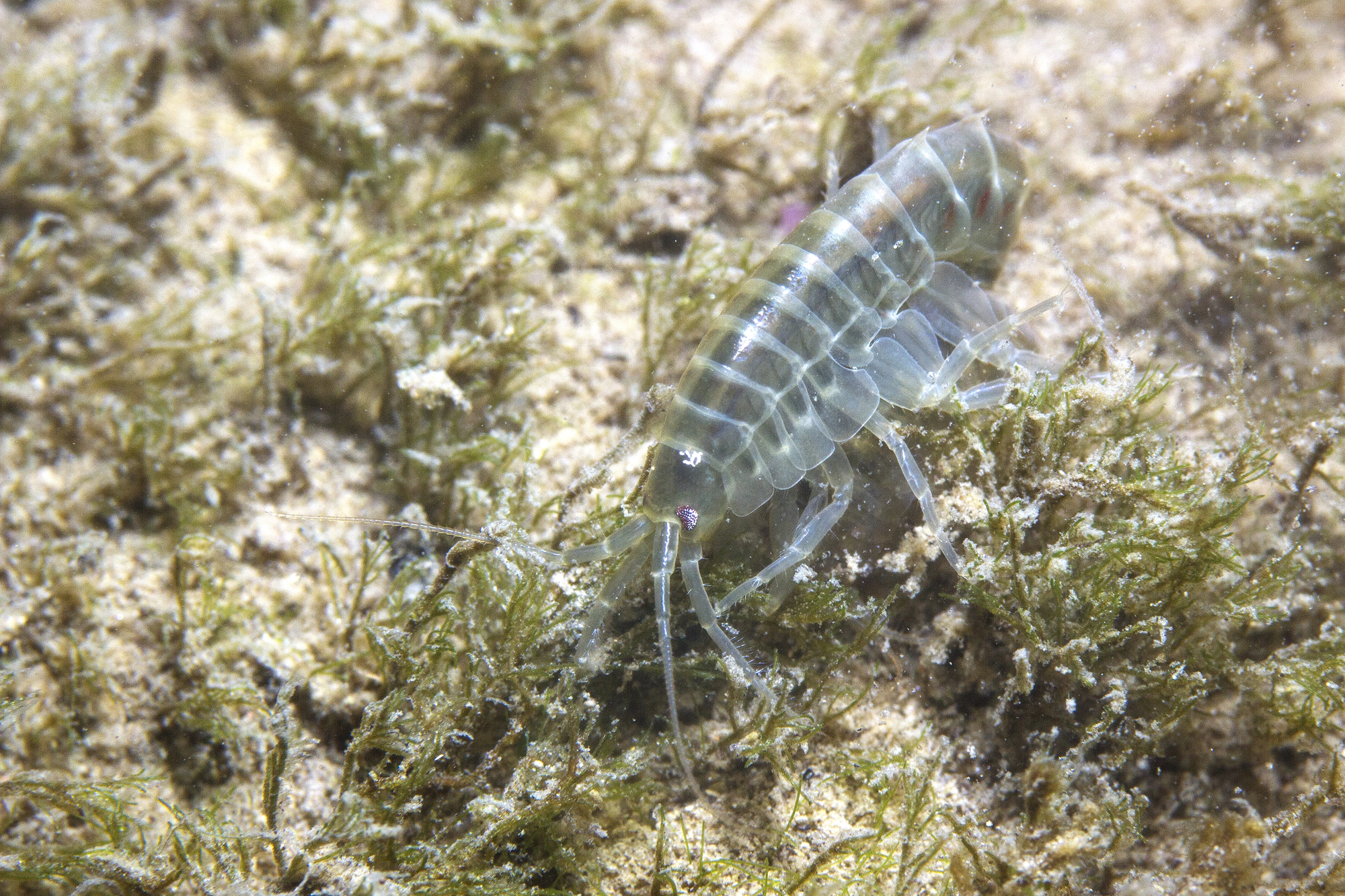
Amphipods are the ocean’s workhorses — small crustaceans that fill every available niche from deep trenches to tide pools, and the transparent species have simply chosen invisibility as their survival strategy, which turns out to work remarkably well when your entire ecosystem is trying to eat you or avoid being eaten by you. Their clear bodies reveal internal structures in constant motion: digestive systems processing food, hearts pumping hemolymph, nervous systems coordinating the rapid movements that keep them alive in a world full of predators.
But the transparency that protects them also makes them living windows into crustacean biology, showing exactly how these ancient arthropods have managed to colonize virtually every aquatic environment on Earth.
Transparent Tunicate
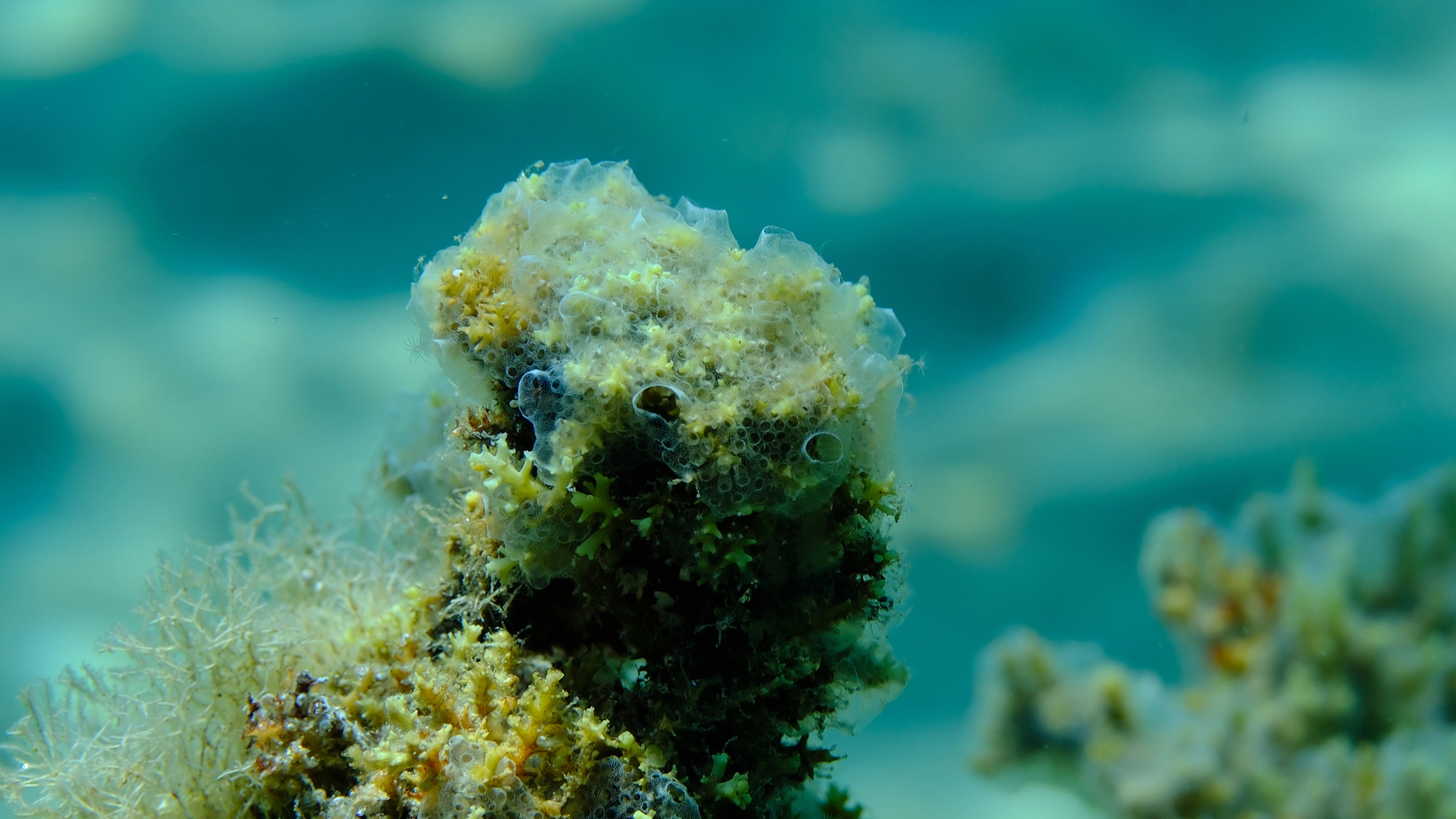
Tunicates look like they shouldn’t work as animals — just transparent sacs with two openings that filter water and extract nutrients, no obvious brain, no complex behaviors, yet they’ve been successful for hundreds of millions of years. Some species form colonies that pulse together in coordinated waves, creating moving patterns of light and shadow in the water.
Others remain solitary, drifting like biological balloons.
Glass Shrimp
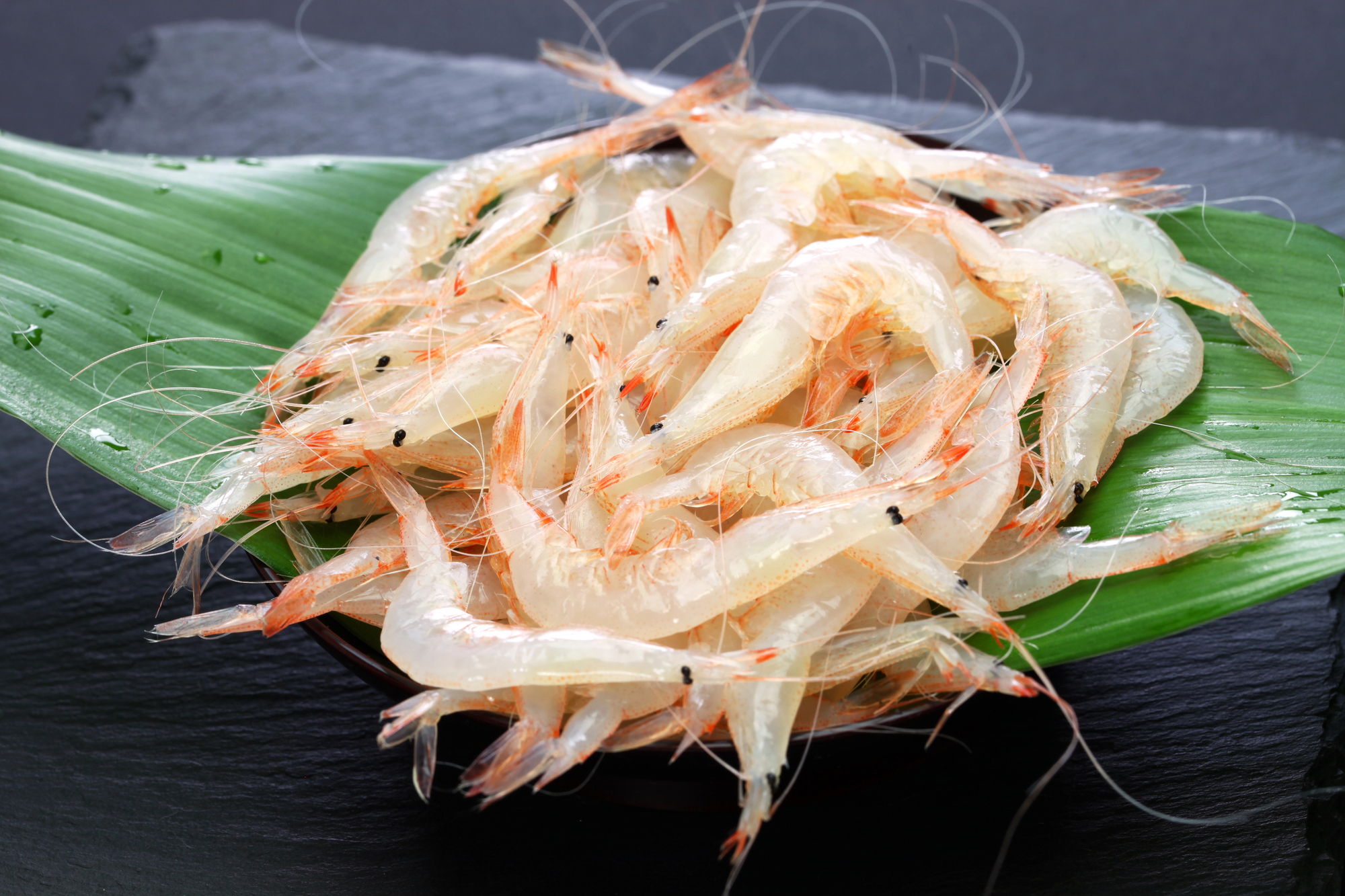
Glass shrimp are so transparent you can watch their hearts beat and their digestive systems process food in real time. They scavenge the seafloor and water column with methodical efficiency, their clear bodies making them nearly invisible to predators and prey alike.
The transparency reveals every internal system functioning simultaneously — a living demonstration of crustacean biology.
Transparent Jellyfish Polyp
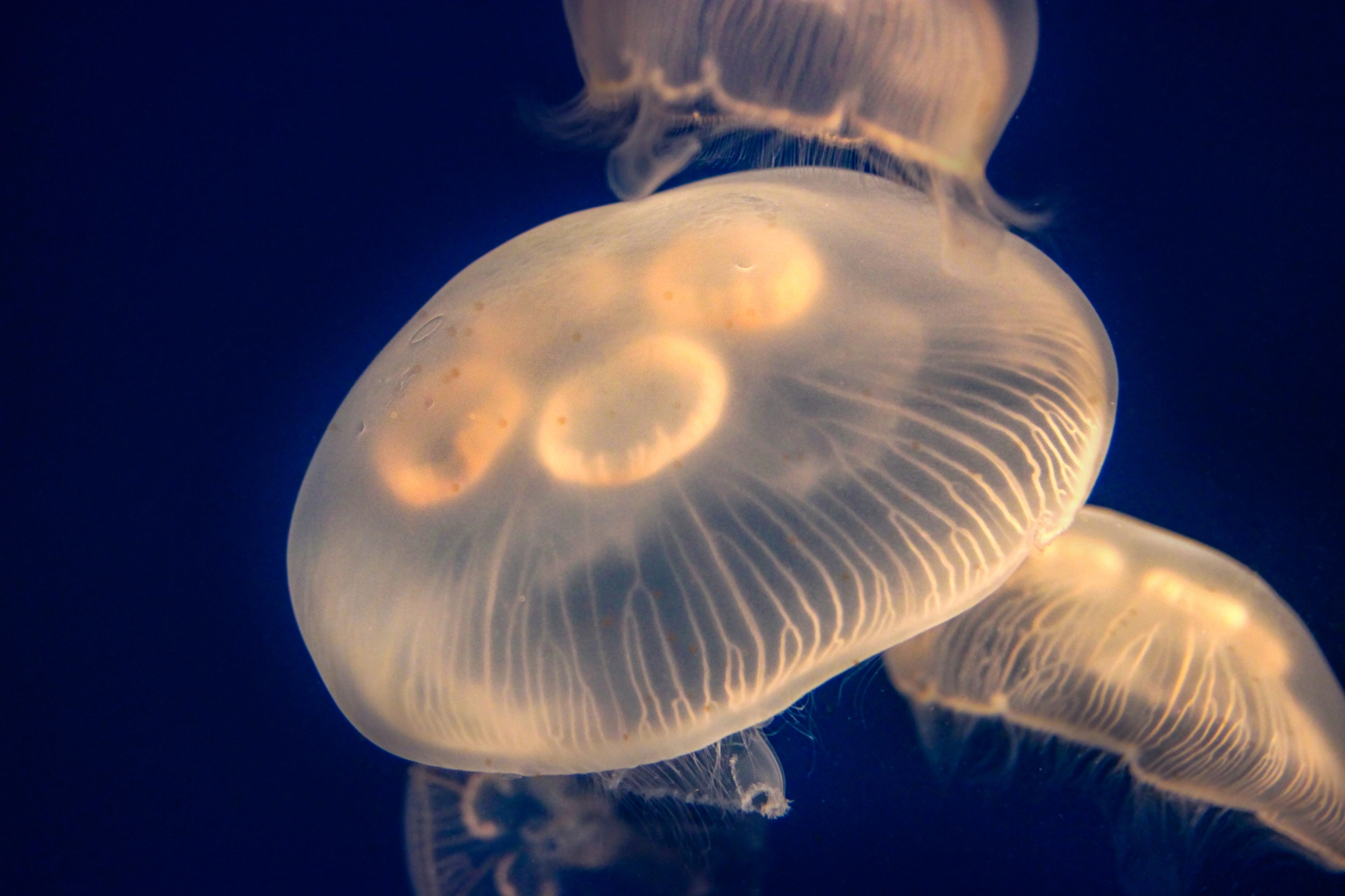
Before jellyfish become the medusae we recognize, they exist as transparent polyps attached to surfaces, looking like tiny glass flowers that pulse and extend tentacles to capture passing prey. These stationary life stages can reproduce asexually, creating colonies of genetically identical individuals that coordinate their feeding activities.
The transparency serves them well — attached to surfaces, they rely on invisibility rather than mobility.
Dancing in Glass Houses
These transparent ocean dwellers remind us that evolution finds solutions we’d never think to imagine. They’ve traded the comfort of opacity for the advantage of invisibility, turning their bodies into windows while still managing to live, hunt, reproduce, and thrive in environments that would challenge any creature.
Their transparency isn’t just beautiful — it’s functional artistry, millions of years in the making.
More from Go2Tutors!

- The Romanov Crown Jewels and Their Tragic Fate
- 13 Historical Mysteries That Science Still Can’t Solve
- Famous Hoaxes That Fooled the World for Years
- 15 Child Stars with Tragic Adult Lives
- 16 Famous Jewelry Pieces in History
Like Go2Tutors’s content? Follow us on MSN.



