Photos of Peculiar Historical Hairstyles from the Middle Ages
Hair tells stories that history books often forget. Look through medieval manuscripts, paintings, and surviving artwork, and you’ll find hairstyles that seem to defy gravity, common sense, and sometimes basic comfort.
These weren’t random fashion choices — they were statements of power, piety, rebellion, and social status carved in carefully arranged strands.
Medieval people took their hair seriously. The church had opinions about it.
Governments regulated it. Parents fought over it.
And the results, captured in illuminated manuscripts and portrait paintings, reveal a world where your hairstyle could determine your marriage prospects, your social standing, and occasionally your survival.
The Horned Hennin
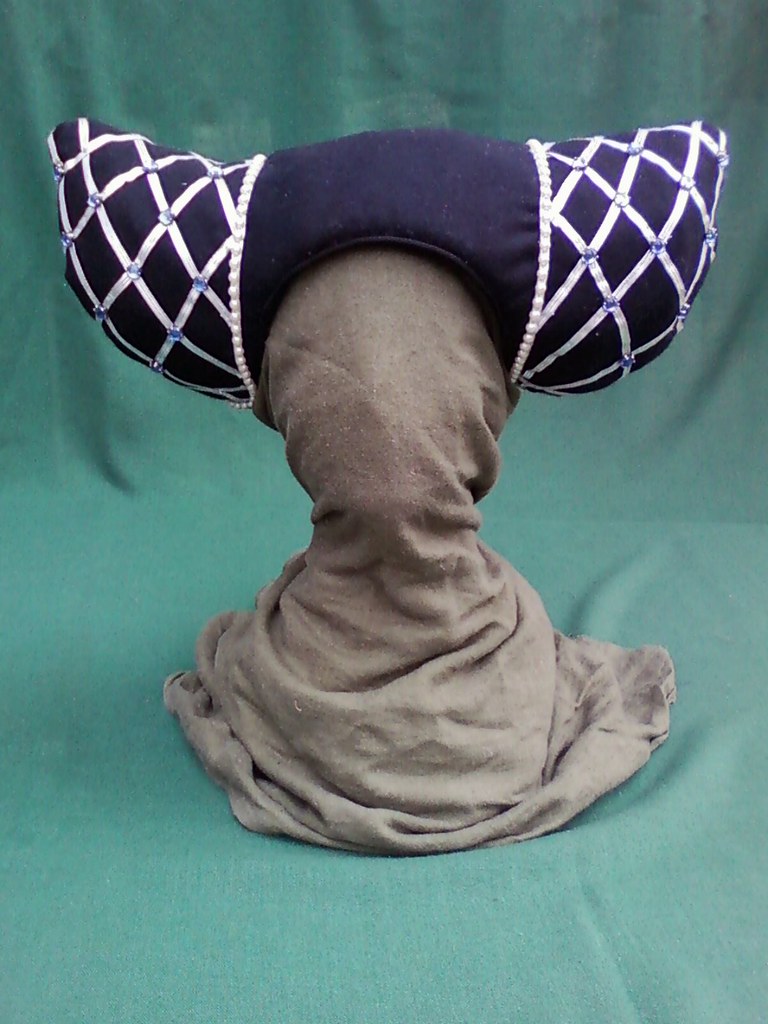
Women balanced enormous cone-shaped hats on their heads with fabric streaming behind them like banners. The hennin wasn’t just a hat — it was architecture for the head.
Some reached three feet tall. Walking through doorways required strategy.
The church condemned hennins as vanity incarnate. Moralists wrote sermons about them.
And yet noble women kept wearing them, turning their heads into walking monuments to their families’ wealth and their own defiance of practical limitations.
Fashionable Male Bowls
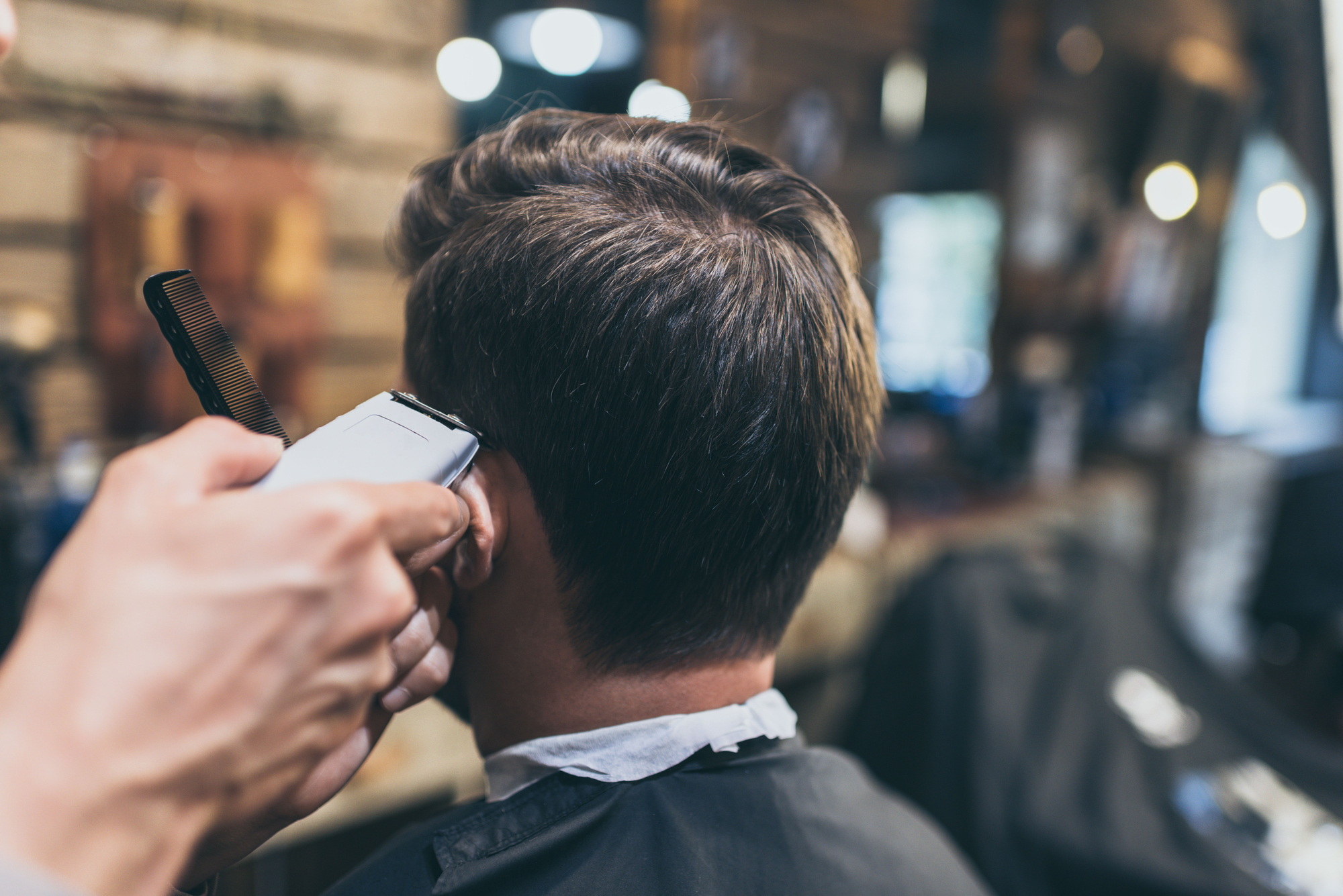
Picture this: you’re a nobleman in 14th-century England, and you’ve decided (as many of your peers have decided, though the reasoning behind this collective choice remains one of history’s more puzzling mysteries) that the ideal hairstyle involves growing your hair to shoulder length and then — here’s where it gets interesting — cutting it in a perfect bowl shape that sits around your head like an inverted cooking pot. The look was called a “bob” though it bore no resemblance to what we’d recognize by that name today.
And the strangest part? It wasn’t an accident or the result of poor barbering skills. So this was deliberate: men of means paying good money to look like they’d placed actual bowls on their heads and trimmed around the edges.
Even knights wore this style into battle, which raises questions about visibility and peripheral vision that medieval military historians still debate. The bowls got more elaborate as the style evolved.
Some had intricate patterns shaved into the sides, others featured carefully layered lengths that created a stepped, almost cake-like effect around the head.
The Reticulated Headdress
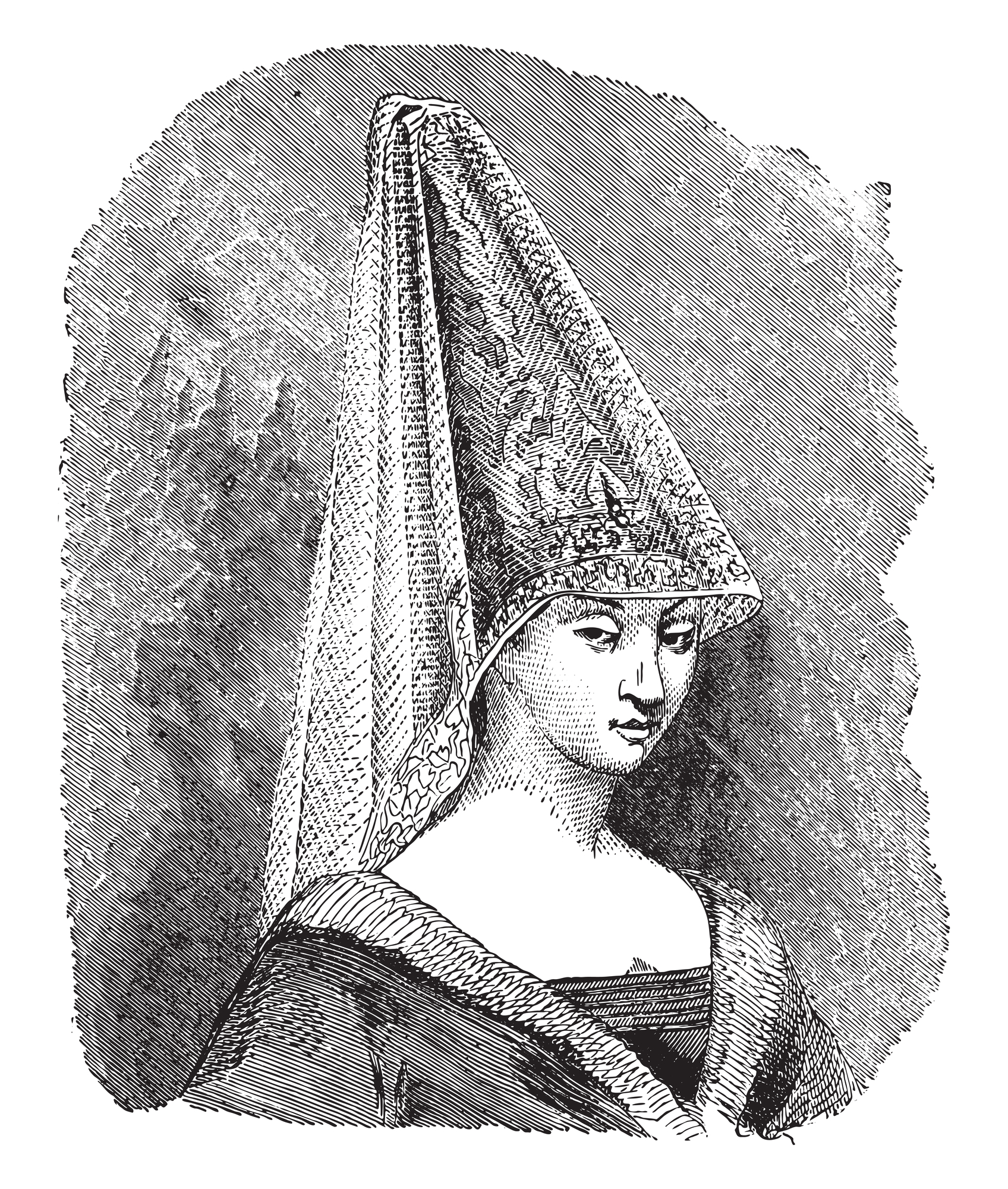
There’s something almost architectural about the way medieval women transformed their hair into geometric puzzles, weaving it through nets and frameworks that turned their heads into living sculptures. The reticulated headdress demanded patience — hours of braiding, pinning, and threading hair through metalwork that resembled tiny golden cages.
Women wore their hair like engineers wear blueprints: with precision, purpose, and an understanding that the smallest miscalculation could bring the entire structure tumbling down. These weren’t hairstyles you could sleep in or adjust casually.
They were commitments, statements written in carefully arranged strands that announced to the world exactly where you belonged in the great hierarchy of medieval society. The wire frameworks alone cost more than most peasants earned in a year.
Tonsure Variations for Monks
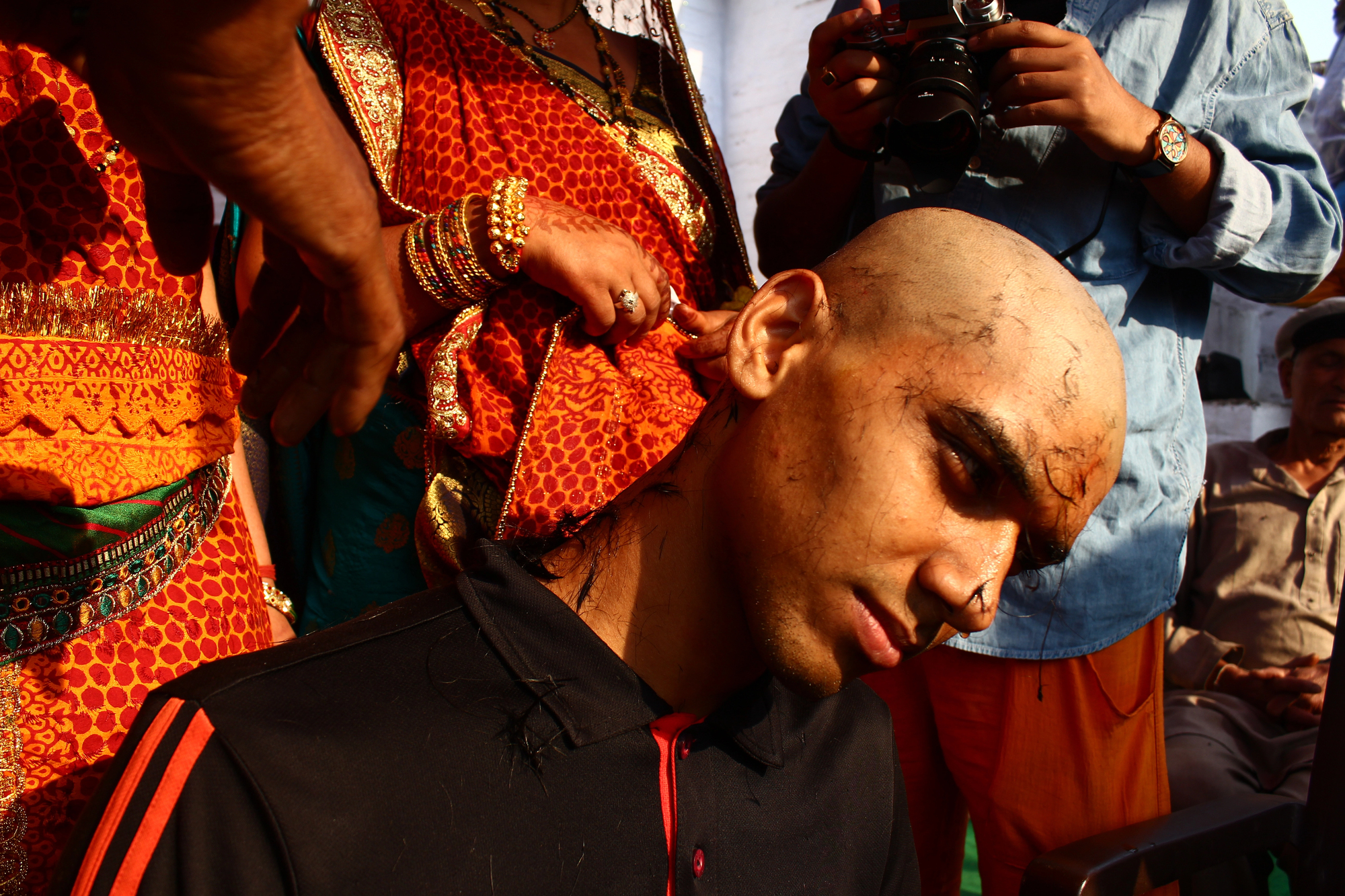
Monks didn’t just cut their hair short — they made baldness a spiritual art form. The classic tonsure shaved the crown completely while leaving a ring of hair around the sides.
Different monastic orders had their own signature patterns. Franciscans shaved differently than Benedictines.
The Celtic tonsure was particularly dramatic. Monks shaved the front half of their heads entirely, leaving long hair in the back.
It looked like a reverse mullet designed by someone with strong opinions about humility and very little concern for aesthetics.
The Heart-Shaped Hairline

This is where medieval beauty standards went completely off the rails: noblewomen plucked their hairlines into heart shapes. Not content with the hairlines they were born with, they spent hours with tweezers creating elaborate curves and points that framed their faces like living valentines.
The process was painful, time-consuming, and absolutely necessary if you wanted to be taken seriously in court circles. Women plucked not just their foreheads but their temples, creating these sweeping arcs that made their faces appear longer and more ethereal.
The higher the hairline, the more fashionable you were considered. Some women plucked so aggressively that they created permanent bald spots, which was apparently a small price to pay for achieving the perfect heart-shaped frame.
Braided Towers
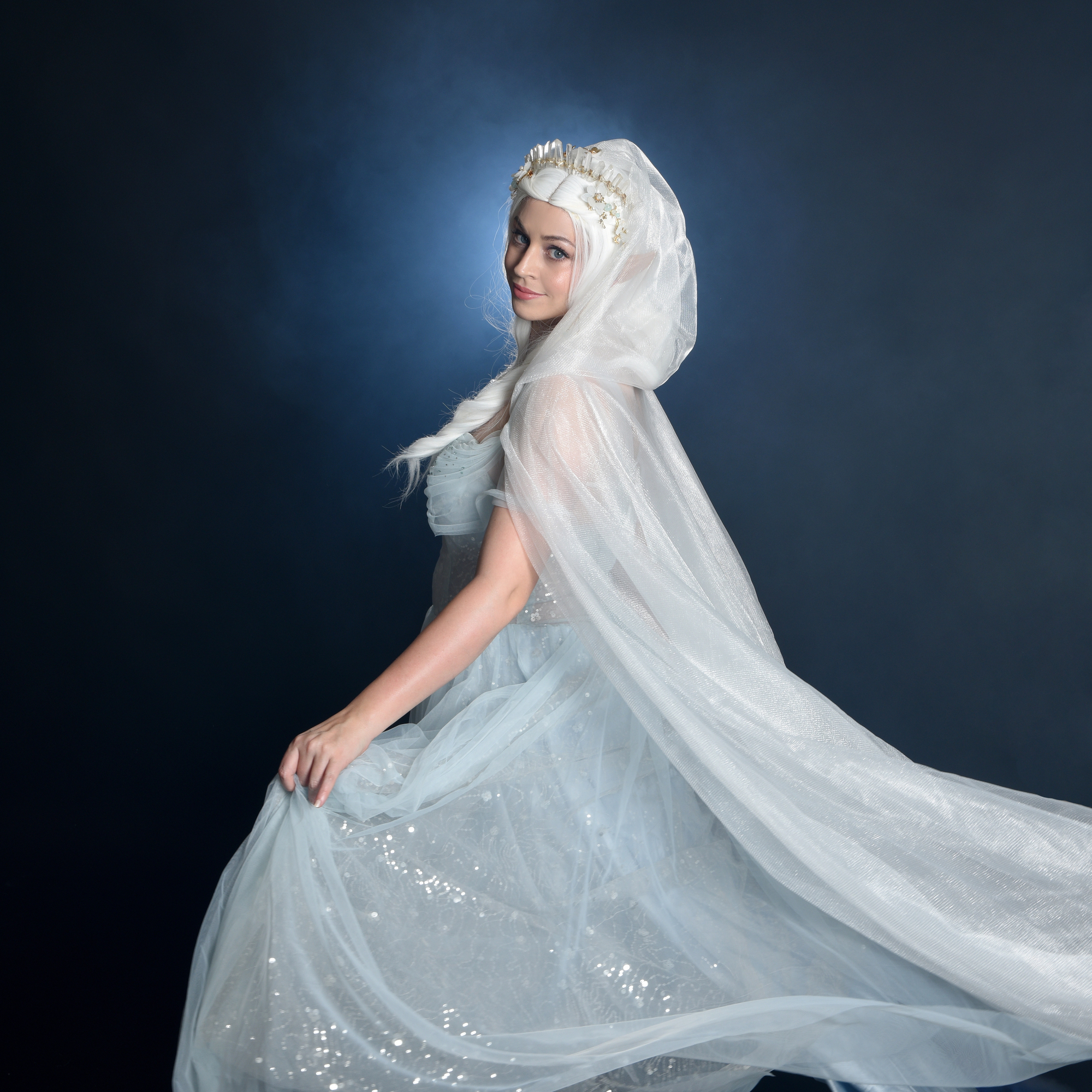
When medieval women decided to build towers out of their own hair, they weren’t thinking small — these elaborate constructions rose from their heads like architectural marvels, spiraling upward in carefully orchestrated coils that defied both gravity and common sense. The process began before dawn.
Servants would oil, section, and weave hair into complex patterns that required engineering skills as much as styling knowledge. Noble ladies sat for hours while their hair was transformed into these vertical monuments to patience and wealth.
The towers weren’t just tall. They were ornate.
Gold wire wove through the braids, precious stones dotted the spirals, and sometimes tiny bells were attached so the wearer announced herself with each movement. Walking became a careful art — too sudden a turn, too quick a nod, and the entire structure might shift or collapse.
The Fillet and Barbette
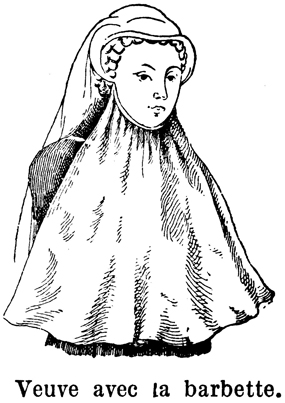
Nothing says medieval nobility quite like wrapping your head in white linen and calling it fashion. The barbette covered the chin and neck, while the fillet circled the temples.
Together, they created a look that was part nun, part mummy, and entirely impractical for anyone who needed to eat, speak, or turn their head more than thirty degrees. These weren’t casual accessories.
The linen had to be perfectly white, perfectly pressed, and perfectly arranged. One wrinkle could ruin the entire effect.
Women wore these contraptions to demonstrate their virtue, their wealth, and their complete commitment to looking as uncomfortable as humanly possible.
Long Loose Hair for Maidens
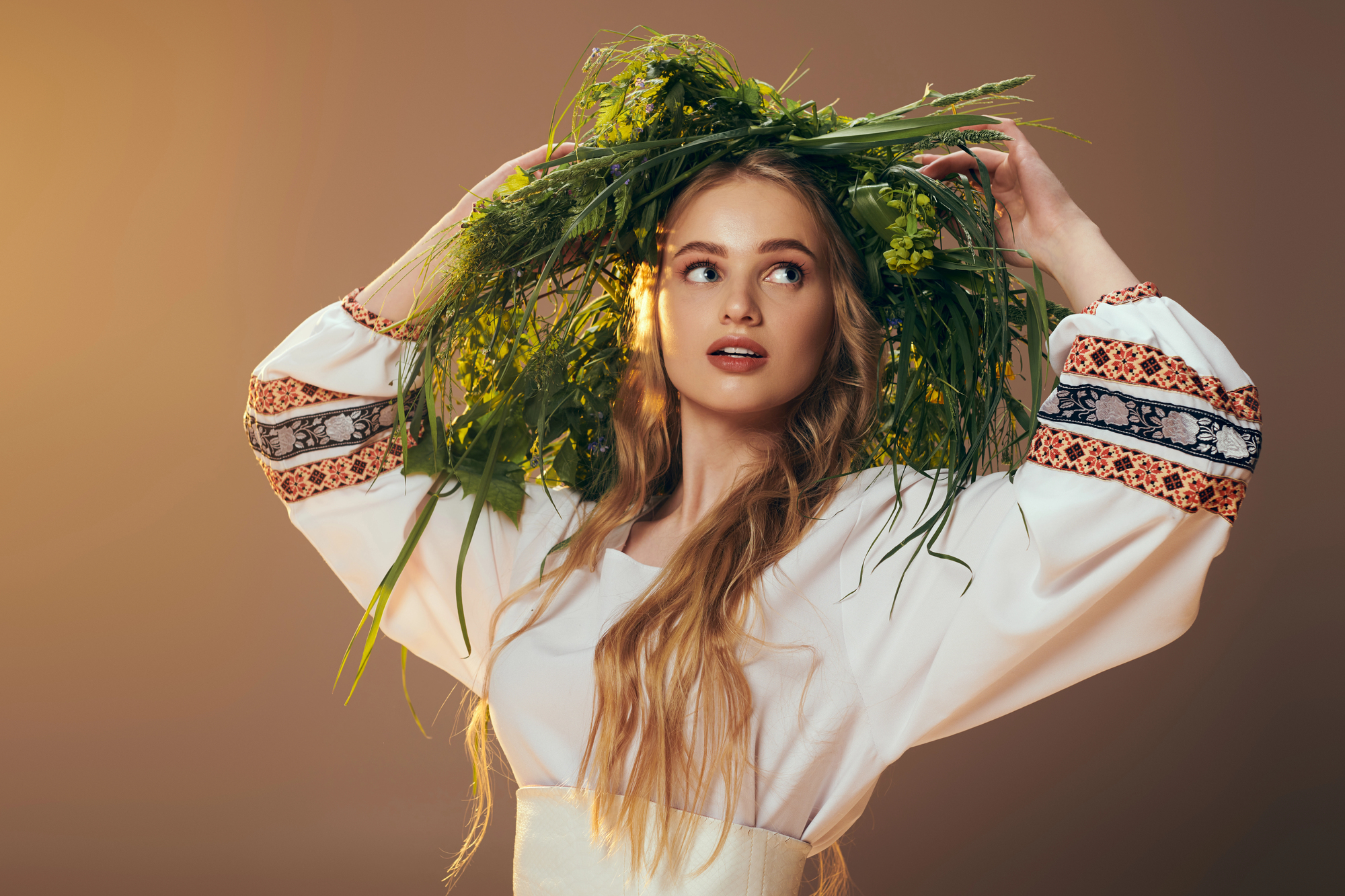
Here’s where medieval society revealed its contradictions most clearly: unmarried women were expected to display their hair as proof of their virginity, letting it flow freely as a kind of moral advertisement that announced their availability and purity to potential suitors. Hair became currency in the medieval dating market.
But this freedom came with strict rules. The hair had to be brushed to perfect smoothness, often braided at night to create waves, and decorated with ribbons or flowers that matched the family’s social status.
And it was temporary. The moment a woman married, all that beautiful hair disappeared under veils and caps, locked away like a treasure that had served its purpose.
Elaborate Braided Coils
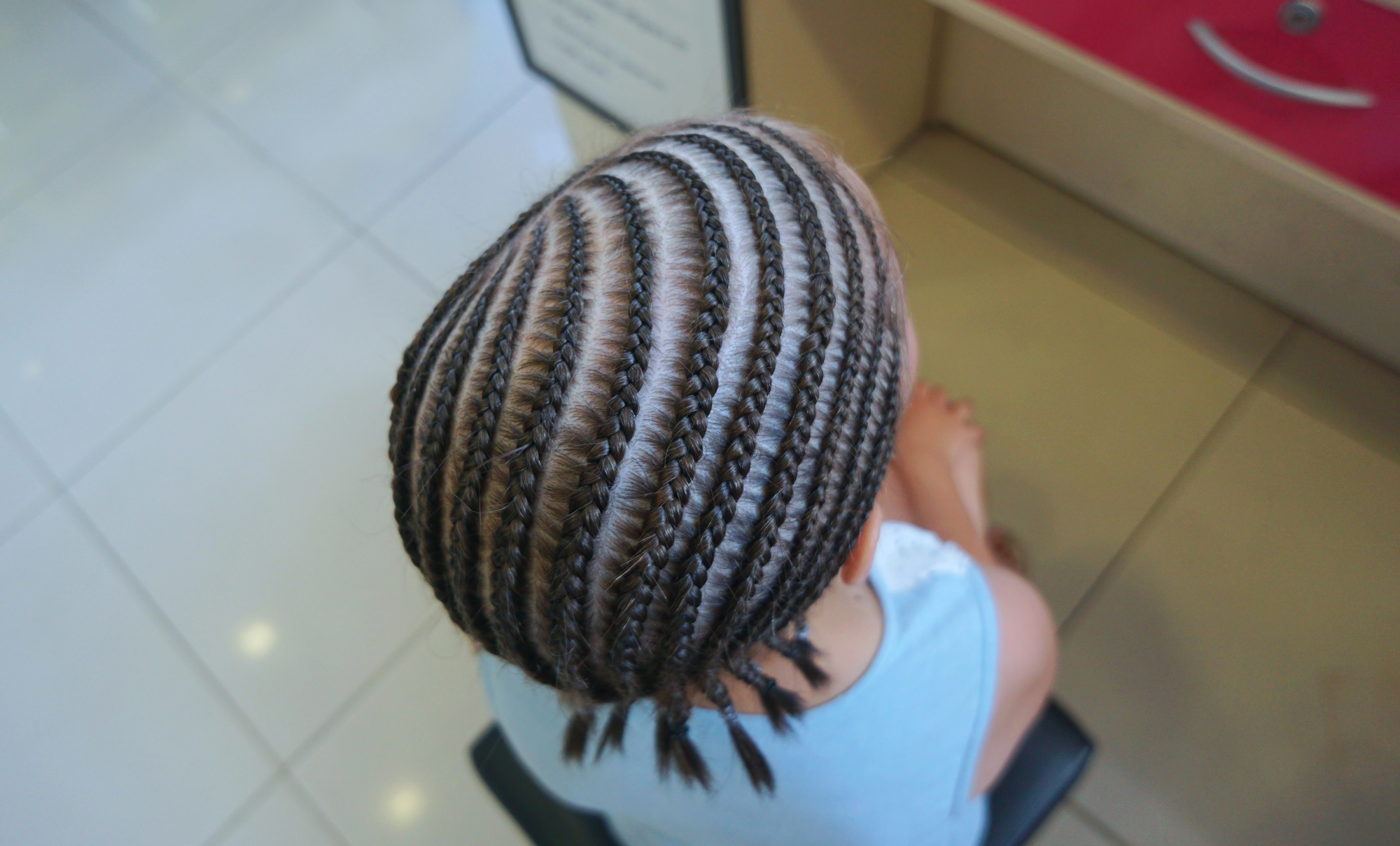
Medieval women turned their hair into sculptures that would make modern topiary artists weep with envy. These weren’t simple braids — they were complex engineering projects involving multiple hair textures, wire supports, and enough pins to stock a medieval hardware store.
The coils sat on either side of the head like perfectly symmetrical snails, each one a testament to the wearer’s patience and her servants’ skill. The process took most of a morning.
Hair was sectioned, braided, twisted around wire frames, and then coiled into these perfect spirals that had to be identical on both sides. One coil even slightly larger than the other was considered a fashion disaster of the highest order.
The Widow’s Peak Enhancement

Medieval beauticians took the natural widow’s peak and turned it into performance art. Women who weren’t born with pronounced peaks created them artificially, plucking and shaving until their hairlines formed dramatic V-shapes that could be seen from across a great hall.
The enhanced widow’s peak required maintenance that bordered on obsession. Daily plucking, careful measurement to ensure symmetry, and strategic application of oils to keep the remaining hair lustrous enough to emphasize the dramatic contrast.
Some women drew guidelines on their foreheads with charcoal to ensure perfect symmetry during the plucking process.
Jeweled Hair Nets
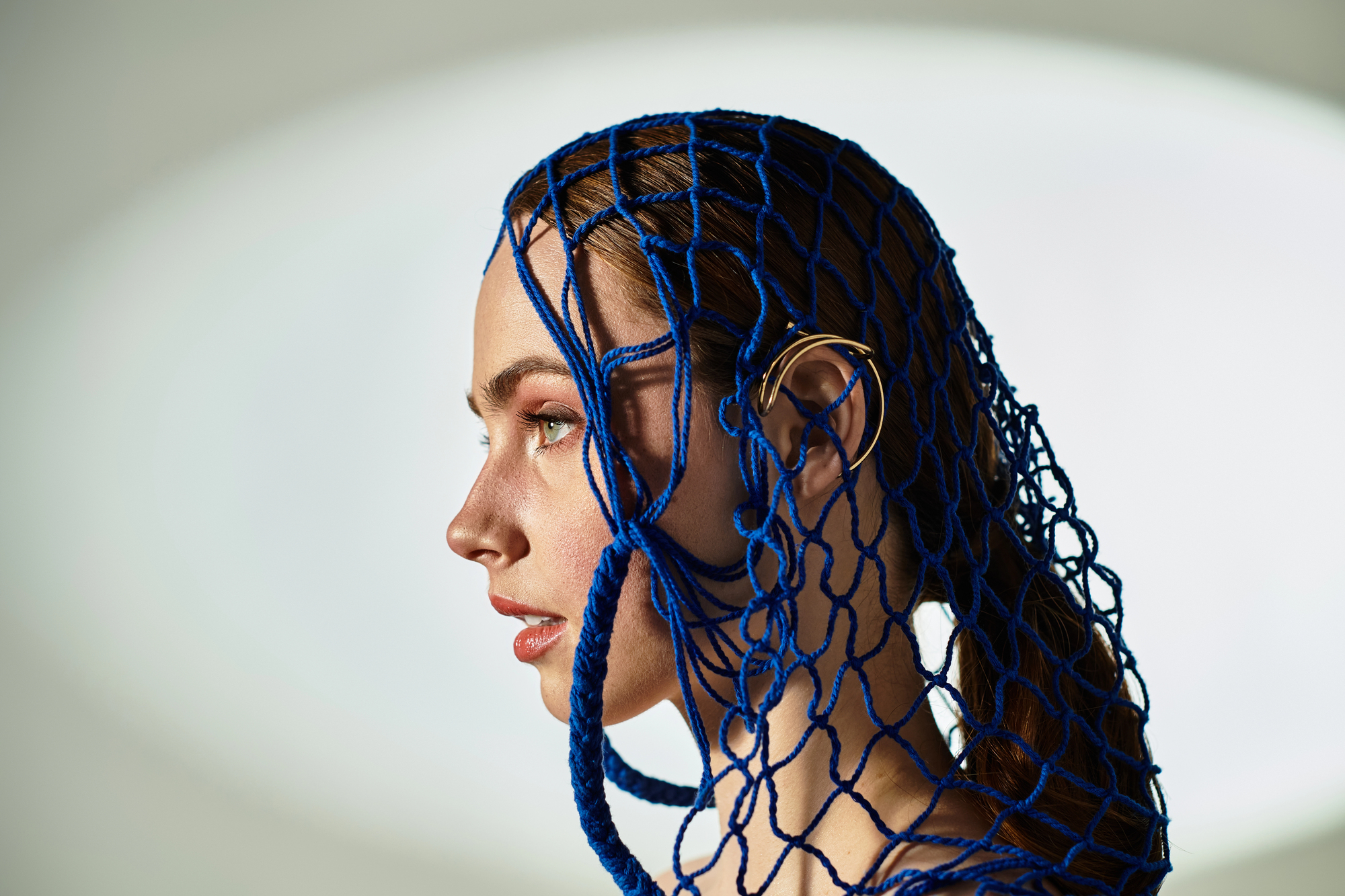
Think of these as medieval status symbols that happened to hold your hair in place. The nets themselves were masterpieces of medieval craftsmanship.
Goldsmith work incorporated family crests, religious symbols, and gemstones arranged in patterns that told stories about the wearer’s lineage, wealth, and political connections. But here’s the thing about wearing a fortune on your head: it gets heavy, and it gets noticed.
Women who wore jeweled hair nets needed servants to help them put the nets on, take them off, and hold their heads steady during long ceremonial events. The nets were often worth more than entire households, which made them targets for theft.
Feathered Accessories
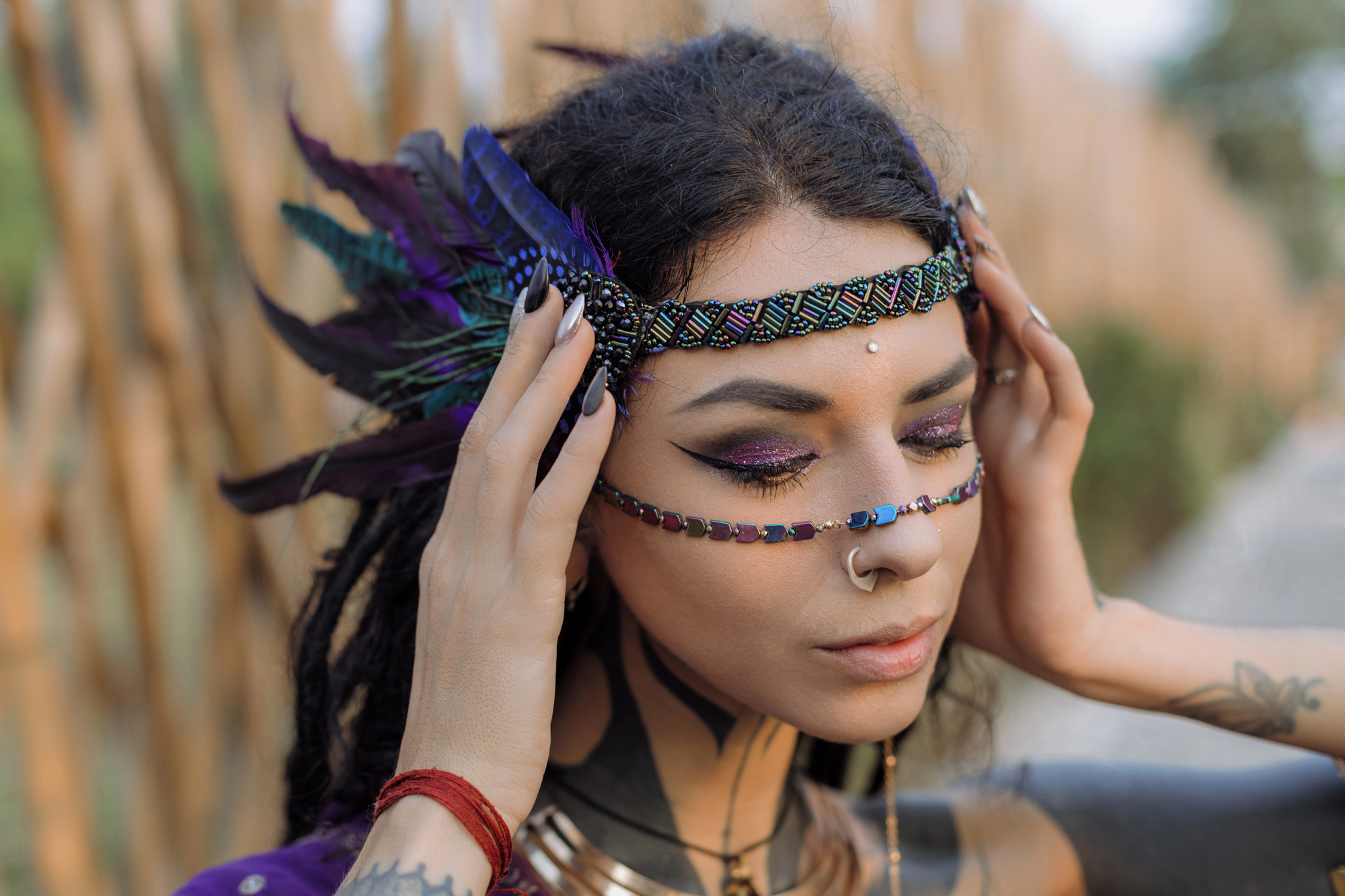
Medieval nobility discovered that nothing says “I’m important” quite like attaching exotic bird feathers to your head and pretending it’s practical. Peacock feathers were particularly prized, along with ostrich plumes that had traveled thousands of miles to end up waving from someone’s skull in a drafty castle.
The feathers weren’t just decorative — they were diplomatic. Rare bird plumes were gifts between kingdoms, symbols of alliance, and occasionally bribes.
A woman wearing egret feathers was advertising her family’s trade connections and their ability to afford luxuries that most people would never see in their lifetimes.
The Padded Roll
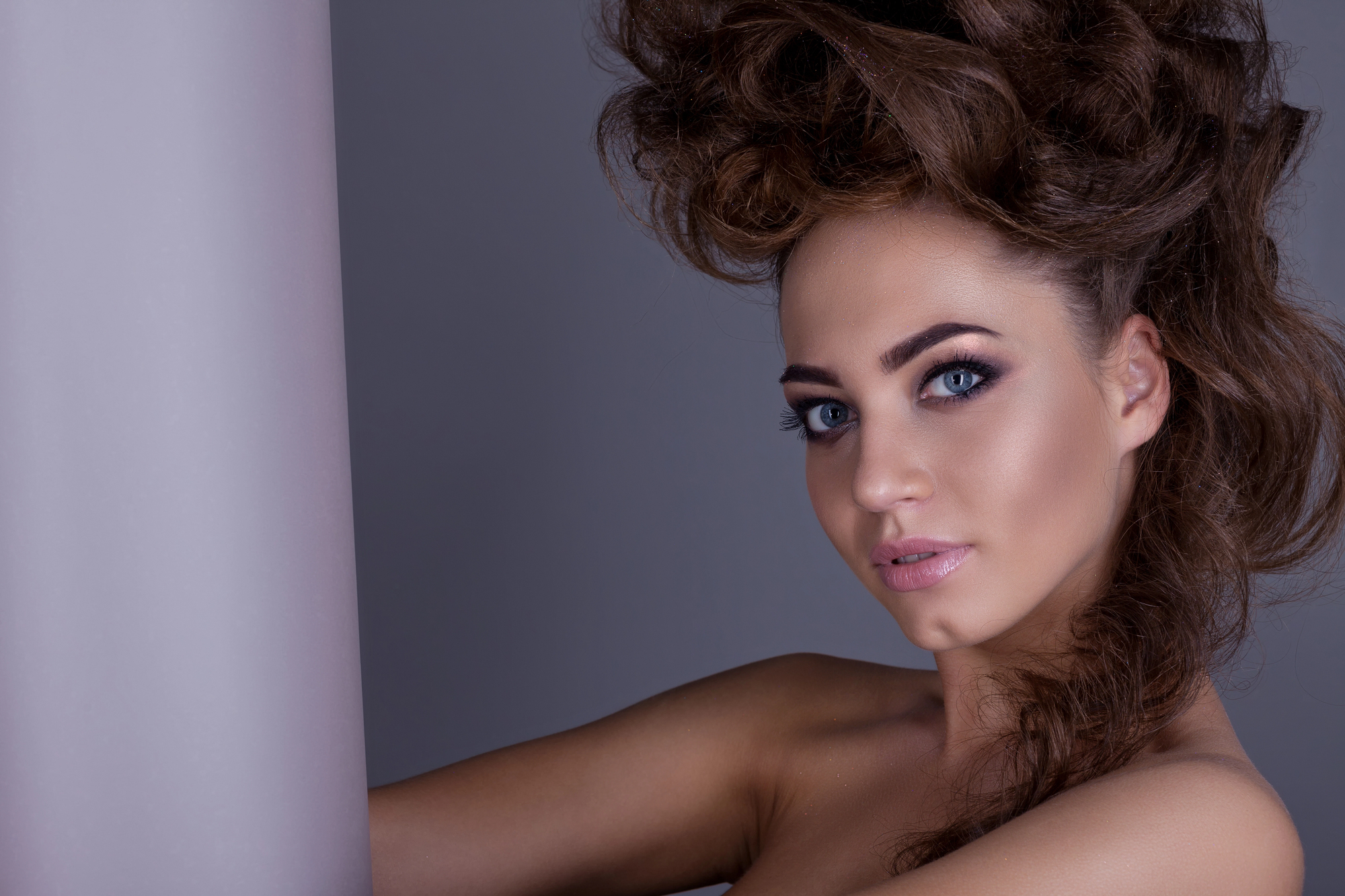
This hairstyle wins the prize for medieval practicality meeting vanity: women created thick rolls of hair around their heads by stuffing fabric, wool, or even horsehair underneath their own hair to create volume that nature hadn’t provided. The result looked like a hair donut that had been carefully arranged and pinned into submission.
The padding technique became so popular that specialized cushions were sold specifically for hair enhancement. Women carried spare padding to events in case their hair settled during long ceremonies.
The wealthy had custom-made hair padding in different sizes for different occasions — formal court padding versus everyday domestic padding.
Colored Hair Powders
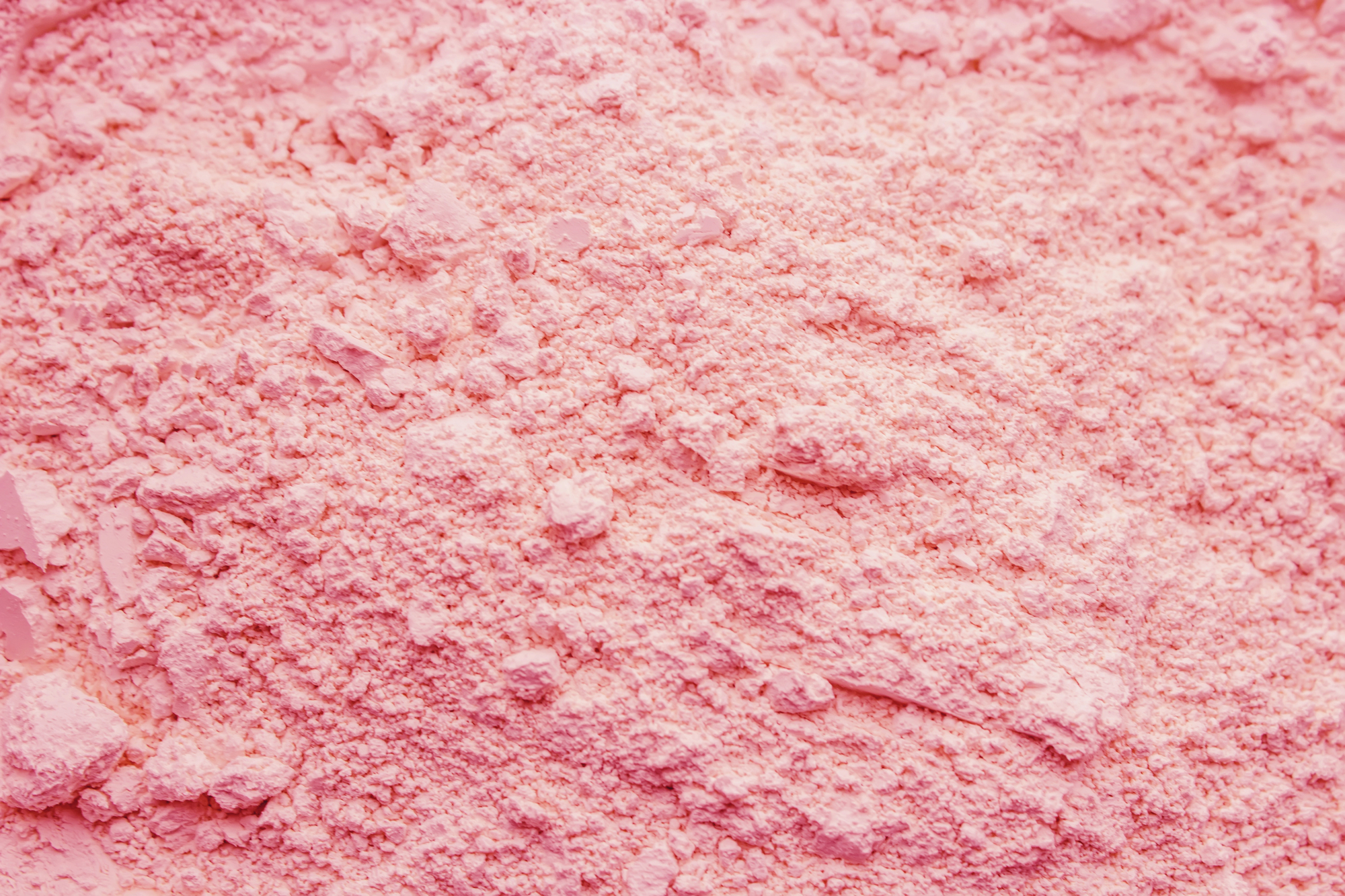
Medieval cosmetics included hair powders in colors that would make modern rainbow-hair enthusiasts look conservative. Gold dust mixed with crushed minerals created metallic hair that caught torchlight and announced the wearer’s presence from across enormous halls.
Blue powder made from ground lapis lazuli cost more per ounce than most people earned in a month. The powders were temporary but toxic.
Lead-based formulations created beautiful silvery effects while slowly poisoning the women who wore them. Mercury compounds produced lustrous colors that gradually damaged both hair and scalp.
Fashion and health rarely aligned in medieval beauty practices. Fashion and health rarely aligned in medieval beauty practices.
When Hair Spoke Louder Than Words
These hairstyles weren’t just fashion statements — they were a complex language that medieval people learned to read as fluently as any written text. Every braid, every jewel, every carefully plucked hairline told a story about marriage status, family wealth, religious devotion, and social ambition.
Hair became autobiography written in strands and pins, a visual resume that could open doors, arrange marriages, or mark someone as an outsider. Looking at these peculiar medieval hairstyles through modern eyes, it’s easy to dismiss them as vanity or frivolity.
But they reveal something deeper: people have always used their appearance to claim their place in the world, to signal their values, and to push against the boundaries of what their societies considered acceptable. The methods change, but the human desire to transform oneself through carefully arranged hair remains surprisingly constant across the centuries.
More from Go2Tutors!

- The Romanov Crown Jewels and Their Tragic Fate
- 13 Historical Mysteries That Science Still Can’t Solve
- Famous Hoaxes That Fooled the World for Years
- 15 Child Stars with Tragic Adult Lives
- 16 Famous Jewelry Pieces in History
Like Go2Tutors’s content? Follow us on MSN.