Expensive Designer Gowns Worn on Classic Movie Sets
Hollywood’s golden age wasn’t just about star power and compelling stories — it was about creating an entire world that felt impossibly glamorous, even when the cameras stopped rolling. The costume departments at major studios operated more like high-end fashion houses, commissioning original pieces from renowned designers and spending astronomical sums on single garments that would appear on screen for mere minutes. These weren’t theatrical costumes in the traditional sense; they were couture creations that rivaled anything found in Parisian fashion houses, often costing more than most people earned in a year during the 1940s and 1950s.
Edith Head’s Gown for Grace Kelly in “To Catch a Thief”
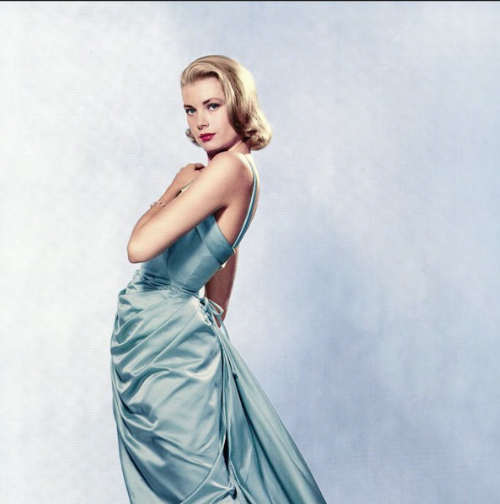
Head knew exactly what she was doing. The powder blue gown cost Paramount $4,000 in 1955 — roughly $45,000 today.
No compromises, no shortcuts. Every bead was hand-sewn.
The fabric came from France, naturally. Kelly looked like royalty, which turned out to be prophetic.
Adrian’s Creation for Joan Crawford in “The Women”
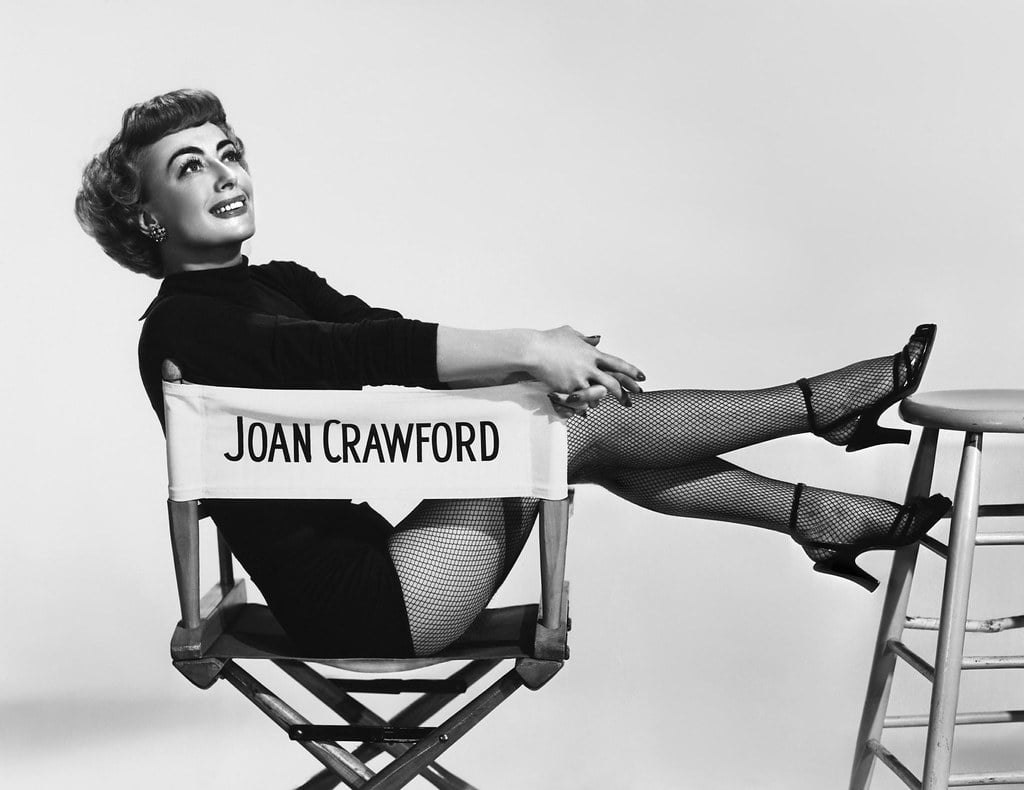
The black velvet evening dress with its intricate beadwork represented something beyond costume design — it was armor disguised as elegance, which made perfect sense for Crawford’s character (and perhaps for Crawford herself, who understood better than most that Hollywood was as much battlefield as playground). The $3,500 price tag in 1939 dollars would translate to approximately $75,000 today, but Adrian wasn’t just creating a dress; he was crafting a piece of cinema history that would define how audiences perceived feminine power on screen.
And the thing about that particular gown: it photographed differently depending on the lighting angle, which meant Crawford could shift from vulnerable to commanding simply by turning her shoulder. The beadwork caught studio lights in ways that made her appear to shimmer, as if she were somehow more substantial than everyone else in the scene.
Givenchy’s Wardrobe for Audrey Hepburn in “Sabrina”
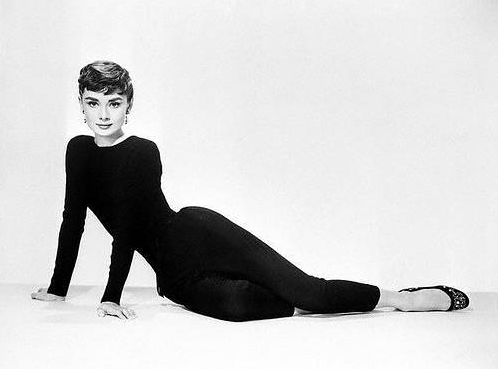
Hepburn deserves credit for having the right friends. When Paramount initially planned to use their in-house designers, she quietly commissioned Givenchy to create several pieces for the film, paying for them herself.
The studio eventually reimbursed her, but not before realizing they’d stumbled into something special. The evening gown alone cost $1,200 in 1954, which sounds modest until inflation brings it to about $13,000 today.
That’s just one dress for one actress in one film.
Travis Banton’s Design for Marlene Dietrich in “The Scarlet Empress”
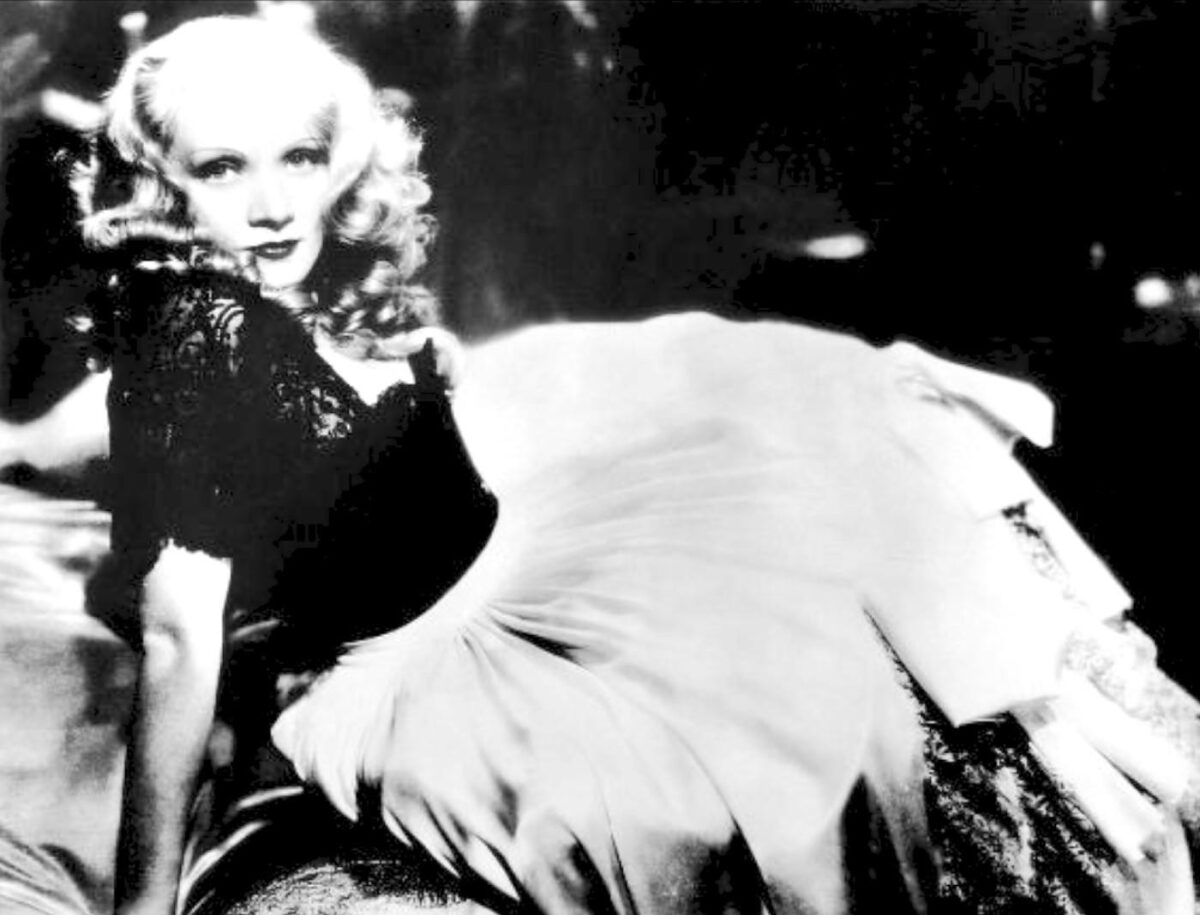
Think of fabric as a language, and Banton spoke fluently. The silver lamé gown he created for Dietrich wasn’t just clothing — it was conversation, argument, and seduction rolled into one shimmering statement piece.
The dress moved like liquid mercury, which was exactly the effect Banton intended for a character who needed to appear both untouchable and irresistible. The $2,800 cost in 1934 translates to roughly $60,000 in current money, but the real expense came in the construction time: three seamstresses worked for six weeks straight, hand-stitching every detail.
The gown required special undergarments designed specifically to create the right silhouette, and Dietrich had to learn new ways of moving to accommodate the weight and drape of the metal-threaded fabric.
Walter Plunkett’s Gown for Vivien Leigh in “Gone with the Wind”
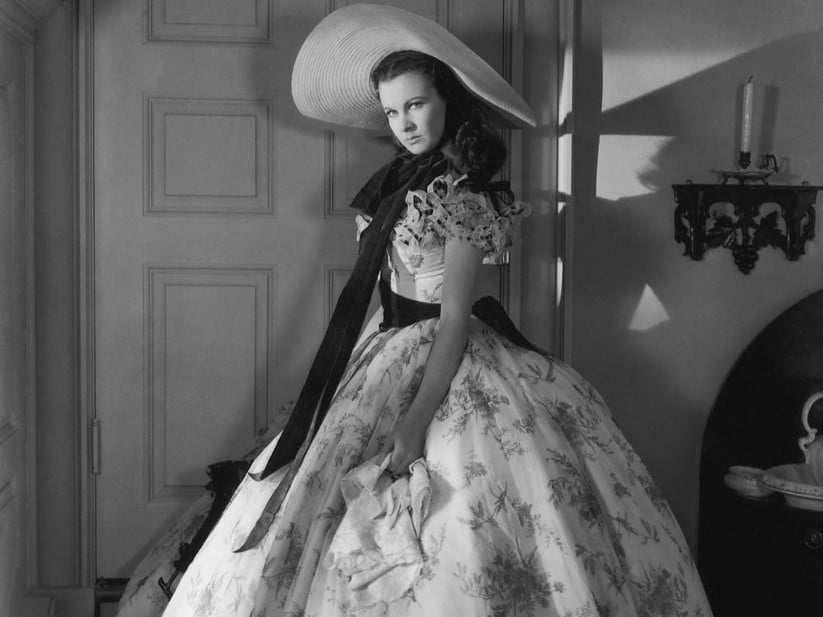
The green velvet curtain dress gets all the attention. Fair enough — it’s iconic.
But Plunkett’s real masterpiece was the barbecue dress Scarlett wears early in the film. The white muslin with its tiny waist and enormous skirt cost $1,370 in 1939.
Multiple versions were made for different scenes, bringing the total to over $4,000 for variations of a single outfit. Today’s equivalent would be roughly $85,000 for one character’s costume changes.
The irony wasn’t lost on anyone: they were spending a fortune to make Leigh look like Southern aristocracy in a film about the collapse of that very world.
Jean Louis’s Creation for Rita Hayworth in “Gilda”
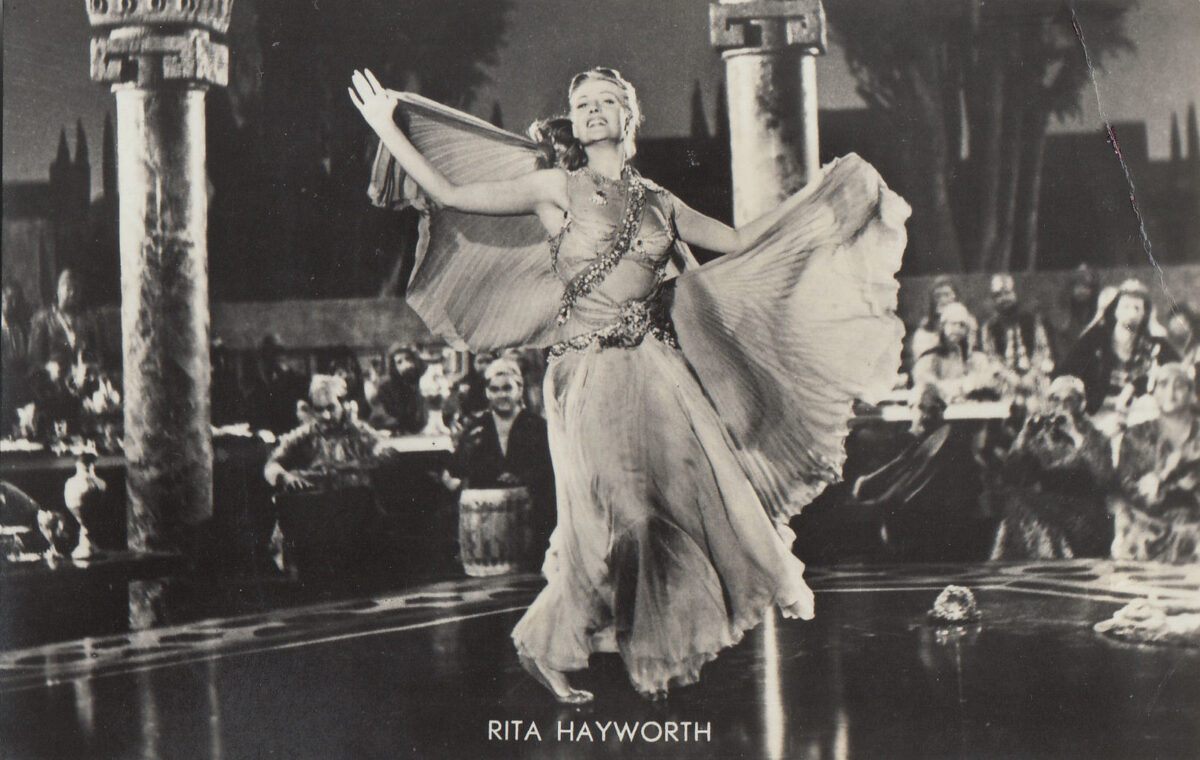
The strapless black satin gown became a blueprint for how Hollywood dressed its leading ladies, though few could wear it quite like Hayworth. Jean Louis understood that the dress needed to do most of the acting in Gilda’s key scenes — the fabric had to move with intention, catch light at precisely the right moments, and suggest both elegance and danger without trying too hard at either.
The $2,500 cost in 1946 (about $47,000 today) was justified not just by the craftsmanship, but by the dress’s ability to become part of the film’s narrative structure. The way the satin caught studio lighting helped establish mood in scenes where dialogue alone wouldn’t suffice.
Three identical versions were made, because Hayworth’s movements were so physical that a single gown wouldn’t survive filming.
Irene Sharaff’s Evening Wear for Elizabeth Taylor in “Father of the Bride”
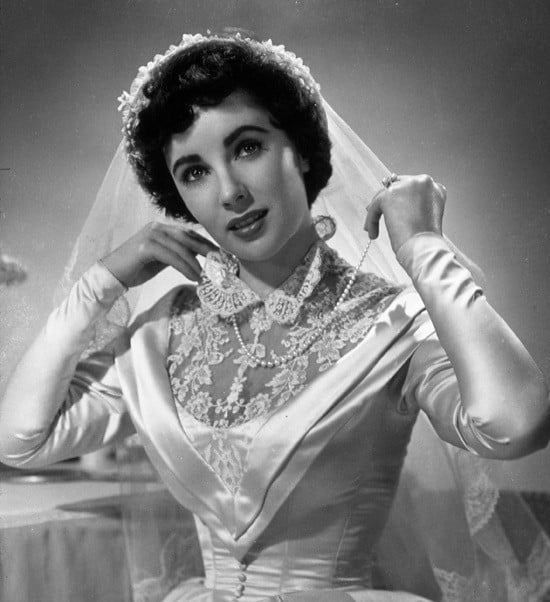
Sharaff didn’t just dress Taylor — she launched her into adulthood on screen. The wedding dress received most of the attention, but the real investment was in the evening gown Taylor wears to the engagement party.
The powder blue silk with hand-embroidered details cost MGM $3,200 in 1950, roughly $39,000 today. The dress had to make Taylor look mature enough for marriage while maintaining the innocence that made her character sympathetic.
Howard Greer’s Design for Ginger Rogers in “Top Hat”
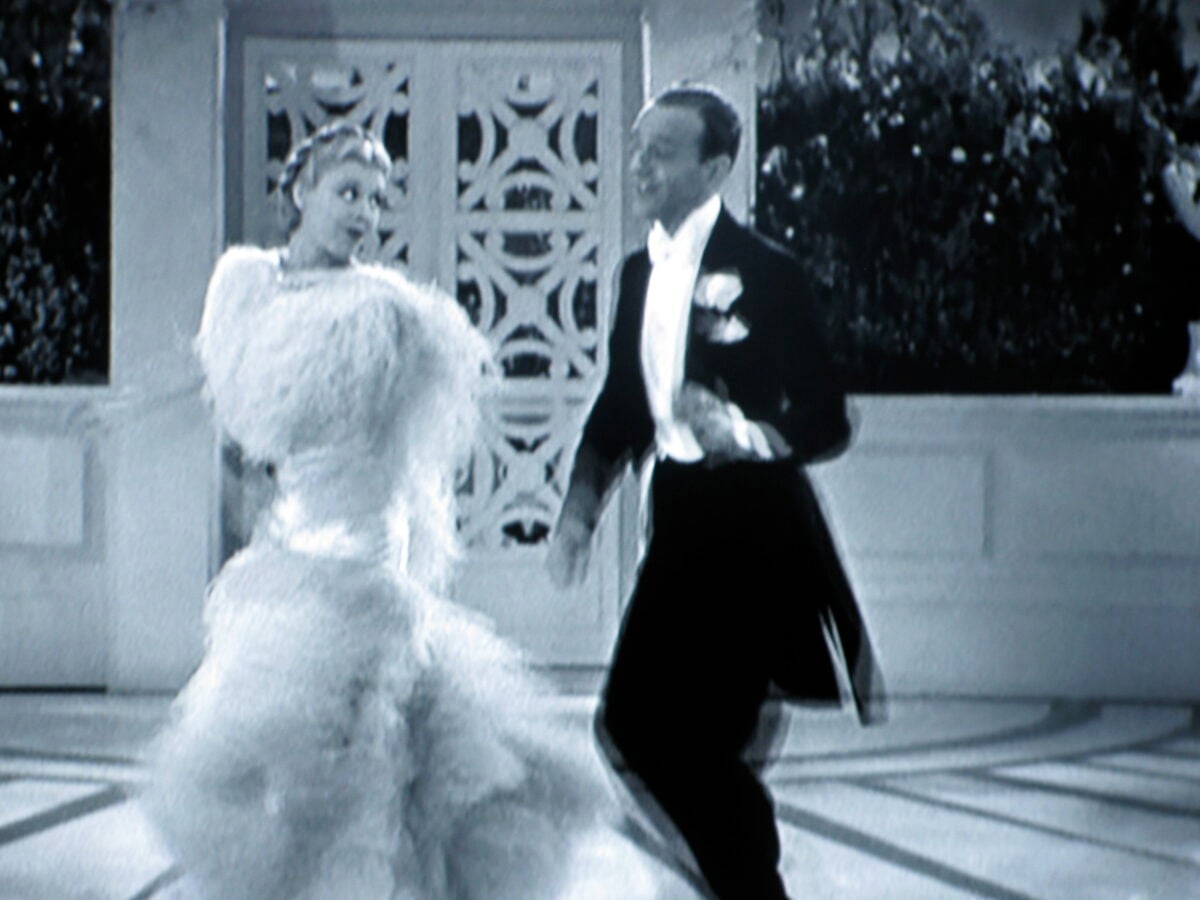
Rogers had a problem other actresses envied: her dresses had to survive Fred Astaire’s choreography. The white feathered gown Greer created for “Cheek to Cheek” was stunning but impractical — the feathers shed everywhere during filming.
The original dress cost $1,800 in 1935. After multiple replacements and modifications, the total reached $4,200, or about $90,000 in current dollars.
The feathers caused so much chaos that Irving Berlin supposedly wrote additional lyrics about the mess, though they never made it into the final film.
Orry-Kelly’s Creation for Marilyn Monroe in “Some Like It Hot”
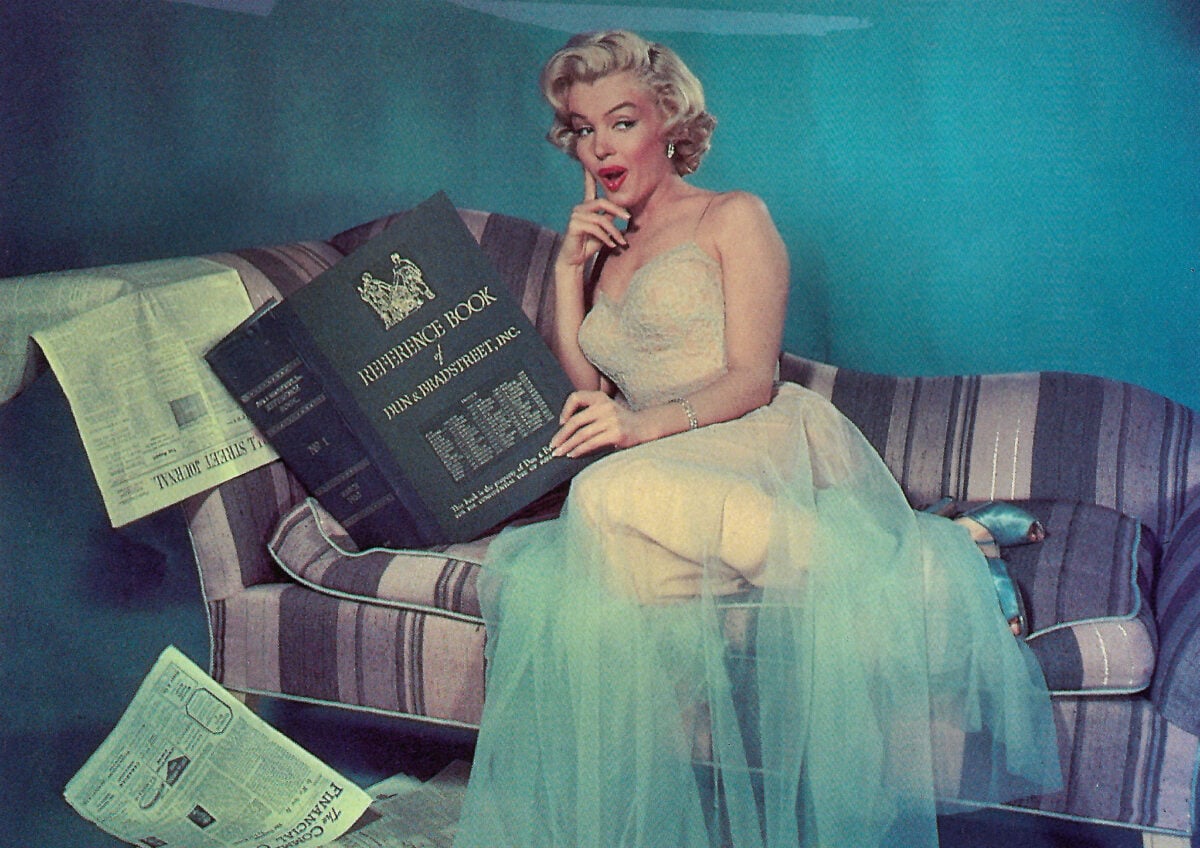
That sheer, beaded evening gown wasn’t just revealing — it was engineering. Orry-Kelly had to design something that would photograph well in black and white while suggesting the kind of allure that could believably drive two men to maintain their drag disguises throughout an entire film.
The dress clung in all the right places without looking vulgar, which required precise pattern work and strategic boning that took weeks to perfect. The $2,100 cost in 1959 (approximately $21,000 today) covered not just the gown itself, but the extensive fittings required to achieve that second-skin effect.
Monroe famously had to be sewn into the dress for each take, and the beadwork was so delicate that the slightest snag would require repairs. Multiple backup versions existed, because Monroe’s physicality and the film’s requirements meant no single garment could survive the entire production process.
Charles LeMaire’s Wardrobe for Betty Grable in “How to Marry a Millionaire”
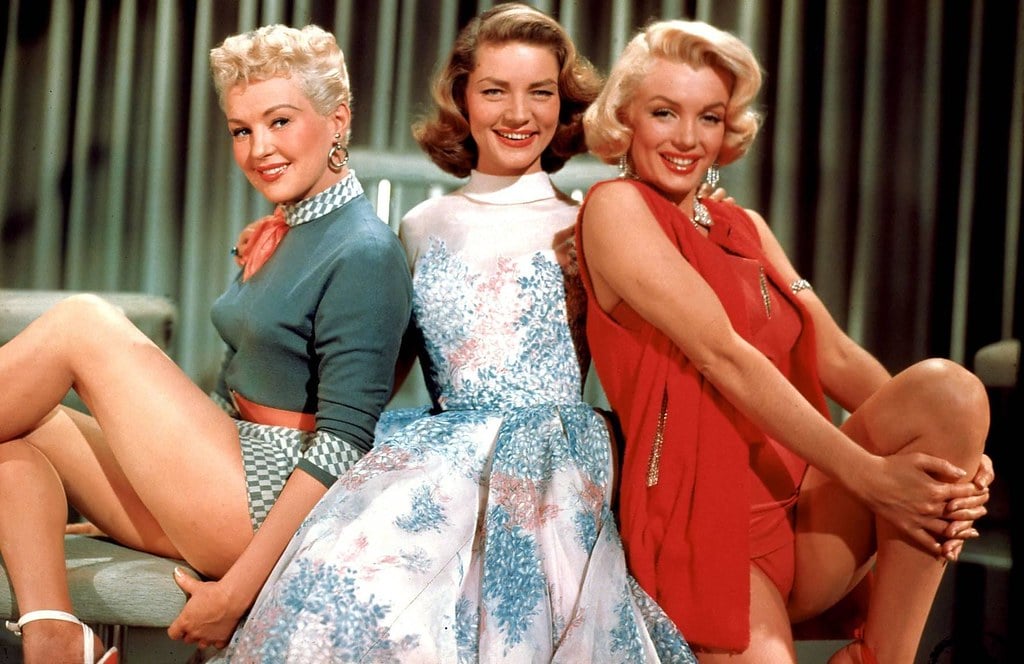
LeMaire understood that Grable’s character needed to look expensive without appearing to try too hard. The gold lamé evening dress achieved exactly that balance, though the $2,400 price tag in 1953 required some explaining to studio executives.
In today’s money, that single gown cost roughly $26,000. Three versions were made for different scenes, and each required hand-finishing that took skilled seamstresses nearly two weeks to complete.
William Travilla’s Design for Marilyn Monroe in “Gentlemen Prefer Blondes”
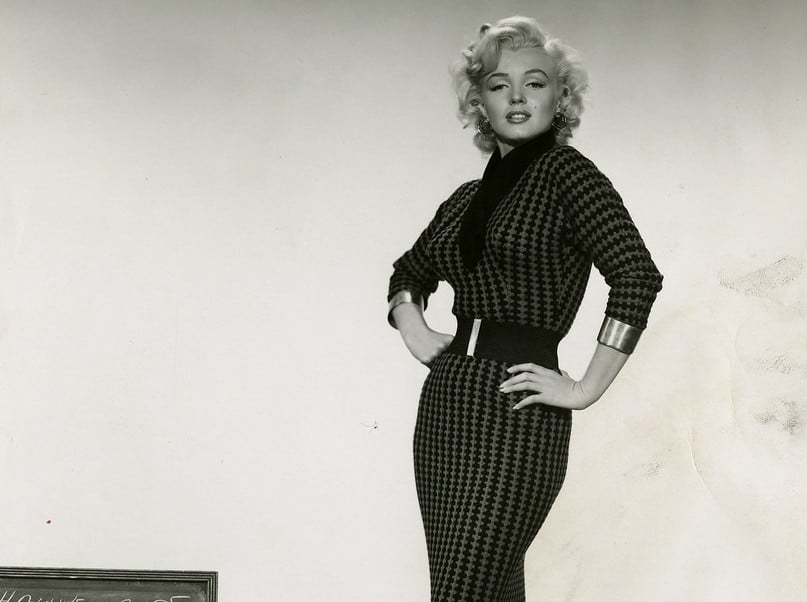
The pink satin gown Monroe wears during “Diamonds Are a Girl’s Best Friend” has become more famous than some entire films. Travilla designed it specifically for Monroe’s figure and the song’s choreography, which meant extensive planning and multiple fittings.
The $1,900 cost in 1953 translates to about $20,000 today, but the dress required additional investments in specialized undergarments and jewelry coordination. The result was a look that defined both Monroe’s screen persona and 1950s glamour more broadly.
Dorothy Jeakins’s Creation for Grace Kelly in “The Man in the Gray Flannel Suit”
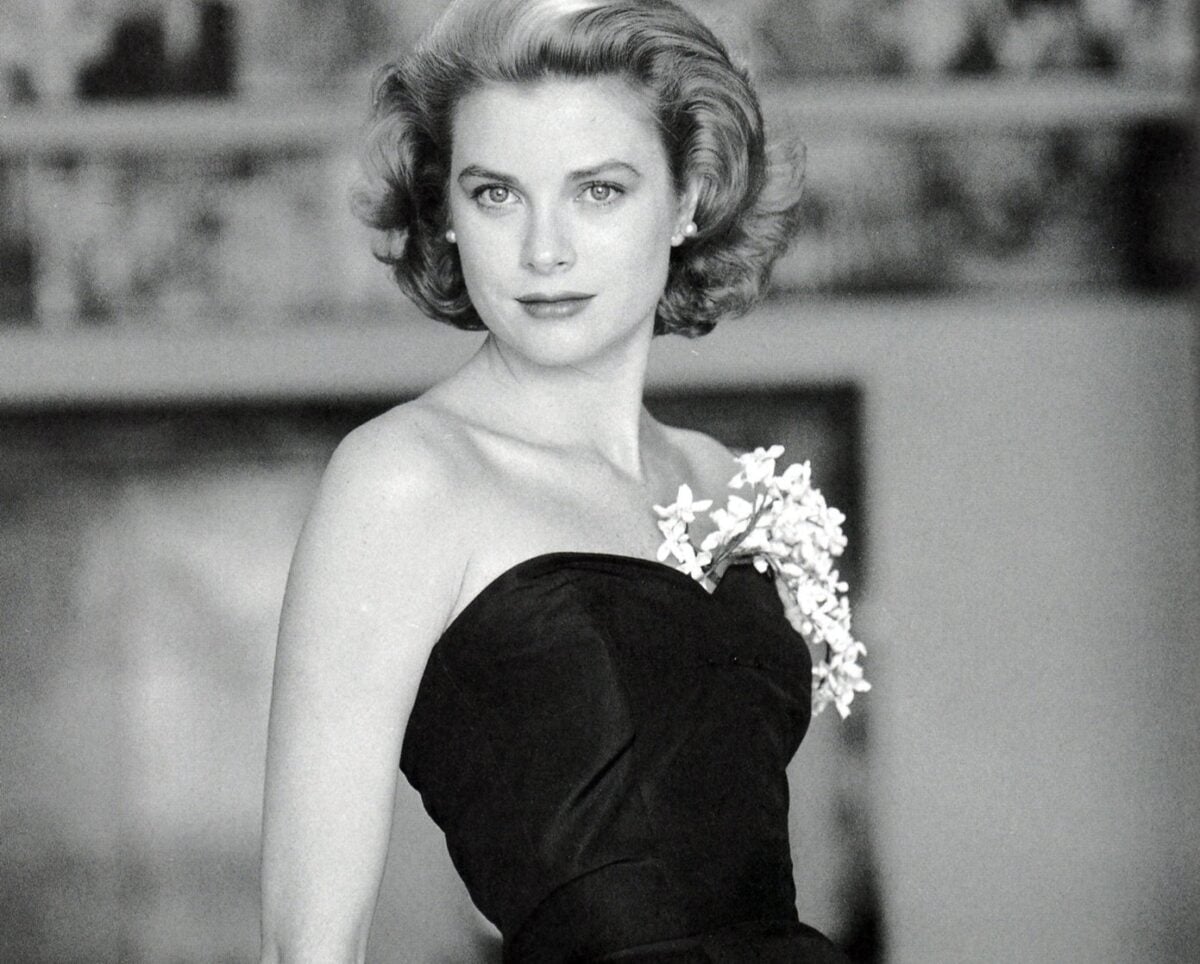
Jeakins faced a unique challenge: making Grace Kelly look like an ordinary suburban housewife. The solution was extraordinary craftsmanship applied to deliberately understated designs, which somehow cost more than making her look like royalty would have.
The navy wool dress Kelly wears in key scenes cost $1,600 in 1956, about $17,000 today. The expense came from the fit — every line had to be perfect because the character’s restraint was part of the story.
No beading or embellishment could distract from Kelly’s performance, which meant the dress itself had to carry the visual weight.
Edith Head’s Design for Audrey Hepburn in “Roman Holiday”
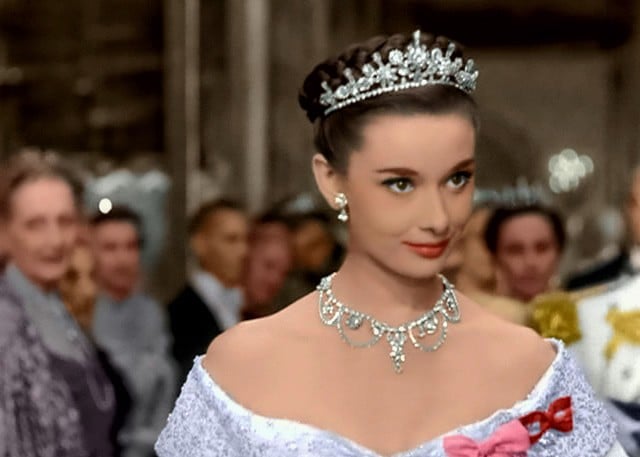
Head created something remarkable: a gown that looked authentically European rather than Hollywood glamorous. The ivory silk creation for the embassy reception scene cost Paramount $3,500 in 1953, roughly $38,000 in current money.
The dress required research into actual diplomatic fashion and consultation with protocol experts to ensure authenticity. Head even imported specific lace from Italy to match the film’s Roman setting, which added weeks to the construction timeline.
Adrian’s Evening Wear for Greta Garbo in “Camille”
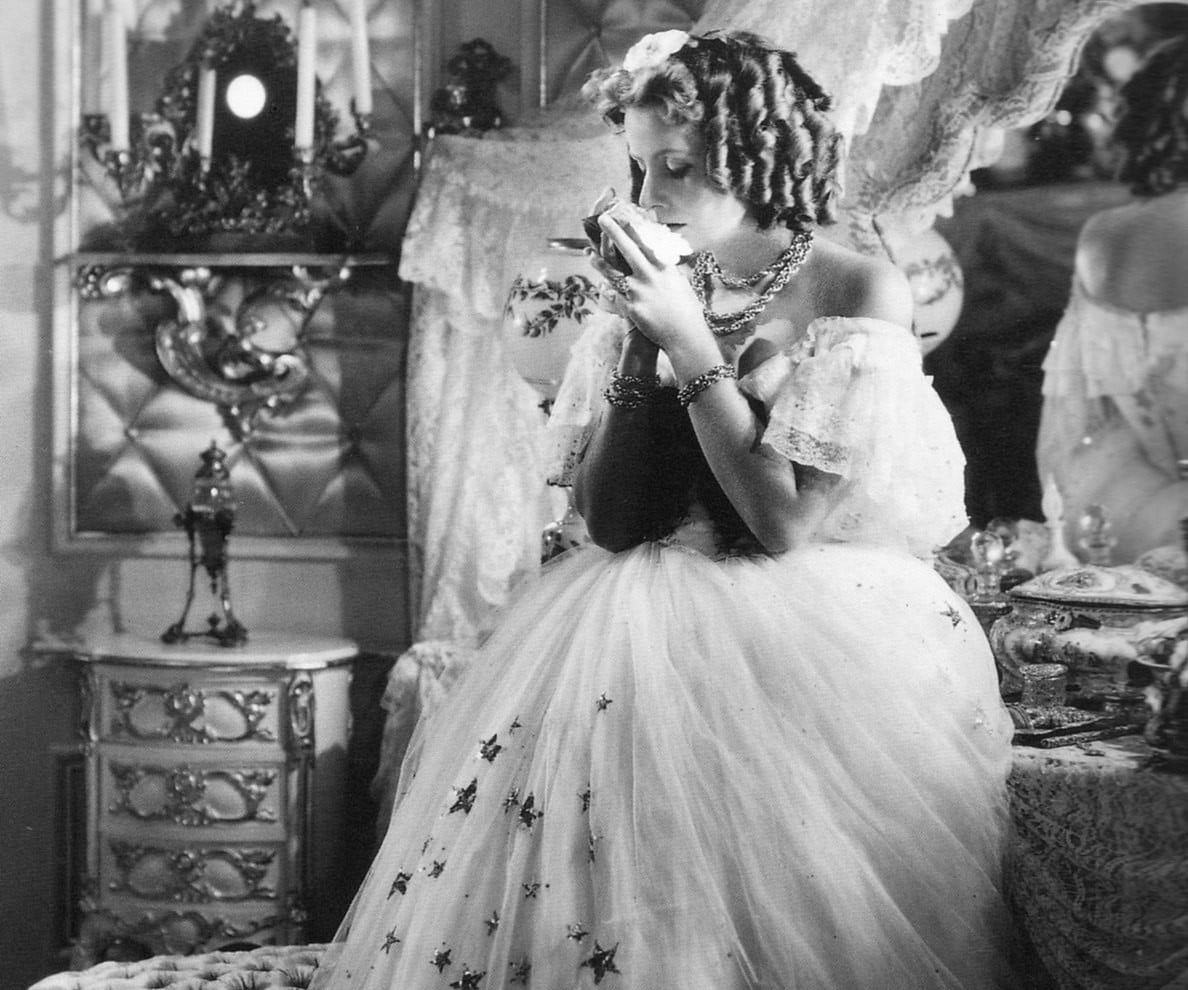
The white camellia-adorned gown Garbo wears to the opera represents Adrian at his most restrained, which somehow made it more expensive than his flashier creations. Every detail served the character’s arc — the dress needed to suggest both Camille’s courtesan past and her attempt at respectability.
The $4,200 cost in 1936 (about $88,000 today) reflected not just premium materials and construction, but the emotional weight the costume carried in the film’s narrative structure. The dress had to age convincingly throughout the scene as Camille’s health deteriorates, which required special treatments and careful planning for how it would photograph under different lighting conditions.
When Glamour Had a Price Tag
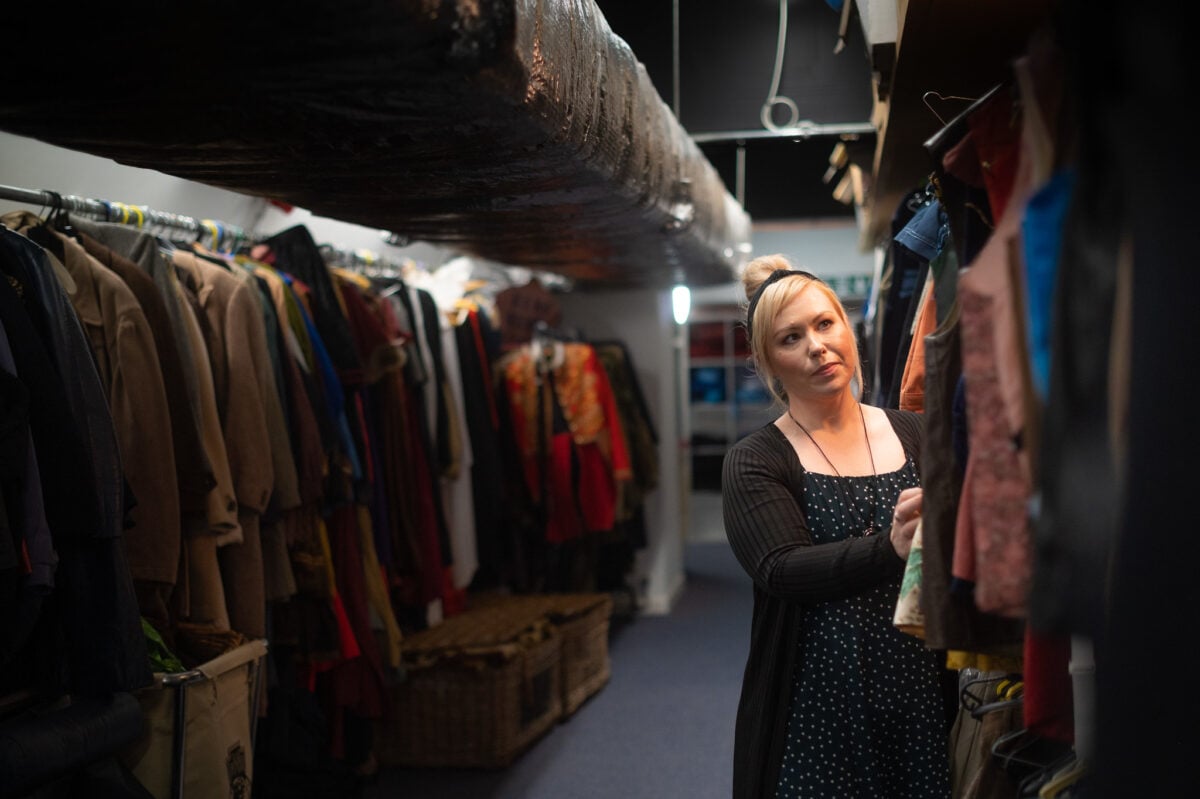
These gowns weren’t just costumes — they were investments in creating a version of elegance that existed nowhere except on movie screens. The designers, seamstresses, and studios understood they were building dreams that would outlast the actors who wore them.
Today, those same dresses sell at auction for multiples of their original cost, not just because they’re vintage clothing, but because they represent a particular understanding of what movies could be when money was no object and perfection was the minimum acceptable standard.
More from Go2Tutors!

- The Romanov Crown Jewels and Their Tragic Fate
- 13 Historical Mysteries That Science Still Can’t Solve
- Famous Hoaxes That Fooled the World for Years
- 15 Child Stars with Tragic Adult Lives
- 16 Famous Jewelry Pieces in History
Like Go2Tutors’s content? Follow us on MSN.



