Bizarre Concept Cars That Never Reached the Market
The automotive world has always been a playground for wild imagination. Car manufacturers regularly unveil concept vehicles that push boundaries, test new technologies, and gauge public reaction to radical designs.
Most of these rolling experiments never see production — and honestly, that’s probably for the best. Some concepts are so outrageous, so impractical, or so ahead of their time that they exist purely as conversation pieces at auto shows.
These automotive oddities tell fascinating stories about the dreams and fears of their respective eras. They reveal what designers thought we’d want to drive, how we’d live, and where technology might take us.
Looking back at these forgotten concepts feels like flipping through someone else’s fever dreams — equal parts brilliant and baffling.
BMW GINA Light Visionary Model
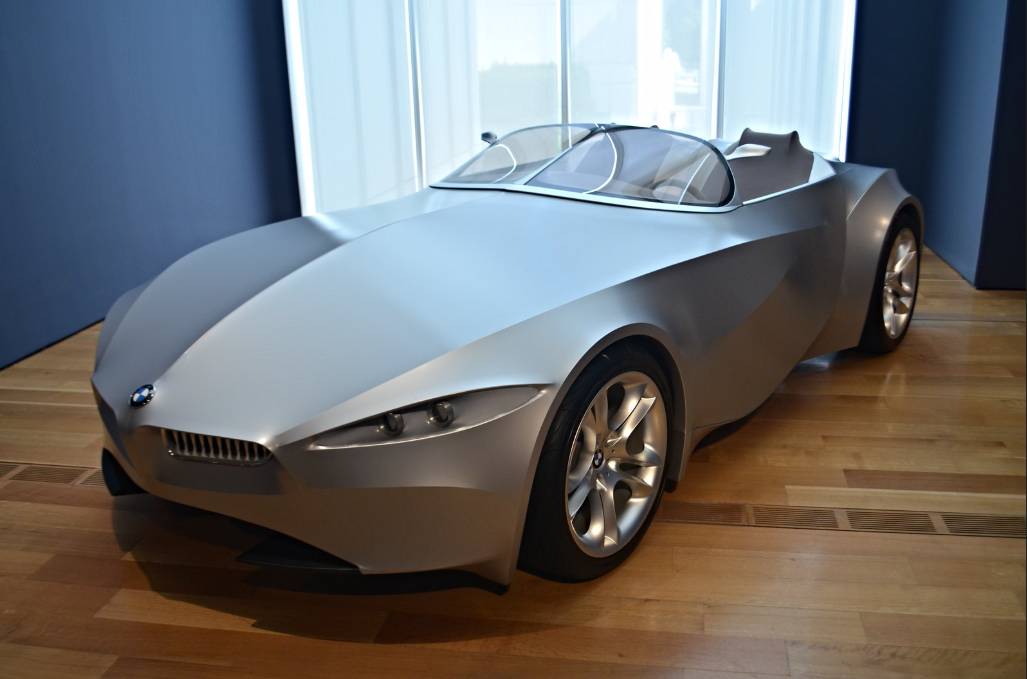
BMW’s shape-shifting concept wasn’t made of metal or fiberglass. The entire body was fabric stretched over a movable frame.
The car could literally change its shape. Headlights opened like eyes blinking awake.
The hood split down the middle when it needed to reveal the engine. Door handles pushed through the skin when you approached the car, then disappeared again when you walked away.
Lancia Stratos HF Zero
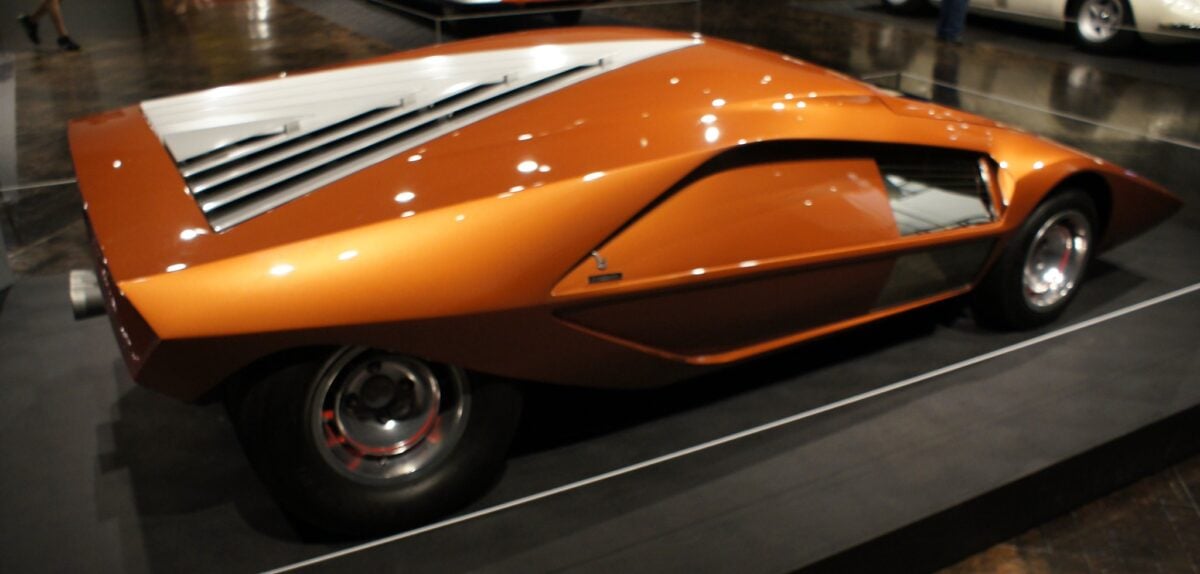
Marcello Gandini designed a car so low it barely qualified as three-dimensional. The Stratos Zero stood 33 inches tall — shorter than most coffee tables.
Getting inside required lifting the entire windshield like opening a fighter jet canopy. The steering wheel was tiny, the pedals were sideways, and the driver essentially laid down to operate it.
One prototype still exists and actually runs, though driving it on public roads would be lethal.
Rinspeed sQuba
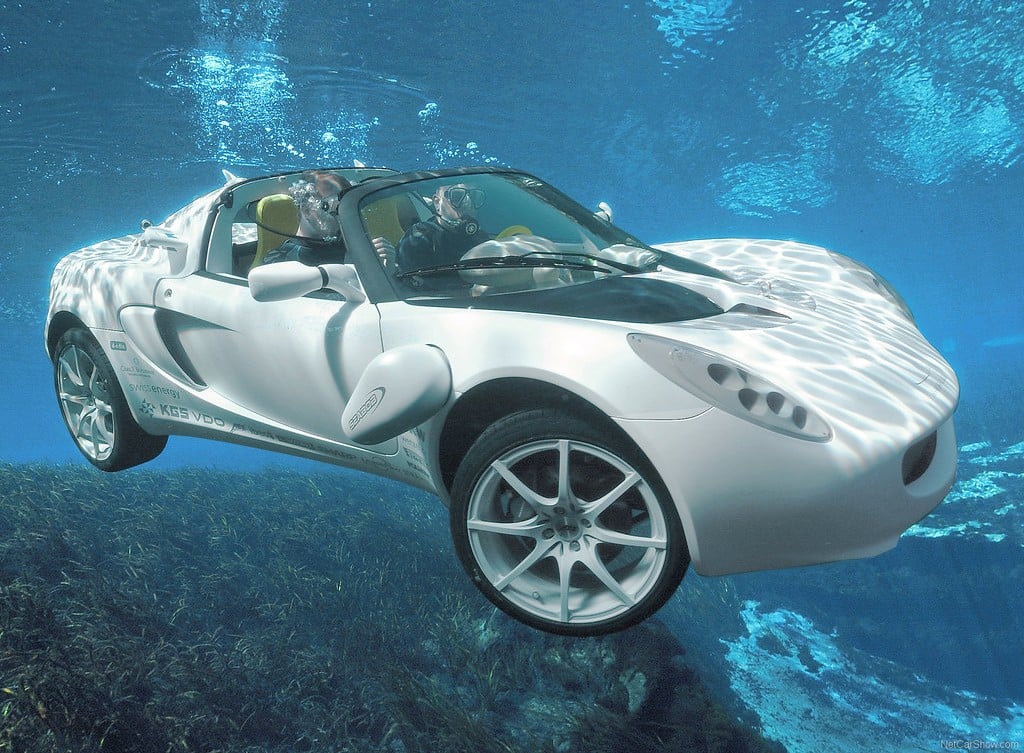
This Swiss concept wasn’t content to merely drive on roads. It wanted to drive underwater too, like some automotive fever dream inspired by too many James Bond movies (which, as it happens, was exactly the inspiration — the company specifically cited the Lotus Esprit submarine from “The Spy Who Loved Me”).
The sQuba could submerge completely and drive along lake bottoms at depths up to 30 feet, propelled by electric motors and underwater propellers rather than wheels — because why solve traffic when you can simply drive under it? The occupants wore scuba gear since the cabin flooded intentionally (a closed-cabin submarine would have been too complex and expensive), which meant every commute required diving certification and waterproof everything. And yet there’s something beautifully stubborn about the whole enterprise: if you’re going to build an underwater car, might as well commit completely to the absurdity.
General Motors Firebird III
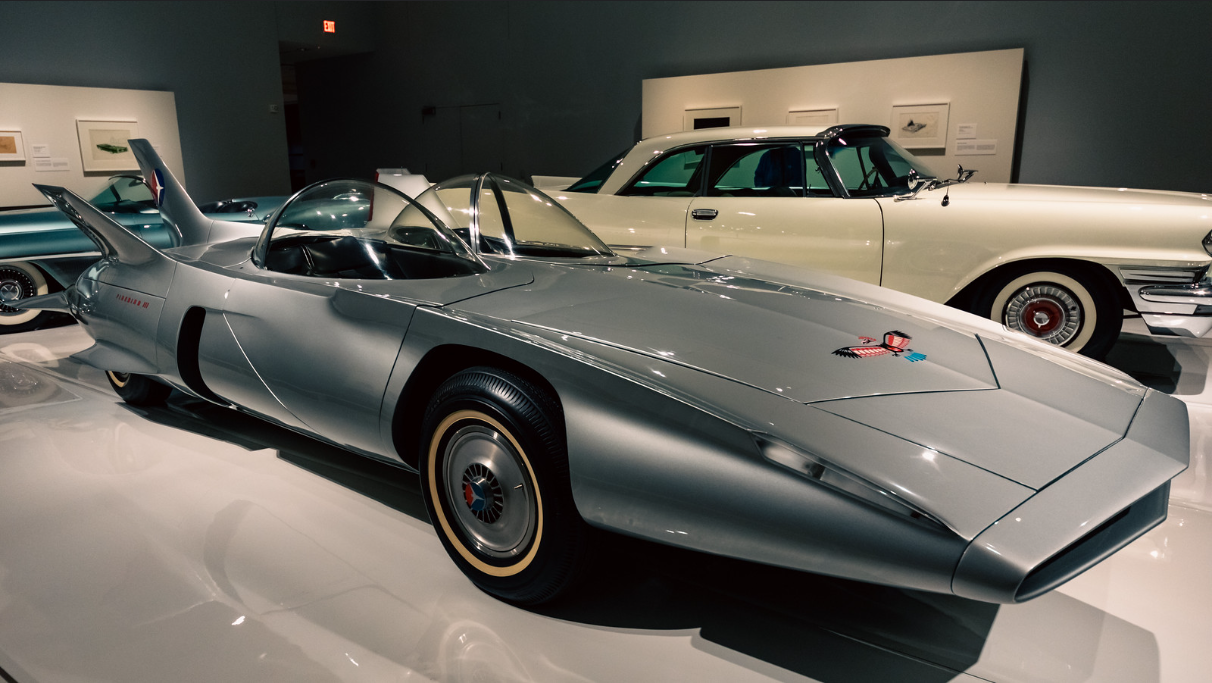
GM’s 1958 vision of the future involved a car that looked more like a cruise missile than transportation. The Firebird III featured a gas turbine engine, seven short wings, and a clear bubble canopy.
The car was designed for automated highway driving — a prescient idea that wouldn’t become reality for another 60 years. But everything else about it screamed “atomic age excess.”
It had air conditioning powered by a separate turbine engine. The seats rotated to face each other for conversation.
Nobody seemed concerned about what would happen in a crash.
Peugeot Moovie
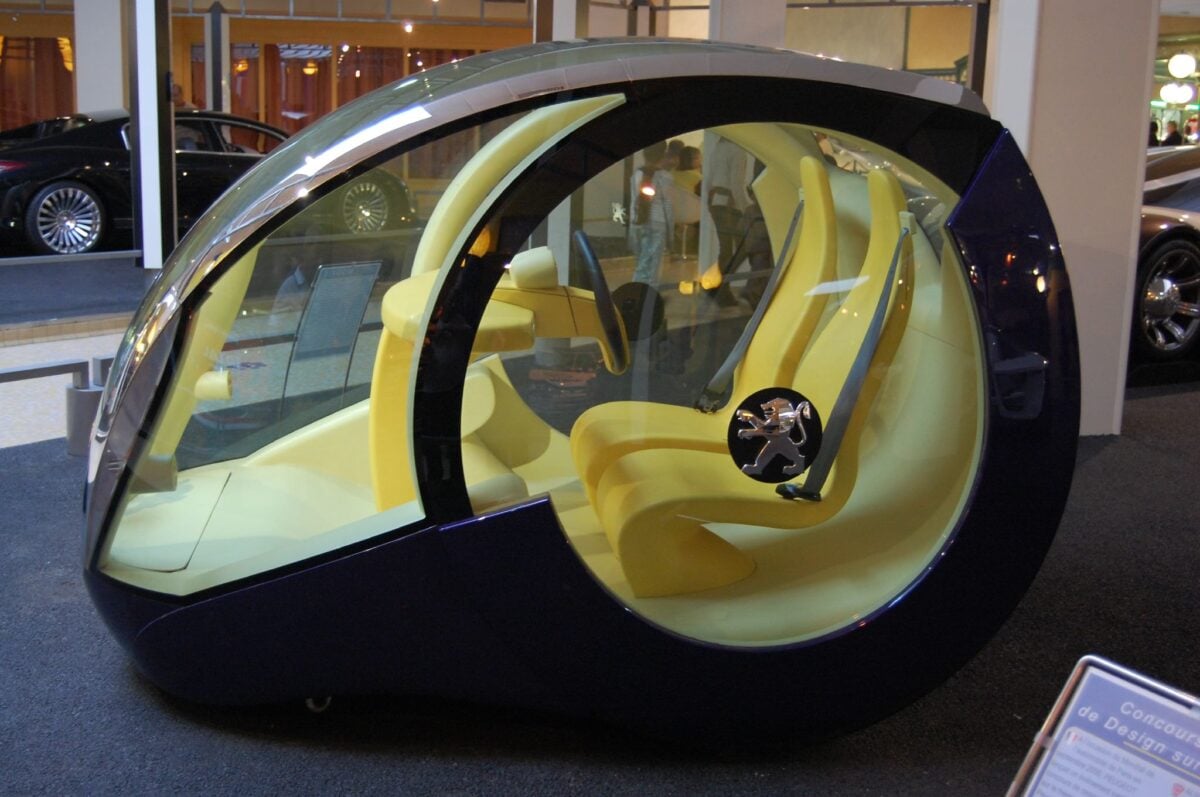
Peugeot’s 2005 concept looked like a glass box on wheels. The entire body was transparent, including the floor, which must have made parking over storm drains an adventure.
The interior featured swiveling seats and a steering wheel that could be passed between driver positions. The idea was radical transparency in design — literally.
Unfortunately, radical transparency also meant zero privacy, questionable structural integrity, and the constant need to clean fingerprints off everything.
Volkswagen Hover Car
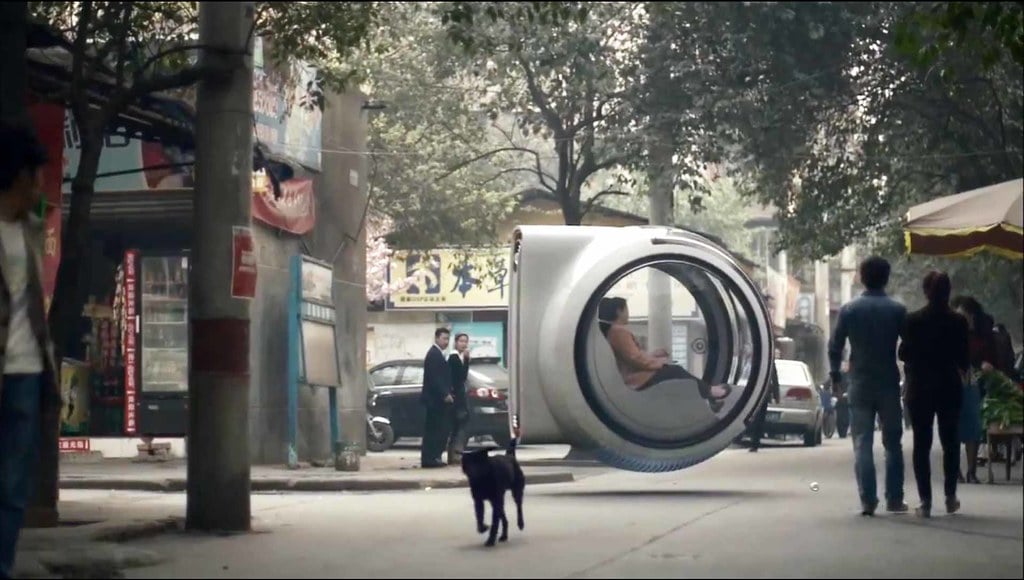
There’s something almost heartbreaking about watching grown engineers chase the promise of flying cars, like children who never stopped believing in magic — except these children have PhD degrees in aerodynamics and budgets that could fund small nations. Volkswagen’s 2012 concept wasn’t technically a car at all; it was a two-person hovercraft designed to float a few feet above the ground using electromagnetic levitation, which sounds impressive until you realize it would only work on specially constructed roadways made of magnetic materials.
The Hover Car looked sleek and futuristic, resembling a computer mouse that had been stretched and polished to a mirror finish, but the infrastructure required to support it would have cost more than rebuilding the entire interstate highway system from scratch. So naturally, the project died quietly in a conference room somewhere, joining the long list of transportation dreams that work beautifully on paper and nowhere else.
Cadillac Cyclone
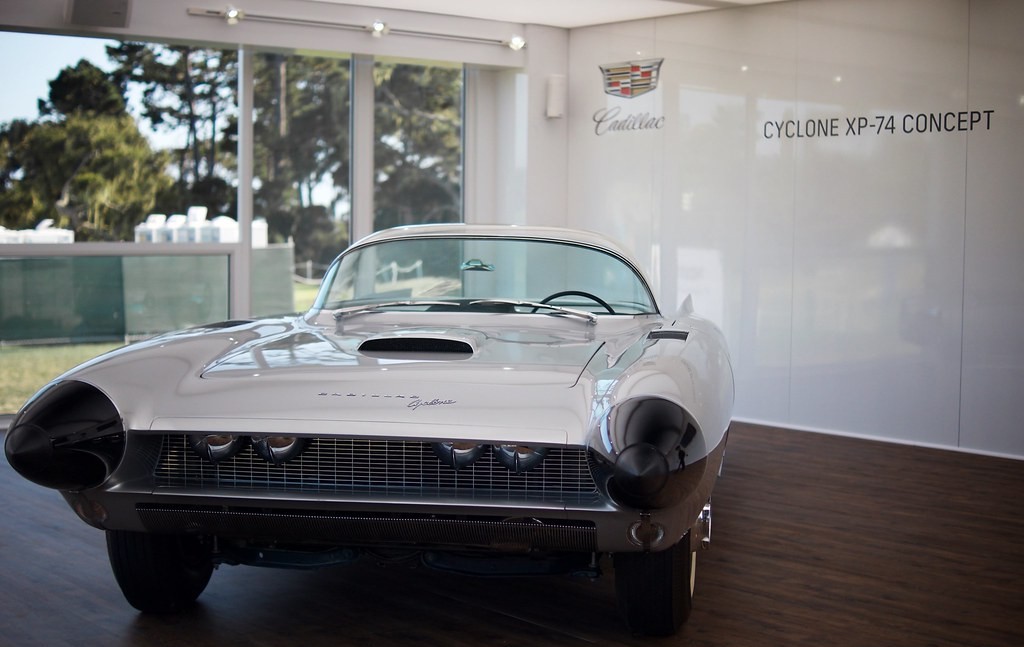
Cadillac’s 1959 concept featured a clear bubble canopy, rocket-inspired styling, and radar-guided collision avoidance. The most distinctive feature was twin nose cones that supposedly housed radar sensors.
The Cyclone was pure atomic age optimism rendered in fiberglass and chrome. It looked ready to blast off to Mars, which might have been more practical than driving it to the grocery store.
The radar system never actually worked, and the styling was too extreme even by 1950s standards.
Mercedes-Benz Bionic
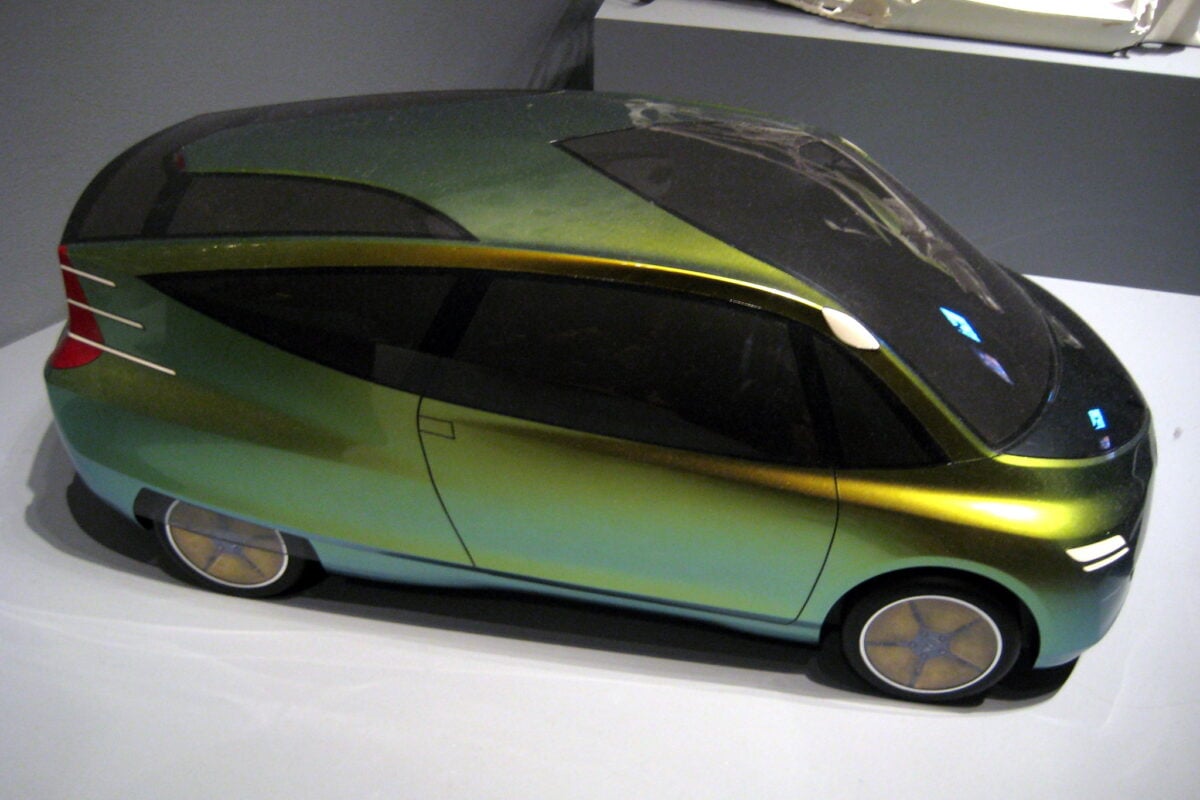
Mercedes-Benz studied boxfish to create this aerodynamically perfect concept. The bizarre proportions and bulbous shape delivered incredible fuel efficiency but looked like nothing else on the road.
The Bionic proved that nature’s designs don’t always translate well to human aesthetic preferences. Despite impressive engineering, the car looked more like a scientific instrument than personal transportation.
Sometimes being right isn’t enough.
Ford Gyron
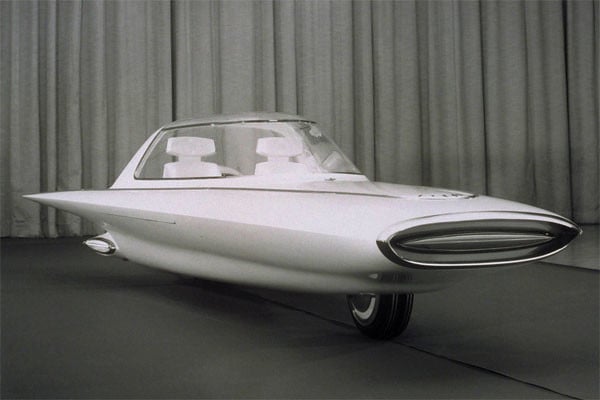
Ford’s 1961 Gyron balanced on two wheels like a motorcycle but enclosed passengers in a car-like cabin. Gyroscopes kept it upright, while small outrigger wheels deployed at stops (because even Ford’s engineers recognized that balancing indefinitely at red lights might prove challenging for the average driver — though they seemed less concerned about what would happen when the gyroscopes inevitably malfunctioned in rush-hour traffic).
The steering system involved leaning the entire vehicle rather than turning wheels, which would have made lane changes feel like carnival rides and parallel parking physically impossible. But there’s a certain admirable boldness to the concept: if you’re going to reinvent the fundamental physics of driving, might as well go all the way.
The Gyron represented that uniquely American confidence of the early 1960s — the belief that any problem, no matter how complex, could be solved by adding more technology and chrome.
Lamborghini Marzal
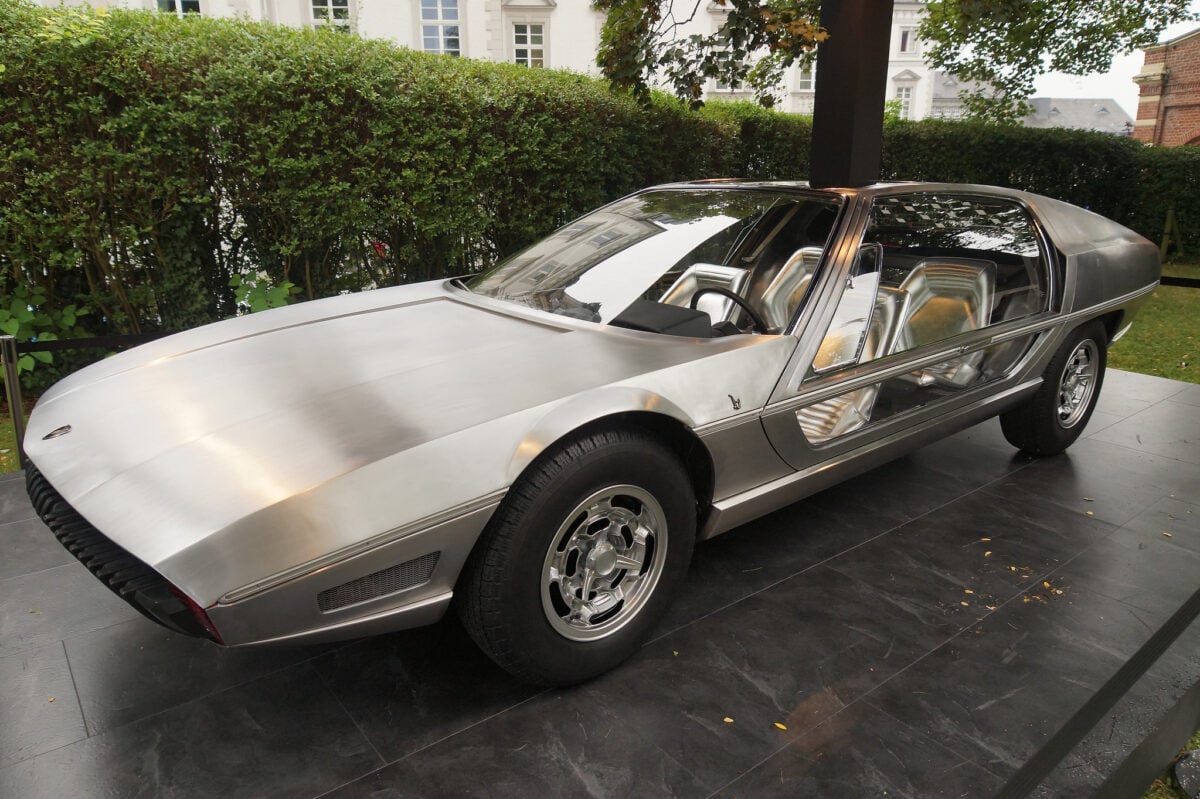
Lamborghini’s 1967 concept was made almost entirely of glass and silver. The doors, roof, rear window, and even side panels were transparent, creating a rolling greenhouse effect.
The Marzal made driving feel like performing in a fishbowl. Privacy disappeared completely.
Summer driving would have required industrial-strength air conditioning and possibly SPF 100 sunscreen. The car was gorgeous in photos but would have been torture in reality.
Nissan Pivo
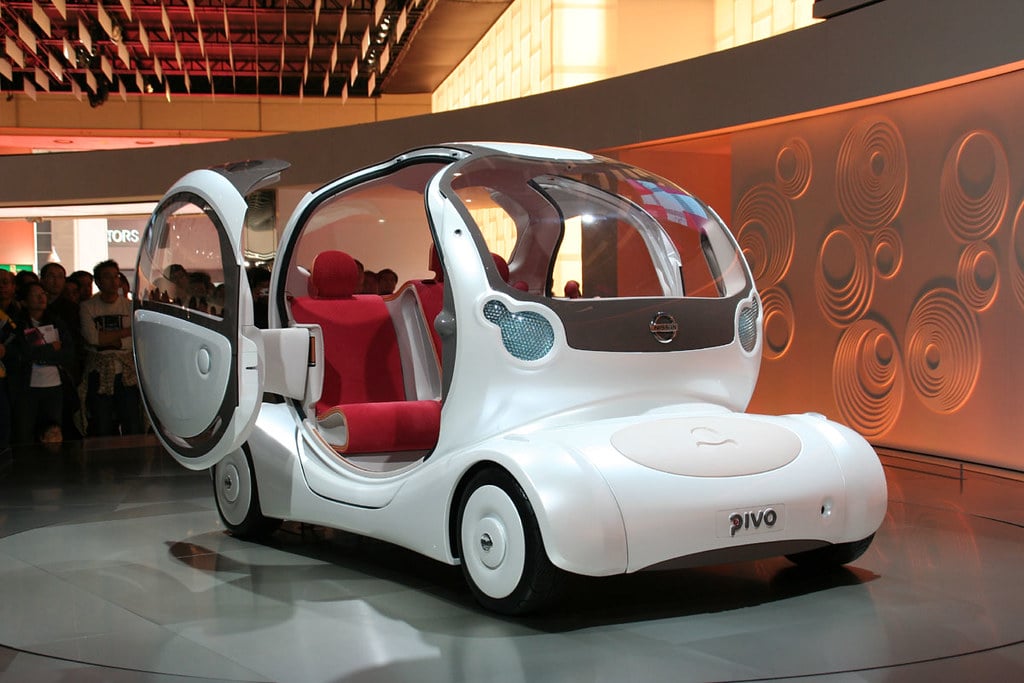
Nissan’s 2005 concept featured a cabin that could rotate 360 degrees while the wheels stayed in place. The car never needed to reverse — it simply turned its cabin around.
The Pivo also featured an artificial intelligence system that displayed emotions through dashboard lights. When the car was happy, it showed green lights. When frustrated, red lights.
The emotional car was either the future of human-machine interaction or a glimpse into technological madness.
Citroën Karin
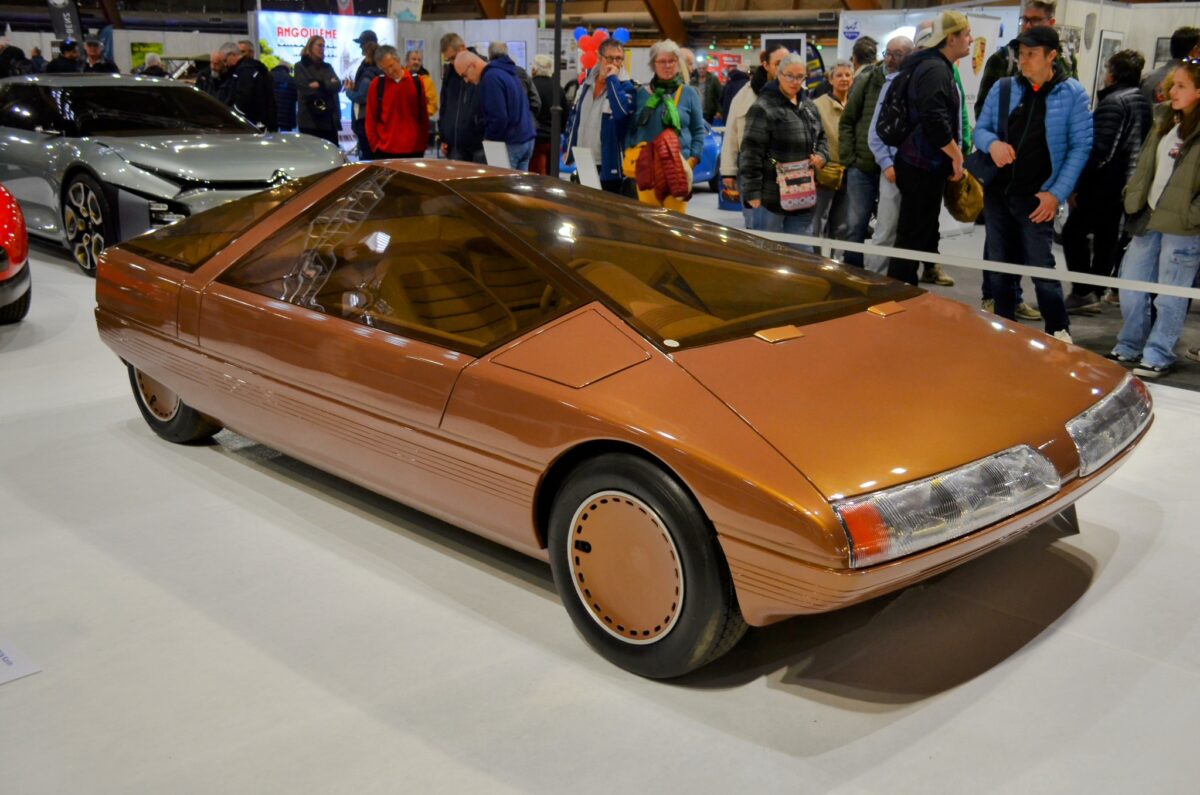
This 1980 concept looked like a pyramid with wheels. Every surface was a triangle, creating the most geometrically aggressive car ever designed.
The interior featured a single central driving position with passengers seated behind and to either side. The dashboard was pure 1980s science fiction — digital displays and angular controls everywhere.
The Karin looked like it had been designed by mathematicians rather than car stylists.
Alfa Romeo BAT Cars
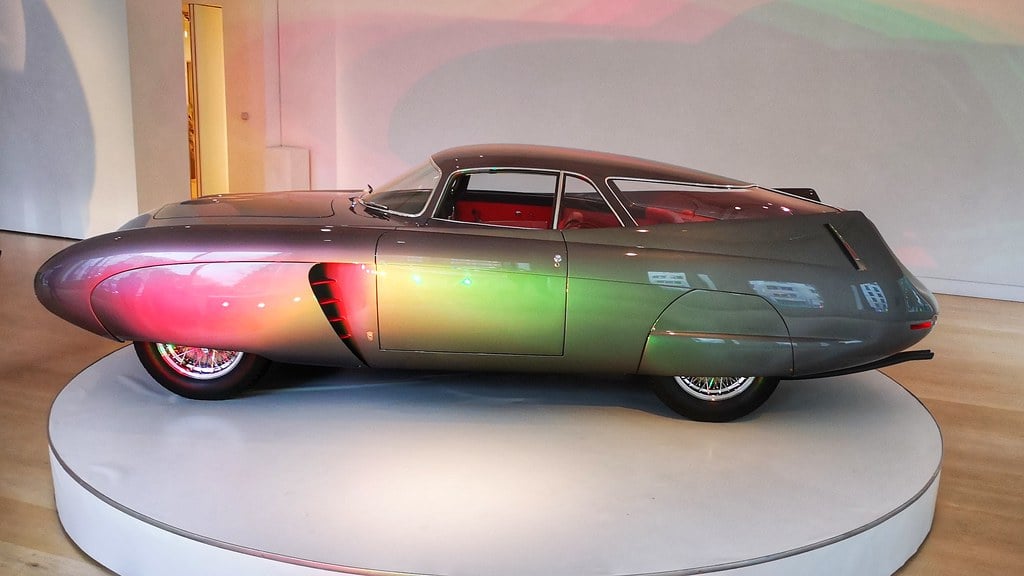
Alfa Romeo’s Berlina Aerodinamica Tecnica concepts from the 1950s took aerodynamics to artistic extremes. The cars featured dramatic fins, curved fenders, and bodies that looked sculpted by wind.
The BAT cars were beautiful in motion but impossible to live with. The extreme styling left no room for practical considerations like visibility, parking, or repairs.
They remain some of the most stunning automotive sculptures ever created, which is probably how they should be remembered.
Dreams that stayed dreams
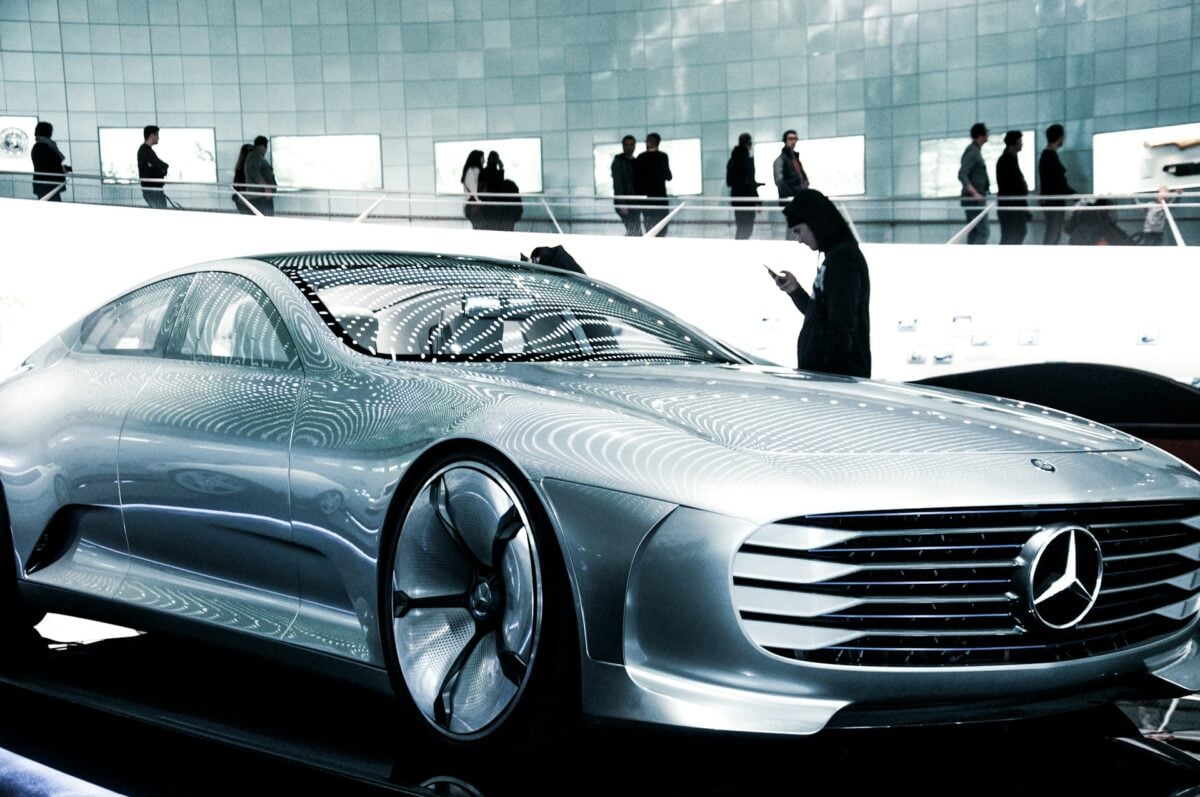
These concept cars remind us that automotive progress isn’t always linear. Sometimes the boldest ideas lead nowhere, and sometimes the most practical solutions hide behind the most ridiculous presentations.
Each of these vehicles represents someone’s sincere attempt to improve transportation, even when the results seem laughable decades later. That willingness to fail spectacularly in pursuit of something better might be the most human thing about the car industry.
More from Go2Tutors!

- The Romanov Crown Jewels and Their Tragic Fate
- 13 Historical Mysteries That Science Still Can’t Solve
- Famous Hoaxes That Fooled the World for Years
- 15 Child Stars with Tragic Adult Lives
- 16 Famous Jewelry Pieces in History
Like Go2Tutors’s content? Follow us on MSN.