17 Grim Pictures from the Aftermath of Pearl Harbor
December 7, 1941, started as a quiet Sunday morning in Hawaii. Sailors were sleeping in, families were preparing for church, and the Pacific Fleet rested peacefully in Pearl Harbor.
By 8 a.m., that tranquility had shattered into chaos, smoke, and devastation that would echo through history. The Japanese surprise attack lasted less than two hours, but the aftermath told a story that photographers captured in haunting detail.
These images reveal not just the physical destruction, but the human cost of a day that changed everything.
USS Arizona Burning and Sinking
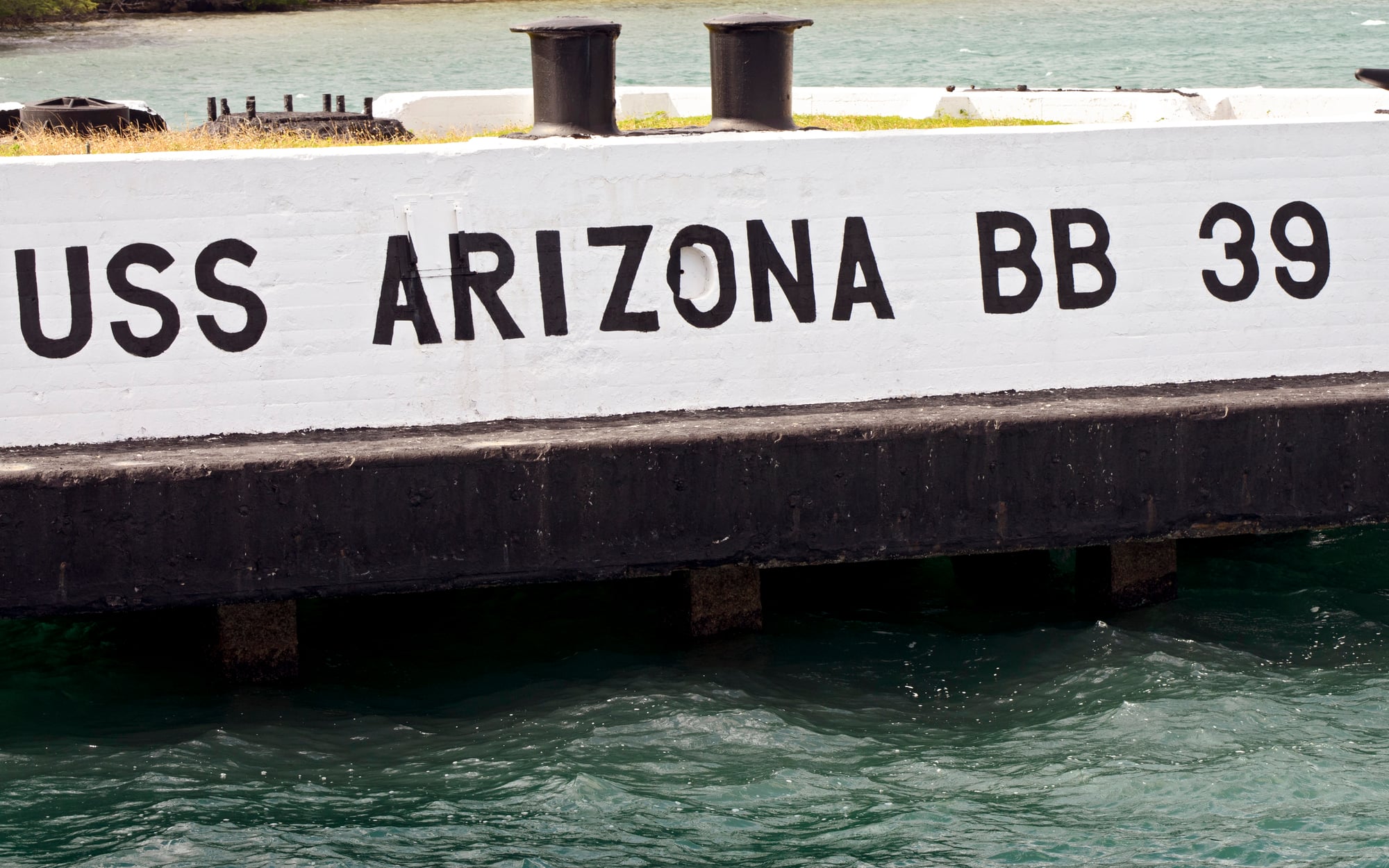
The Arizona took a direct hit to her forward ammunition magazine. The explosion lifted the massive battleship’s bow clear out of the water before she settled into the harbor floor.
Thick black smoke poured from the wreckage for days. Over 1,100 sailors and Marines went down with the ship.
Most never made it out of their bunks.
Sailors Pulling Survivors From Oil-Covered Water
And the water itself became a death trap — fuel oil spread across the harbor’s surface, some of it burning, creating a hellscape where men struggled to stay afloat while their skin absorbed the toxic slick that would leave permanent scars (both visible and otherwise), and rescue boats moved carefully through the mess trying to distinguish between debris and human beings.
The oil was everywhere. It clung to everything it touched, making the simplest act of breathing a challenge for anyone in the water.
So rescue crews worked frantically, pulling men who looked more like tar-covered shadows than sailors. But they kept pulling, because that’s what you do when the alternative is watching people drown in front of you.
Bodies Laid Out on the Dock at Hospital Point
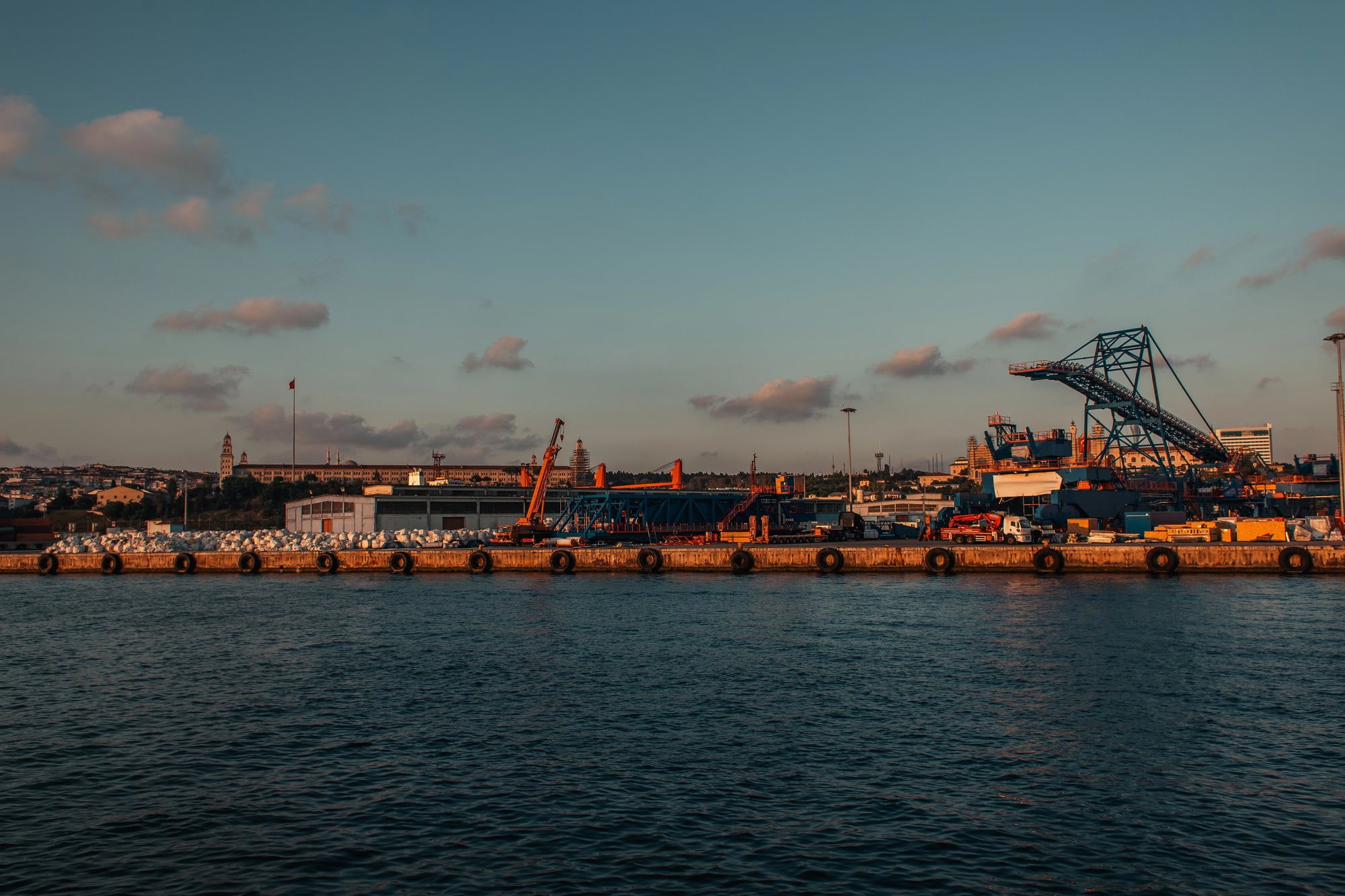
There’s something about symmetry that the human mind reaches for, even in catastrophe. The medics arranged the covered forms in neat rows along the concrete pier, each white sheet pulled tight and tucked with the same careful attention you’d give a sleeping child’s blanket.
The harbor still burned behind them, sending ash across the carefully ordered scene. The dock became a temporary morgue because the base hospital couldn’t hold them all.
Some of the sheets were too small. Others covered shapes that didn’t quite look right.
And the whole time, more boats kept arriving with more casualties, disrupting the orderly rows that someone kept trying to maintain.
Overturned USS Oklahoma With Rescue Crews
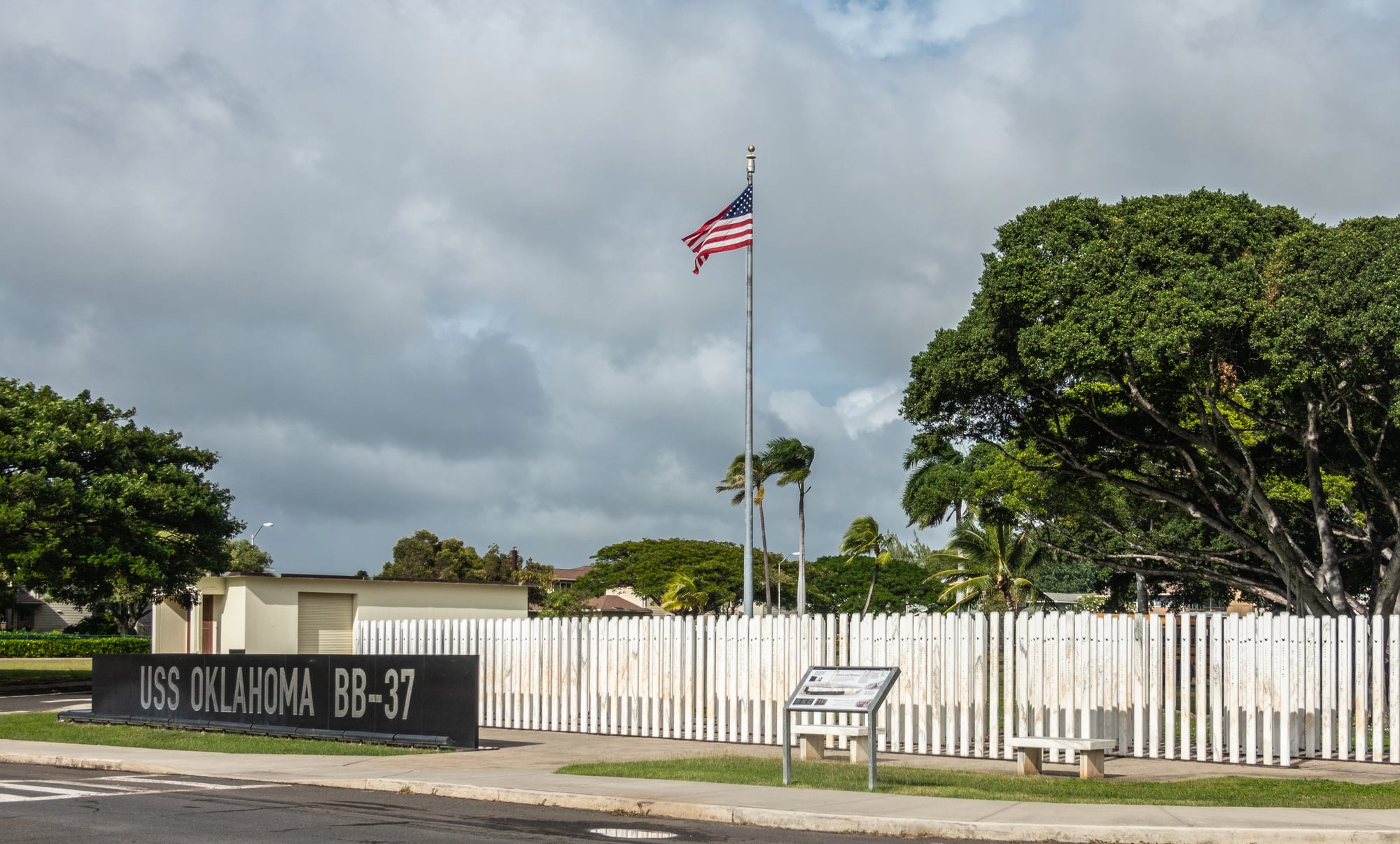
The Oklahoma didn’t sink — she rolled over like a dying whale and trapped 400 men inside her steel belly. Rescue crews worked around the clock, cutting through the hull with torches and listening for tapping sounds that meant someone was still alive in the air pockets.
They saved 32 men from that floating tomb. The other 368 stayed inside until the ship was raised years later.
Turns out hope and mathematics don’t always align, which is something the rescue crews learned the hard way.
Destroyed Aircraft Lined Up at Hickam Field
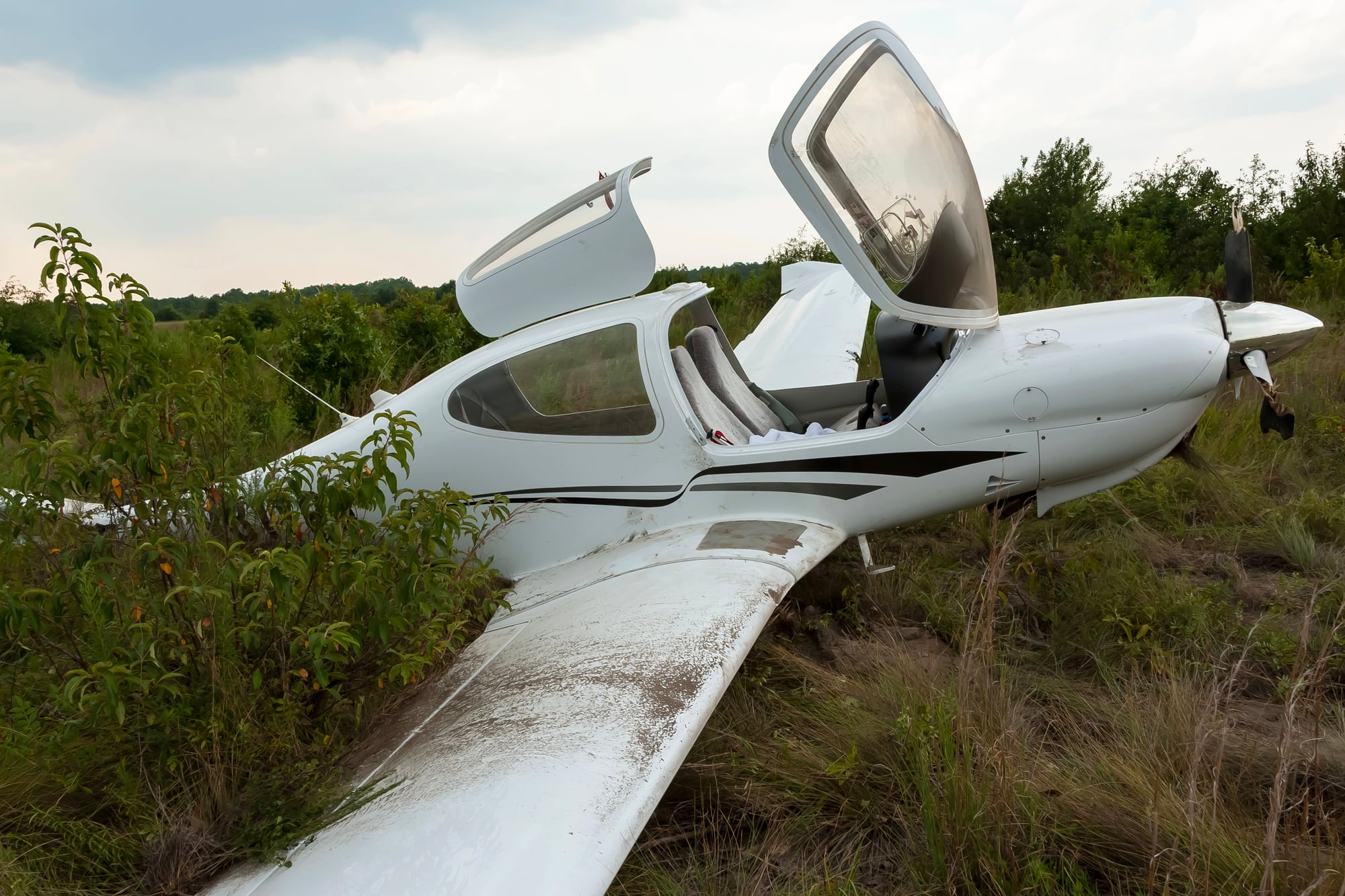
The Japanese hit Hickam Field before most of the pilots could scramble their planes. Rows of aircraft sat wingdip to wingdip, making perfect targets for the attacking fighters.
What had been America’s aerial strength in the Pacific became twisted metal and melted aluminum in minutes. The burned planes looked like the skeletons of prehistoric birds.
Their propellers bent at impossible angles. Cockpits melted into abstract shapes.
Someone would have to count each wreck and write reports about serial numbers and replacement costs, as if mathematics could measure what was really lost that morning.
Wounded Sailors Receiving Treatment
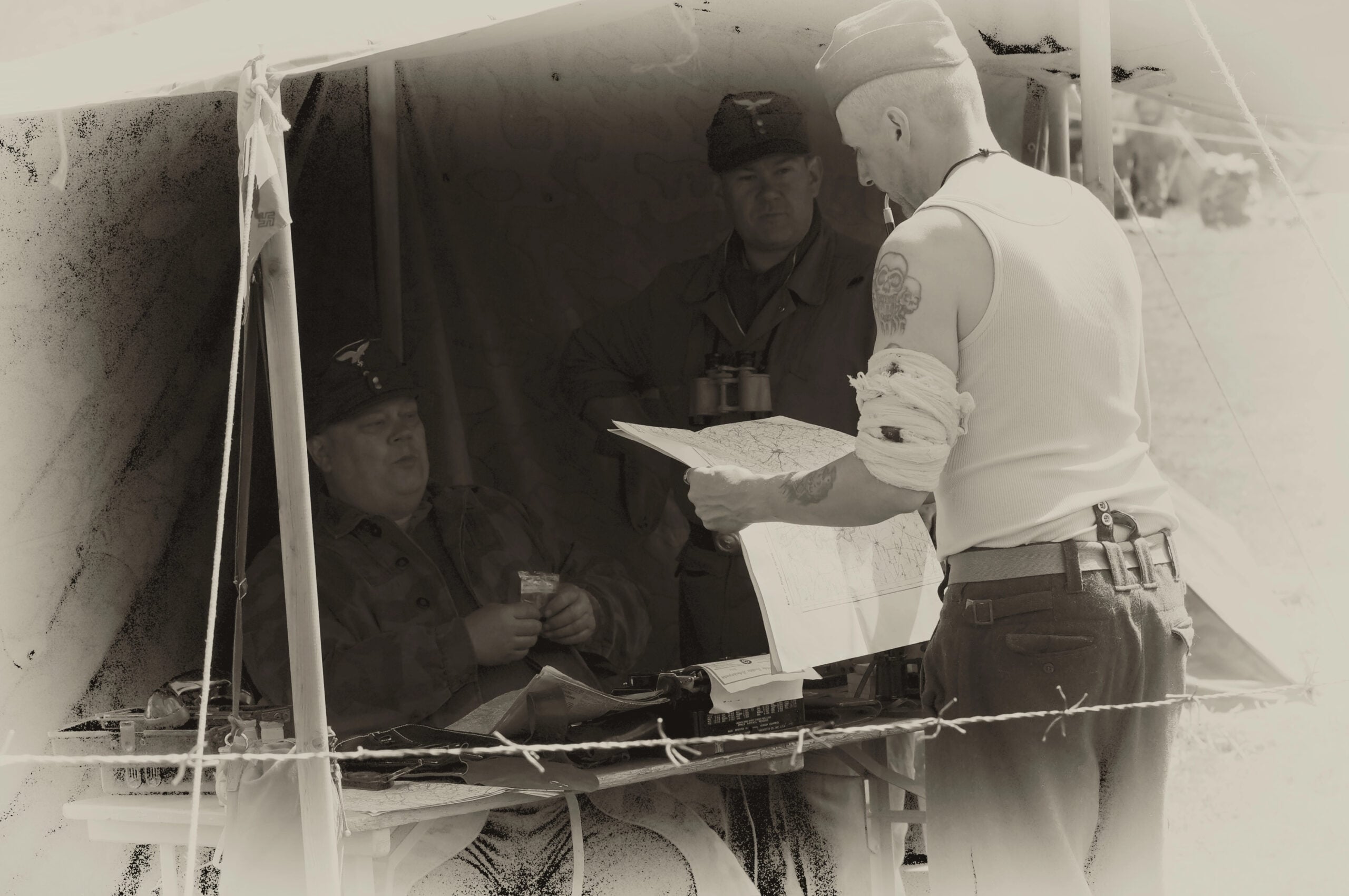
But medicine, when everything else has failed, becomes beautifully simple: stop the wound, ease the pain, save who you can. The base hospital overflowed within hours, so corpsmen set up aid stations wherever they found space — mess halls, administrative offices, even outdoor areas under whatever shade they could improvise.
Bandages ran out fast, so they tore up bedsheets, tablecloths, whatever fabric they could find. The wounded kept coming in waves, and the medical staff worked with the kind of focused intensity that emerges when protocol gets thrown out and only results matter.
USS West Virginia Settling Into the Harbor
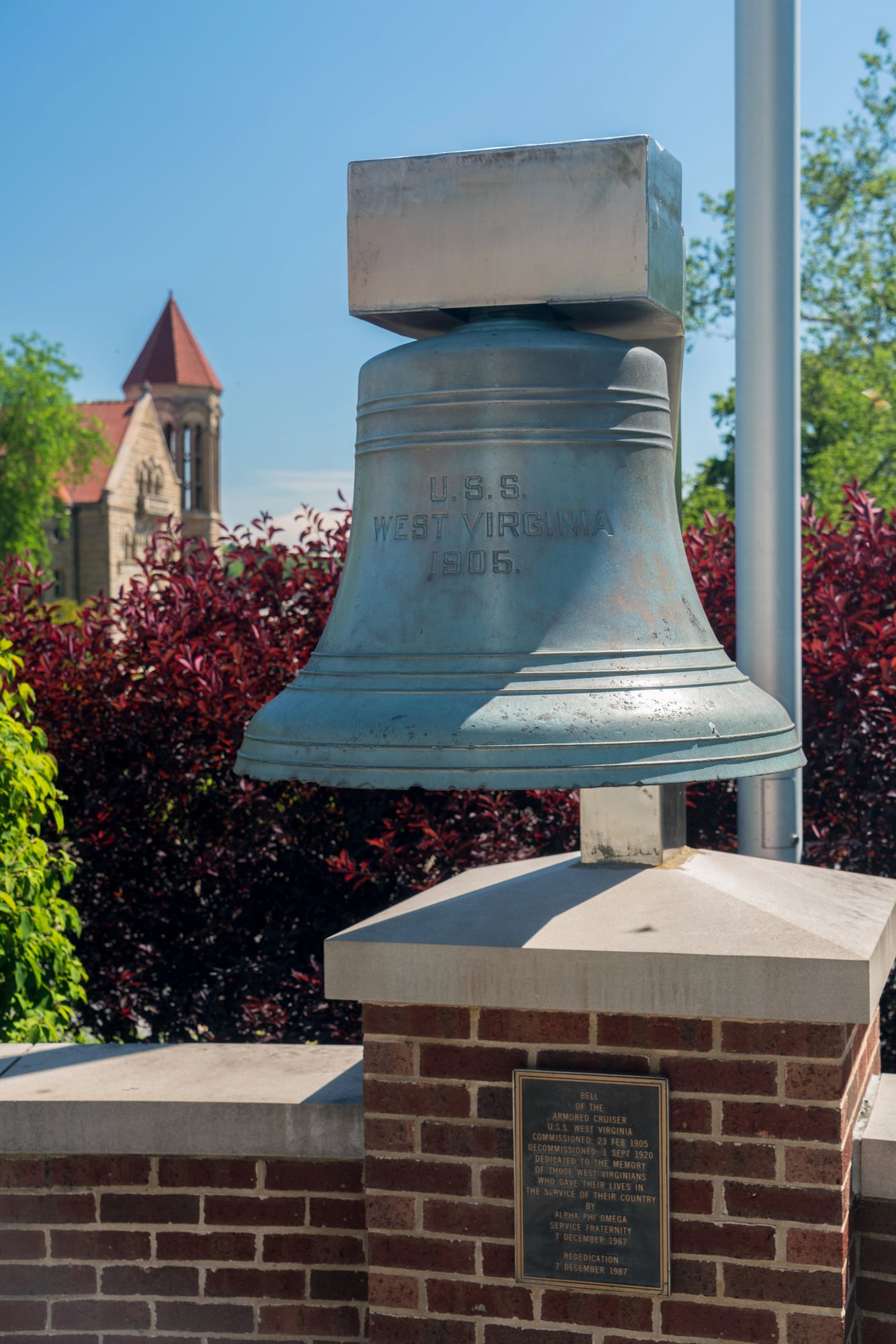
The West Virginia took multiple torpedo hits on her port side and began listing heavily to port. Quick thinking by her crew counter-flooded the starboard compartments, which kept her upright but guaranteed she’d sink straight down into the harbor mud.
Captain Bennion died on the bridge from shrapnel wounds, but stayed at his post directing damage control until the end. His ship settled slowly, giving most of the crew time to escape.
Sometimes sinking is the better option, which sounds wrong until you see what happened to the ships that rolled over instead.
Smoke Rising From Multiple Ships Across the Harbor
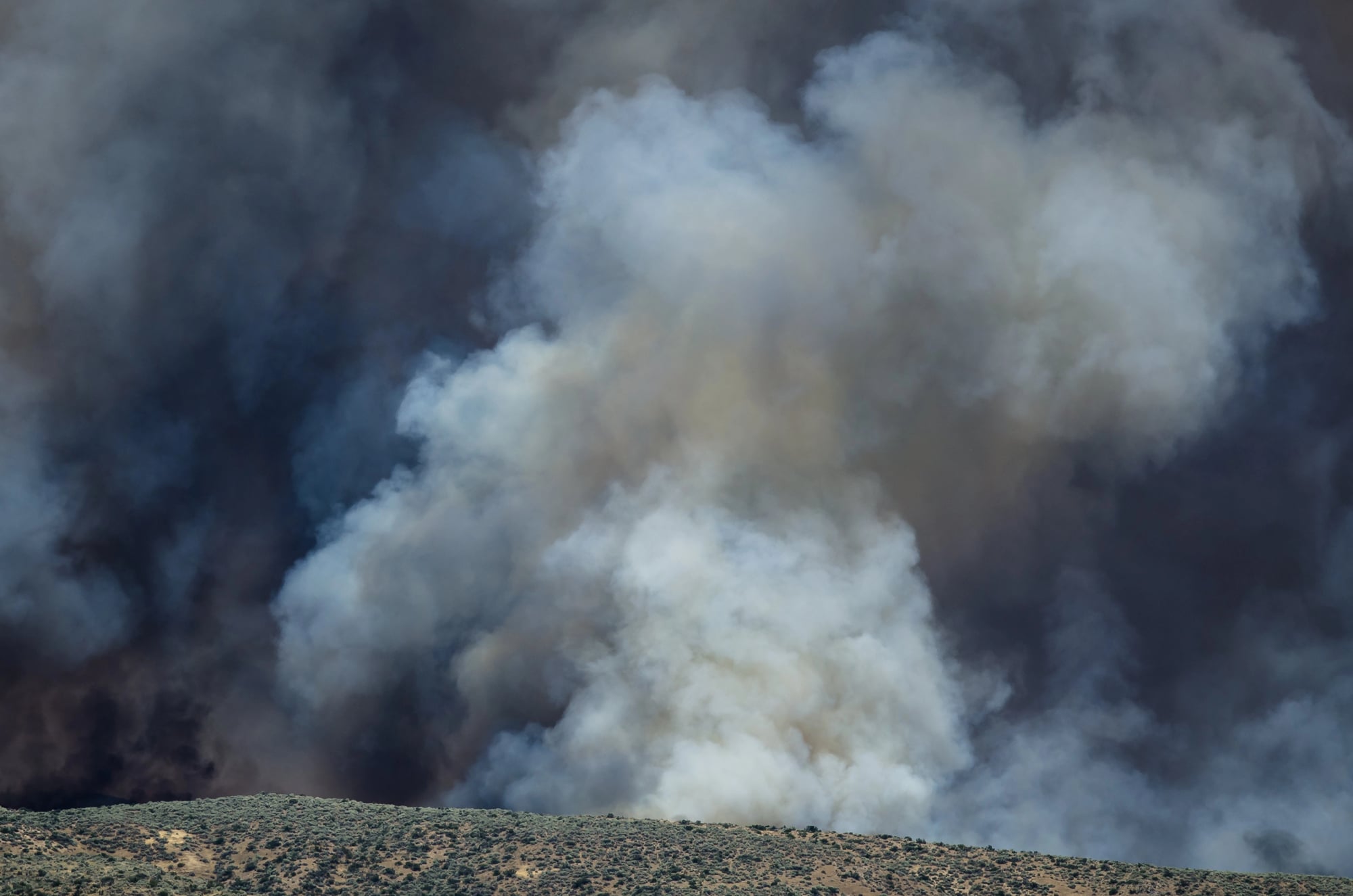
And from high ground overlooking the harbor, the scope of destruction spread out like a grim inventory: here the Arizona still burning, there the Oklahoma’s hull gleaming wet in the morning sun, beyond that the West Virginia settling lower with each passing minute, and smaller vessels scattered between them — some sinking, some already sunk, some listing badly enough that you knew they wouldn’t last much longer.
The smoke rose from at least seven different points, creating individual columns that merged into one massive black cloud that could be seen from miles away.
So photographers climbed to elevated positions and captured the panoramic view that would later appear in newspapers across America. But no single frame could contain the sound — the hiss of steam meeting water, the crack of burning wood, the occasional secondary explosion that made everyone duck instinctively.
Civilian Casualties at Pearl City
The attack spilled beyond the military base into the surrounding civilian areas. Japanese pilots strafed neighborhoods, hitting houses, schools, and anyone unlucky enough to be outside when the planes came over.
Families found themselves treating wounds and fighting fires with garden hoses while anti-aircraft shells — many of them American shells that failed to detonate properly — fell randomly into their backyards. Pearl City residents had awakened to what they thought was a military exercise.
The reality arrived in fragments of metal and wood that used to be their neighbors’ homes. Children learned new words that morning: shrapnel, casualty, air raid.
Damaged Hangars and Aircraft at Ford Island
Ford Island sat in the middle of Pearl Harbor like a bullseye, and the Japanese treated it as such. The hangars that housed the Navy’s patrol planes took direct hits, collapsing their steel frameworks onto the aircraft inside.
What emerged from the wreckage looked like an abstract sculpture made from airplane parts and twisted metal beams. The island’s runways, cratered by bombs, couldn’t handle takeoffs or landings for days.
Which meant the few planes that survived couldn’t pursue the attackers or provide air cover for rescue operations. Geography had made Ford Island strategically perfect for peacetime operations and tactically disastrous during wartime, which is the kind of irony that military planners spend their careers trying to avoid.
Rescue Boats Moving Between Burning Ships
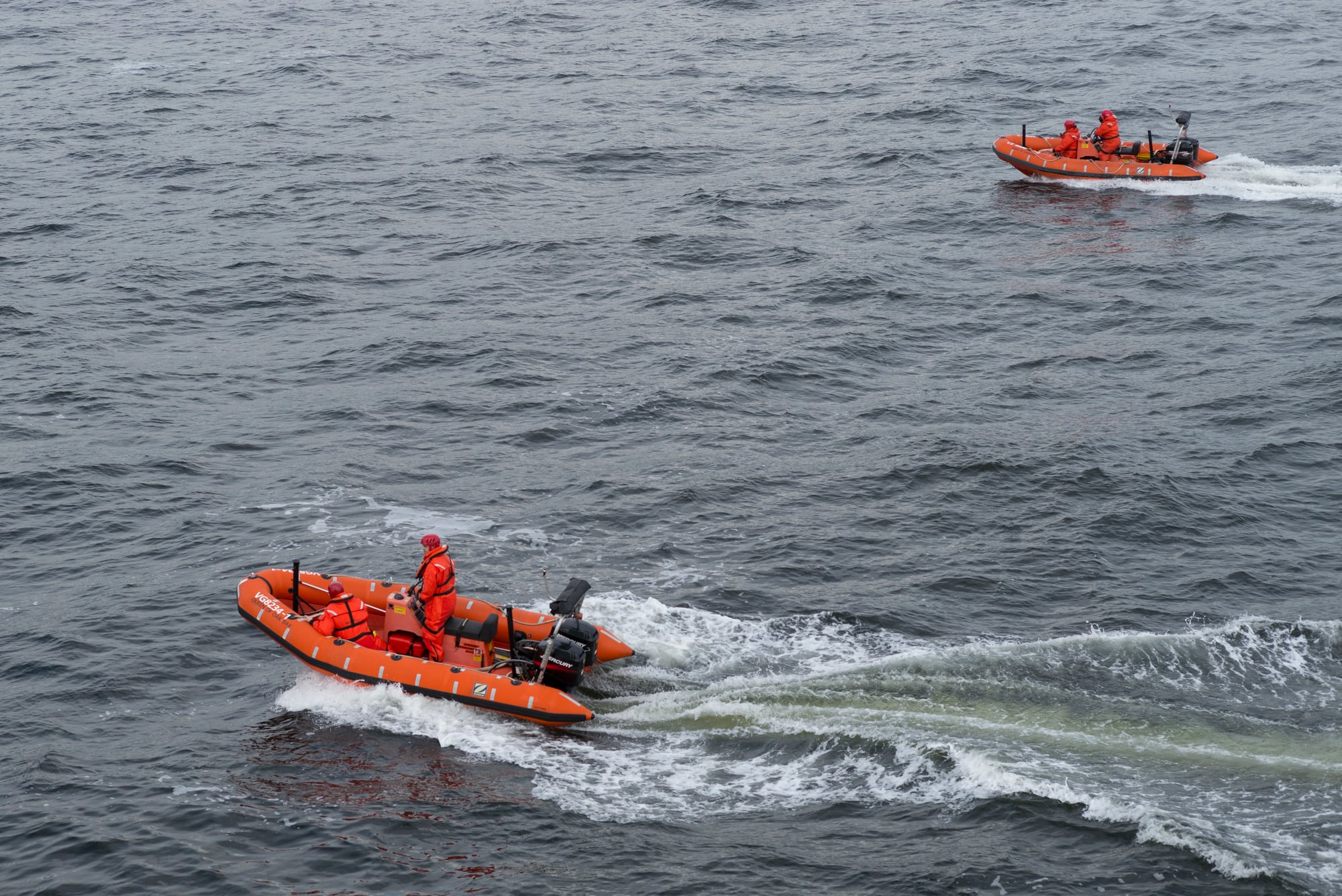
The small boats looked impossibly fragile threading between the massive burning hulls. Launch crews navigated by instinct through water thick with oil and debris, following the sounds of voices calling for help.
Some of the rescue craft were military launches, others were civilian boats whose owners had simply motored toward the explosions when they realized what was happening. And the water itself fought them — oil slicks that could ignite without warning, floating debris that could puncture a hull, and the unpredictable currents created by sinking ships.
But the boats kept moving, because someone had to collect the survivors floating between the wrecks.
Anti-Aircraft Guns Firing at Departing Planes
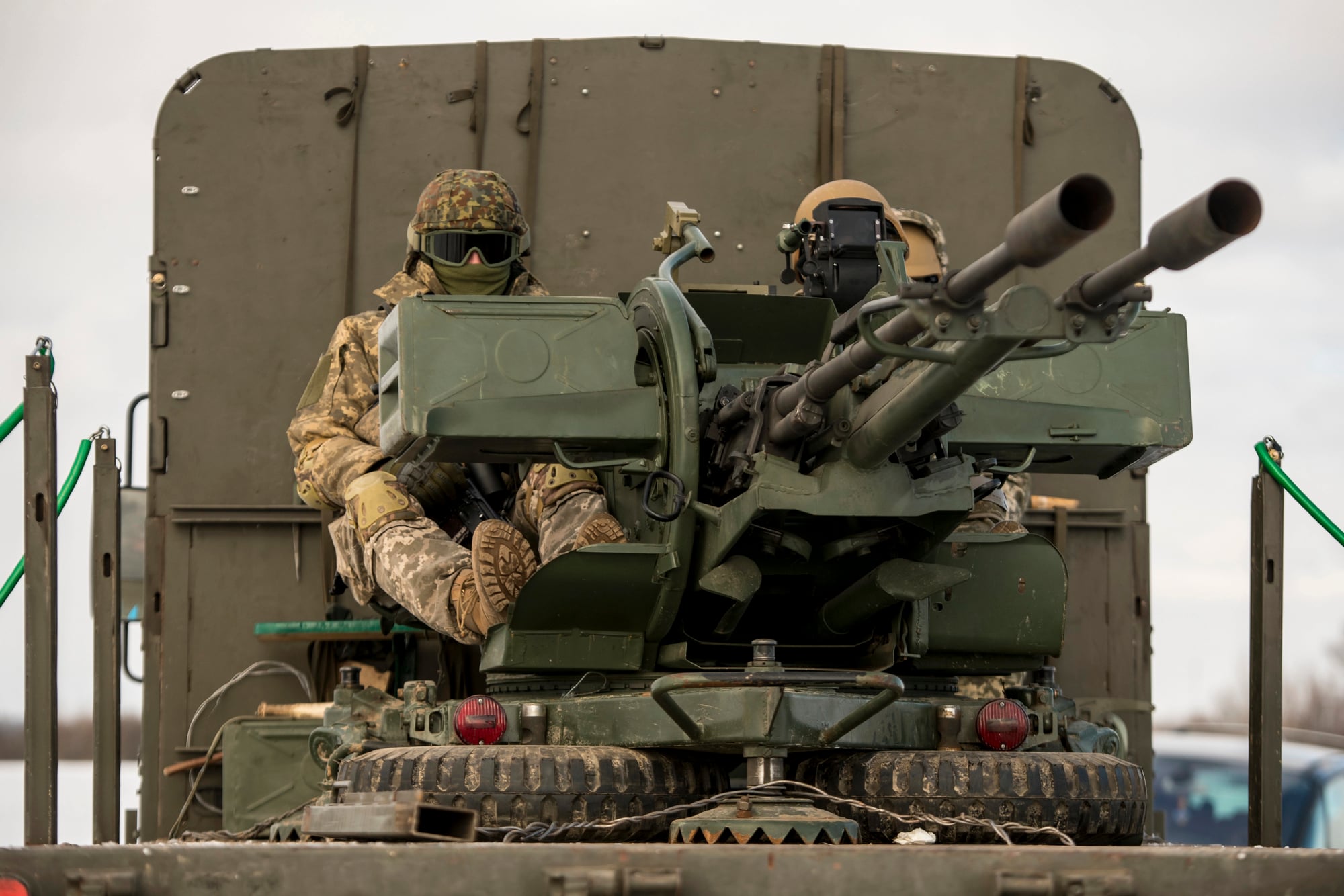
Too little, too late — the phrase that defines most of Pearl Harbor’s defensive response. Anti-aircraft crews finally got their guns operational just as the second wave of Japanese planes was finishing their attacks.
The sky filled with black puffs of exploding shells, most of them missing their targets by wide margins. The gunners had trained for this scenario countless times, but never while their base was burning around them and never while dodging friendly fire from other gun positions that couldn’t tell incoming planes from outgoing shells.
Coordination becomes academic when everything is happening at once and radio communications are spotty at best.
Medical Personnel Treating Burn Victims
Burns were the signature injury of Pearl Harbor — not clean bullet wounds or broken bones, but the kind of tissue damage that comes from burning oil and superheated metal. The base medical staff had plenty of training in treating routine injuries and tropical diseases, but nothing had prepared them for the specific challenges of oil-fire burns covering large percentages of the body.
So they improvised, adapting peacetime procedures to wartime casualties and learning as they worked. Morphine supplies ran dangerously low.
Sterile bandages became a rationed commodity. And the burn patients kept arriving, many of them unrecognizable beneath the damage.
Sailors Fighting Fires on Damaged Ships
Fire control became the difference between a damaged ship and a total loss. Crews worked in smoke so thick they couldn’t see their own hands, following hoses by touch and directing water toward the sound of flames.
Some fires burned oil and wood, others involved electrical systems or ammunition stores that could explode without warning. The men fighting these fires were often wounded themselves — burns on their hands, smoke inhalation that left them coughing up black phlegm for weeks afterward, cuts from walking through debris in the dark.
But they stayed at their posts because letting a ship burn completely was somehow worse than risking their lives to save what could be saved.
Destroyed Barracks and Personnel Quarters
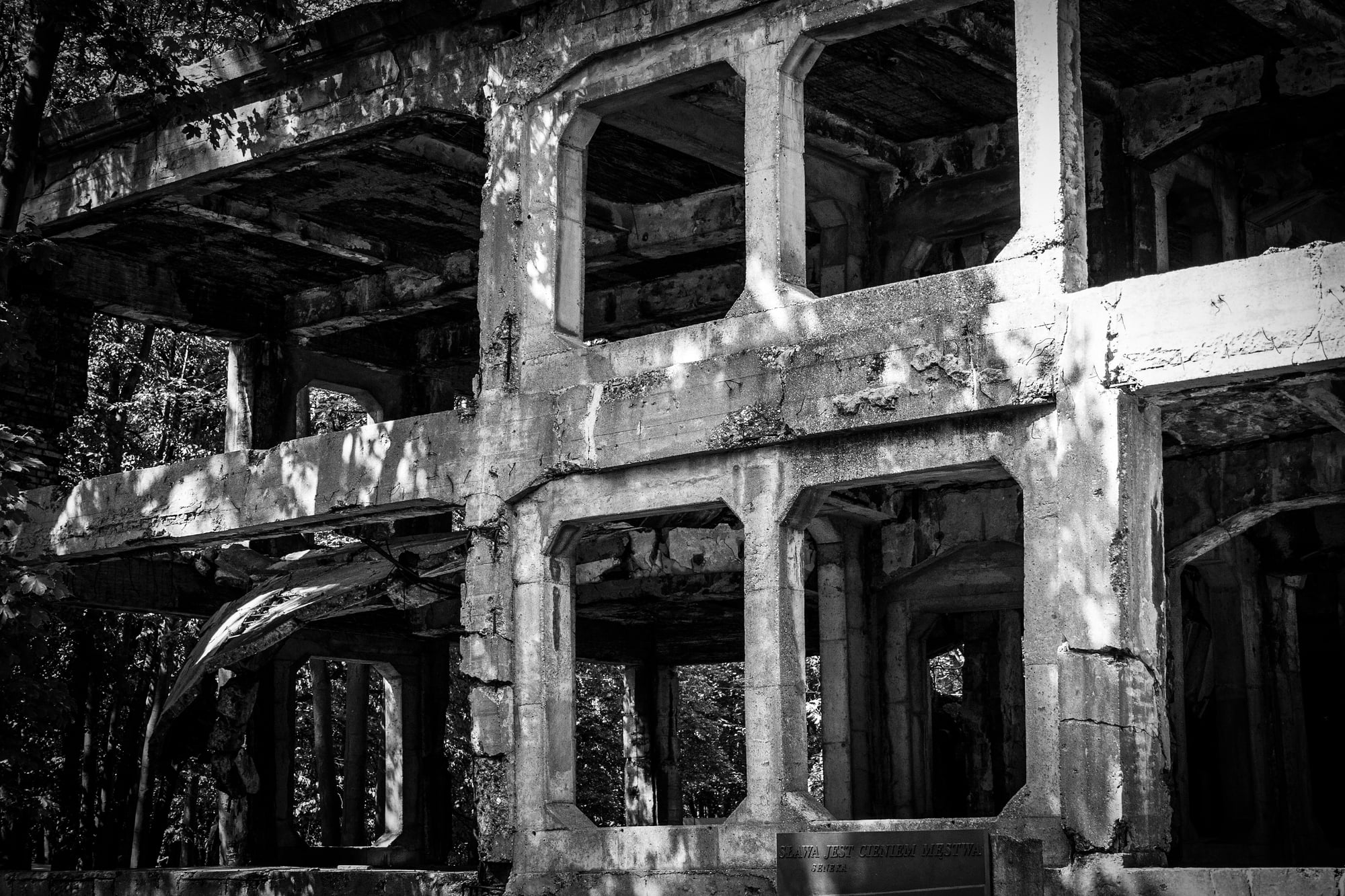
The barracks took direct hits during the attack, collapsing onto the sailors who were still getting dressed or trying to reach their battle stations. Rescue crews spent days pulling bodies from the rubble, working carefully because the damaged structures could collapse further at any moment.
Personal belongings scattered among the wreckage told individual stories: family photographs, letters from home, uniforms laid out for Sunday inspection that would never happen. The debris crews collected these items when they could, though matching personal effects to casualties became nearly impossible when both were damaged beyond easy identification.
USS Shaw’s Magazine Explosion
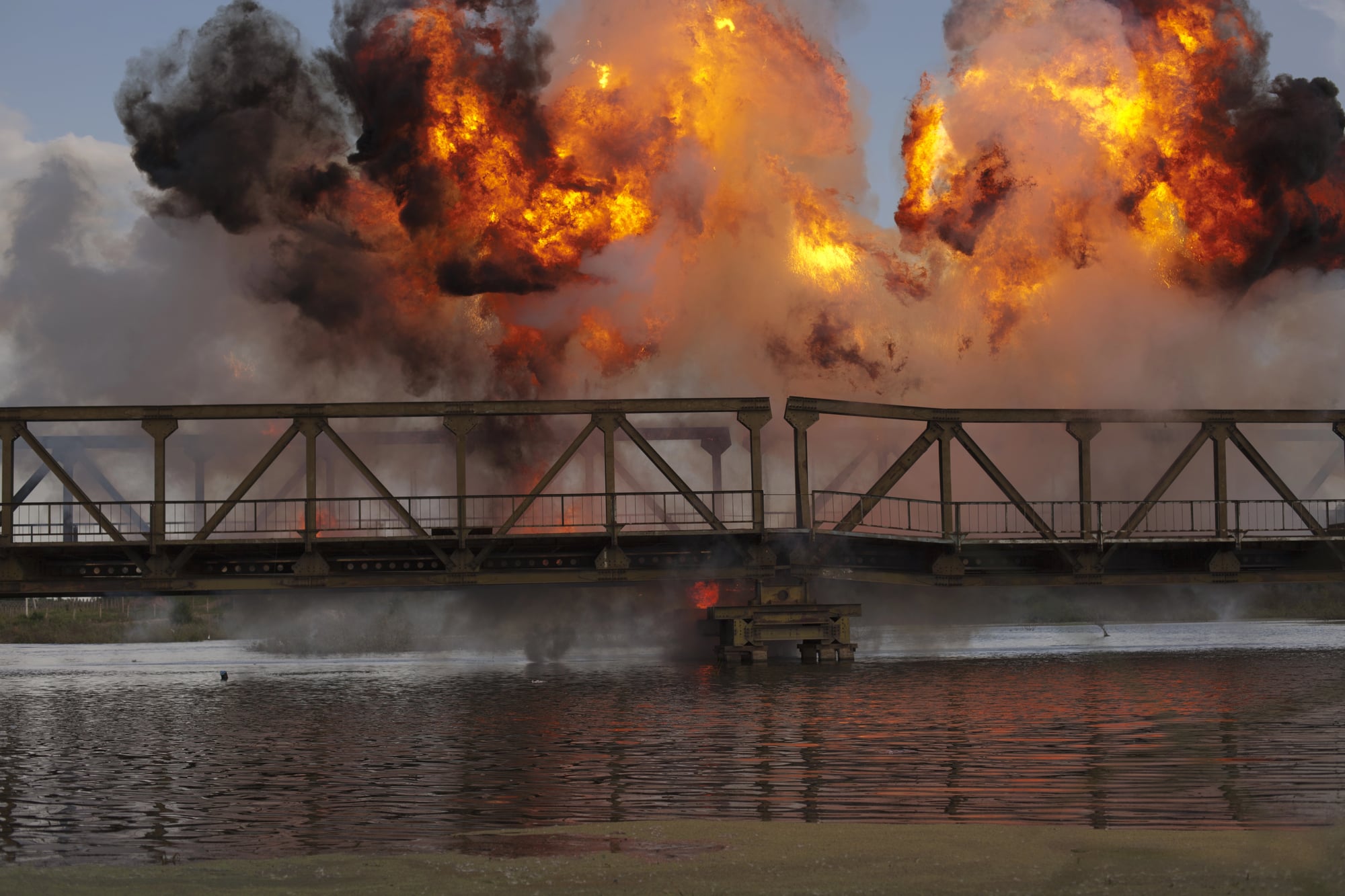
The Shaw exploded spectacularly during the attack when fire reached her forward magazine. The blast, captured in one of the most famous photographs of Pearl Harbor, sent a mushroom cloud hundreds of feet into the air and debris raining down across the harbor.
The explosion was so powerful it lifted the ship’s bow completely off and dropped it into the water. Amazingly, the Shaw was eventually repaired and returned to service, though she never quite looked right afterward.
Her new bow was welded on at the Mare Island shipyard, giving her a slightly different profile that veterans could spot from miles away. Some scars are permanent, even when the repairs are successful.
Identification and Burial Preparations
The grim mathematics of mass casualties: 2,400 dead, most of them requiring identification, notification of next of kin, and proper burial. Military personnel worked in shifts, going through personal effects and dental records, trying to match names to remains.
Some identifications were straightforward, others required detective work that took weeks to complete. The temporary morgues operated around the clock, and the paperwork alone became overwhelming.
Each casualty required multiple forms, multiple notifications, multiple decisions about burial location and ceremony details. Death, it turns out, generates an enormous amount of administrative work, and someone has to handle every detail while the families wait for answers that don’t come fast enough.
Never Quite the Same
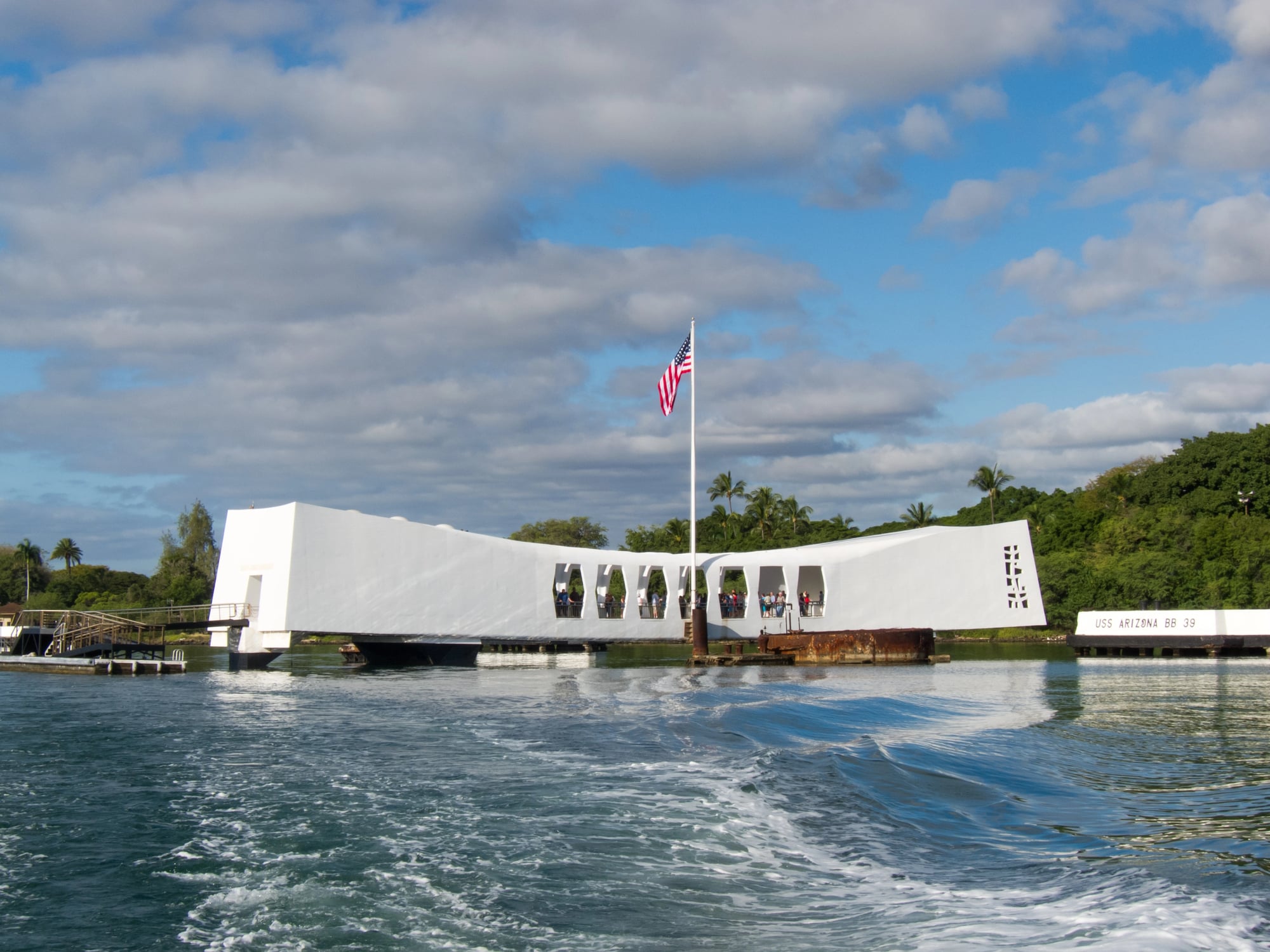
Pearl Harbor changed everything, but the photographs capture something more specific than historical significance. They show the moment America learned that distance doesn’t guarantee safety, that surprise attacks succeed when defenses are designed for different threats, and that recovery begins while the smoke is still rising.
The images remain difficult to view because they document genuine suffering without offering easy resolution. Some ships were raised and repaired.
Others became permanent graves. The harbor was eventually cleared and rebuilt, but the photographs preserve a version of Pearl Harbor that existed for only a few hours on a Sunday morning in December — the version where everything familiar had suddenly become foreign, and no one knew yet what came next.
More from Go2Tutors!

- The Romanov Crown Jewels and Their Tragic Fate
- 13 Historical Mysteries That Science Still Can’t Solve
- Famous Hoaxes That Fooled the World for Years
- 15 Child Stars with Tragic Adult Lives
- 16 Famous Jewelry Pieces in History
Like Go2Tutors’s content? Follow us on MSN.