Curious Traditions Around Birth Rituals
Each culture welcomes newborns in its own way. What feels normal to insiders might surprise strangers.
Certain traditions sound odd at first – till you learn what they stand for. They link people to past relatives, bring safety, or just honor moments passed down through time.
Burying the Placenta

In many Maori communities in New Zealand, families bury the placenta in a significant location. The practice ties the child to the land in a literal sense.
Parents often choose a spot near the family home or on ancestral property. This creates a permanent connection between the newborn and their place of origin.
The Maori word for both placenta and land is “whenua,” which reveals how deeply intertwined these concepts are in their worldview. Indigenous communities in North America follow similar practices.
Some Navajo families bury the placenta within the boundaries of their home. Others plant a tree over it.
The tree grows alongside the child, creating a living symbol of their bond to the earth and their people.
The Forty Days of Rest
Turkish tradition holds that new mothers should remain mostly indoors for forty days after birth. During this time, female relatives take over household duties.
They prepare special foods believed to increase milk production and help the mother recover. Visitors come bearing gifts and blessings, but they keep gatherings brief to let the mother rest.
Similar practices appear across the Middle East and parts of Asia. The specific number of days varies, but the principle stays consistent.
New mothers deserve dedicated time to heal and bond with their babies. Modern life has made strict adherence harder, but many families still honor some version of this tradition.
The First Haircut Ceremony

Hindu families in India often wait until a child reaches their first or third birthday before cutting their hair. The ceremony, called Mundan or Chudakarana, holds deep spiritual significance.
Families believe the hair from the womb carries impurities or negative influences from past lives. Removing it allows the child to start fresh.
The ritual usually takes place at a temple or sacred site. Priests perform prayers and blessings.
Afterward, families host a celebration with food and gifts. The shaved head supposedly helps the child’s hair grow back thicker and healthier too.
The 100-Day Celebration
In Korean tradition, families mark the 100th day after birth with a celebration called Baek-il. White rice cakes called baekseolgi play a central role.
Families traditionally share these rice cakes with 100 people to bring blessings and wishes for the child’s long and healthy life. The cakes represent purity and new beginnings.
The 100-day milestone holds special meaning because historically, infant mortality rates ran high. Reaching this point meant the baby had a much better chance of survival.
Modern medicine has changed the stakes, but families still honor the tradition as a joyful gathering.
Passing Through Herbal Smoke
Some indigenous groups in Central and South America pass newborns through smoke from medicinal plants. The practice aims to cleanse and protect the child.
Different communities use different plants based on local knowledge and availability. The smoke is never thick enough to harm the baby.
Parents hold the infant briefly over smoldering herbs while speaking blessings or prayers. Western observers sometimes misunderstand this practice.
They worry about smoke exposure. But practitioners maintain careful control.
The ritual lasts only moments and uses specific plants chosen for gentle, protective properties.
Tying Red String
Jewish tradition includes tying a red string around a baby’s wrist or ankle. The string acts as protection against the “evil eye”—harmful energy that might come from jealousy or negative attention.
Some families also place a red ribbon near the crib or on the baby’s clothing. The practice appears in other cultures too.
Greek families sometimes use blue charms for similar protective purposes. Spanish and Latin American communities have comparable traditions with ribbons or amulets.
The underlying belief remains consistent across cultures: newborns need shielding from unseen harmful forces.
Avoiding Compliments

In some Mediterranean and Middle Eastern cultures, families avoid excessive compliments about the newborn. Beautiful baby? Healthy and strong? Better not say it too directly.
The concern is that praising the child too openly might attract jealous spirits or the evil eye. Instead, people might offer qualified praise or even mild criticism as a protective measure.
“What an ugly little thing,” a grandmother might say while thinking the opposite. This reverse psychology supposedly keeps harmful attention away.
Family members understand the real affection behind seemingly strange comments.
The First Bath Ritual

In Nigeria, Yoruba communities perform a special first bath for newborns. Family members add specific leaves and herbs to the water.
Each ingredient carries symbolic meaning—protection, strength, wisdom, prosperity. The elder women of the family typically prepare and perform this ritual.
They speak blessings over the baby while washing them in the herbal water. The practice teaches new parents which plants hold significance in their culture.
It also reinforces the role of elder women as keepers of traditional knowledge. The ritual bath marks the baby’s formal introduction to the community’s spiritual and medicinal traditions.
Jumping Over Babies

In Spain, during the festival of El Colacho, men dressed as devils jump over infants laid on mattresses in the street. The practice dates back to the early 1600s.
Catholics believe it cleanses babies of original sin and protects them from illness and evil spirits. The spectacle draws crowds of tourists now.
Parents willingly place their babies born in the past year on the cushions. The “devils” sprint down the street, leaping over the rows of infants.
Despite its dramatic appearance, no injuries are reported. The Catholic Church doesn’t officially endorse the practice, but locals maintain the tradition anyway.
Gifting Silver Coins

In Greece, visitors to a new baby often bring silver coins. They place the coins in the baby’s hand or near the crib.
The silver represents a wish for prosperity and a comfortable life. Some families save these coins for the child, creating a nest egg that grows with each visitor.
The tradition connects to older beliefs about silver’s protective properties. Silver was thought to ward off evil and bring good luck.
Modern Greek families continue the practice even if they view it more as a sweet custom than a spiritual necessity.
The Naming Ceremony
Many African communities hold elaborate naming ceremonies days or weeks after birth. The delay allows parents time to observe the baby’s personality and sometimes receive guidance through dreams or spiritual consultation.
In some cultures, the child receives multiple names—one for everyday use, one sacred name known only to family, and perhaps others that honor ancestors or describe circumstances of the birth. The ceremony itself involves music, dancing, and feasting.
Elders formally announce the child’s name to the community. This public declaration brings the child fully into the social world.
Until the naming, the baby exists in a liminal state between the spirit world and the human community.
Keeping the Umbilical Stump
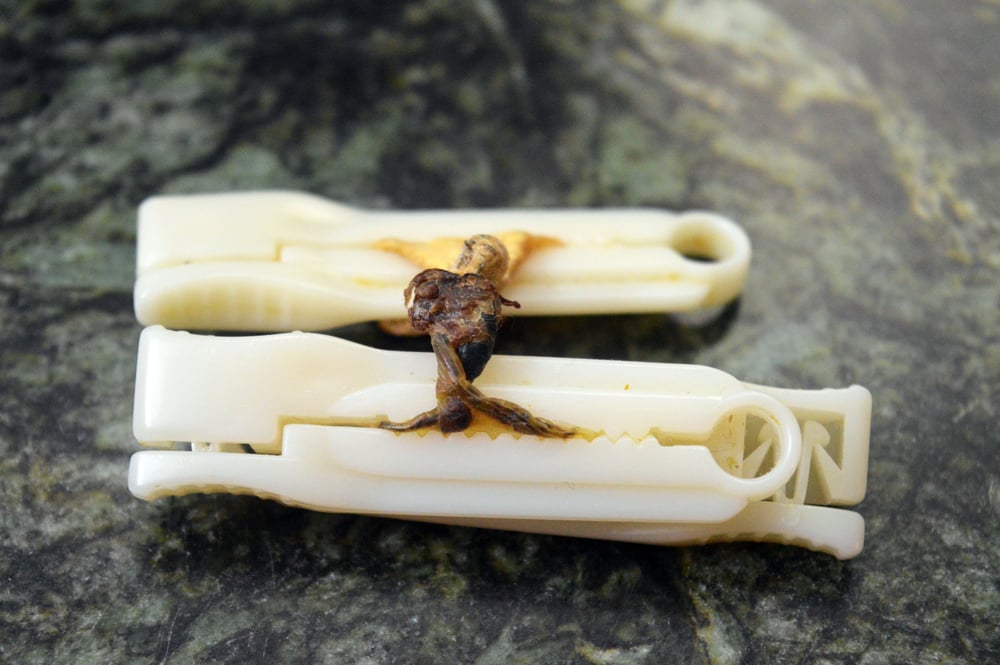
Japanese tradition involves saving the dried umbilical cord stump in a special decorated box. Mothers typically keep this box as a memento of their connection to their child.
The practice symbolizes the physical bond that existed before birth. Some families believe the preserved cord serves as a keepsake that ties mother and child throughout life.
The boxes themselves can be quite beautiful, often made of wood and decorated with the baby’s name and birth date. This tradition has persisted even as Japan has modernized.
Many contemporary Japanese mothers still receive these boxes at the hospital.
Seeds Planted in Different Soil

Birth customs show how folks across the globe find purpose when a baby arrives. Though traditions differ dramatically, the core reasons feel familiar.
Parents aim to shield their fragile infants. They wish to tie kids to kin, neighbors, or territory.
Rituals give weight to this deep shift – done on purpose. These customs stick around – not just due to old beliefs, yet they bring relatives together during key moments.
Because of them, stories and ways move from one generation to the next. When things get chaotic, they offer a sense of order, sort of like quiet anchors in noisy times.
A grandma giving a ritual bath – or someone older saying blessings during a name event – ain’t just sticking to traditions from way back. She’s actually linking the little one into a web of family ties and deep-rooted ideas that began long ago, maybe even lasting well into tomorrow.
More from Go2Tutors!

- The Romanov Crown Jewels and Their Tragic Fate
- 13 Historical Mysteries That Science Still Can’t Solve
- Famous Hoaxes That Fooled the World for Years
- 15 Child Stars with Tragic Adult Lives
- 16 Famous Jewelry Pieces in History
Like Go2Tutors’s content? Follow us on MSN.