Ordinary Things Scientists Don’t Actually Understand
The universe holds its cards close, even about the simplest stuff. Take a glass of water sitting on your kitchen table — something so basic that toddlers understand its purpose better than physicists understand its behavior. Scientists have mapped distant galaxies and split atoms, but ask them to fully explain how soap works or why you get hiccups, and suddenly the room gets quiet. These everyday mysteries surround us, hiding in plain sight while we go about our lives assuming someone, somewhere, has figured it all out.
Water
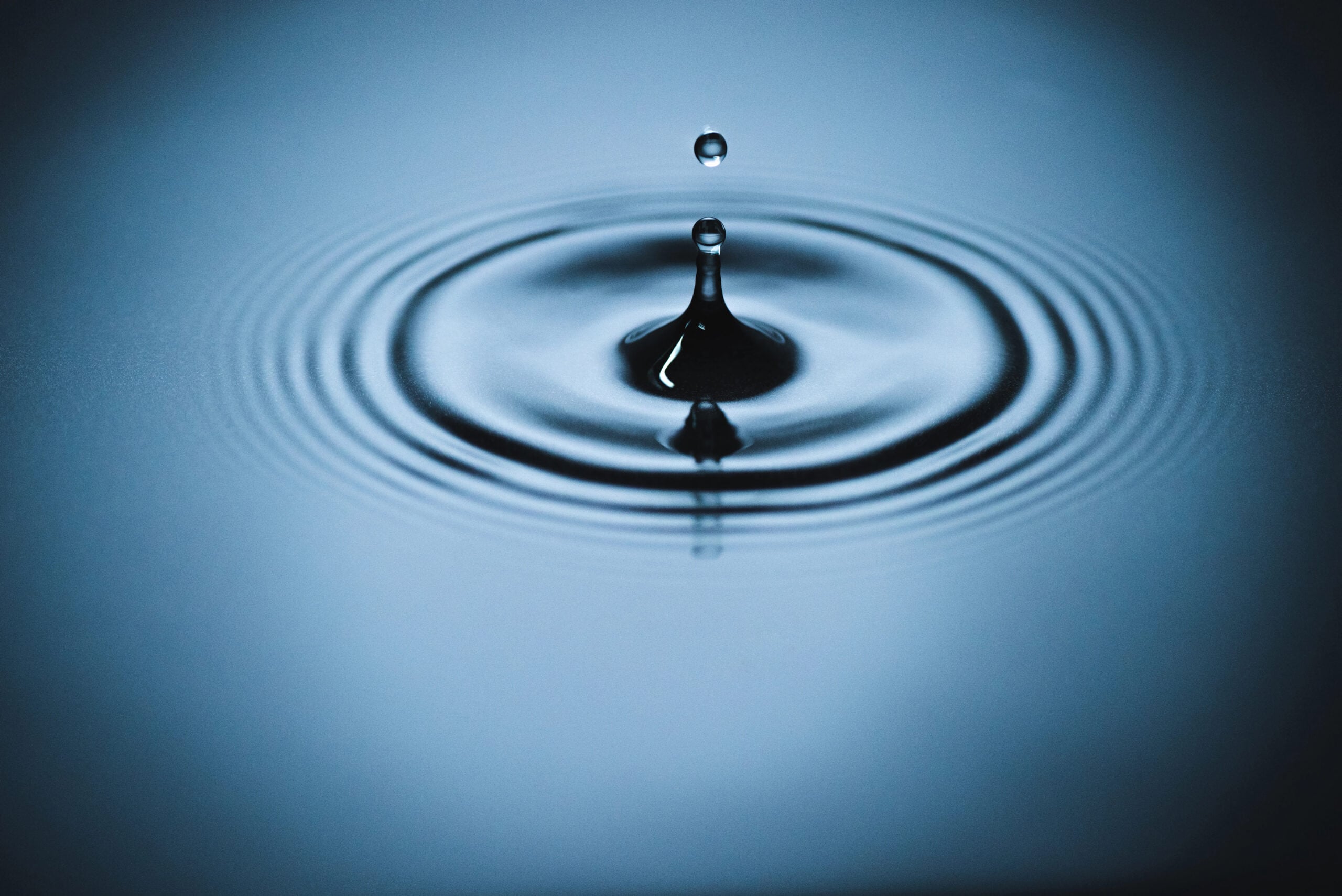
Water doesn’t follow the rules. Most liquids get denser as they cool down — water pulls the opposite move right before it freezes. This is why ice floats instead of sinking to the bottom of your drink. Without this weird quirk, lakes would freeze from the bottom up and kill everything inside.
But that’s just the start. Scientists still argue about what happens when individual water molecules dance around each other. The hydrogen bonds that hold water together are supposed to be temporary, constantly breaking and reforming. Except they don’t behave like the textbooks say they should.
Gravity
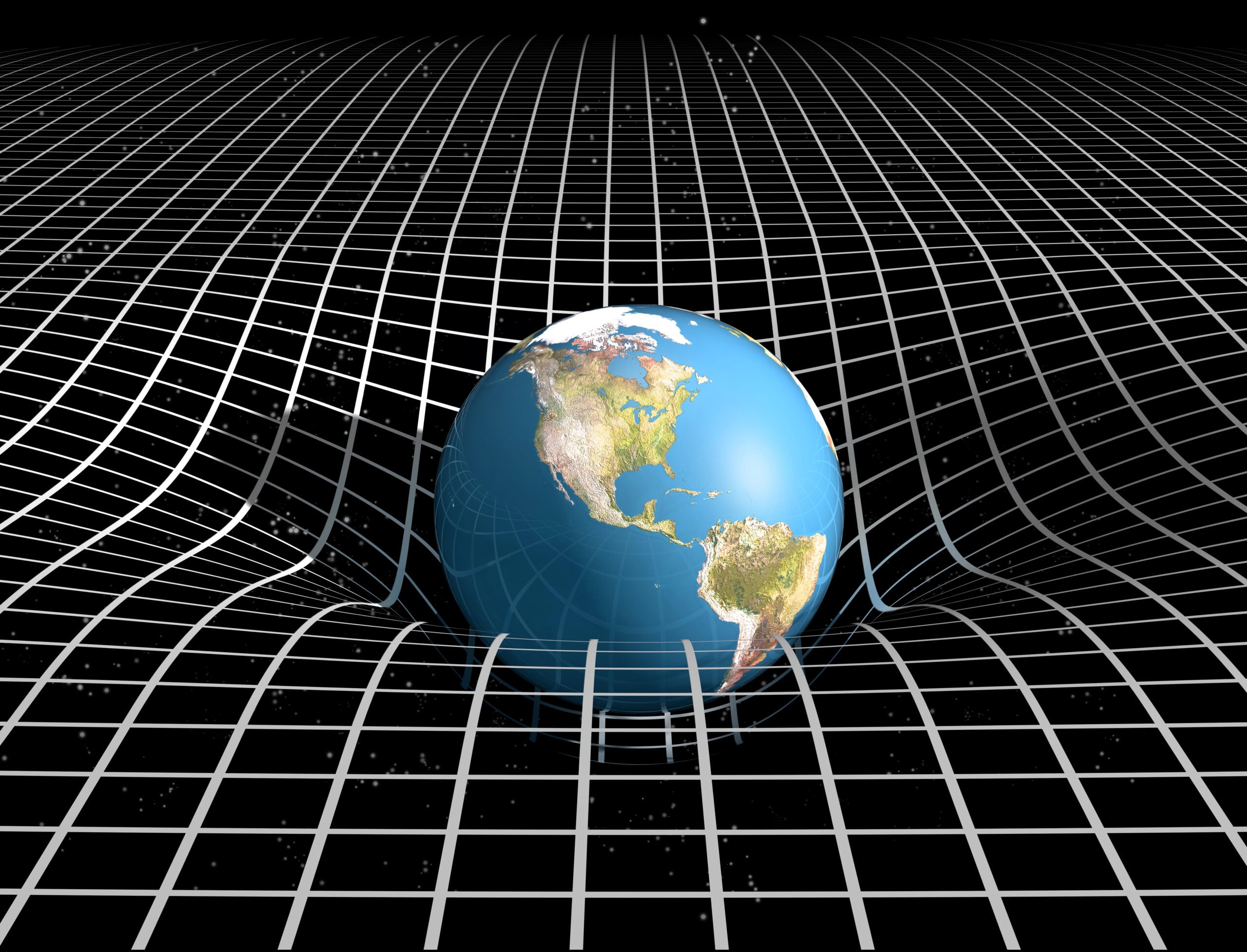
Einstein’s general relativity describes gravity beautifully — mass warps spacetime, objects follow the curves. The math works perfectly for predicting everything from falling apples to the great abyss. But nobody knows what gravity actually is or why it exists in the first place.
And then there’s the hierarchy problem (which sounds more official than it really is). Gravity is absurdly weak compared to other fundamental forces. An ordinary refrigerator magnet can overpower the entire Earth’s gravitational pull on a paperclip. So why is gravity so pathetic? Physics has equations for this, but no real answers. Fair enough — at least we can still stick things to the fridge.
Sleep

Sleep is the most wasteful thing imaginable from an evolutionary standpoint — eight hours of complete vulnerability while predators roam around. Yet every animal with a brain does it (and apparently even some without brains, which is saying something). The fact that we haven’t evolved past needing sleep suggests it’s critically important. Figuring out why has kept researchers awake at night for decades, which feels appropriate.
The brain doesn’t just power down during sleep like a computer in standby mode. It actually becomes more active in some regions, burning through almost as much energy as when you’re awake. Sleep appears to help consolidate memories and clear out metabolic waste from brain cells, but these theories still leave enormous gaps. And nobody has explained why consciousness needs to disappear entirely for any of this to work.
Dreams make even less sense. The brain creates vivid, often bizarre experiences that feel completely real while they’re happening, then immediately forgets most of them. Some researchers think dreams help process emotions or practice for threatening situations (which would explain why you keep dreaming about showing up to work unclothed, but not why your high school algebra teacher was there).
Hiccups

Hiccups serve no purpose anyone can identify. They’re spasms of the diaphragm that create that distinctive “hic” sound when your vocal cords snap shut. But why does this happen, and why does it happen in such a rhythmic, predictable pattern?
The leading theory is that hiccups are an evolutionary leftover from when our ancestors had both gills and lungs — a sort of breathing pattern that helped ancient amphibians switch between air and water. Modern hiccups might be this ancient reflex misfiring. Then again, this could be completely wrong. The fact that fetuses get hiccups in the womb (where they’re definitely not practicing their breathing) throws this whole theory into question.
Placebo Effect

Sugar pills shouldn’t cure headaches, but they do. Fake surgeries shouldn’t reduce knee pain, but they do. The placebo effect is real, measurable, and completely backward from how medicine is supposed to work. Even when patients know they’re taking a placebo, it can still provide genuine relief.
The effect goes beyond just “feeling better” — placebos can trigger actual biological changes. Brain scans show that placebo treatments activate the same neural pathways as real painkillers. The immune system responds to fake treatments as if they were real. This suggests that belief and expectation have direct, physical effects on the body through mechanisms that remain largely mysterious.
What’s particularly stubborn about placebo research is that it works differently for different conditions and varies wildly between individuals. Some people are highly responsive to placebos while others show no effect at all. And the strength of the placebo response seems to be increasing over time — modern sugar pills work better than they did decades ago.
Anesthesia

Every day, doctors put people into controlled comas for surgery, then wake them up afterward like nothing happened. This medical miracle is so routine that nobody thinks twice about it. But anesthesiologists still can’t explain exactly how their drugs work or why consciousness disappears so completely.
Different anesthetics affect different parts of the nervous system, yet they all produce the same result: you cease to exist as a conscious being for a predetermined amount of time. Some anesthetics work on specific receptors in the brain, others seem to disrupt cell membranes throughout the nervous system. None of this explains why awareness simply vanishes instead of just becoming dulled or altered.
The mystery deepens when you consider that the brain remains highly active under anesthesia — it’s not like the whole system shuts down. Somehow these drugs manage to preserve all the brain’s basic functions while selectively eliminating the one thing that makes you “you.” And then they wear off and consciousness returns as if someone flipped a switch.
Soap
Soap is just fat mixed with lye, but it can clean almost anything. The molecules have one end that loves water and another end that hates it — this basic setup lets soap grab onto grease and dirt while also dissolving in water. Simple chemistry that’s been around for thousands of years.
Except the details get complicated fast. How exactly do soap molecules decide when to form bubbles versus when to stay dissolved? Why do some soaps work better in hard water while others fail completely? The interactions between soap molecules, water, dirt, and skin involve forces that are still being researched. Modern detergents are designed through trial and error as much as through scientific understanding.
Turbulence

Smooth water flowing through a pipe makes perfect sense — the math describes it exactly. But increase the flow rate just a little bit and the water turns chaotic. Turbulence appears suddenly and seemingly at random, creating swirls and eddies that follow no predictable pattern.
This isn’t just an academic curiosity. Turbulence affects everything from airplane design to weather prediction to blood flow through arteries. Engineers can measure turbulence and work around it, but they can’t predict exactly where or when it will occur. The equations that describe fluid flow are well understood, but solving them for turbulent conditions requires computer power that doesn’t exist.
Turbulence also scales in weird ways — the chaotic patterns you see in a stream look similar to the ones in a massive river or in the atmosphere around a jet wing. This suggests some underlying mathematical relationship that nobody has figured out yet.
Yawning

Yawning is contagious in the strangest way. You can trigger a yawn just by reading about yawning (which might be happening right now). Even thinking about yawning can make you yawn. Dogs yawn when their owners yawn. People yawn when they see strangers yawn on television.
The contagious nature of yawning suggests it serves some social function, but what? It’s not about tiredness — people yawn when they’re bored, stressed, or even excited. Athletes often yawn before competitions. The idea that yawning increases oxygen to the brain has been debunked, and the theory that it helps regulate brain temperature remains unproven.
Ice

Ice behaves like a solid, but it’s constantly melting and refreezing at the surface, even well below the freezing point. This creates a thin layer of liquid water on top of solid ice, which is why ice is slippery. Except this explanation, while widely accepted, doesn’t hold up under close examination.
The pressure from ice skates or shoes isn’t enough to melt ice through compression alone. And the liquid layer exists even on ice that’s far too cold to melt under pressure. Recent research suggests that the surface of ice is just fundamentally different from the bulk material — more liquid-like even when it’s definitely frozen. But why ice surfaces behave this way remains unclear.
Fire

Fire isn’t a thing — it’s a process. What you see as flames is actually hot gas glowing as it reacts with oxygen. The colors come from different elements burning at different temperatures. The dancing shape of flames is caused by hot gas rising and creating convection currents. All of this is well understood chemistry and physics.
But the details of how flames propagate and why they behave the way they do involve complex interactions that are still being studied. How does a flame “know” which direction to spread? Why do some materials burn steadily while others explode? The combustion process involves thousands of simultaneous chemical reactions, and modeling all of them accurately remains beyond current capabilities.
Memory

Memory feels like a filing system — experiences get stored somewhere in the brain and retrieved when needed. But brain scans show that remembering something activates the same regions that were involved in the original experience. This suggests that memories aren’t stored in specific locations but rather recreated each time you recall them.
This recreation process is imperfect and influenced by your current state of mind, which is why memories change over time. Each time you remember something, you’re actually remembering the last time you remembered it, with small alterations creeping in. This makes memory less like a recording and more like a story that gets retold differently each time.
And that’s just conscious memory. The brain stores vast amounts of information that you can’t directly access — motor skills, emotional associations, learned behaviors. How all of this information is encoded, maintained, and retrieved remains largely mysterious.
Consciousness

Here’s the big one. You have an inner experience of being yourself — thoughts, feelings, sensations that exist only for you. This subjective experience can’t be measured or observed from the outside, which makes it nearly impossible to study scientifically.
Neuroscience can identify which brain regions are active during different types of thinking and can even predict some decisions before people are consciously aware of making them. But none of this explains why there’s a subjective experience at all. Why isn’t the brain just a sophisticated biological computer processing information without any inner awareness?
The “hard problem of consciousness” isn’t just an academic puzzle — it’s the most fundamental question about human existence. Every other mystery on this list could theoretically be solved with better instruments and more research. Consciousness might require an entirely different approach to understanding reality itself.
What This All Really Means
These mysteries share something important: they exist at the intersection of simple and complex, where everyday experiences reveal the limits of human knowledge. The most familiar things — water, sleep, the feeling of being awake — turn out to be the most puzzling. Perhaps this says something profound about the nature of reality, or perhaps it just means science still has plenty of work to do. Either way, the next time someone acts like they have everything figured out, remind them that nobody can fully explain why ice is slippery.
from Go2Tutors!

- The Romanov Crown Jewels and Their Tragic Fate
- 13 Historical Mysteries That Science Still Can’t Solve
- Famous Hoaxes That Fooled the World for Years
- 15 Child Stars with Tragic Adult Lives
- 16 Famous Jewelry Pieces in History
Like Go2Tutors’s content? Follow us on MSN.