Coldest And Most Extreme Lakes Ever Recorded By Scientists
When you think about the planet’s most inhospitable places, lakes probably don’t come to mind. After all, these bodies of water are where we learned to swim, where families spend summer afternoons, where the sound of lapping waves brings peace.
But the Earth holds secrets that challenge every comfortable assumption about what a lake should be. In the most remote corners of our world, scientists have discovered bodies of water so extreme they seem to belong on another planet entirely—places where the cold doesn’t just bite, it transforms everything it touches into something almost unrecognizable.
Lake Vostok, Antarctica
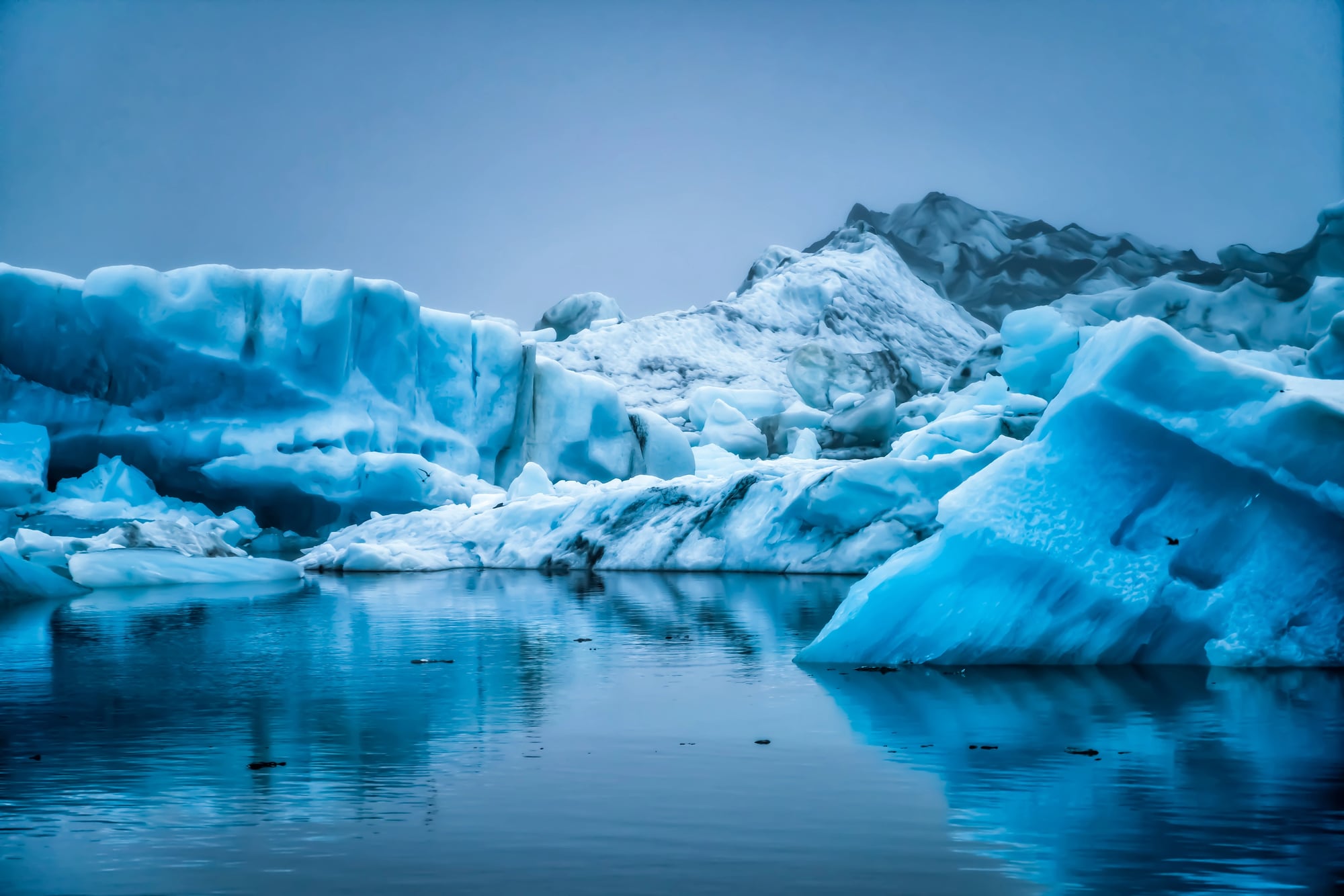
The water never sees sunlight. Four kilometers of ice press down from above.
Lake Vostok sits in darkness that has lasted fifteen million years.
Scientists didn’t even know it existed until 1996. Turns out the largest lake in Antarctica had been hiding beneath the ice sheet this entire time.
Don Juan Pond, Antarctica
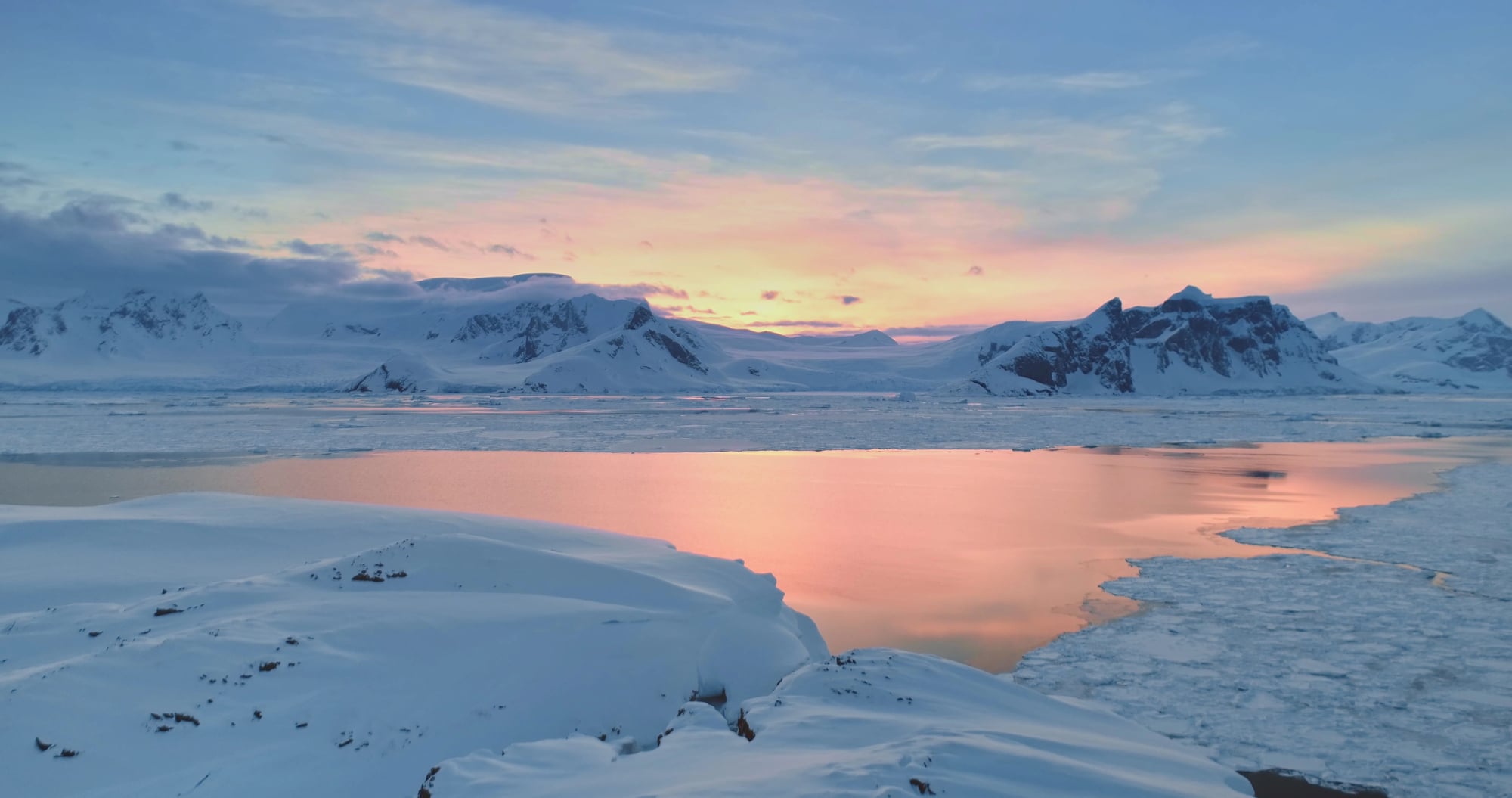
Here’s the thing about Don Juan Pond (and yes, calling it a pond when discussing extreme lakes feels like calling a hurricane a breeze, but the name stuck): it contains water so salty it never freezes, even when Antarctic temperatures plummet to -50°C.
The calcium chloride concentration reaches levels that would make the Dead Sea seem refreshing by comparison—which is saying something, considering most people can barely manage a mouthful of seawater without gagging.
And yet this tiny body of water, barely larger than a soccer field and only a few centimeters deep, has become something of a scientific obsession.
The conditions here mirror what researchers expect to find on Mars, so NASA studies this frigid little pond the way other people study vacation brochures.
The water is so dense with minerals that it feels slick between your fingers—assuming you could survive long enough in the Antarctic cold to stick your hand in it, which you absolutely should not attempt.
Lake Bonney, Antarctica
Water shouldn’t behave like this, but Lake Bonney operates by its own rules—the kind that make chemists lose sleep and rewrite textbooks.
The lake divides itself into layers as distinct as floors in a building, each one saltier and stranger than the last, and at the bottom sits water so concentrated with minerals it might as well be liquid rock.
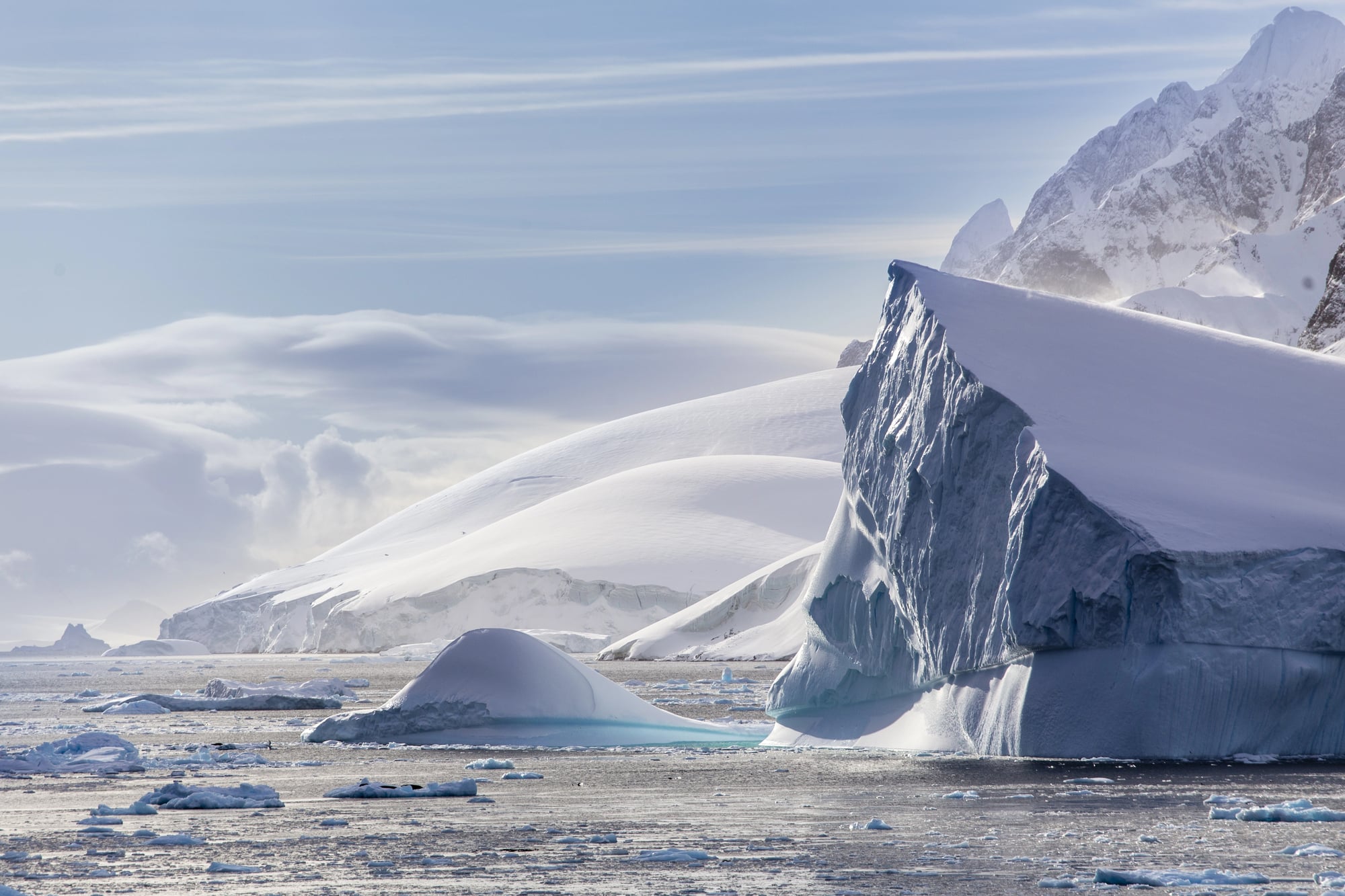
What makes this particularly unnerving is how the lake looks from above. Serene.
Almost inviting. The surface reflects the Antarctic sky like any other mountain lake might, which seems like nature playing a practical joke on anyone foolish enough to think they understand how the world works.
Laguna Colorada, Bolivia
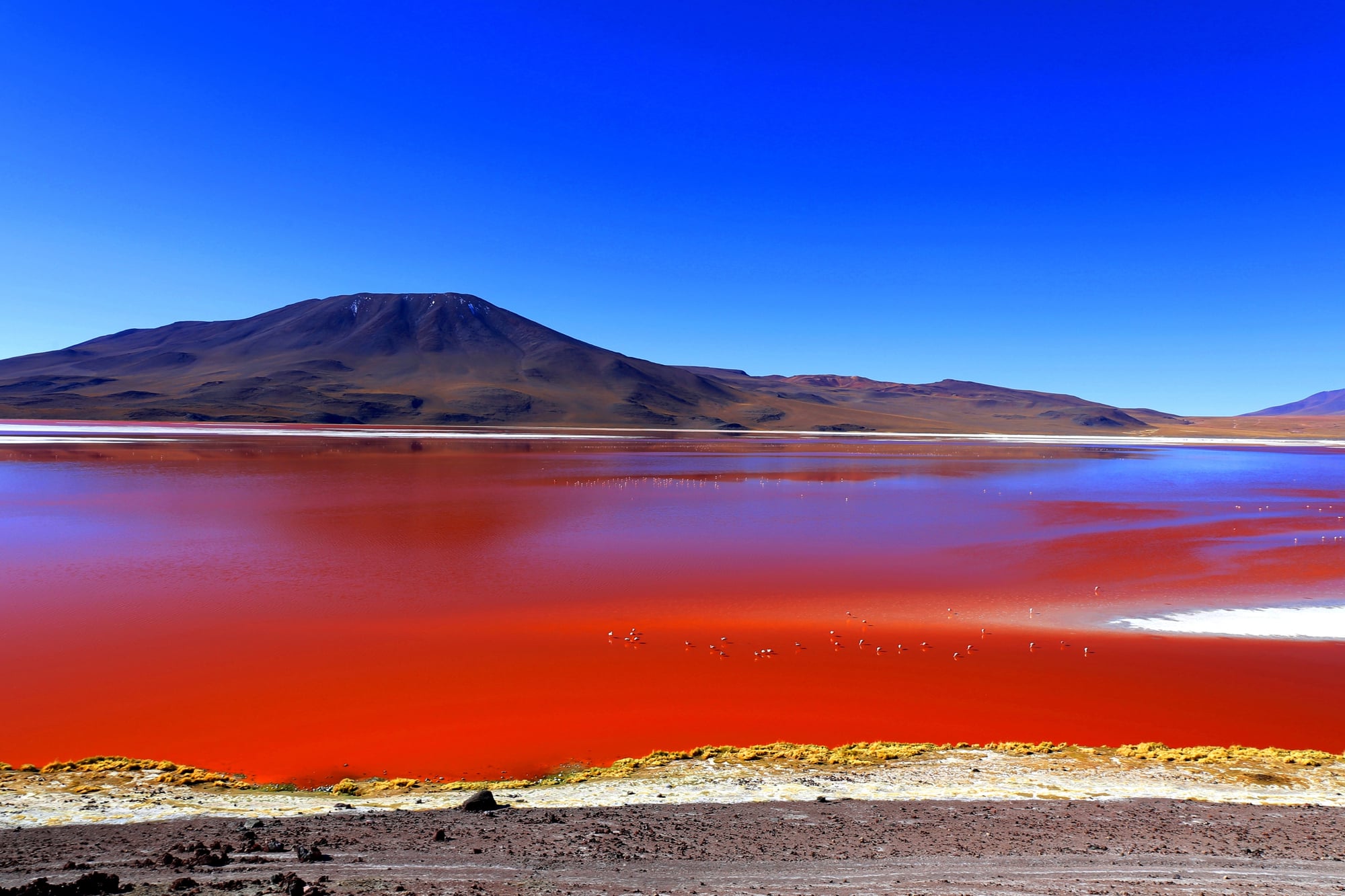
Nothing about this place suggests it should sustain life. The altitude alone—over 4,000 meters—leaves most visitors gasping for breath, and the water temperature hovers barely above freezing even during summer days.
The lake burns red. Algae and mineral deposits create a color so intense it looks like the landscape is meeting the sky.
Flamingos wade through this crimson water as if it’s the most natural thing in the world, which it probably is to them.
Boric acid concentrations here would dissolve most organic matter, but somehow the ecosystem thrives. Go figure.
Lake Vida, Antarctica
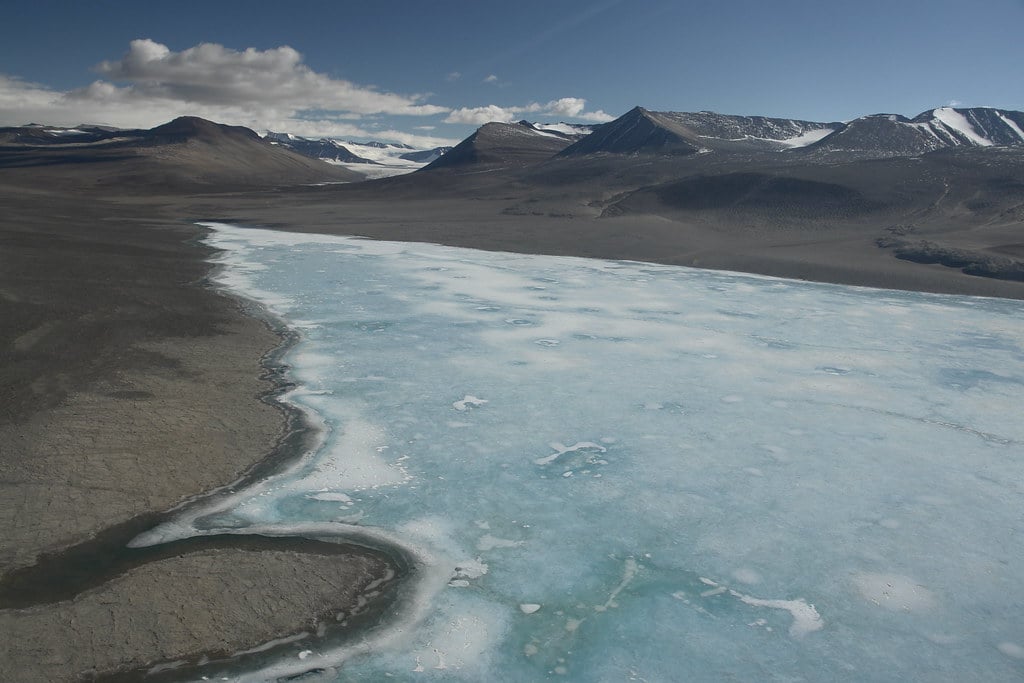
Scientists call it permanently ice-covered, but that clinical description misses the strange poetry of what’s actually happening here—a body of water that exists in a state between liquid and solid, neither fully one thing nor the other, like a conversation that got frozen mid-sentence twenty thousand years ago and never resumed.
The ice above grows thicker each year, pressing down with the patient weight of geological time, while beneath it the water holds onto secrets that predate human civilization by orders of magnitude that make history feel like yesterday’s newspaper.
The lake contains no oxygen. None.
And yet life persists in ways that challenge every assumption about what living things require to survive, as if the usual rules simply don’t apply when you venture far enough from everything familiar.
The water temperature sits at -13°C, which should be impossible for liquid water, but Lake Vida has apparently never read the textbook on what should and shouldn’t be.
Kaindy Lake, Kazakhstan
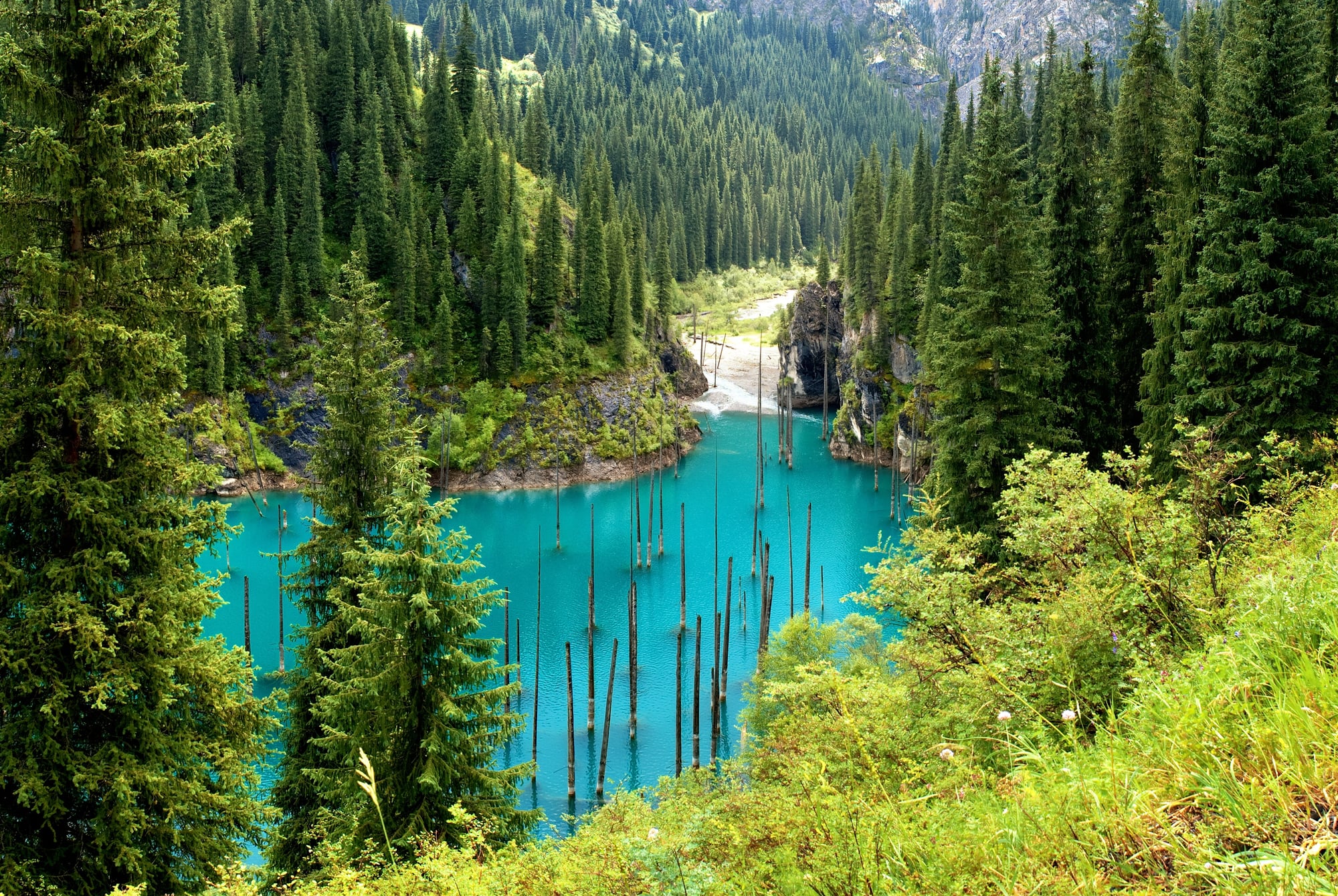
The earthquake came in 1911. Limestone blocked a river valley.
Trees that had been growing for centuries suddenly found themselves underwater, and instead of rotting away like any reasonable vegetation would do, they just stopped.
The water stays cold year-round, too cold for the usual processes of decay to take hold.
So the forest remains, perfectly preserved beneath the surface like some fairy tale gone wrong.
The tree trunks rise from the lake bottom like cathedral spires, creating an underwater landscape that doesn’t belong in this world.
You can see them through the water, these skeletal remains of a forest that used to know sunlight.
Lac De Joux, Switzerland
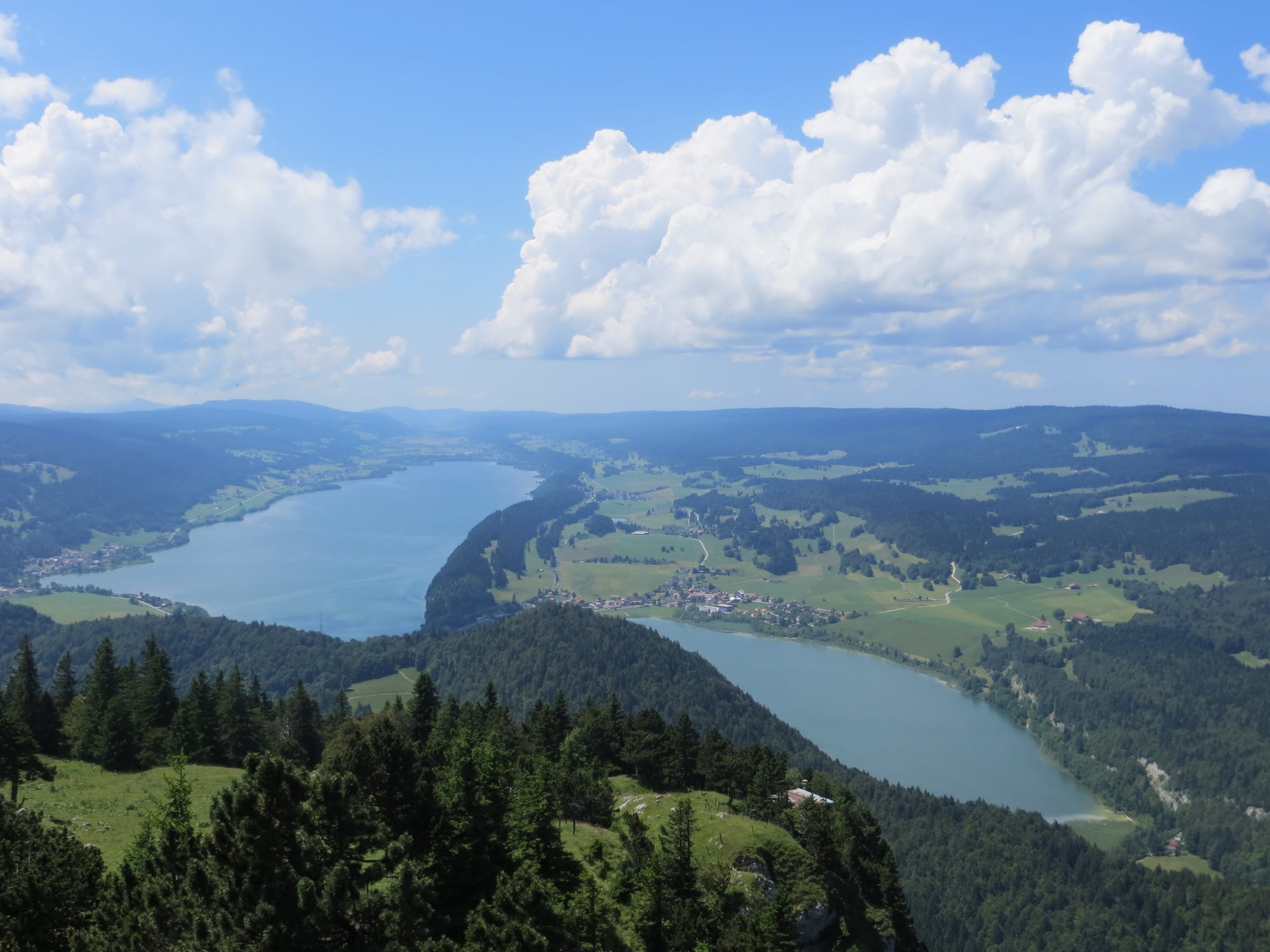
Winter transforms this alpine lake into something that barely resembles water—it becomes a solid sheet of ice thick enough to drive trucks across, while beneath that frozen surface the water temperature drops to levels that would send most lake fish into hibernation if they had any sense (which, to be fair, they do, considering most of them head for deeper waters where the temperature stays slightly more reasonable).
The lake sits at 1,004 meters elevation, which means it catches every cold wind that blows across the Jura Mountains and holds onto that chill like a grudge that never gets settled.
What makes Lac de Joux particularly stubborn is how it refuses to warm up even during summer months.
While other alpine lakes manage to reach temperatures that won’t immediately shock your system into hypothermia, this one maintains a chilly disposition that suggests it takes the whole “Swiss precision” thing a bit too seriously.
The water rarely climbs above 10°C even in July, which means swimming here requires either exceptional cold tolerance or questionable judgment—possibly both.
Great Slave Lake, Canada
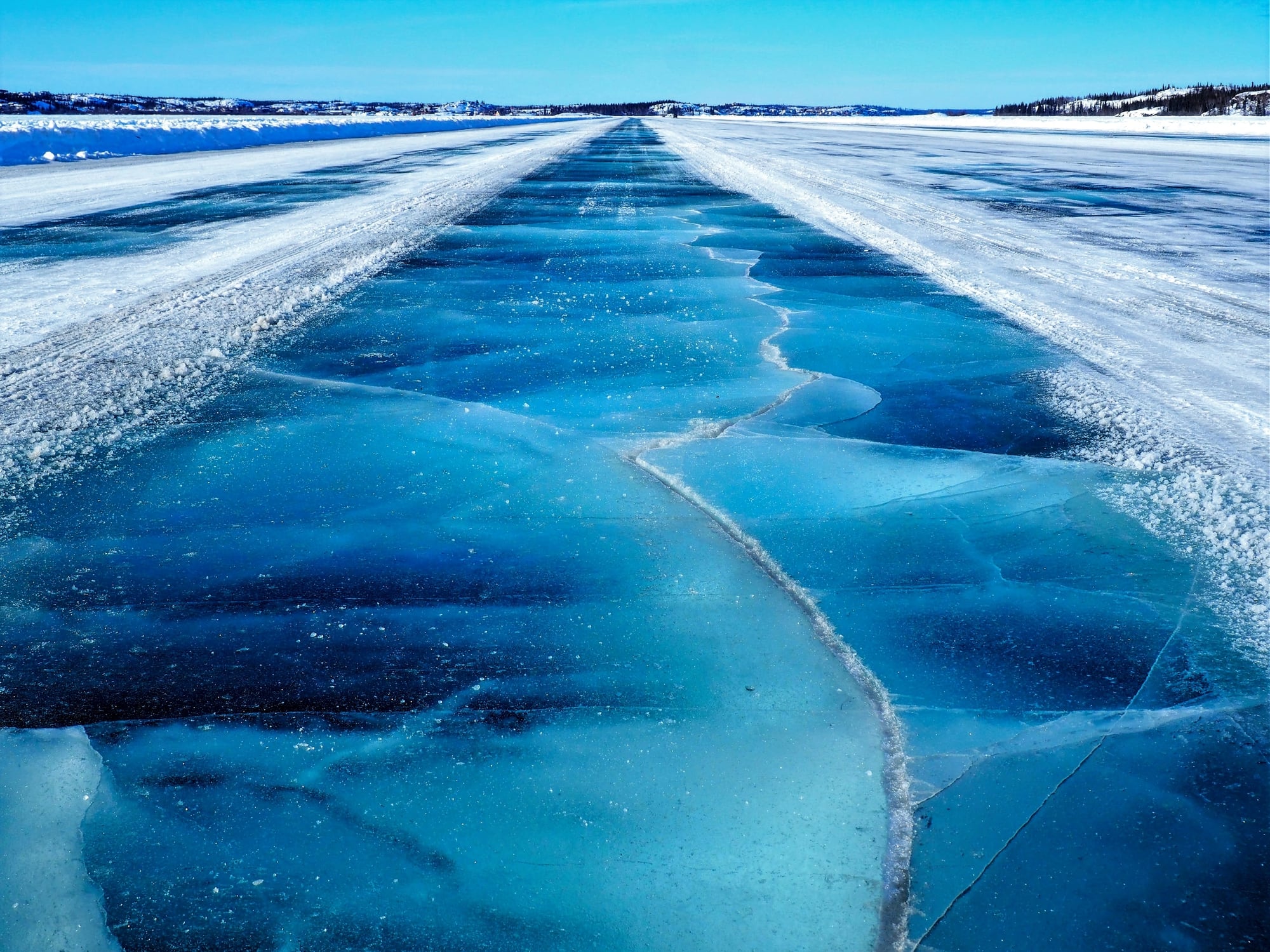
The name tells you everything about the winters here. This lake freezes solid for six months straight, ice thick enough to support transport trucks hauling cargo between remote communities that would otherwise be unreachable.
Surface temperatures in winter drop to levels that would make a freezer seem tropical.
The lake covers an area larger than Belgium, which means there’s a lot of very cold water spread across the Northwest Territories.
Ice roads across Great Slave Lake operate on schedules that depend entirely on temperature readings.
Too warm and the trucks fall through. Too early in the season and the ice hasn’t formed properly.
The margin for error doesn’t exist.
Lake Ellsworth, Antarctica
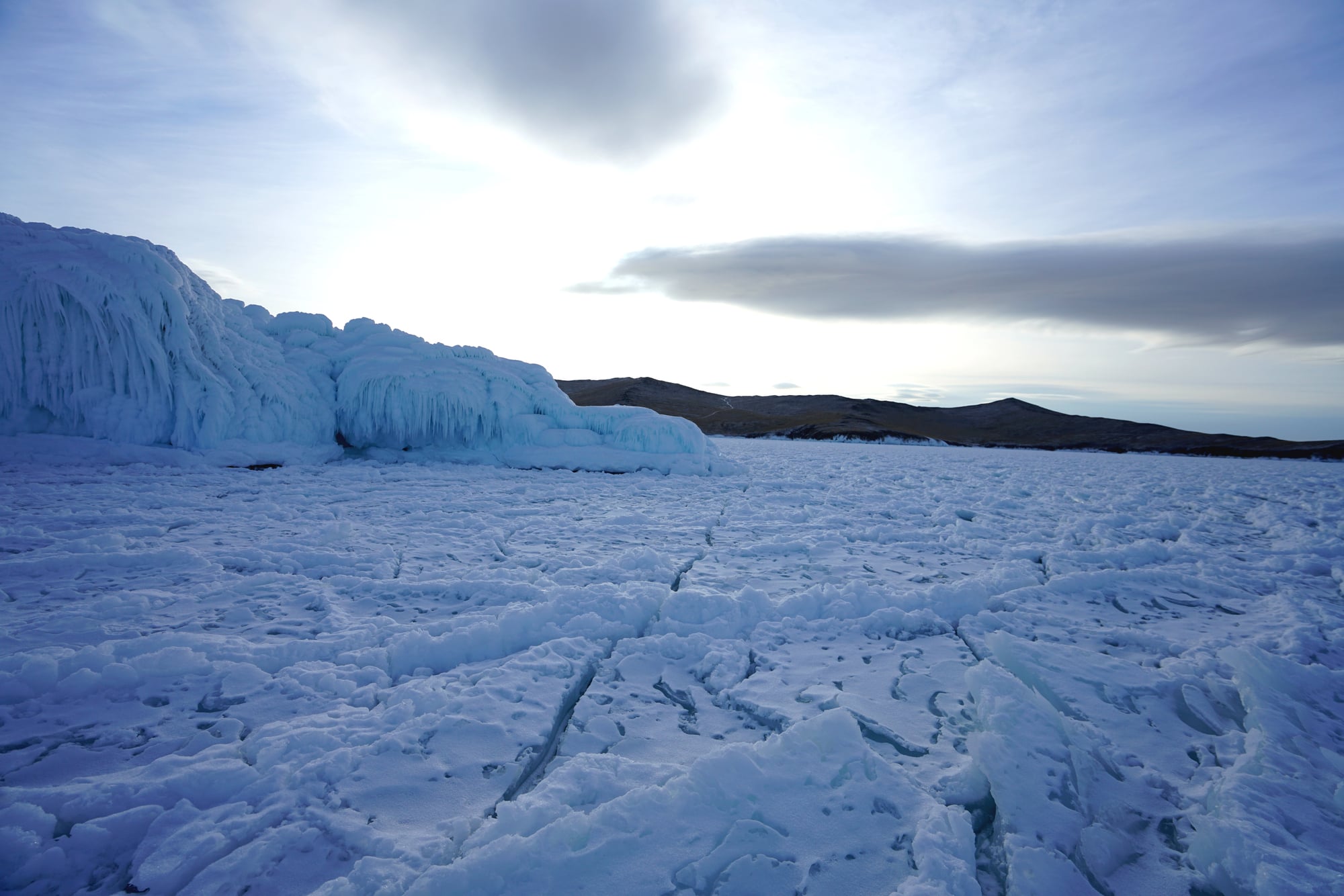
Somewhere beneath the West Antarctic ice sheet, Lake Ellsworth waits in darkness so complete it makes midnight seem bright by comparison—a body of water that has never known seasons, never felt wind across its surface, never reflected clouds or stars or anything else that might suggest it belongs to the same planet where people worry about mundane things like weather forecasts and weekend plans.
The water sits at temperatures that should freeze it solid, but the immense pressure from nearly two miles of ice above creates conditions where the normal rules of physics take on a peculiar flexibility, like a language spoken with an accent you can’t quite place.
Scientists estimate the lake has been sealed away from the outside world for somewhere between 400,000 and one million years, which puts its isolation in a time frame that makes recorded human history look like a brief footnote.
And yet recent research suggests it might contain life forms that have been evolving in complete independence from everything else on Earth—an evolutionary experiment running in perfect isolation, developing solutions to survival that no other organism has ever needed to discover.
Pingualuit Crater Lake, Canada
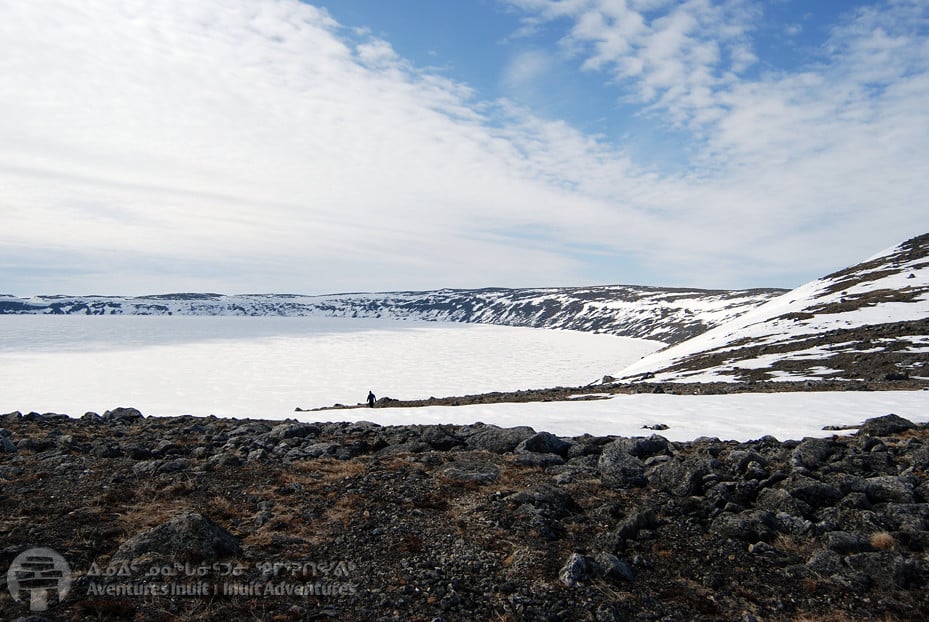
Meteorites don’t ask permission before reshaping the landscape. This one hit approximately 3.5 million years ago and left behind a perfectly circular lake in northern Quebec that stays cold enough to preserve its own history.
The water contains no fish. No plant life.
Nothing but minerals and memories of cosmic impact frozen in liquid form.
Water temperatures here rarely climb above 4°C, even during the brief Arctic summer.
The lake sits in a crater so geometrically perfect it looks artificial, which it is, depending on how you define artificial.
Lake Fryxell, Antarctica
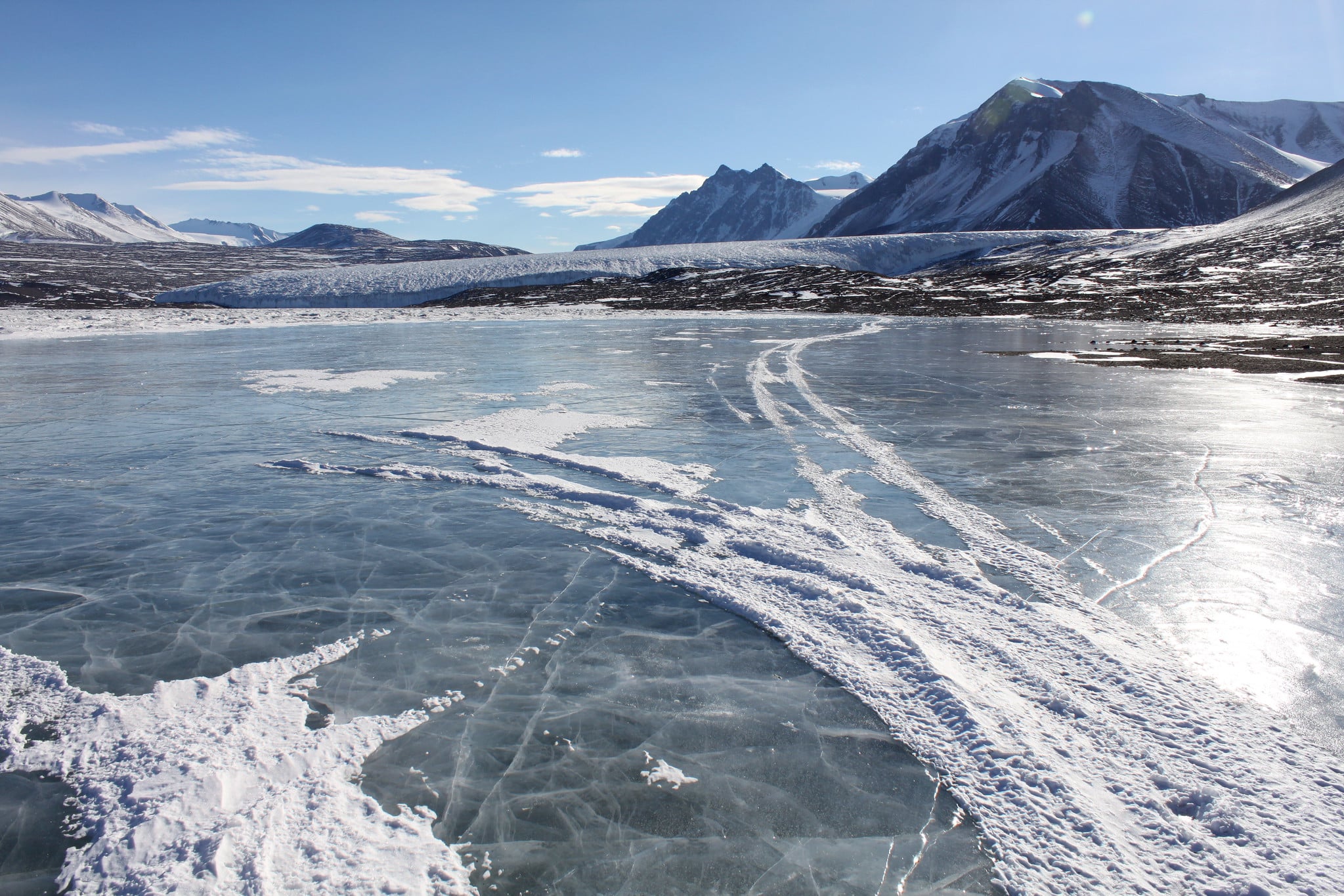
The lake exists in permanent winter. Ice covers the surface year-round, sometimes reaching four meters thick, while beneath this frozen ceiling the water moves through its own seasonal rhythms that have nothing to do with weather patterns anyone would recognize.
Different layers of water contain different communities of microorganisms, each adapted to their specific depth and chemical environment.
The bottom layer stays just above freezing, dense with minerals that have been concentrating for thousands of years.
Scientists study Lake Fryxell to understand how life adapts to conditions that shouldn’t support it.
The research continues to yield surprises.
Hazen Lake, Canada
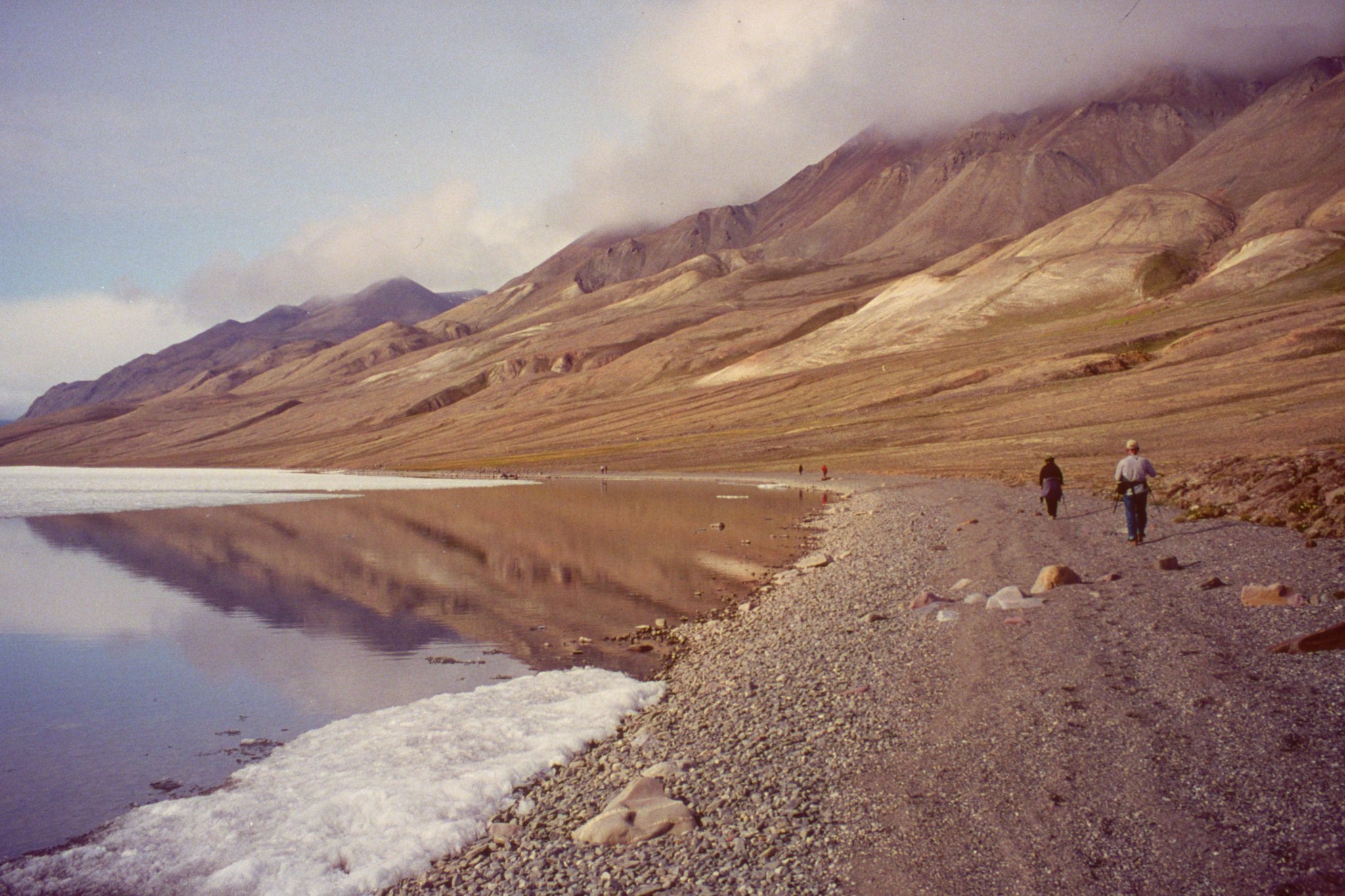
Geography dealt Hazen Lake a challenging hand: positioned at 82 degrees north latitude on Ellesmere Island, it experiences polar conditions that would make most other lakes throw in the towel and become permanent ice sheets.
The lake manages to achieve brief periods of open water during the Arctic summer—and by brief, we’re talking about a few weeks when temperatures climb high enough to melt the surface ice, revealing water so cold it makes your teeth ache just thinking about it.
But here’s what makes Hazen Lake particularly remarkable: it’s the northernmost lake of any significant size on Earth, which means it represents the absolute limit of where liquid water can exist in a stable form at these latitudes.
The surrounding landscape looks like Mars during its more hospitable moments, all rocky ground and sparse vegetation that clings to life through sheer determination.
And yet the lake persists, freezing and thawing in cycles that follow Arctic rhythms most people never experience—a reminder that water finds ways to exist even at the edges of possibility.
Lake Hoare, Antarctica
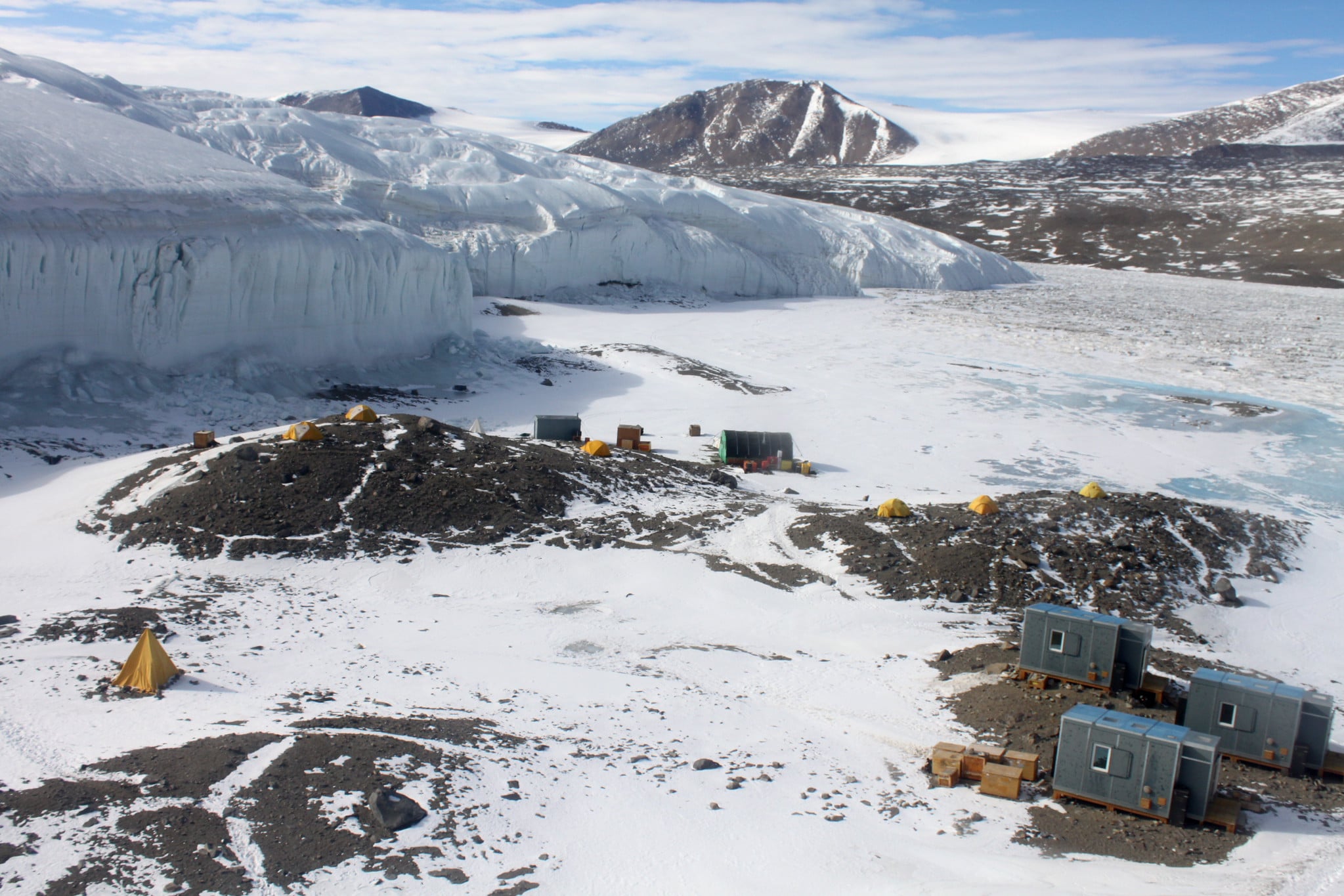
Research stations aren’t built near lakes for their scenic value. Scientists stationed at Lake Hoare endure temperatures that regularly drop below -40°C, working in conditions where exposed skin freezes in minutes.
The lake itself stays liquid beneath its ice cover, maintaining an ecosystem of microorganisms that operate in near-darkness.
Water temperatures hover just above the freezing point, sustained by geothermal activity deep below.
Field research here requires specialized equipment and emergency protocols that assume everything will go wrong at the worst possible moment.
Where Cold Water Writes Its Own Rules
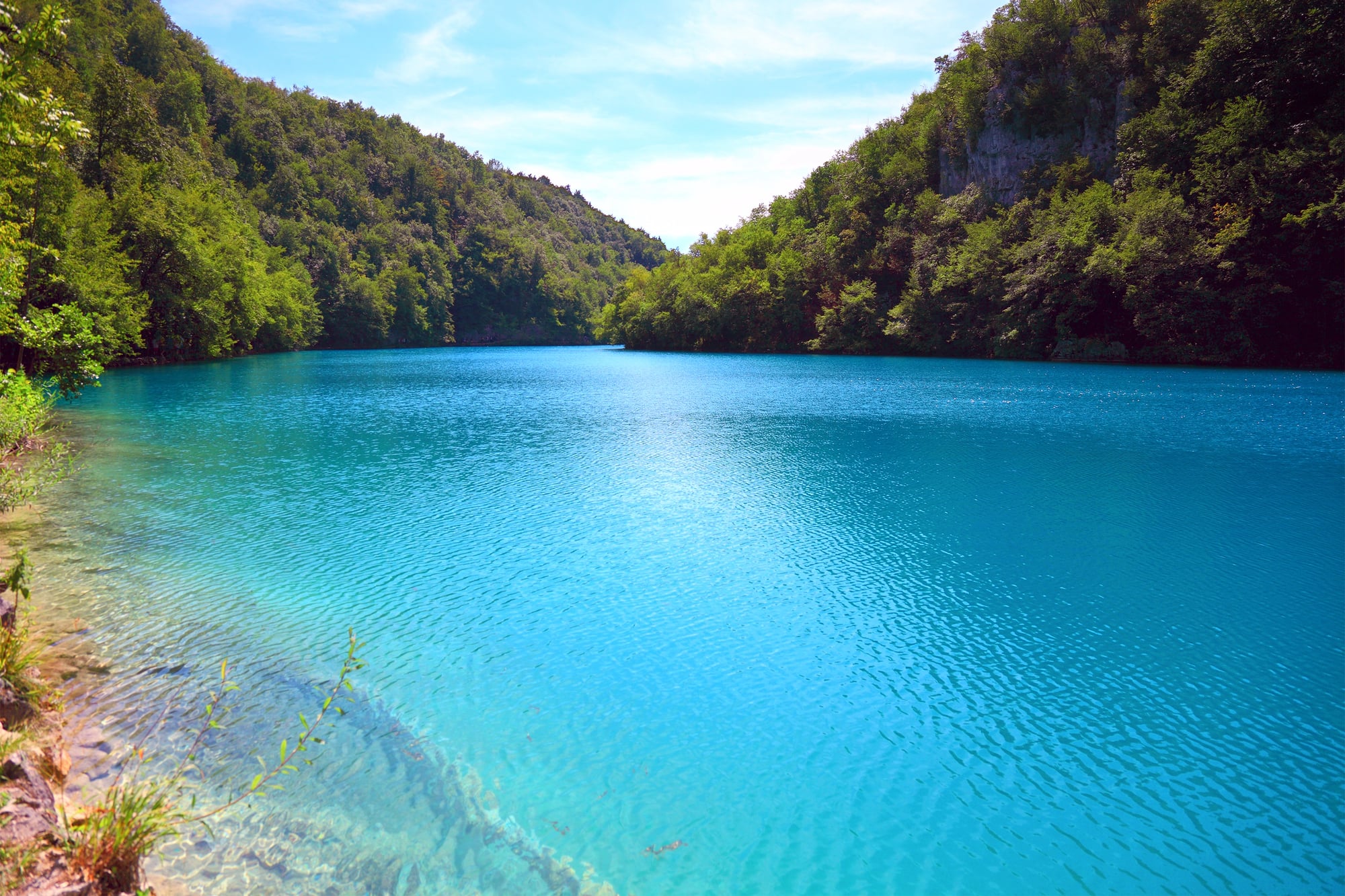
These lakes exist at the margins of what seems possible, places where water refuses to behave according to the gentle rules that govern the bodies of water we know from postcards and vacation memories.
They remind us that our planet still holds secrets—vast, cold secrets that challenge our assumptions about where life can take hold and how it persists against odds that should be insurmountable.
Each one represents a different experiment in survival, a unique solution to the problem of existing in conditions that would eliminate almost everything else.
And perhaps that’s what makes them so compelling: they prove that even in the most inhospitable corners of Earth, water finds a way to remain liquid, to harbor life, to continue the ancient conversation between chemistry and possibility that has been running since the world began.
More from Go2Tutors!

- The Romanov Crown Jewels and Their Tragic Fate
- 13 Historical Mysteries That Science Still Can’t Solve
- Famous Hoaxes That Fooled the World for Years
- 15 Child Stars with Tragic Adult Lives
- 16 Famous Jewelry Pieces in History
Like Go2Tutors’s content? Follow us on MSN.