Photos of Horror Characters With and Without Makeup
Horror movies live on transformation. An actor walks on set looking like an ordinary human being and walks off the makeup chair looking like something out of a nightmare.
For years, makeup artists have been using prosthetics, paint, latex, and clever lighting to create some of cinema’s most iconic monsters. What makes these monsters so interesting is that there is a huge contrast between how they were transformed to be on screen and who they really were when they took off that makeup.
When they took off that makeup, they were quite ordinary. Take a look at some of the most iconic monsters from horror movies and compare how they were when they were on set and who they really were.
Pennywise — It
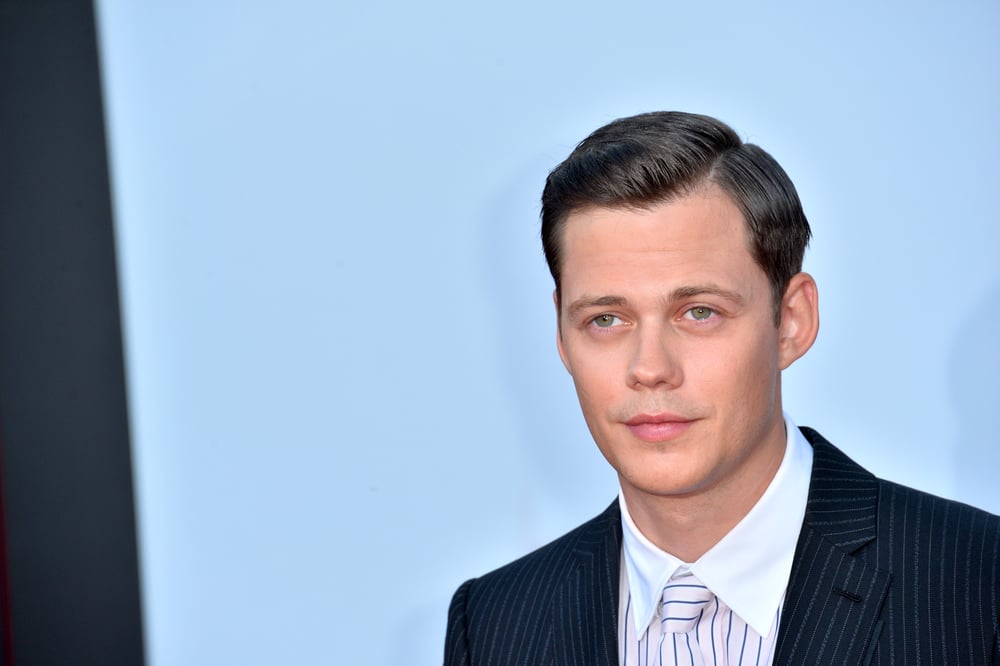
Pennywise the Dancing Clown became one of the most recognizable horror characters in modern cinema. In the 2017 adaptation of It, actor Bill Skarsgård transformed into the unsettling clown with pale skin, bright red lines across his face, and exaggerated yellow eyes.
The makeup team used prosthetics and bold color contrasts to create Pennywise’s eerie expression. Combined with Skarsgård’s unsettling facial movements and voice, the character became instantly iconic.
Without the makeup, however, Skarsgård looks almost unrecognizable compared with the creature on screen. The transformation highlights how much performance and artistry go into building a character that audiences remember long after the credits roll.
Freddy Krueger — A Nightmare on Elm Street
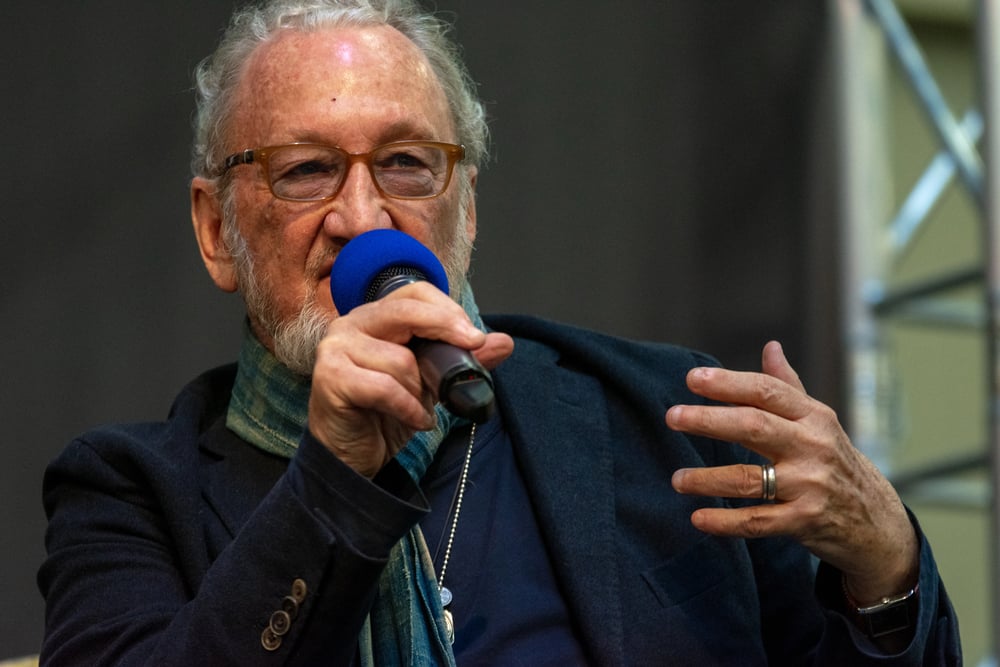
Freddy Krueger’s scarred face is one of the most famous designs in horror film history. Portrayed by Robert Englund, the character’s burned appearance required hours of prosthetic work before filming each scene.
Layers of foam latex were carefully applied to create Freddy’s distinctive textured skin. The makeup team worked to produce a look that was disturbing while still allowing Englund to move his facial muscles during dialogue.
Once the prosthetics were removed, Englund returned to looking like a regular actor rather than a dream-haunting villain. The contrast between the terrifying character and the calm performer behind it often surprises viewers who only know Freddy from the films.
Michael Myers — Halloween
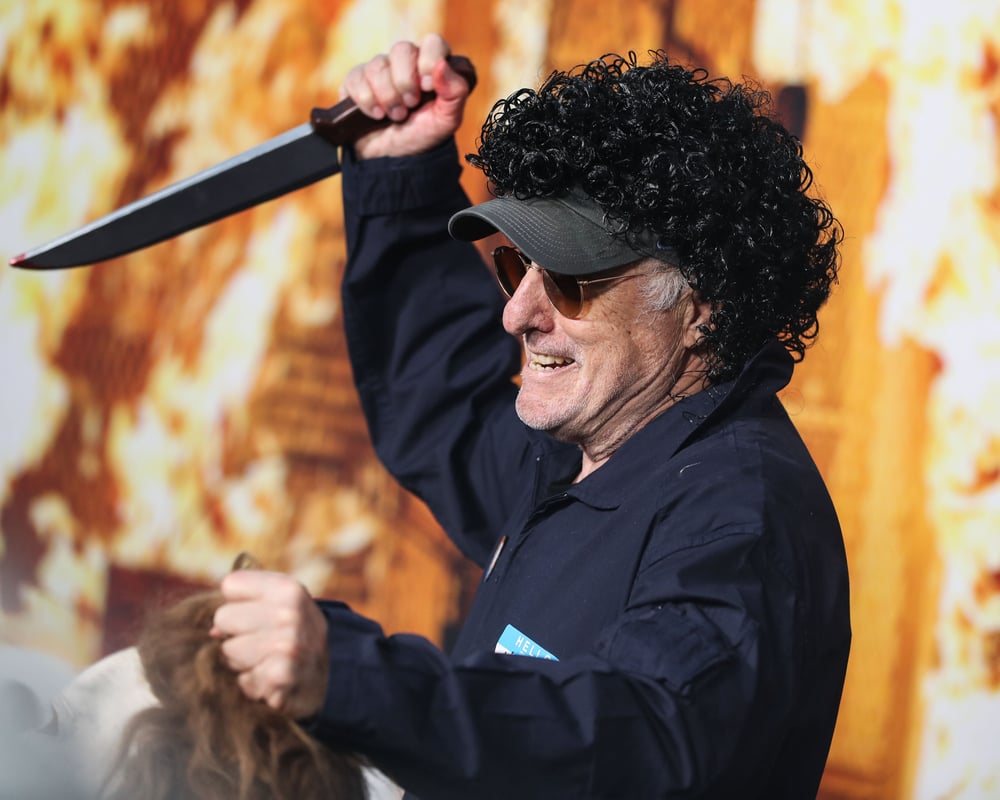
Michael Myers is unusual among horror villains because the character relies less on makeup and more on a simple mask. Actor Nick Castle originally portrayed the silent figure in the 1978 film Halloween.
The famous white mask was actually modified from a common store-bought prop before filming began. Its blank expression helped create the emotionless presence that made the character so unsettling.
When the mask is removed behind the scenes, the transformation is dramatic. The quiet, ordinary-looking actor beneath the mask reminds viewers that sometimes the most frightening characters rely on simplicity rather than elaborate effects.
Jason Voorhees — Friday the 13th
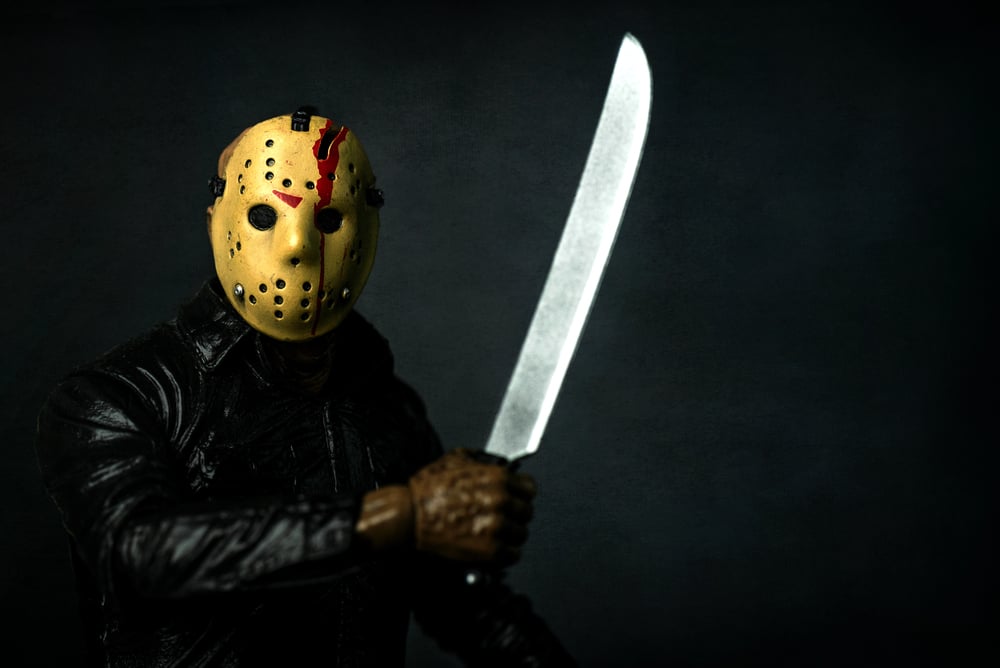
Jason Voorhees evolved significantly across the Friday the 13th series. Early appearances featured heavy prosthetic makeup that created the character’s distorted facial features before the iconic hockey mask became standard.
Makeup artists built layers of prosthetics to give Jason an unnatural, rugged appearance that matched the character’s violent reputation. The combination of mask and makeup helped establish Jason as one of the most recognizable villains in horror cinema.
Without the costume and effects, the actors who portrayed Jason looked nothing like the imposing figure audiences saw on screen. The transformation demonstrates how costume design and makeup combine to shape a character’s identity.
The Nun — The Conjuring Universe
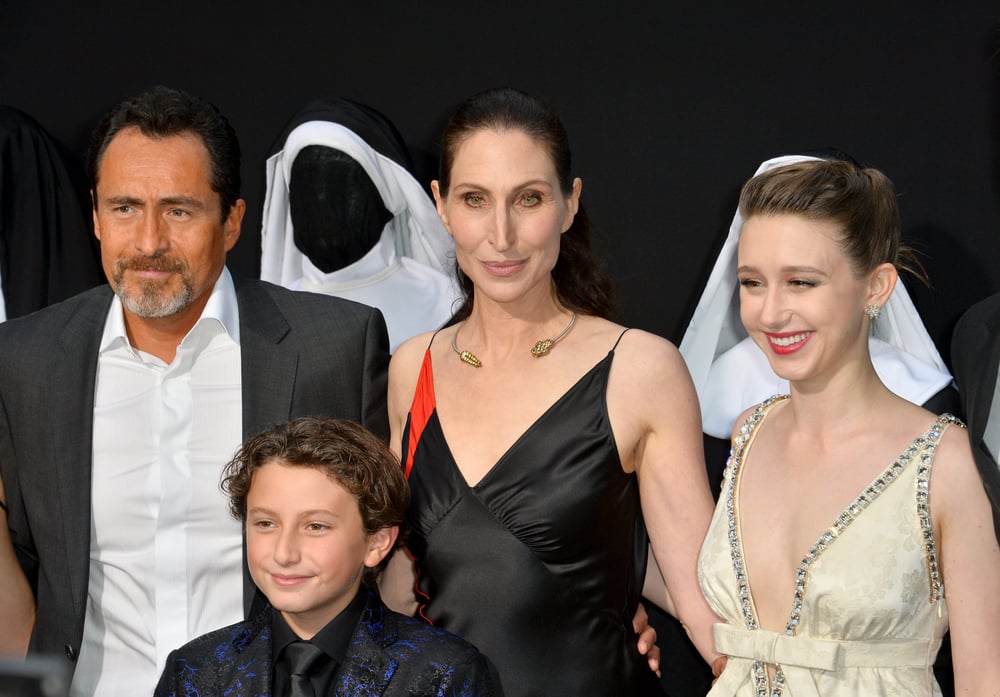
The demonic nun introduced in The Conjuring 2 and later films quickly became a standout figure in modern horror. Actress Bonnie Aarons played the role beneath dramatic makeup designed to create hollow eyes and a haunting expression.
Dark shading around the eyes and subtle prosthetics altered Aarons’ features enough to create an unsettling presence without completely hiding her face. Lighting and camera angles further enhanced the character’s eerie look.
Once the makeup is removed, Aarons appears far less intimidating than the character audiences remember. The difference between the two versions highlights the careful design choices behind modern horror visuals.
Pinhead — Hellraiser
Pinhead from the Hellraiser series remains one of the most distinctive horror villains ever created. Actor Doug Bradley wore an elaborate prosthetic makeup design that included a grid pattern across the head with evenly spaced pins.
Applying the full makeup often required several hours before filming could begin. Each piece had to be positioned precisely to maintain the character’s symmetrical appearance.
Without the prosthetics, Bradley appears completely different from the imposing figure known as the leader of the Cenobites. The transformation illustrates the extraordinary craftsmanship involved in practical effects makeup.
The Pale Man — Pan’s Labyrinth

One of the most unsettling creatures in Guillermo del Toro’s Pan’s Labyrinth is the Pale Man, portrayed by actor Doug Jones. The character’s eerie appearance included sagging skin, elongated limbs, and unusual facial design.
The makeup team used extensive prosthetics and costume pieces to reshape Jones’ body into the creature’s strange silhouette. Special contact lenses and careful lighting enhanced the unsettling effect.
Behind the scenes, Jones appears nothing like the monster he portrayed. Known for playing numerous creature roles, he demonstrates how physical acting combined with makeup can create unforgettable screen characters.
The Demogorgon — Stranger Things
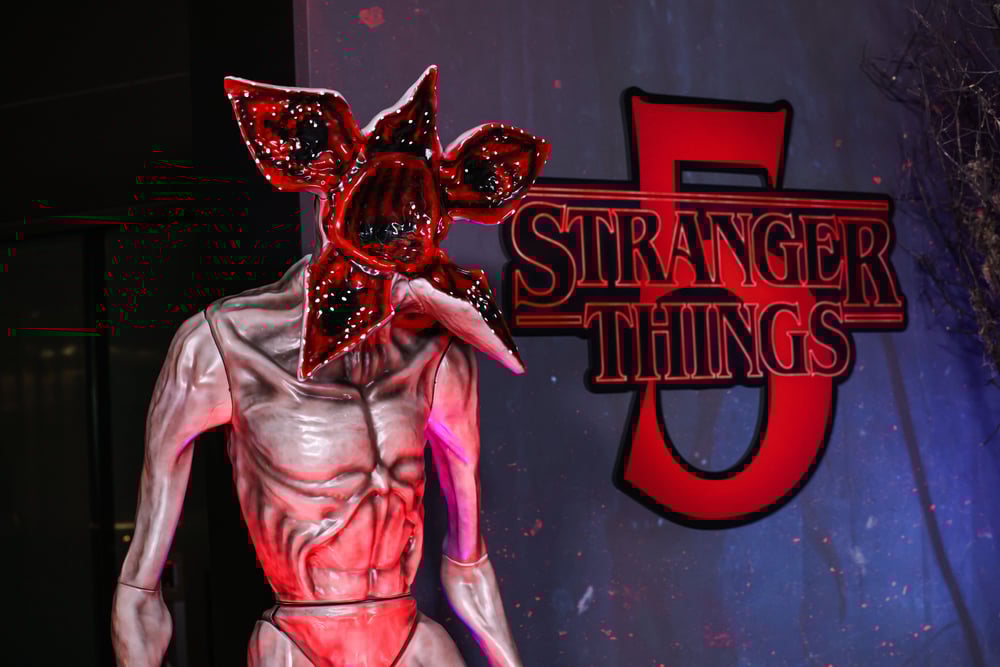
Although Stranger Things blends science fiction with horror elements, the Demogorgon quickly became a nightmare-inducing figure for many viewers. The creature’s flower-like head and towering presence required a combination of costume design and visual effects.
For close-up scenes, performers wore practical suits that allowed the creature to move realistically. Makeup artists and designers worked together to maintain a balance between physical effects and digital enhancements.
Without the full creature suit and visual effects, the performers look entirely different from the towering monster seen on screen. The transformation highlights the collaboration between practical makeup and modern technology.
Leatherface — The Texas Chain Saw Massacre
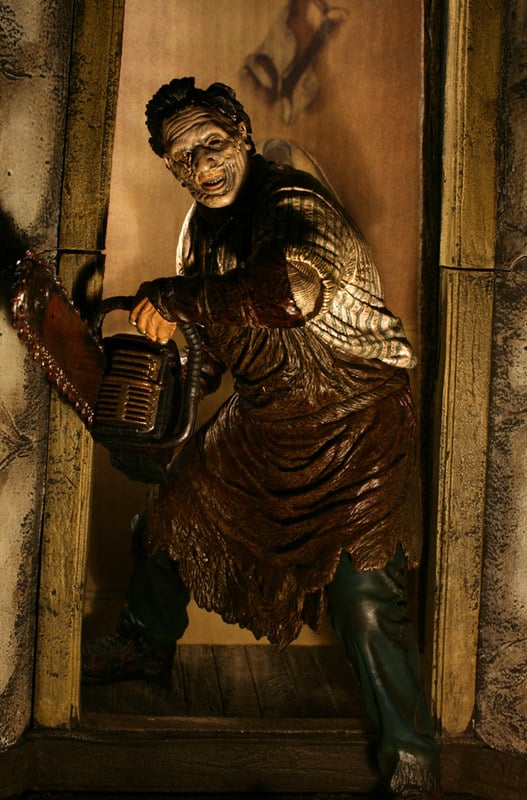
Leatherface became infamous for the unsettling mask worn throughout the original The Texas Chain Saw Massacre. Actor Gunnar Hansen portrayed the character in the 1974 film, combining physical performance with disturbing costume design.
The mask design helped create the character’s unpredictable personality and frightening presence. Unlike some horror villains, Leatherface relied heavily on body language and movement rather than dialogue.
Once the costume and mask were removed, Hansen appeared completely different from the character that terrified audiences. The contrast shows how costume design can completely reshape a performer’s identity on screen.
Regan — The Exorcist
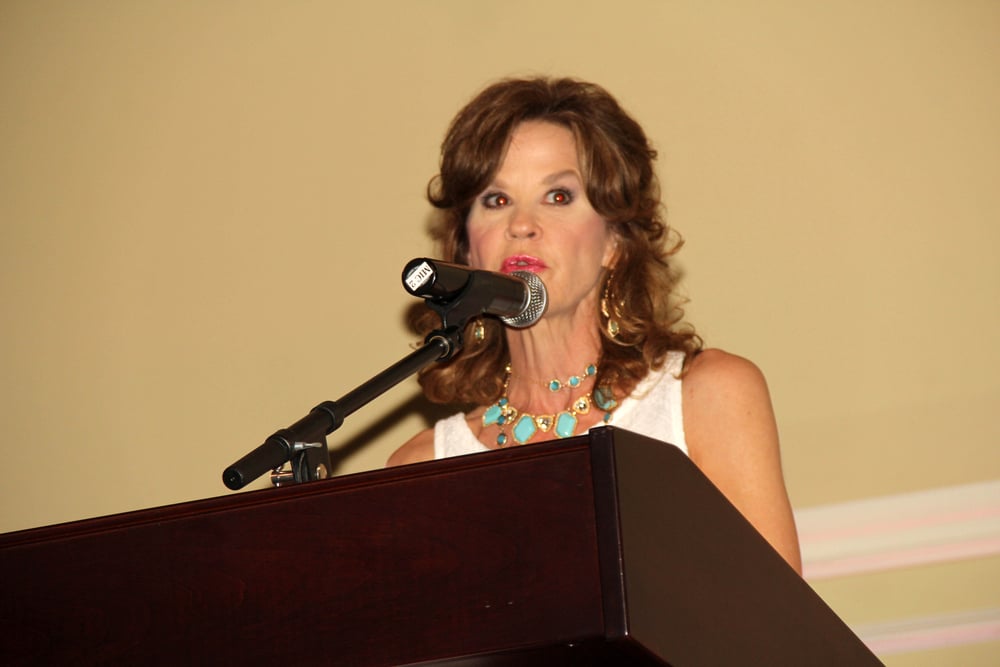
Regan MacNeil from The Exorcist remains one of the most disturbing transformations in horror cinema. Actress Linda Blair portrayed the possessed character with the help of elaborate makeup and practical effects.
The makeup team created layered prosthetics that changed Blair’s appearance as the story progressed. As the possession intensified, the character’s look became increasingly unsettling.
Behind the scenes, Blair appeared as an ordinary young performer, far removed from the frightening figure seen in the film. The dramatic difference remains one of the most memorable transformations in horror movie history.
The Art Behind the Monsters

Horror movie characters tend to stick with viewers well after the movie is over, but it is often hours of work behind the scenes that creates the frightening look of the actor’s character. Makeup artists, costume designers, and lighting experts all work with actors to create believable characters for horror movies.
While computer enhancements may be used in modern horror movies to help create the look of the actors’ characters, makeup is still an integral part of creating believable characters for horror movies. The contrast between the actor and his or her character is something that continues to intrigue fans of horror movies.
More from Go2Tutors!

- The Romanov Crown Jewels and Their Tragic Fate
- 13 Historical Mysteries That Science Still Can’t Solve
- Famous Hoaxes That Fooled the World for Years
- 15 Child Stars with Tragic Adult Lives
- 16 Famous Jewelry Pieces in History
Like Go2Tutors’s content? Follow us on MSN.