20 Epic Marathon Races Few People Remember
Marathon racing has a rich history far beyond the familiar tales of Boston, New York, and Olympic glory. The 26.2-mile journey has produced countless dramatic moments, record-breaking performances, and extraordinary human stories that have somehow slipped from our collective memory.
Here is a list of 20 epic marathon races that deserve to be remembered for their incredible impact, unusual circumstances, or remarkable participants.
Polytechnic Marathon

Once Britain’s premier marathon, the Polytechnic Marathon ran from Windsor Castle to London from 1909 to 1996. This historic race established the modern marathon distance of 26.2 miles during the 1908 London Olympics when the course was extended so the royal family could watch from Windsor Castle.
Despite its pivotal role in standardizing the marathon distance, few runners today know of its existence.
Košice Peace Marathon

Founded in 1924, Slovakia’s Košice Peace Marathon stands as the oldest marathon in Europe and the second oldest in the world after Boston. The race continued through both World Wars and Soviet occupation, becoming a symbol of continuity and perseverance.
Its winners include some of the greatest distance runners of the 20th century, though it rarely gets mentioned alongside more commercially successful events.
Like Go2Tutors’s content? Follow us on MSN.
Comrades Ultra Marathon

While technically an ultramarathon at 56 miles, South Africa’s Comrades Marathon began in 1921 to honor WWI veterans and became a powerful symbol during apartheid. The 1975 race saw Vincent Rakabaele become the first Black winner during the height of racial segregation.
His victory came without official recognition due to apartheid policies, yet it represented a pivotal moment in South African sporting history.
Original Greek Olympic Marathon
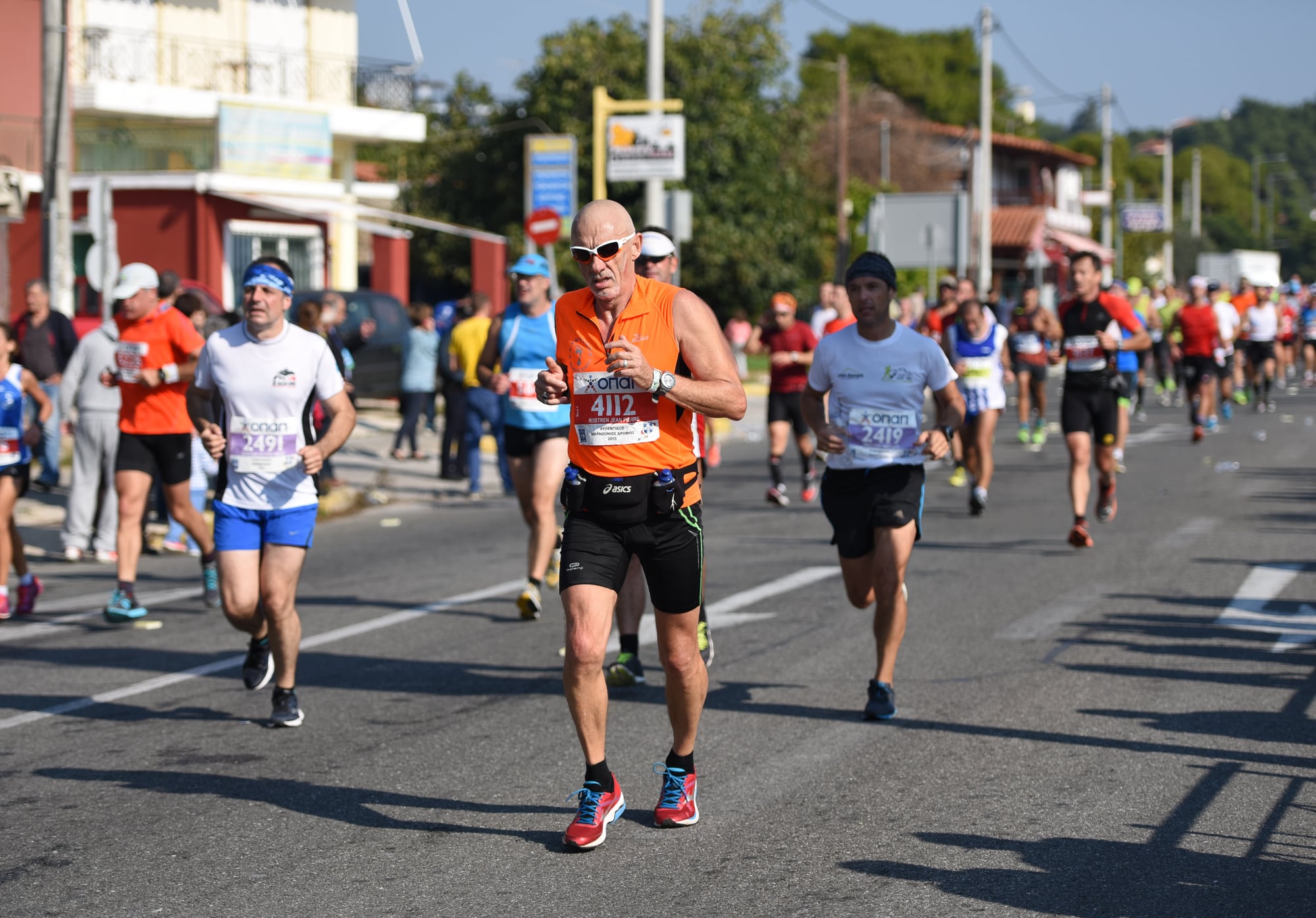
The 1896 revival of the Olympic Games featured a marathon course following the legendary route of Pheidippides from Marathon to Athens. Greek water carrier Spyridon Louis became a national hero by winning the inaugural Olympic marathon.
The victory sparked such national pride that Louis reportedly received offers of free meals and haircuts for life throughout Greece.
Fukuoka Marathon

Japan’s Fukuoka Marathon was once considered the unofficial world championship of marathon running before big-money races dominated the scene. From the 1960s through the 1980s, winning at Fukuoka meant more to elite runners than most other victories.
The race’s strict invitation-only policy ensured fields of unparalleled quality but limited its broader recognition.
Like Go2Tutors’s content? Follow us on MSN.
Polytechnic Chiswick to Windsor
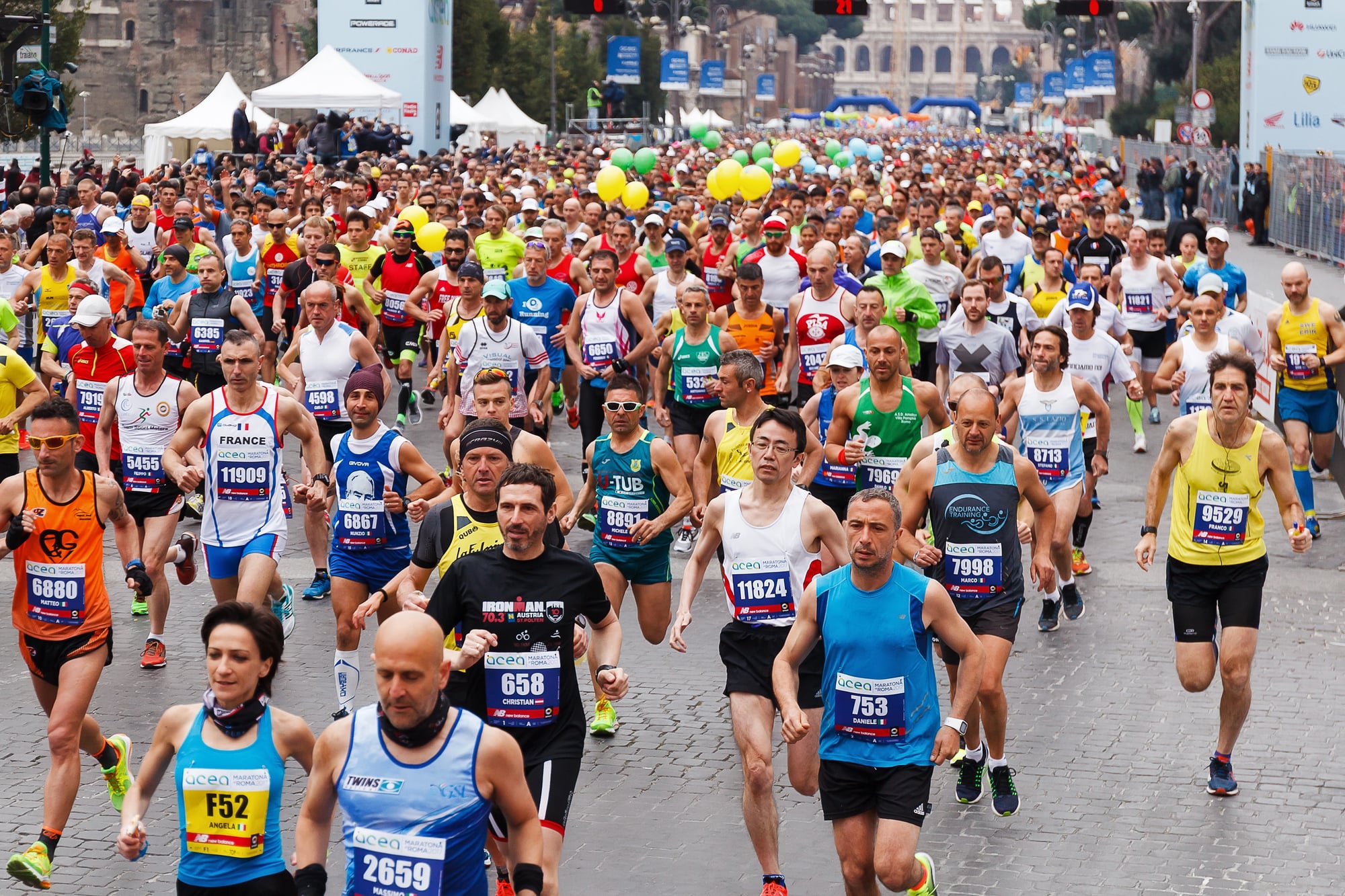
The unusual ‘wrong way’ Polytechnic Marathon from Chiswick to Windsor occasionally ran in the reverse direction of the standard course. The 1953 edition featured Jim Peters setting a world record of 2:20:42, the first sub-2:25 marathon in history.
Peters’ groundbreaking achievement revolutionized marathon training, introducing higher-mileage preparation that remains standard practice today.
Yonkers Marathon
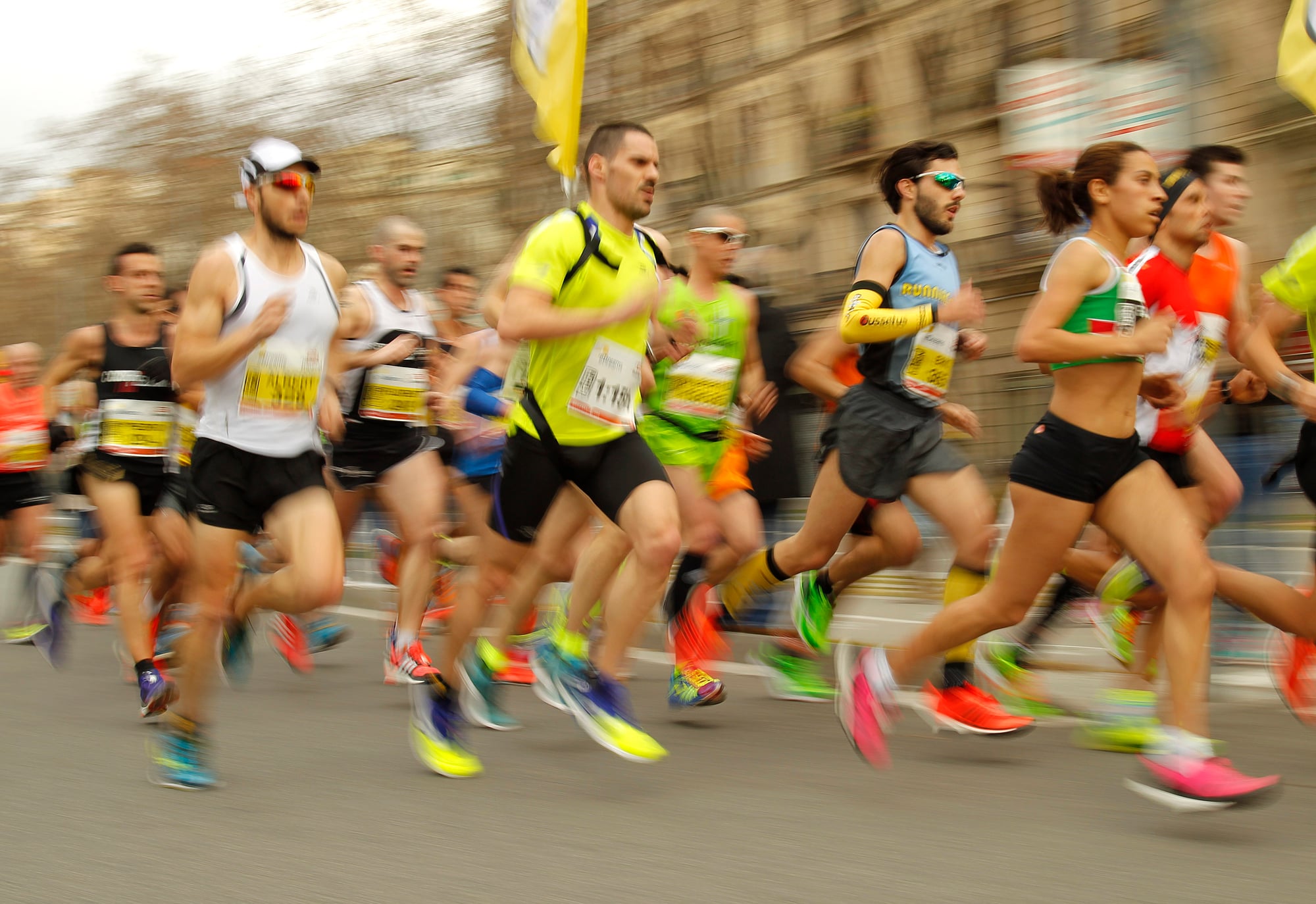
The Yonkers Marathon in New York began in 1907, making it the second-oldest marathon in the U.S. after Boston. The race once served as the national championship marathon and Olympic qualifier on a notoriously hilly course.
Ted Corbitt, the father of American ultrarunning and the first African American Olympic marathoner, won this grueling race multiple times in the 1950s.
Sandgate to London

The 1913 Sandgate to London race became famous when suffragette activists disrupted the event to bring attention to women’s voting rights. Several protesters jumped onto the course and unfurled banners demanding equality for women.
The race unintentionally became part of political history, highlighting how marathon courses often served as platforms for social movements.
Like Go2Tutors’s content? Follow us on MSN.
Port Elizabeth to Capetown
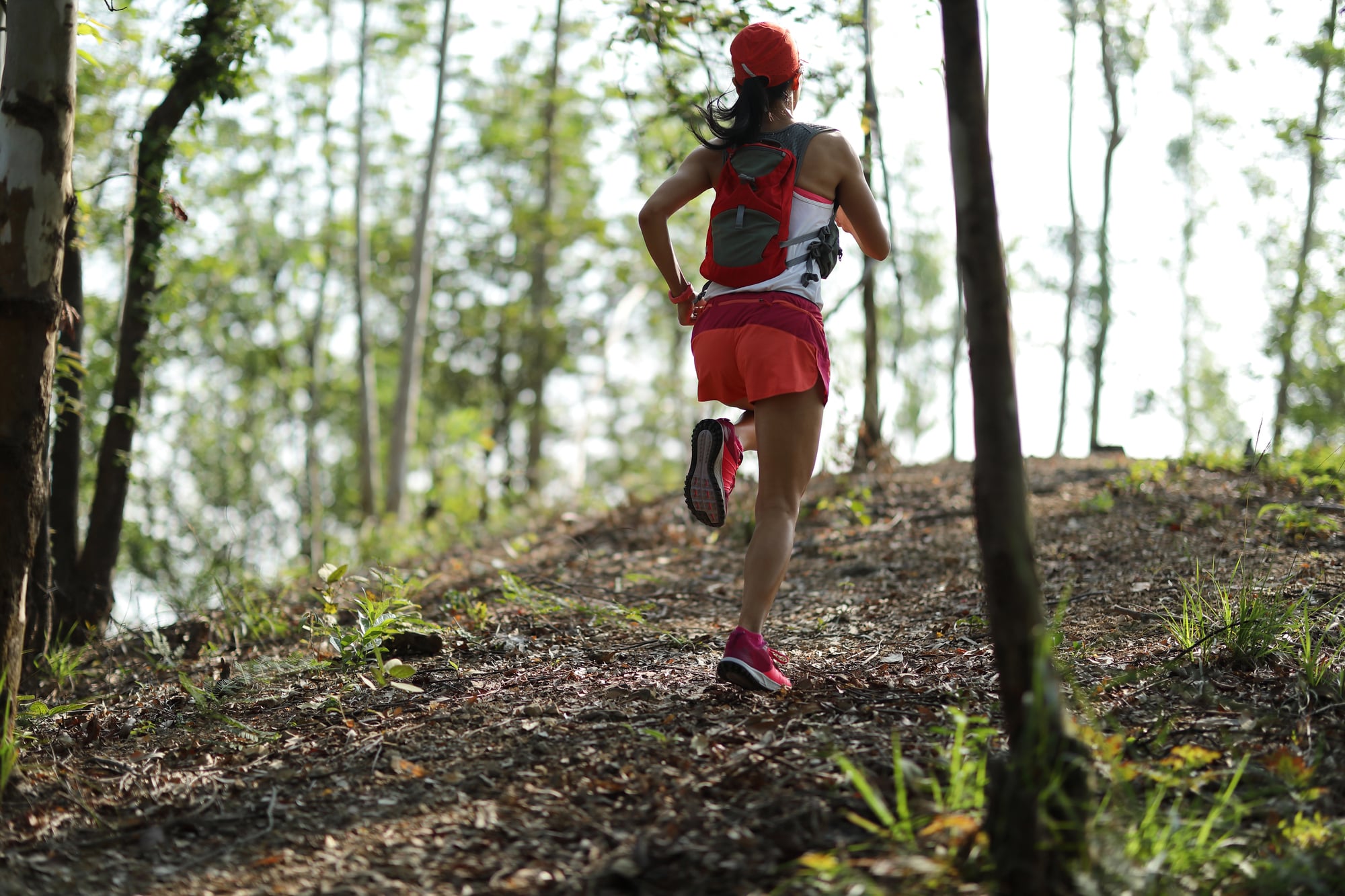
This brutal 543-mile South African ultramarathon ran from 1970 to 2001, with competitors given 10 days to complete the journey. The 1980 race featured an epic battle between two legends of ultra-distance running, Cliff Young and Tony Rafferty.
Despite its incredible physical demands and the legendary status of its competitors, the event has largely faded from memory outside of ultrarunning circles.
Lake Biwa Mainichi Marathon
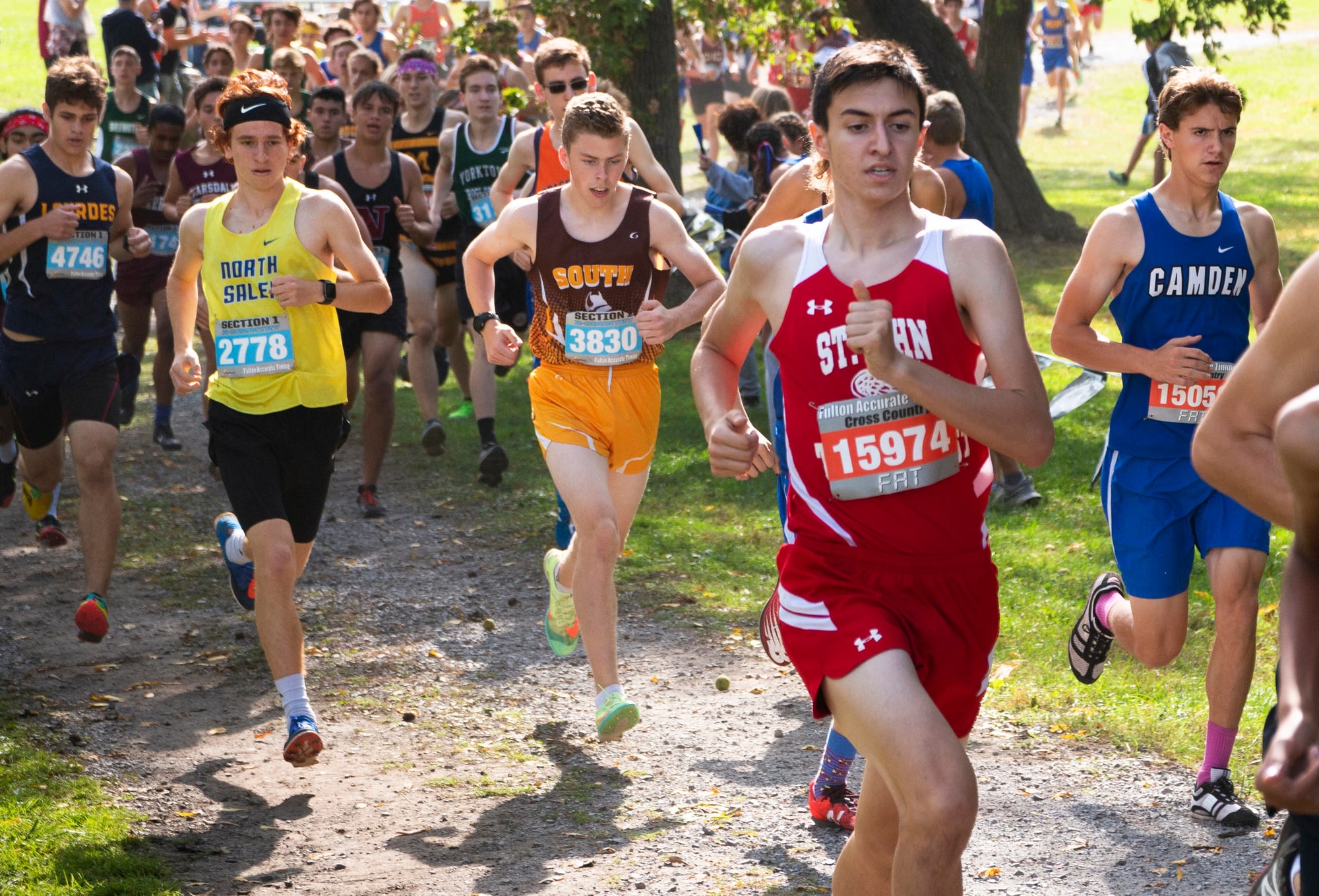
Japan’s Lake Biwa Marathon began in 1946, shortly after WWII, becoming a symbol of the nation’s recovery. The race produced multiple world records in the 1960s and 1970s despite receiving little attention outside Japan.
The 1981 edition saw Japan’s Toshihiko Seko defeat world record holder Rob de Castella in a tactical masterpiece still studied by running coaches.
Enschede Marathon
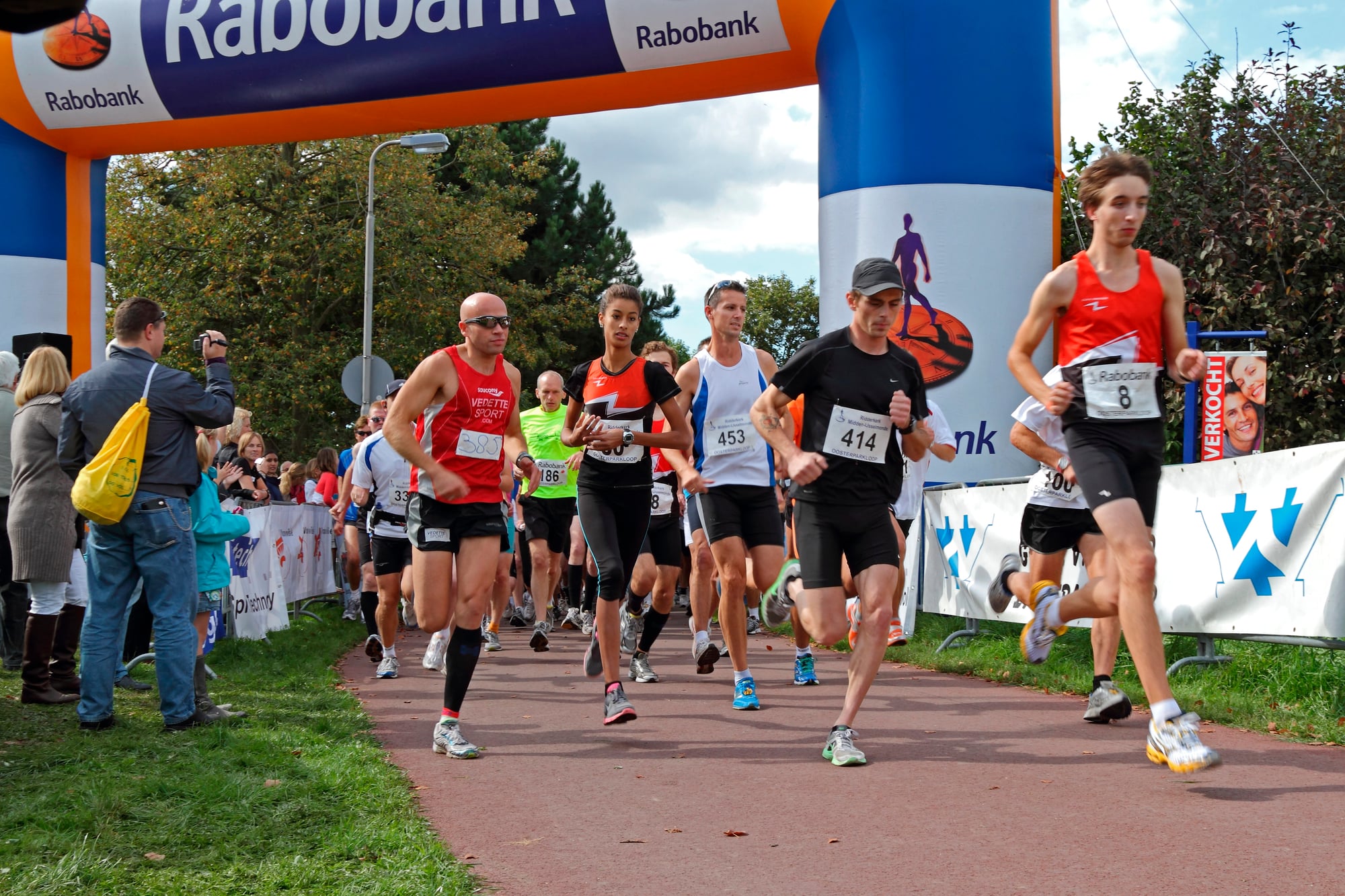
The Dutch Enschede Marathon holds the distinction of hosting Ethiopian Abebe Bikila’s first international marathon victory before his barefoot Olympic triumph. The race provided a testing ground for many African runners entering the European circuit in the 1960s.
Despite its role in showcasing emerging talent, the race remains overshadowed by larger marathon events.
Like Go2Tutors’s content? Follow us on MSN.
Beppu-Oita Mainichi Marathon

This Japanese race features an unusual point-to-point coastal course with often unpredictable weather conditions. The 1978 edition saw Japanese runner Shigeru So set an unexpected world best performance that stood for less than a month.
The rapid turnover of records during this period reflected the increasingly professional approach to marathon racing emerging worldwide.
Macao Marathon
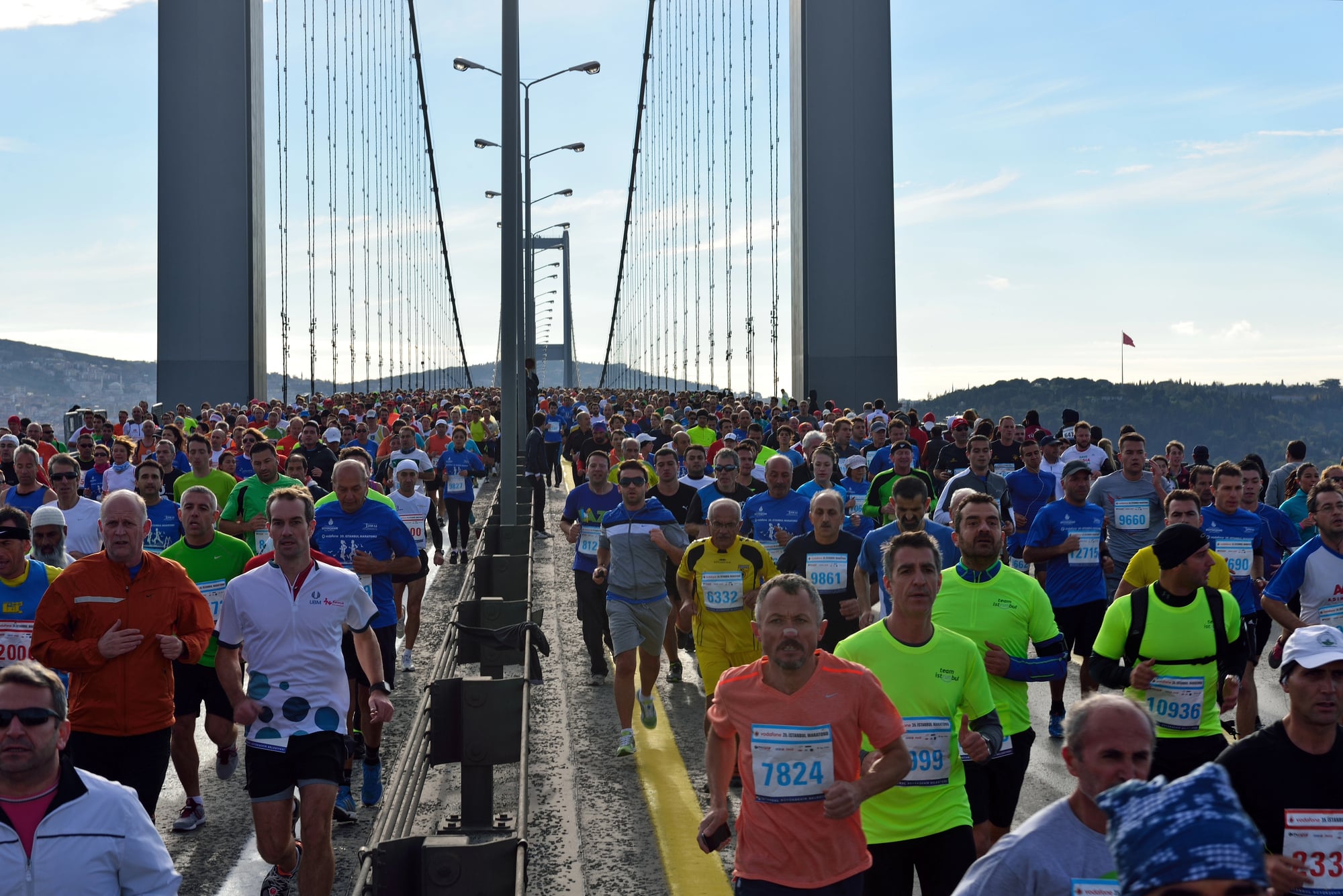
The Macao Marathon crosses three bridges and two islands, connecting Portuguese colonial history with Chinese cultural elements. The 1997 race coincided with Macao’s handover preparations, symbolizing the territory’s transition between two worlds.
Despite its unique course and cultural significance, the event receives minimal attention compared to other Asian marathons.
Two Oceans Marathon

Cape Town’s 35-mile “Two Oceans Marathon” takes runners along spectacular coastal routes touching both the Atlantic and Indian Oceans. The 1976 race occurred amid growing international sports boycotts against apartheid South Africa, creating a politically charged atmosphere.
The event survived international isolation to become a celebration of post-apartheid unity while maintaining its challenging reputation.
Like Go2Tutors’s content? Follow us on MSN.
Chuncheon Marathon

South Korea’s Chuncheon Marathon follows a stunning route around Soyang Lake with mountain backdrops and autumn foliage. The 1993 race established the event as having one of the fastest courses in Asia when Moses Tanui narrowly missed the world record.
Local food vendors along the course offer traditional Korean snacks to spectators, creating a festival-like atmosphere rarely seen in Western races.
Prague International Marathon
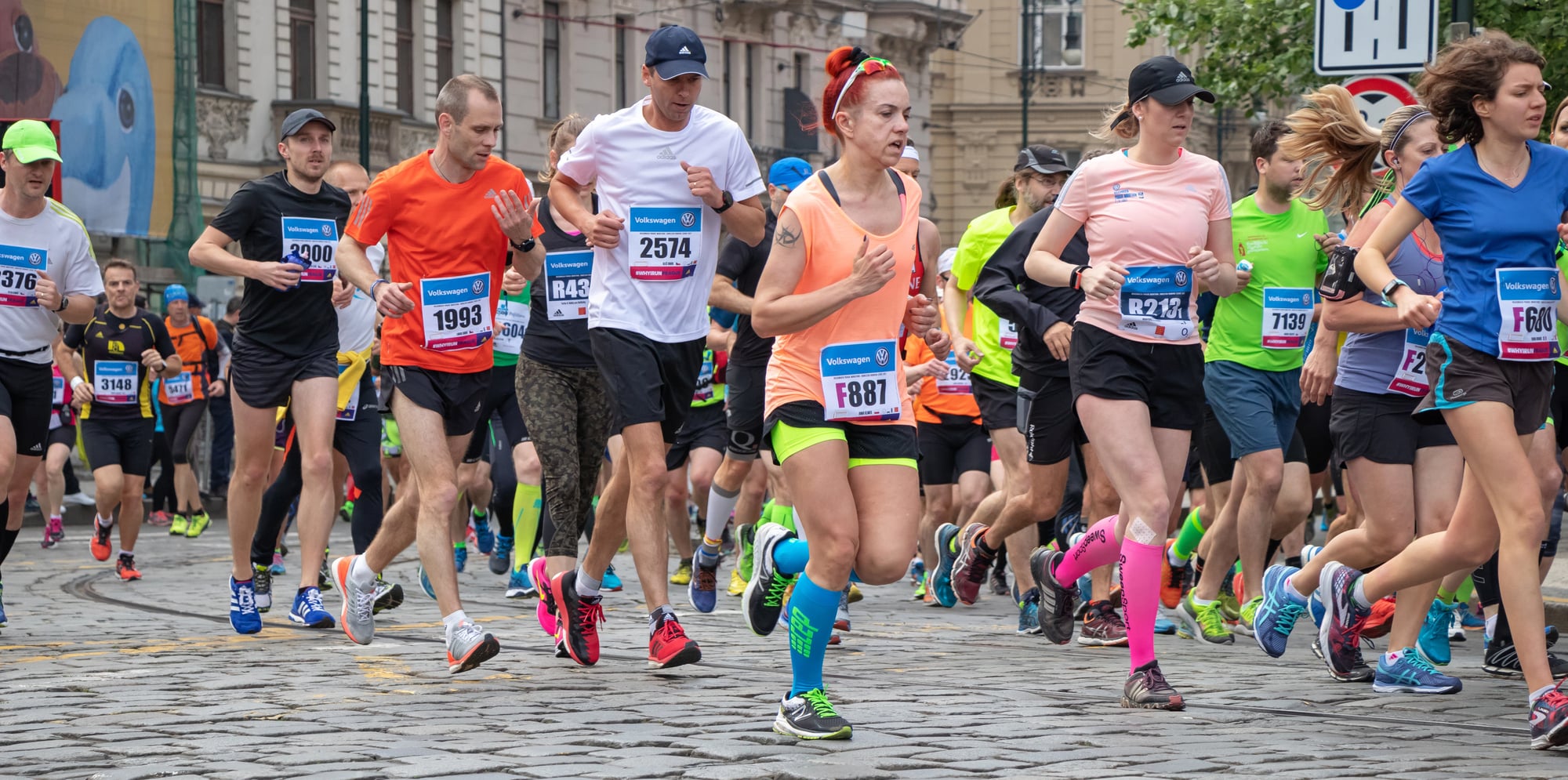
The inaugural 1995 Prague Marathon celebrated the city’s emergence from behind the Iron Curtain with a course showcasing newly accessible historical landmarks. Participants ran through previously restricted areas of the city, crossing the famous Charles Bridge and circling the Old Town Square.
The symbolism of freely running through formerly controlled streets made this first race particularly meaningful.
Omsk Siberian International Marathon

Russia’s Siberian International Marathon sometimes takes place in temperatures as low as 25°F, creating unique challenges for participants. The 1992 race, shortly after the Soviet Union’s collapse, welcomed international runners to previously closed Soviet military cities.
This marathon represents the extreme conditions athletes will endure to test their limits.
Like Go2Tutors’s content? Follow us on MSN.
Košice Liberation Marathon

The special 1945 edition of the Košice Marathon celebrated liberation from Nazi occupation during WWII. Local runner Štefan Hluboký won while wearing borrowed shoes with paper stuffed into them to improve the fit.
His victory symbolized resilience and the return to normalcy despite the severe resource limitations of post-war Europe.
Original Athens Marathon

The Athens Classic Marathon follows the purported route of Pheidippides’ original journey announcing victory over the Persians. The challenging course features significant uphill sections that have humbled many elite runners expecting fast times.
The 2004 edition, coinciding with the Athens Olympics, saw runners finish in the ancient Panathenaic Stadium, connecting modern athletes with 2,500 years of history.
Berlin Peace Marathon

Before becoming today’s speed-focused Berlin Marathon, the race began in 1974 as a symbol of unity in divided Berlin. Runners from both East and West Berlin participated in a rare moment of Cold War cooperation through sport.
The special 1990 edition after the fall of the Berlin Wall saw the course run through the Brandenburg Gate, with emotional scenes as runners from both formerly divided sides ran together without restrictions.
Like Go2Tutors’s content? Follow us on MSN.
Beyond Boston and New York

These lesser-known marathon stories remind us that the world of distance running extends far beyond the commercial giants that dominate today’s headlines. From political statements to world records, these forgotten races have shaped running culture in profound ways.
The epic struggles that unfolded on these courses deserve recognition in the rich tapestry of marathon history.
More from Go2Tutors!

- 16 Restaurant Chains That Went Too Fast
- 12 Things Sold in the 80s That Are Now Illegal
- 15 Strange Things People Have Tried to Ban (And Failed)
- 16 Collectibles People Tossed Out Too Soon
- 17 Myths from Your Childhood That Were Actually Based on Real Things
Like Go2Tutors’s content? Follow us on MSN.