Sunniest Remote Islands Mapped by Meteorologists
Picture this: while most people scroll through endless vacation photos on social media, meteorologists are quietly mapping something far more valuable — the planet’s most consistently sunny remote islands. These aren’t your typical crowded beach destinations.
They’re the places where sunshine isn’t just a promise, it’s a meteorological certainty.
Socotra Island
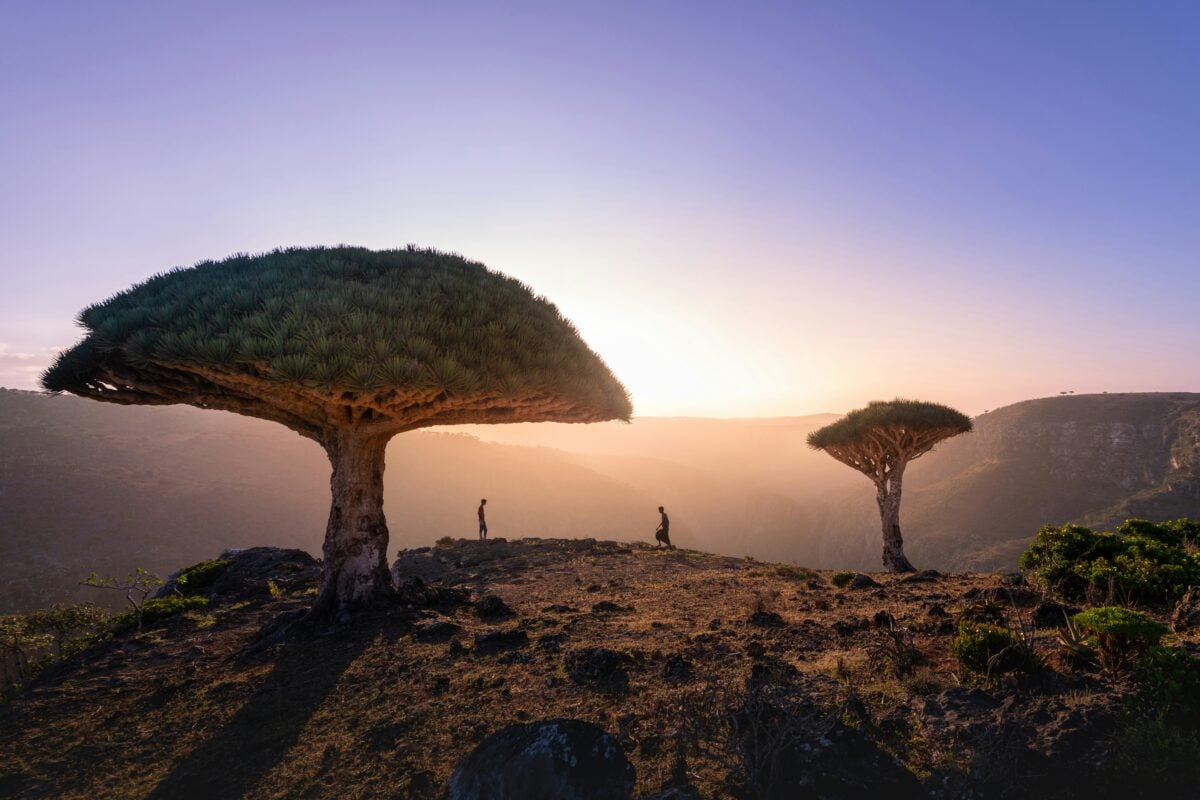
The data doesn’t lie. Socotra gets over 300 days of sunshine annually.
This UNESCO World Heritage site sits isolated in the Arabian Sea. Dragon’s blood trees dot the landscape like umbrellas that never get used.
The island receives less than 6 inches of rain per year, which explains why a third of its plant species exist nowhere else on Earth.
Ascension Island
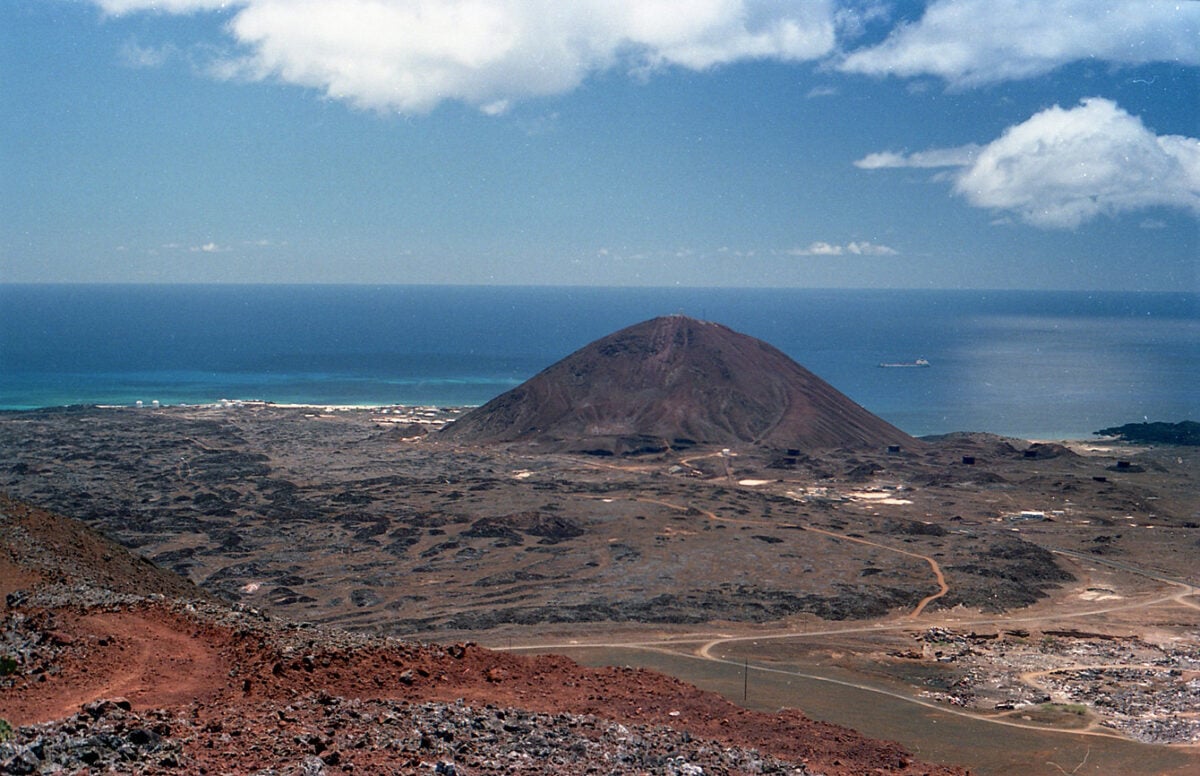
Weather stations have been tracking Ascension Island’s sunshine patterns since the 1940s (because this British territory housed critical military operations during World War II), and the numbers tell a story that vacation brochures could never capture: an average of 2,900 hours of sunshine per year, which breaks down to roughly eight hours of direct sunlight every single day — and this consistency stems from its position in the South Atlantic, where it sits squarely in a high-pressure zone that acts like a meteorological fortress against cloud formation. But here’s what the data doesn’t convey: the way that relentless sunshine has shaped everything on this volcanic island.
So the landscape looks almost lunar. And the 800 residents have adapted their daily routines around this predictable abundance of light — which is saying something when you consider that most places this sunny tend to be uninhabitable.
Henderson Island
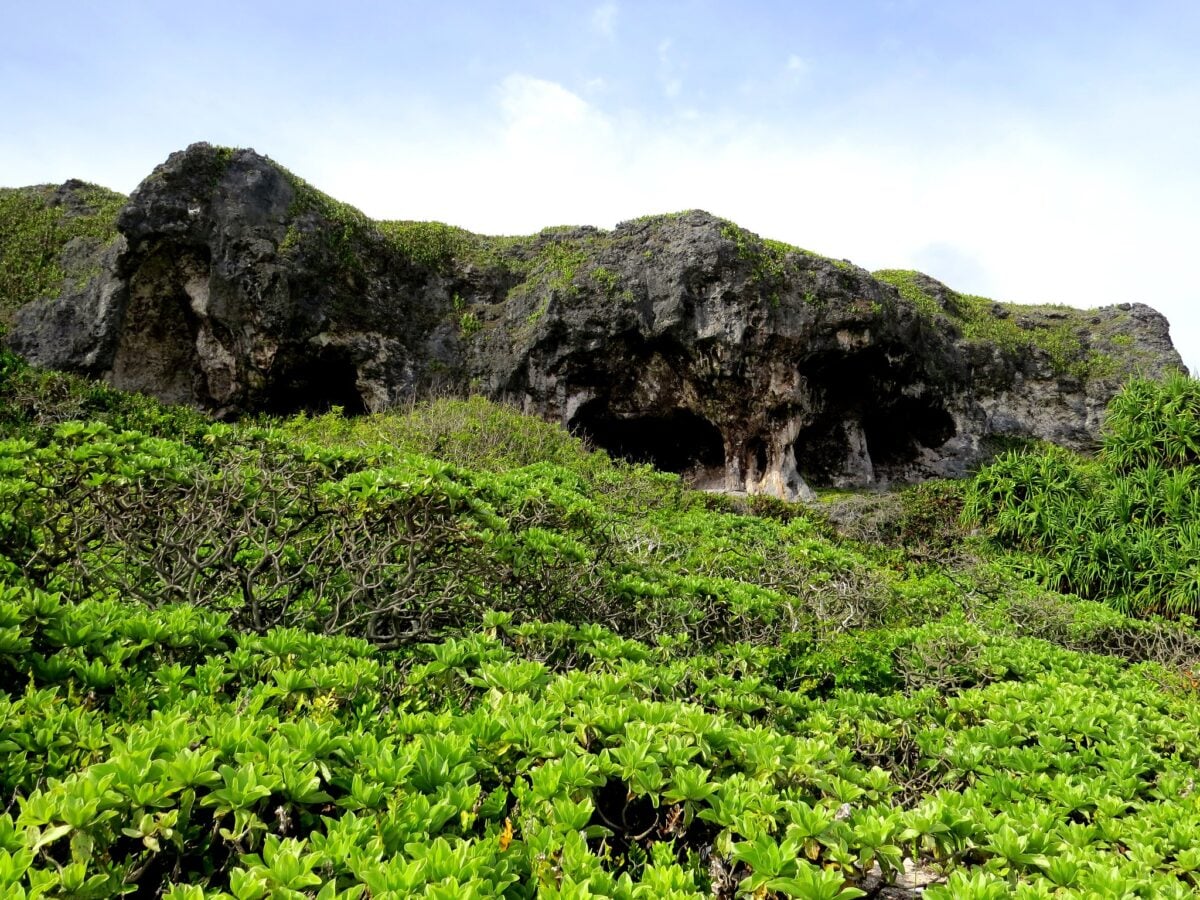
The math behind Henderson Island reads like a love letter to photovoltaic engineers. This uninhabited coral atoll receives sunshine 85% of daylight hours throughout the year.
The island sits in the South Pacific’s trade wind belt. Those same winds that once filled sailing ships now sweep clouds away before they can settle.
Henderson Island’s isolation works in its favor — no urban heat islands, no pollution to scatter sunlight, just pure solar radiation hitting pristine coral sand.
Tristan da Cunha
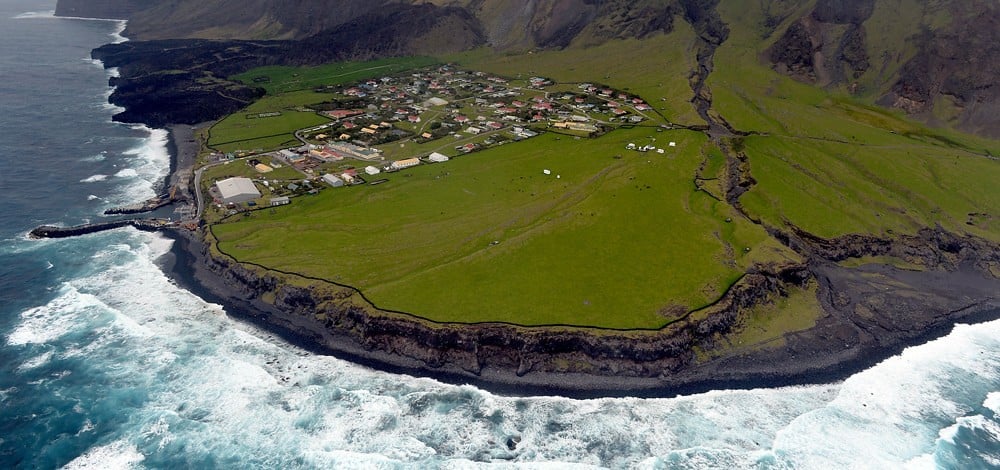
There’s something almost defiant about Tristan da Cunha’s relationship with sunlight, the way this cluster of volcanic islands manages to capture 2,400 hours of sunshine annually despite sitting in the middle of the South Atlantic’s notorious “Roaring Forties” — those latitudes where weather systems typically churn through like freight trains. The 250 residents of Edinburgh of the Seven Seas (which happens to be the only settlement, and yes, that’s its actual name) have learned to read the sky the way other people read clocks.
When the morning fog lifts, it lifts completely. The sunshine doesn’t tease or flicker through clouds — it arrives like a curtain being pulled back on a stage, revealing the dramatic landscape of volcanic peaks and emerald pastures that roll down to black sand beaches.
St. Helena
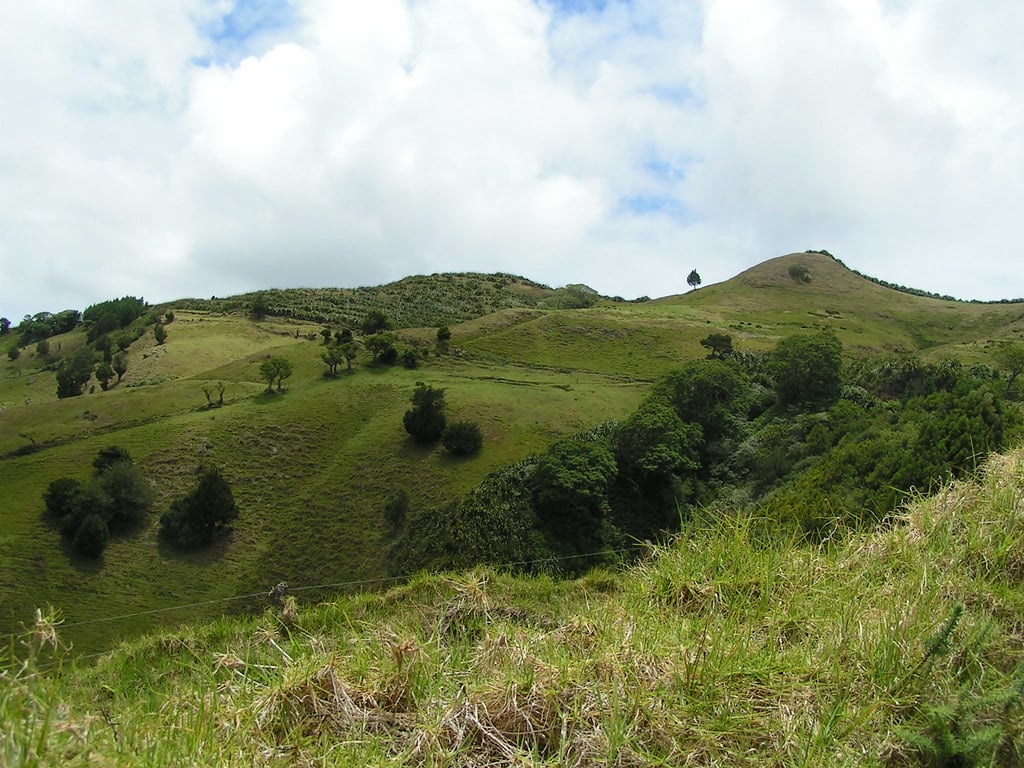
St. Helena receives 2,600 hours of sunshine per year, which translates to clear skies roughly 70% of the time. The consistency is what matters here.
Napoleon spent his final years on this British territory, and while he complained about many things, sunshine wasn’t one of them. The island’s position in the South Atlantic High ensures that weather patterns remain stable.
Trade winds keep the air moving without bringing significant cloud cover.
Pitcairn Island
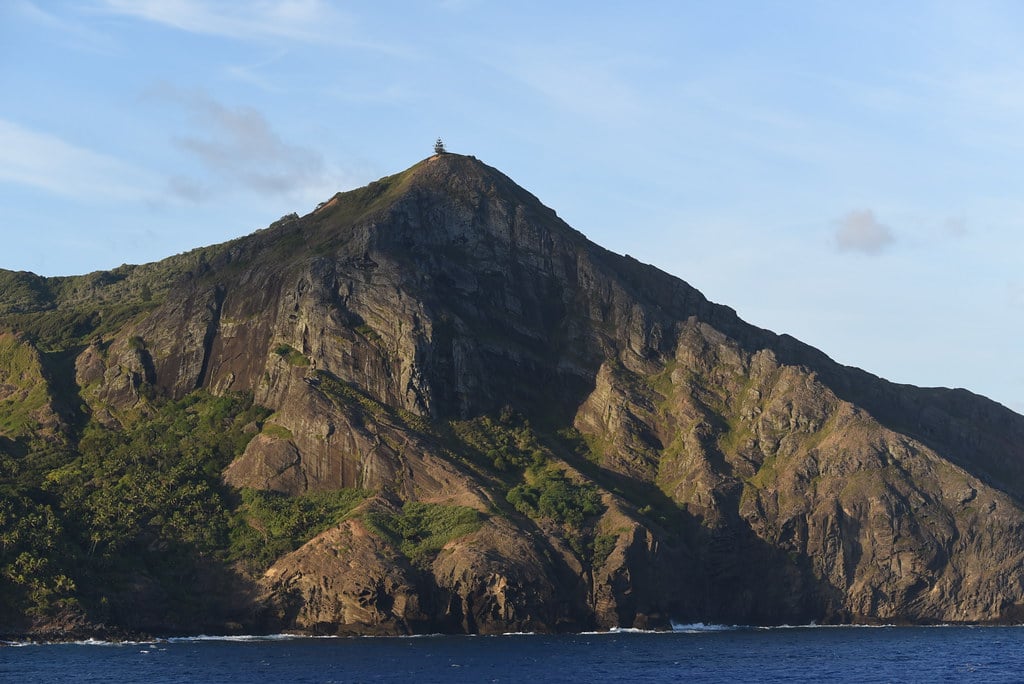
The descendants of HMS Bounty mutineers chose their refuge well, though they couldn’t have known that Pitcairn Island sits in one of the Pacific’s most reliable sunshine corridors — a narrow band where high-pressure systems create what meteorologists call a “persistent anticyclonic regime,” which sounds technical until you realize it simply means the sun shows up for work every day with the reliability of a Swiss timepiece. The island logs 2,750 hours of annual sunshine, spread across months that blend into each other without the dramatic seasonal shifts that define weather patterns elsewhere.
And yet the 50 residents don’t take it for granted. Solar panels cover nearly every roof in Adamstown, the island’s only settlement, because when sunshine is this predictable, it becomes infrastructure rather than weather.
South Georgia Island
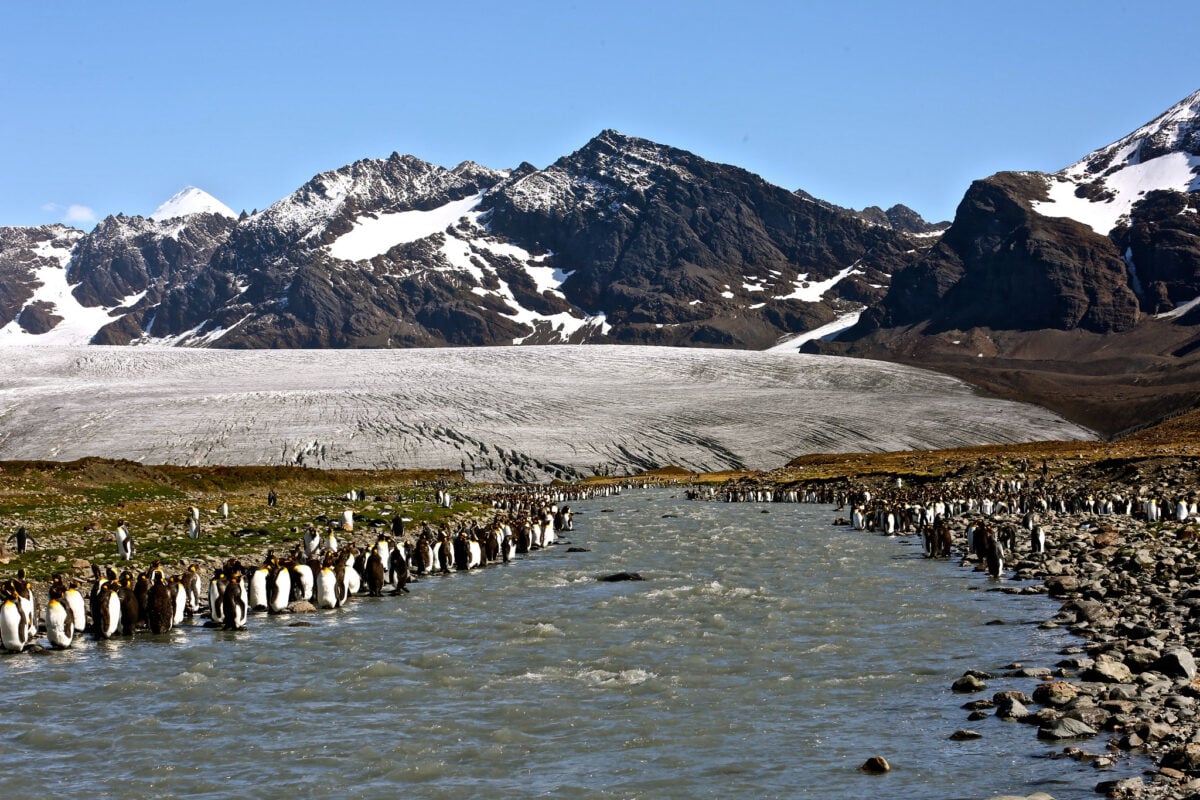
South Georgia gets 1,800 hours of sunshine annually, which doesn’t sound impressive until you consider its location in the subantarctic. The island sits in a unique microclimate zone.
Katabatic winds flow down from the interior glaciers, pushing marine layer clouds out to sea before they can settle over the coastal areas. King penguins and fur seals have adapted their breeding cycles around these predictable periods of extended sunshine.
The research stations track solar radiation data that consistently surprises visiting scientists.
Gough Island
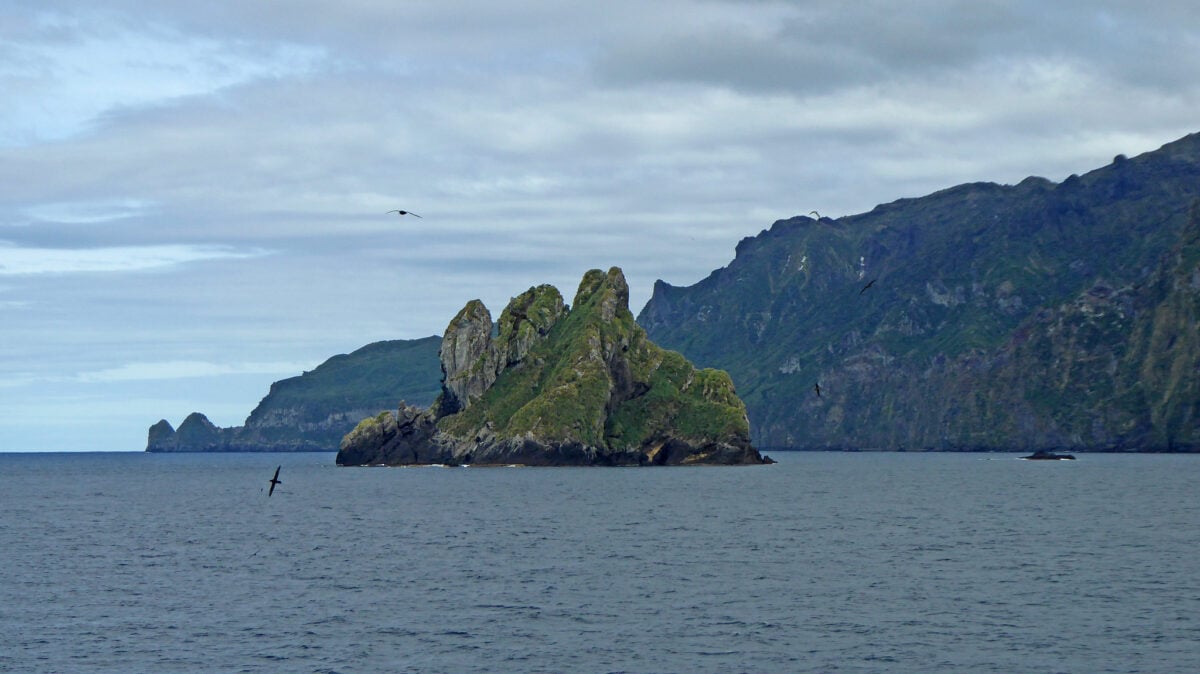
Weather data from Gough Island tells a story that contradicts everything you’d expect from a location in the South Atlantic’s storm track: this volcanic island manages to capture 2,200 hours of sunshine per year by sitting in what amounts to a meteorological sweet spot, where the convergence of ocean currents creates a localized high-pressure bubble that deflects the worst weather systems away from its shores.
The island’s weather station (staffed by a rotating team of six South African researchers) has recorded this pattern for over four decades. When storm systems approach from the west, they split around Gough Island like water around a stone. The sunshine returns within hours, not days.
Easter Island
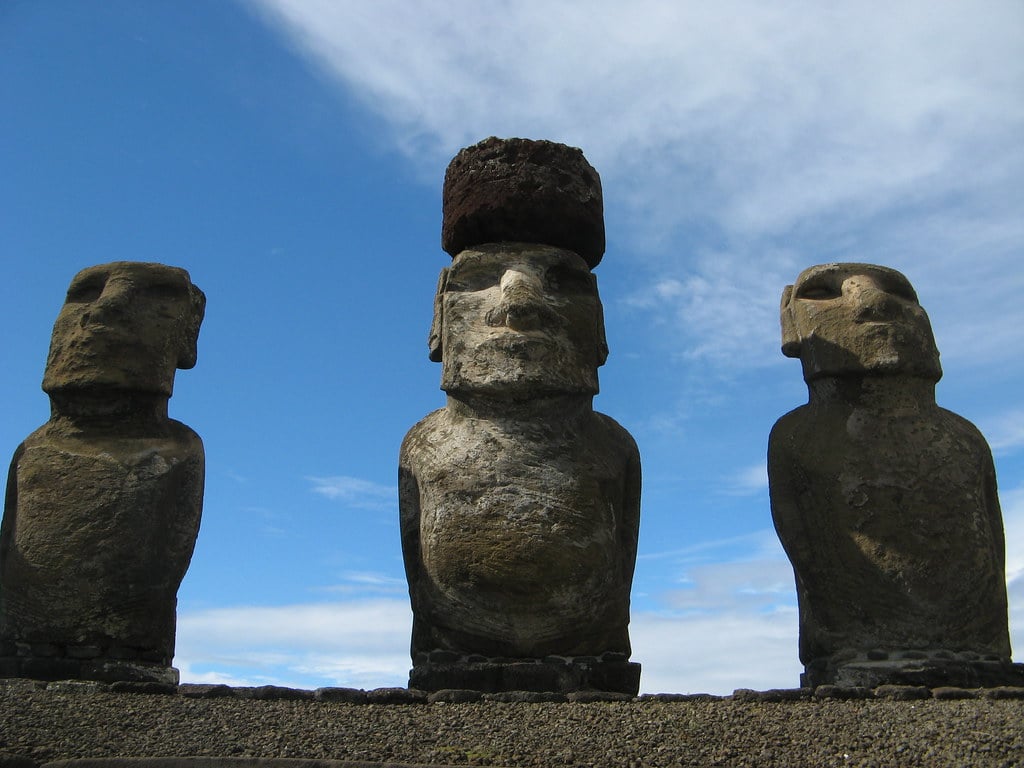
Easter Island’s moai statues have been staring into 2,500 hours of annual sunshine for centuries. The consistency explains their remarkable preservation.
This Polynesian island sits in the Pacific High, a semi-permanent high-pressure system that acts like a weather shield. The trade winds arrive from the southeast, bringing dry air that rarely carries significant moisture.
Rain falls during brief, intense periods, then disappears for weeks at a time.
Bouvet Island
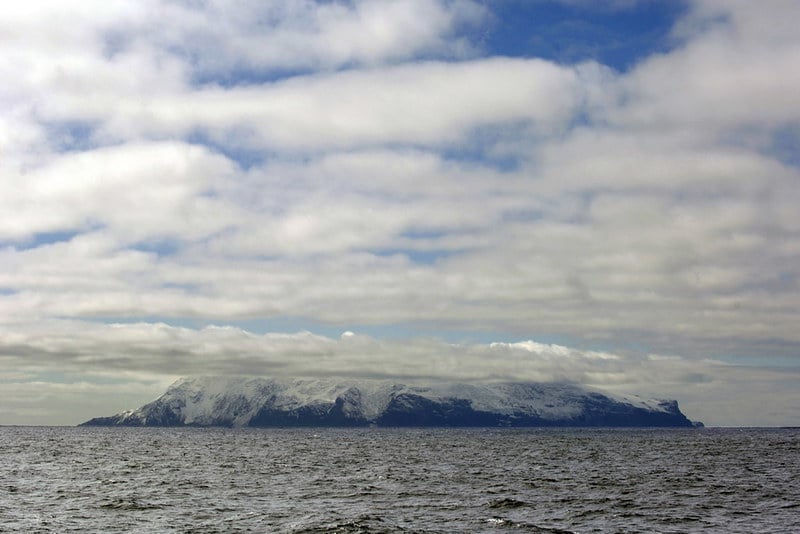
Bouvet Island shouldn’t be sunny, but it is. This Norwegian territory in the subantarctic receives 1,900 hours of sunshine per year despite being surrounded by some of the world’s most volatile weather.
The island’s volcanic peak creates its own microclimate. Warm air rises from the rocky surface, creating a localized high-pressure zone that pushes marine clouds away from the coastline.
Satellite imagery shows Bouvet Island as a consistent bright spot in an otherwise cloud-covered region of the South Atlantic.
Kerguelen Islands
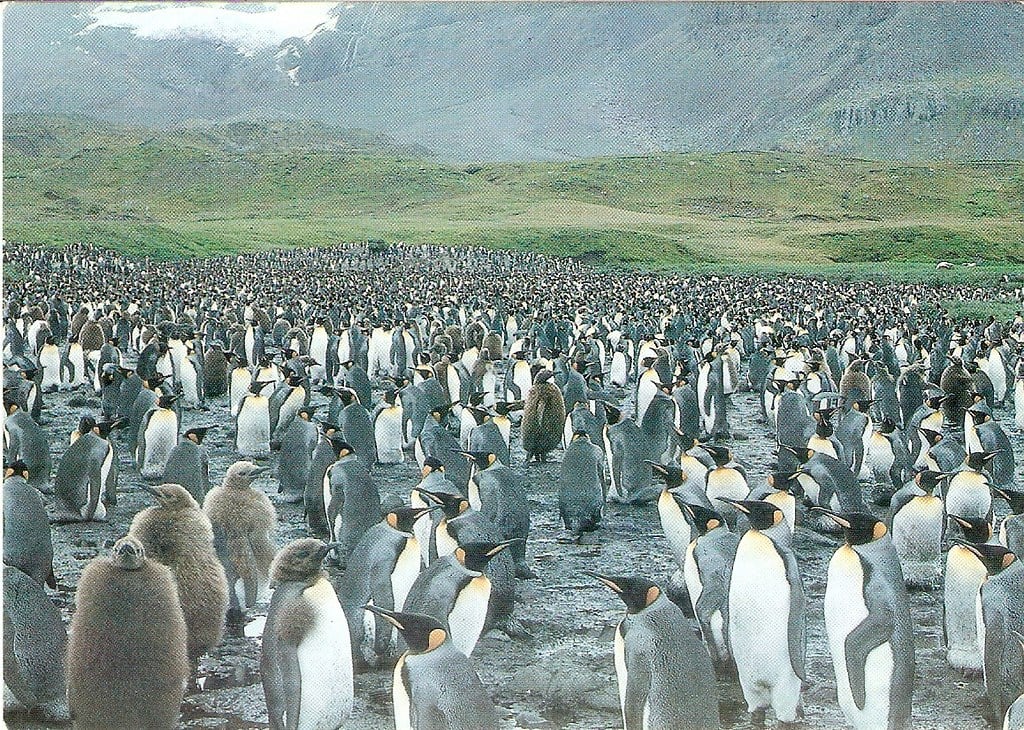
The numbers from Kerguelen Islands read like a meteorological puzzle: 2,100 hours of annual sunshine recorded across an archipelago that sits directly in the path of the “Furious Fifties” — those latitudes where wind and weather systems move with extraordinary violence. But the main island’s interior valleys create what researchers call “sunshine shadows,” areas where the surrounding peaks channel wind patterns in ways that clear the sky with startling efficiency.
The French research station at Port-aux-Français has documented this phenomenon for over 50 years. Weather systems approach from the west, encounter the island’s mountainous terrain, and split apart like breaking waves.
So the valleys fill with sunshine while storms rage just miles away.
Heard Island
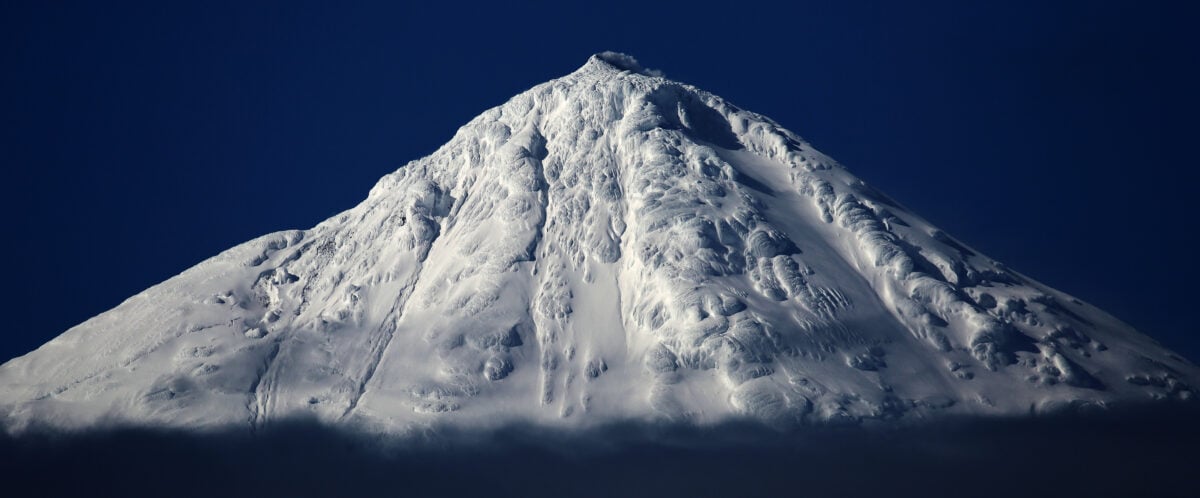
Heard Island receives 1,700 hours of sunshine annually, which defies logic for a location this close to Antarctica. The island’s twin volcanic peaks create thermal updrafts that disperse cloud cover before it can settle.
Australian researchers have documented this pattern since the 1940s. Big Ben, the island’s active volcano, contributes to the localized warming that maintains clear skies during summer months.
The combination of volcanic activity and strategic positioning in the Southern Ocean’s current systems creates surprisingly consistent solar exposure.
Macquarie Island
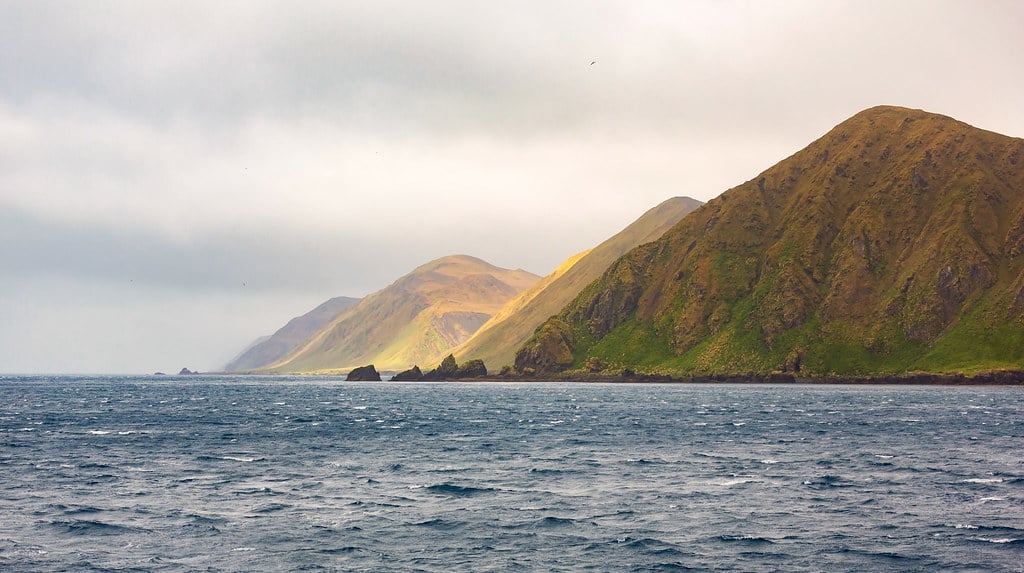
The weather data from Macquarie Island tells a story of persistence over drama: 1,600 hours of sunshine spread across a year in a location where you’d expect nothing but gray skies and horizontal rain. This Australian territory sits halfway between Tasmania and Antarctica, right in the path of every weather system that moves through the Southern Ocean.
But the island’s elongated shape works like a weather vane. Storm systems hit the narrow profile and slide past rather than settling overhead. The royal penguins and elephant seals time their breeding seasons around the predictable clear periods that follow each weather front.
Crozet Islands
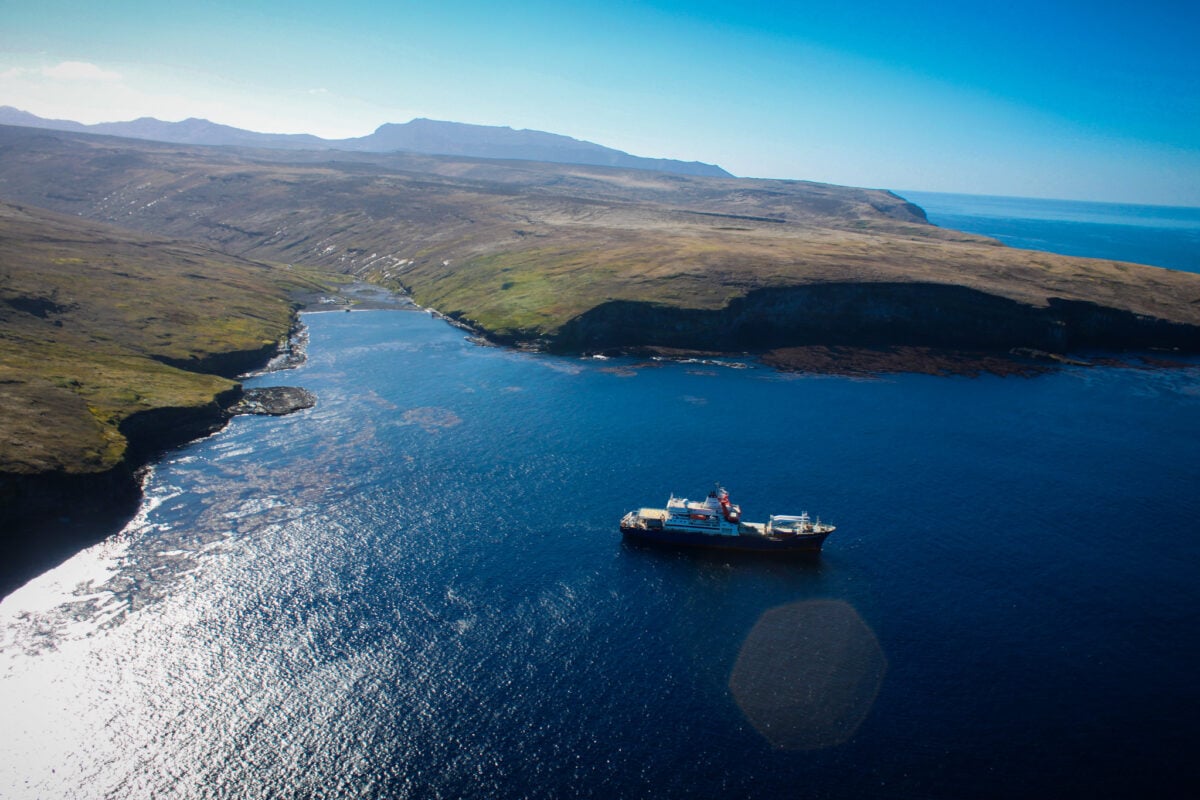
Crozet Islands log 1,900 hours of sunshine per year through a combination of strategic positioning and pure meteorological luck. These French subantarctic islands sit in a gap between major storm tracks.
The research station on Île de la Possession has tracked weather patterns since 1963. High-pressure ridges form regularly over the archipelago, creating multi-day periods of uninterrupted sunshine. The albatross colonies have evolved their nesting behaviors around these predictable clear spells, timing their breeding cycles to coincide with the most reliable sunshine windows.
Where Numbers Meet Reality

These measurements represent something more valuable than vacation planning data. Remote islands with reliable sunshine become natural laboratories for solar research, wildlife observation, and climate monitoring.
The meteorologists mapping these patterns aren’t just tracking weather — they’re documenting some of the planet’s most consistent renewable energy resources, scattered across oceans where nobody expected to find them.
More from Go2Tutors!

- The Romanov Crown Jewels and Their Tragic Fate
- 13 Historical Mysteries That Science Still Can’t Solve
- Famous Hoaxes That Fooled the World for Years
- 15 Child Stars with Tragic Adult Lives
- 16 Famous Jewelry Pieces in History
Like Go2Tutors’s content? Follow us on MSN.