Massive Container Ships Navigating Tight Canals
The sight of a 1,300-foot container ship threading through a canal barely wider than the vessel itself feels like watching someone parallel park a city block. These engineering marvels carry the world’s cargo through waterways that seem impossibly narrow, where a few feet in either direction means the difference between smooth passage and international maritime disaster.
The precision required borders on the absurd — yet it happens thousands of times each year, keeping global commerce flowing through some of the planet’s most challenging waterways.
The Suez Canal Challenge
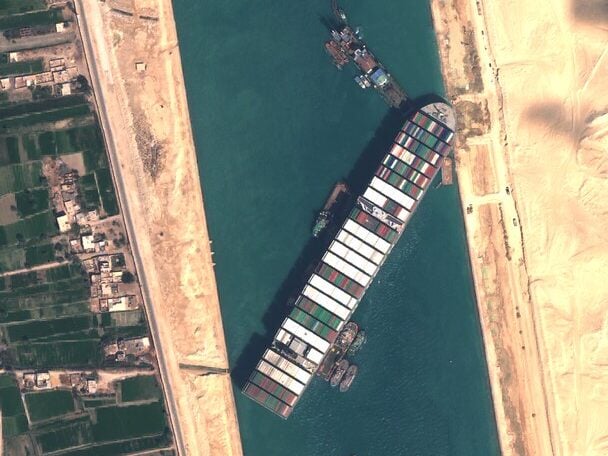
The Ever Given taught the world what happens when precision fails. Six days of global trade grinding to a halt because one ship got sideways in a canal that’s been handling massive vessels for over a century.
The Suez handles ships up to 1,312 feet long and 160 feet wide, threading them through a waterway that’s only 673 feet wide at its narrowest point.
That’s roughly 250 feet of clearance on each side. Sounds generous until you remember these ships are moving and water doesn’t care about your schedule.
Panama Canal’s Lock System
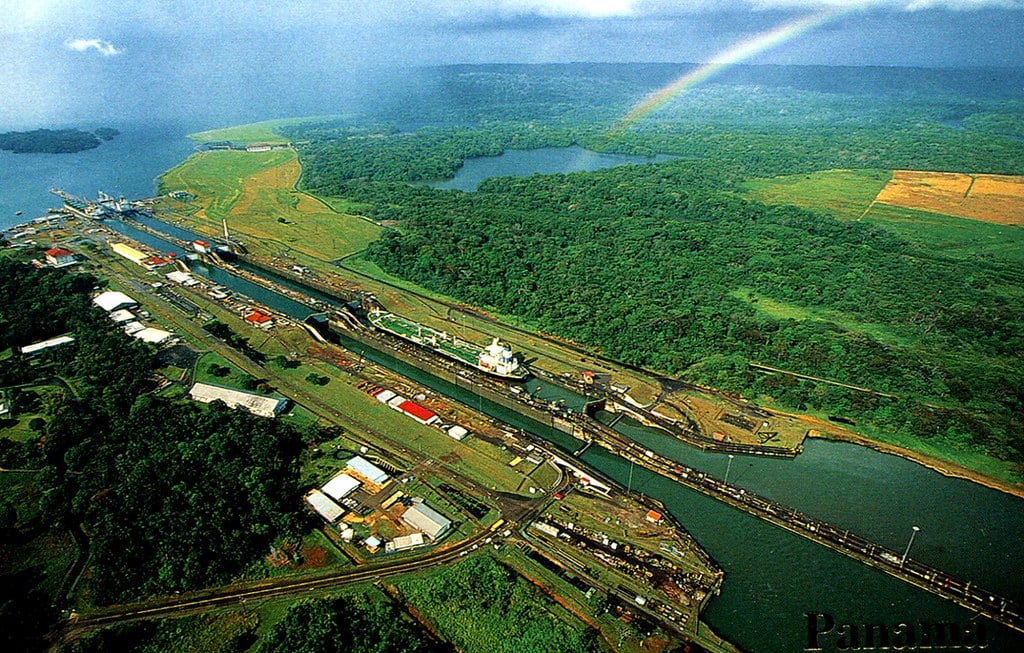
The Panama Canal forces ships through chambers that feel like maritime compression chambers. The locks are 1,050 feet long and 110 feet wide — and ships are built to exactly those specifications, with maybe three feet to spare on each side.
They call it “Panamax” sizing, which is a polite way of saying “this is as big as physics will allow without scraping the walls.”
Modern “Neo-Panamax” ships push those boundaries even further. The new locks accommodate vessels up to 1,200 feet long, but watching one navigate the system still looks like threading a needle with a telephone pole.
Pilot Navigation Expertise
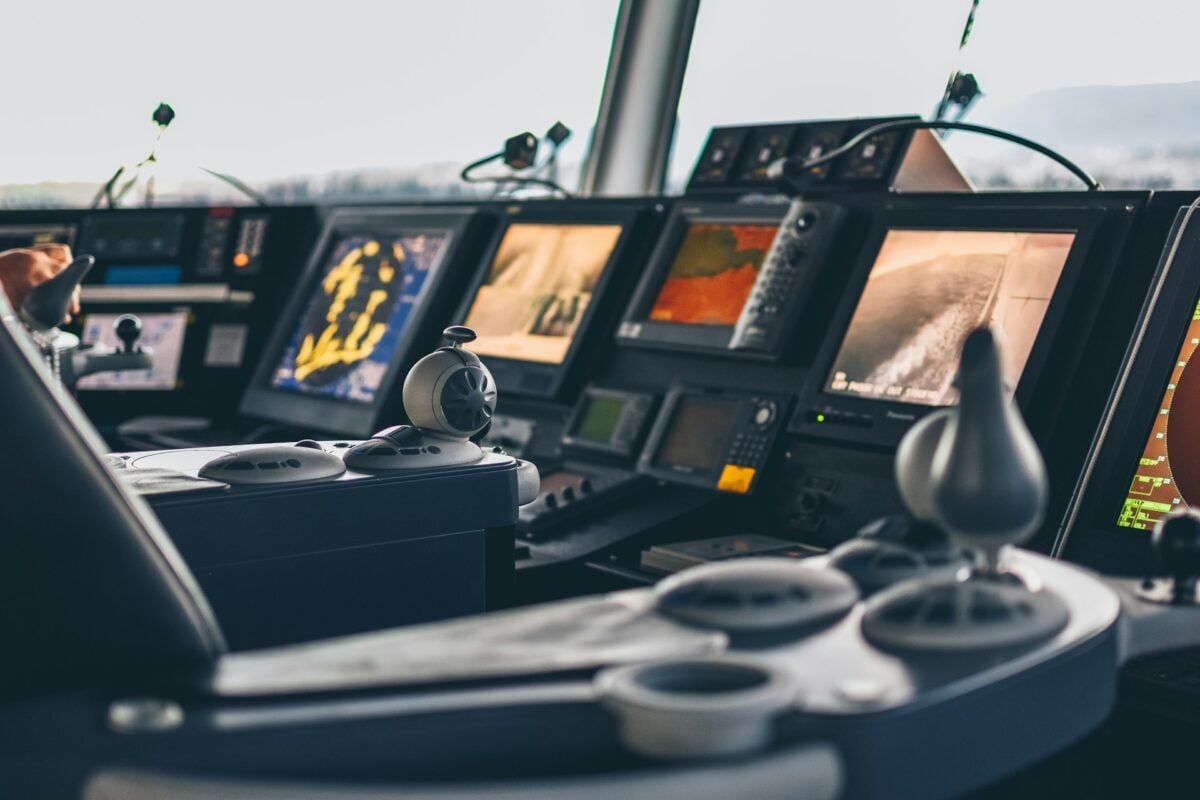
Here’s the thing about navigating these passages: the ship’s regular crew doesn’t do it. Local pilots board the vessel and take control, because knowing every current, every wind pattern, and every quirk of a waterway takes decades to master (and that’s assuming the waterway doesn’t change, which it does).
These pilots know exactly how their canal behaves when the tide shifts or when a crosswind hits at just the wrong angle — knowledge you can’t learn from charts or simulators. And they have to be right every single time, because there’s no pulling over to the side of the road when you’re piloting a floating skyscraper through a space designed for much smaller things.
So when a pilot steps aboard your billion-dollar cargo ship loaded with goods that half the world is waiting for, you hand over control and hope their local knowledge is worth more than your years of maritime experience. Which it is.
Kiel Canal Traffic Management
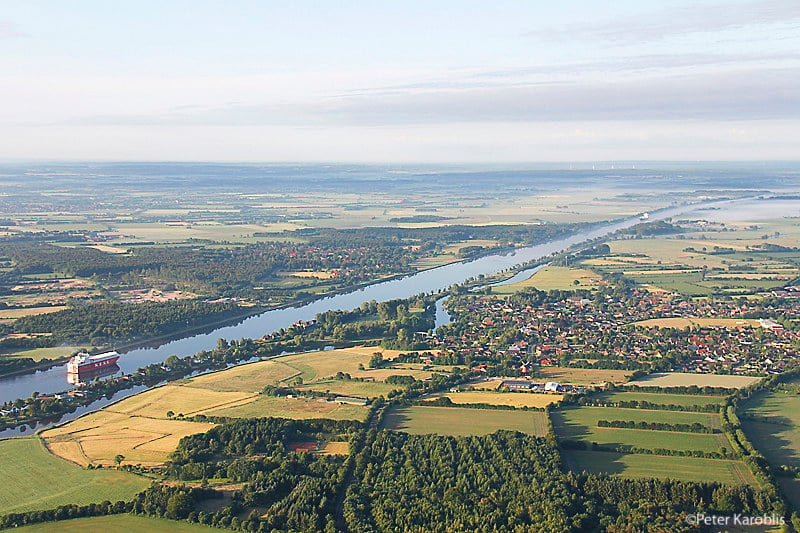
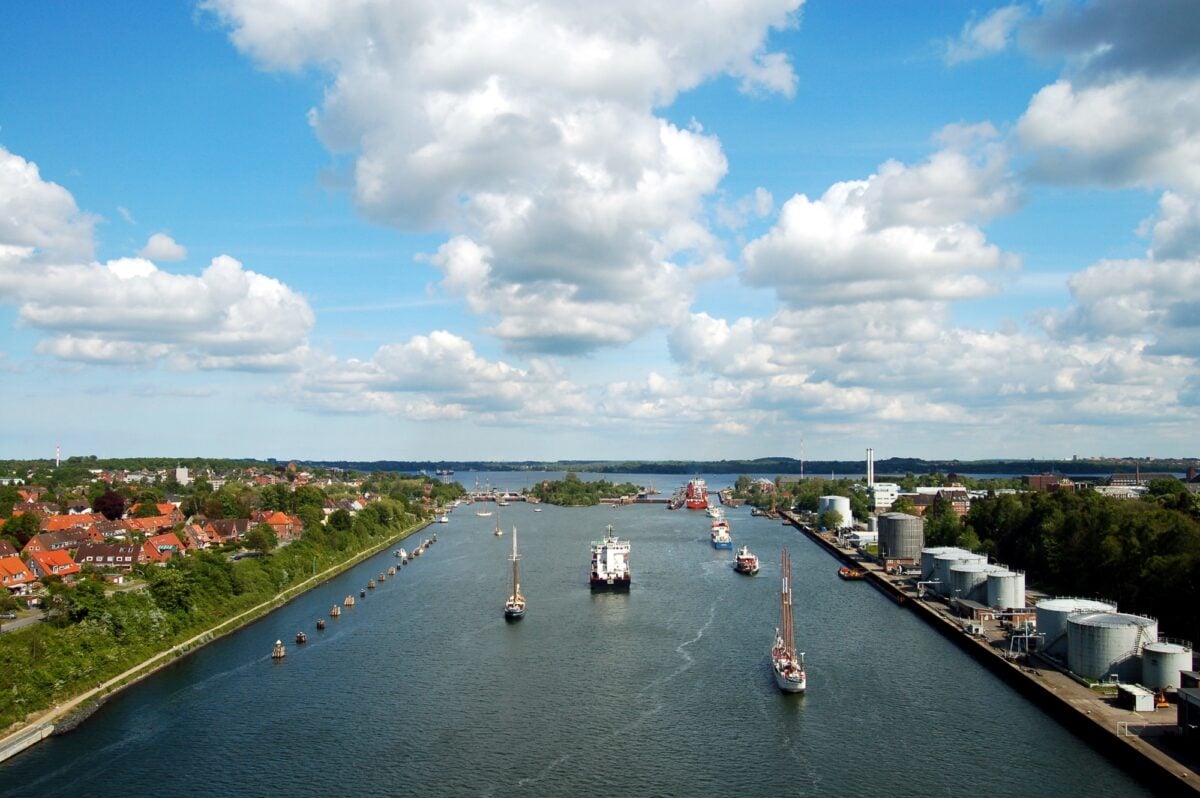
Picture a highway where every vehicle is the size of three football fields and there are no lanes. The Kiel Canal manages this chaos with a traffic control system that would make air traffic controllers nervous.
Ships enter from both ends simultaneously, passing each other in designated wider sections like some elaborate maritime dance.
The canal handles about 30,000 transits per year. Each one requires split-second timing and perfect communication.
One miscalculation and two massive vessels try to occupy the same narrow space — which physics won’t allow.
Manchester Ship Canal Precision
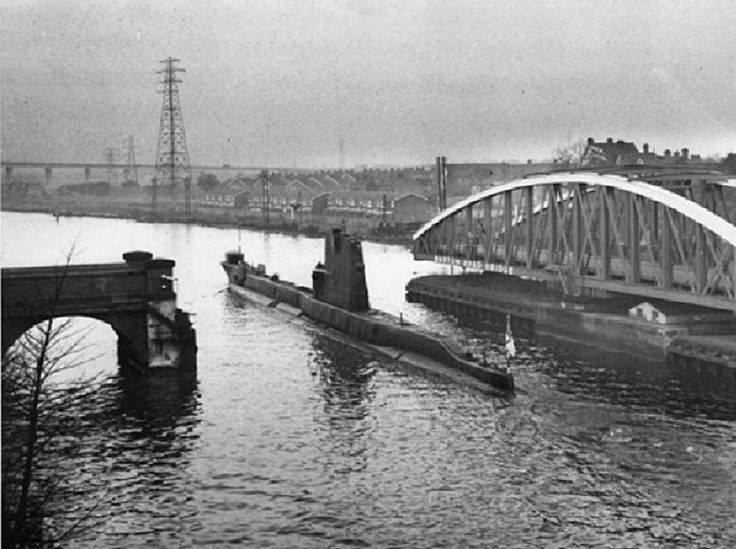
The Manchester Ship Canal brings ocean-going vessels 36 miles inland through a waterway that twists and turns like a country road. Container ships navigate five sets of locks, each passage requiring them to fit within chambers that leave minimal room for error.
The canal’s width varies throughout its length, creating bottlenecks where ships must reduce speed and rely entirely on pilot expertise.
What makes it particularly challenging is the combination of tight spaces and changing water levels. Ships that fit comfortably at high tide might scrape bottom when the water drops.
Houston Ship Channel Complexity
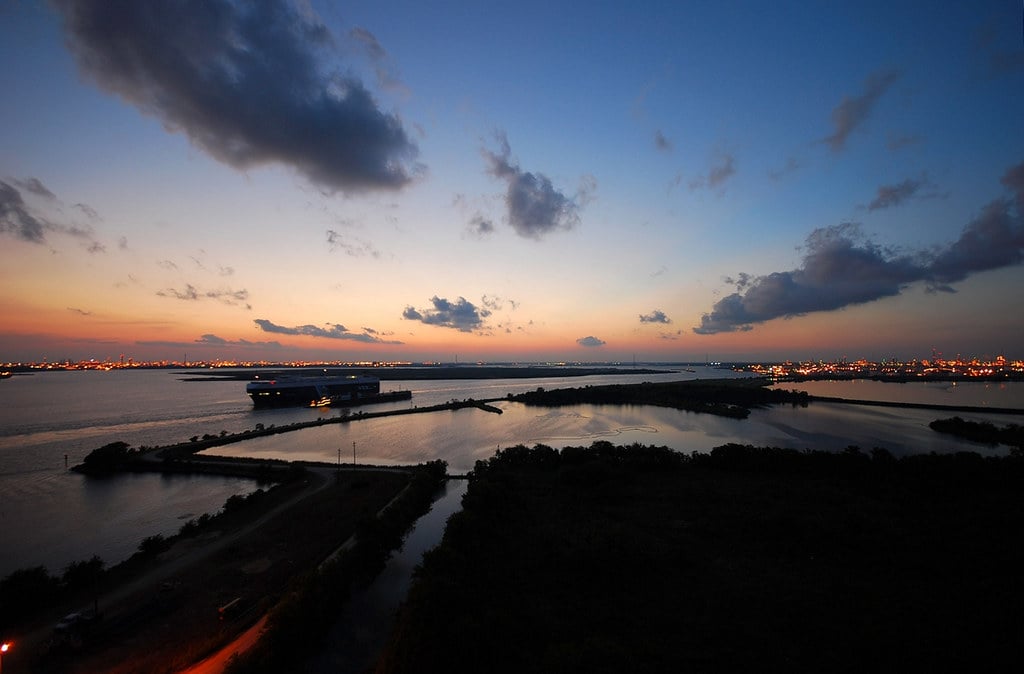
The Houston Ship Channel funnels massive container ships through a 530-foot-wide waterway that serves one of America’s busiest ports. The channel handles vessels carrying everything from consumer goods to industrial equipment, all while managing traffic that flows in both directions.
Ships must navigate not just the narrow channel but also coordinate with dozens of other vessels, tugboats, and harbor traffic.
The complexity multiplies when weather enters the equation. Gulf Coast storms can make an already challenging passage nearly impossible, forcing ships to time their transit around weather windows.
Wind and Current Factors
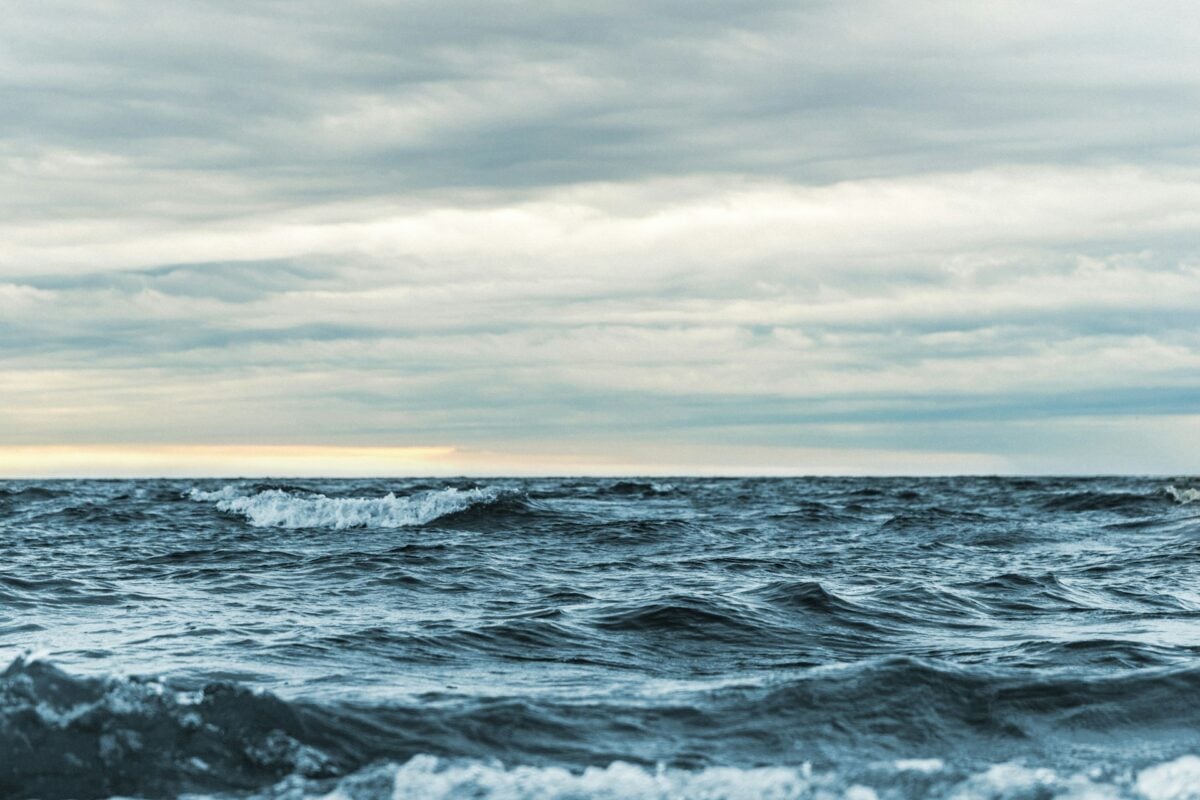
Wind turns a manageable passage into a white-knuckle experience. These massive ships present enormous surface area to crosswinds, and even moderate gusts can push a vessel sideways faster than steering can compensate.
The higher the ship sits in the water — whether due to light cargo or fuel levels — the more wind affects its handling.
Currents add another layer of complexity, particularly in tidal waterways where the water flow changes direction and intensity throughout the day. Pilots must account for how these forces will affect their ship not just now, but at every point along the passage.
Emergency Procedures
When something goes wrong in a narrow canal, options disappear quickly. Emergency anchoring might not be possible due to shallow water or proximity to other vessels.
Backing up often isn’t feasible when traffic is lined up behind you. Most emergency procedures focus on prevention rather than reaction — constant monitoring of weather conditions, mechanical systems, and traffic patterns to avoid situations that require dramatic intervention.
The scariest emergencies are the ones that develop slowly. Engine problems that gradually reduce maneuverability.
Weather that deteriorates during passage. Equipment failures that compound over time.
Technology and Navigation Aids
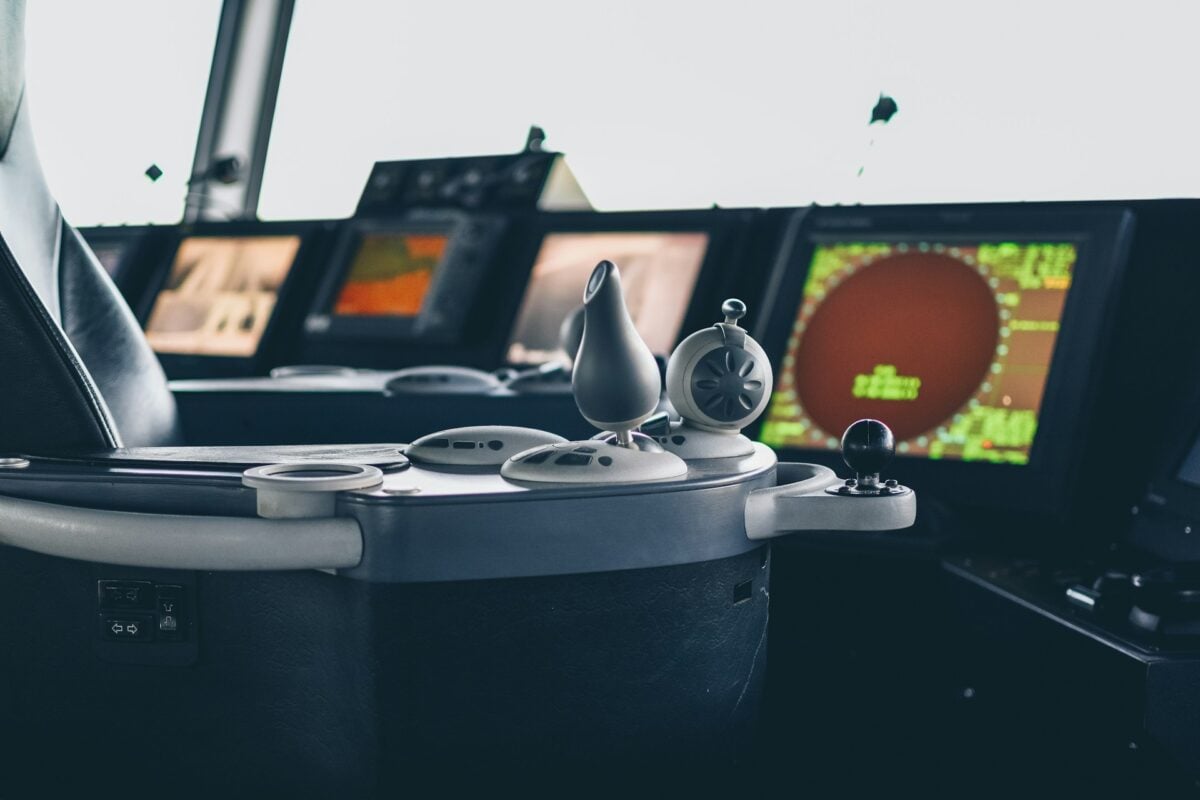
Modern container ships navigate tight canals using GPS systems accurate to within inches, radar that can detect other vessels and obstacles in real-time, and communication systems that keep them in constant contact with traffic control. Bow thrusters and stern thrusters provide precise maneuvering capability that older ships lacked.
But technology only works when it’s working. Equipment failures in narrow waterways create immediate crises, which is why redundant systems and traditional navigation skills remain essential backup options.
Economic Impact of Delays
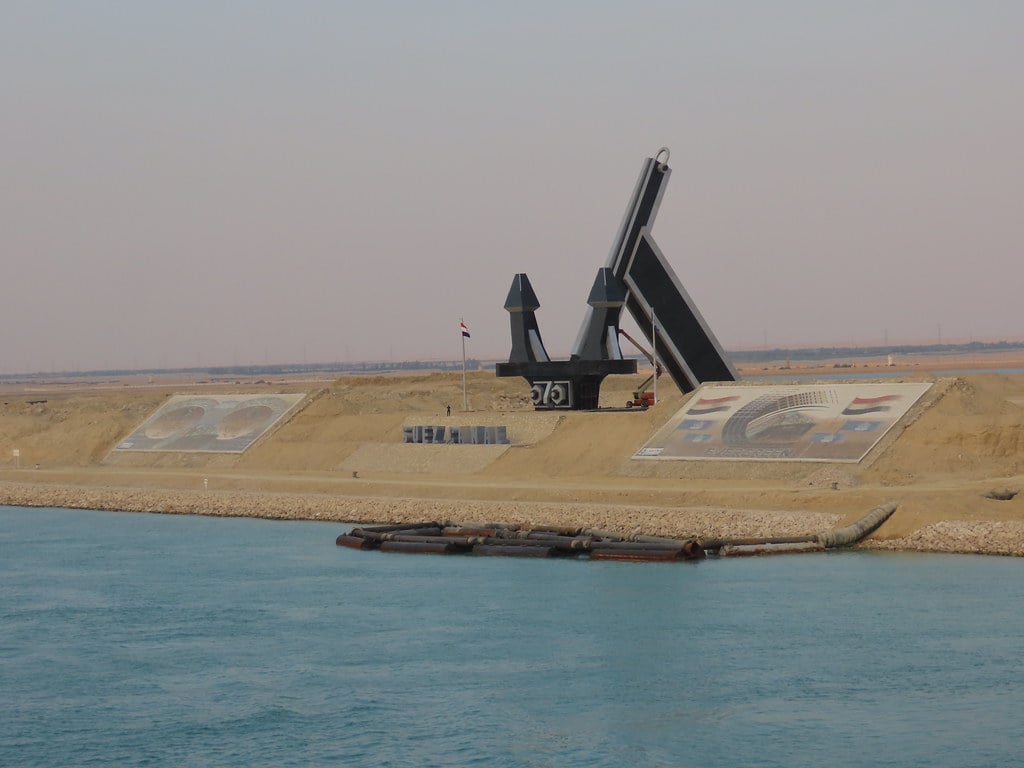
Every hour a major canal shuts down costs global commerce millions of dollars. The Ever Given incident demonstrated how quickly delays cascade through supply chains, affecting everything from fuel prices to retail inventory.
Container ships carry goods with delivery schedules measured in days, not weeks, and canal delays can disrupt manufacturing schedules worldwide.
This economic pressure creates a delicate balance between safety and efficiency.
Moving too slowly causes expensive delays. Moving too quickly increases accident risk.
Training and Certification Requirements
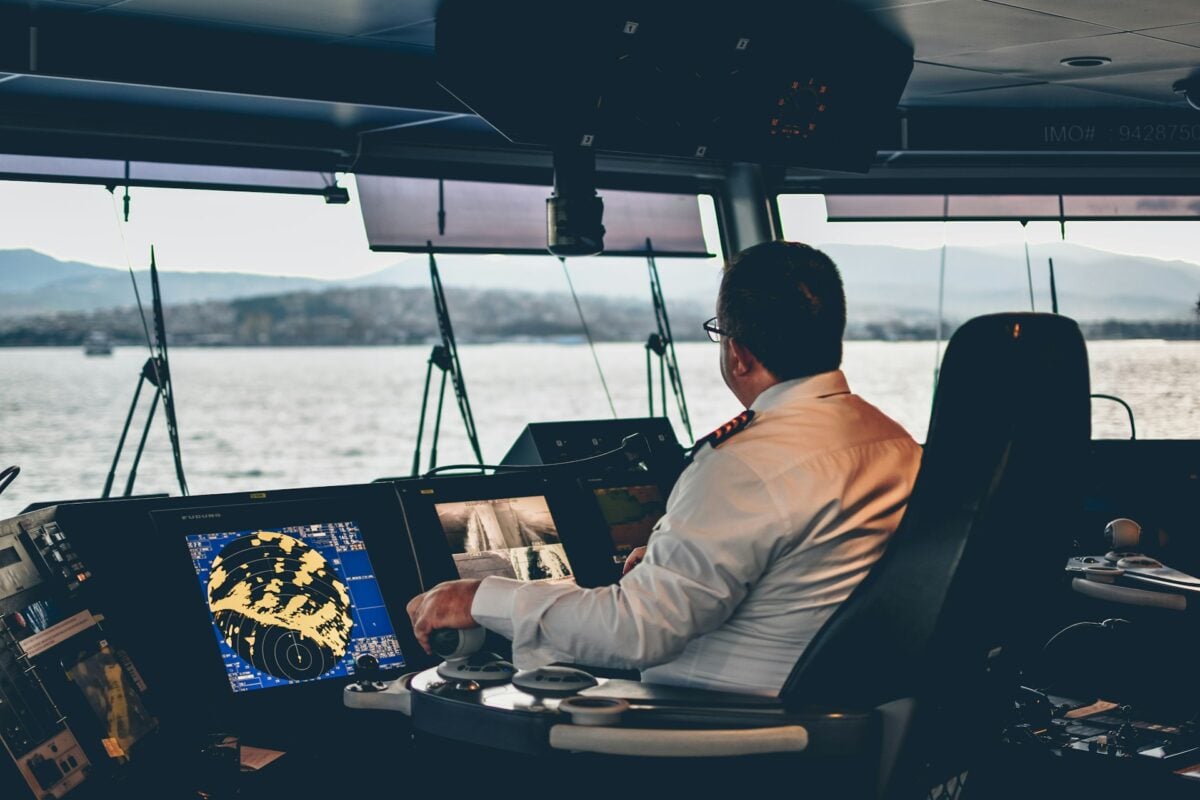
Piloting ships through narrow canals requires specialized certification that takes years to obtain. Pilots must demonstrate proficiency with specific waterways, vessel types, and emergency procedures.
Many canal authorities require pilots to undergo regular recertification and training updates as ship sizes and traffic volumes change.
The training never really ends. Each transit provides new data about how different ships handle under various conditions, information that pilots file away for future use.
Environmental Considerations
Narrow canals concentrate marine traffic in ways that can stress local ecosystems. The constant passage of massive ships affects water quality, wildlife habitats, and coastal erosion patterns.
Many canal authorities now balance maritime commerce with environmental protection, implementing speed restrictions and seasonal guidelines that affect how ships navigate these waterways.
Environmental factors also affect navigation directly. Shallow water caused by siltation can reduce clearance for deep-draft vessels.
Seasonal wildlife migration might restrict passage times or require modified routes.
Future Vessel Size Limitations
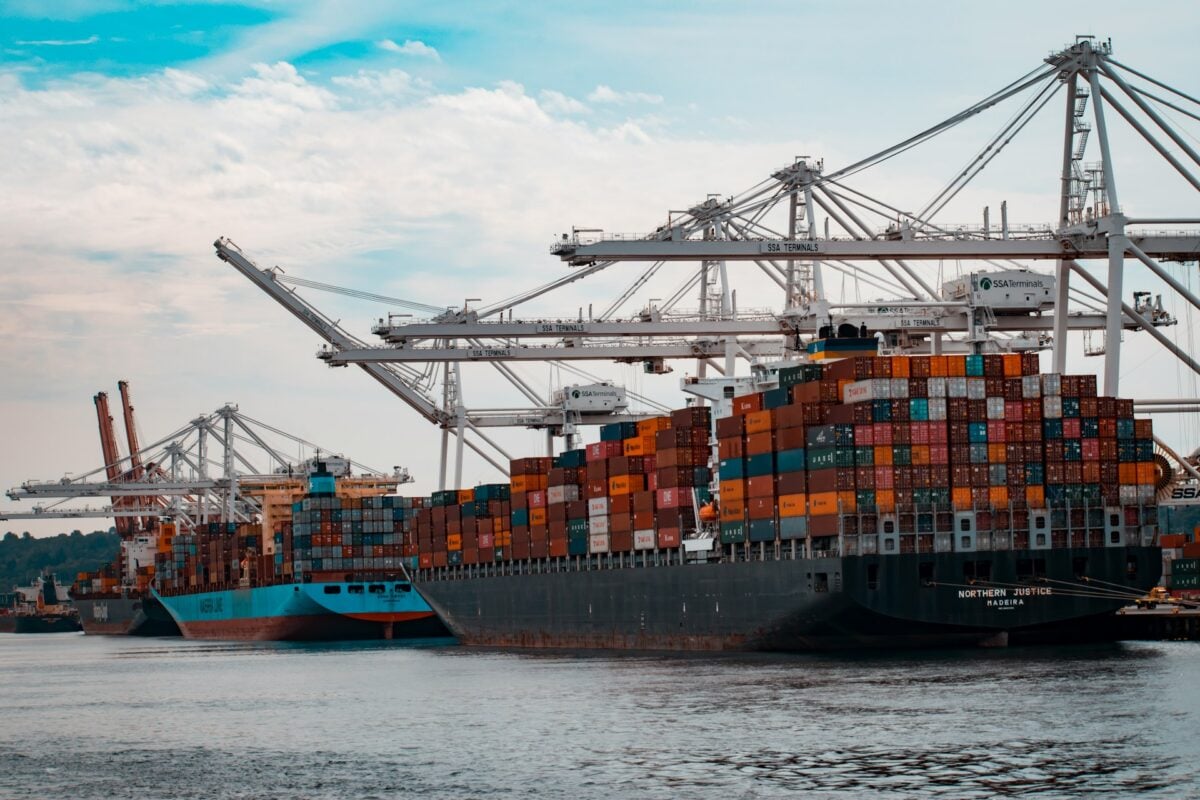
Container ships keep getting larger, but canal dimensions remain fixed by geography and engineering constraints. This creates an ongoing tension between shipping efficiency and infrastructure limitations.
Some canals have undergone expensive expansion projects to accommodate larger vessels, while others have reached practical limits that won’t change.
The industry must balance the economic advantages of larger ships against the practical limitations of the waterways they need to navigate. At some point, bigger stops being better when you can’t fit through the canals that connect your ports.
The Dance Continues
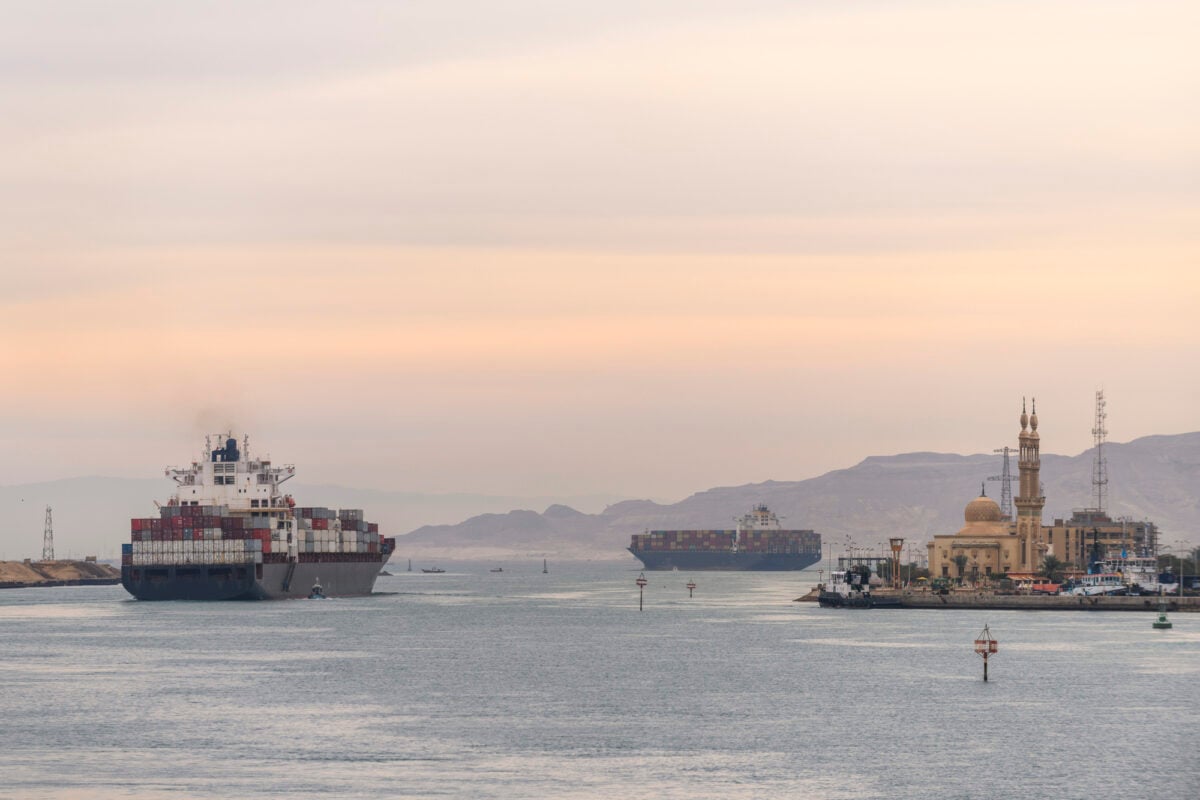
Watching a massive container ship navigate a tight canal never stops feeling like witnessing something that shouldn’t be possible. The margins are too small, the stakes too high, and the precision required beyond what seems reasonable to expect from floating vessels the size of city blocks.
Yet it works, day after day, because human expertise and technological precision combine to make the impossible routine. The dance between these maritime giants and the narrow waterways they traverse keeps global commerce flowing, one carefully calculated passage at a time.
More from Go2Tutors!

- The Romanov Crown Jewels and Their Tragic Fate
- 13 Historical Mysteries That Science Still Can’t Solve
- Famous Hoaxes That Fooled the World for Years
- 15 Child Stars with Tragic Adult Lives
- 16 Famous Jewelry Pieces in History
Like Go2Tutors’s content? Follow us on MSN.