Slang Terms People Used During World War II
Language during wartime has a way of evolving faster than anyone expects. Words get shortened, twisted, and repurposed out of necessity.
Soldiers needed quick ways to communicate complex ideas, civilians developed their own shorthand for rationing and blackouts, and everyone seemed to understand that regular vocabulary wasn’t quite enough for what they were living through. The slang that emerged from World War II tells its own story — one of dark humor, practical efficiency, and the human need to make sense of chaos through words.
Snafu
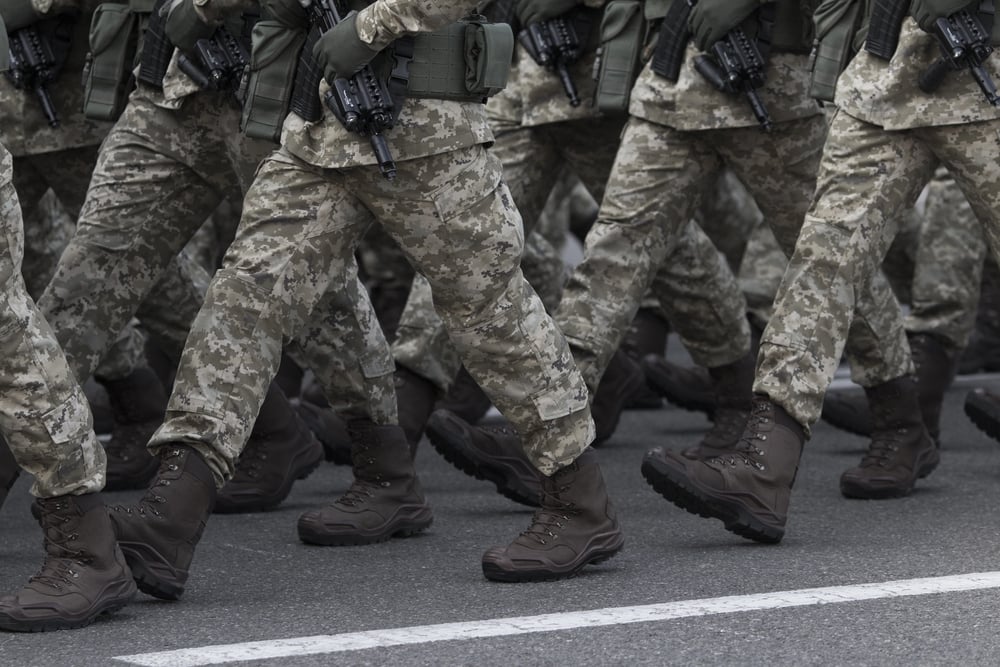
Military acronyms became part of everyday speech faster than most people realized. SNAFU stood for “Situation Normal: All Fouled Up” (though soldiers used a stronger word than “fouled”).
The phrase captured something essential about military life — the expectation that things would go wrong, and the resigned acceptance that came with it.
Dear John Letter
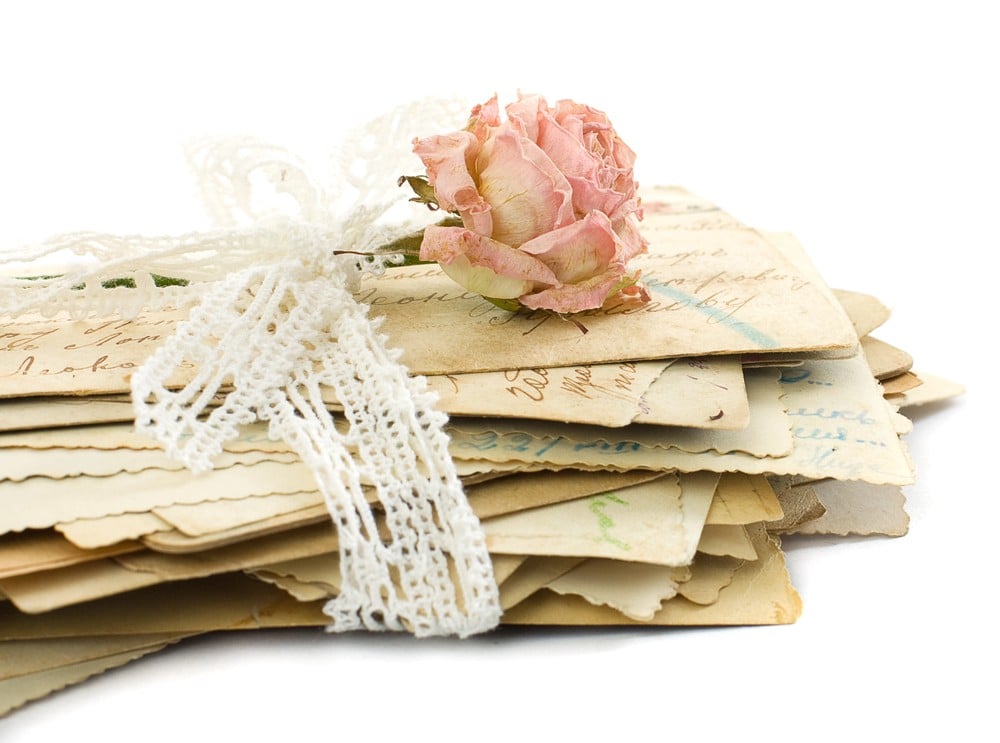
These letters arrived like small bombs in mailboxes. A “Dear John” was the breakup letter that ended relationships from thousands of miles away.
The name stuck because John was common enough that everyone knew one, and the format was depressingly predictable. The phrase outlasted the war by decades.
Kilroy Was Here
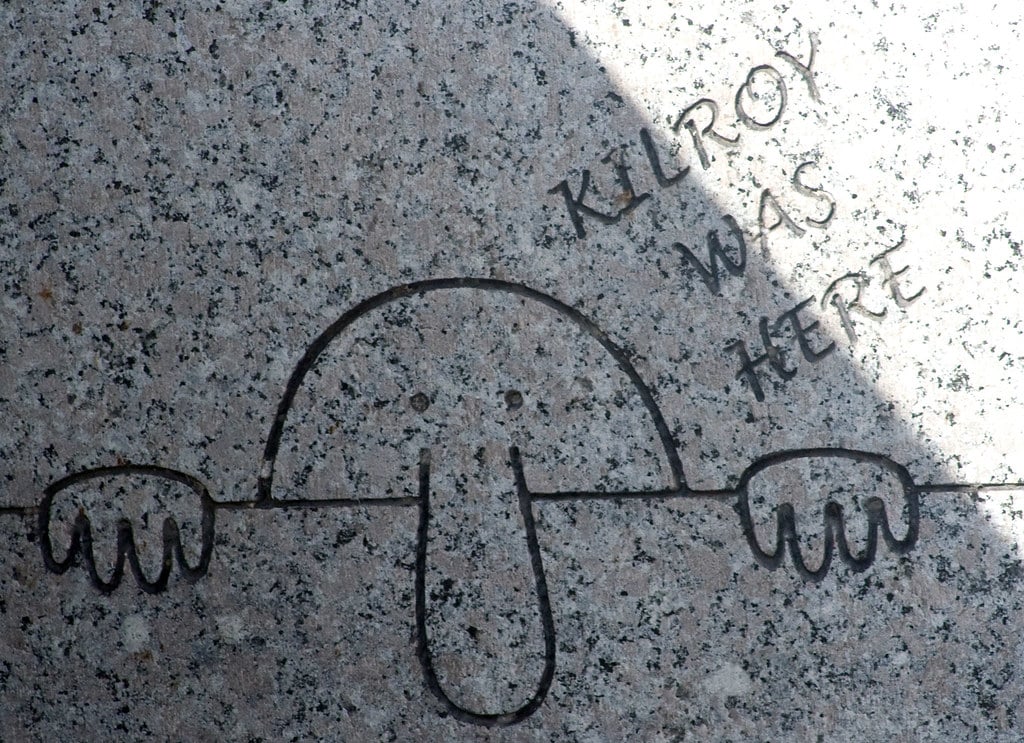
The mystery graffiti that appeared everywhere during the war, and nobody could quite explain how it spread so fast (though the explanation, when you think about it, is remarkably straightforward: soldiers moved around constantly, and humans have always had an irrepressible urge to leave their mark on walls). Kilroy became the unofficial mascot of American forces — not because anyone planned it that way, but because the phrase captured something about the American personality that even war couldn’t suppress.
And yet the whole phenomenon started as nothing more than a quality control inspector’s signature at a shipyard, which somehow makes it more perfect.
Flak
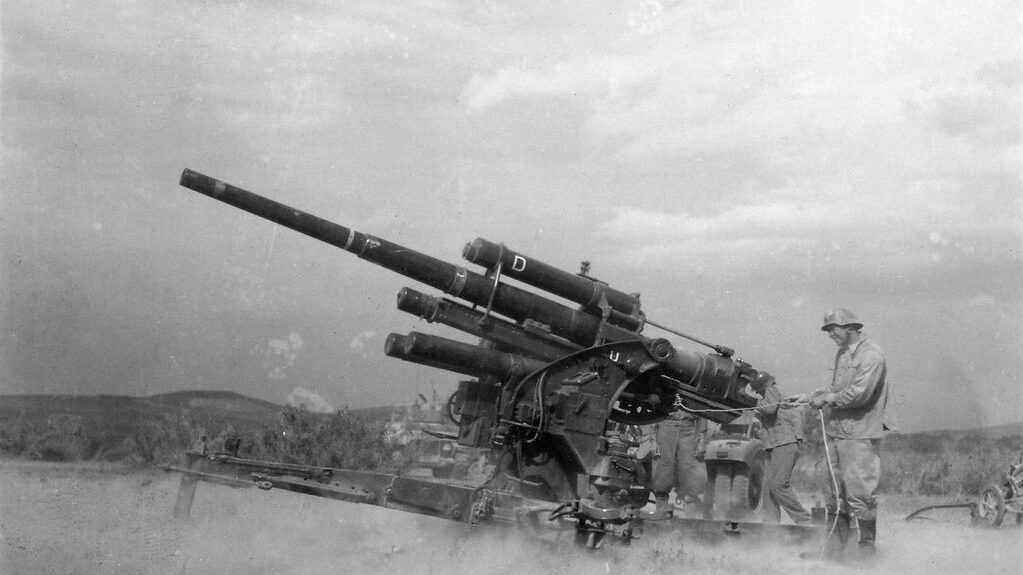
Originally short for Fliegerabwehrkanone — German anti-aircraft artillery — but English speakers turned it into something simpler. Taking flak meant catching anti-aircraft fire, and it didn’t take long for the meaning to expand beyond literal gunfire.
Heavy criticism became flak too.
Blackout
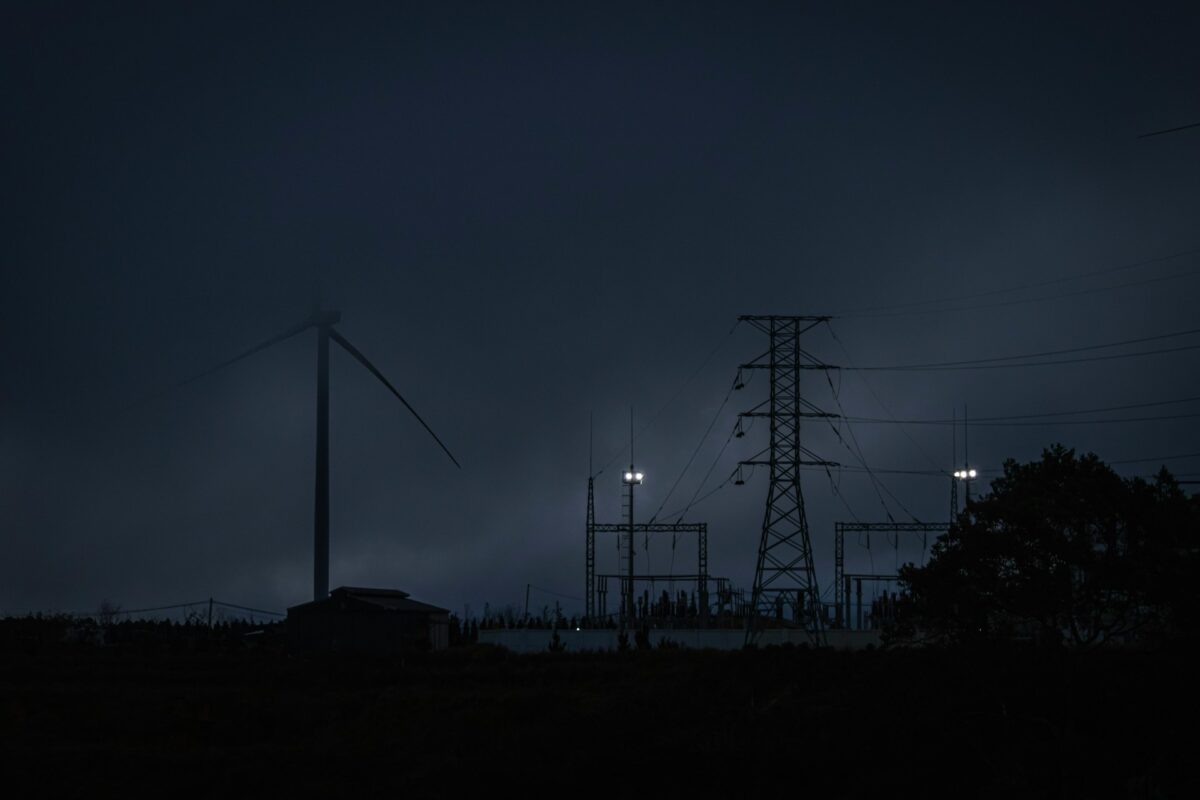
Cities went dark to avoid becoming targets, and “blackout” described both the practice and the experience. Windows got covered, streetlights went off, and people learned to navigate by memory.
The word carried the weight of vulnerability — the knowledge that light itself had become dangerous.
Jeep
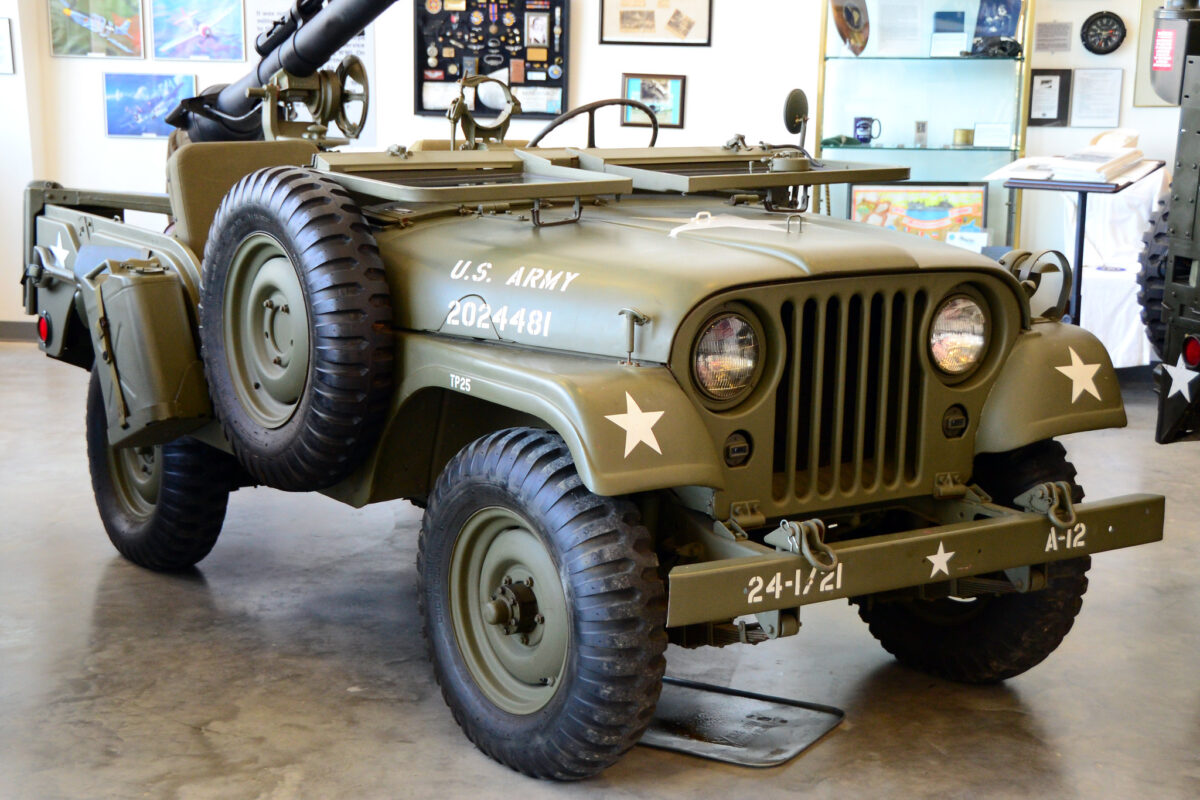
The vehicle that could go anywhere became synonymous with military practicality, though the name’s origin splits between “GP” (General Purpose) and “Eugene the Jeep” from Popeye comics — a character who could disappear and reappear anywhere, which seems fitting for a vehicle that showed up in every theater of war. Either way, soldiers shortened everything, and “jeep” was easier to say than “quarter-ton four-wheel-drive utility vehicle.”
The word stuck because it sounded like what it was: sturdy, unpretentious, and slightly playful despite its serious purpose.
Gremlin
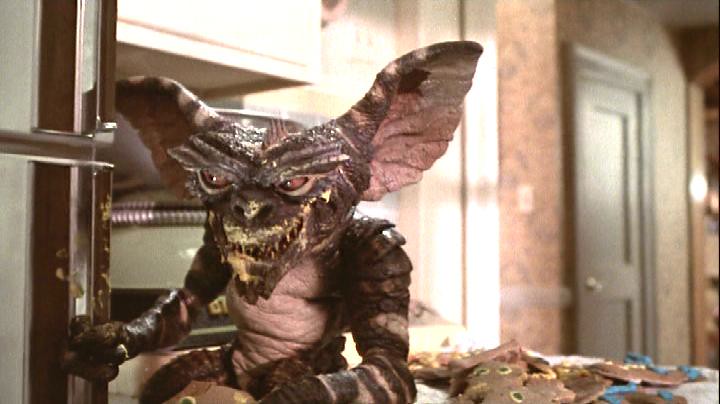
Mechanical failures needed an explanation that made more sense than random chance. Gremlins were the mischievous creatures that supposedly caused aircraft malfunctions — a way to personify the anxiety that came with trusting your life to complex machinery thousands of feet in the air.
Spam
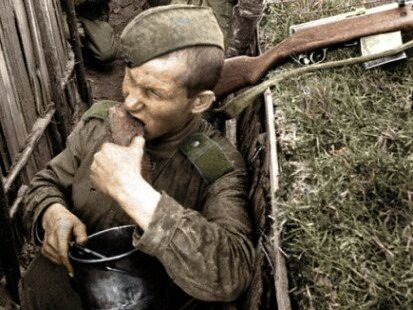
Canned meat became a symbol of wartime eating. Soldiers ate it because they had to, civilians ate it because meat was rationed, and everyone developed opinions about it.
The name itself was already slang — “Spiced Ham” shortened to something that sounded less appetizing than the original, which tells you something about the product.
Rosie the Riveter
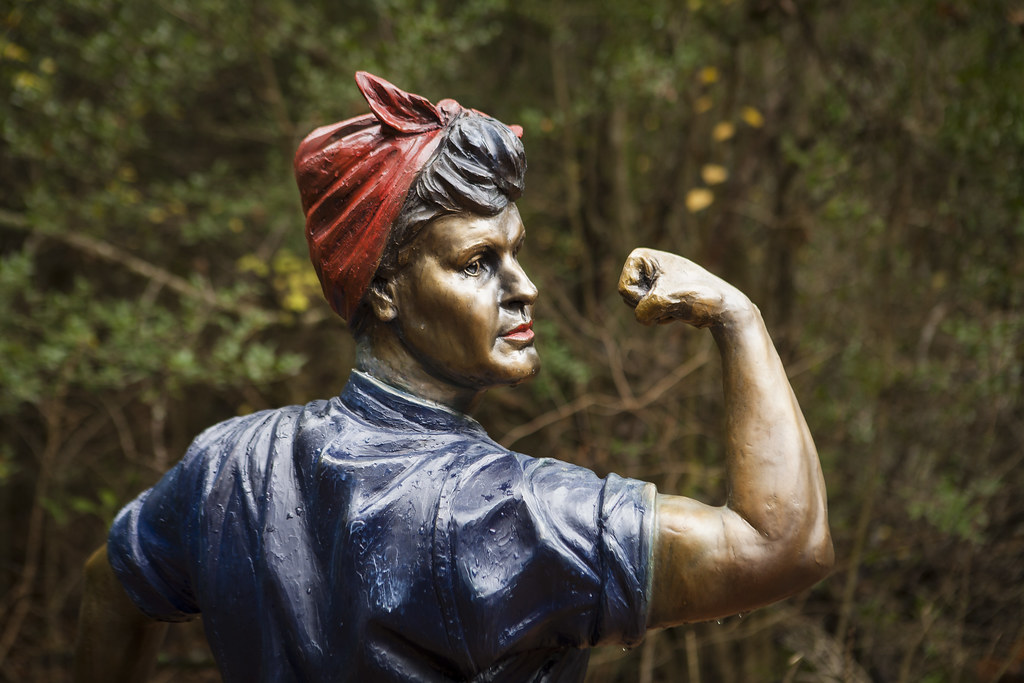
The name for women working in factories became shorthand for an entire social transformation. “Rosie” represented millions of women who took jobs that had been exclusively male territory, and the nickname made that massive shift feel personal and specific rather than abstract.
GI
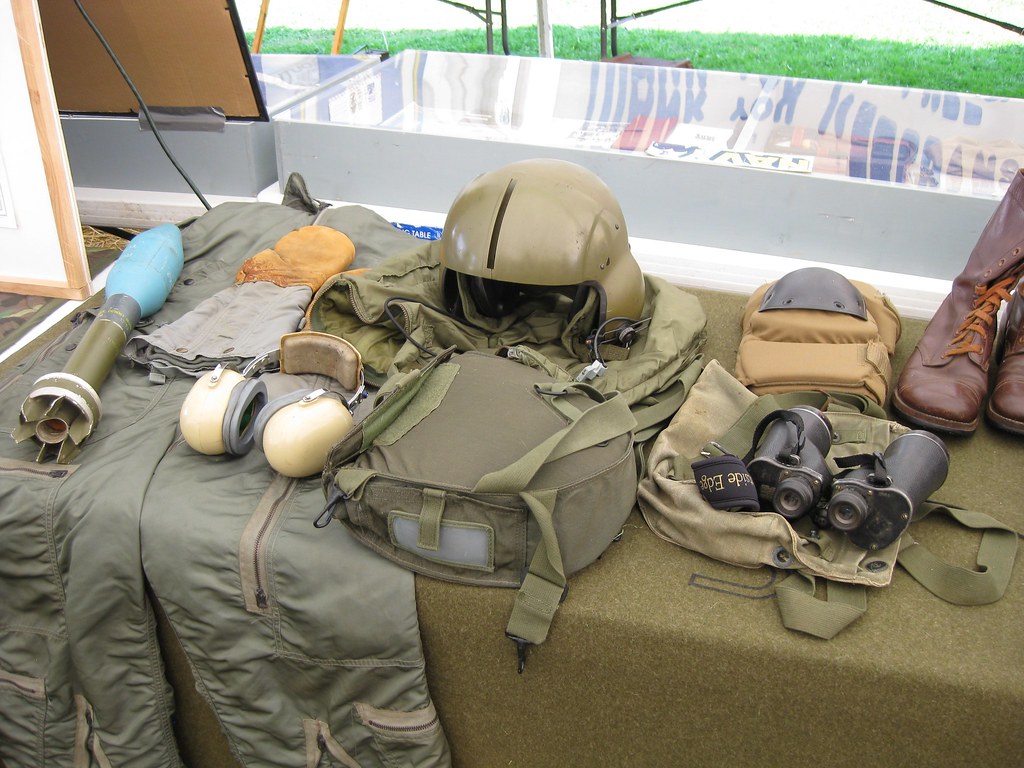
Government Issue applied to everything from boots to blankets, but soldiers started calling themselves GIs too (since they figured they were government-issued as well, which is the kind of dark humor that military life seems to require). The term stripped away regional differences and individual backgrounds — everyone became interchangeable parts in a massive machine.
But somehow that reduction felt less dehumanizing when the soldiers claimed it for themselves.
Victory Garden
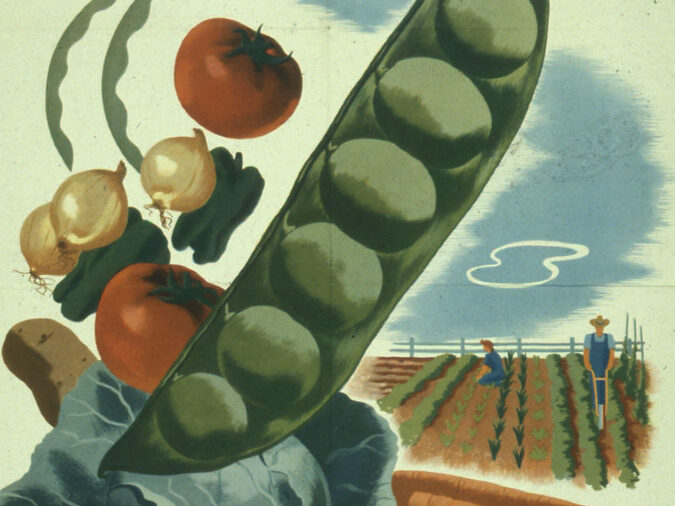
Growing vegetables became a patriotic act, and “Victory Garden” made it sound like farming was a form of combat. The name elevated mundane activities — planting tomatoes and pulling weeds — into contributions to the war effort, which they genuinely were.
Ration
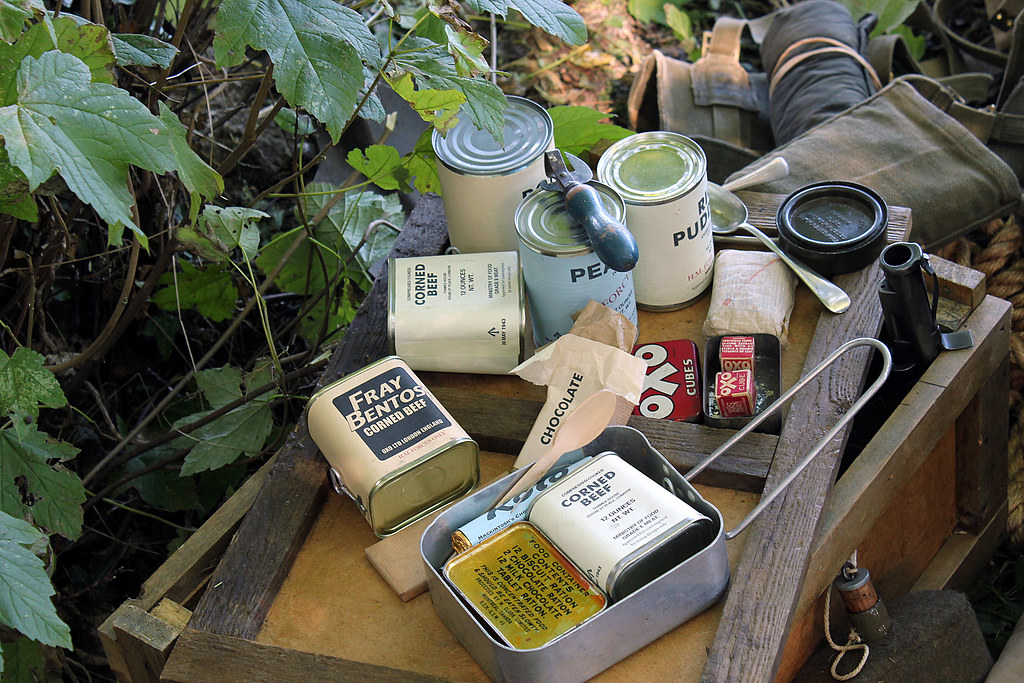
The word existed before the war, but it took on new meaning when applied to sugar, butter, and gasoline. Rationing changed how people thought about abundance and scarcity.
Having something rationed meant it was both essential and limited — a combination that made ordinary items feel precious.
Zoot Suit
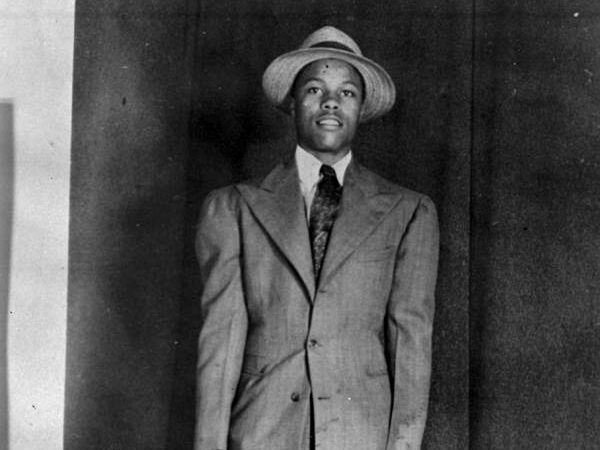
The oversized suits with wide shoulders and baggy pants became a symbol of civilian defiance during fabric rationing. Wearing that much cloth when material was scarce was a statement, and the name “zoot suit” sounded as rebellious as the fashion choice itself.
Echoes in Modern Language
These words didn’t disappear when the war ended. They settled into everyday speech and stayed there, carrying their wartime origins forward in ways most people don’t think about.
SNAFU still describes bureaucratic mess-ups, taking flak means facing criticism, and Jeeps still promise to go anywhere. The slang of World War II became part of how Americans talk, which means it became part of how they think.
Language has a way of outlasting the circumstances that created it — and sometimes that persistence matters more than the original meaning.
More from Go2Tutors!

- The Romanov Crown Jewels and Their Tragic Fate
- 13 Historical Mysteries That Science Still Can’t Solve
- Famous Hoaxes That Fooled the World for Years
- 15 Child Stars with Tragic Adult Lives
- 16 Famous Jewelry Pieces in History
Like Go2Tutors’s content? Follow us on MSN.