Iconic Vintage Sneakers Modern Kids Still Love
There’s something magnetic about vintage sneakers that transcends generations. Walk through any middle school hallway today and you’ll spot the same silhouettes that graced basketball courts and city streets decades ago.
These aren’t museum pieces or nostalgia trips — they’re living, breathing parts of youth culture that refuse to fade away. The shoes that defined past eras continue to define new ones, proving that great design doesn’t age.
Converse Chuck Taylor All Star
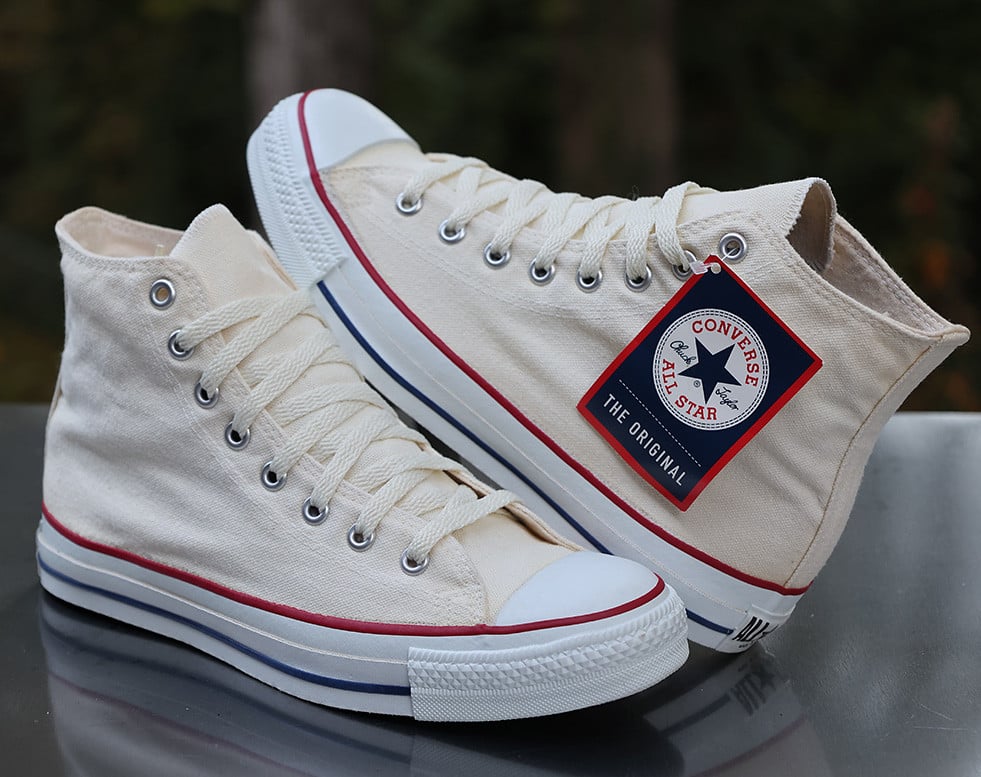
These canvas classics don’t try to impress anyone. Rubber toe cap, flat sole, cotton laces.
Same formula since 1923, and kids today wear them exactly like their grandparents did. No fancy cushioning, no high-tech materials — just a shoe that works.
Nike Air Force 1
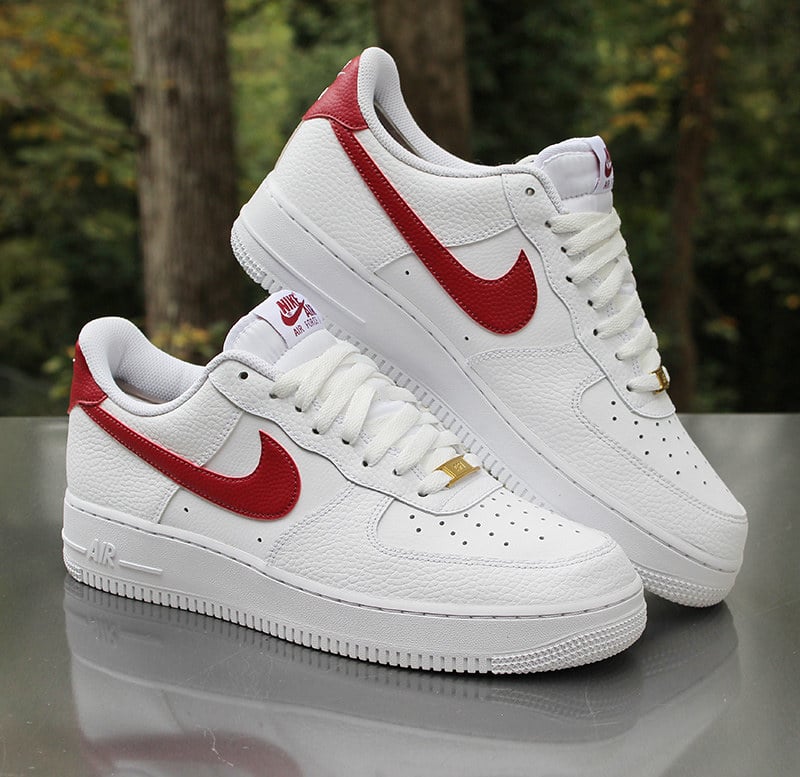
Nike released these in 1982 for basketball courts, but (and this shift happened gradually, then all at once) they became something entirely different: the foundational sneaker that every kid seems to own at some point. The leather upper ages in a way that makes each pair tell its own story — scuff marks and creases that map out playground adventures and weekend wanderings.
So they’re not just shoes anymore. They’re documentation.
Vans Old Skool
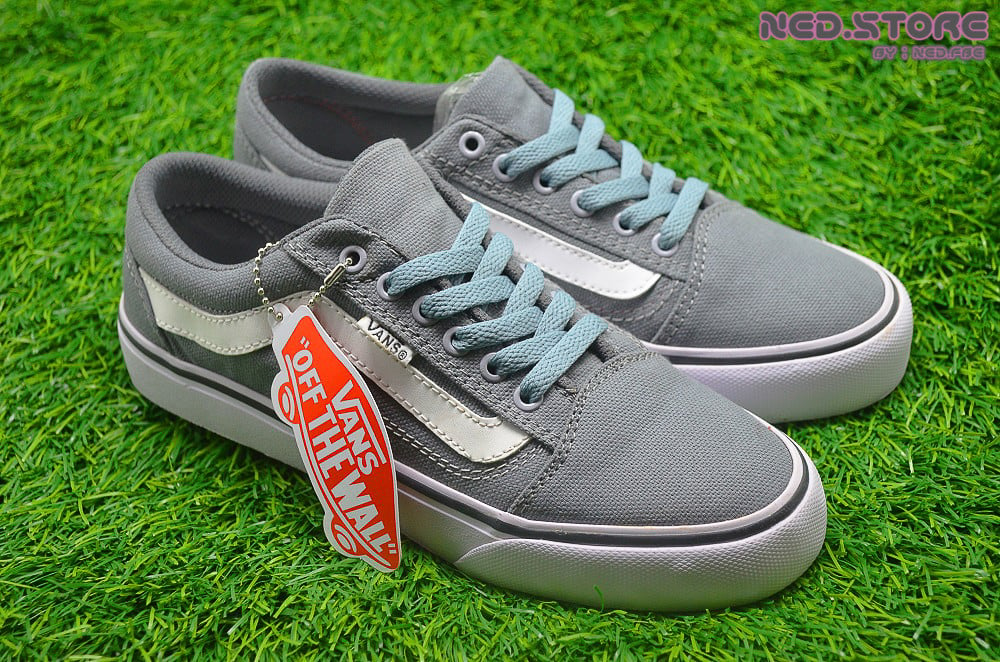
Skateboarding gave birth to this shoe, but like seeds carried by wind, it found soil in places far from skate parks. The side stripe — that simple wavy line — became as recognizable as any logo, a small signature that whispers rather than shouts.
Kids wear them to school, to concerts, to family dinners, and somehow they work in all those spaces, adapting like a well-traveled friend who fits in anywhere.
Adidas Stan Smith
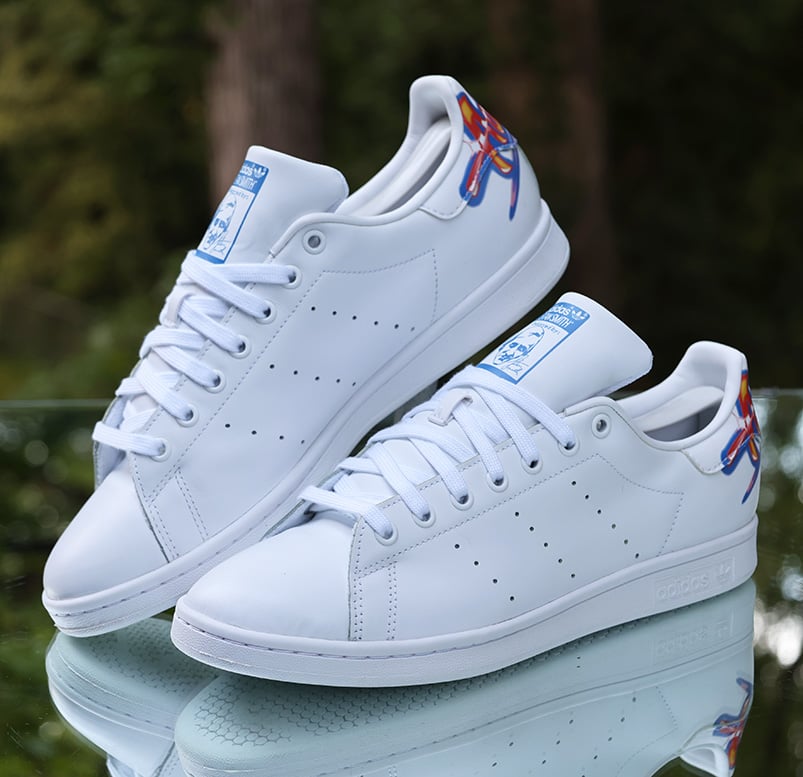
The cleanest sneaker ever made remains exactly that. White leather, green accents, minimal branding.
No child has ever looked at a pair of Stan Smiths and found them trying too hard. They’re the sneaker equivalent of a white t-shirt — basic in the best possible sense.
Reebok Club C
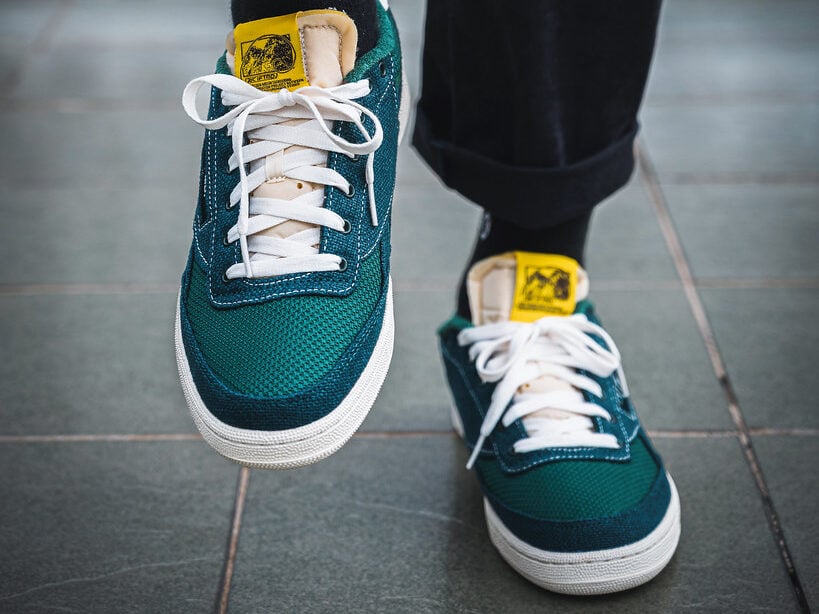
Basketball courts birthed these in 1985, but modern kids couldn’t care less about their athletic pedigree. They care about the way the leather feels substantial without being stiff, how the proportions hit that sweet spot between chunky and sleek.
The Club C succeeds because it doesn’t overexplain itself — just clean lines and quality materials that let the wearer fill in the story.
Nike Cortez
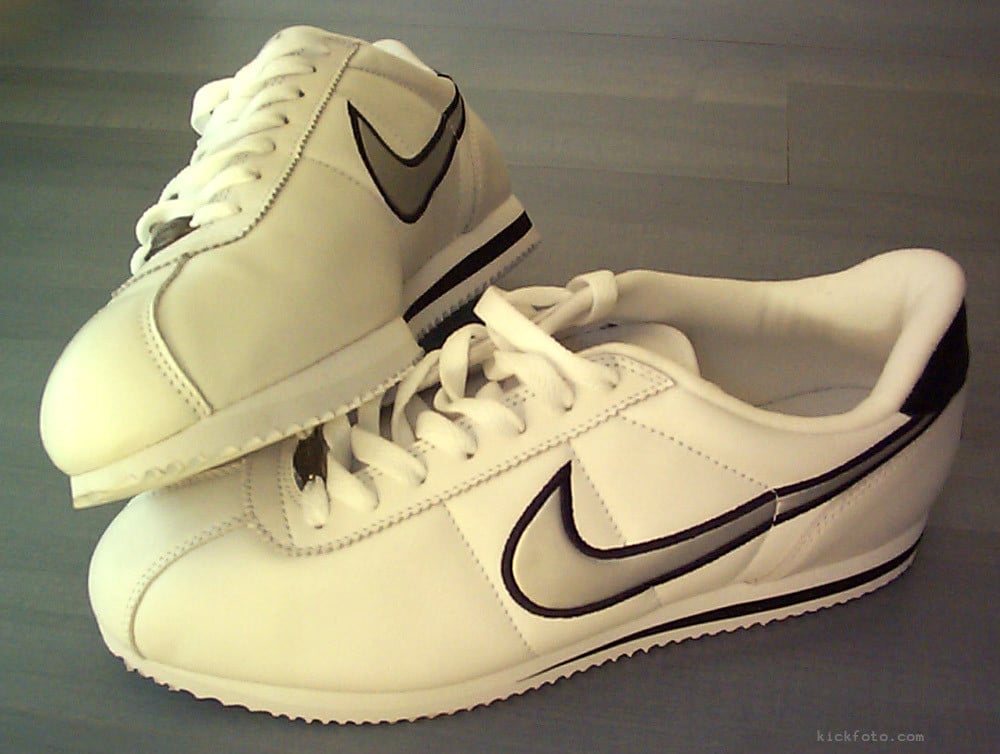
Forrest Gump made these famous, and (here’s where cultural memory gets interesting) kids today recognize them not from the movie but from seeing them on the right people — the ones who seem to understand that simple design often outperforms complexity. The Cortez has this particular weight distribution that makes walking feel intentional, like each step is placed rather than stumbled into.
Turns out that feeling never goes out of style.
Puma Suede
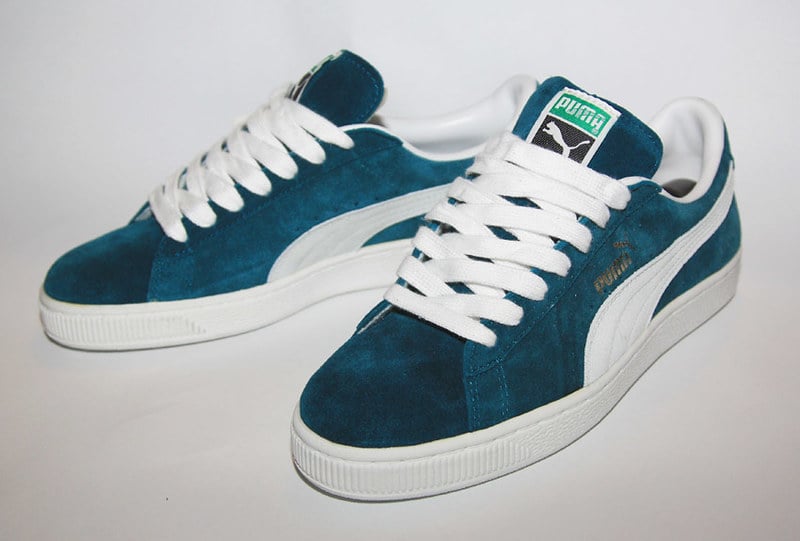
Suede was a bold choice for athletic footwear in 1968 — a material that demanded care instead of promising indestructibility. It’s the textile equivalent of wearing your heart on your sleeve, showing every mark and memory.
Modern kids understand this vulnerability as strength, choosing a shoe that requires attention over one that claims to need none.
New Balance 574
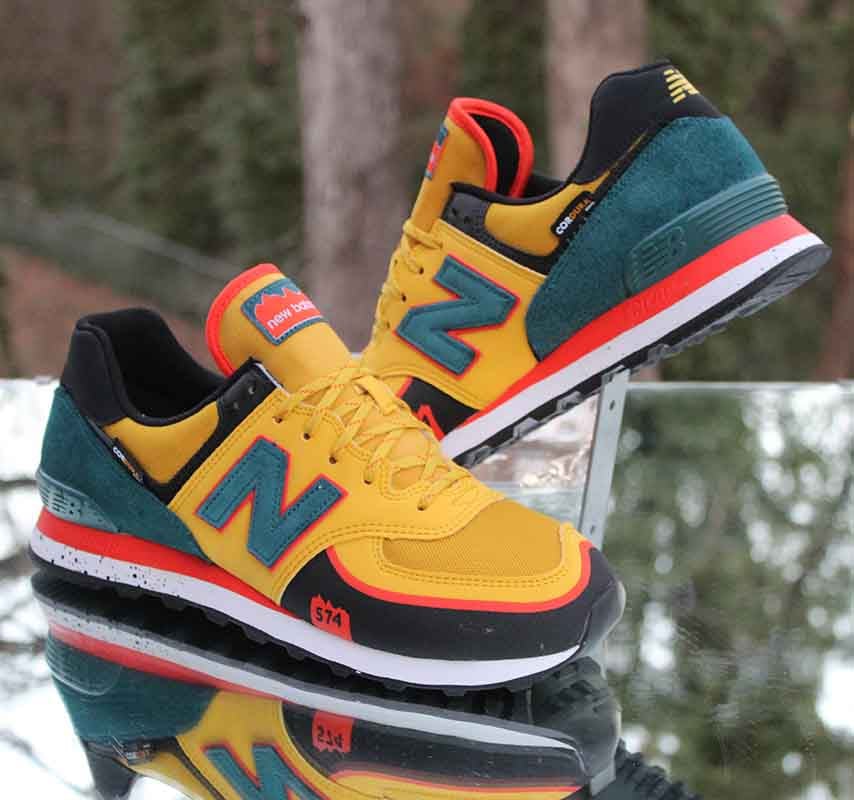
New Balance stumbled onto something profound with the 574: a sneaker that looks better when it’s not trying to be the center of attention. The proportions are deliberately ungainly — too much sole, too many panels, colors that don’t quite coordinate.
Yet this awkwardness transforms into charm when worn by someone who gets it.
Adidas Gazelle

The Gazelle emerged from 1960s training rooms but found its true calling in the everyday lives of people who appreciate things that feel right rather than things that look flashy. The suede upper and gum sole create a texture combination that’s oddly satisfying — rough and smooth playing against each other in a way that makes sense to your feet before it makes sense to your eyes.
Converse One Star
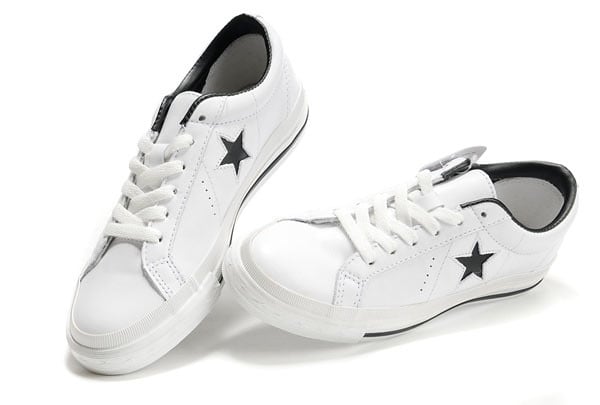
Converse designed the One Star to compete with Adidas and Nike in the 1970s, then quietly discontinued it, then brought it back when they realized (as companies sometimes do, years too late) they’d created something special. The single star logo is design confidence at its peak — one symbol, placed precisely, saying everything that needs to be said.
Nike Blazer
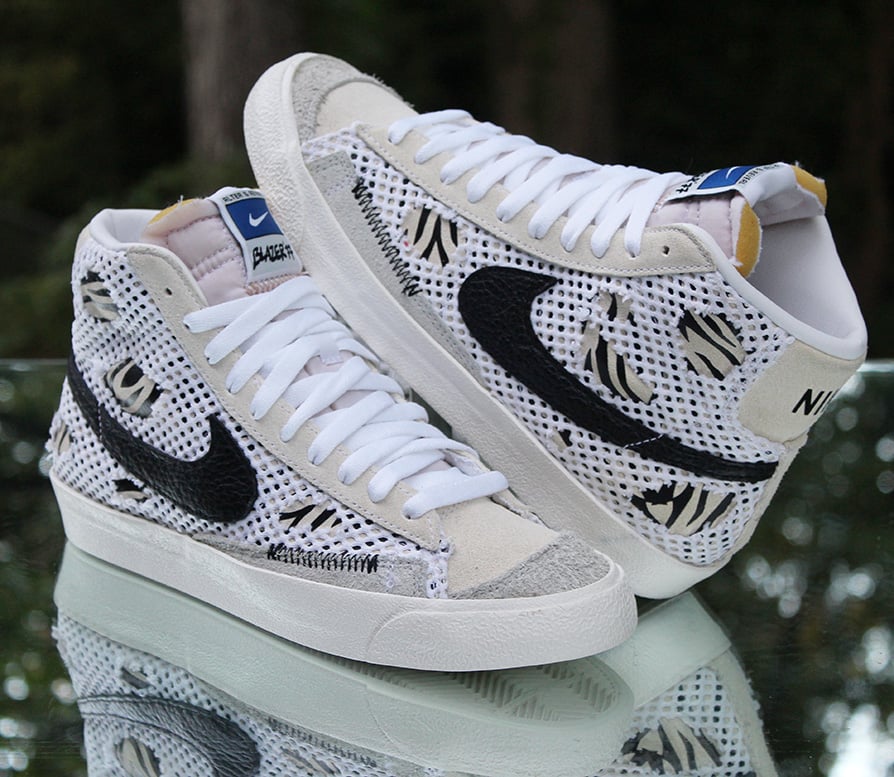
Basketball shoes from 1973 shouldn’t work as casual wear for teenagers in 2024, but the Blazer’s high-top silhouette and oversized swoosh create a presence that transcends sport entirely. The shoe frames the ankle in a way that makes every step feel intentional, which matters more to modern kids than any athletic performance metric ever could.
Adidas Samba

Soccer training gave birth to the Samba, but its true genius lies in how it translates indoor sports sensibility to outdoor life. The gum sole provides just enough grip without feeling aggressive, and the leather ages into something that looks earned rather than manufactured.
Kids today wear them like a secret handshake with good taste.
Vans Authentic
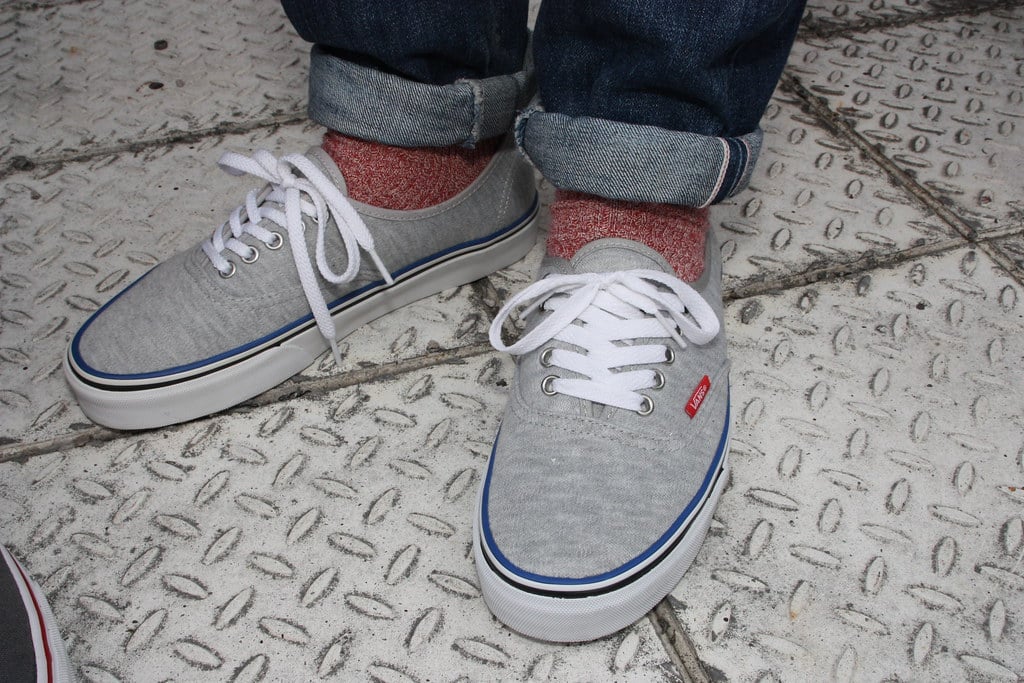
The Authentic is Vans stripped to its essence — canvas, rubber, nothing extra. It’s the sneaker equivalent of a perfectly tuned guitar: every element serves the whole, nothing is wasted, and the result feels inevitable.
Modern kids understand this clarity instinctively, choosing simplicity in a world that often offers the opposite.
Where time stands still
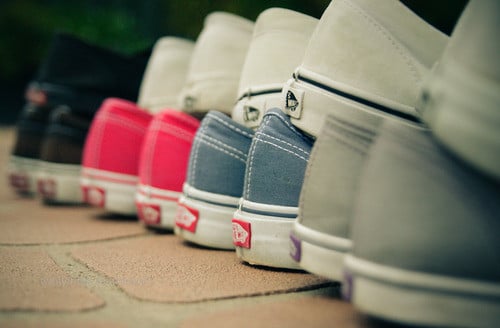
These shoes persist because they solve problems that don’t change: how to look intentional without trying too hard, how to signal taste without announcing it, how to find footing in a world that keeps shifting. The kids wearing Chuck Taylors today face different challenges than the ones who wore them in 1985, but their feet hit the ground with the same confidence.
Some things improve with age, others simply endure — and the best vintage sneakers do both.
More from Go2Tutors!

- The Romanov Crown Jewels and Their Tragic Fate
- 13 Historical Mysteries That Science Still Can’t Solve
- Famous Hoaxes That Fooled the World for Years
- 15 Child Stars with Tragic Adult Lives
- 16 Famous Jewelry Pieces in History
Like Go2Tutors’s content? Follow us on MSN.